Categories
Compactors
A plate compactor consolidates ground under a vibrating plate to raise its bearing capacity; a rammer does the same job by impact in a tight footprint. Soil type decides which: plates for granular soils, rammers for cohesive ones. The range here runs from 50x37 cm to 63x40 cm plates and includes water-tank and reversible models.
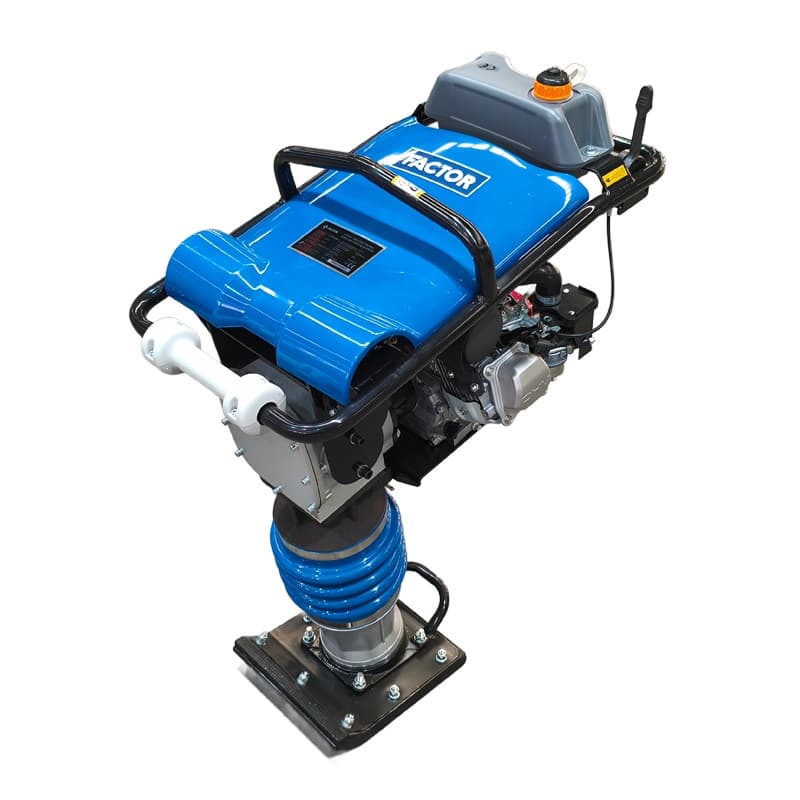
Factor FCCZT10H Petrol Rammer 5.5 HP
Factor · Compactors
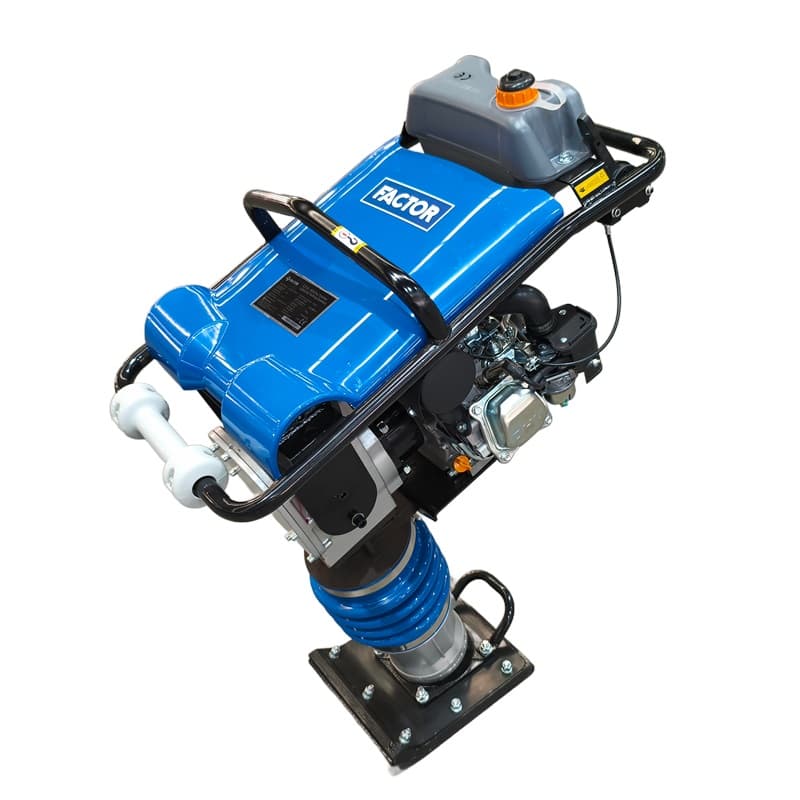
Factor FCCZT10L Petrol Rammer 6.5 HP
Factor · Compactors
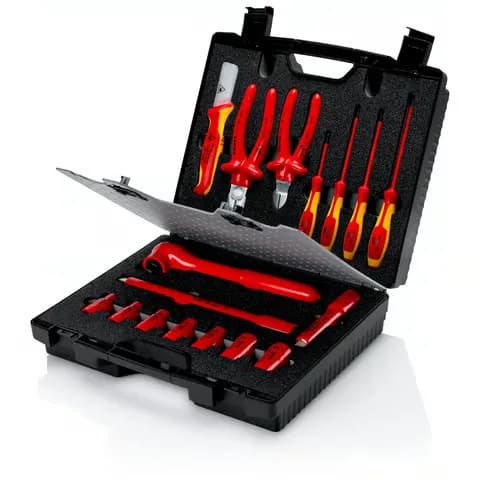
Knipex 989911 Compact Tool Bag 17 Piece
Knipex · Compactors
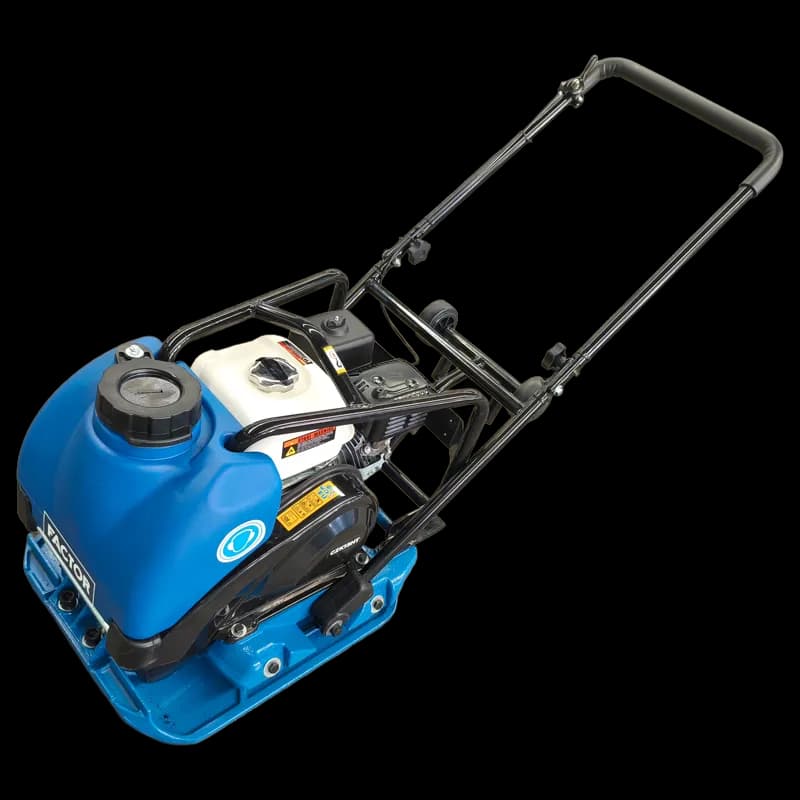
Factor FCCZK13HT with Water Tank Plate Compactor 50 x 52 cm
Factor · Compactors
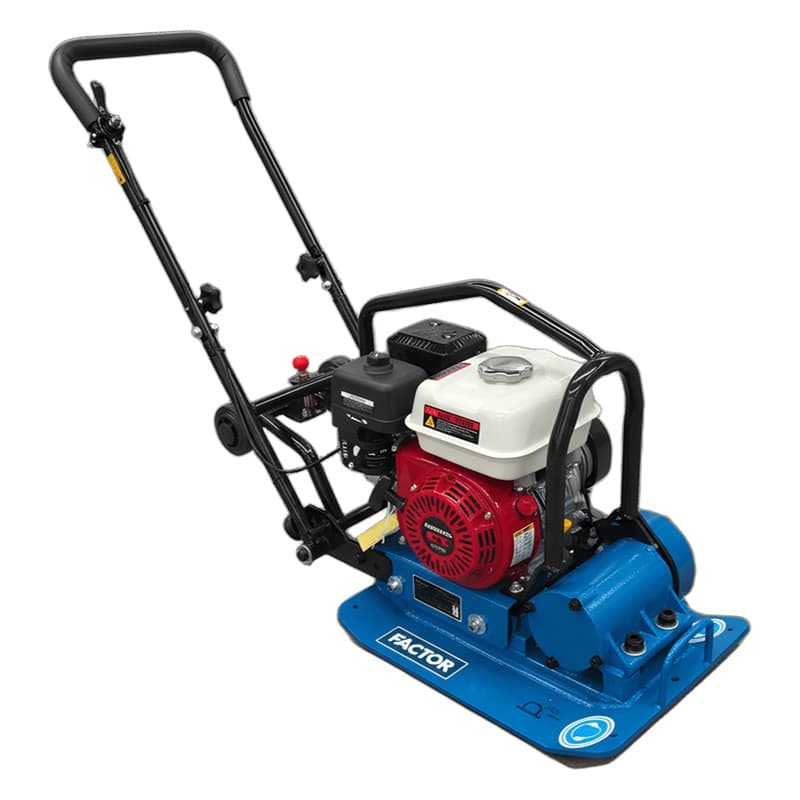
Factor FCCZK10H Plate Compactor 52 x 37 cm
Factor · Compactors
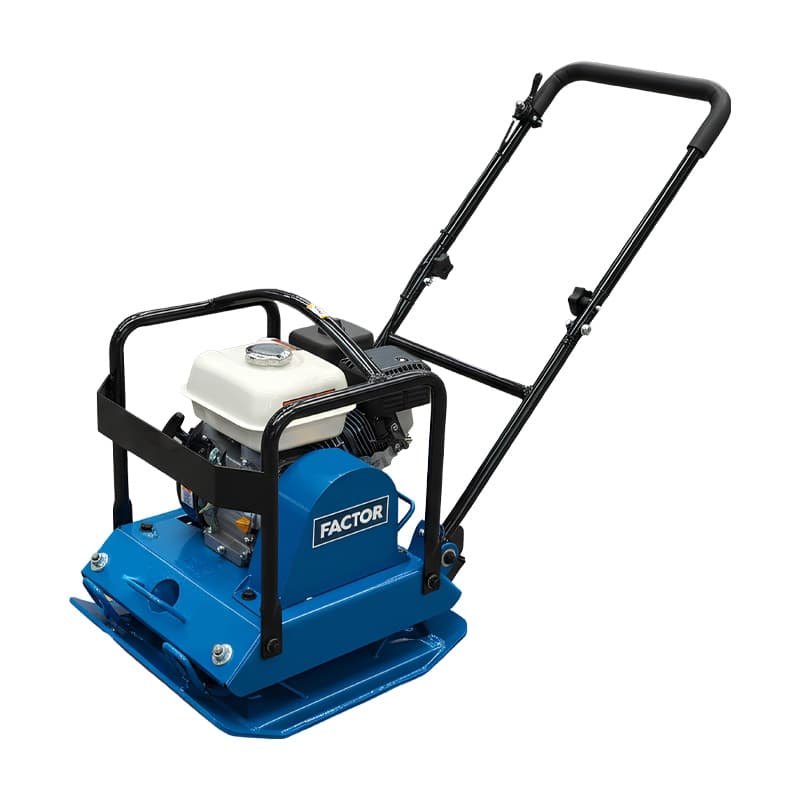
Factor FCCZK15H Plate Compactor 54 x 45 cm
Factor · Compactors
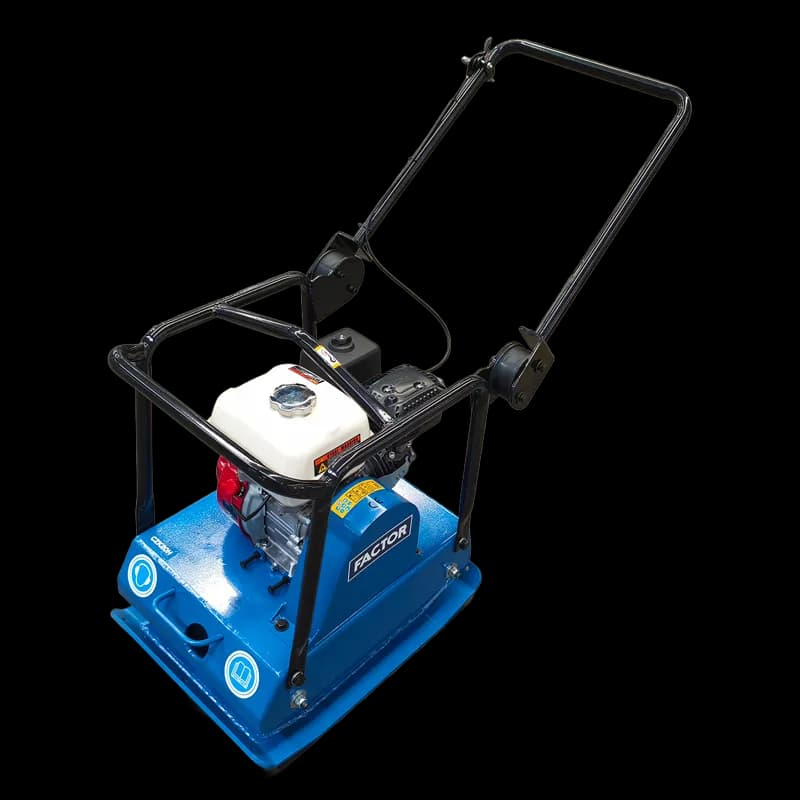
Factor FCCZK20H Plate Compactor 62 x 45 cm
Factor · Compactors
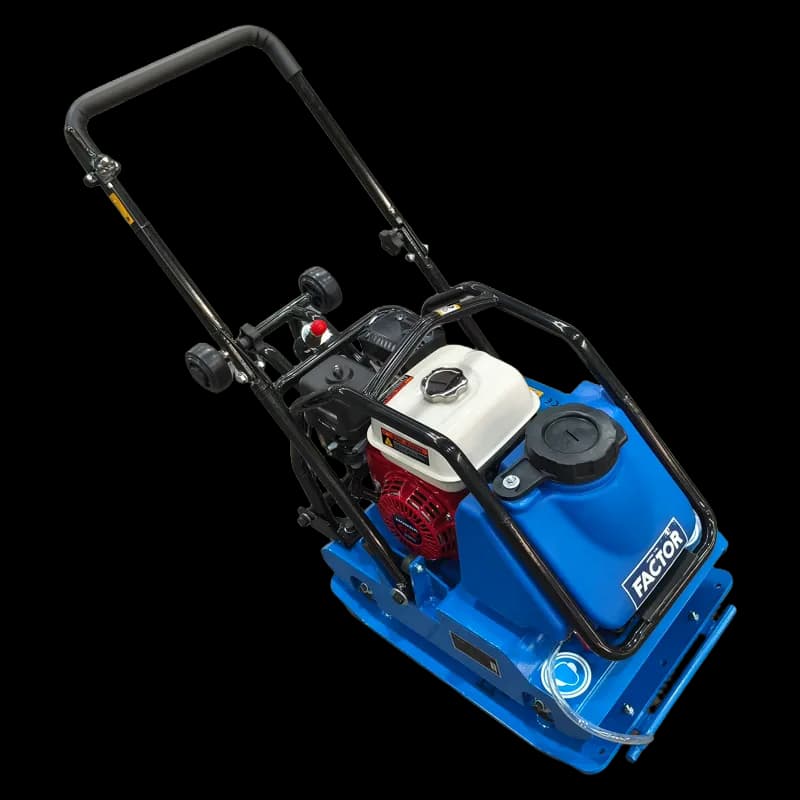
Factor FCCZK16HT with Water Tank Plate Compactor 62 x 45 cm
Factor · Compactors
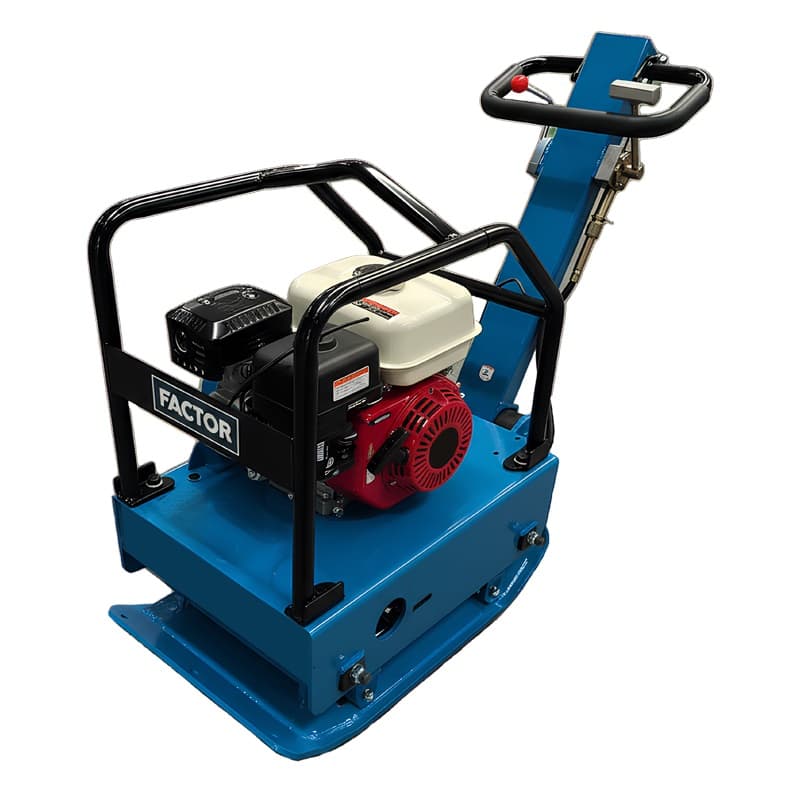
Factor FCCZK20HS Reversible Plate Compactor 63 x 40 cm
Factor · Compactors
Plate size and pass planning
Plate size decides the area covered per pass; centrifugal force decides how deep the compaction reaches. A small plate manoeuvres in tight spaces, a large one covers the same ground in fewer passes.
Compaction is done in layers: 20-30 cm in granular fill, 15-25 cm in clay, with 3-6 passes per layer. Plan the passes to overlap.
| Plate size | Suits | Note |
|---|---|---|
| 50x37 cm | Paving sub-base, tight spaces, refurbishment | Easy to manoeuvre |
| 54x45 cm | General fill and patching | Balanced choice |
| 62x45 cm and above | Large areas, road and yard fill | Fewer passes |
Water tank and reversible models
Water-tank models stop the plate sticking to hot asphalt, which protects surface quality on patching and new-laid work. Reversible models travel back without turning, saving time in trenches and against walls.
When you need a rammer
In cohesive clay and in narrow trenches a plate compactor falls short. A rammer works by impact and reaches markedly deeper in the same soil; pipeline backfill and work around foundations are its typical ground.
Frequently Asked Questions
What soils suit a plate compactor?
Granular soils — sand, gravel and crushed stone. In clay and other cohesive soils an impact rammer gives the better result.
How many passes are needed?
Typically 3-6 per layer, depending on soil and machine. Passes should overlap, and where density is specified it is confirmed by site testing.
When should I choose the water-tank model?
When compacting asphalt. The water stops the plate sticking to the hot surface and marking it.
What does a reversible compactor gain me?
It travels back without turning, shortening work in trenches, against walls and in tight spaces, and allows compaction in place.
How do I choose plate size?
By the area and the manoeuvring you need. 50x37 cm suits tight spaces and refurbishment; 62x45 cm and above suits large fill areas.
How is a compactor maintained?
Engine oil and air filter follow the manufacturer's intervals, and exciter oil is checked regularly. Clean under the plate after every use — dried material there causes imbalance.