Categories
Core Drills
A core drill opens a full-diameter hole in concrete with a clean edge, using a diamond-tipped barrel. Unlike breaking, it leaves the surrounding concrete and reinforcement undisturbed, which is why it is the standard method for service penetrations and test cores. The range here covers handheld and rig-mounted electric machines.
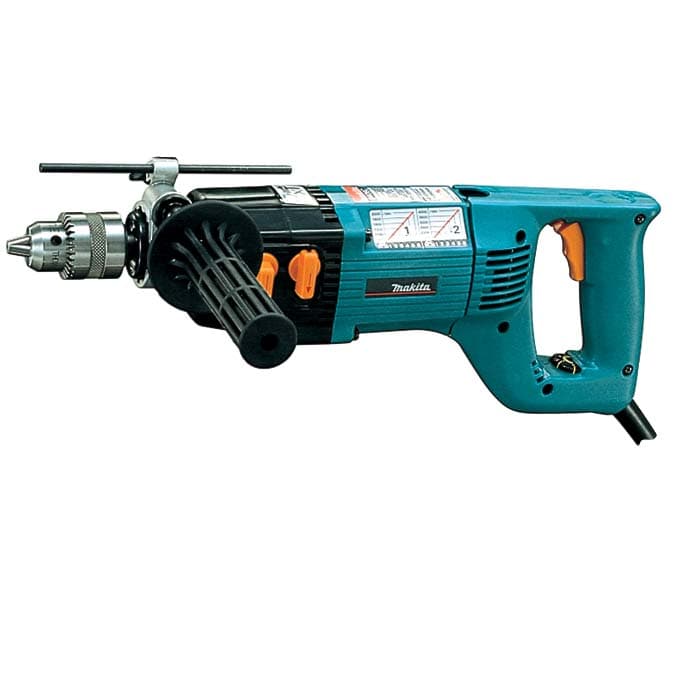
Makita 8406C Hammer Drill + Kuru Drilling Karot Machine
Makita · Core Drills
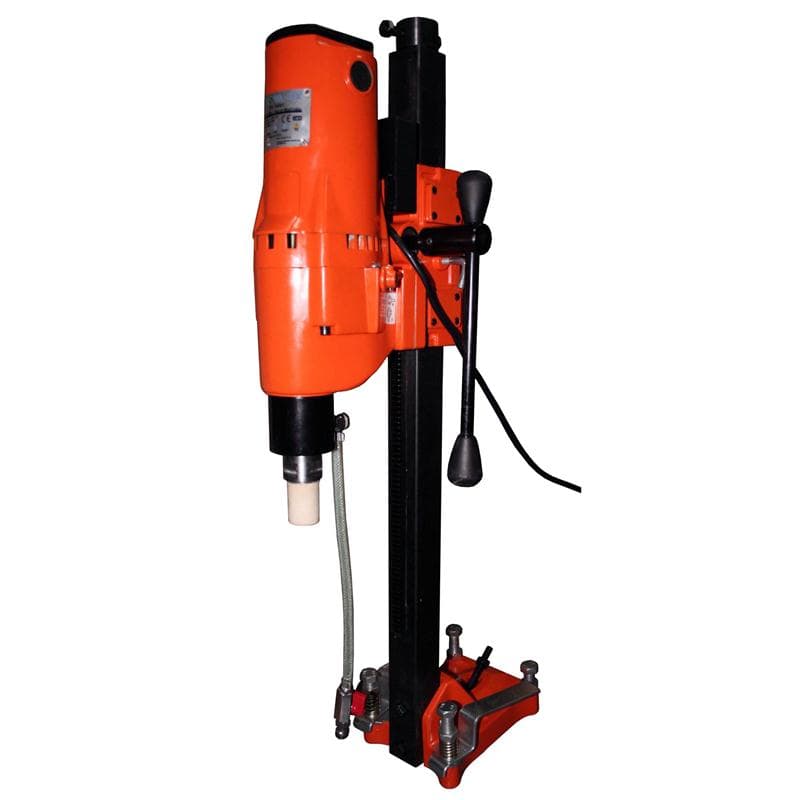
Euromax EMX75001 Core Drilling Machine 255 mm
EUROMAX · Core Drills
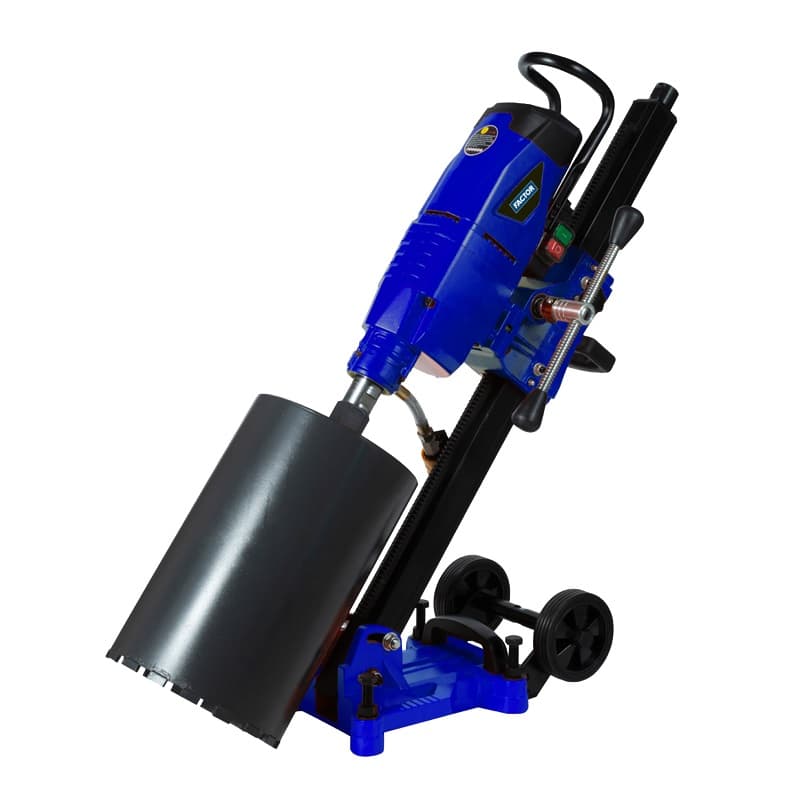
Factor FCCD250A Core Drill 4880 W
Factor · Core Drills
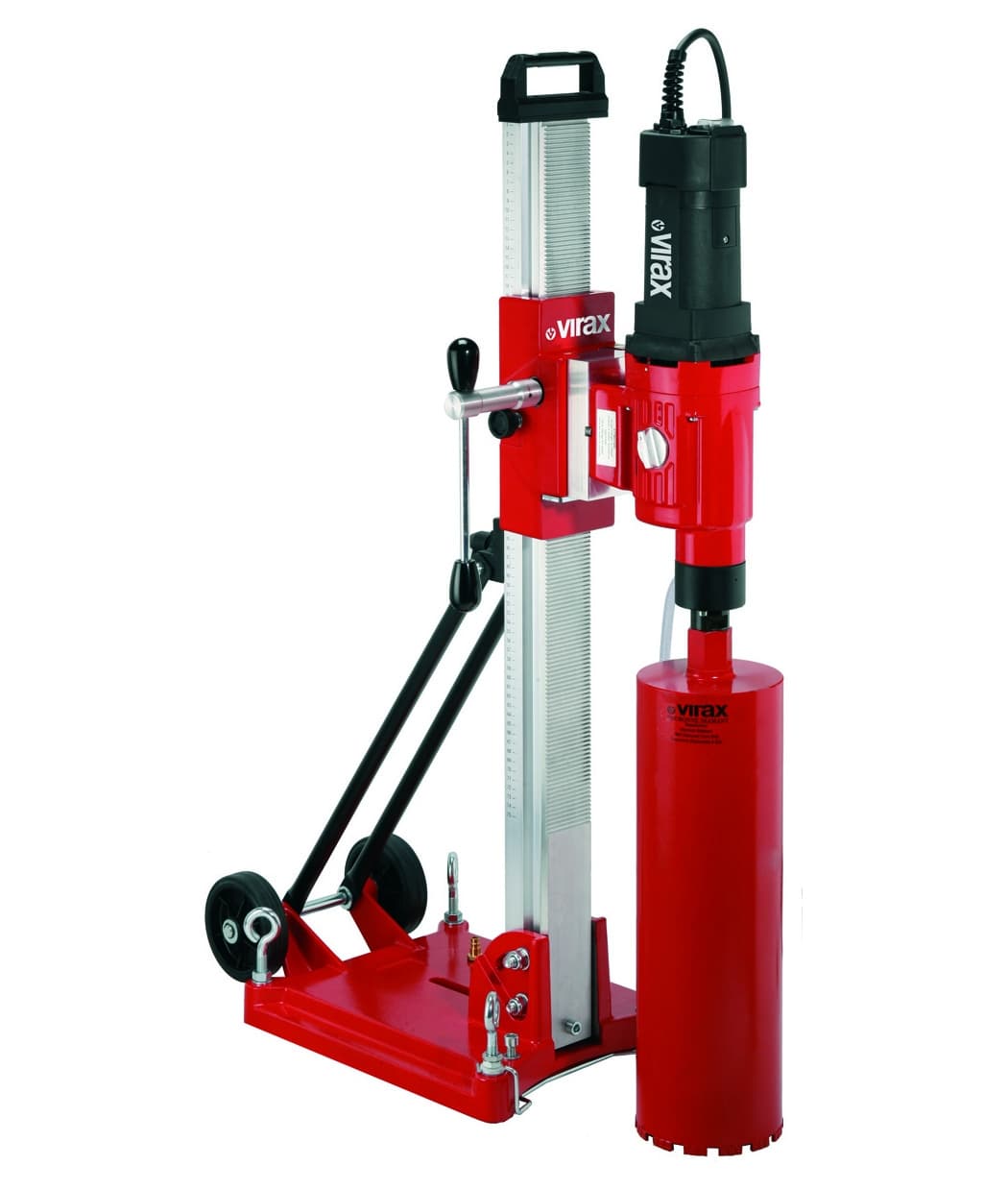
Virax Core Drilling Machine V250
Virax · Core Drills
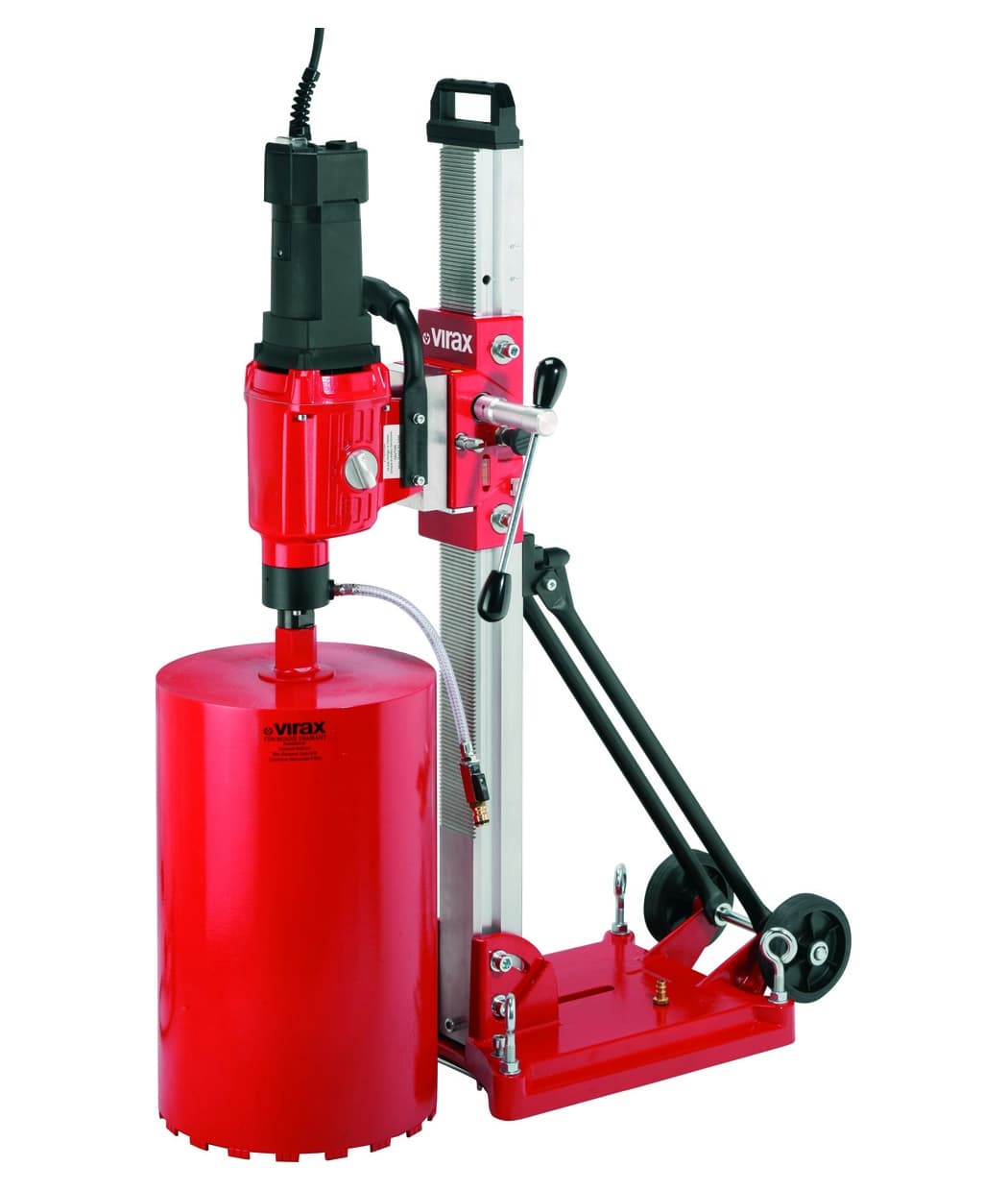
Virax Core Drilling Machine V350
Virax · Core Drills
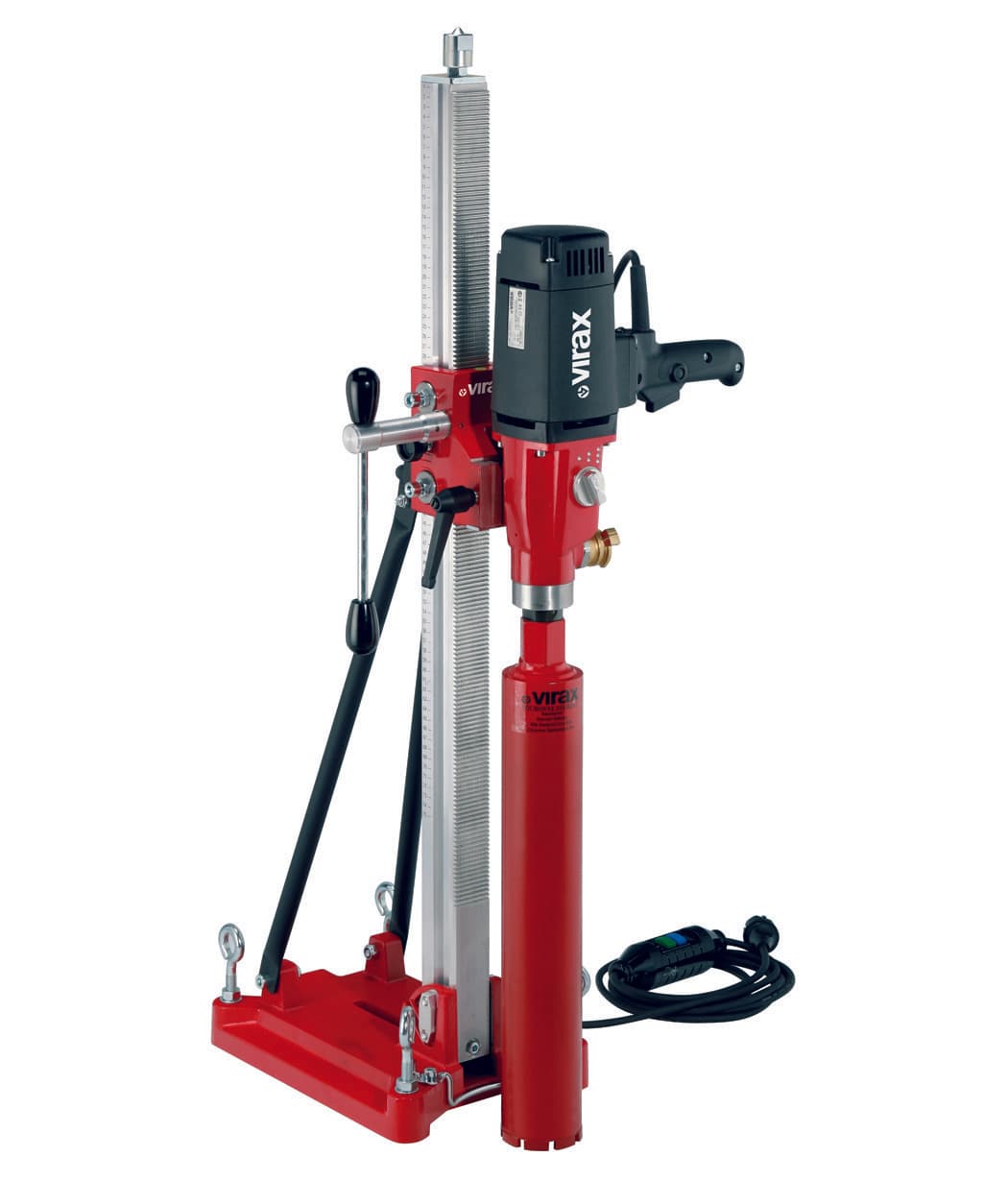
Virax Core Drilling Machine with Stand V150
Virax · Core Drills
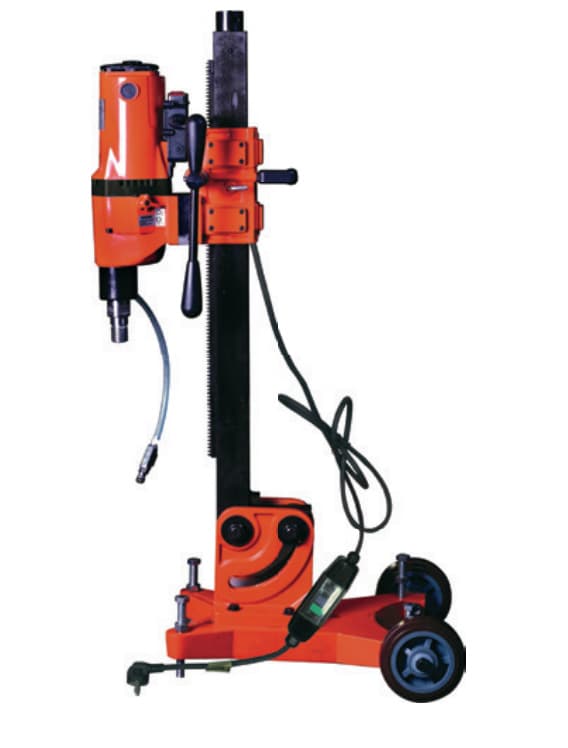
Euromax EMX75002 Tilting Column Core Drilling Machine 255 mm
EUROMAX · Core Drills
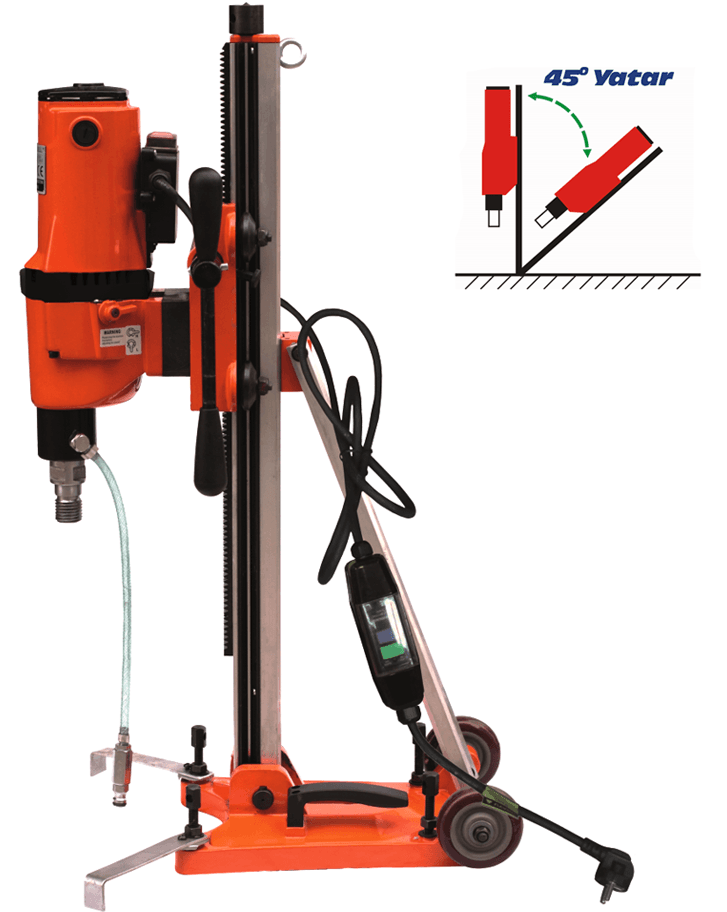
Euromax EMX75003 Tilting Column Core Drilling Machine 300 mm
EUROMAX · Core Drills
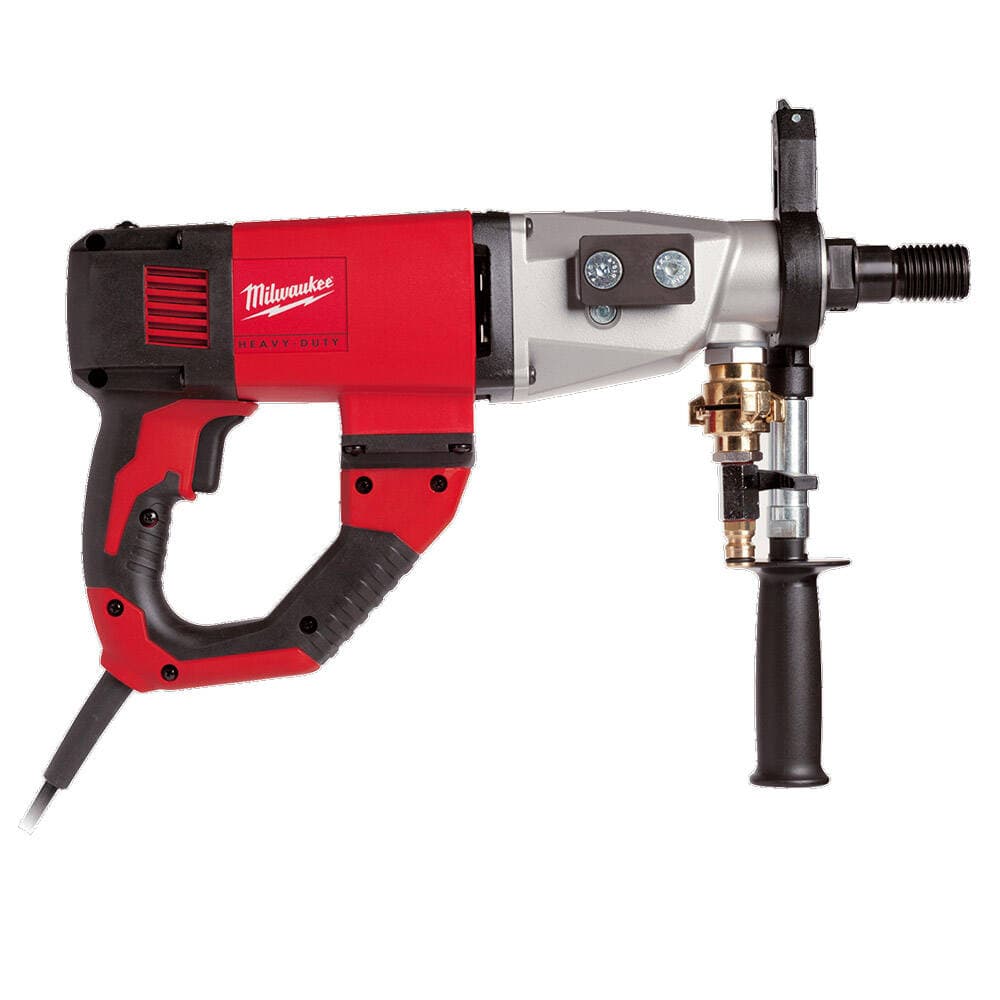
Milwaukee DD 3-152 3 Vitesli Core Drill
Milwaukee · Core Drills
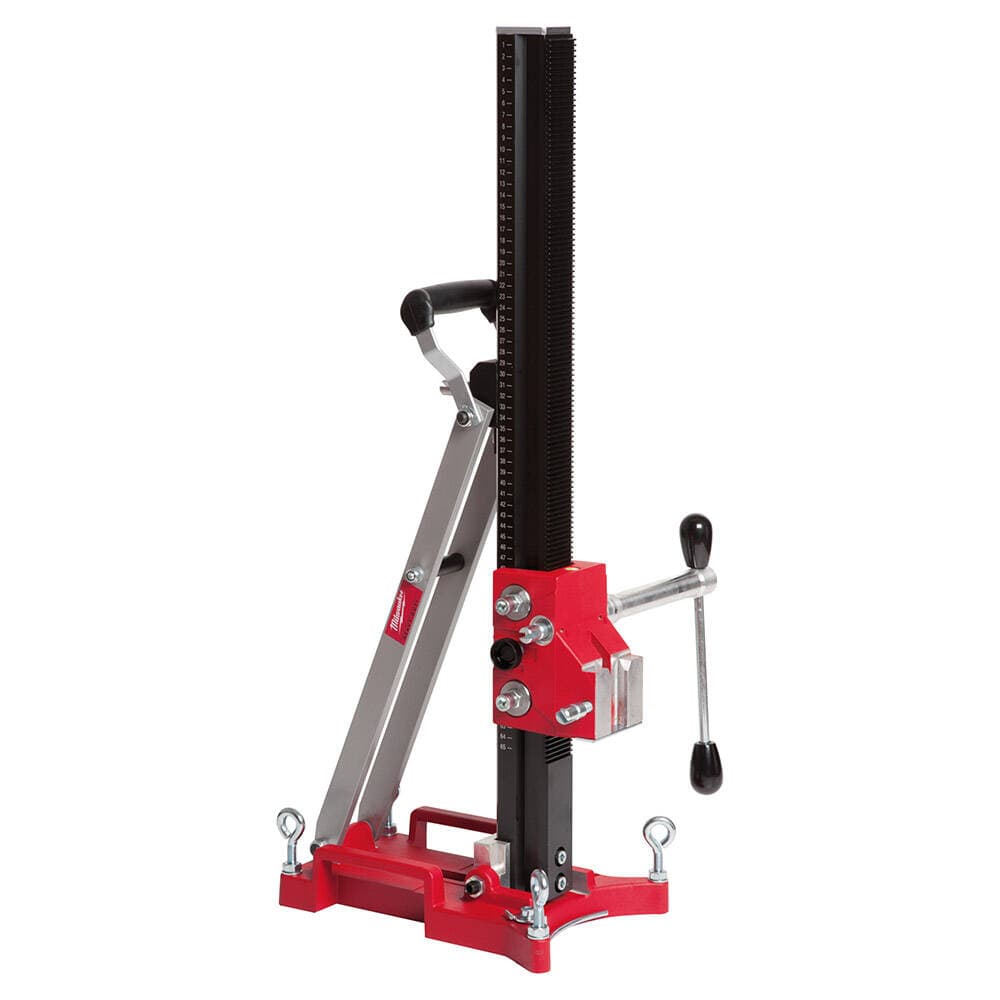
Milwaukee DR 152 TV Karot Stand DD 3-152 for
Milwaukee · Core Drills
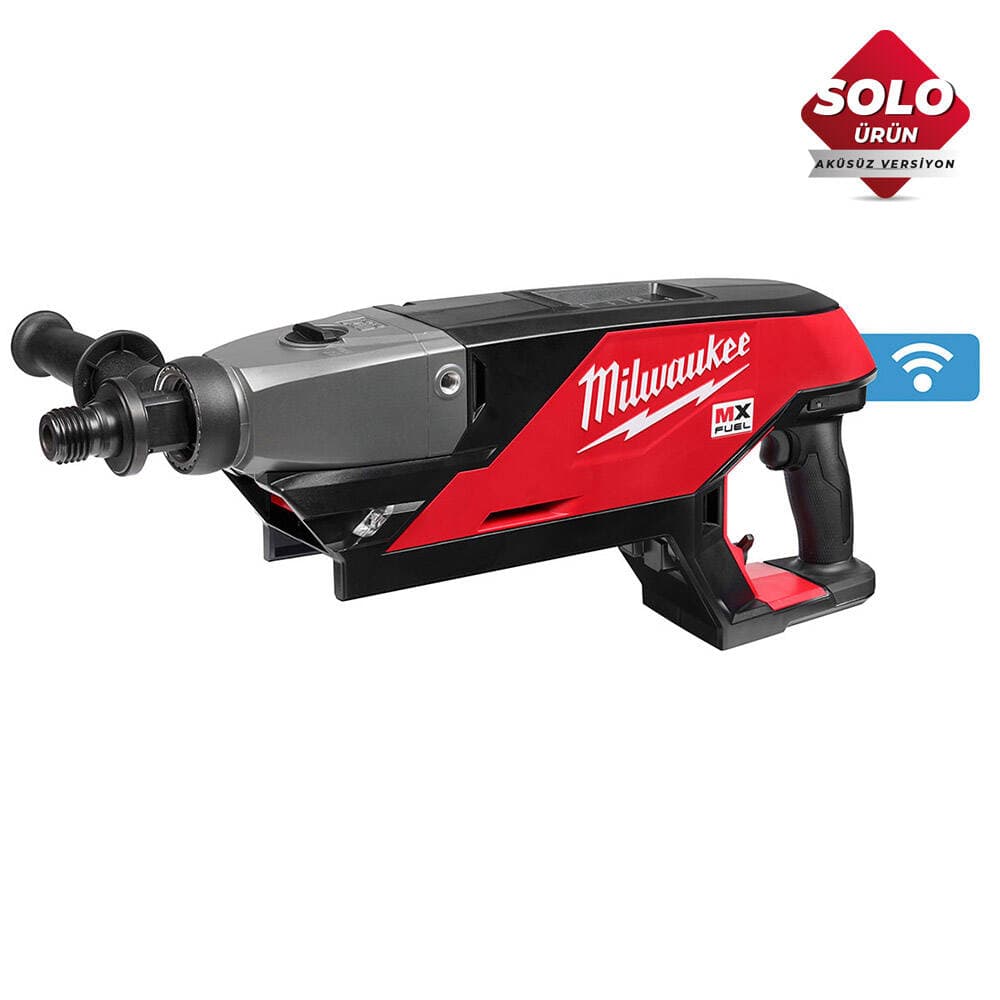
Milwaukee MXFDCD150-0C MX Fuel Cordless Karot Motoru
Milwaukee · Core Drills
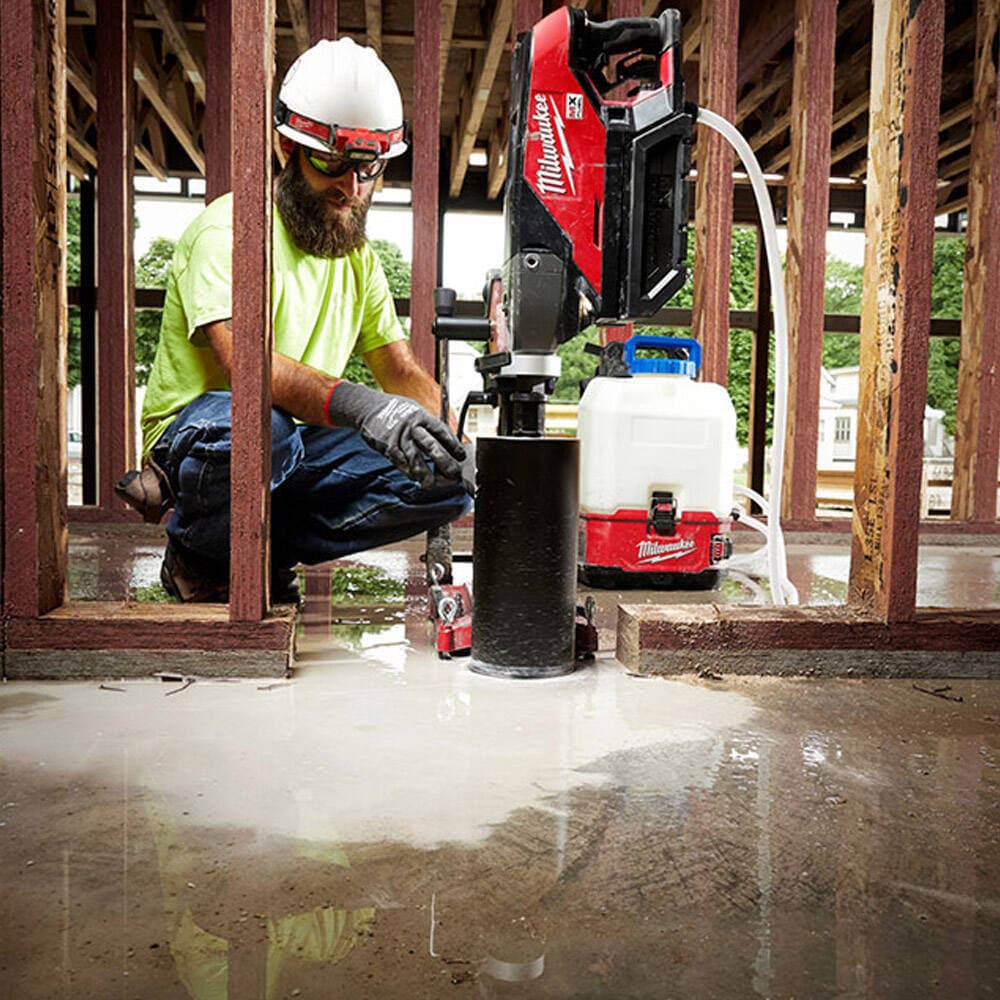
Milwaukee MXFDCD150-302C Kit MX Fuel Cordless Karot Motoru 3.0 Ah
Milwaukee · Core Drills
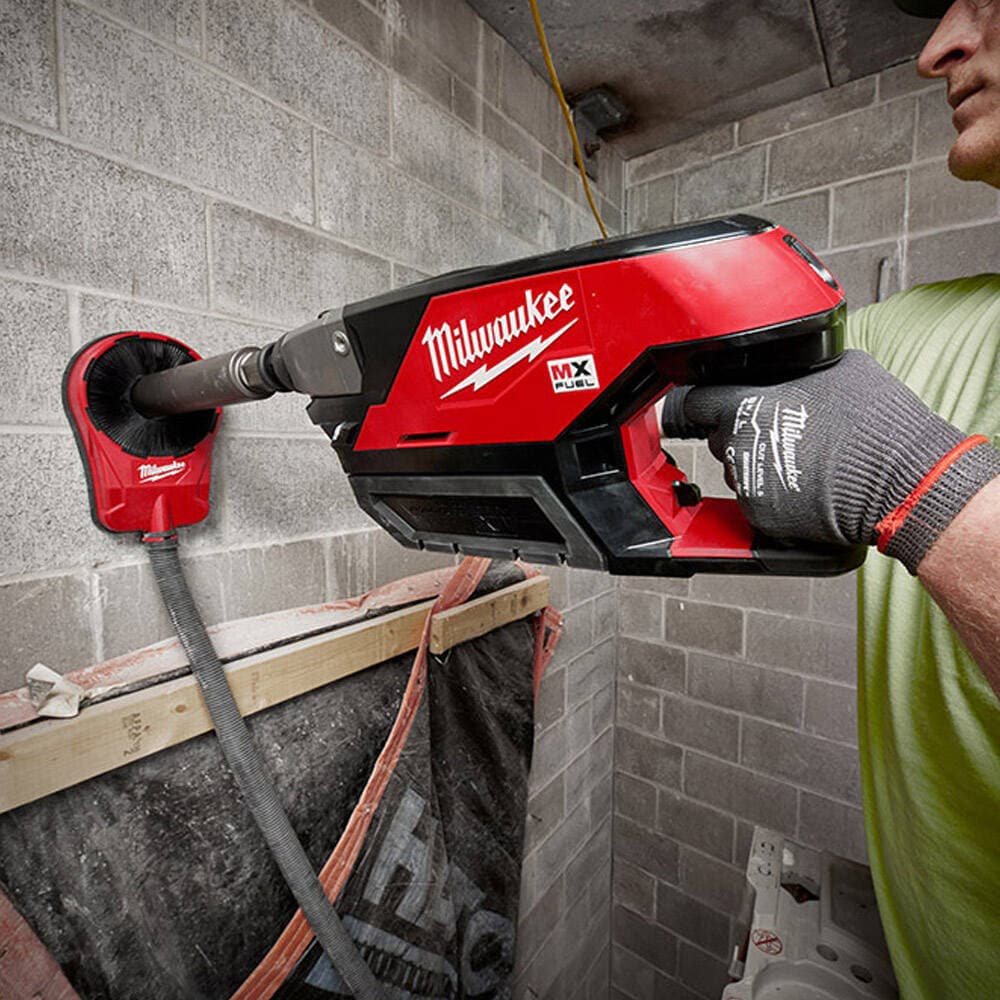
Milwaukee MXFDCD150-302C MX Fuel Cordless Karot Motoru 3.0 Ah
Milwaukee · Core Drills
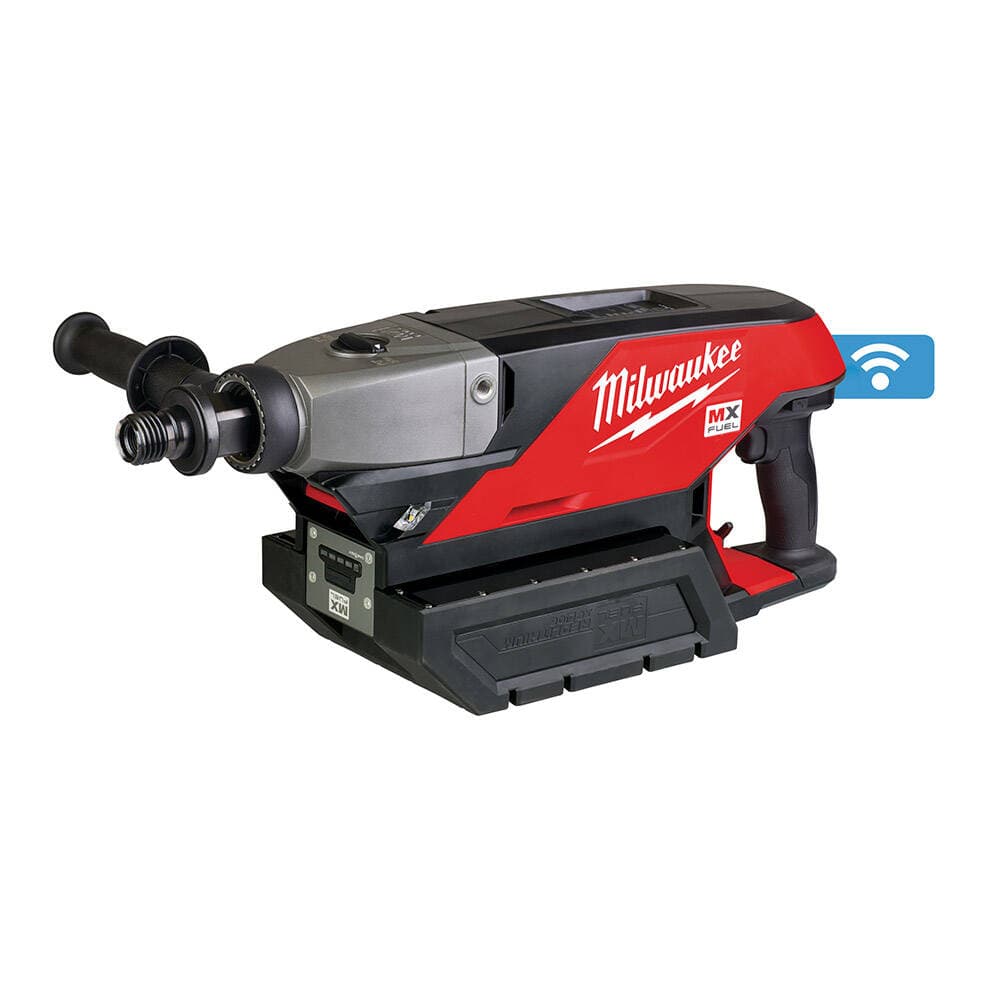
Milwaukee MXFDCD150-601C Kit MX Fuel Cordless Karot Motoru 6.0 Ah
Milwaukee · Core Drills
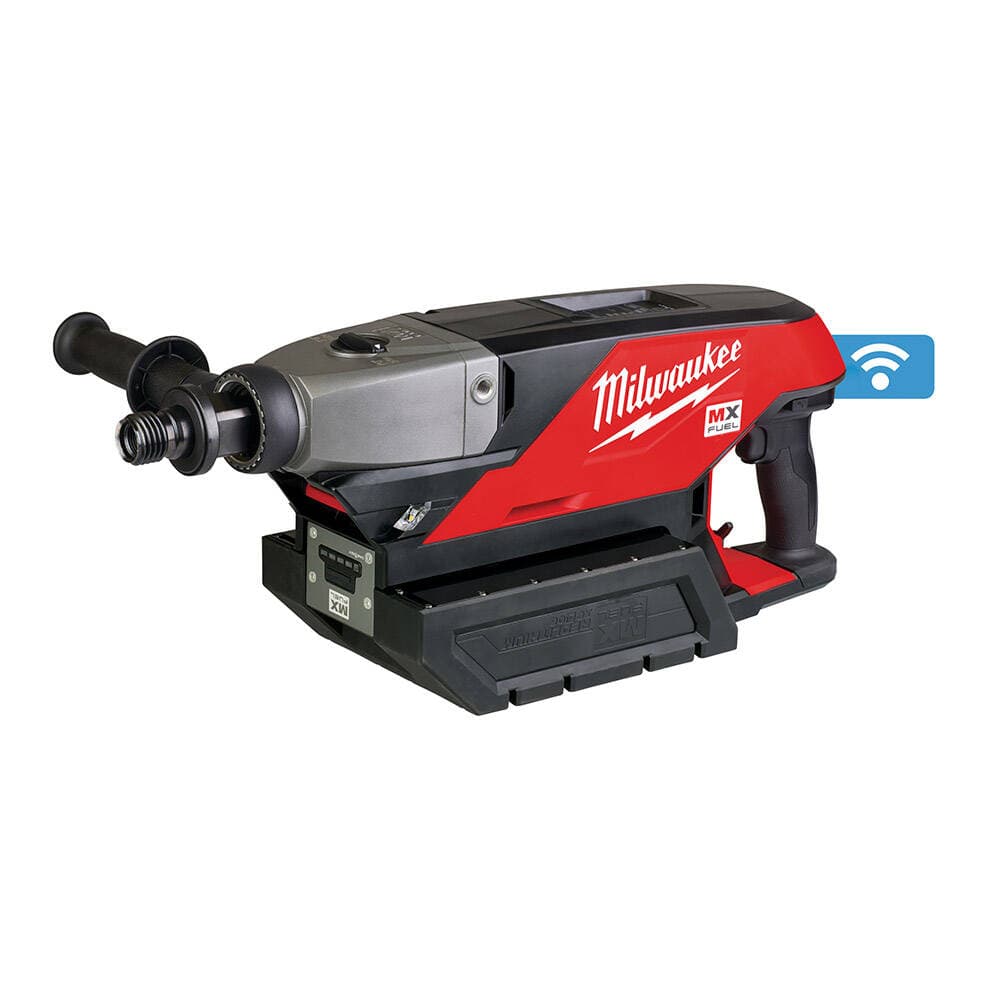
Milwaukee MXFDCD150-601C MX Cordless Karot Motoru 6.0 Ah
Milwaukee · Core Drills
Power and bit diameter go together
Torque demand rises and speed falls as bit diameter grows, so motor power is chosen against the largest hole to be drilled. Small diameters want high speed, large ones low speed and high torque — which is why these machines have multiple gears.
| Hole diameter | Typical power | How it is used |
|---|---|---|
| Ø 20-80 mm | 1,200-1,800 W | Handheld possible |
| Ø 80-150 mm | 1,800-2,500 W | Rig recommended |
| Ø 150-350 mm | 3,000 W and above | Rig required |
Anchoring the rig
Above 150 mm a clean hole is not possible without a rig: a bit that binds turns the machine sharply. Rigs are fixed with anchors, vacuum or a jack post; vacuum fixing is safe only on smooth, non-porous surfaces.
Wet cutting, rebar and safety
Wet cutting suppresses silica dust and cools the diamond segments, extending their life; it is the standard choice. Dry cutting belongs only with dust extraction and bits rated for it.
A diamond bit will cut reinforcement, but progress slows and the bit wears. Cutting rebar in load-bearing elements carries structural risk: the hole position should follow the structural design, and a rebar scanner is worth using first.
Frequently Asked Questions
What diameters can a core drill cut?
The models here typically work between Ø20 and Ø350 mm. Power demand rises with diameter: above 150 mm you need 3,000 W or more and a rig.
Handheld or rig-mounted?
Handheld use is practical up to about Ø80 mm. Above that a binding bit can turn the machine sharply; above 150 mm a rig is required.
How is the rig fixed?
With anchors, vacuum or a jack post. Vacuum fixing is safe only on smooth, non-porous surfaces; anchors are the choice on porous or coated ones.
Is wet cutting necessary?
It is the standard choice: it suppresses silica dust and cools the diamond segments, extending their life. Dry cutting requires extraction and bits rated for dry use.
What happens if I hit rebar?
A diamond bit cuts it, but progress slows and the bit wears. Cutting reinforcement in load-bearing elements carries structural risk, so the hole position should follow the structural design.
How long does a core bit last?
Segment life depends on concrete class, aggregate hardness and cooling. Wet cutting and correct feed pressure extend it noticeably; forcing the bit polishes the segments and slows the cut.