Categories
Cut Resistant Gloves
In a cut resistant glove the protection is in the liner, not the coating: a cut resistant yarn makes the blade slide across the fibres instead of severing them. It is the glove for sheet metal, glass, blades and edges.
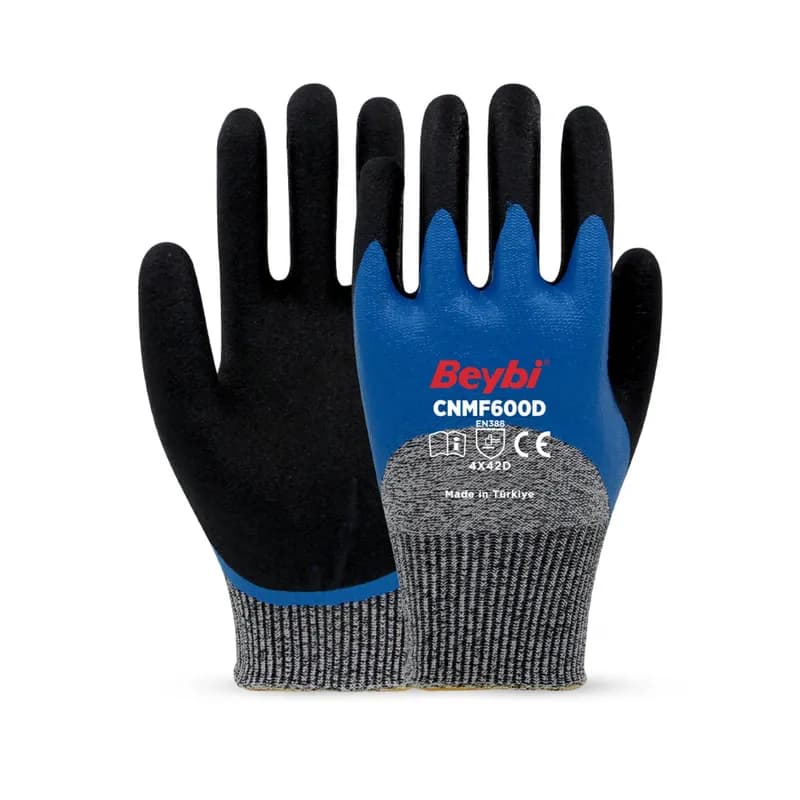
Beybi CNMF600D Cut Resistant Glove Size 10
Beybi · Cut Resistant Gloves
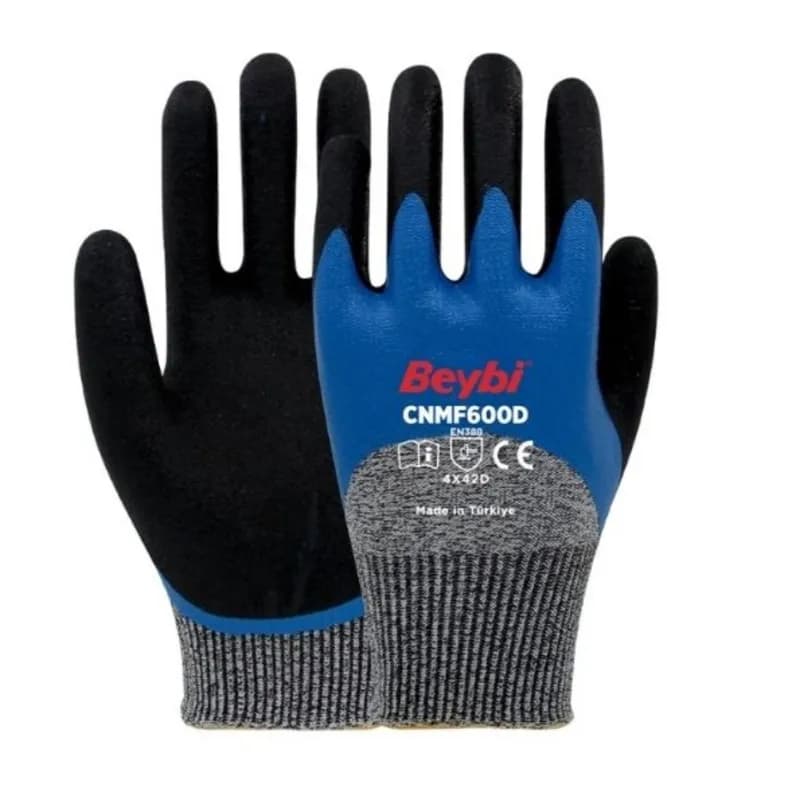
Beybi CNMF600D Cut Resistant Glove Size 9
Beybi · Cut Resistant Gloves
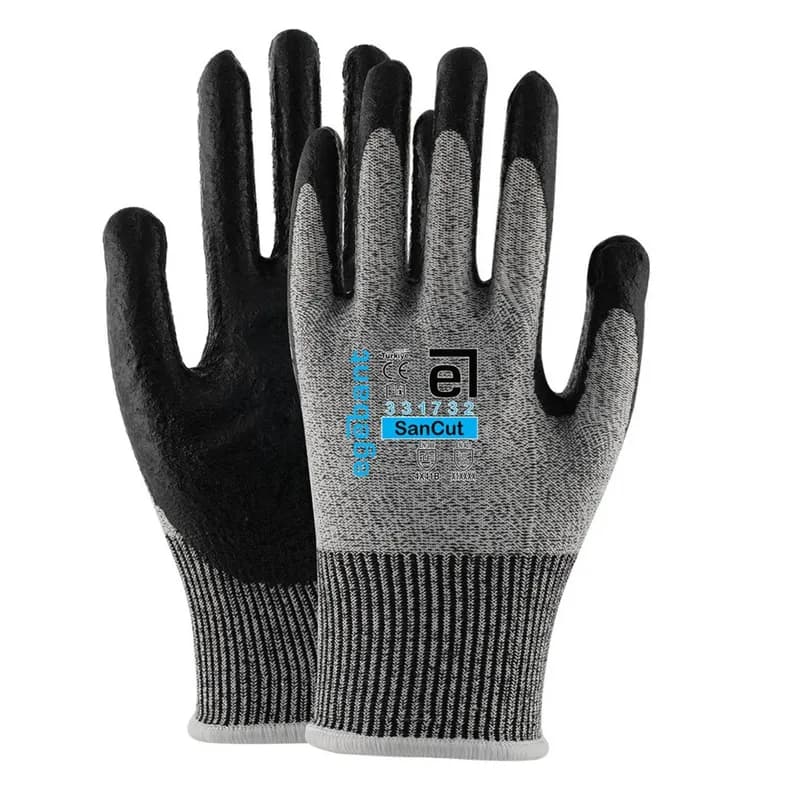
EGEBANT 331732 Kesilmeye Dayanıklı Eldiven NO:10
EGEBANT · Cut Resistant Gloves
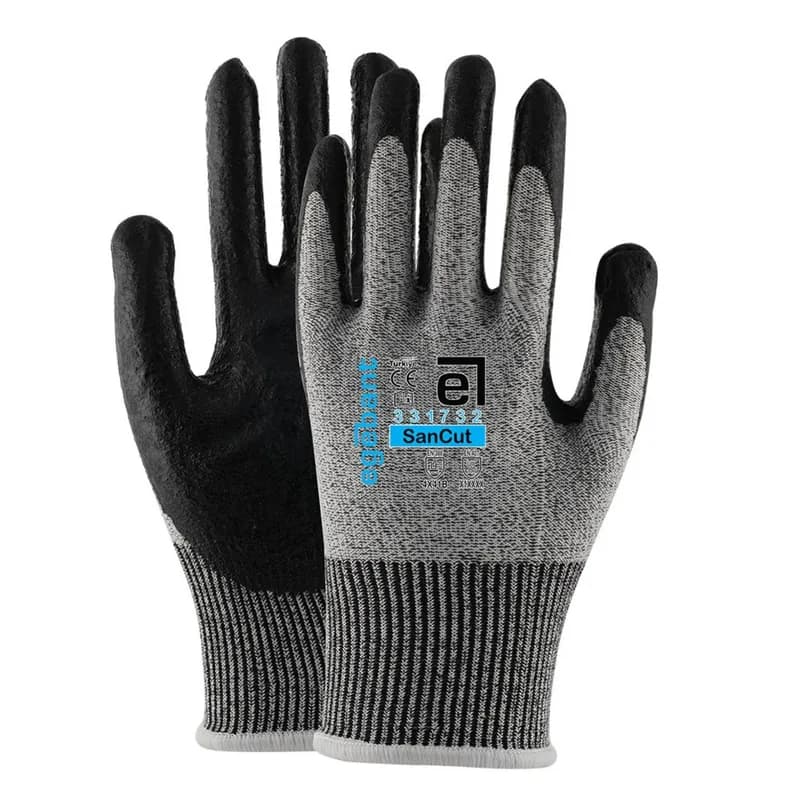
EGEBANT 331732 Kesilmeye Dayanıklı Eldiven NO:8
EGEBANT · Cut Resistant Gloves
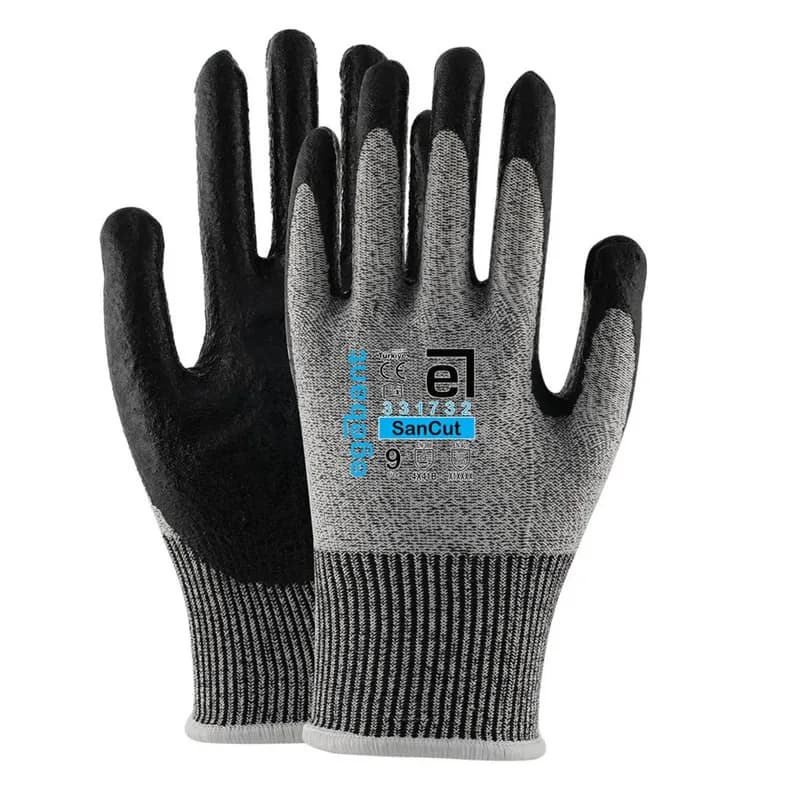
EGEBANT 331732 Kesilmeye Dayanıklı Eldiven NO:9
EGEBANT · Cut Resistant Gloves
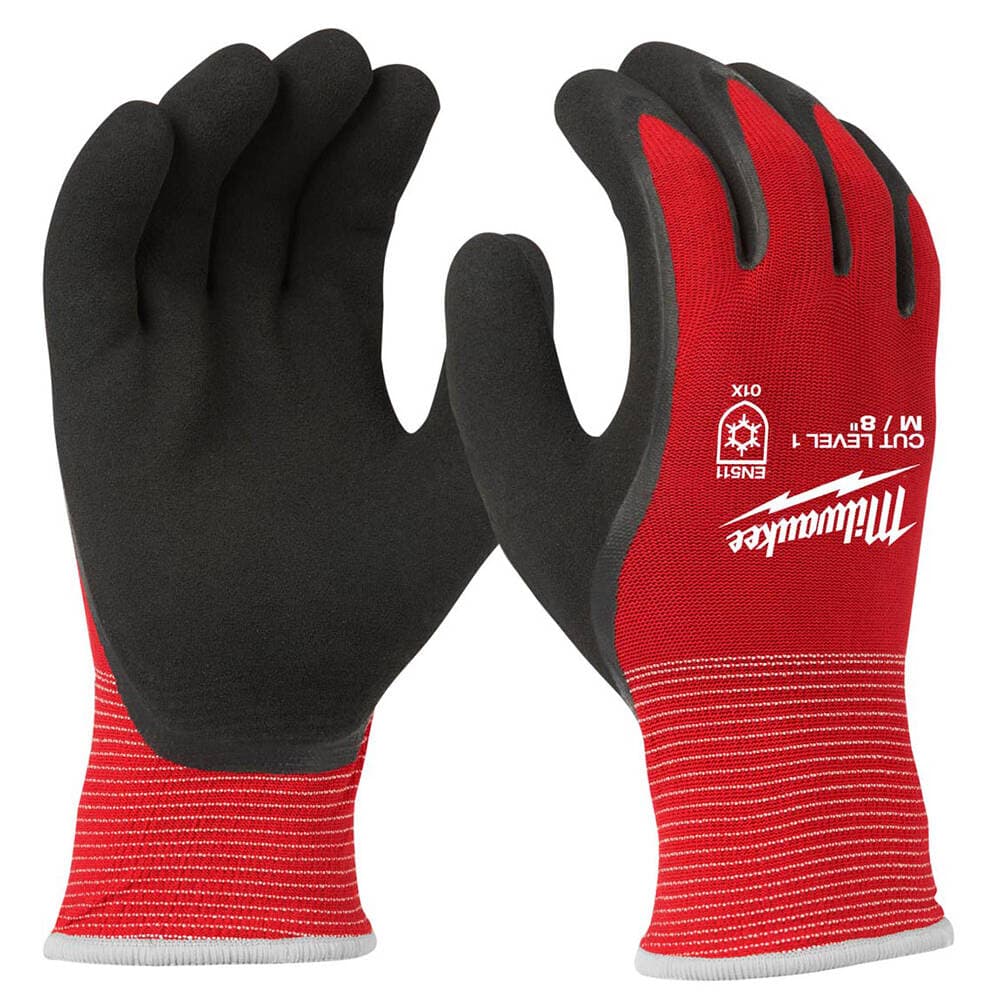
Milwaukee Grade 1 Cut Resistant Winter Nitrile Gloves L Size
Milwaukee · Cut Resistant Gloves
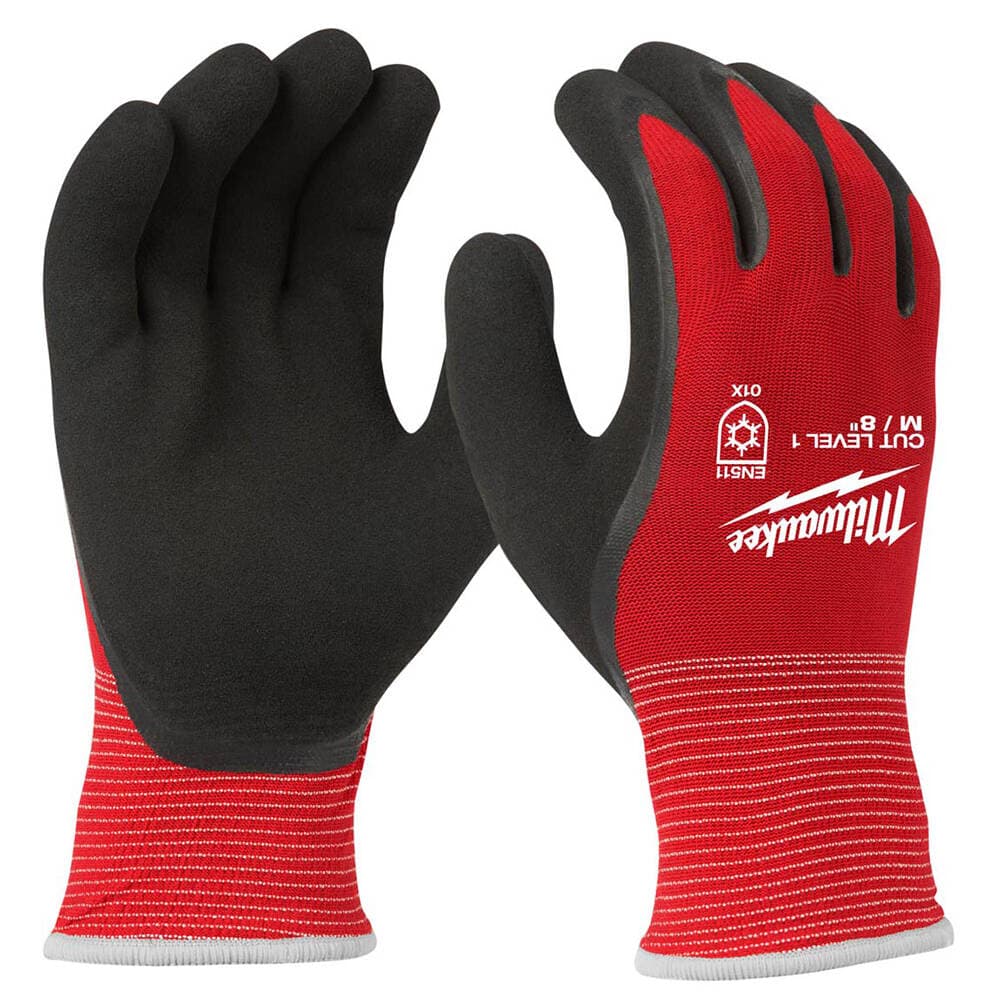
Milwaukee Grade 1 Cut Resistant Winter Nitrile Gloves M Size
Milwaukee · Cut Resistant Gloves
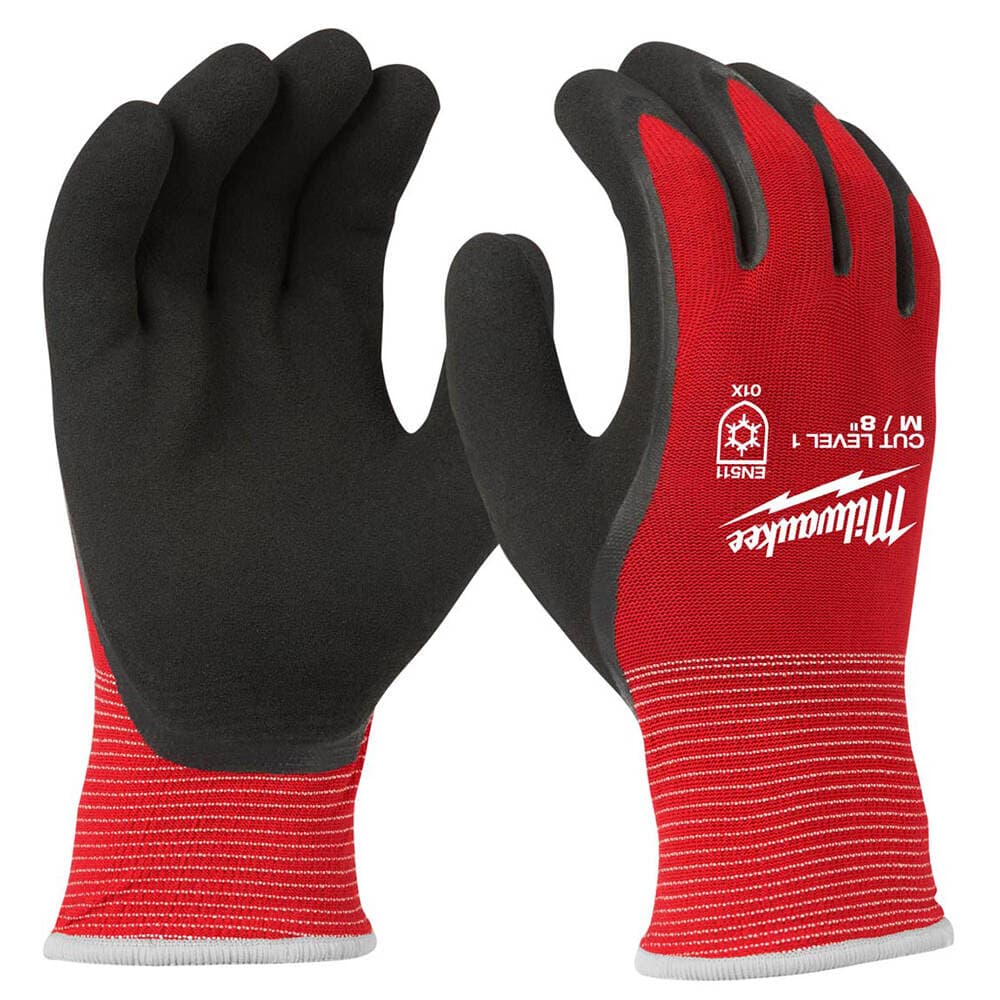
Milwaukee Grade 1 Cut Resistant Winter Nitrile Gloves XL Size
Milwaukee · Cut Resistant Gloves
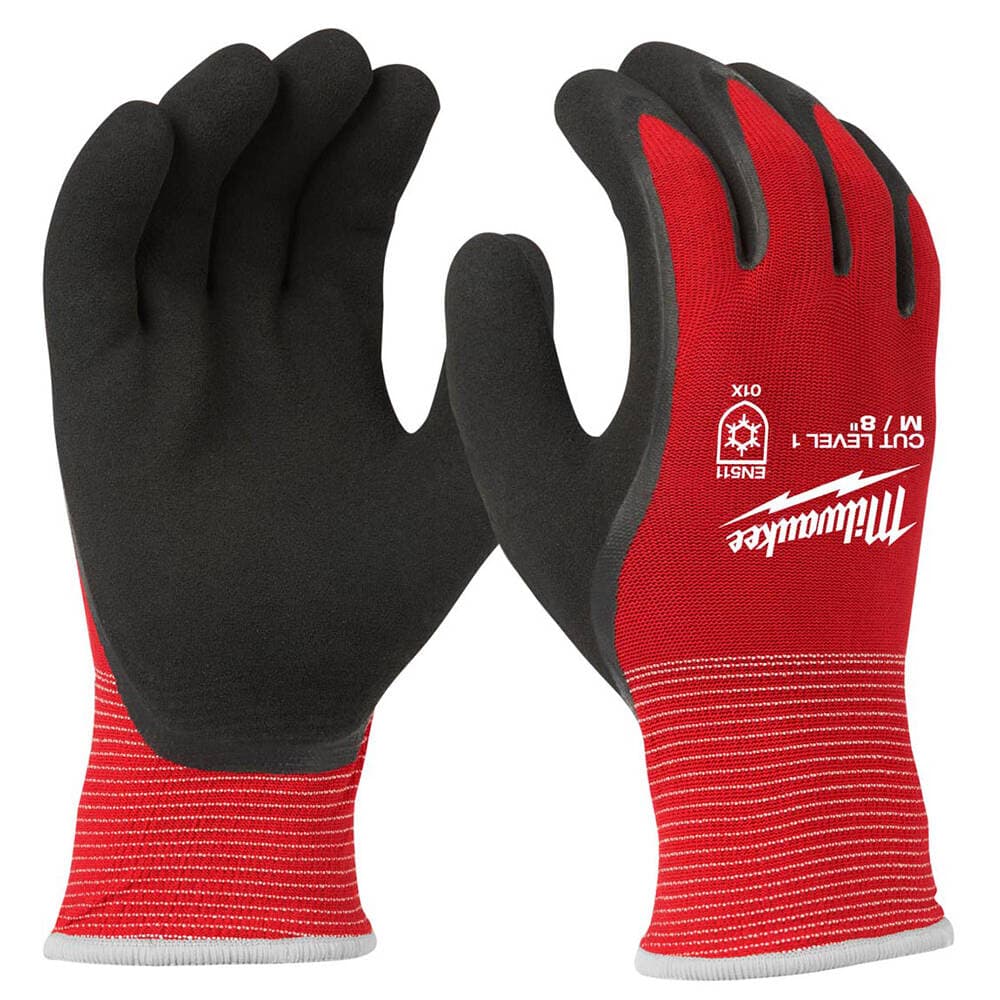
Milwaukee Grade 1 Cut Resistant Winter Nitrile Gloves XXL Size
Milwaukee · Cut Resistant Gloves
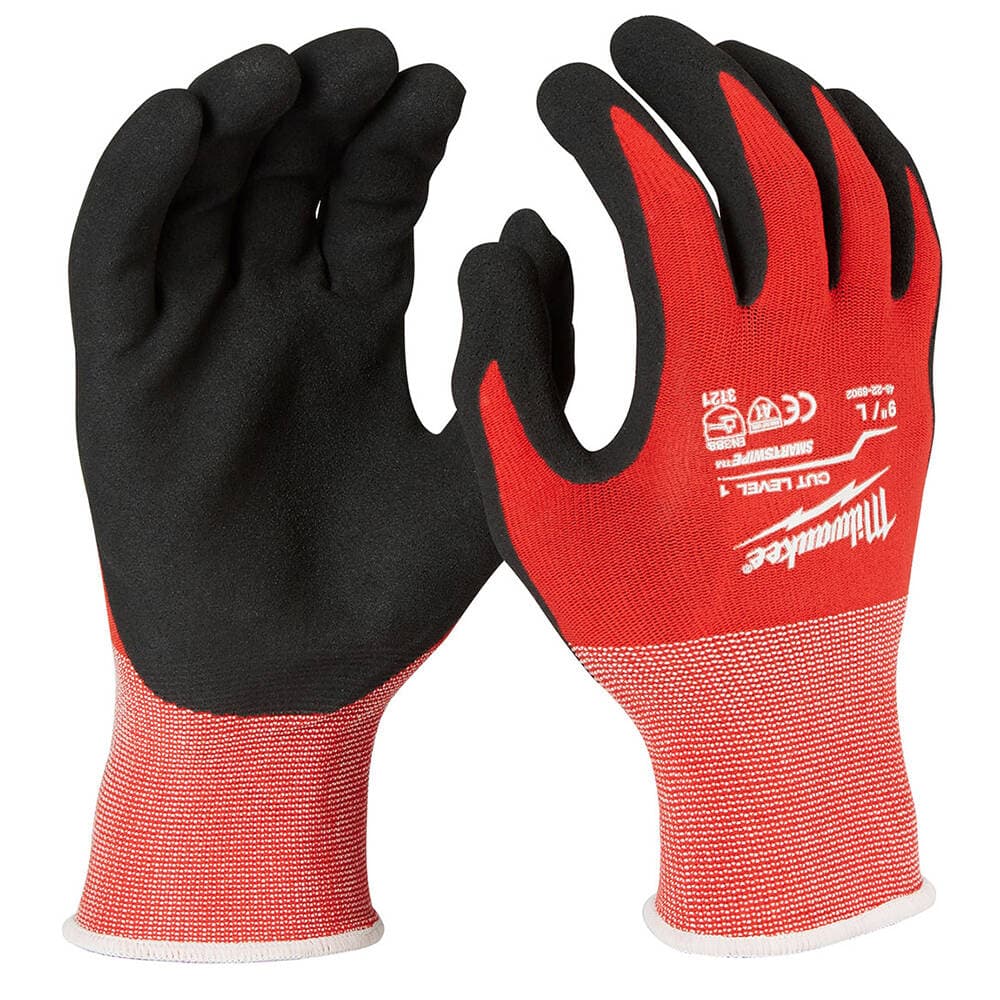
Milwaukee Grade 1 Cut Resistant Nitrile Gloves L Size
Milwaukee · Cut Resistant Gloves
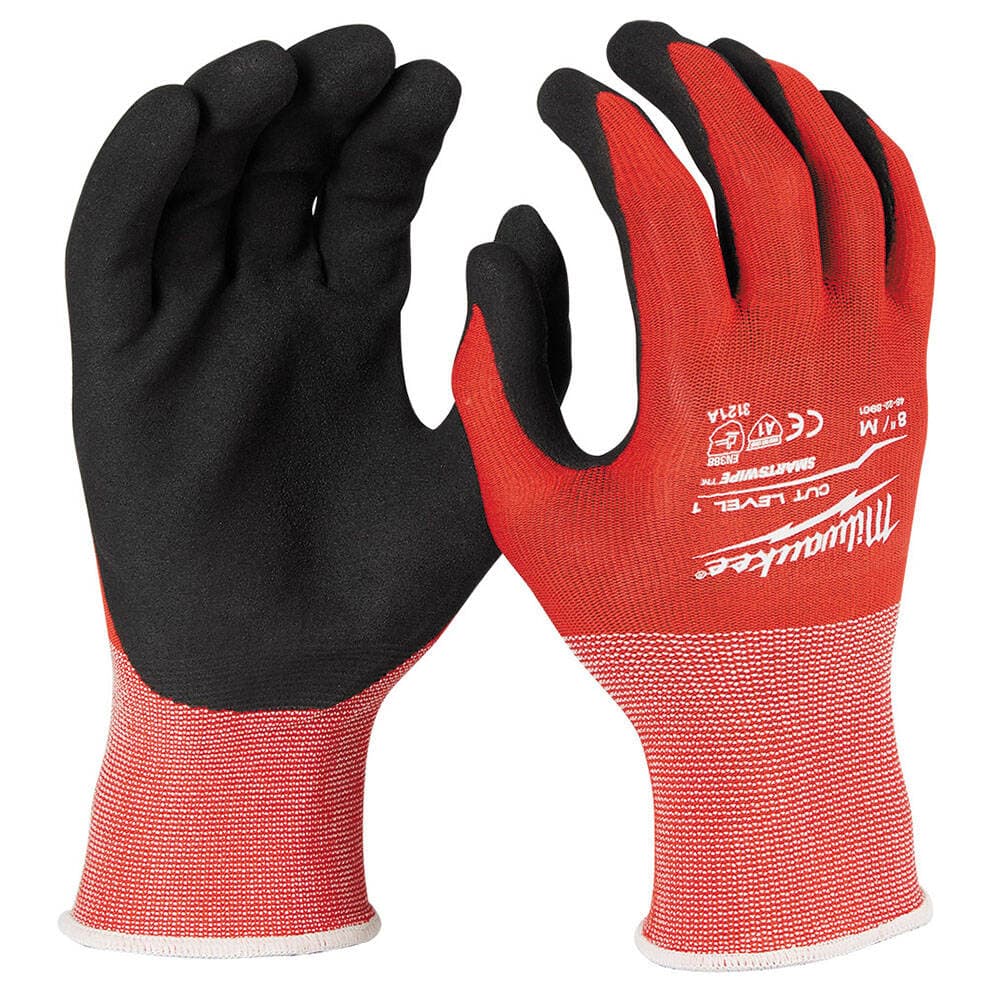
Milwaukee Grade 1 Cut Resistant Nitrile Gloves M Size
Milwaukee · Cut Resistant Gloves
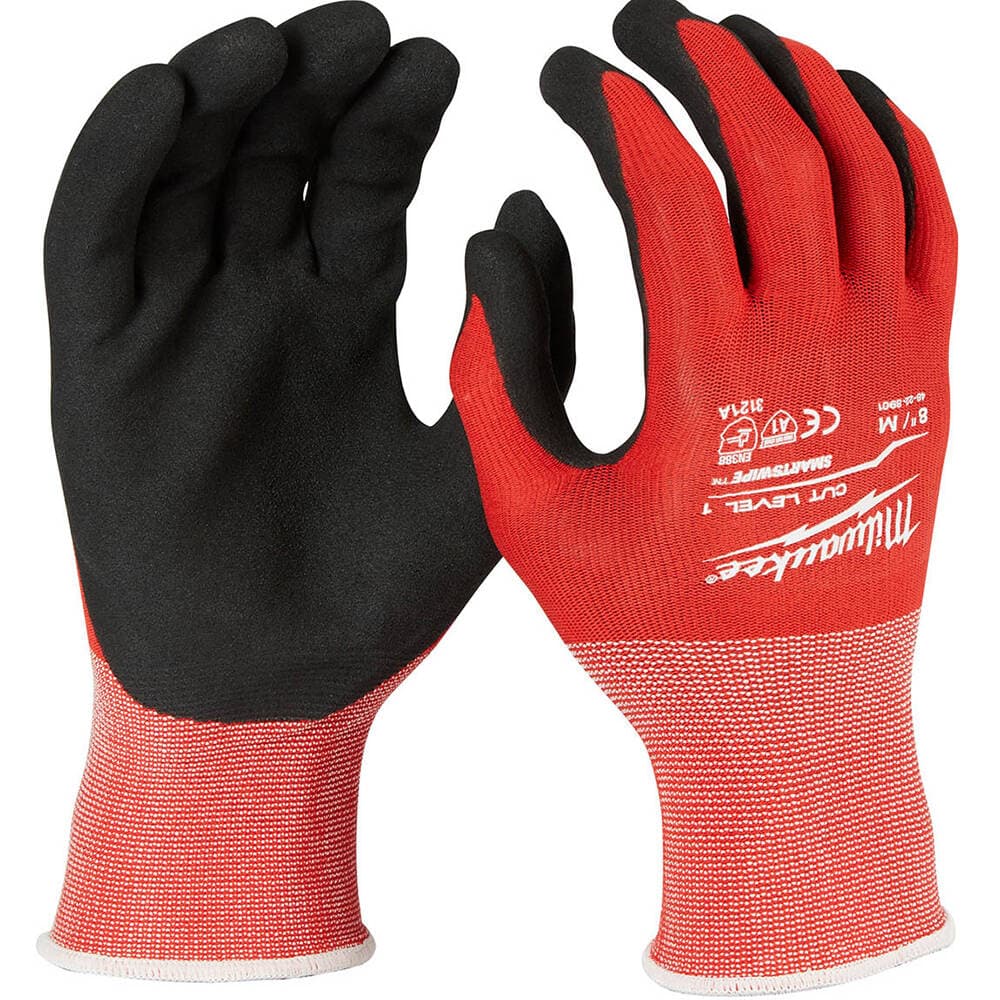
Milwaukee Grade 1 Cut Resistant Nitrile Gloves S Size
Milwaukee · Cut Resistant Gloves
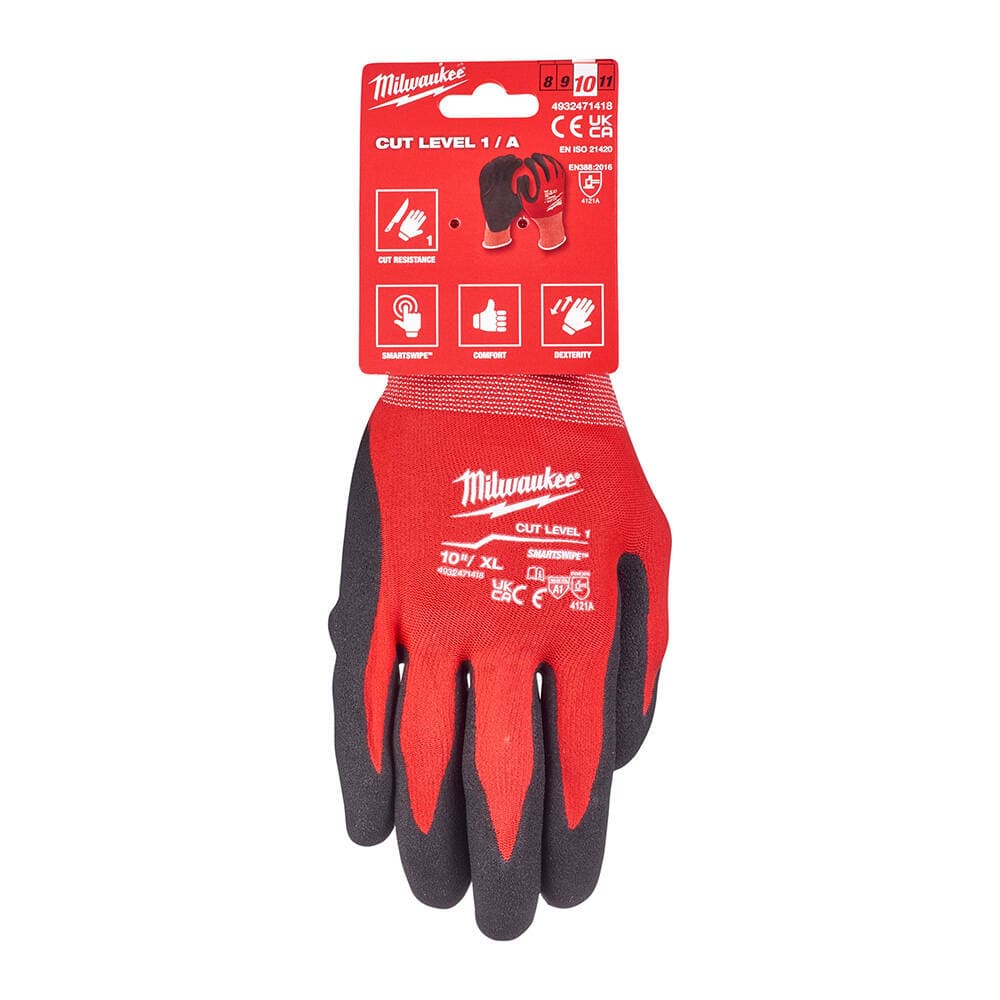
Milwaukee Grade 1 Cut Resistant Nitrile Gloves XL Size
Milwaukee · Cut Resistant Gloves
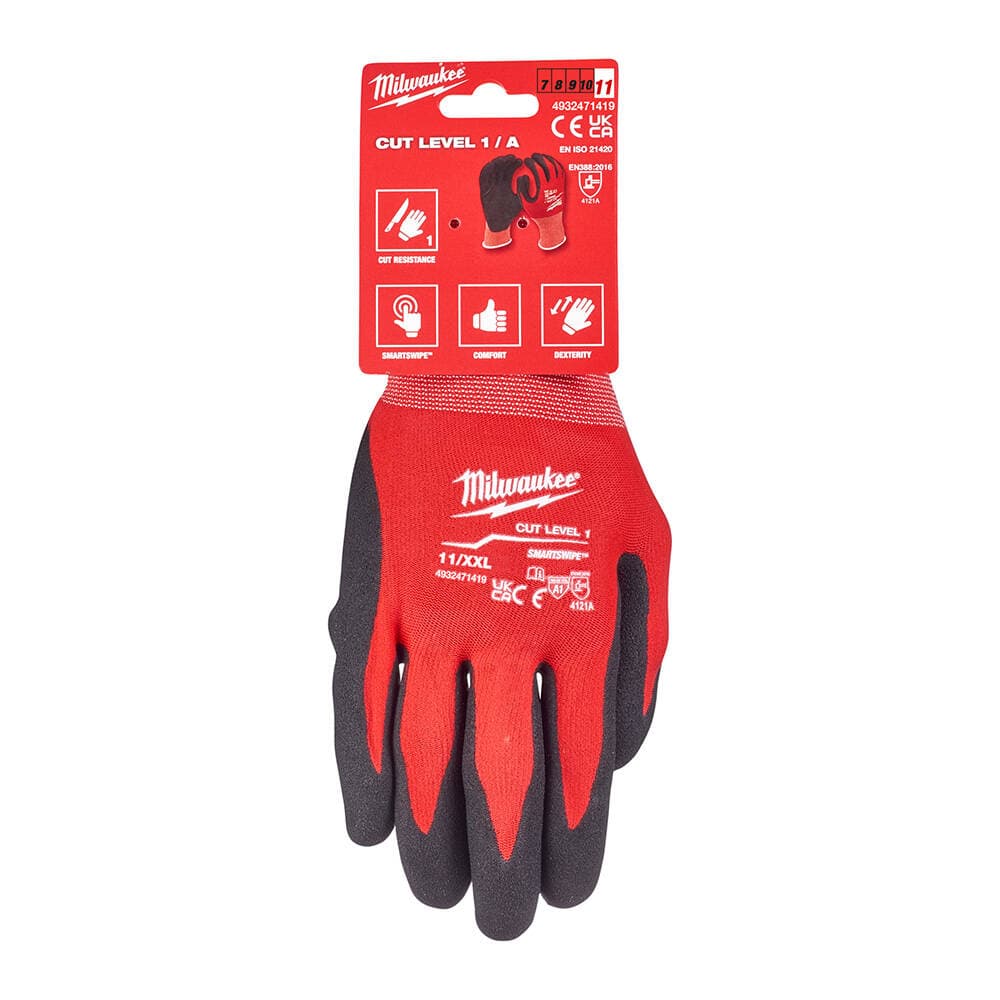
Milwaukee Grade 1 Cut Resistant Nitrile Gloves XXL Size
Milwaukee · Cut Resistant Gloves
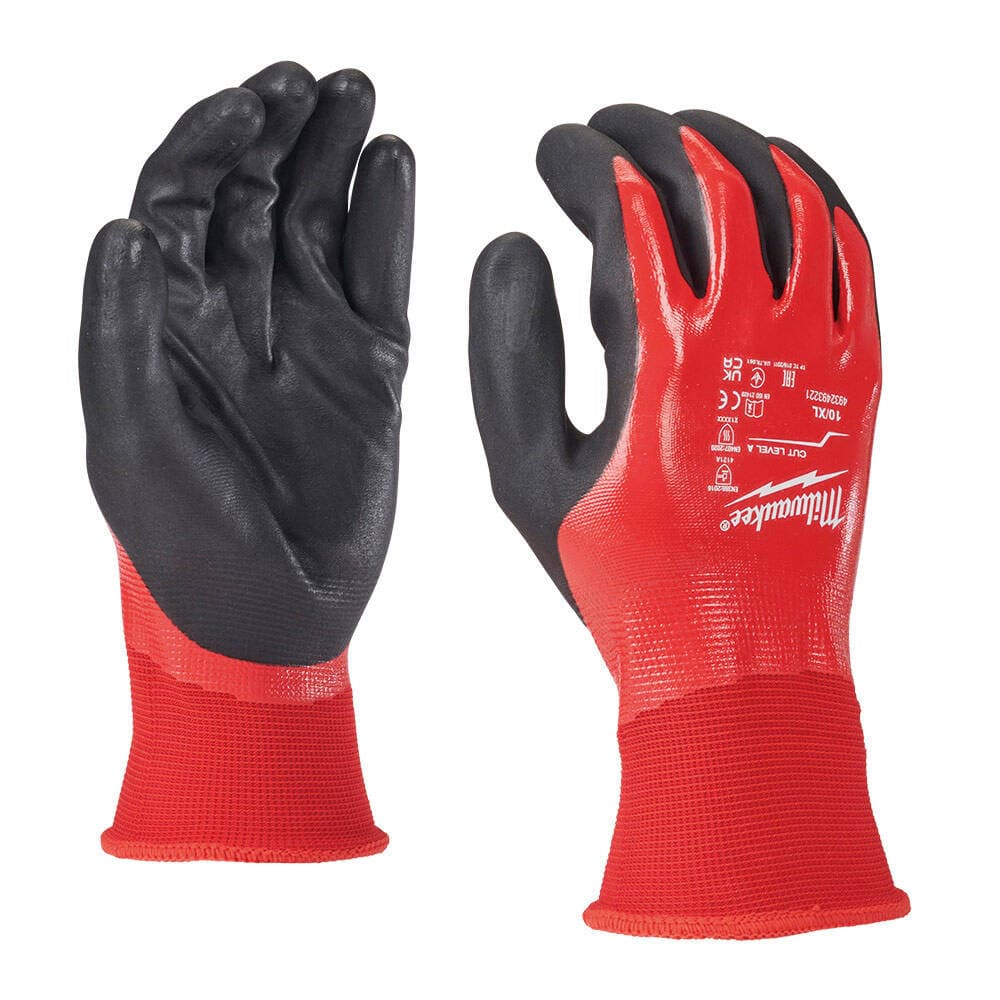
Milwaukee Grade 1 Cut Resistant Tam Dipped Nitrile Gloves - 8/M
Milwaukee · Cut Resistant Gloves
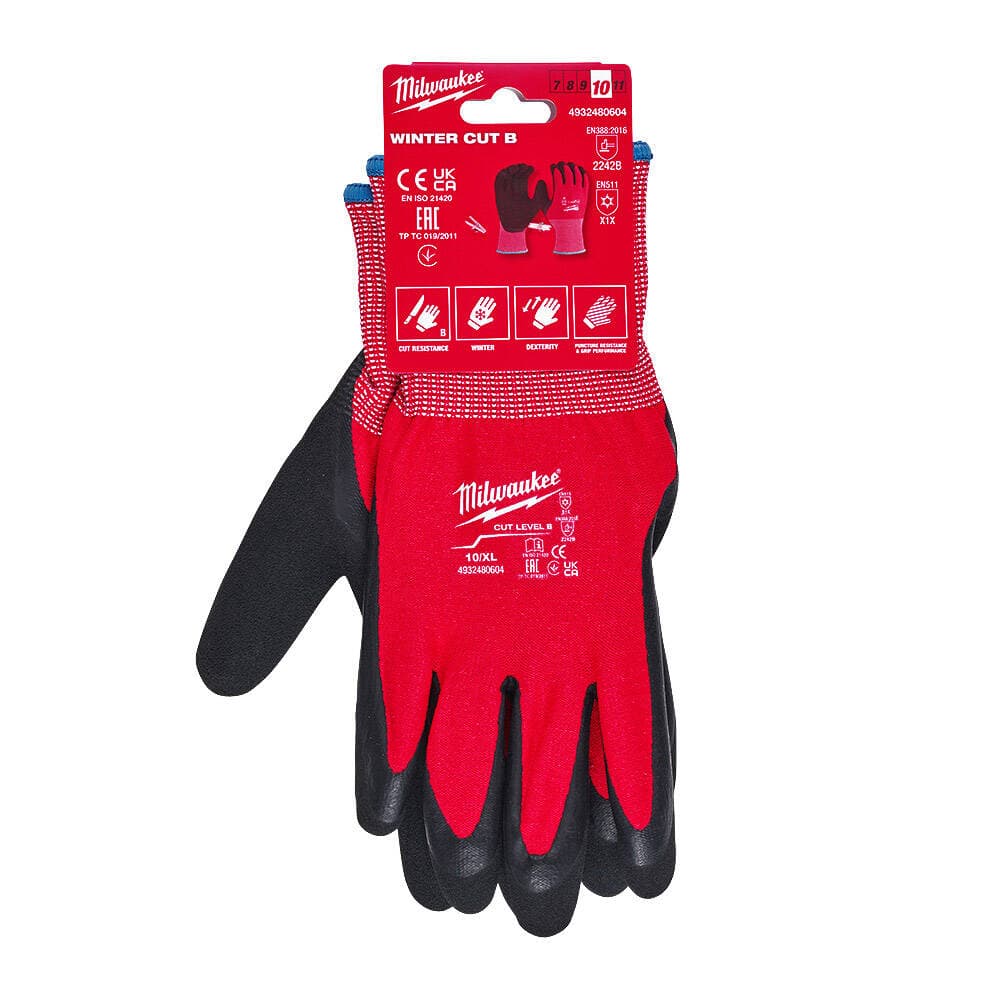
Milwaukee Grade 2 Cut Resistant Winter Nitrile Gloves - 10/Xxl
Milwaukee · Cut Resistant Gloves
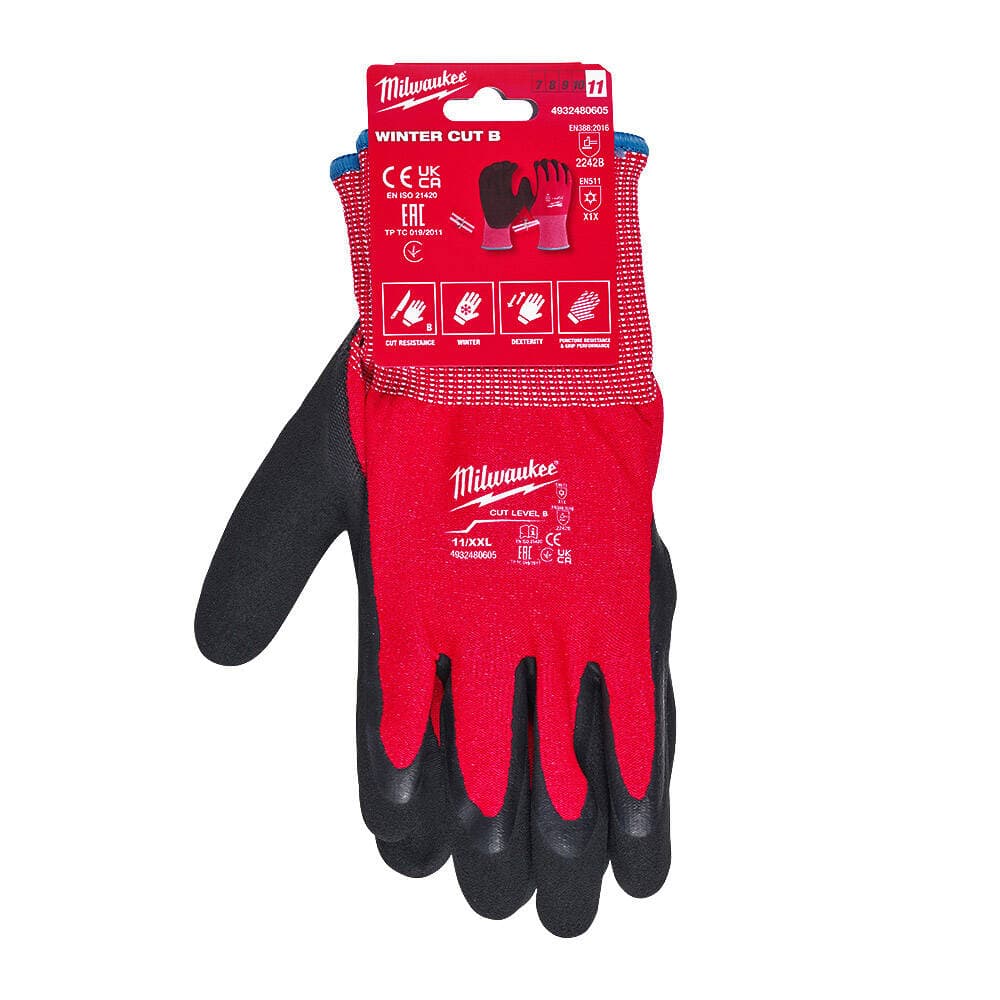
Milwaukee Grade 2 Cut Resistant Winter Nitrile Gloves - 11/Xxl
Milwaukee · Cut Resistant Gloves
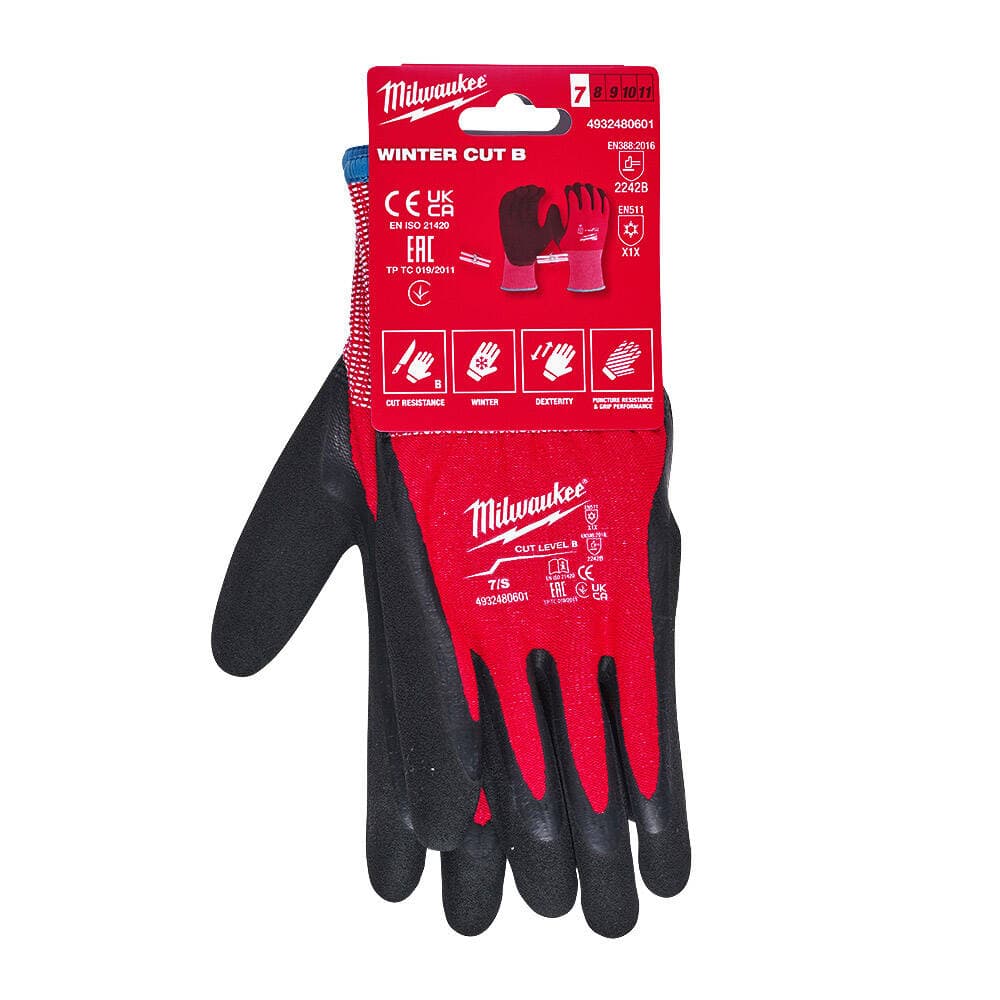
Milwaukee Grade 2 Cut Resistant Winter Nitrile Gloves - 7/S
Milwaukee · Cut Resistant Gloves
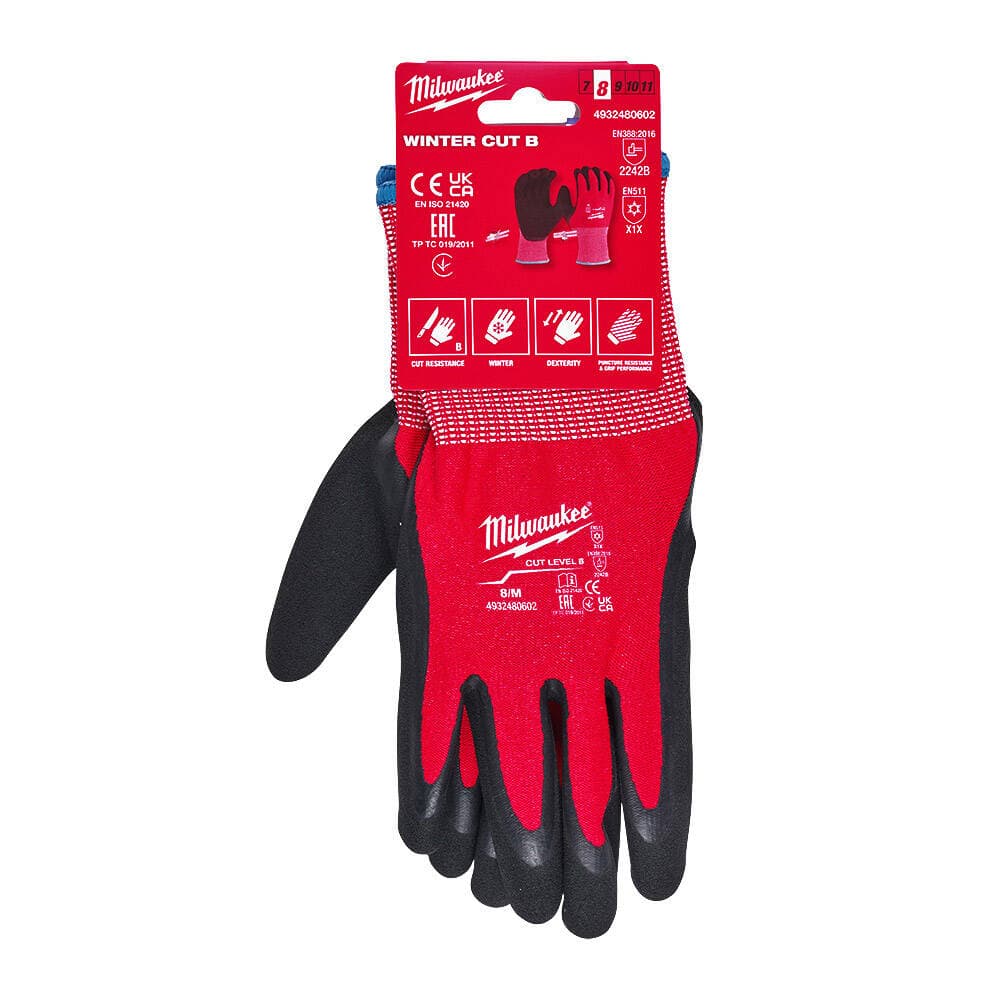
Milwaukee Grade 2 Cut Resistant Winter Nitrile Gloves - 8/M
Milwaukee · Cut Resistant Gloves
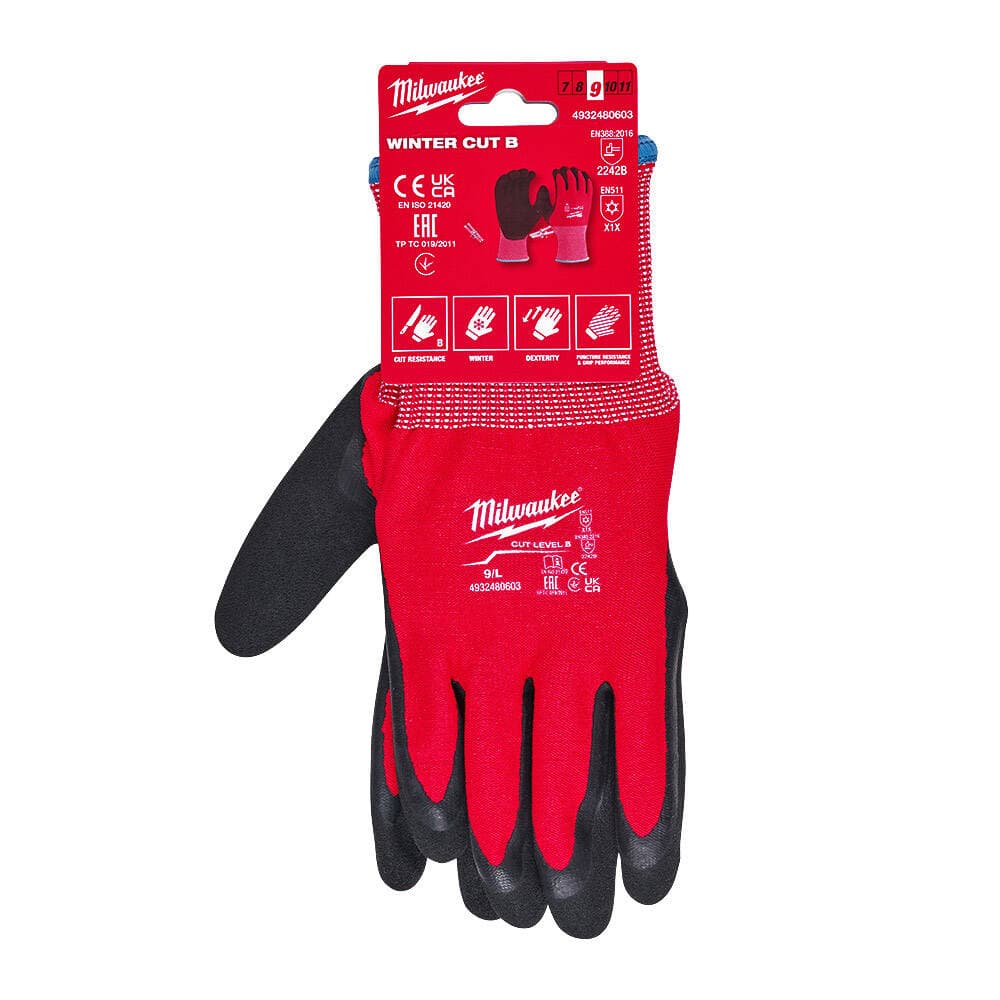
Milwaukee Grade 2 Cut Resistant Winter Nitrile Gloves - 9/L
Milwaukee · Cut Resistant Gloves
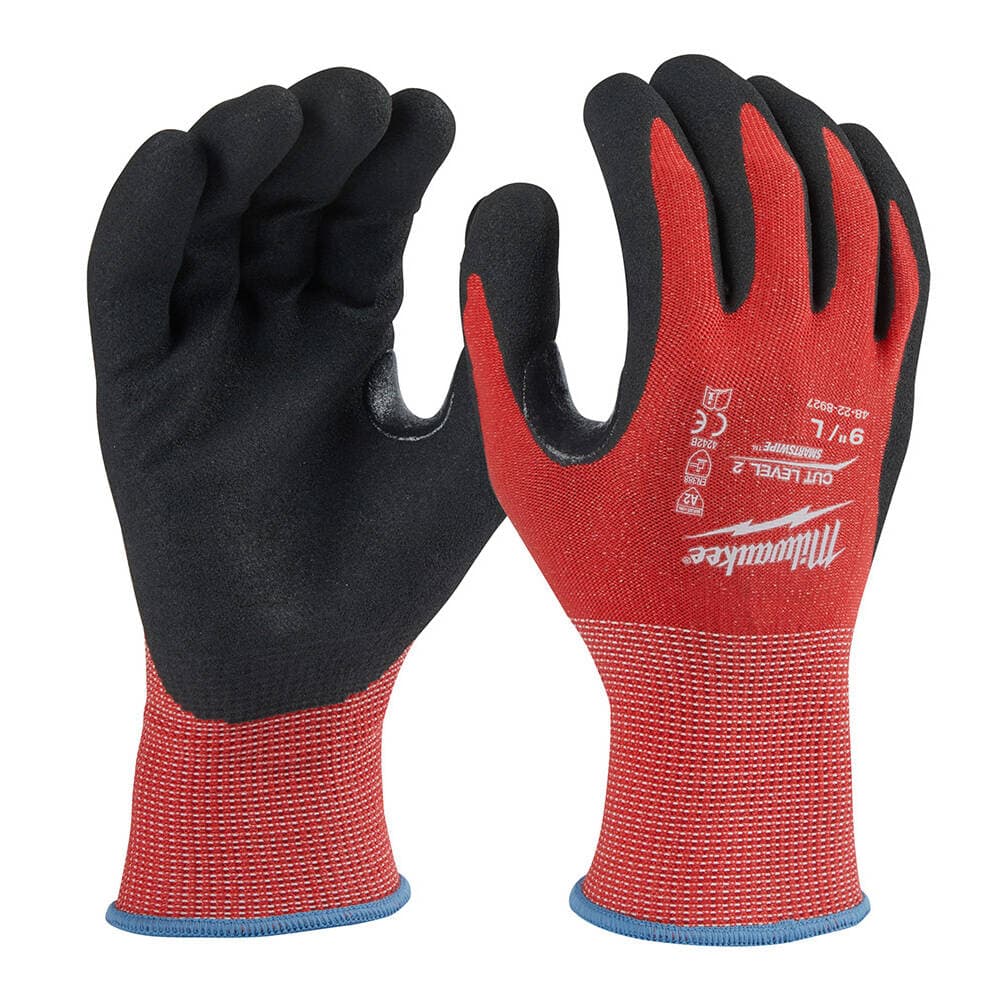
Milwaukee Grade 2 Cut Resistant Nitrile Gloves - L Size
Milwaukee · Cut Resistant Gloves
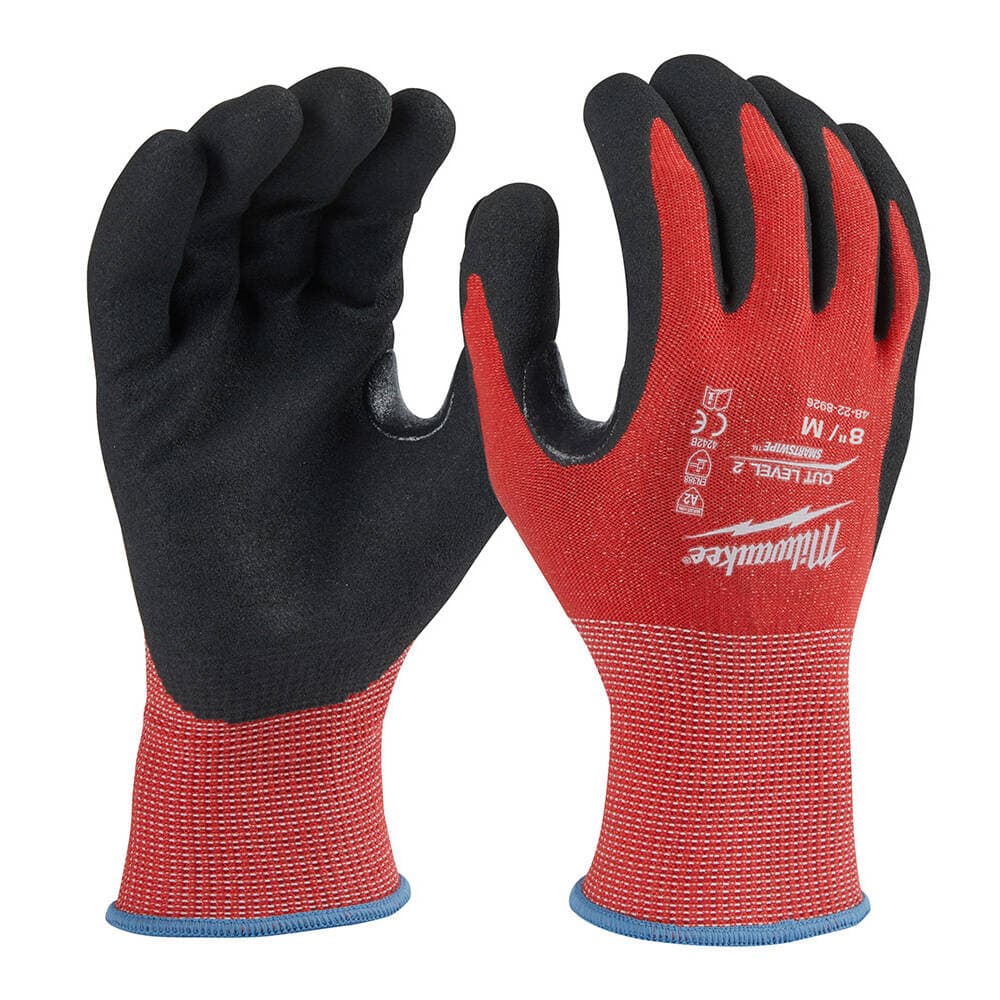
Milwaukee Grade 2 Cut Resistant Nitrile Gloves - M Size
Milwaukee · Cut Resistant Gloves
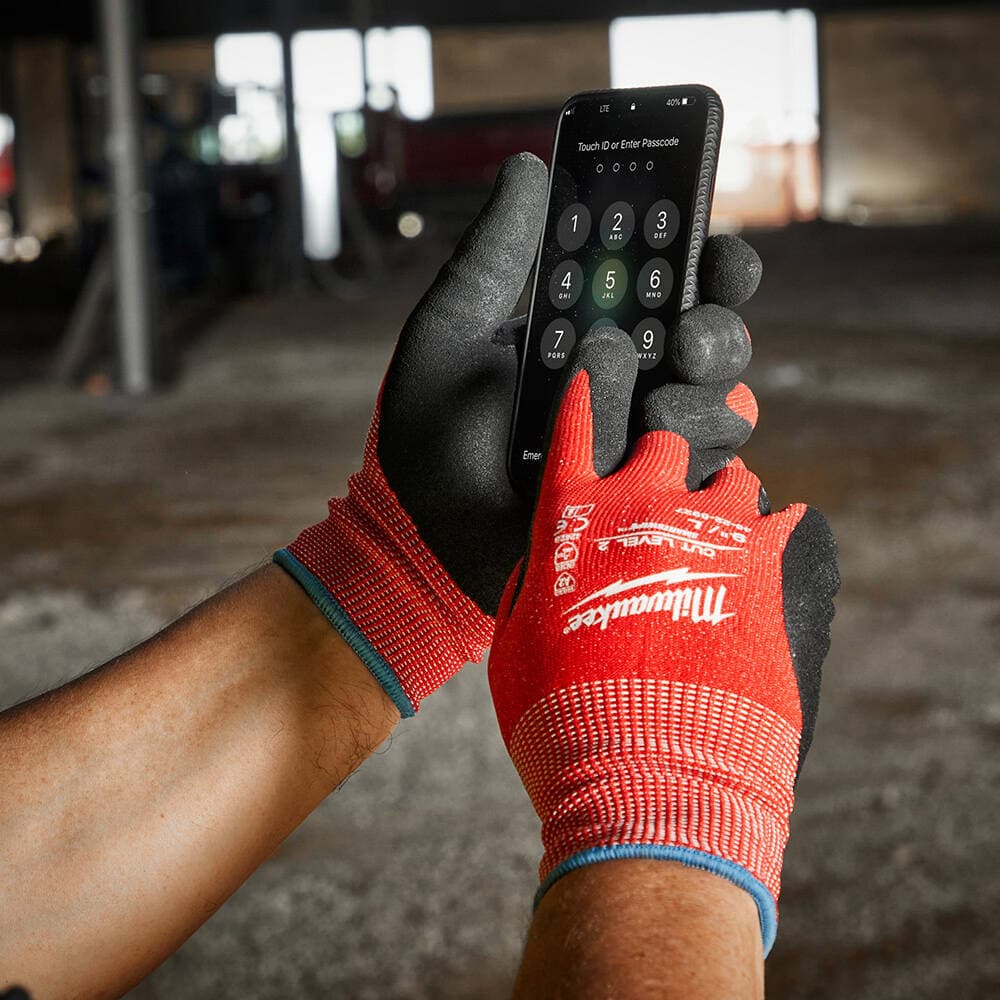
Milwaukee Grade 2 Cut Resistant Nitrile Gloves - S Size
Milwaukee · Cut Resistant Gloves
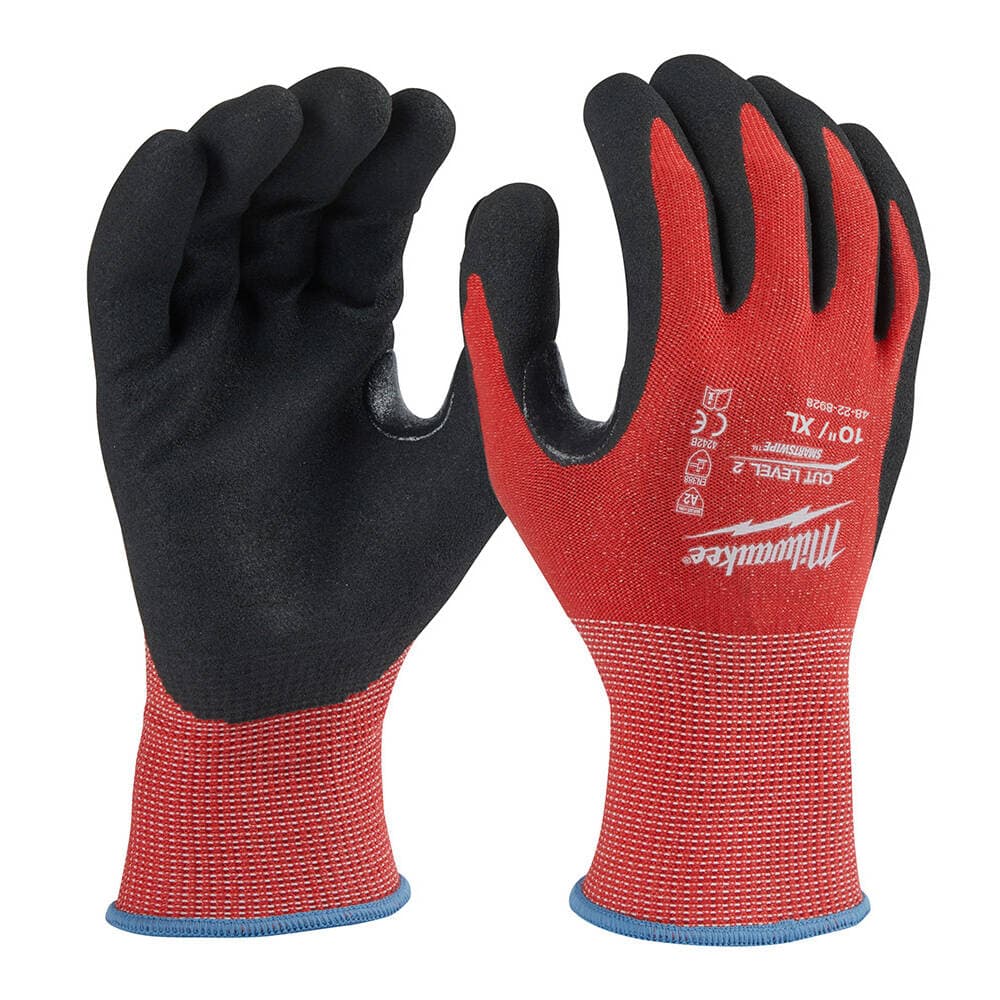
Milwaukee Grade 2 Cut Resistant Nitrile Gloves - XL Size
Milwaukee · Cut Resistant Gloves
1–24 of 123 · page 1 / 6
Where the protection comes from
Cut resistance comes from the yarn in the knit: fibres such as high molecular weight polyethylene, glass and steel make the blade's job harder. The coating is there for grip and abrasion; its contribution to cut protection is secondary.
That is why two gloves of the same cut class can carry different coatings: foam nitrile so it grips in oil, or PU so it stays thin for fine work.
EN 388 and the class digits
EN 388 rates a glove against four mechanical hazards and the result is printed on it: abrasion, cut, tear and puncture, in that order. A higher digit is higher performance. The letter cut class (A-F) added later comes from a more precise test method.
No EN 388 digits are printed on the product pages in this catalogue: the manufacturer does not publish them on its product pages, and an estimated class on protective equipment leaves a buyer believing they chose the right level. The class is marked on the glove and stated in its declaration of conformity, supplied on request.
Choosing one
Where there is no cut risk, a cut resistant glove is unnecessary: the protective yarn is stiffer than an ordinary knit of the same thickness and costs some dexterity. Where there is risk, the kind of hazard decides — a sheet metal edge and broken glass do not call for the same class.
| Size | Palm circumference | Typical wearer |
|---|---|---|
| 7 | ~18 cm | Small hand |
| 8 | ~20 cm | Medium |
| 9 | ~23 cm | The most common size |
| 10 | ~25 cm | The second most common |
| 11 | ~28 cm | Large hand |
The size number is the palm circumference in inches. Figures are approximate; sizes 9 and 10 are the stocked ones.
Frequently Asked Questions
What do the EN 388 digits mean?
Abrasion, cut, tear and puncture performance, in that order. A higher digit is better; for cut, the A-F letter class comes from a more precise test method.
Why is no cut class shown on the product pages?
The manufacturer does not publish it on its own product pages, and an estimated class is not acceptable on protective equipment. The class is printed on the glove and supplied on request with the declaration of conformity.
Does a cut resistant glove not cut?
It does. The standard measures resistance to cutting, not immunity. Even a high class glove will cut given enough force and a sharp enough edge; protection reduces risk.
Should every job use a cut resistant glove?
No. The protective yarn is stiffer and costs dexterity; where there is no cut risk it is unnecessary cost and unnecessary stiffness.