Categories
Hi-Vis Vests
Hi-vis clothing works in two different lights: by day through the colour of the fluorescent fabric, at night through retroreflective tape returning headlight beams. This page covers the EN ISO 20471 classes, the yellow/orange distinction and washing life. The catalogue holds 24 products including Milwaukee and multi-pocket models.
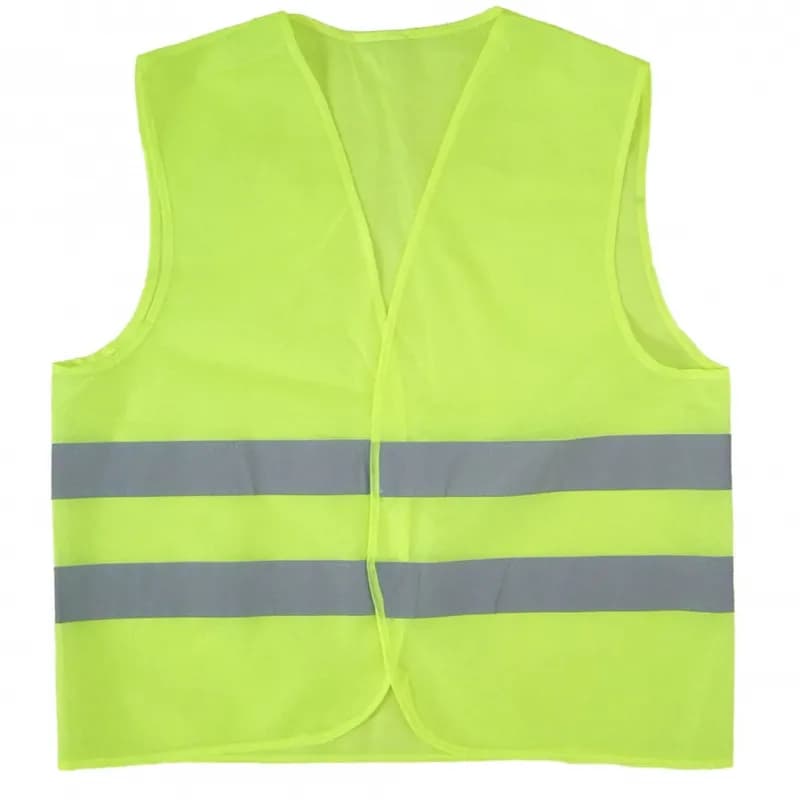
İkaz Yeleği Fosforlu 5 cm 2 Çizgi Sarı
Hi-Vis Vests
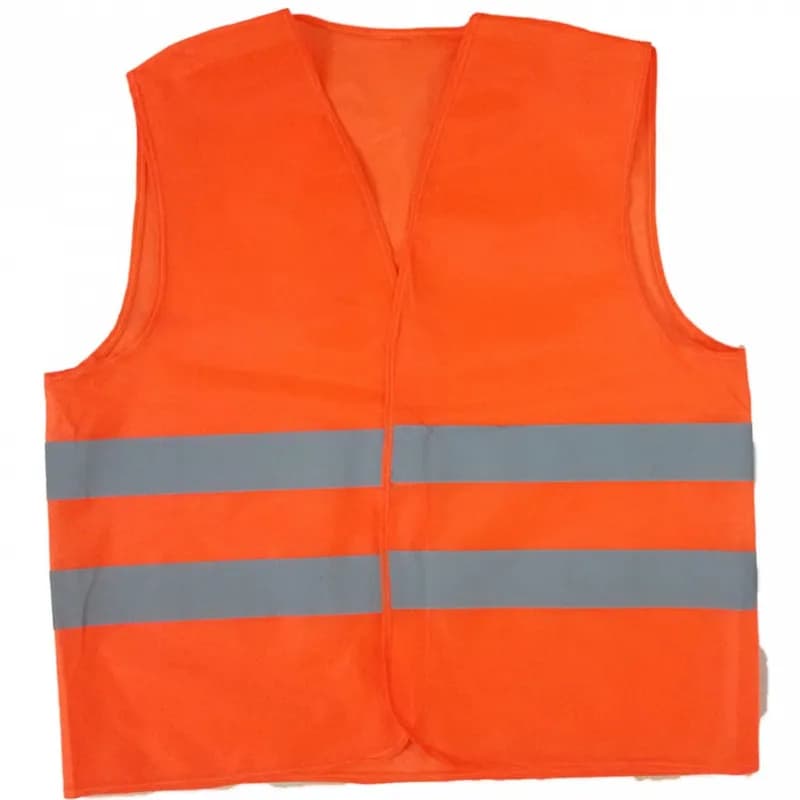
İkaz Yeleği Fosforlu 5 cm 2 Çizgi Turuncu
Hi-Vis Vests
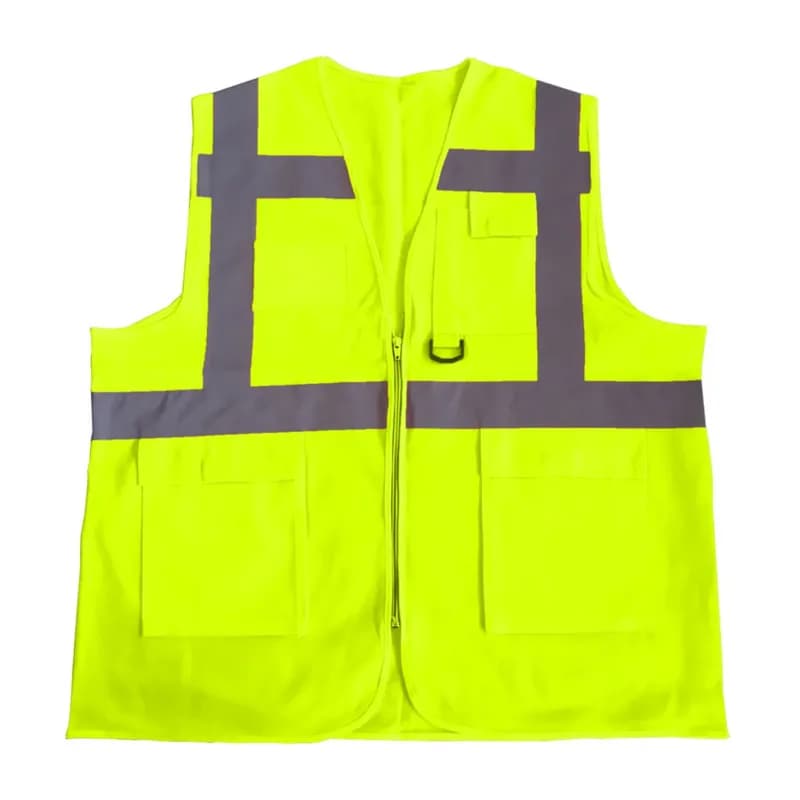
İkaz Yeleği Mühendis Tipi Sarı L
Hi-Vis Vests
İkaz Yeleği Mühendis Tipi Sarı M
Hi-Vis Vests
İkaz Yeleği Mühendis Tipi Sarı S
Hi-Vis Vests
İkaz Yeleği Mühendis Tipi Sarı XL
Hi-Vis Vests
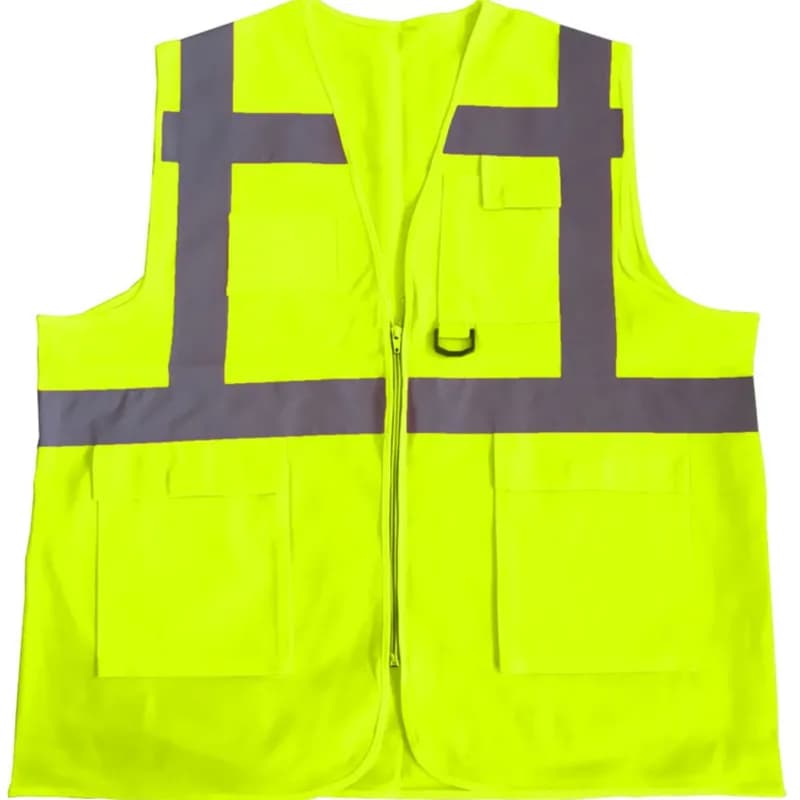
İkaz Yeleği Mühendis Tipi Sarı XXL
Hi-Vis Vests
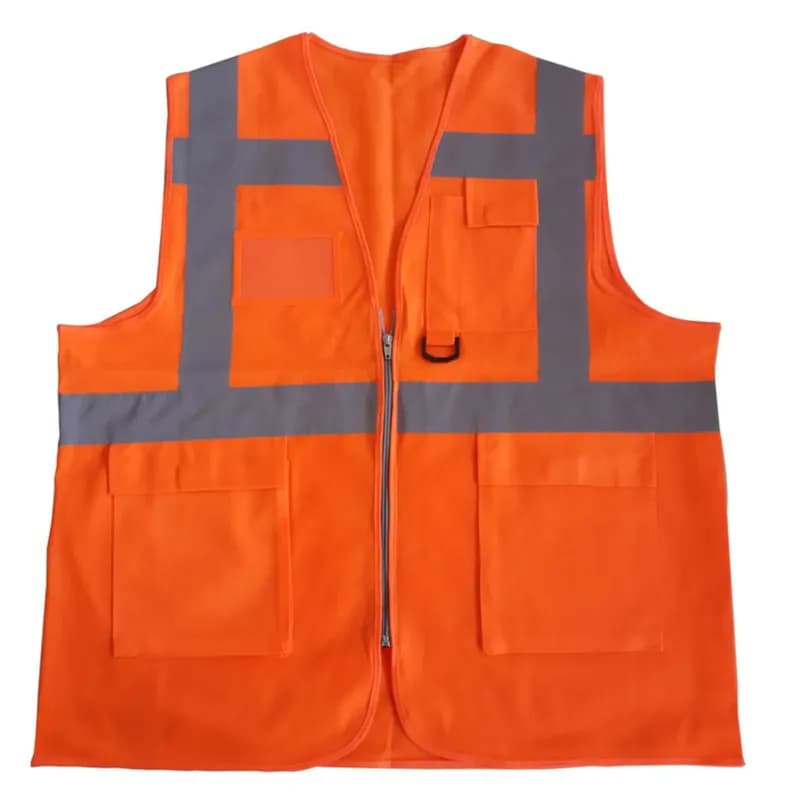
İkaz Yeleği Mühendis Tipi Turuncu L
Hi-Vis Vests
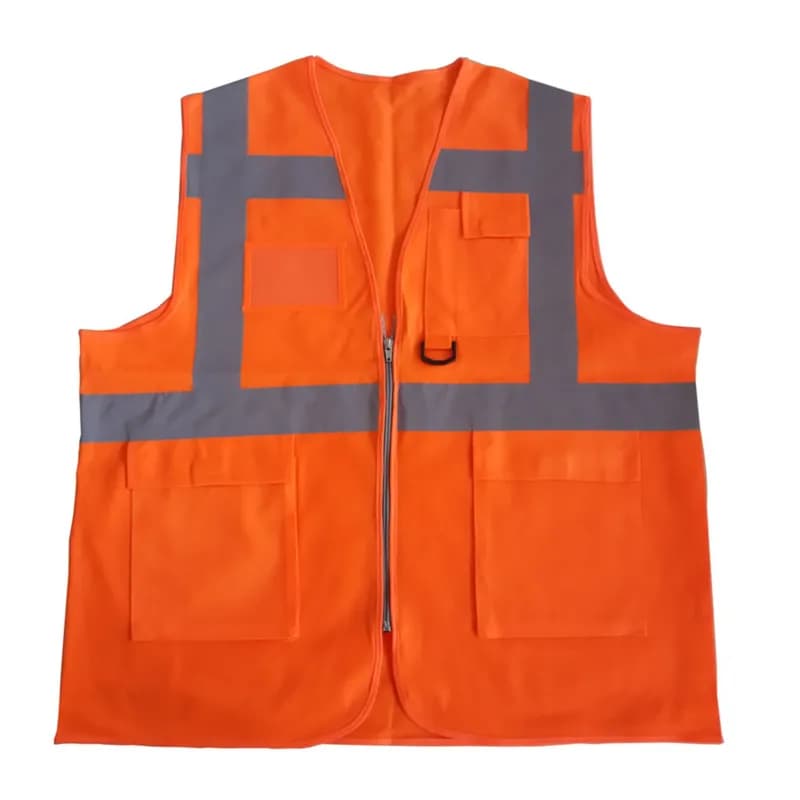
İkaz Yeleği Mühendis Tipi Turuncu M
Hi-Vis Vests
İkaz Yeleği Mühendis Tipi Turuncu S
Hi-Vis Vests
İkaz Yeleği Mühendis Tipi Turuncu XL
Hi-Vis Vests
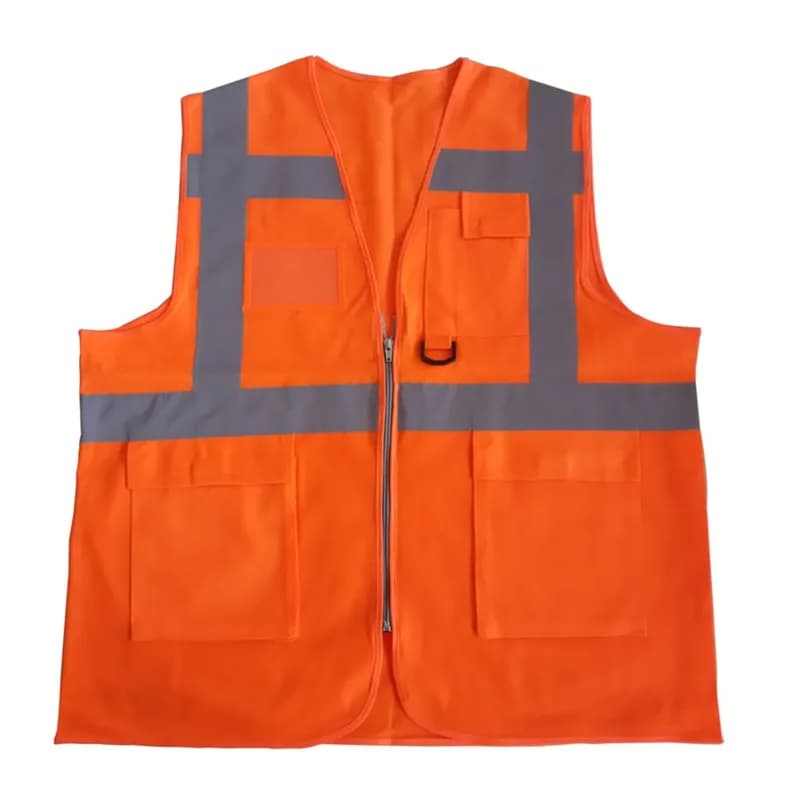
İkaz Yeleği Mühendis Tipi Turuncu XXL
Hi-Vis Vests
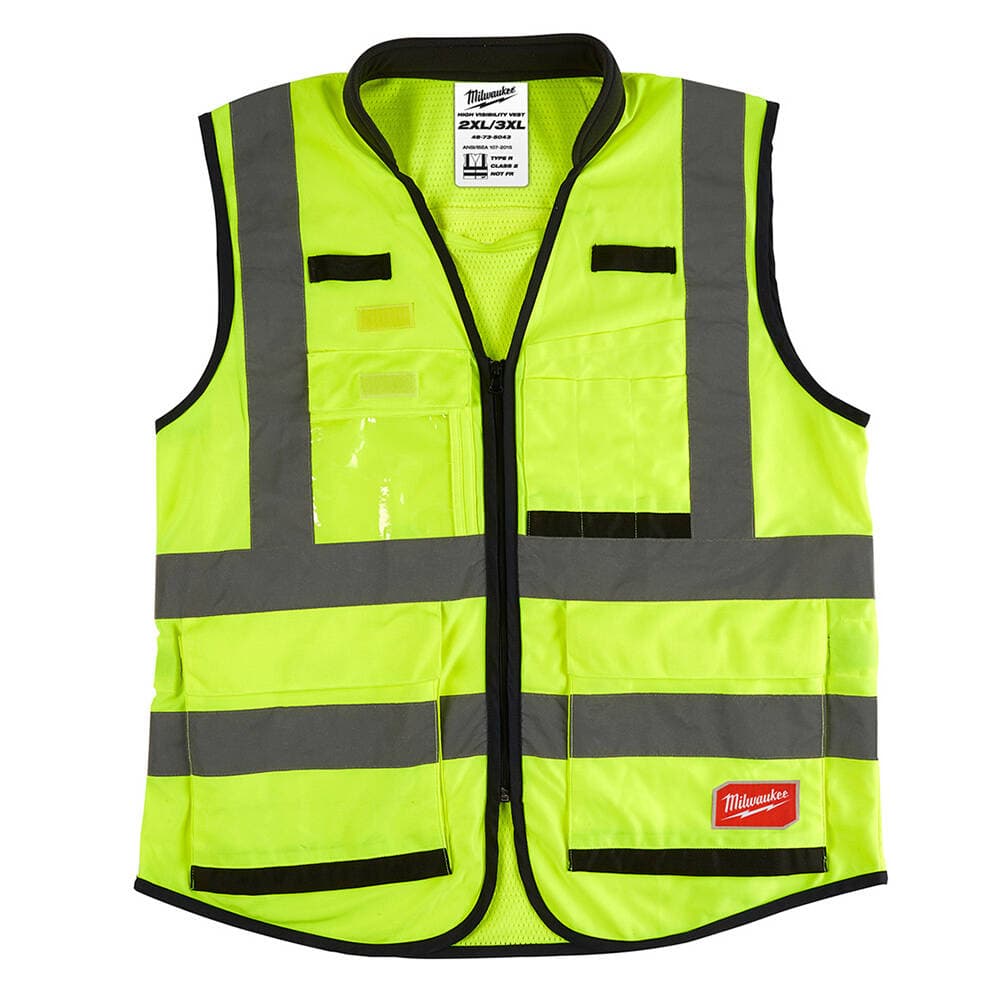
Milwaukee Premium High Visibility Yellow Vest XL Size
Milwaukee · Hi-Vis Vests
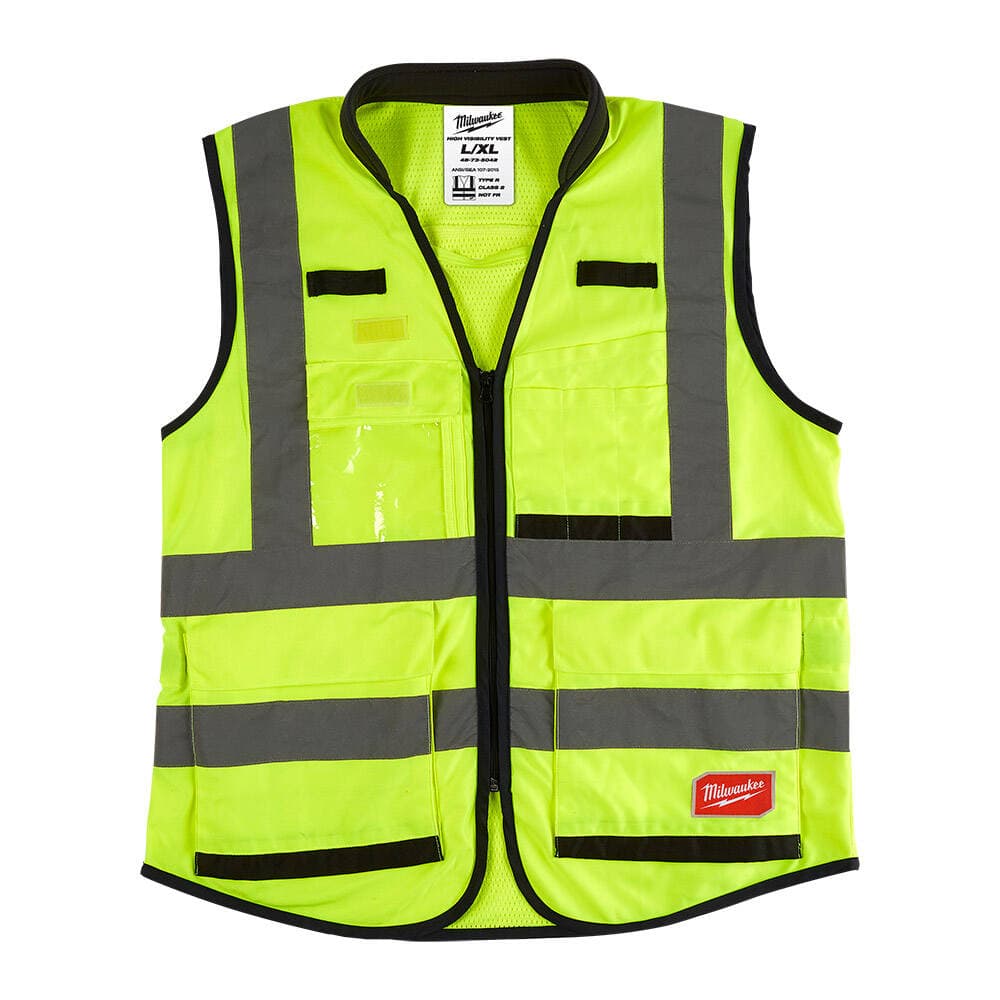
Milwaukee Premium High Visibility Yellow Vest L Size
Milwaukee · Hi-Vis Vests
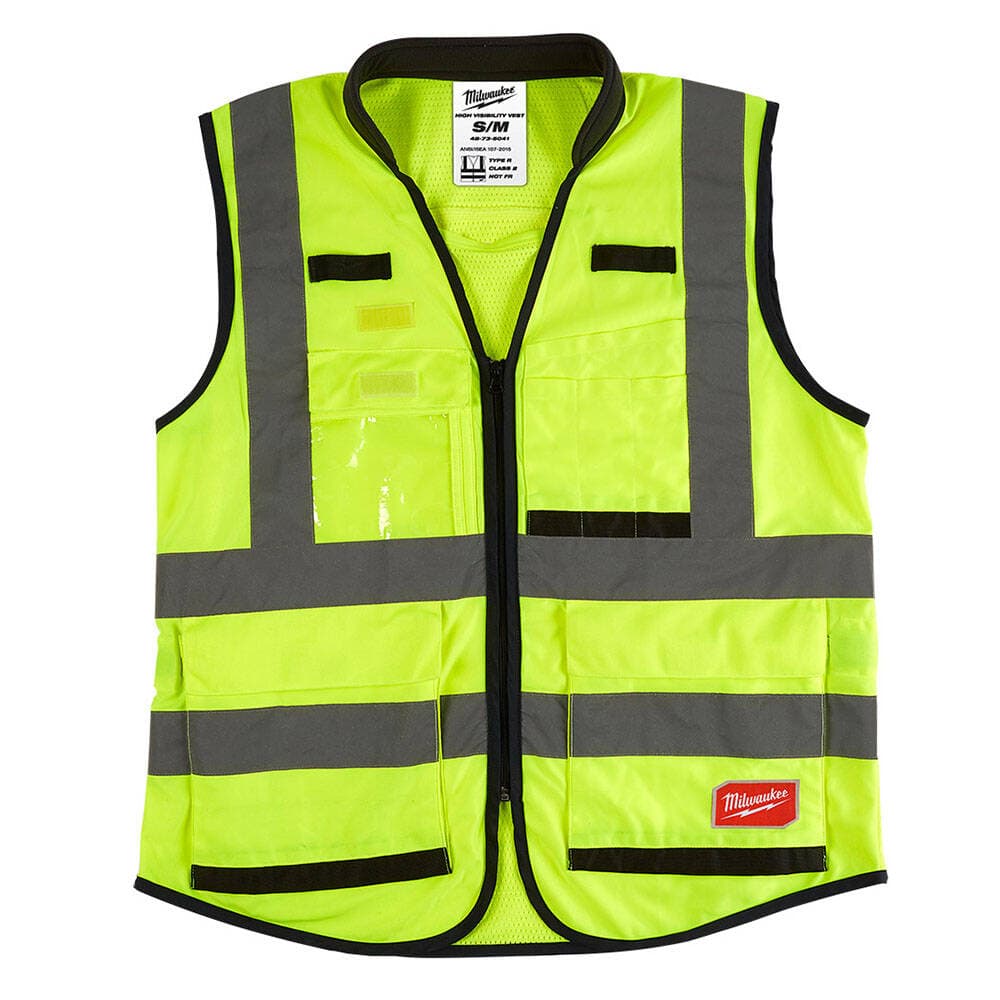
Milwaukee Premium High Visibility Yellow Vest M Size
Milwaukee · Hi-Vis Vests
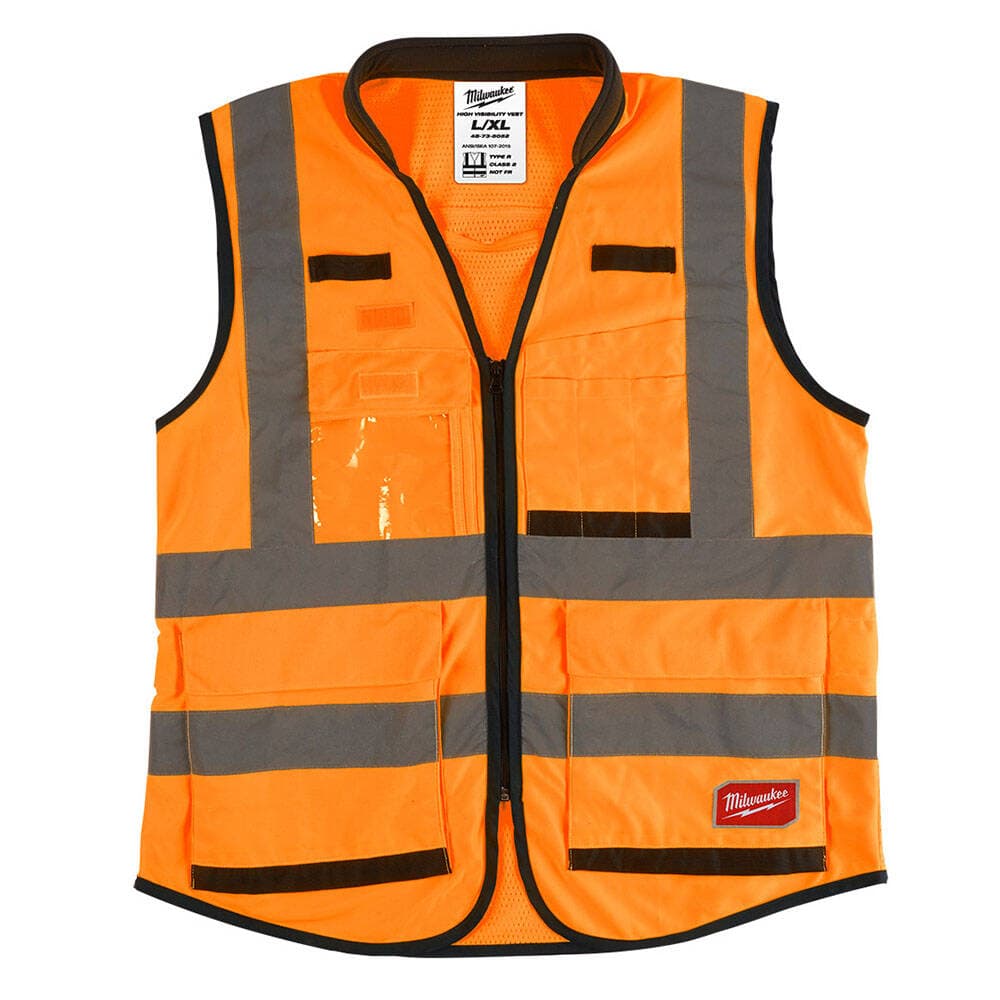
Milwaukee Premium High Visibility Orange Vest XL Size
Milwaukee · Hi-Vis Vests
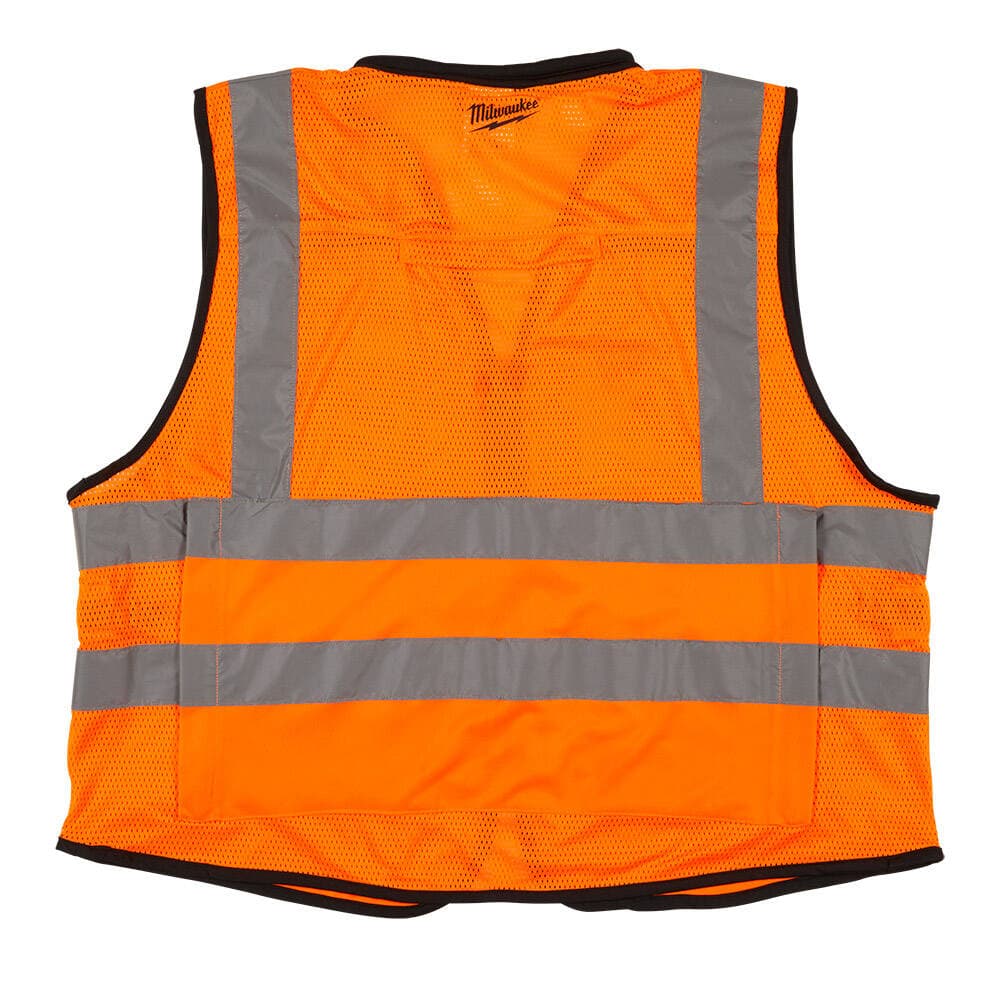
Milwaukee Premium High Visibility Orange Vest L Size
Milwaukee · Hi-Vis Vests
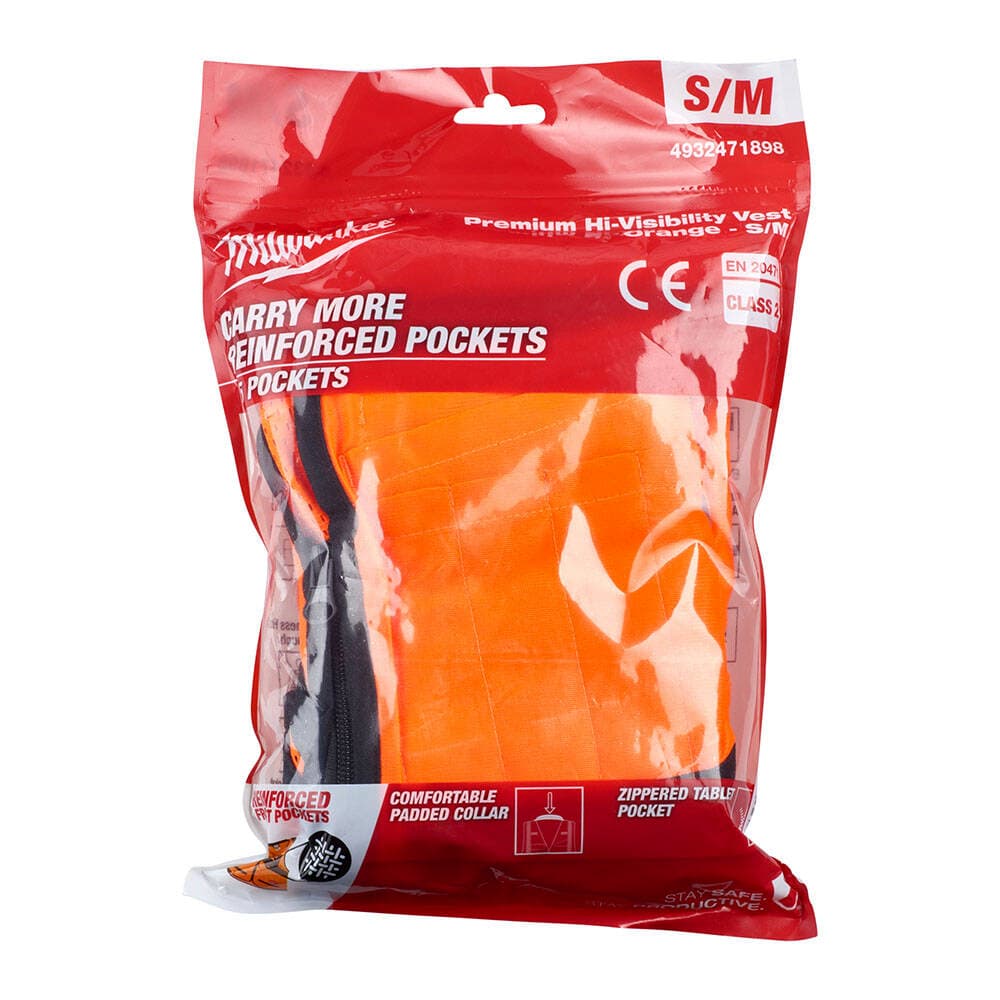
Milwaukee Premium High Visibility Orange Vest M Size
Milwaukee · Hi-Vis Vests
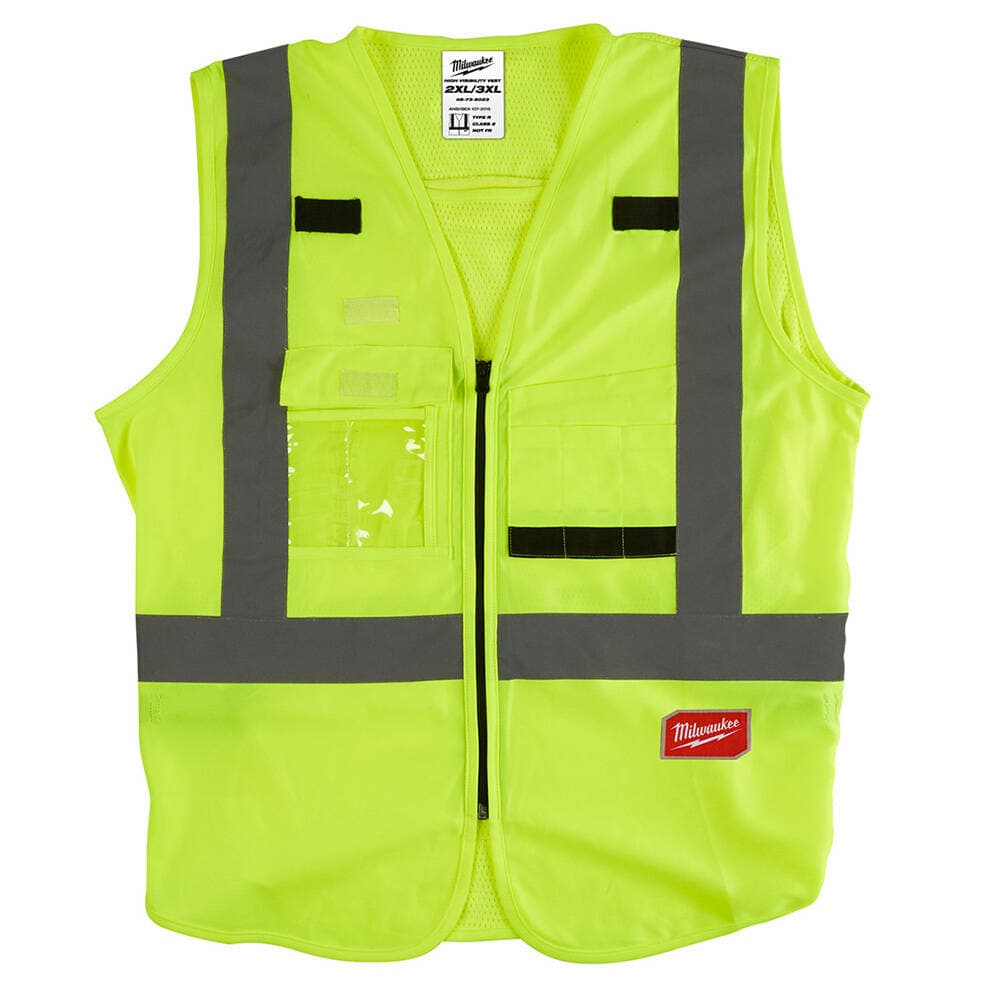
Milwaukee High Visibility Yellow Vest XL Size
Milwaukee · Hi-Vis Vests
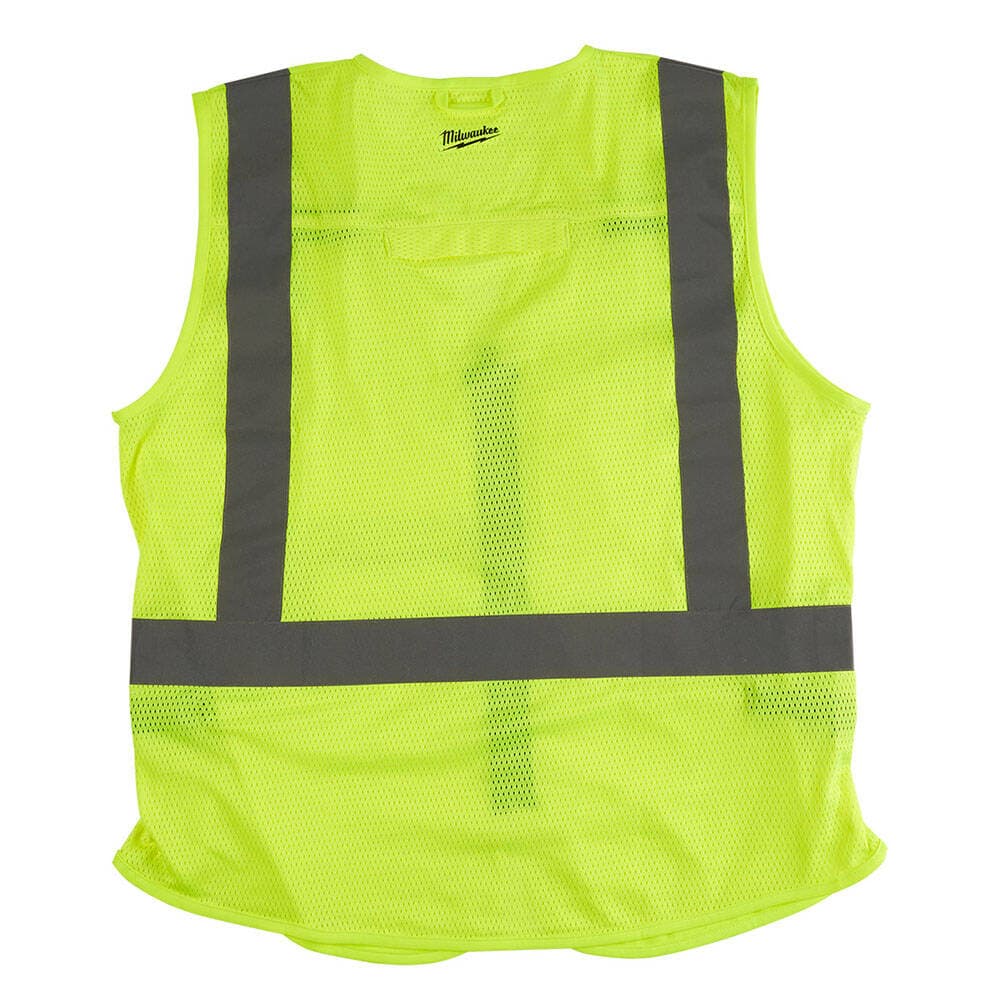
Milwaukee High Visibility Yellow Vest L Size
Milwaukee · Hi-Vis Vests
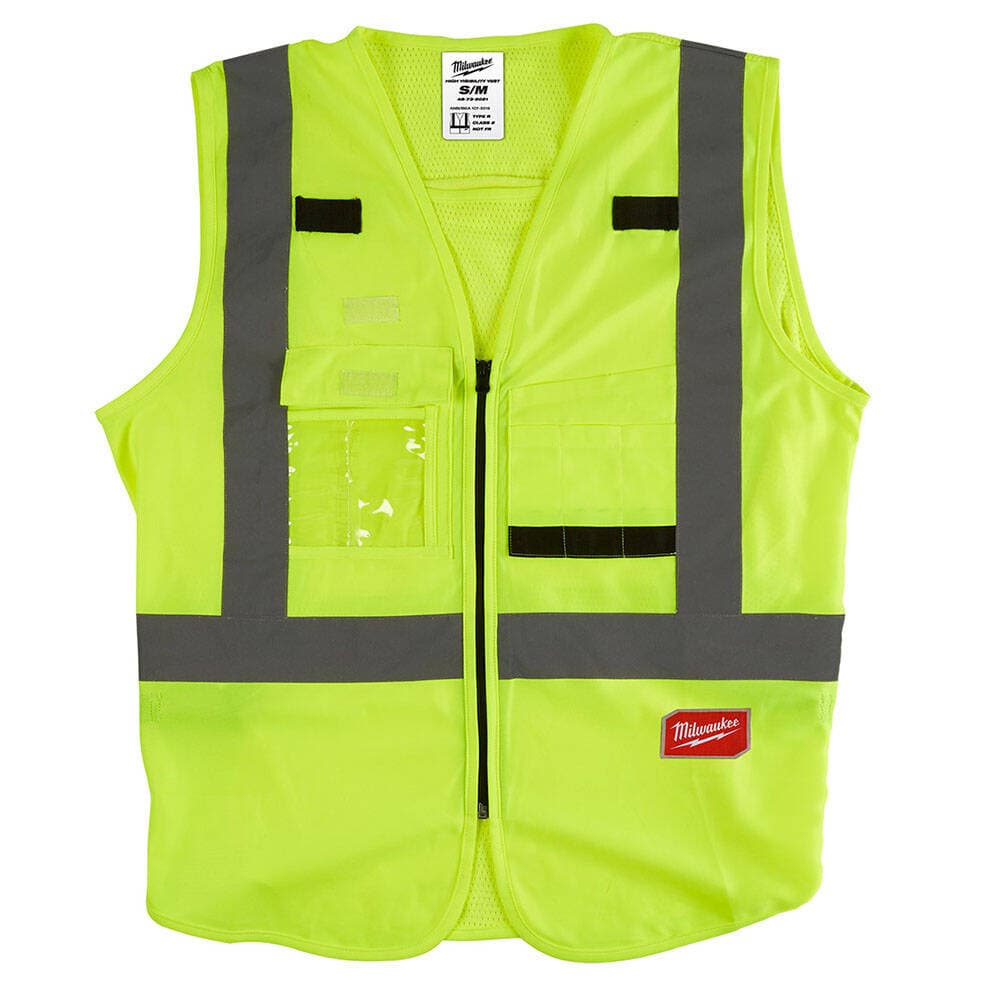
Milwaukee High Visibility Yellow Vest M Size
Milwaukee · Hi-Vis Vests
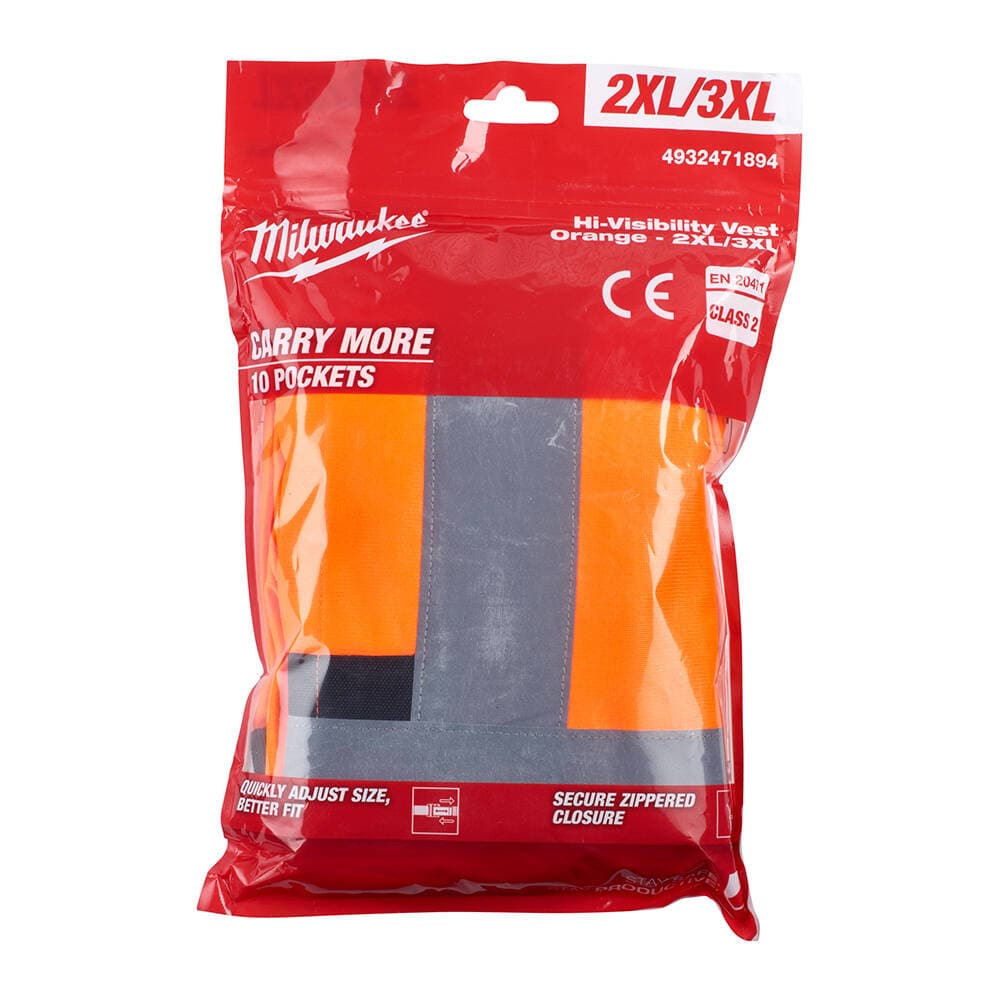
Milwaukee High Visibility Orange Vest XL Size
Milwaukee · Hi-Vis Vests
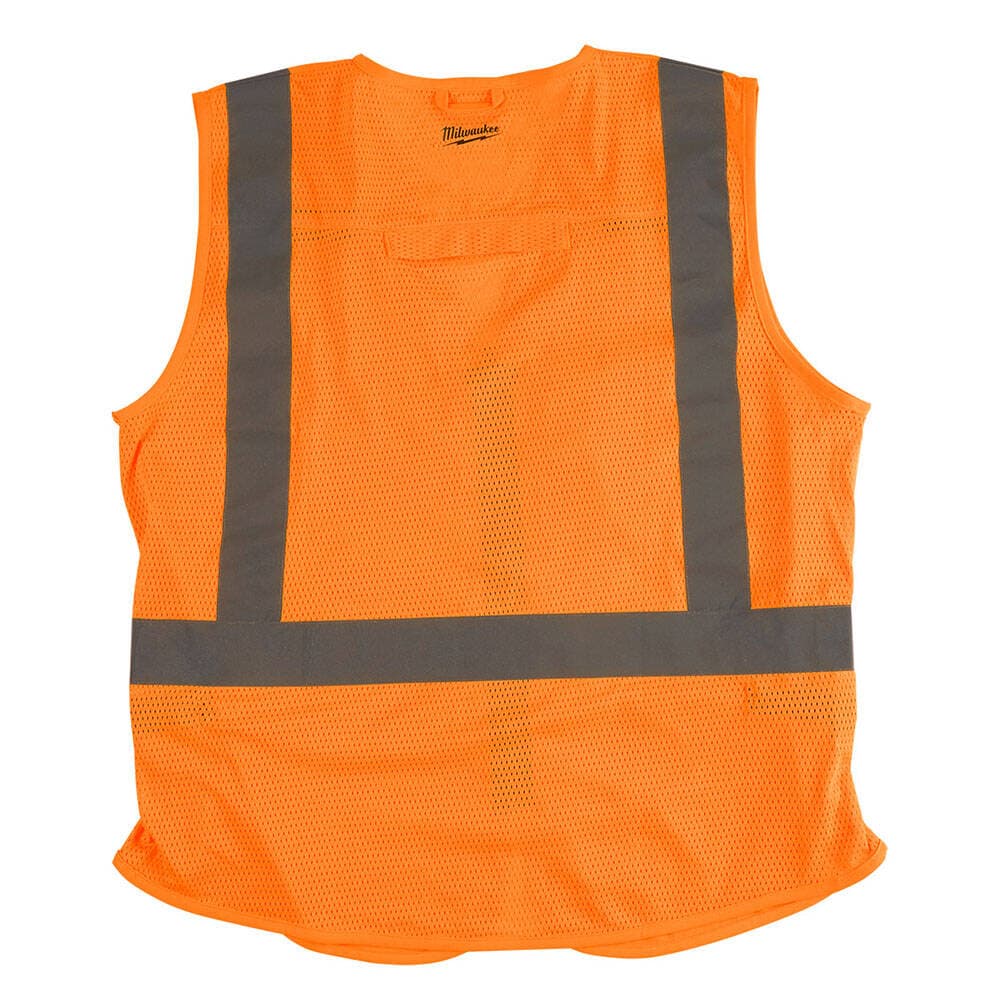
Milwaukee High Visibility Orange Vest L Size
Milwaukee · Hi-Vis Vests
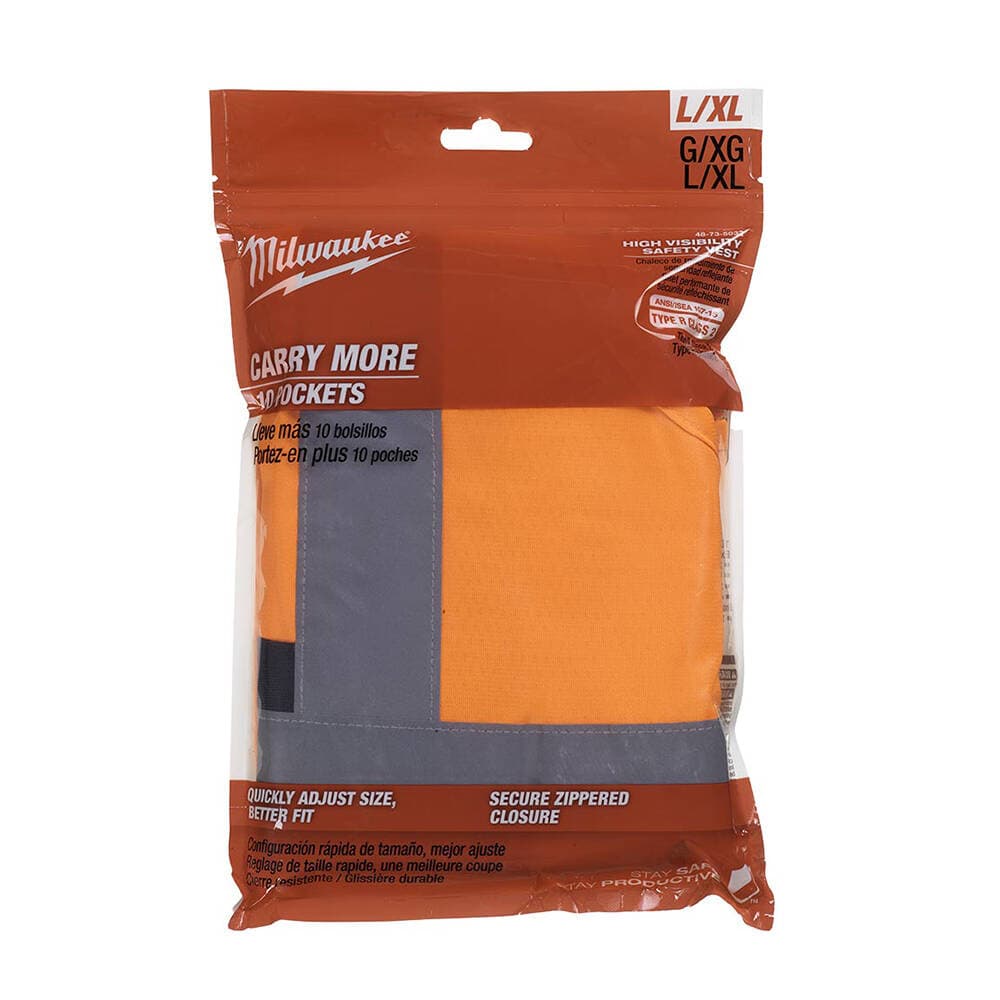
Milwaukee High Visibility Orange Vest M Size
Milwaukee · Hi-Vis Vests
Class 1, 2 and 3
The class follows the area of fluorescent fabric and retroreflective tape on the garment; more area, higher class. Class 1 is the lowest and belongs in low-risk internal areas. Class 2 is the standard for general sites and daytime road work. Class 3 is for highways, night work and fast traffic, and is usually achieved with sleeved garments rather than a vest alone.
Colour follows the surroundings: yellow separates better against greenery and grey site ground, orange stands out where machines and ground are yellow. Keeping one colour across a crew makes a stranger on site immediately obvious.
| Class | Where |
|---|---|
| Class 1 | Low-risk internal areas, warehouses |
| Class 2 | General sites, daytime road work |
| Class 3 | Highways, night work, fast traffic |
Tape, size and washing
The retroreflective tape is the working part of the garment: once soiled, cracked or dulled by washing, its return drops and the vest stops doing its night job. Manufacturers therefore state a limited number of washes, and a soiled vest is replaced.
Size should account for what is worn underneath; a vest worn over a winter jacket is taken a size up. Multi-pocket models with a zip are practical in field use, while economical taped vests suit visitors and temporary wear.
Frequently Asked Questions
Which class do I need?
Class 2 is the standard for general sites and daytime road work. Highways, night work and fast traffic require class 3; class 1 is only for low-risk internal areas.
Yellow or orange?
It follows the surroundings. Yellow separates better against greenery and grey ground; orange stands out where machines and ground are yellow. One colour across a crew improves recognition.
Can a vest be washed?
A limited number of times. Retroreflective tape dulls with washing and loses its return; the manufacturer states the wash count, and a vest whose tape has dulled is replaced.
Can a vest alone be class 3?
Usually not. The fabric and tape area class 3 requires is rarely met by a sleeveless vest; sleeved garments, or a vest with a sleeved top, are used instead.
How should the size be chosen?
Together with what is worn underneath. A vest to go over a winter jacket is taken a size up; a tight vest will not close over the jacket and its tape area disappears from view.