Categories
Safety Helmets
The helmet is the most visible piece of PPE and the most often misused: worn wrongly or past its life, it protects nothing. This page covers the difference between EN 397 and EN 12492, where vented and unvented shells belong, the accessory system and when to replace. The catalogue holds over 55 products from Milwaukee and Baymax.
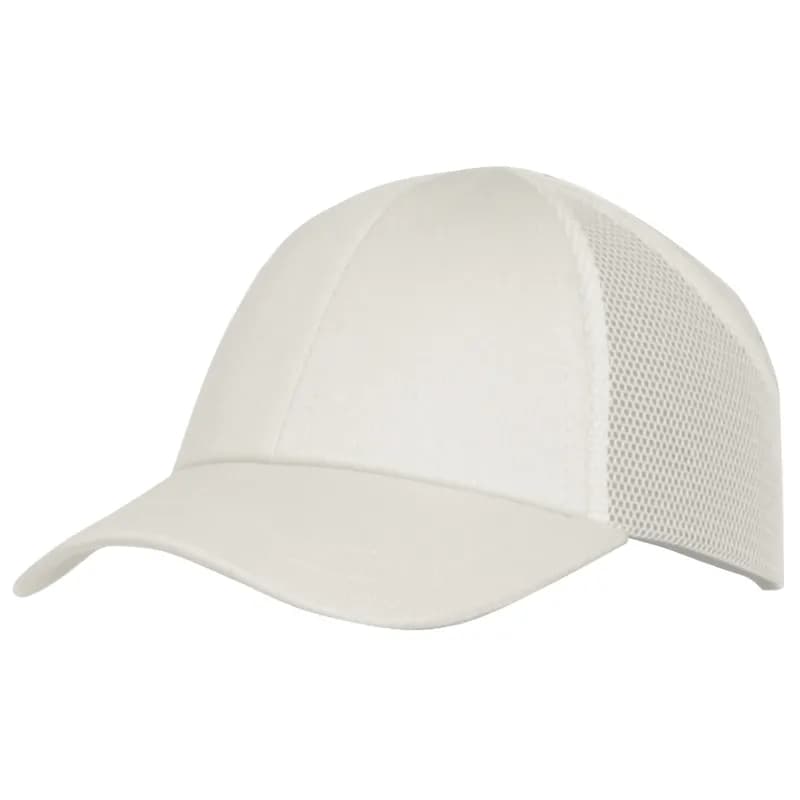
Baymax Kep Baret Beyaz
Baymax · Safety Helmets
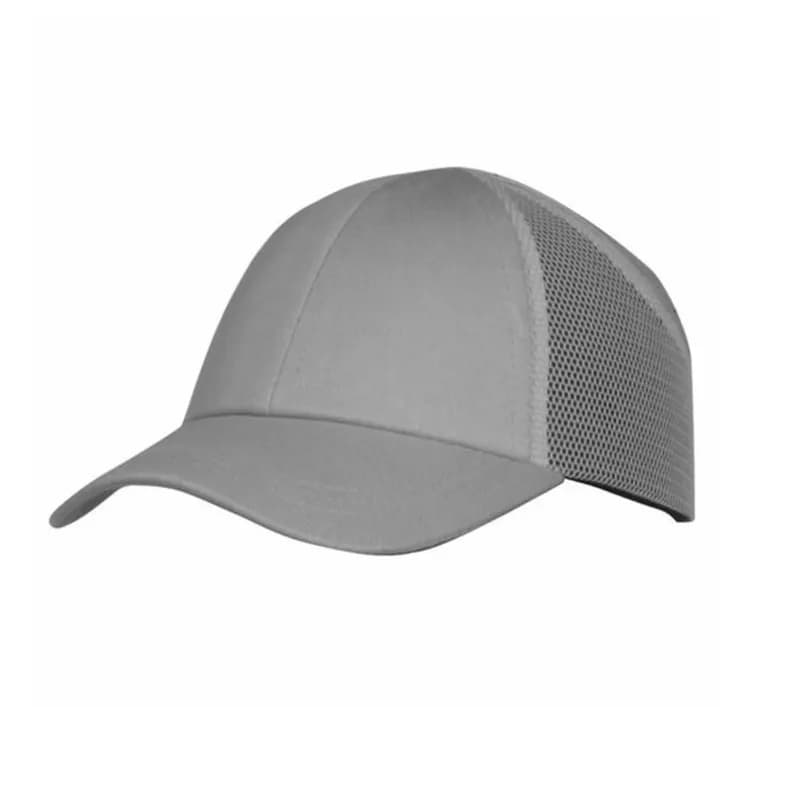
Baymax Kep Baret Gri
Baymax · Safety Helmets
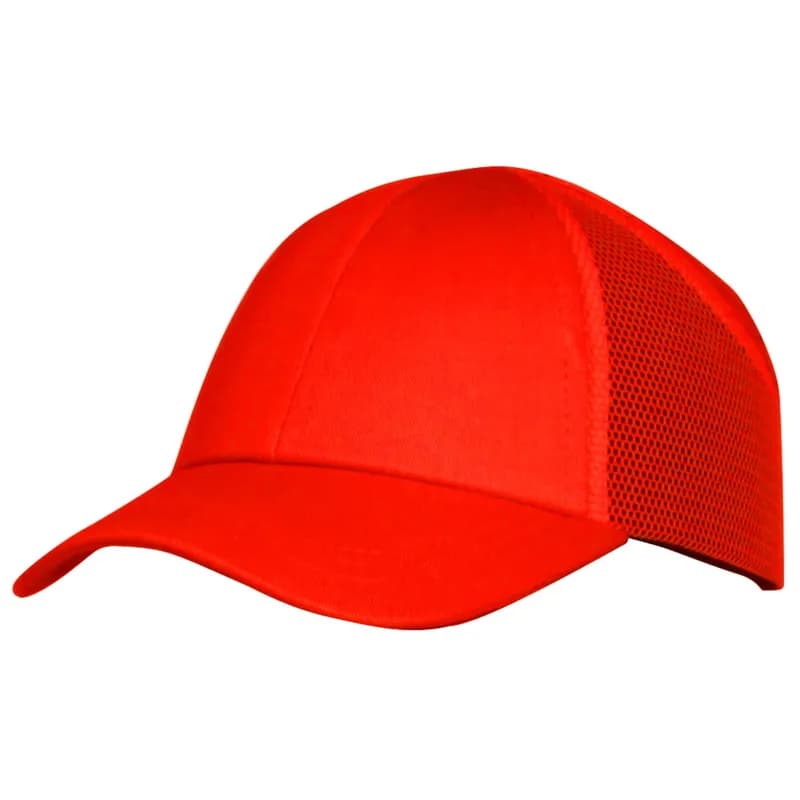
Baymax Kep Baret Kırmızı
Baymax · Safety Helmets
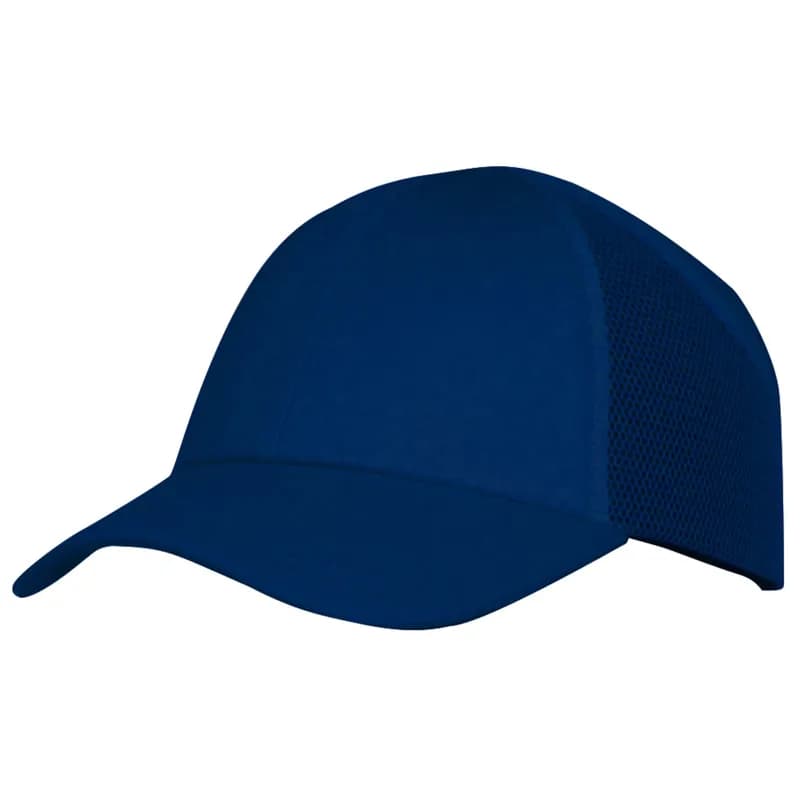
Baymax Kep Baret Lacivert (Petrol Mavisi)
Baymax · Safety Helmets
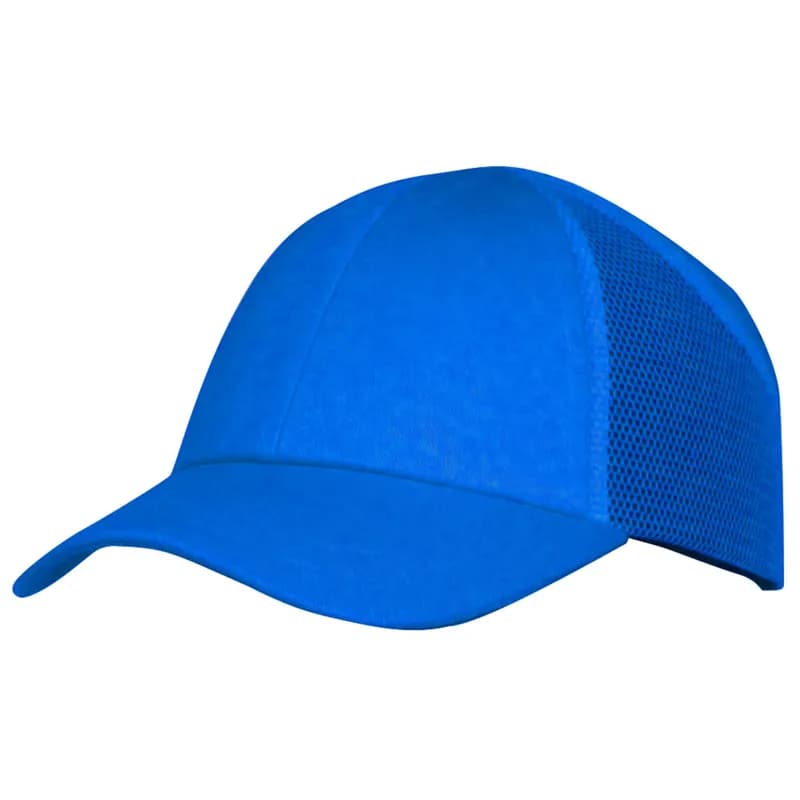
Baymax Kep Baret Mavi (Saks Mavisi)
Baymax · Safety Helmets
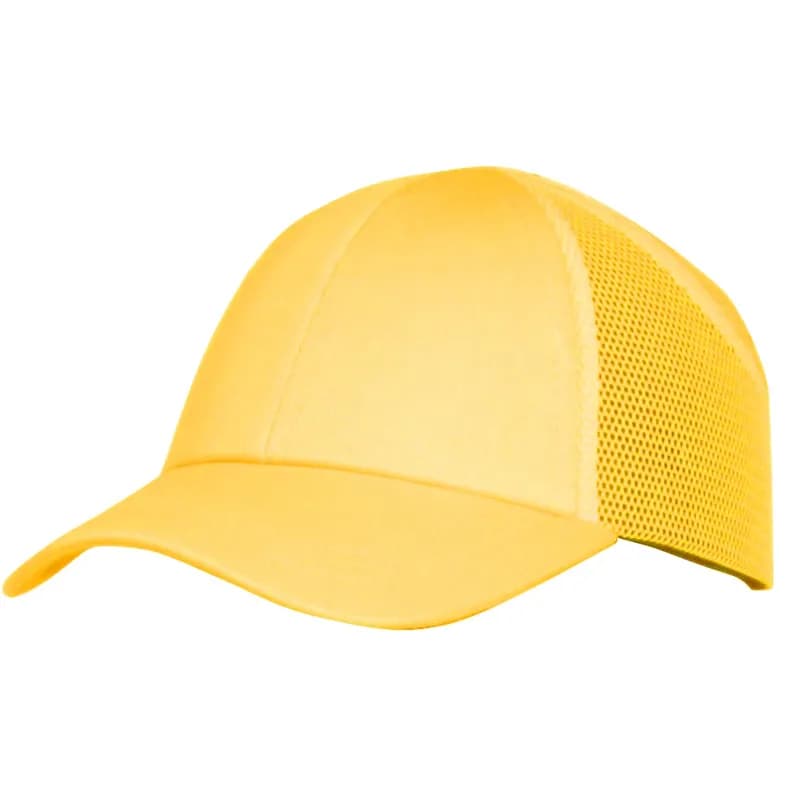
Baymax Kep Baret Sarı
Baymax · Safety Helmets
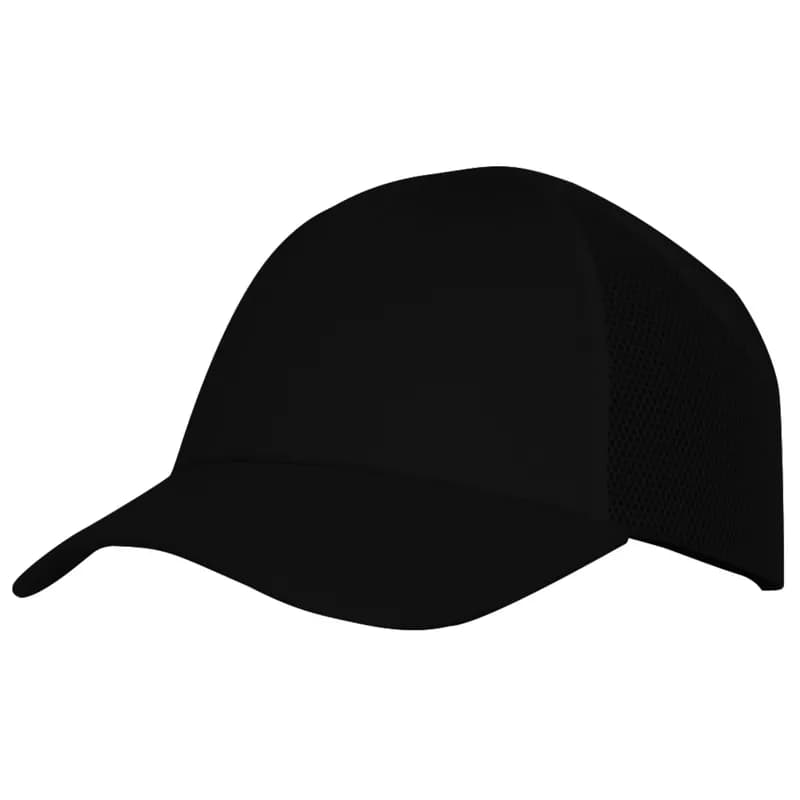
Baymax Kep Baret Siyah
Baymax · Safety Helmets
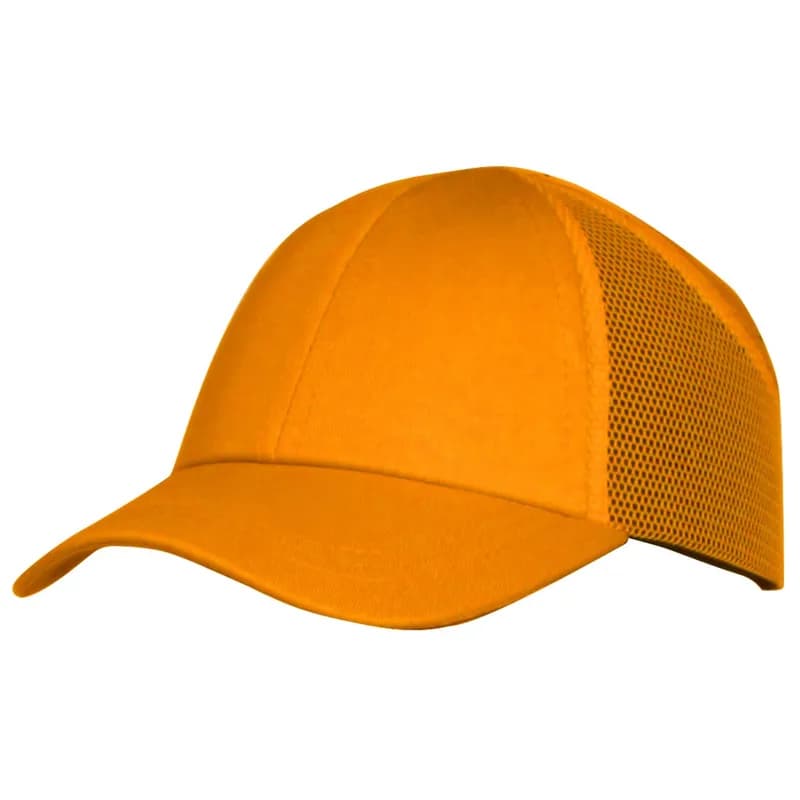
Baymax Kep Baret Turuncu
Baymax · Safety Helmets
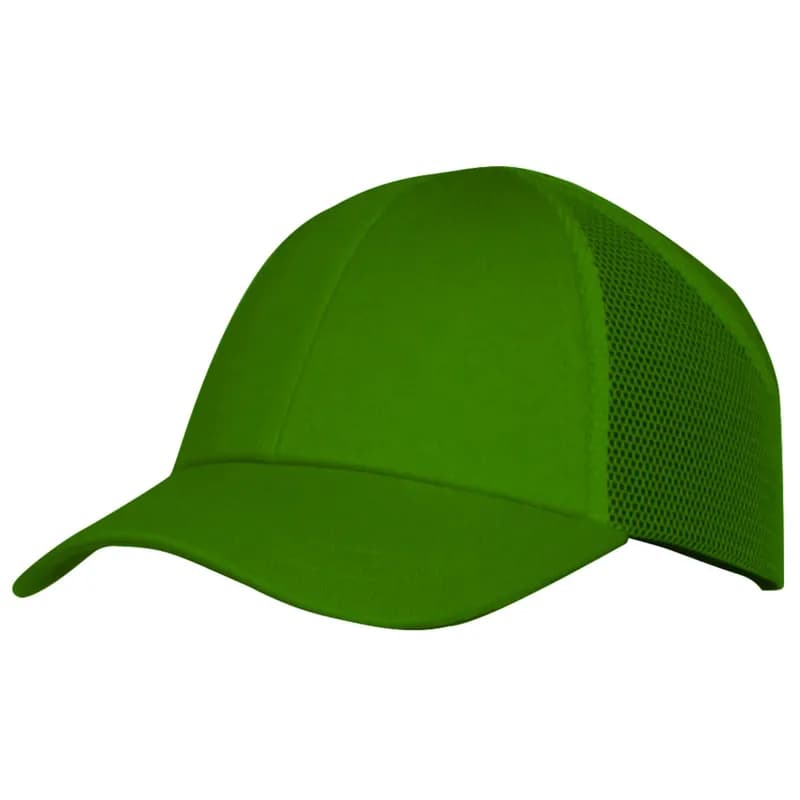
Baymax Kep Baret Yeşil
Baymax · Safety Helmets
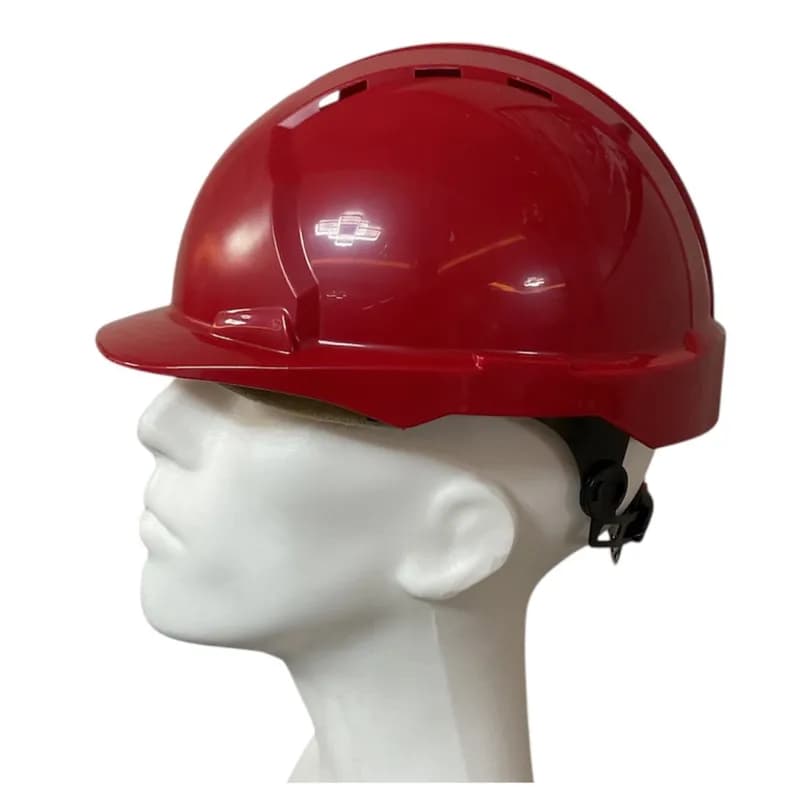
Baymax Mekanizmalı Baret Kırmızı SL-1108 Alt
Baymax · Safety Helmets
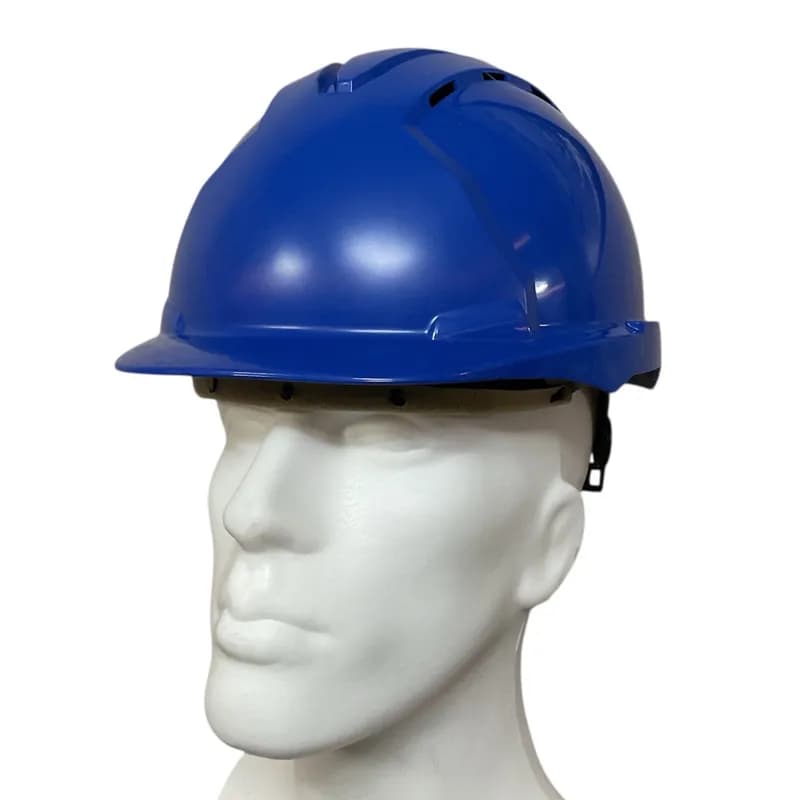
Baymax Mekanizmalı Baret Mavi SL-1108 Alt
Baymax · Safety Helmets
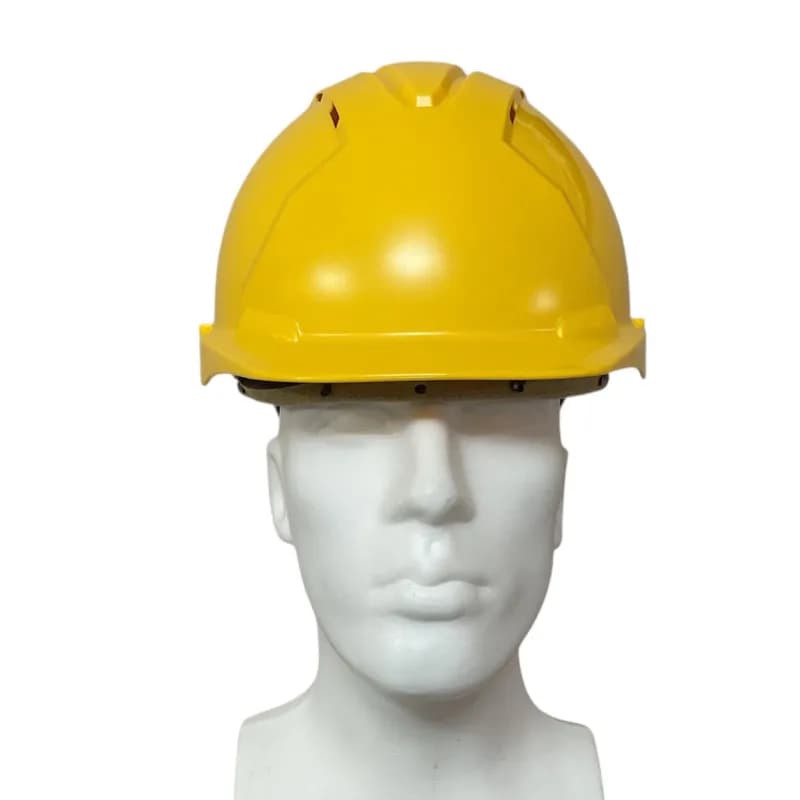
Baymax Mekanizmalı Baret Sarı SL-1108 Alt
Baymax · Safety Helmets
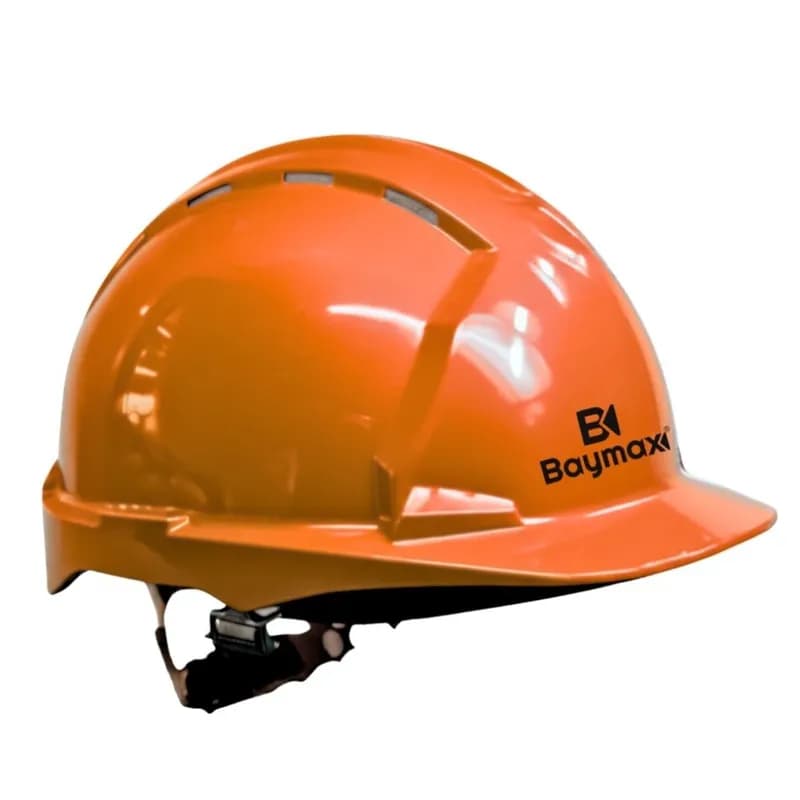
Baymax Mekanizmalı Baret Turuncu SL-1108 Alt
Baymax · Safety Helmets
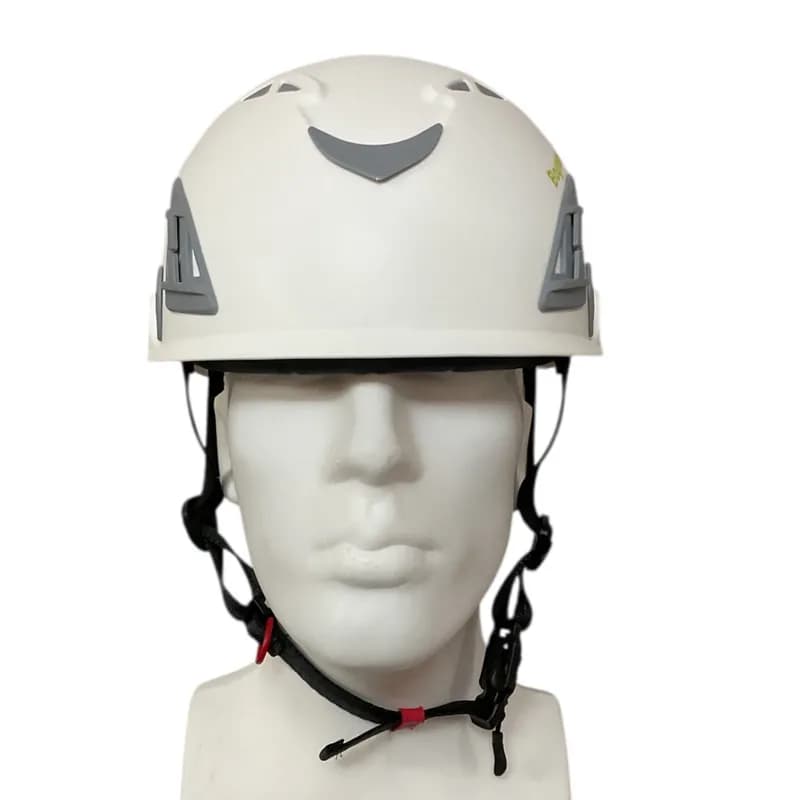
Baymax SL Steep C Dağcı Baret Beyaz
Baymax · Safety Helmets
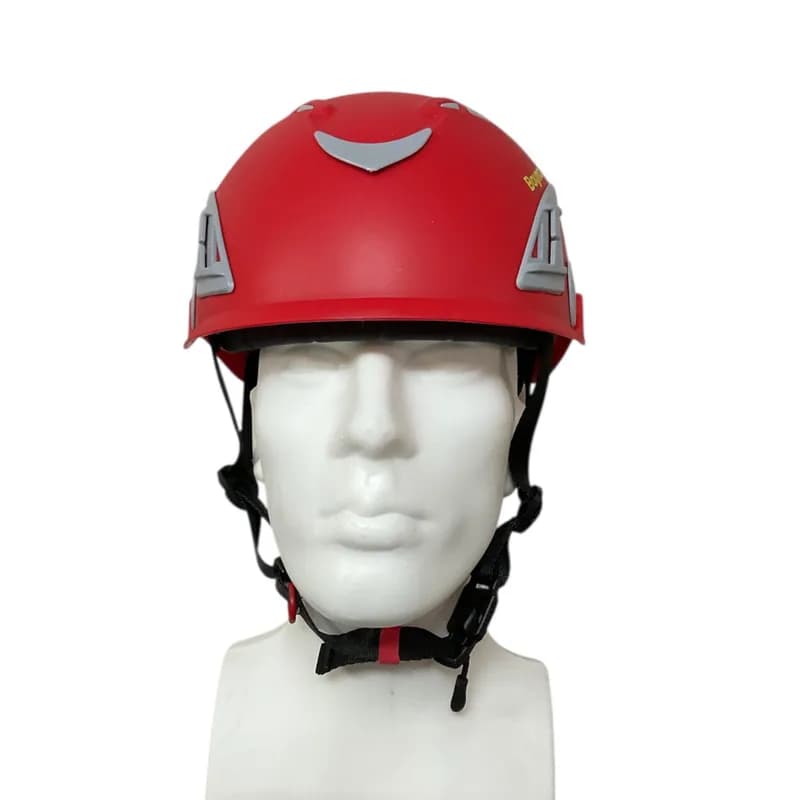
Baymax SL Steep C Dağcı Baret Kırmızı
Baymax · Safety Helmets
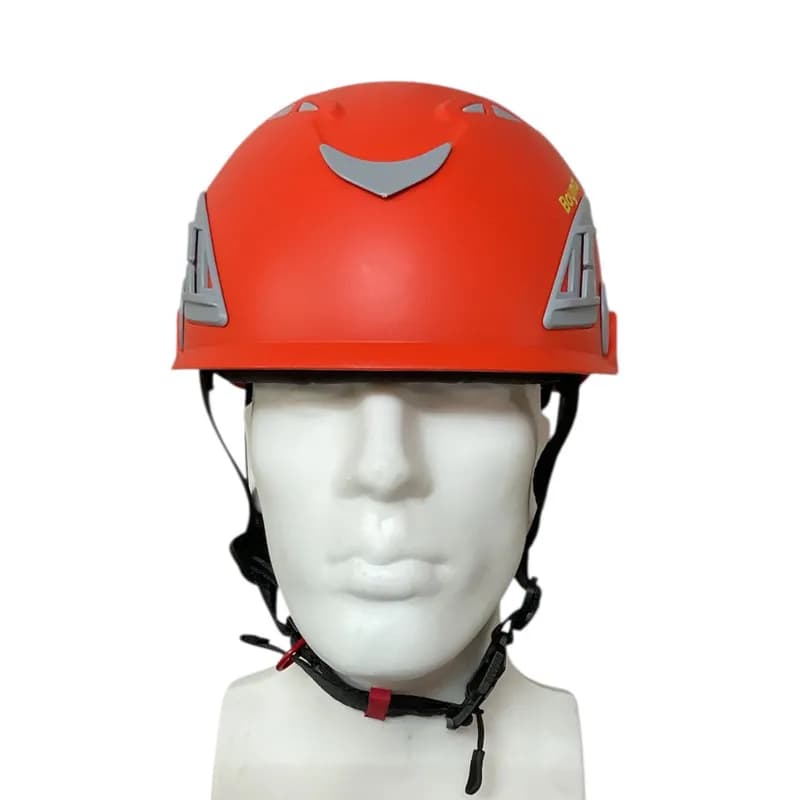
Baymax SL Steep C Dağcı Baret Turuncu
Baymax · Safety Helmets
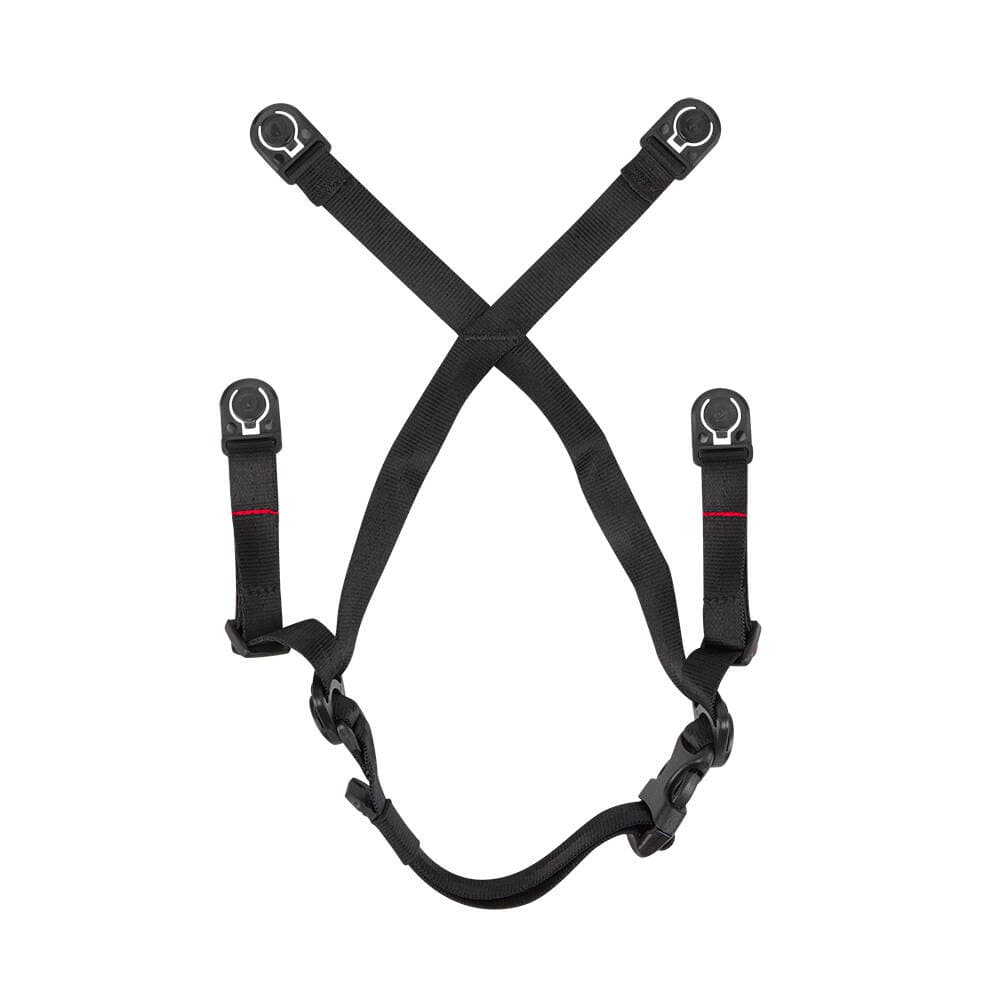
Milwaukee BOLT 200 4 Nokta Jaw Strap EN 397
Milwaukee · Safety Helmets
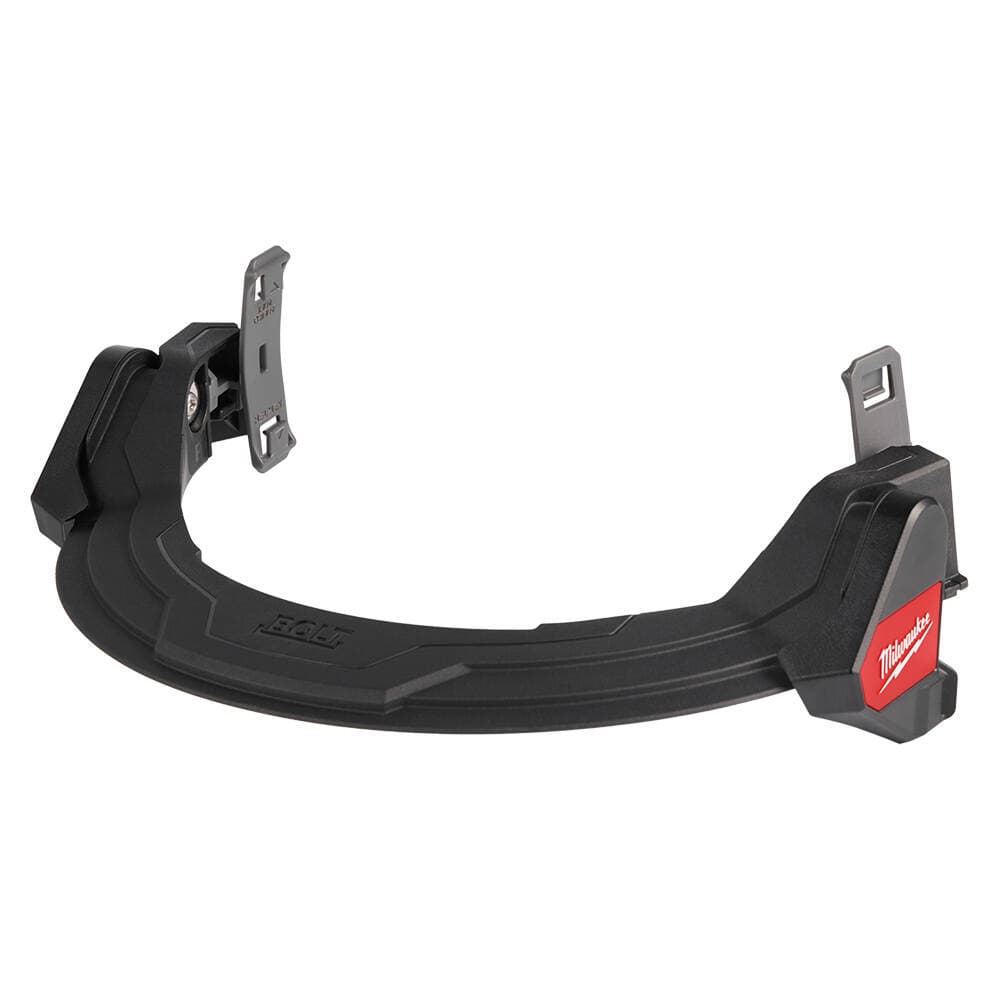
Milwaukee BOLT 200 Grip Face Shield Carrier
Milwaukee · Safety Helmets
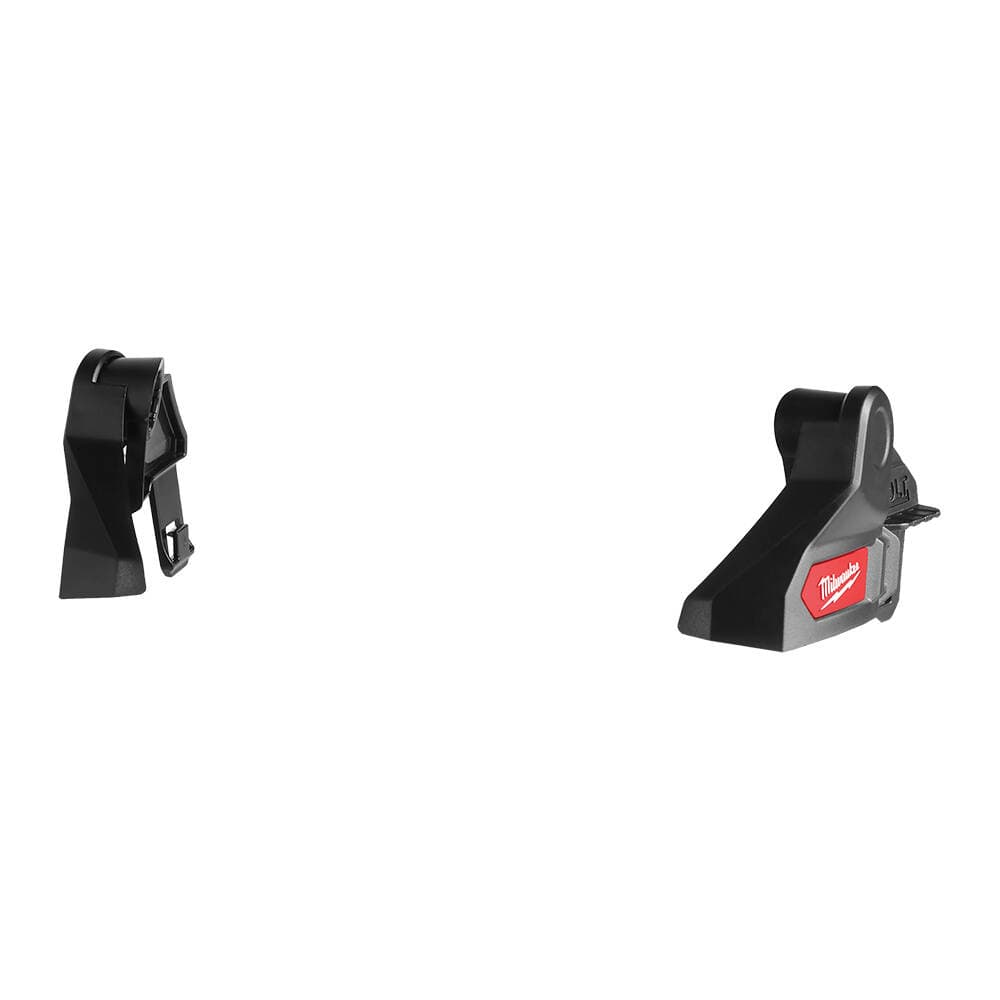
Milwaukee BOLT 200 Grey Face Shield Connection Part 5 Pieces
Milwaukee · Safety Helmets
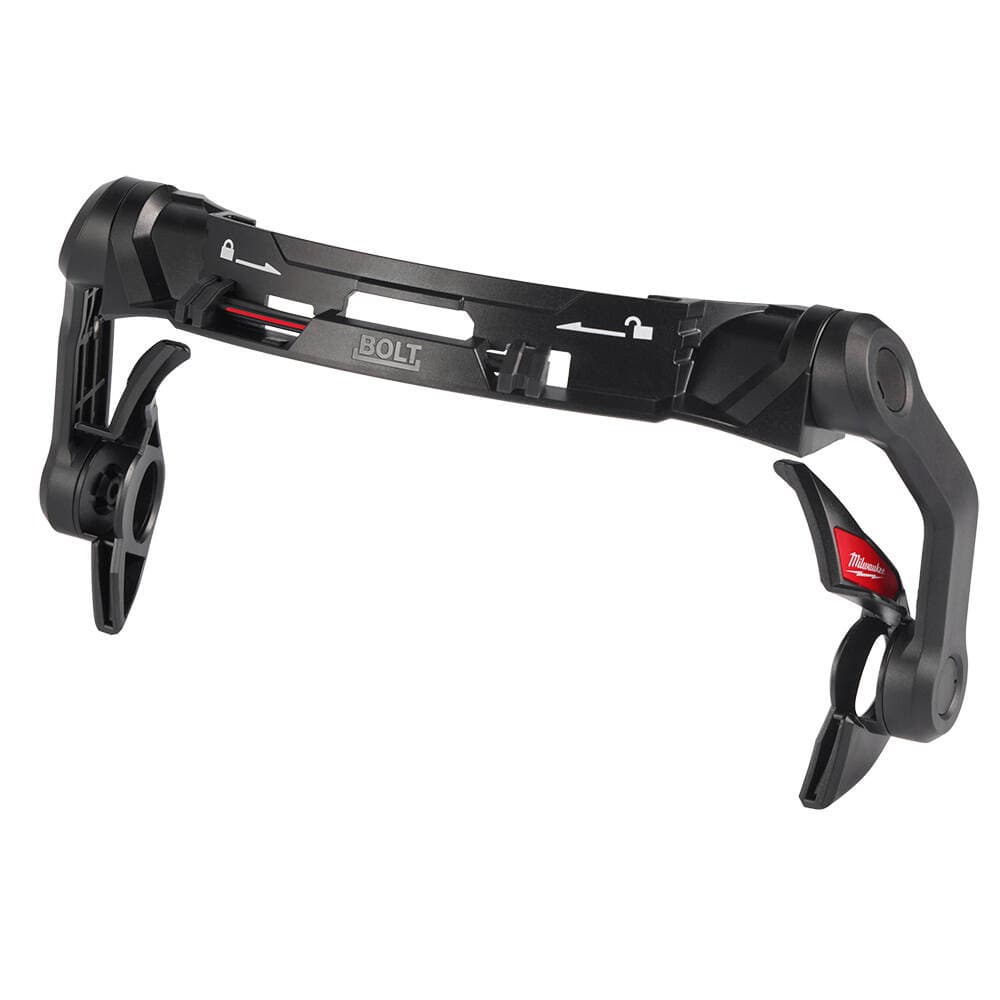
Milwaukee BOLT 200 Compact Replacement Visor Carrier
Milwaukee · Safety Helmets
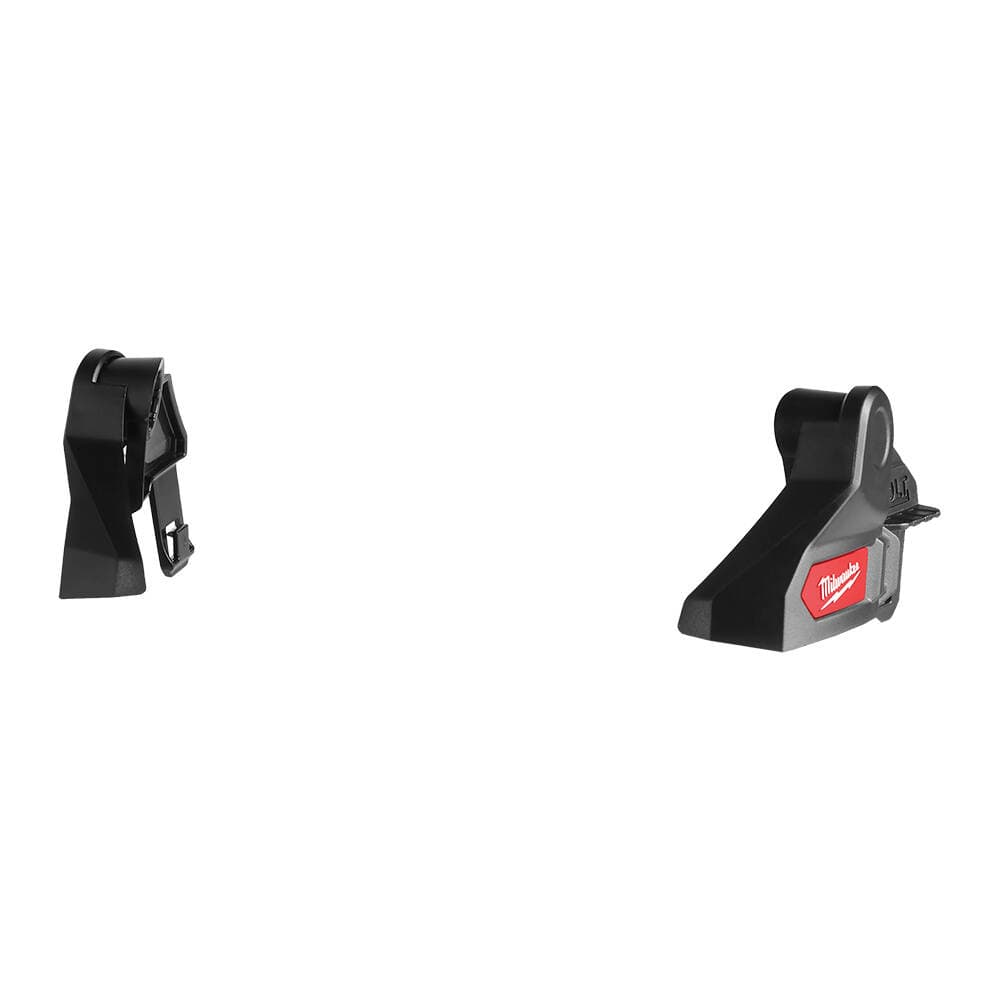
Milwaukee BOLT 200 Clear Face Shield Connection Part 5 Pieces
Milwaukee · Safety Helmets
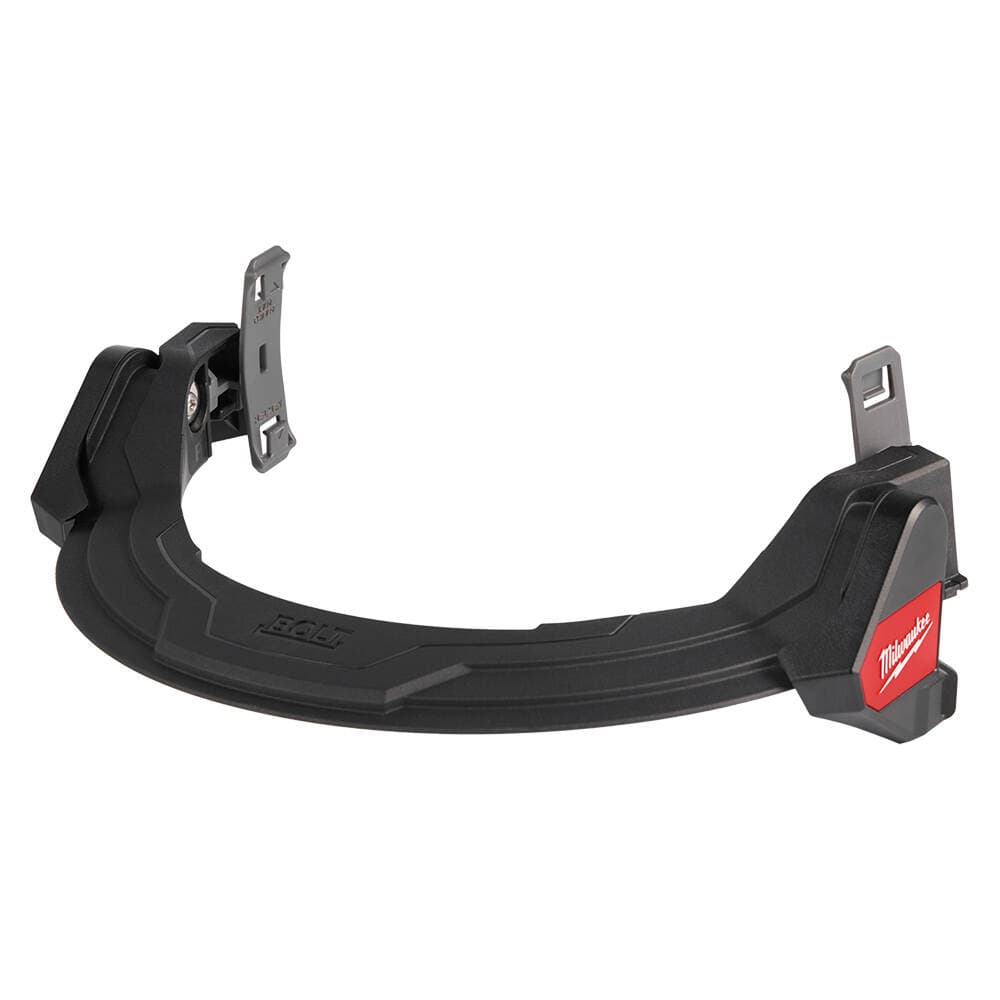
Milwaukee BOLT 200 Clear Face Shield Carrier
Milwaukee · Safety Helmets
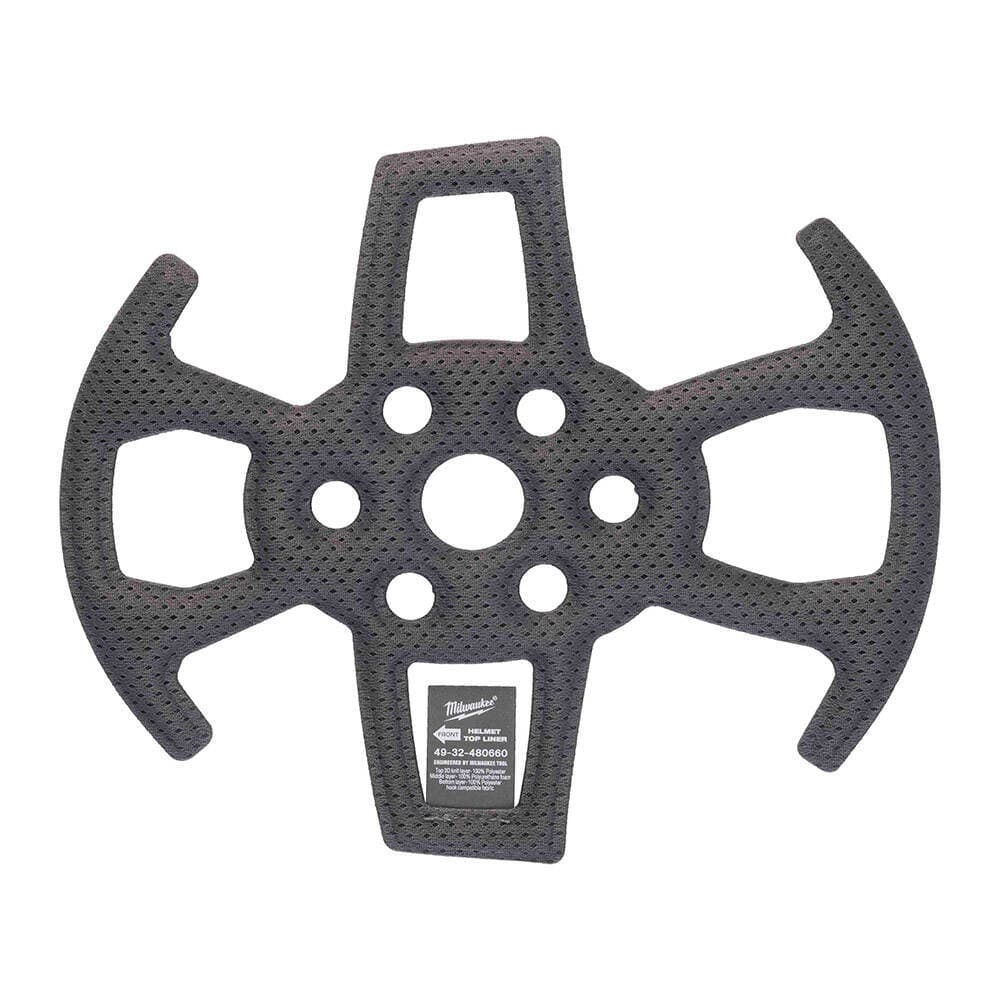
Milwaukee BOLT 200 Replacement Crown Astar - 10 Piece
Milwaukee · Safety Helmets
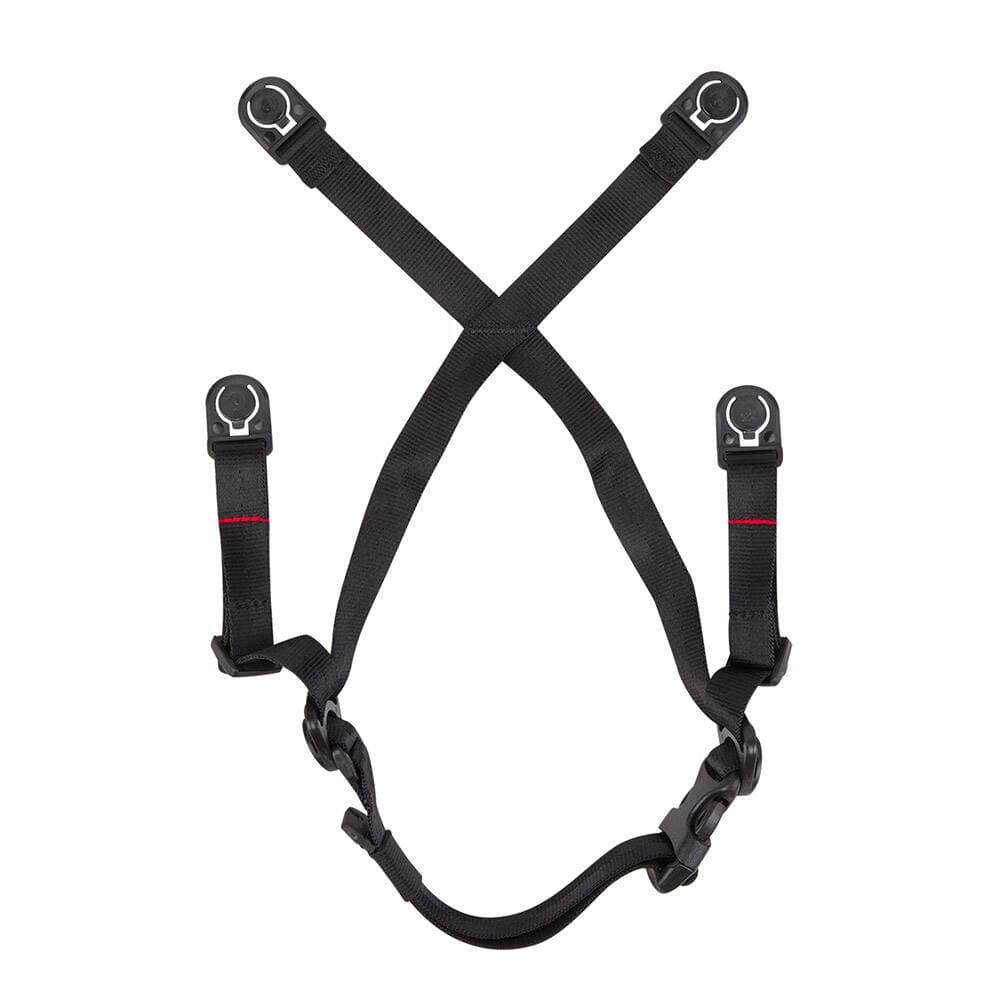
Milwaukee BOLT 200 Replacement Ter Tape
Milwaukee · Safety Helmets
1–24 of 57 · page 1 / 3
EN 397 and EN 12492: two different helmets
EN 397 is the classic industrial helmet: designed against objects falling from above, with a chin strap that releases at a set force so a snagged helmet cannot strangle the wearer. An EN 12492 (climbing-style) helmet also resists side and frontal impact and its chin strap does not release; it belongs on work at height and wherever there is a risk of falling.
The distinction is not preference but job description: a crew working at ground level is covered by EN 397, a crew on a platform or scaffold needs EN 12492. Unvented shells are used in electrical work and where splash is a risk, vented shells for comfort in heat.
| Standard | Impact direction | Chin strap | Where |
|---|---|---|---|
| EN 397 | From above | Releases under force | General site, industry |
| EN 12492 | Above + lateral | Does not release | Work at height, scaffold |
Accessories and replacement
A modern helmet is a platform: ear defenders, face shields and visors clip into the side slots and a lamp mounts at the front. Accessories have to come from a series compatible with the shell; a face shield from another range either will not seat or weakens the helmet where it does.
The sweatband and cradle are consumables and are replaced when soiled. The shell itself is replaced by production date, which is moulded inside it. A helmet that has taken an impact, is cracked or has visibly faded comes out of service regardless of age — UV-aged plastic loses strength without showing it.
- Vented: comfort in heat; not for electrical work.
- Unvented: electrical work and splash risk.
- Accessories: side-slot ear defenders, visors, face shields.
- Sweatband and cradle are consumable parts.
Frequently Asked Questions
What is the difference between EN 397 and EN 12492?
EN 397 covers impact from above and its chin strap releases at a set force. EN 12492 also resists lateral impact and its strap does not release; it is for work at height and where falling is a risk.
When should a helmet be replaced?
At the end of the period the manufacturer states; the production date is moulded inside the shell. A helmet that has taken an impact, cracked or faded comes out of service regardless of age.
Can a vented helmet be used on any job?
No. Vents give comfort in heat, but electrical work and any risk of molten metal or chemical splash calls for an unvented shell.
Does a bump cap protect like a helmet?
A bump cap covers knocks and light impacts; it does not replace a helmet against objects falling from above. Where that risk exists, an EN 397 helmet is required.
Do ear defenders and face shields fit any helmet?
No. Accessories must come from a series compatible with the shell's own slot system; an incompatible accessory either will not seat or weakens the helmet's protection.