Categories
Fall Protection
Protection at height comes not from one product but from a three-part system: harness, connector and anchor point. If any of the three is missing or wrong, the system does not work. This page covers the parts, the clearance calculation and the inspection rules. The catalogue holds over 35 products from Milwaukee, Karam and Haru.
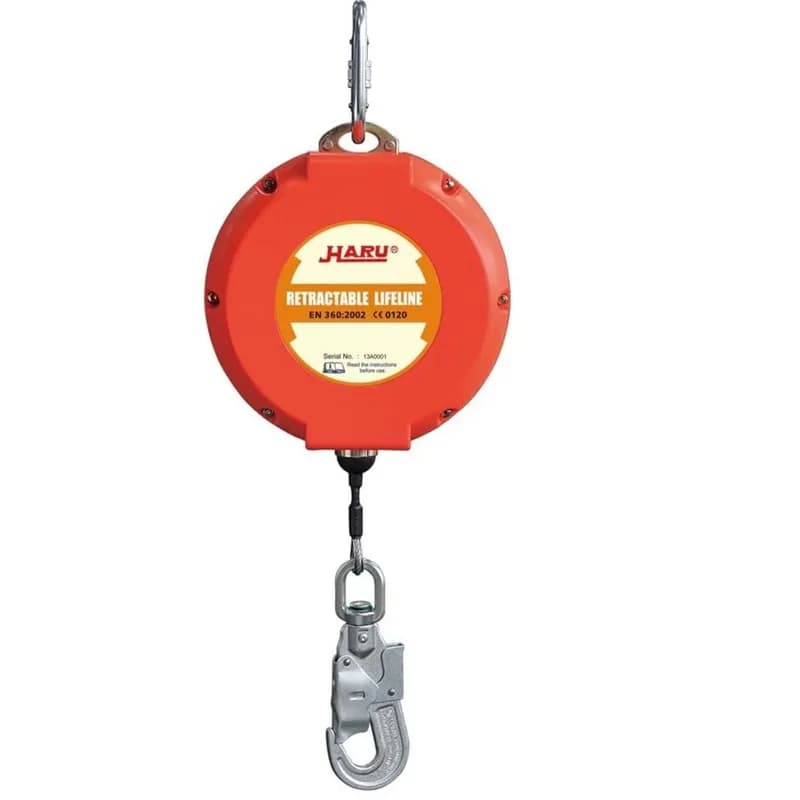
HARU Düşüş Tutucu-Yoyo 10 mt He-10
HARU · Fall Protection
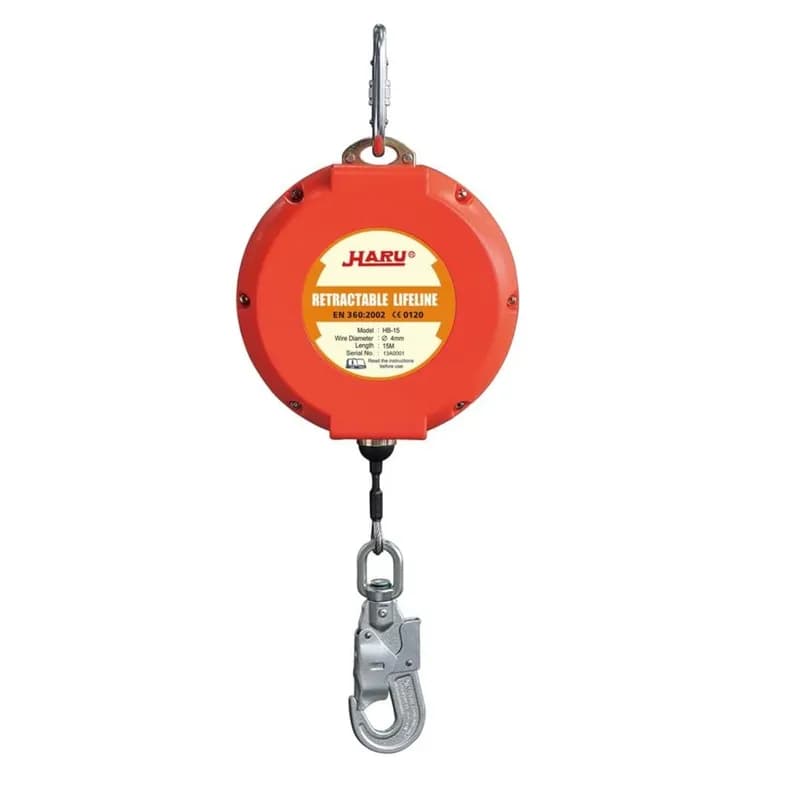
HARU Düşüş Tutucu-Yoyo 15 mt He-15
HARU · Fall Protection
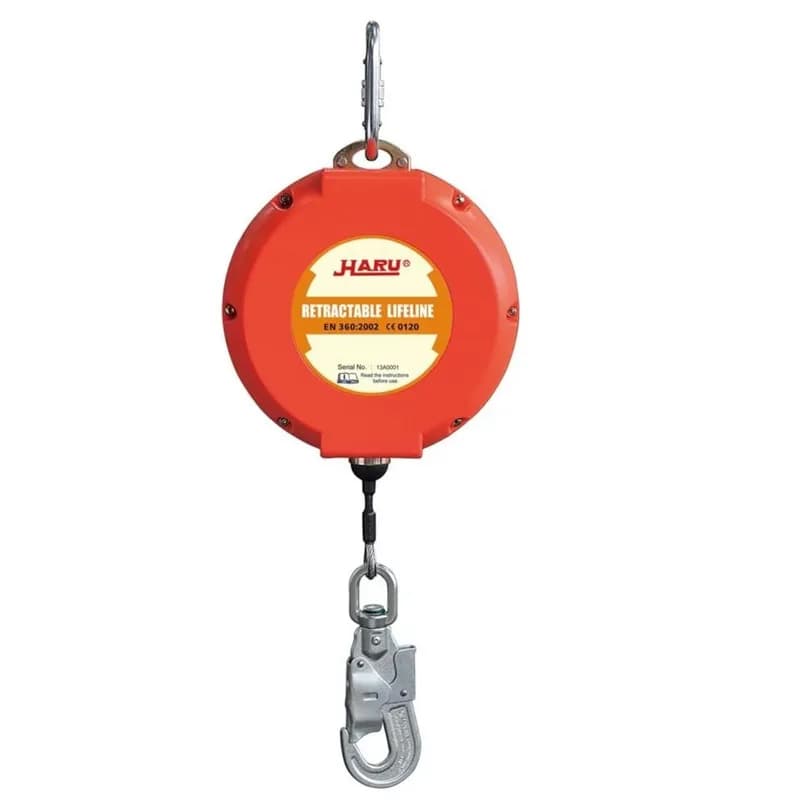
HARU Düşüş Tutucu-Yoyo 20 mt He-20
HARU · Fall Protection
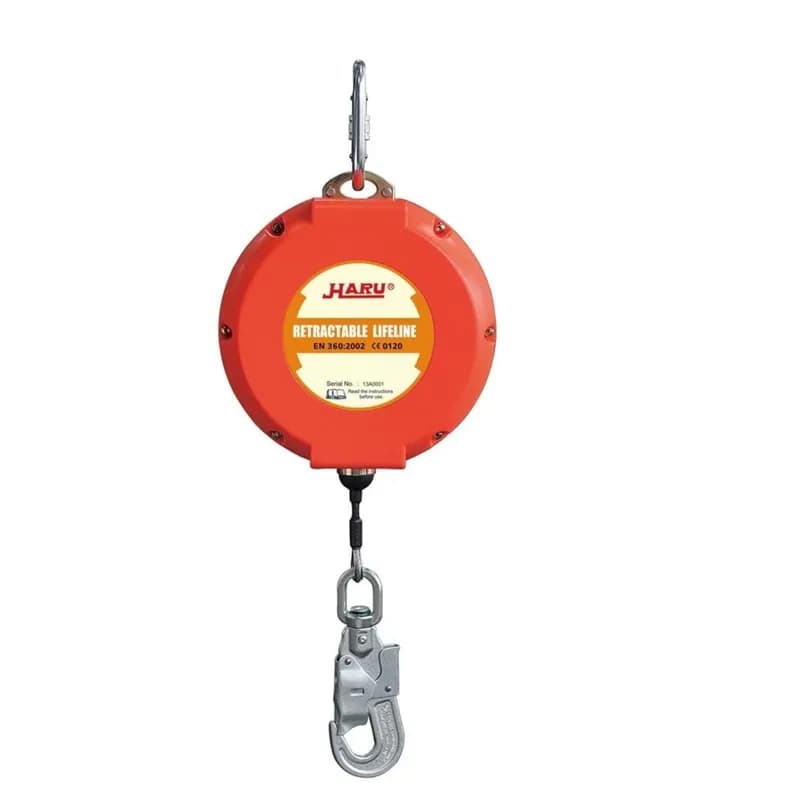
HARU Düşüş Tutucu-Yoyo 6 mt He-06
HARU · Fall Protection
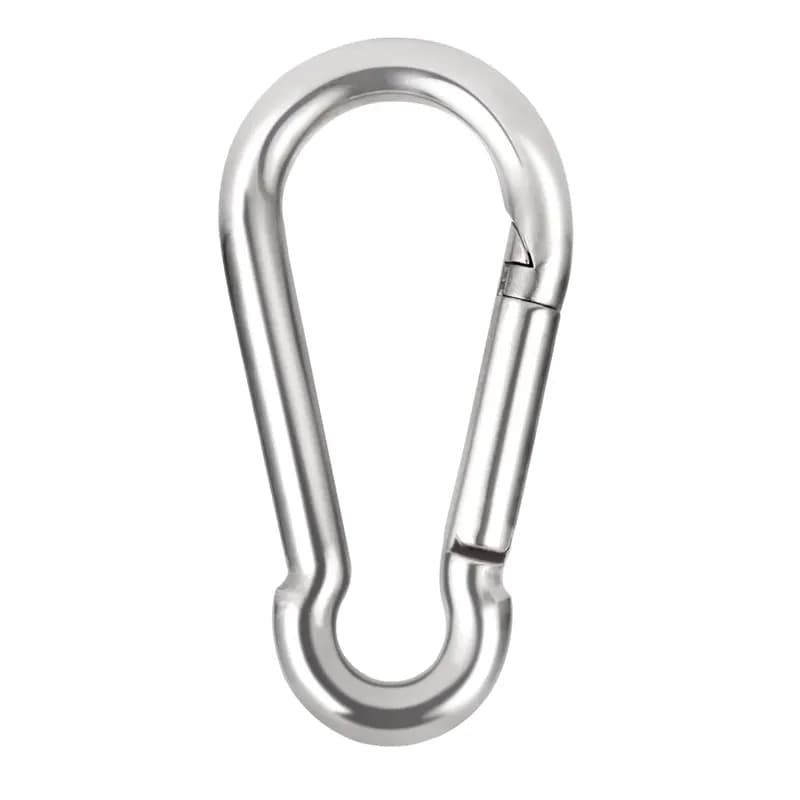
Karabina 10x100 mm
Fall Protection
Karabina 11x110 mm
Fall Protection
Karabina 12x120 mm
Fall Protection
Karabina 14x140 mm
Fall Protection
Karabina 4x40 mm
Fall Protection
Karabina 5x50 mm
Fall Protection
Karabina 6x60 mm
Fall Protection
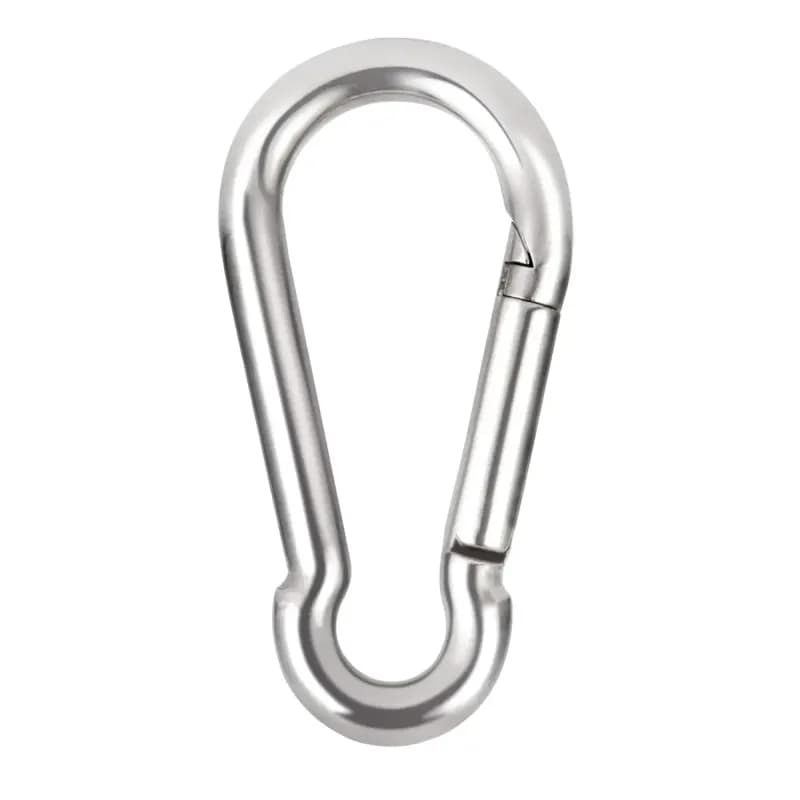
Karabina 7x70 mm
Fall Protection
Karabina 8x80 mm
Fall Protection
Karabina 9x90 mm
Fall Protection
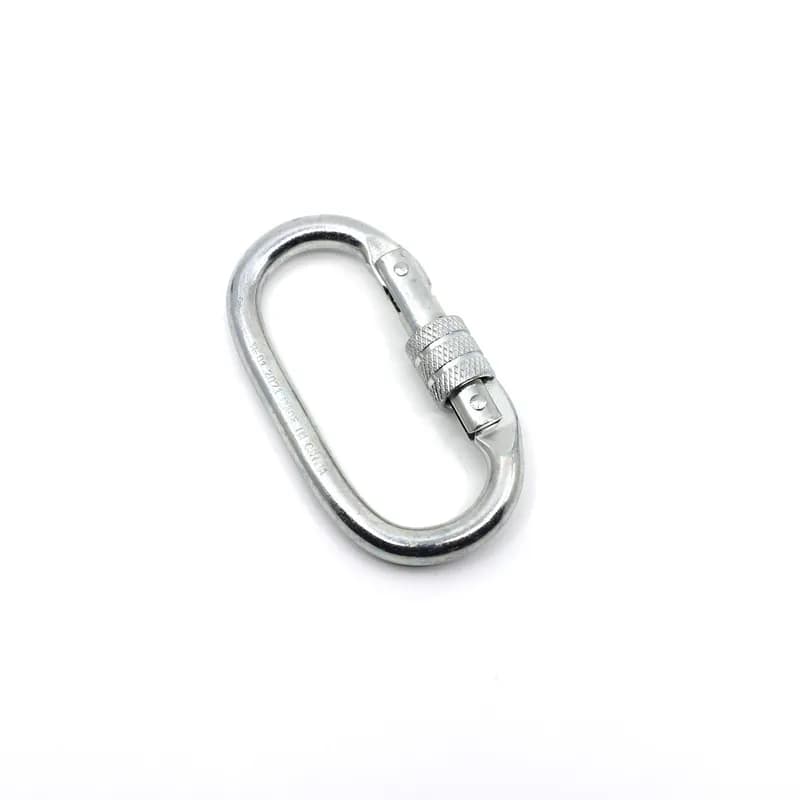
Karabina Çelik CE Li
Fall Protection
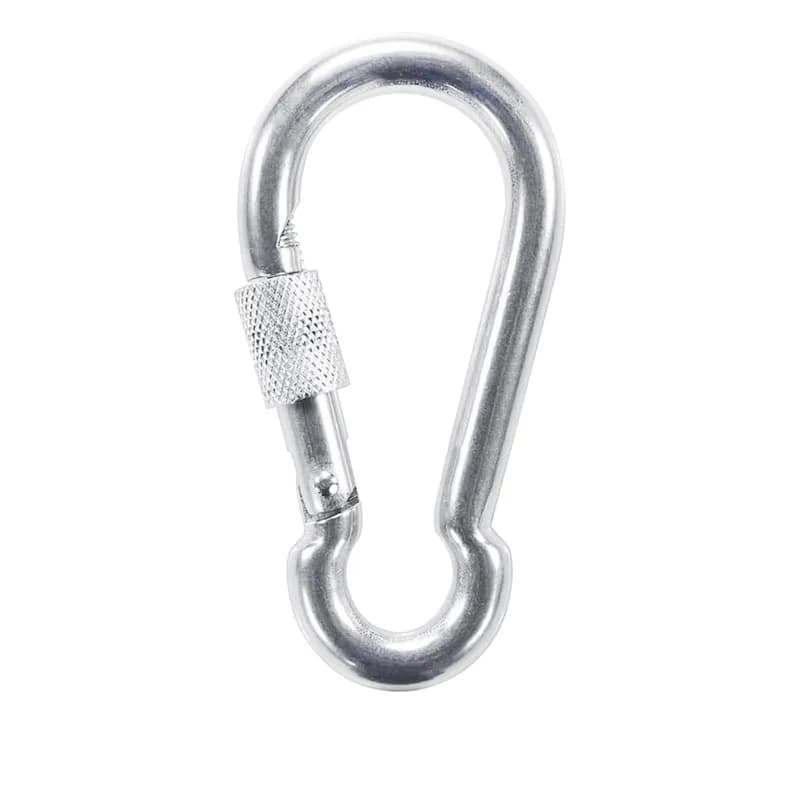
Karabina Kilitli 10x100 mm
Fall Protection
Karabina Kilitli 12x120 mm
Fall Protection
Karabina Kilitli 4x40 mm
Fall Protection
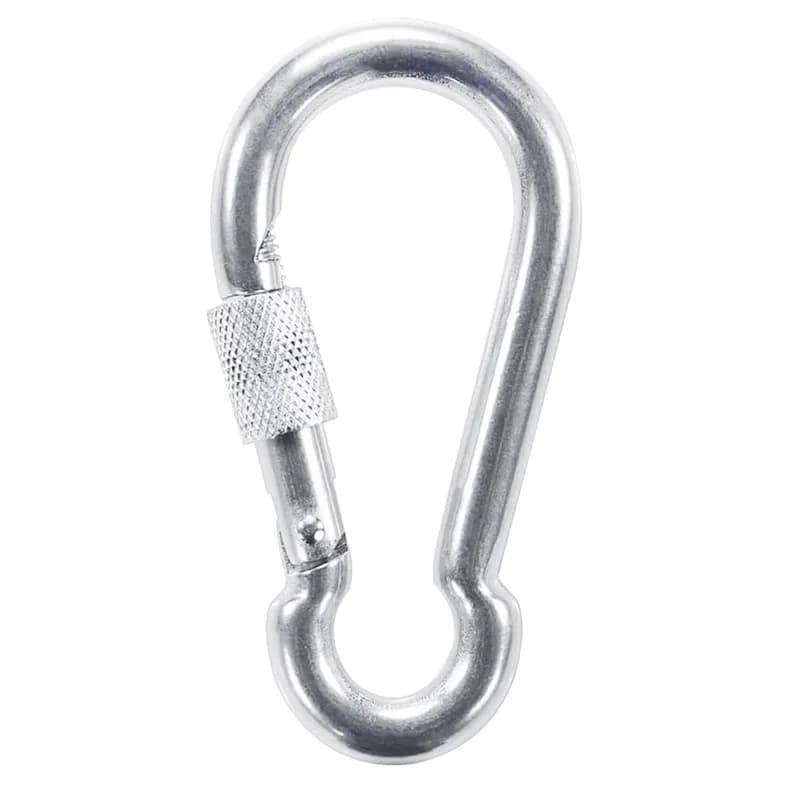
Karabina Kilitli 5x50 mm
Fall Protection
Karabina Kilitli 6x60 mm
Fall Protection
Karabina Kilitli 8x80 mm
Fall Protection
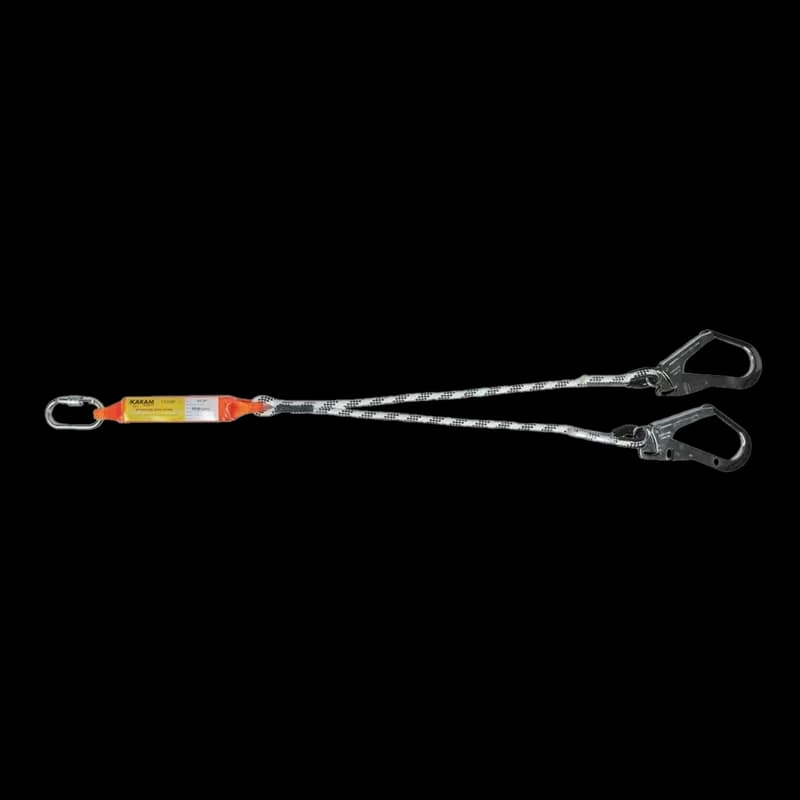
KARAM Çift Kollu Statik Halatlı Lanyard KA341
KARAM · Fall Protection
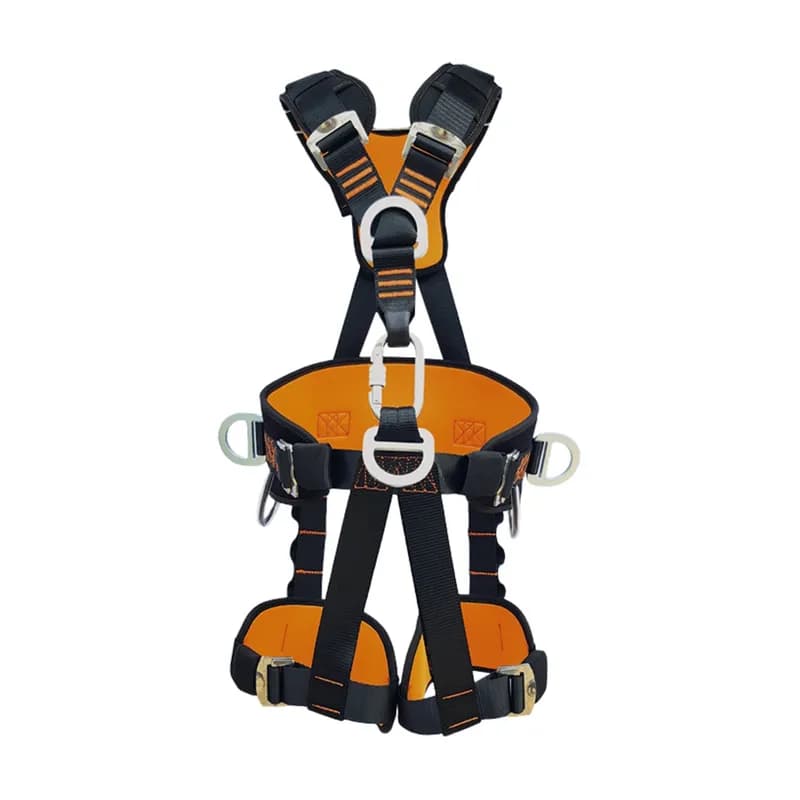
KARAM Paraşüt Emniyet Kemeri Düz Tokalı KP45
KARAM · Fall Protection
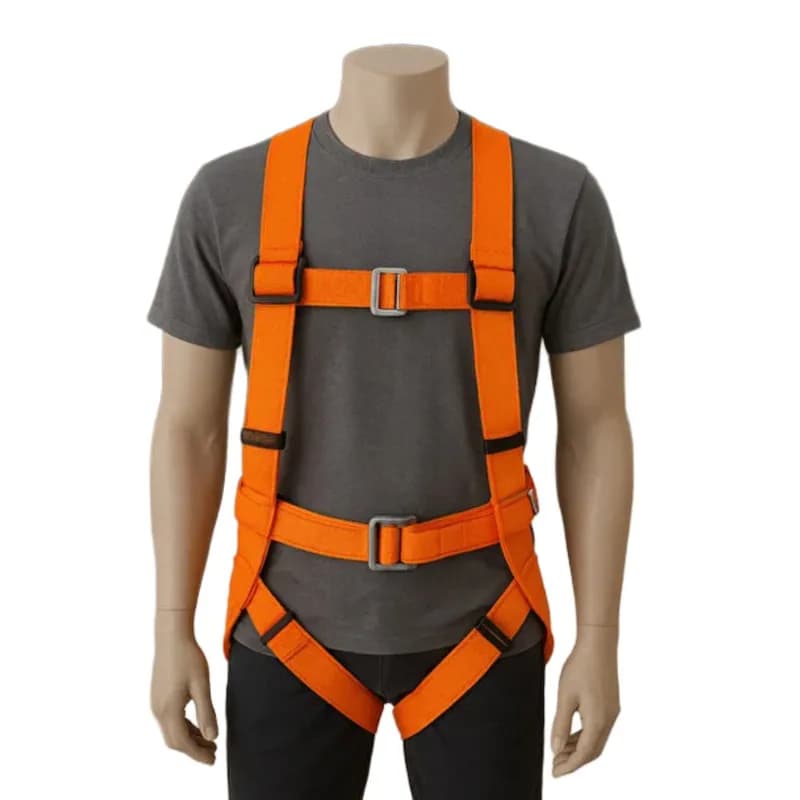
Paraşüt Tipi Emniyet Kemeri Bel Destekli
Fall Protection
1–24 of 36 · page 1 / 2
The three parts of the system
A full body harness (EN 361) is the only harness accepted for arresting a fall, because it spreads the arrest force across the body; a waist belt is for positioning only. The dorsal D-ring is the fall arrest attachment point.
The connector follows the job: a shock-absorbing lanyard (EN 355) limits the arrest force, a retractable fall arrester (EN 360) gives freedom of movement and shortens the fall distance, and a positioning lanyard (EN 354) does not arrest a fall at all. Karabiners (EN 362) must be locking; a non-locking karabiner has no place in this system.
| Part | Standard | Function |
|---|---|---|
| Full body harness | EN 361 | Spreads the arrest force |
| Shock-absorbing lanyard | EN 355 | Limits force (under 6 kN) |
| Retractable fall arrester | EN 360 | Locks within a short distance |
| Positioning lanyard | EN 354 | Does not arrest a fall |
| Locking karabiner | EN 362 | Connection |
Clearance and inspection
With a shock-absorbing lanyard the clearance below must be calculated: lanyard length, absorber deployment, the user's height and a safety margin are added together. Without that distance the system cannot stop the user before the ground — at low heights a retractable fall arrester is preferred because it locks in a far shorter distance.
The anchor point is part of the equipment and must be on something capable of taking the arrest force. The whole system is subject to periodic inspection, and a harness, lanyard or absorber that has arrested a fall is withdrawn even if it looks intact.
Frequently Asked Questions
Can a waist belt arrest a fall?
No. Only a full body harness (EN 361) may be used for fall arrest; a waist belt is for positioning and in a fall causes internal injury.
What does a shock-absorbing lanyard do?
It deploys during the fall and limits the force reaching the body (the standard limit is 6 kN). A fall arrested on a lanyard without an absorber causes serious injury even if the harness holds.
When is a retractable fall arrester preferred?
Where there is not enough clearance below and where freedom of movement is needed. Because it locks within a very short distance, it does not need the fall clearance a shock-absorbing lanyard requires.
Can equipment be reused after arresting a fall?
No. A harness, lanyard and absorber that have arrested a fall are withdrawn even if they look intact: the absorber may have deployed and the webbing may carry invisible damage.
Which karabiner should be used?
A locking (EN 362) karabiner. A non-locking karabiner can open under load or through rubbing and is not used in a fall arrest system.