Categories
Knee Pads
Knee pads spread the load on the joint in work done kneeling — flooring, plumbing and installation. The choice follows the hardness of the floor and whether the surface marks. The catalogue holds 3 Milwaukee models.
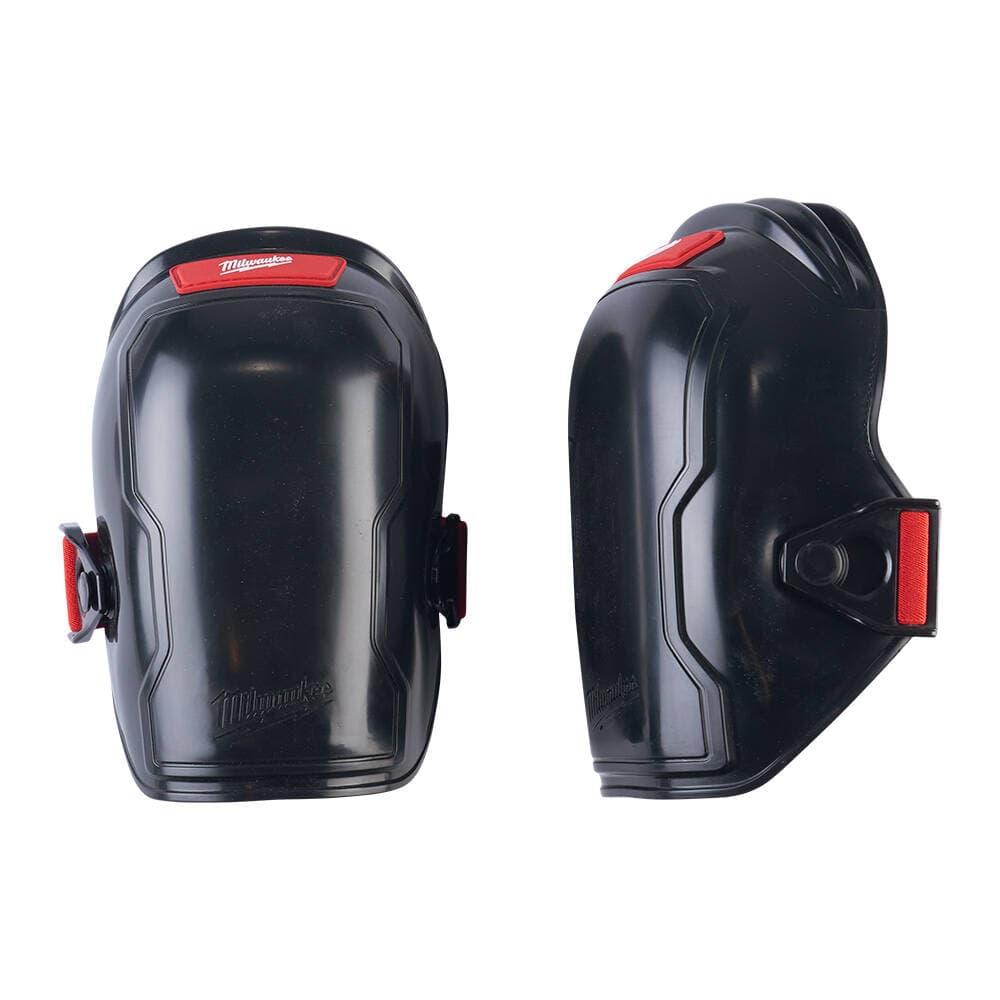
Milwaukee Knee Pads (Esnek) 1 Pair
Milwaukee · Knee Pads
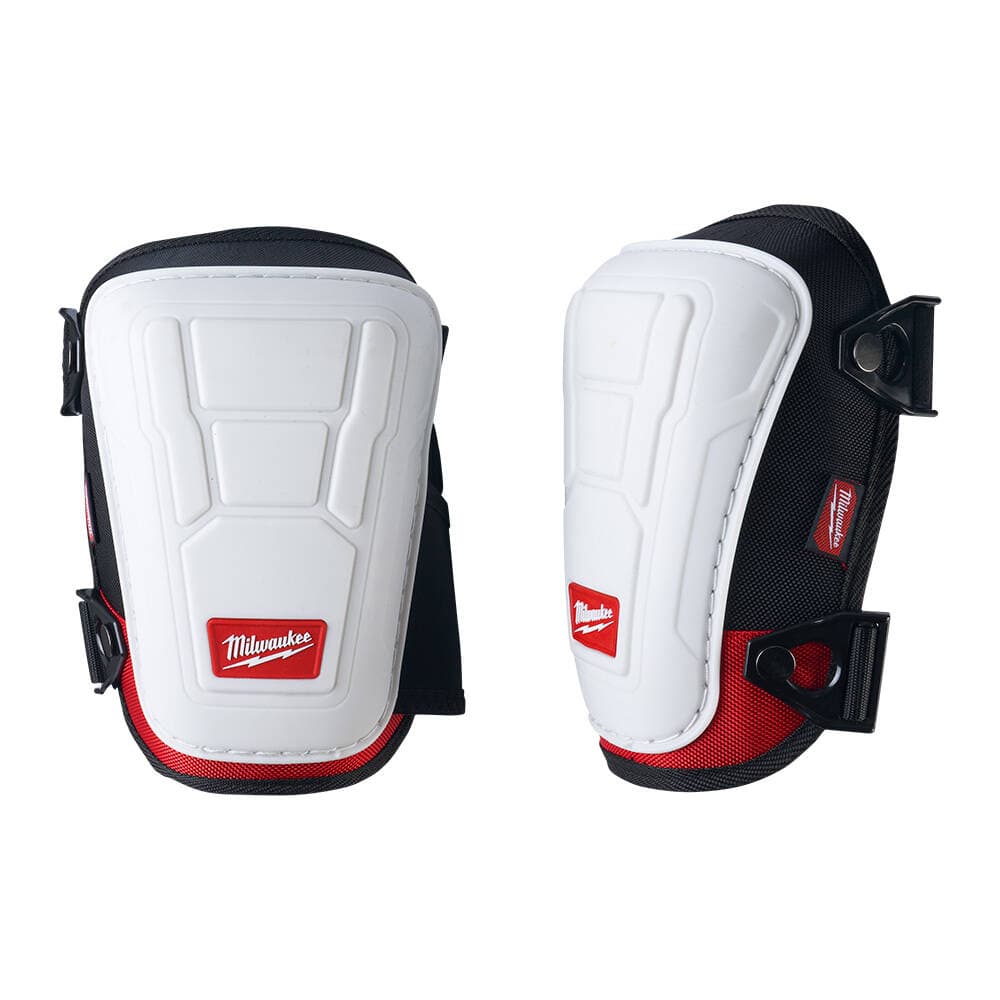
Milwaukee Knee Pads Premium (Non-Marking) 1 Pair
Milwaukee · Knee Pads
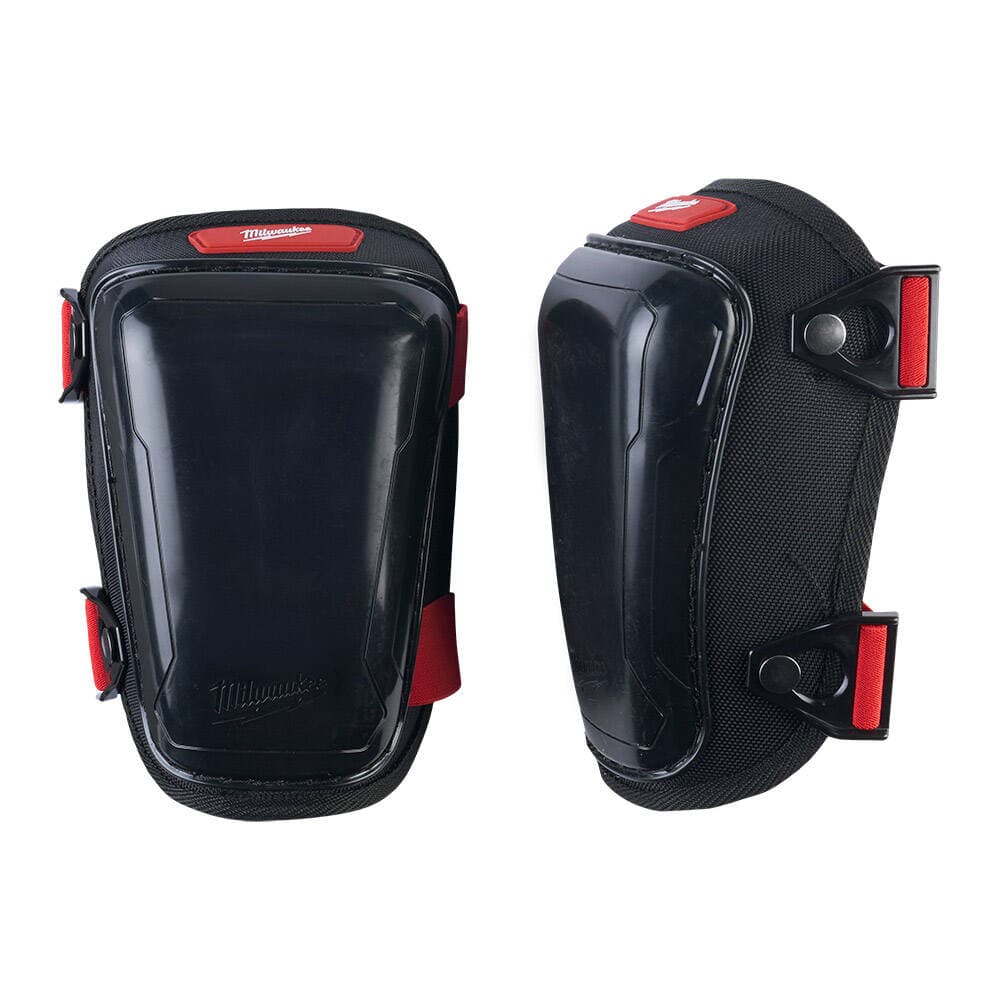
Milwaukee Knee Pads (Sert) 1 Pair
Milwaukee · Knee Pads
Hard shell, flexible and non-marking
Hard shell pads suit concrete, rubble and rough ground: the outer shell spreads sharp grit and lets the knee slide, which makes turning easier. Flexible models are more comfortable on soft floors and in work with a lot of movement, and they do not restrict how the knee bends.
Non-marking (premium) models are for finished surfaces such as parquet, laminate and tile, where the outer face must leave neither colour nor scratches. The strapping matters too: the strap behind the knee should not sit in the joint hollow, or it restricts circulation over a long shift.
Frequently Asked Questions
Which pad suits which floor?
Hard shell on concrete, rubble and rough ground; flexible models on soft floors and in work with a lot of movement. Finished surfaces such as parquet, laminate and tile call for non-marking models.
Are knee pads mandatory?
Where kneeling work is continuous, risk assessments generally call for knee pads or trousers with knee pockets; it is the most practical way to prevent long-term joint damage.
Is there a difference from pads in trouser knee pockets?
Pads in a pocket cannot slip and need no straps, which is more comfortable over a long shift. Strapped pads work with any trousers and can be taken off when not needed.
How should the straps be fastened?
Above and below the joint, never across the hollow behind the knee. A strap sitting directly in that hollow restricts circulation over a long shift.