Categories
Hearing Protection
Hearing loss develops slowly and does not reverse, which is why protection is needed wherever noise stays high. This page explains what the SNR figure states and the difference between plugs and defenders. The catalogue holds Milwaukee products.
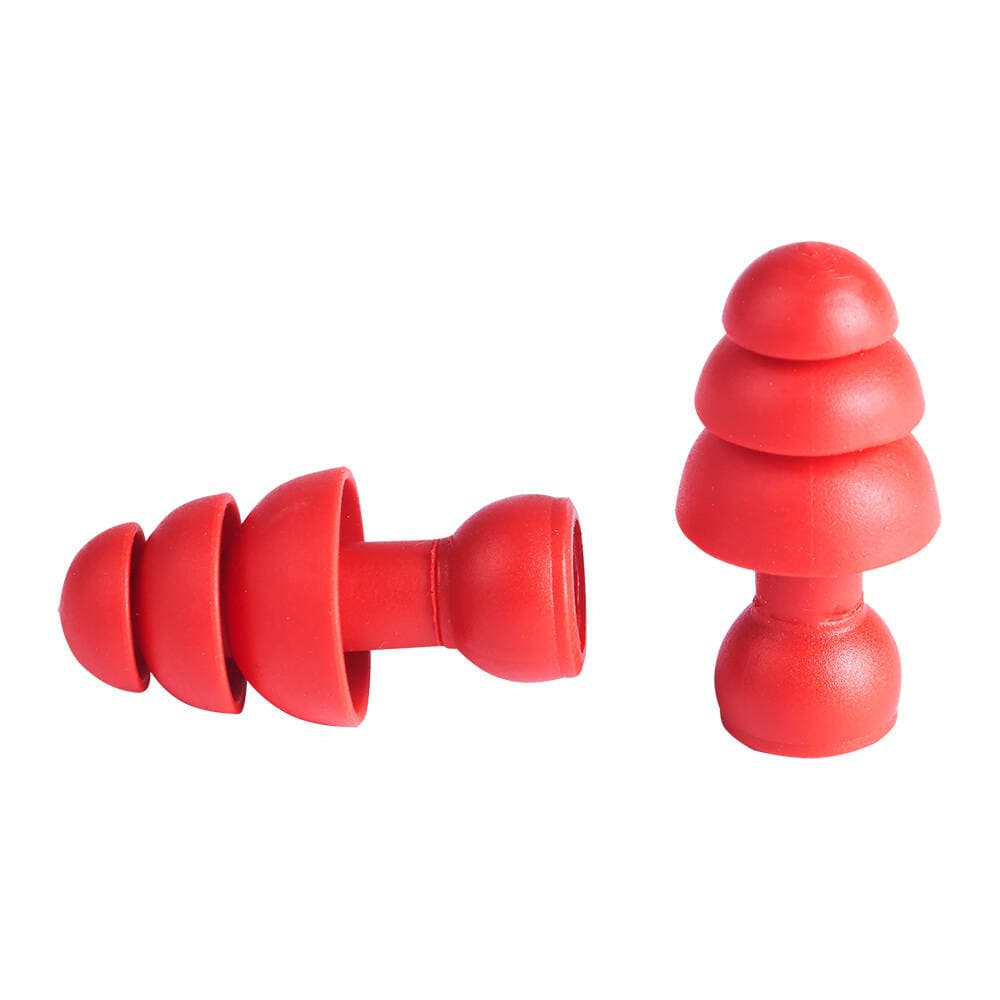
Milwaukee Banded Ear Plugs
Milwaukee · Hearing Protection
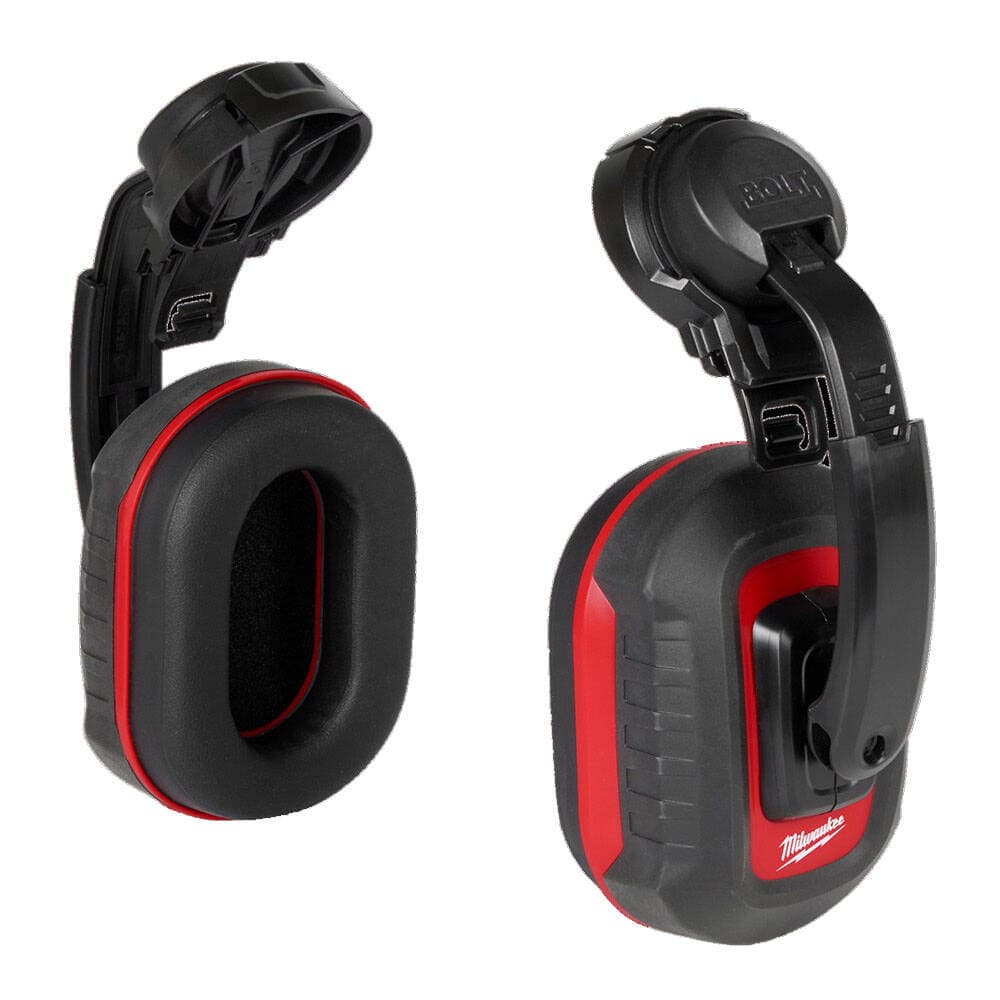
Milwaukee BOLT Kask Compatible Ear Defenders LP
Milwaukee · Hearing Protection
Plugs, defenders and SNR
Earplugs sit inside the canal, are light and stay comfortable in heat; fitted properly they attenuate well, but the quality of the fit varies from person to person. Ear defenders cover the whole ear, go on quickly and are far easier to check for correct use — helmet-mounted versions clip into the shell's side slots.
The SNR figure states how many dB the protector attenuates. Higher is not automatically better: over-attenuation also cuts speech and machine warning sounds, and the operator takes the protection off. The right approach is protection that brings the exposure into the safe range.
Frequently Asked Questions
What does SNR mean?
It states the average decibels of attenuation the protector provides. Subtracting the SNR from the exposure level gives an approximate level reaching the ear.
Plugs or defenders?
Plugs are light and comfortable in heat but must be fitted correctly. Defenders go on faster, are easier to check for correct use, and helmet-mounted versions work with a hard hat.
Is a higher SNR always better?
No. Over-attenuation also cuts speech and machine warning sounds, and an uncomfortable operator removes the protection. The aim is to bring the exposure into the safe range.
Can defenders be worn with a helmet?
Helmet-mounted models are designed for exactly that. Forcing a headband model under a hard hat spoils the fit of both.