Categories
Safety Gloves
Choosing a glove comes down to two questions: what cut level is required, and what the hand touches. This page covers the digits of the EN 388 code, the A-F cut scale, coating types and sizing. The catalogue holds over 270 models from Milwaukee, Beybi, Egebant and Max Safety.
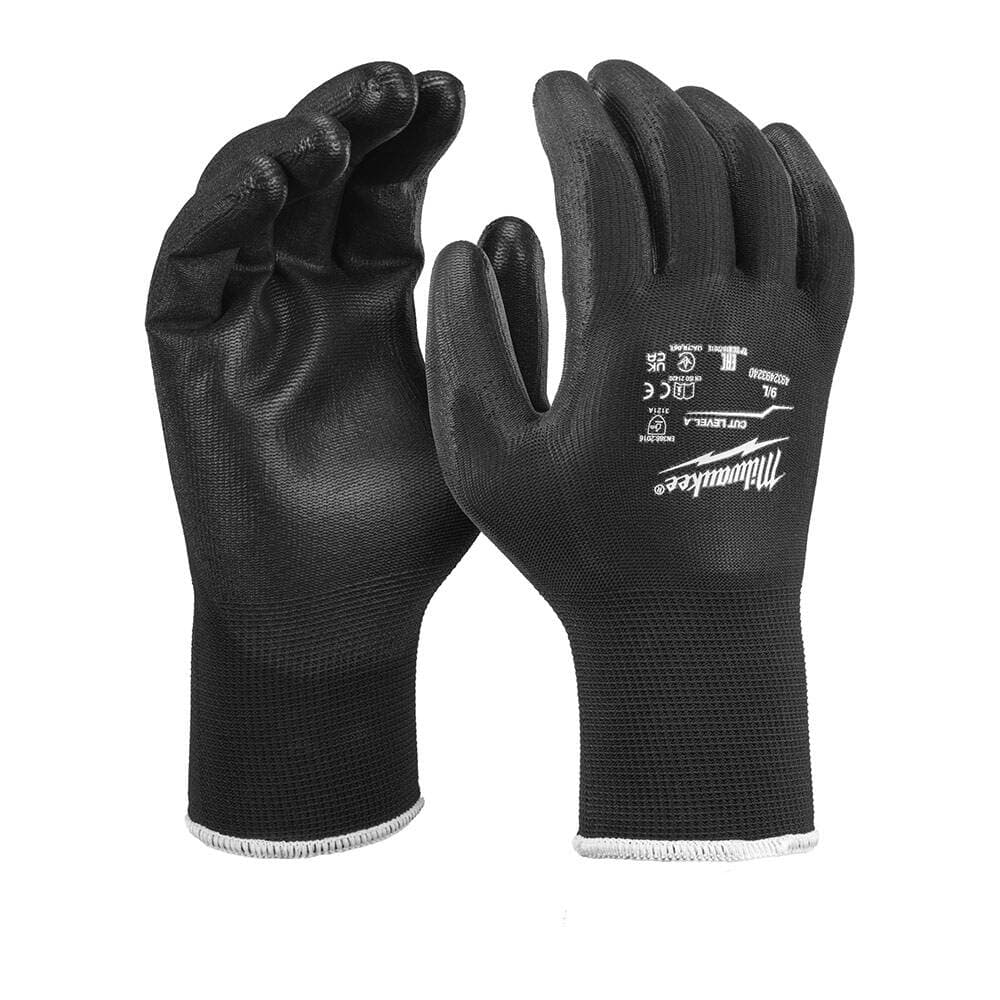
Milwaukee 12’li General Use Work Gloves – 10/XL
Milwaukee · Safety Gloves
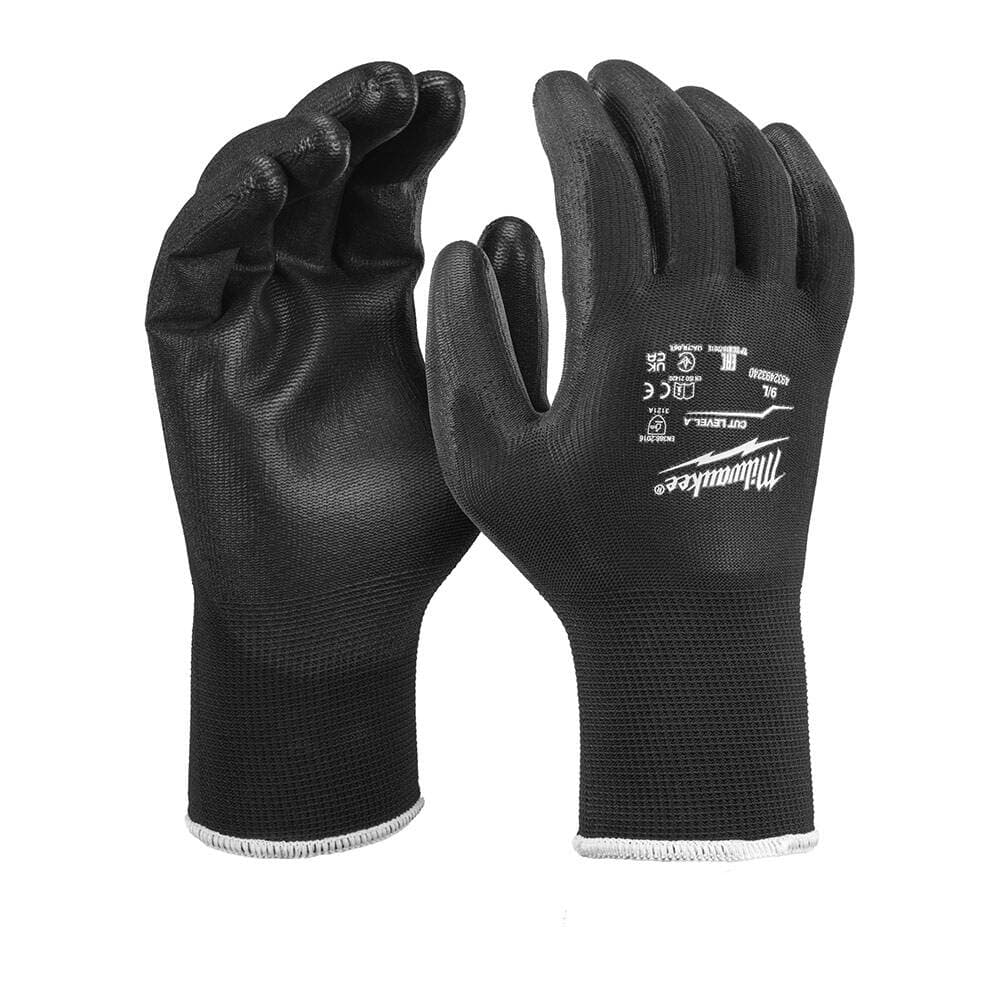
Milwaukee 12’li General Use Work Gloves – 11/XXL
Milwaukee · Safety Gloves
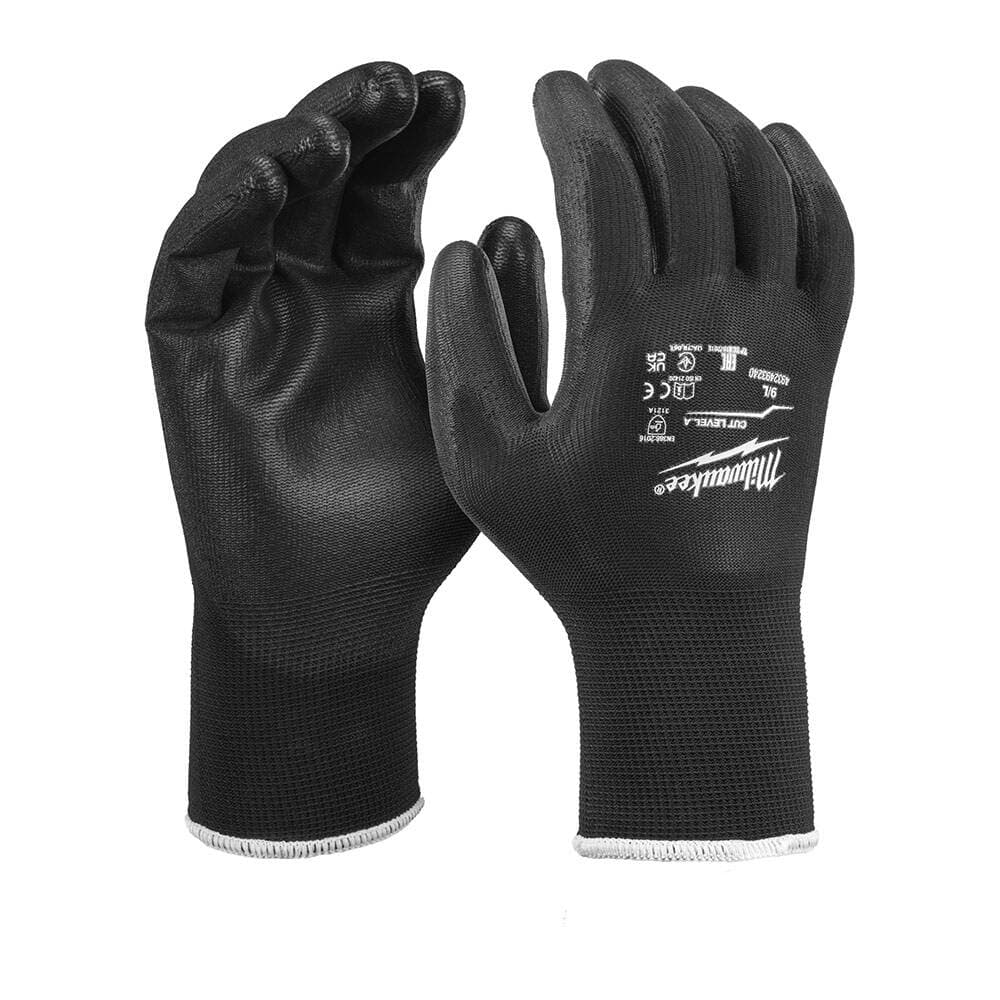
Milwaukee 12’li General Use Work Gloves – 7/S
Milwaukee · Safety Gloves
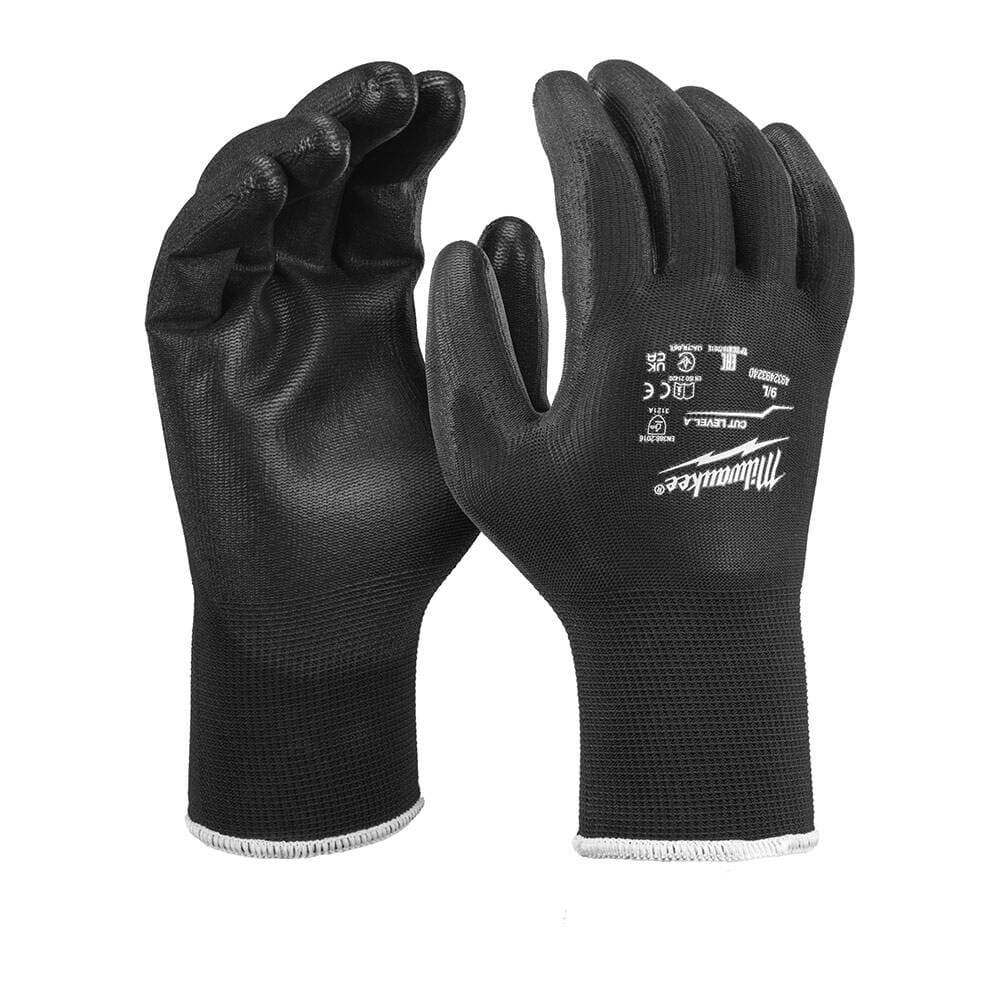
Milwaukee 12’li General Use Work Gloves – 8/M
Milwaukee · Safety Gloves
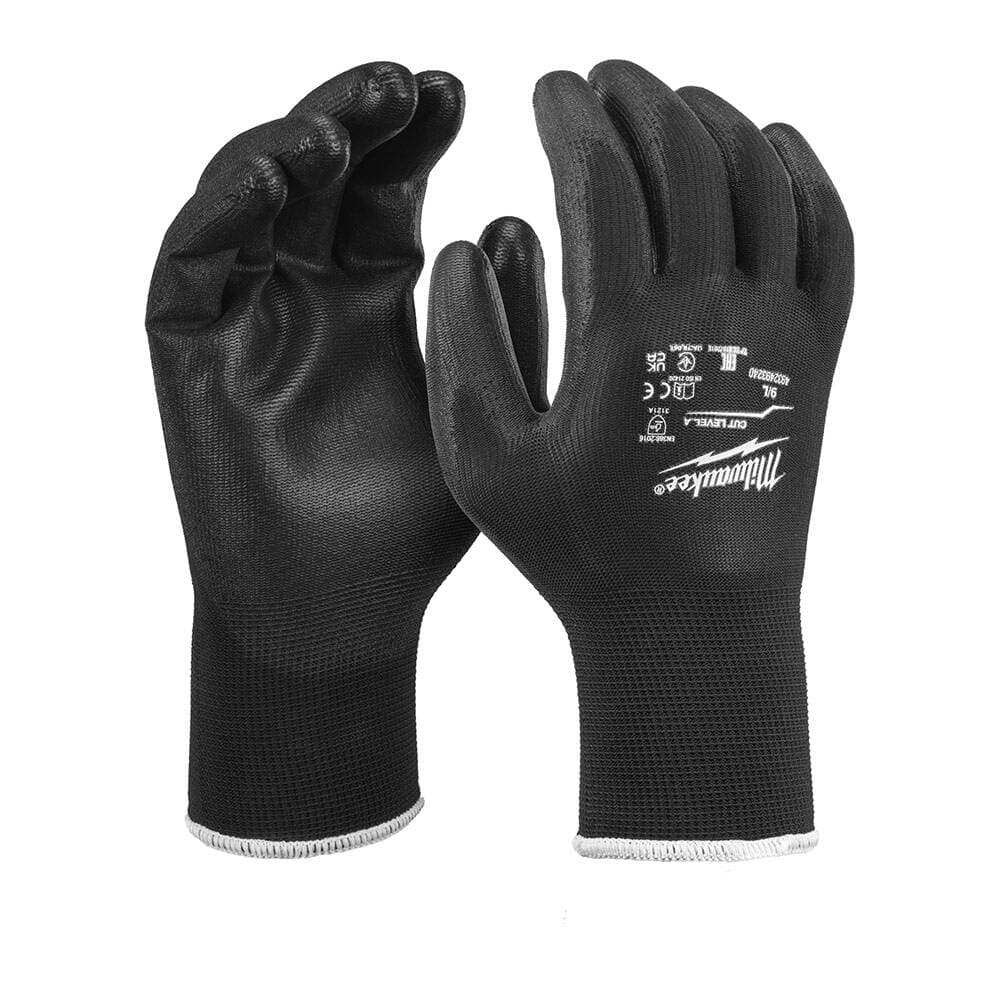
Milwaukee 12’li General Use Work Gloves – 9/L
Milwaukee · Safety Gloves
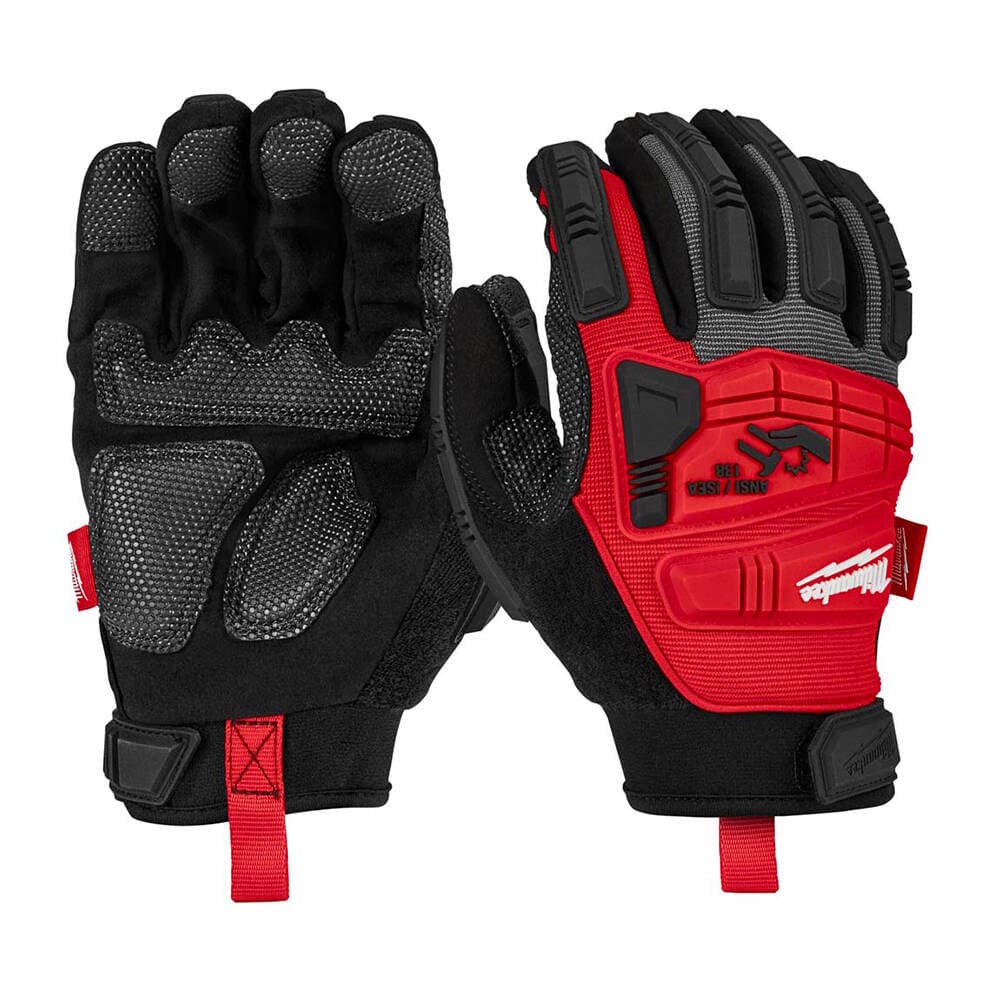
Milwaukee Darbe Resistant Demolition Eldiveni XL Size
Milwaukee · Safety Gloves
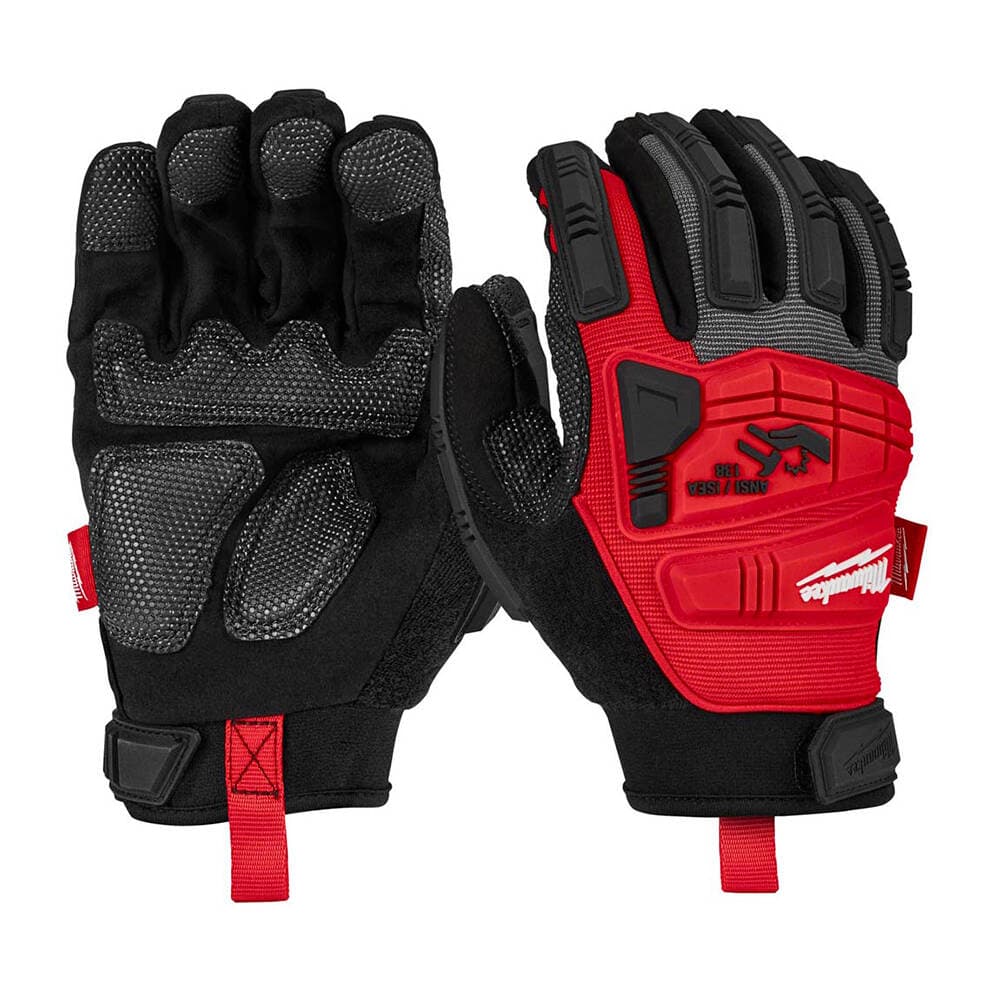
Milwaukee Darbe Resistant Demolition Eldiveni XXL Size
Milwaukee · Safety Gloves
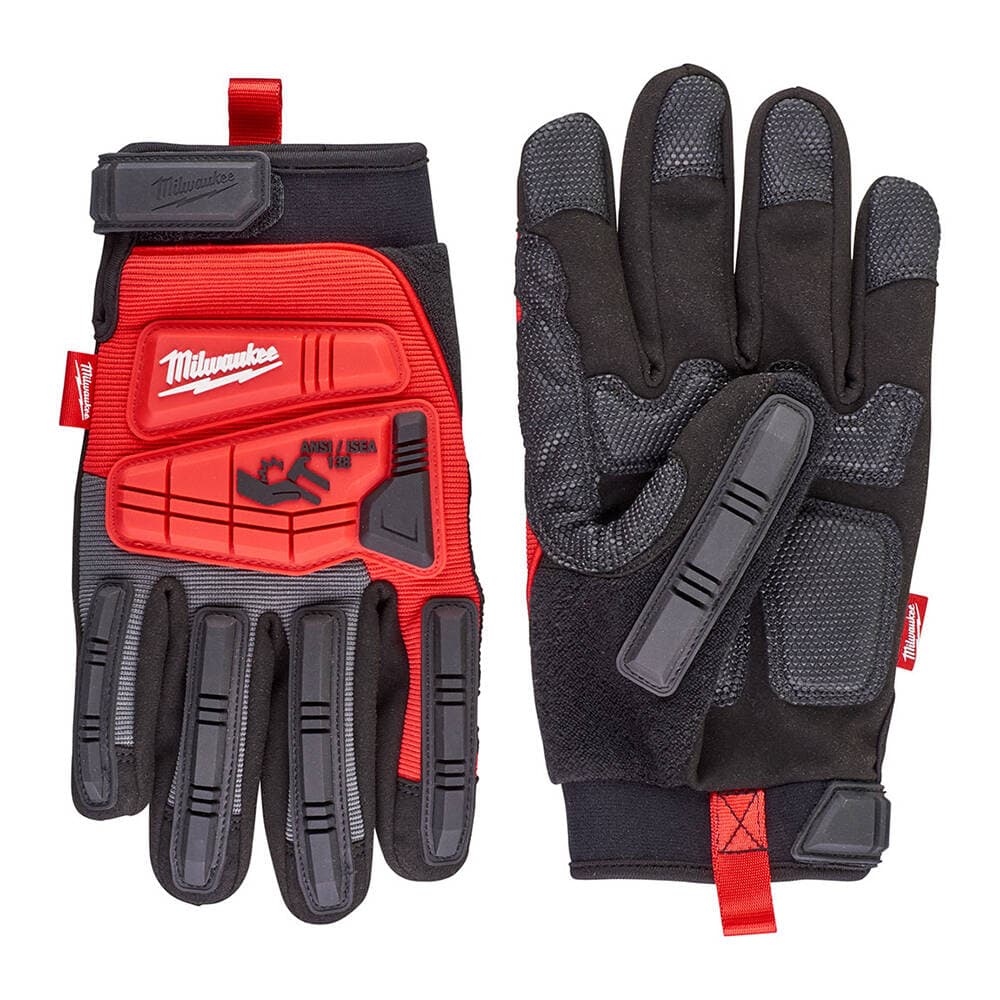
Milwaukee Darbe Resistant Demolition Eldiveni S Size
Milwaukee · Safety Gloves
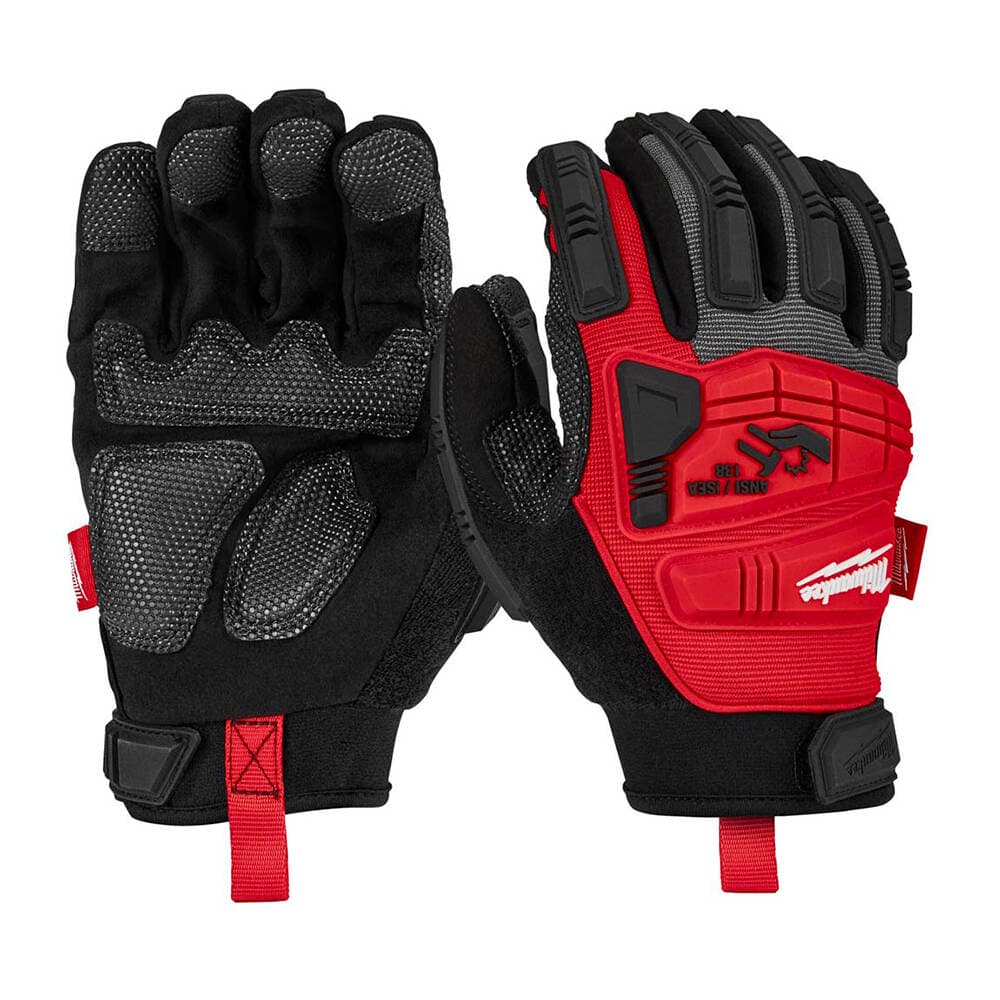
Milwaukee Darbe Resistant Demolition Eldiveni M Size
Milwaukee · Safety Gloves
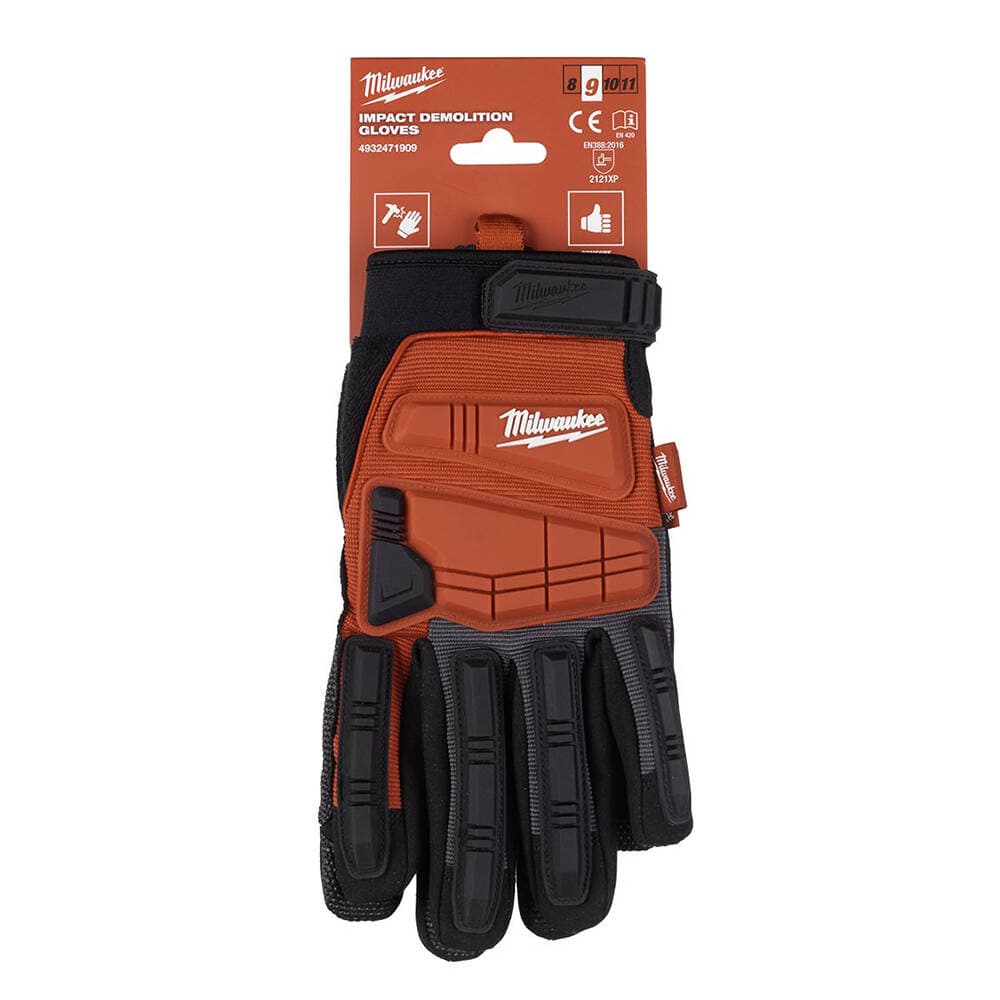
Milwaukee Darbe Resistant Demolition Work Gloves L Size
Milwaukee · Safety Gloves
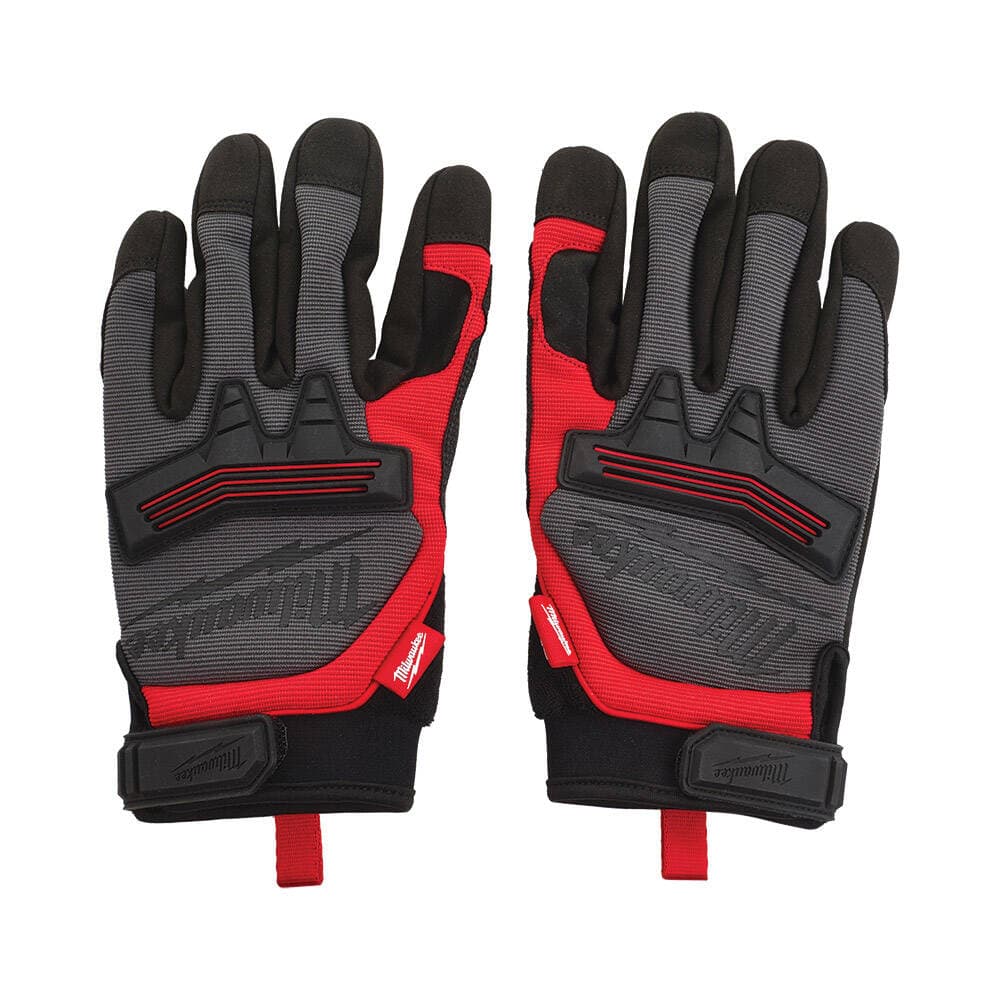
Milwaukee Work Gloves XL Size
Milwaukee · Safety Gloves
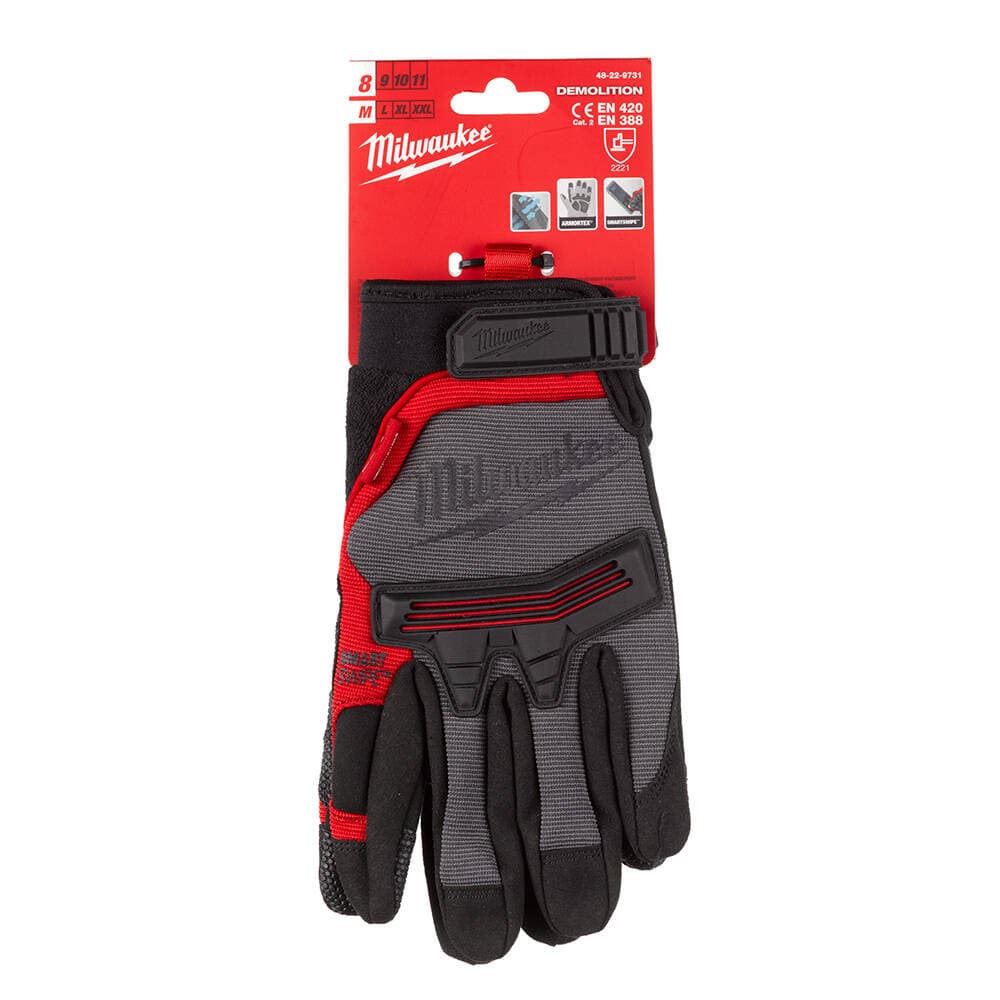
Milwaukee Work Gloves XXL Size
Milwaukee · Safety Gloves
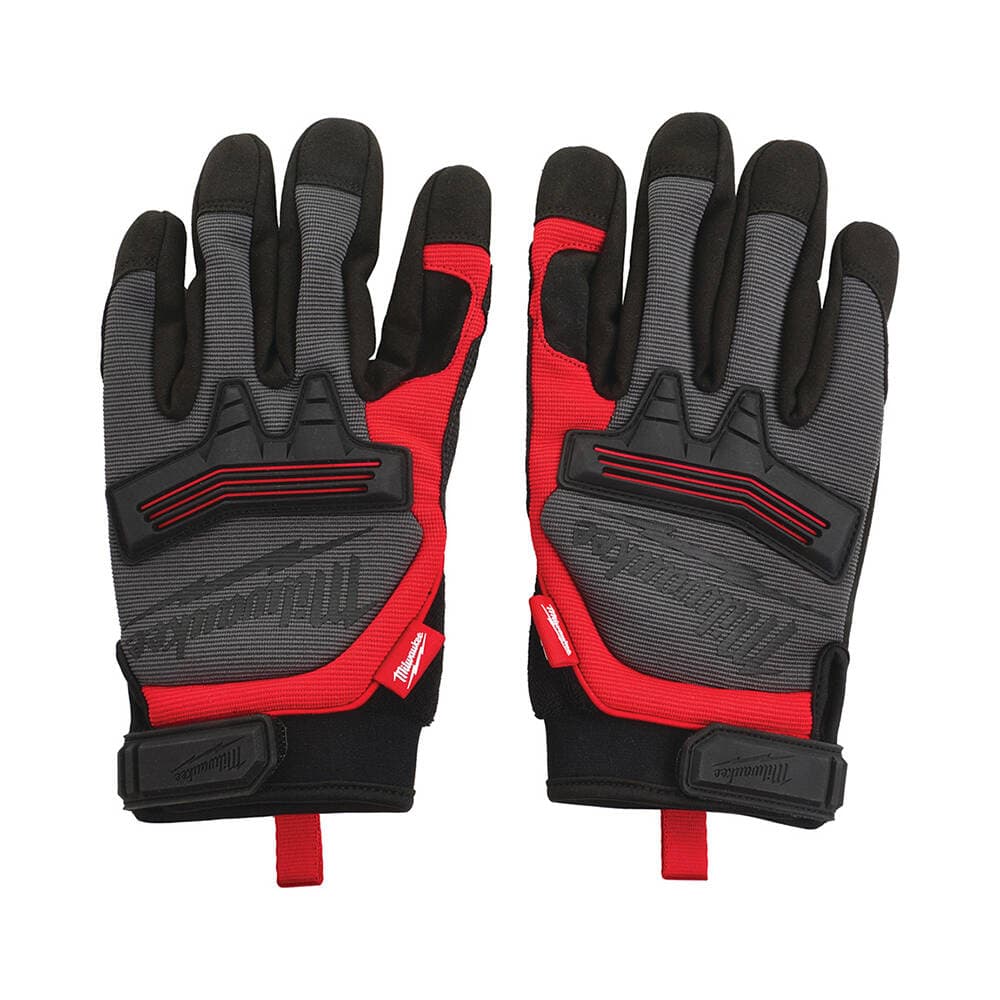
Milwaukee Work Gloves S Size
Milwaukee · Safety Gloves
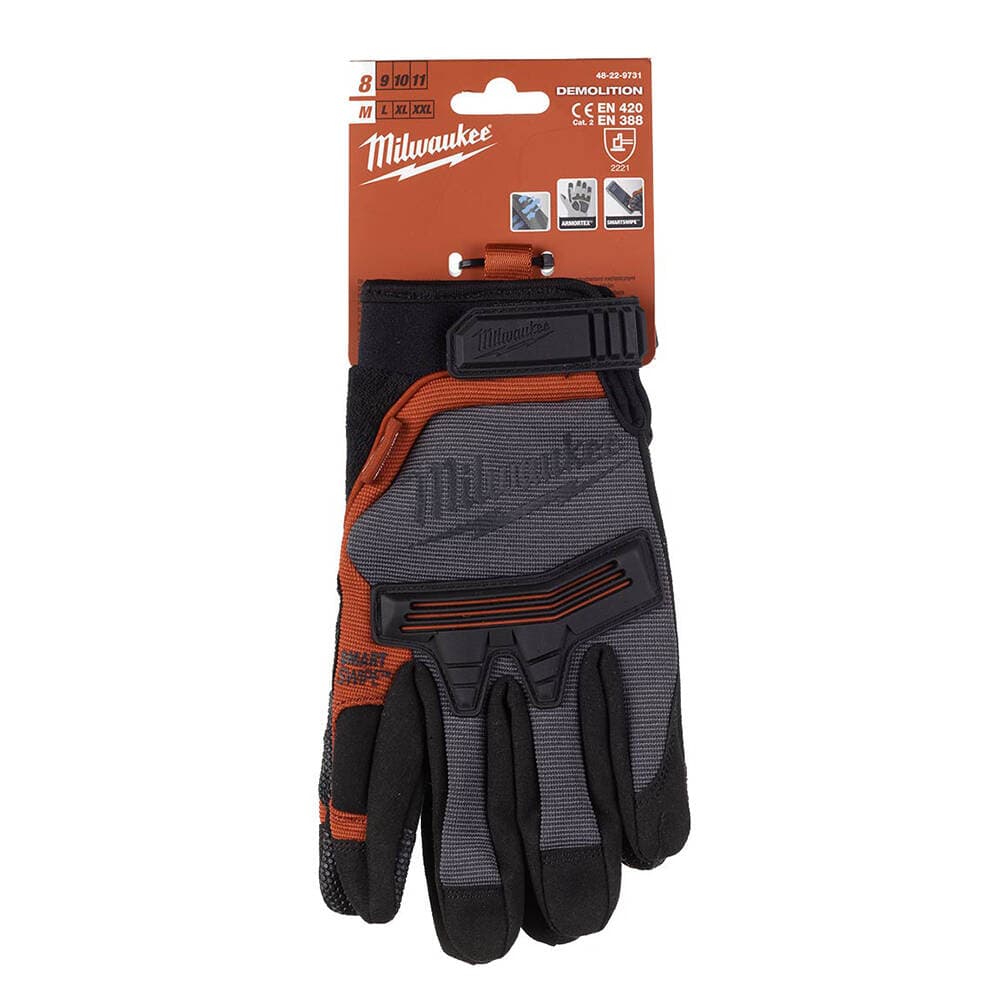
Milwaukee Work Gloves M Size
Milwaukee · Safety Gloves
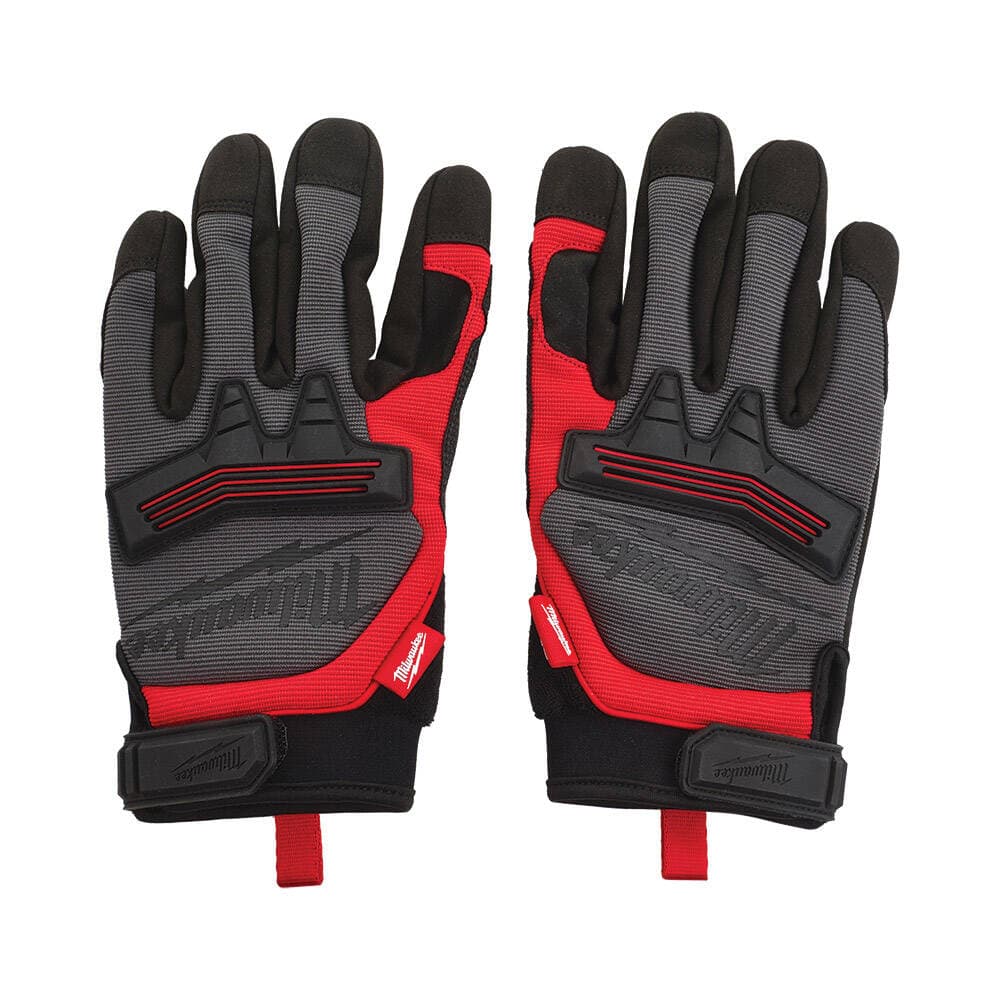
Milwaukee Work Gloves L Size
Milwaukee · Safety Gloves
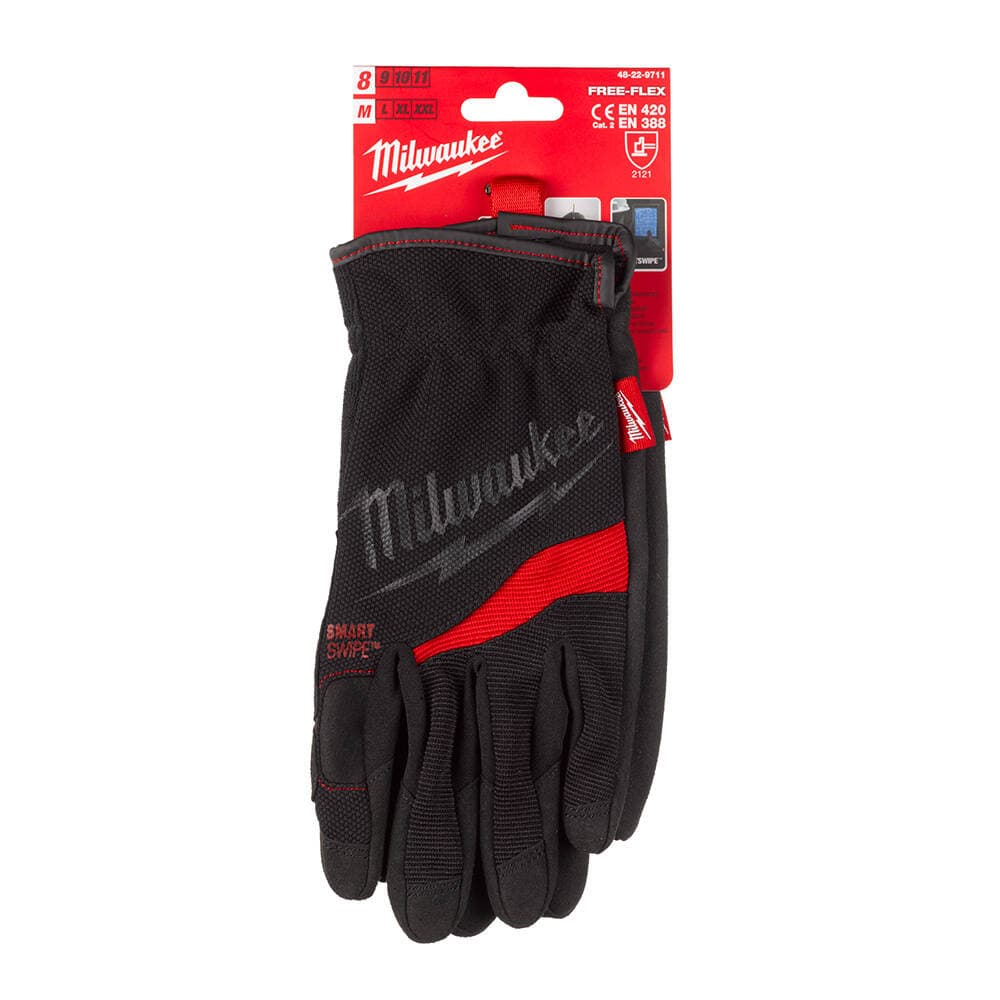
Milwaukee Esnek Work Gloves XL Size
Milwaukee · Safety Gloves
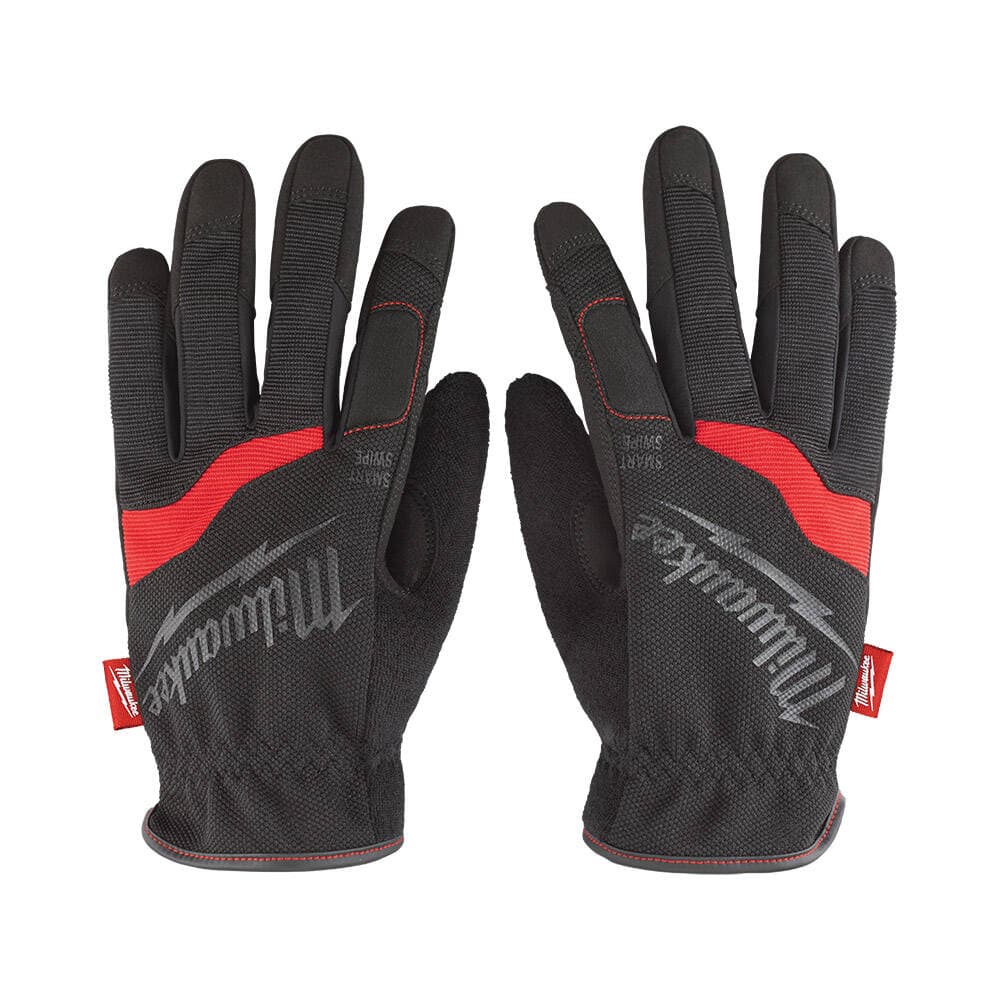
Milwaukee Esnek Work Gloves XXL Size
Milwaukee · Safety Gloves
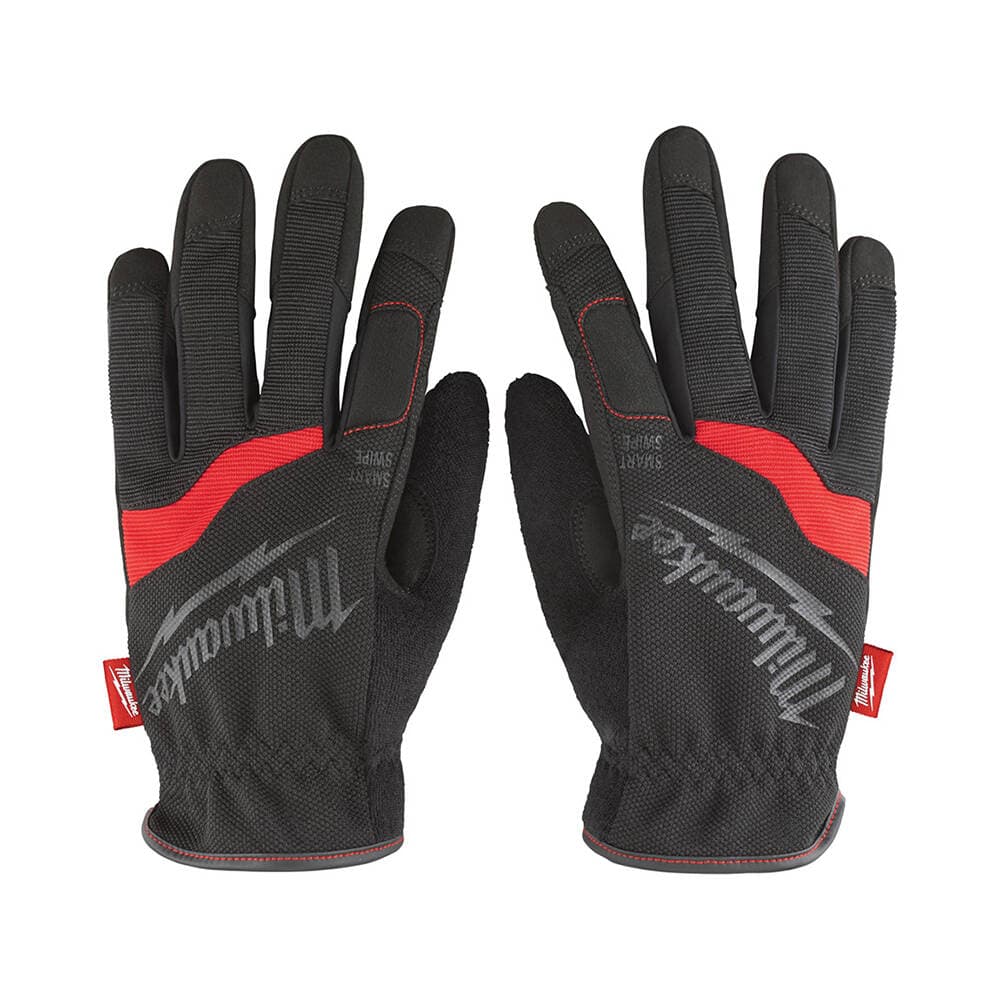
Milwaukee Esnek Work Gloves S Size
Milwaukee · Safety Gloves
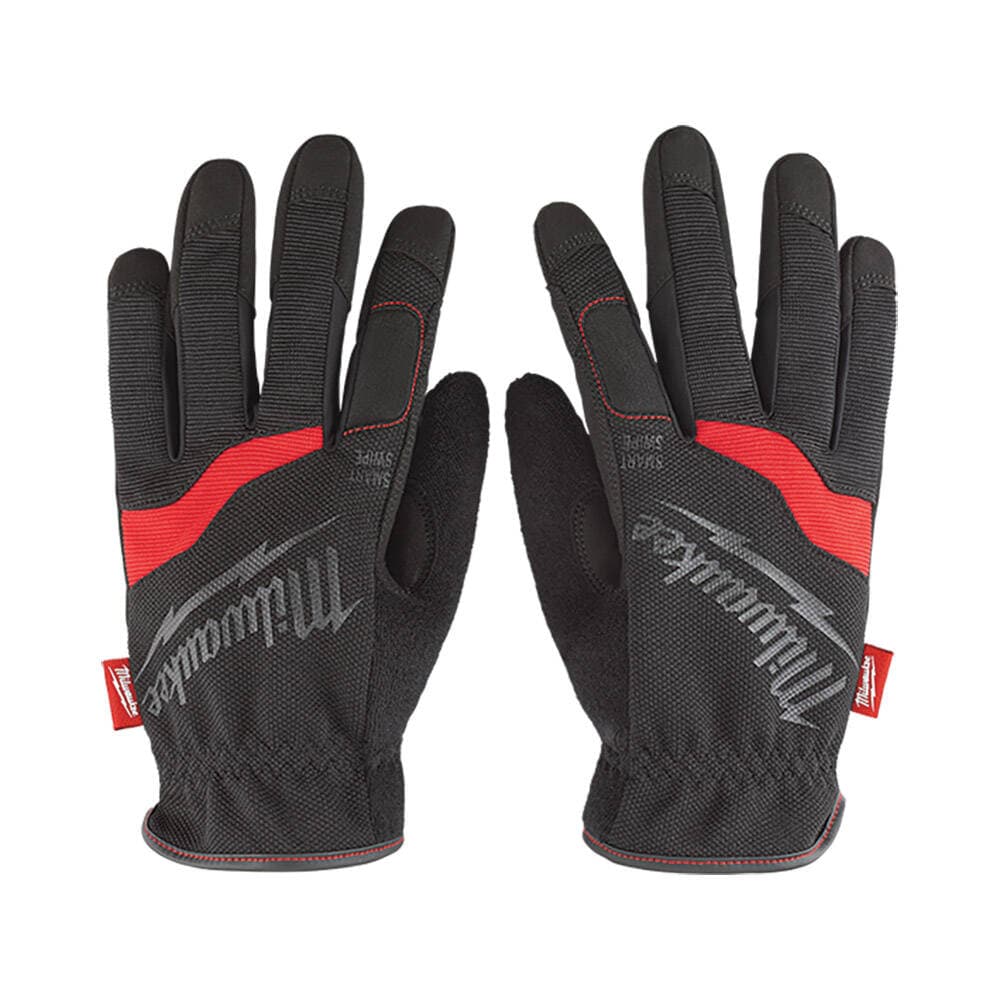
Milwaukee Esnek Work Gloves M Size
Milwaukee · Safety Gloves
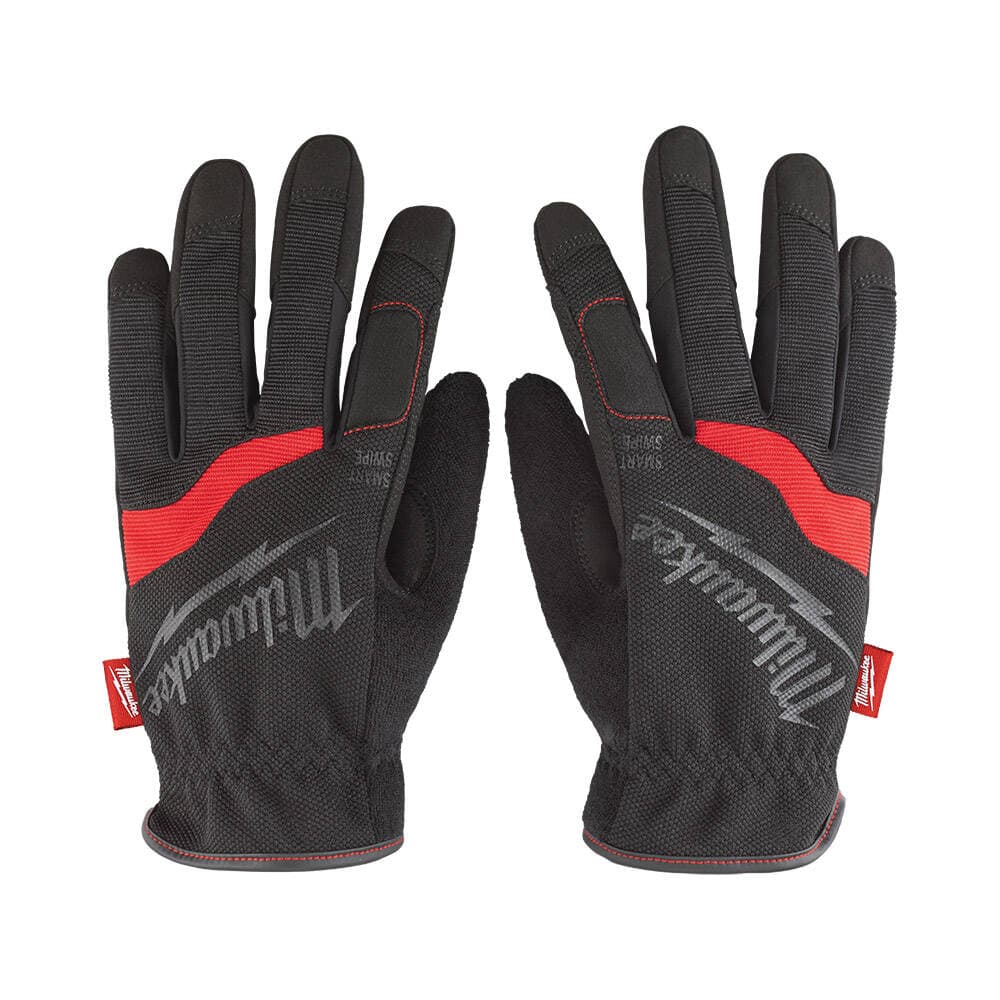
Milwaukee Esnek Work Gloves L Size
Milwaukee · Safety Gloves
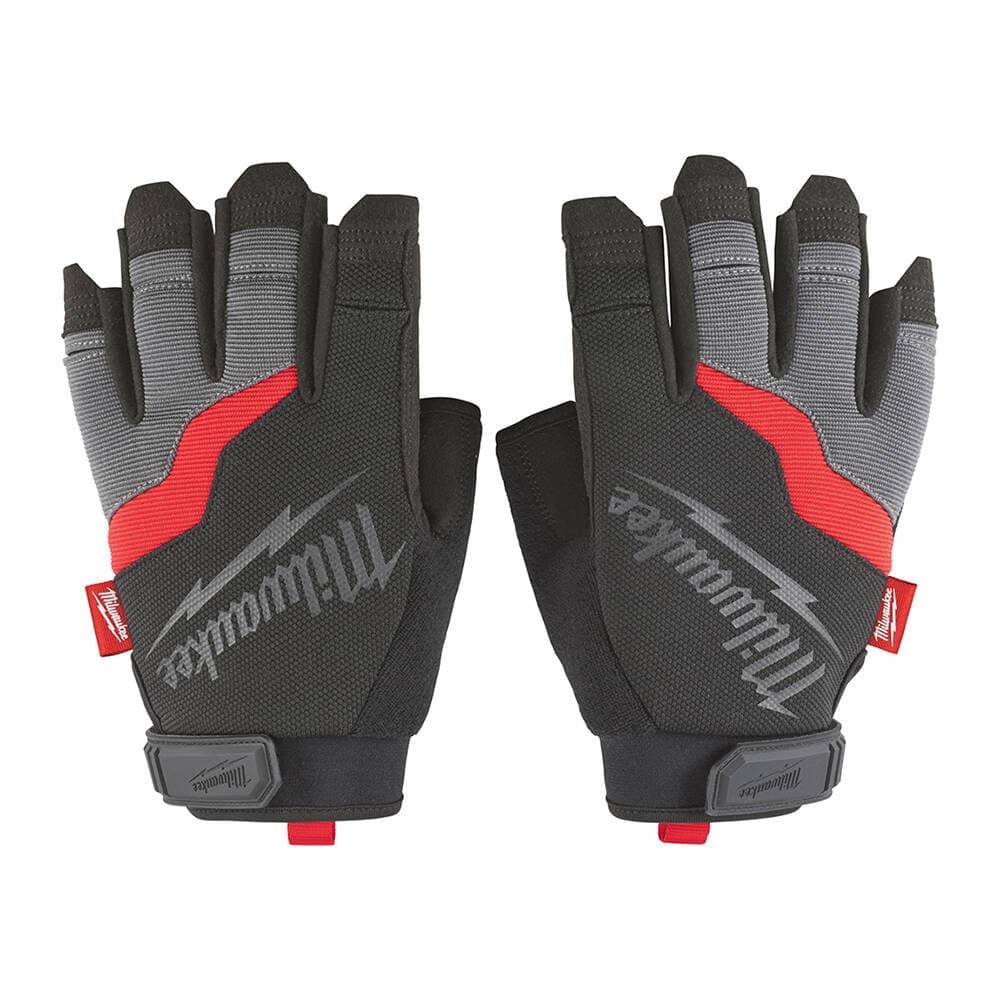
Milwaukee Fingerless Work Gloves XL Size
Milwaukee · Safety Gloves
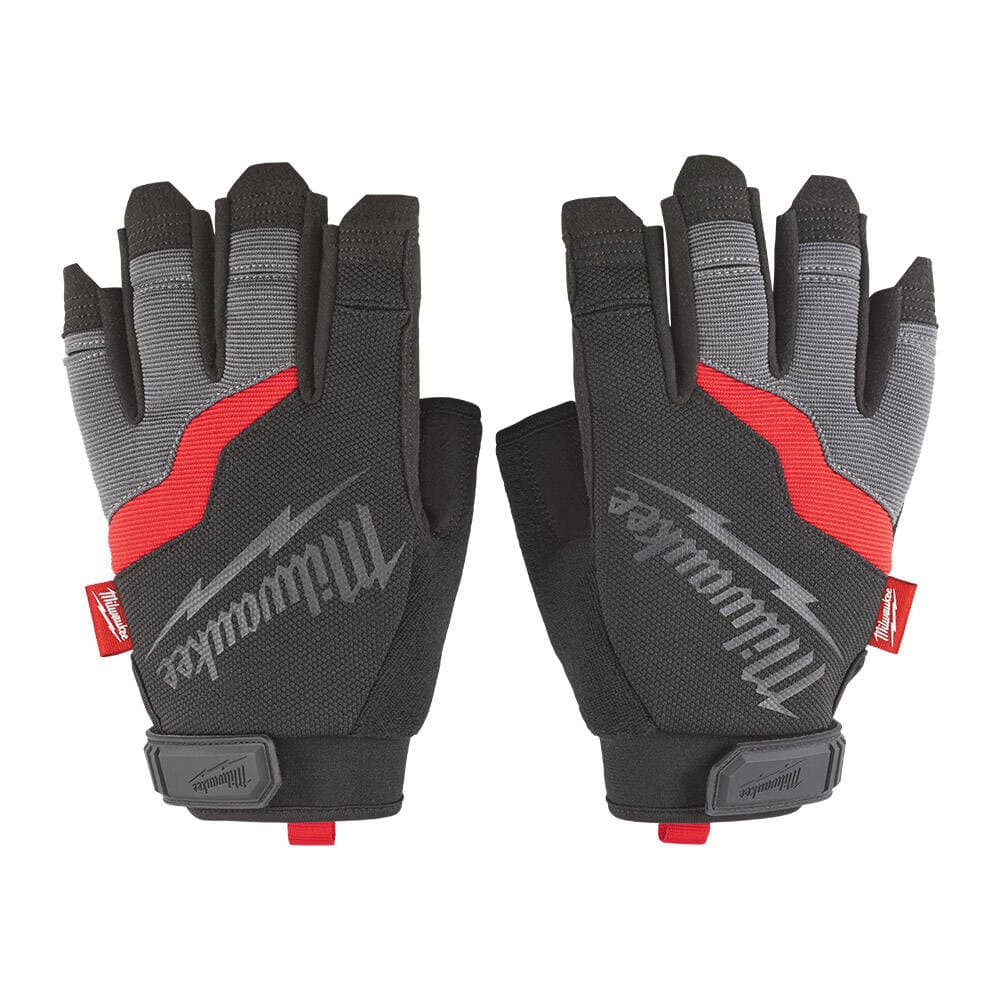
Milwaukee Fingerless Work Gloves XXL Size
Milwaukee · Safety Gloves
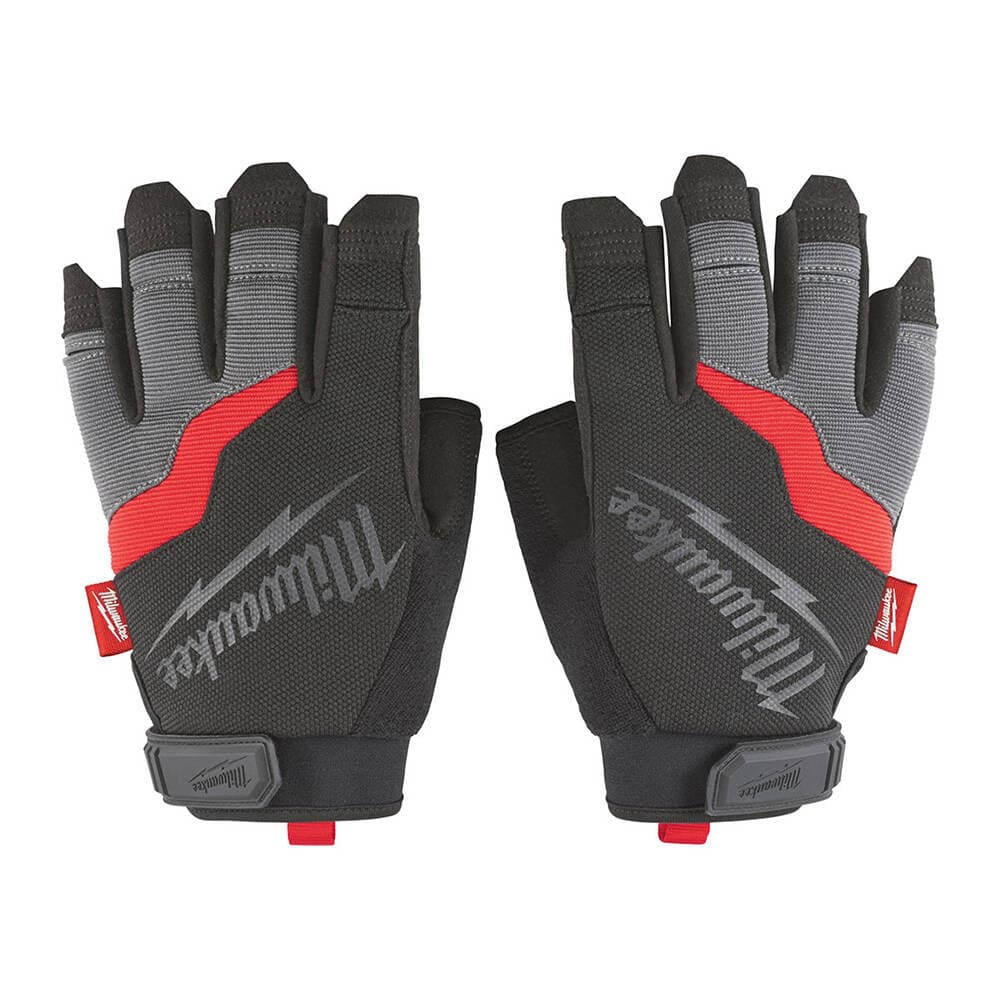
Milwaukee Fingerless Work Gloves S Size
Milwaukee · Safety Gloves
Milwaukee Fingerless Work Gloves M Size
Milwaukee · Safety Gloves
1–24 of 30 · page 1 / 2
The EN 388 code and cut level
The EN 388 code gives abrasion (1-4), Coupe cut (1-5), tear (1-4) and puncture (1-4), followed by a letter for TDM cut resistance (A-F) and, where tested, impact protection (P). The Coupe test is marked X on very sharp materials because they blunt the test blade; the lettered TDM figure is what decides today.
The level follows the sharpness of the edge the hand meets. Sheet metal, glass and sharp waste call for D-F; general assembly, handling and site work for B-C; fine assembly is served by A. A higher level thickens the glove and costs dexterity.
| TDM level | Typical work |
|---|---|
| A - B | General assembly, stores, fine work |
| C | Site work, handling, mixed materials |
| D | Sheet metal, profiles, glass edges |
| E - F | Sharp sheet, glass making, recycling |
Coating: nitrile, latex, PU, nylon
The coating sets how well the glove grips and what it resists. Nitrile resists oil and grips oily parts, which makes it the standard across automotive, machinery and general industry. Latex grips better in the wet but slips on oil and carries an allergy risk.
PU coating is thin and keeps fingertip feel; it is the glove of electronics and fine assembly. Fully coated gloves keep liquid out, half-coated gloves vent through the back of the hand and reduce sweat over a long shift. Winter models are lined, which is what keeps dexterity in the cold.
- Nitrile: oily environments, general industry — the most common coating.
- Latex: wet work, high grip; slips on oil.
- PU: thin, for fine assembly and electronics.
- Fully coated for liquids; half-coated to breathe.
- Impact protected (P): TPR on the back of the hand, heavy industry.
Size and use
Glove sizes run 7 to 11 (S-XXL) and follow the palm circumference. An oversized glove leaves slack at the fingertips, weakens the grip and becomes a hazard near rotating parts; an undersized one tires the hand and splits at the seams.
A cut-resistant glove does not prevent a cut; it delays it and reduces its severity. No cut level justifies going near a running blade or saw — on those machines the protection comes from the guard, not the glove.
Frequently Asked Questions
What does the X in 4X42C mean?
That the Coupe cut test was not applied or not considered valid. Very sharp materials blunt the test blade, so cut resistance is reported by the lettered TDM figure — the C here.
Which cut level should I choose?
By the sharpness of the edge involved: A-B for general assembly, C for site work and handling, D for sheet metal and glass edges, E-F for sharp sheet and recycling. Over-specifying costs dexterity.
Nitrile or latex?
Nitrile grips and resists oil in oily work; latex grips better when wet. Latex also carries an allergy risk, so nitrile is the safer choice for shared issue.
Can cut-resistant gloves be worn near a saw?
No. A cut-resistant glove delays a cut caused by hand movement; it offers no protection against a running blade, saw or cutter. There, protection comes from guarding and method.
How is glove size chosen?
By palm circumference, on a 7-11 (S-XXL) scale. A glove with slack at the fingertips weakens the grip; a tight one tires the hand and splits at the seams.
When is impact protection (P) needed?
Where the back of the hand risks being struck or crushed: heavy assembly, mining, oil and gas, pipework. The TPR on the back spreads the impact and is a separate protection from the cut level.