Categories
Safety Footwear
Safety footwear is the largest group in this tree, and the choice comes down to a single code: the S class. This page covers what each class from SB to S3S adds, the difference between steel and composite toecaps, the sole markings (SR, FO, ESD) and how to pick a size. The catalogue holds over 420 products from Pars, Baymax, Milwaukee, Emex and Gezer.
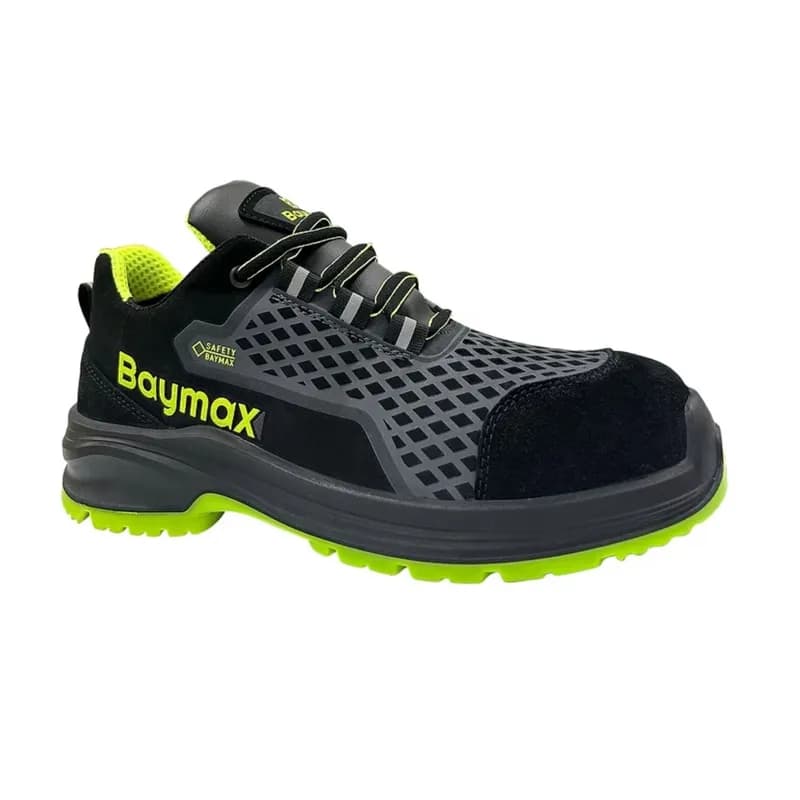
Baymax BX-12 S1 Çelik Burunlu Ayakkabı Yeşil NO:37
Baymax · Safety Footwear
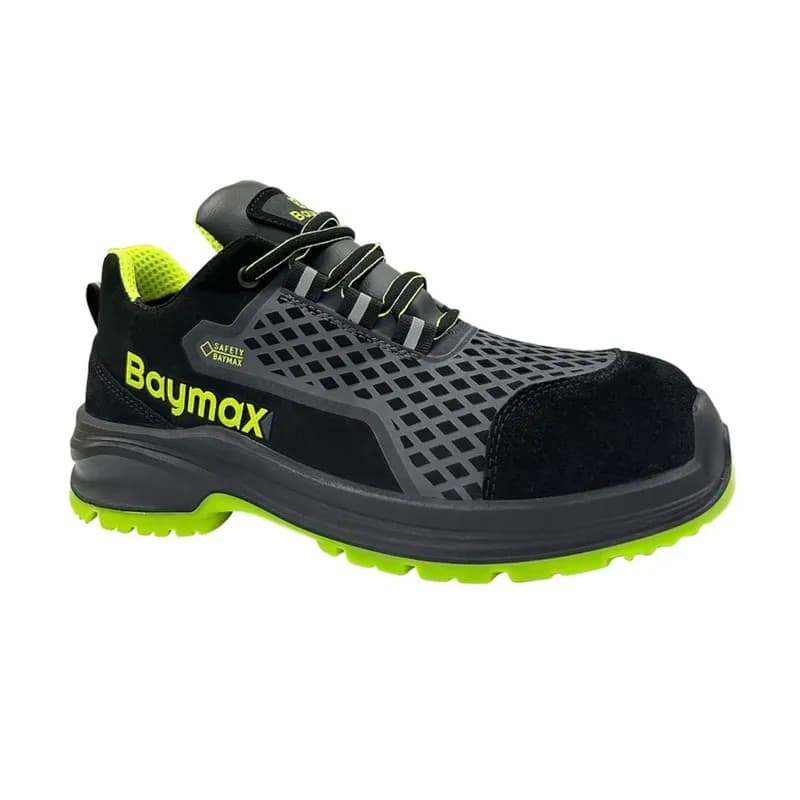
Baymax BX-12 S1 Çelik Burunlu Ayakkabı Yeşil NO:38
Baymax · Safety Footwear
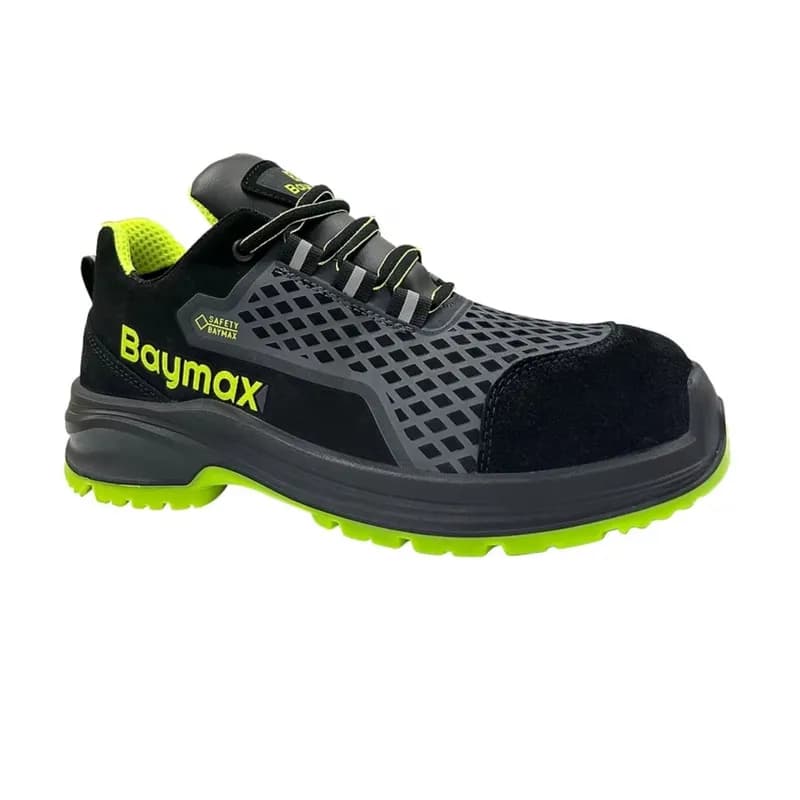
Baymax BX-12 S1 Çelik Burunlu Ayakkabı Yeşil NO:39
Baymax · Safety Footwear
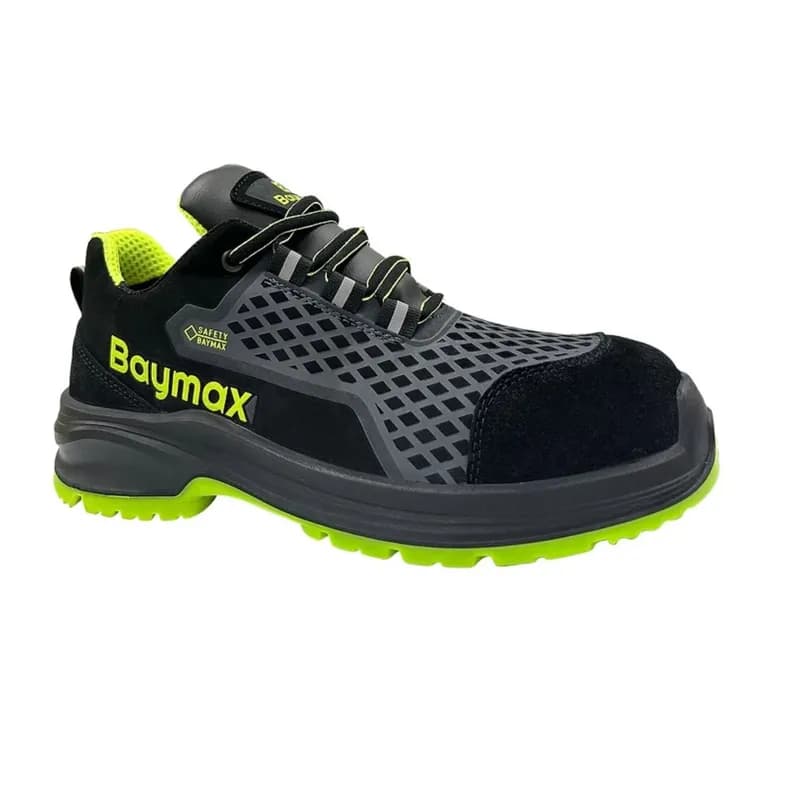
Baymax BX-12 S1 Çelik Burunlu Ayakkabı Yeşil NO:40
Baymax · Safety Footwear
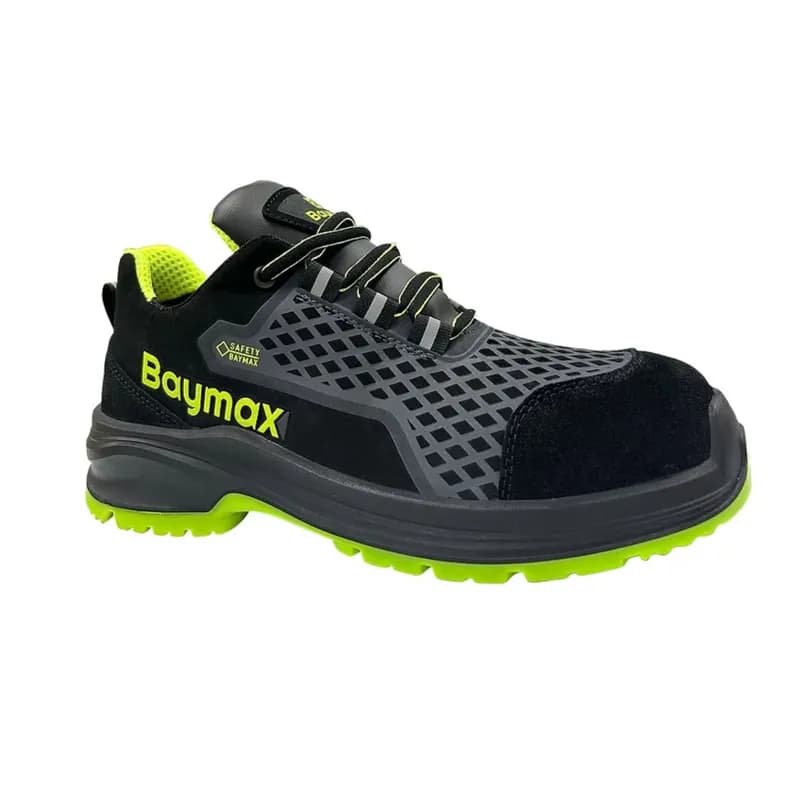
Baymax BX-12 S1 Çelik Burunlu Ayakkabı Yeşil NO:41
Baymax · Safety Footwear
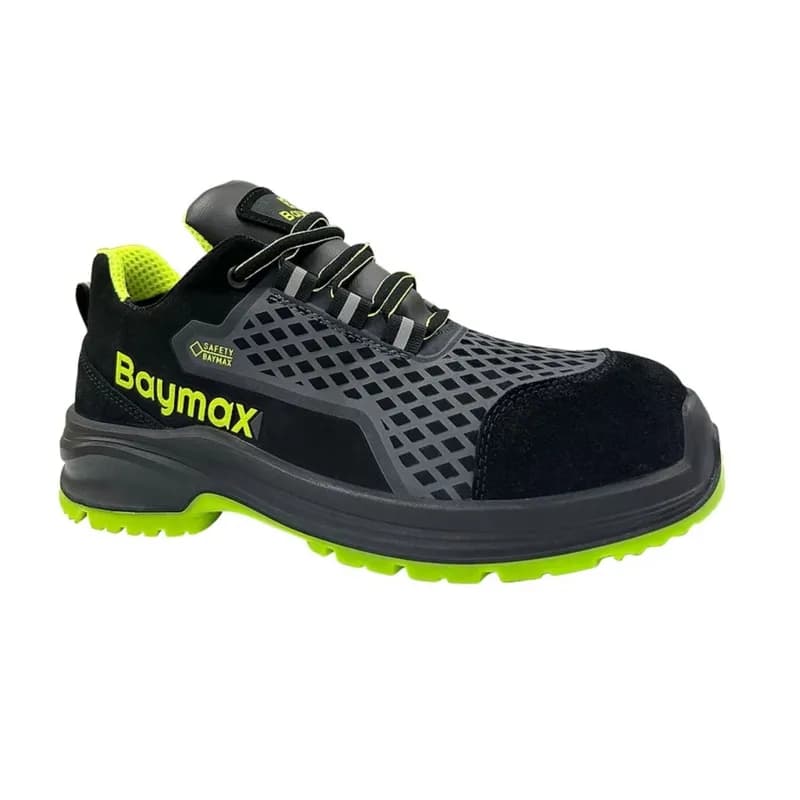
Baymax BX-12 S1 Çelik Burunlu Ayakkabı Yeşil NO:42
Baymax · Safety Footwear
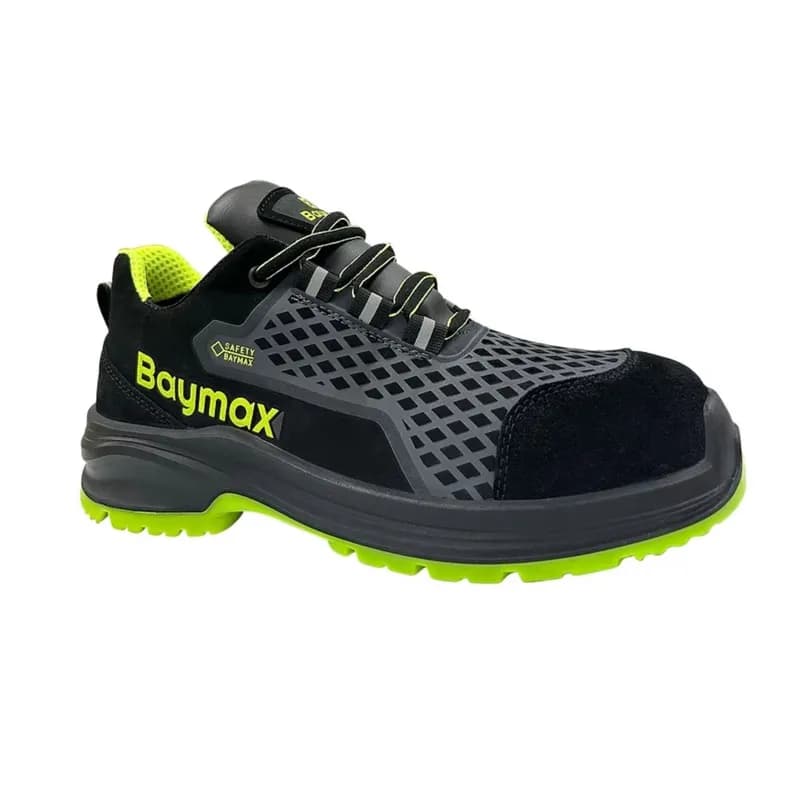
Baymax BX-12 S1 Çelik Burunlu Ayakkabı Yeşil NO:43
Baymax · Safety Footwear
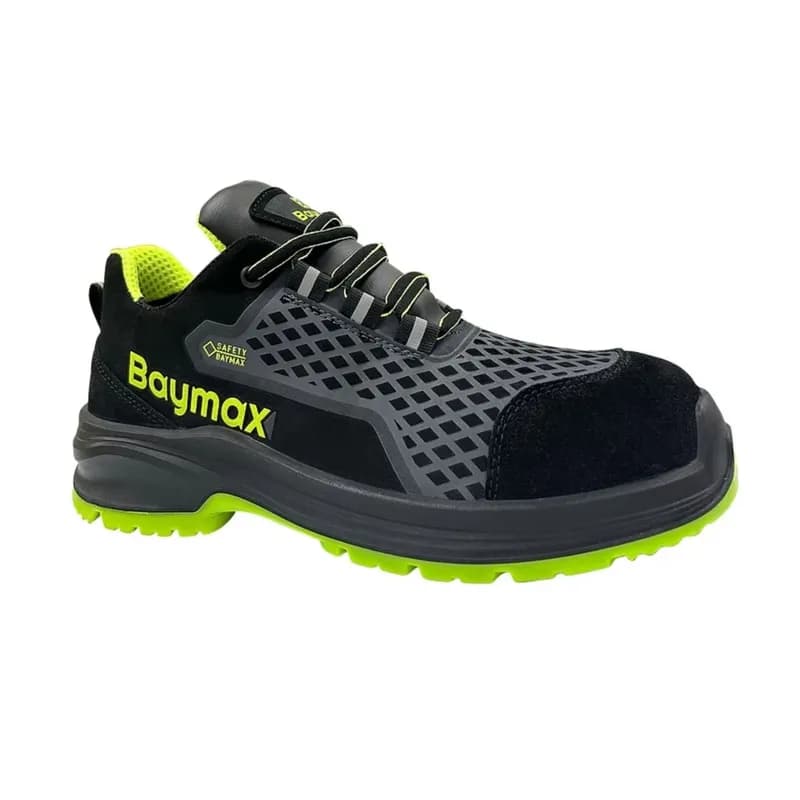
Baymax BX-12 S1 Çelik Burunlu Ayakkabı Yeşil NO:44
Baymax · Safety Footwear
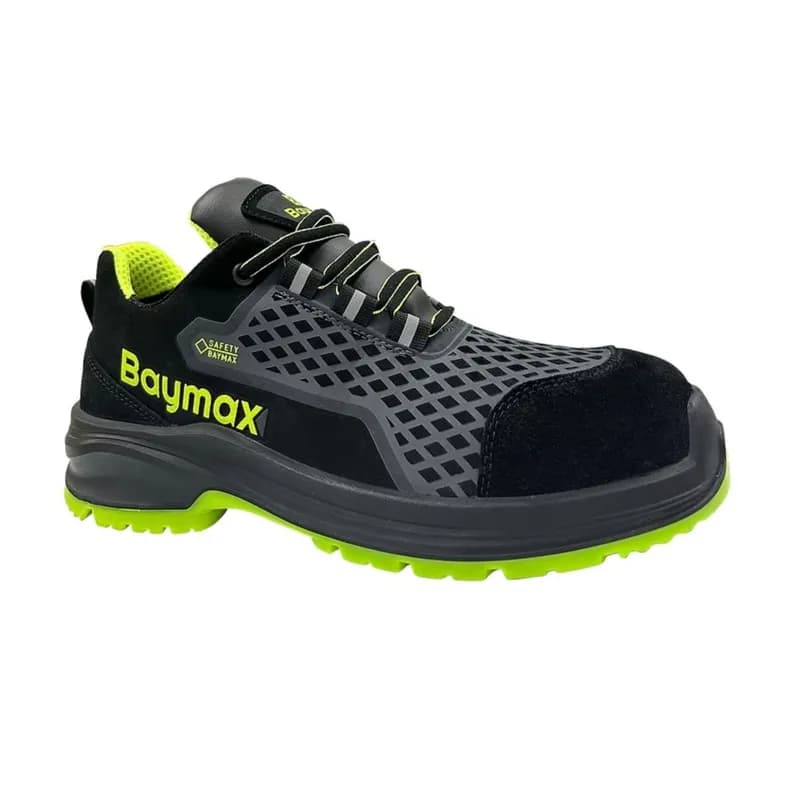
Baymax BX-12 S1 Çelik Burunlu Ayakkabı Yeşil NO:45
Baymax · Safety Footwear
Baymax BX-12 S1 Çelik Burunlu Ayakkabı Yeşil NO:46
Baymax · Safety Footwear
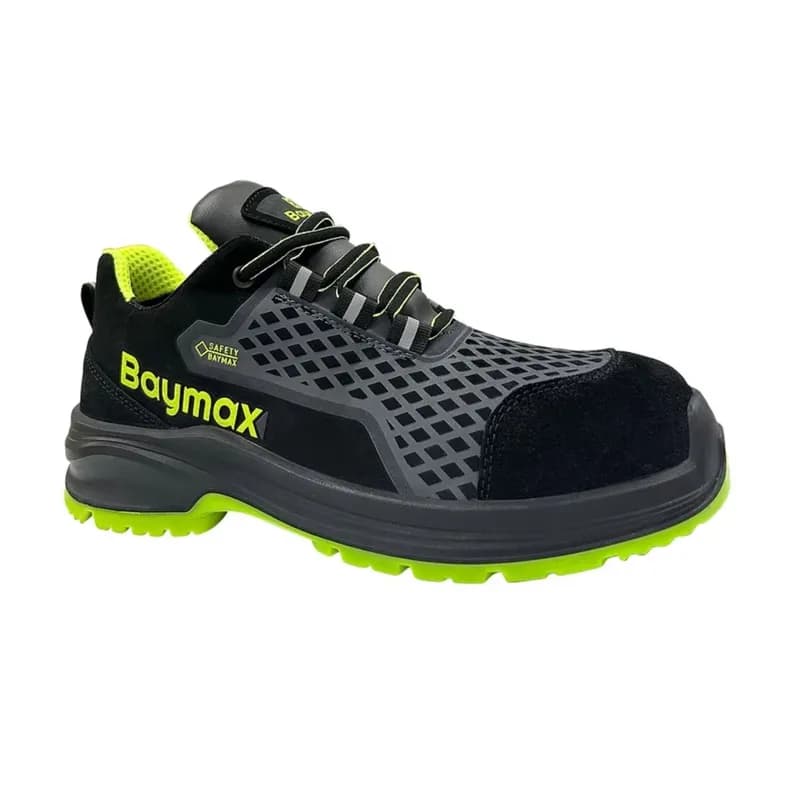
Baymax BX-12 S1 Çelik Burunlu Ayakkabı Yeşil NO:47
Baymax · Safety Footwear
Baymax BX-12 S1 Çelik Burunlu Ayakkabı Yeşil NO:48
Baymax · Safety Footwear
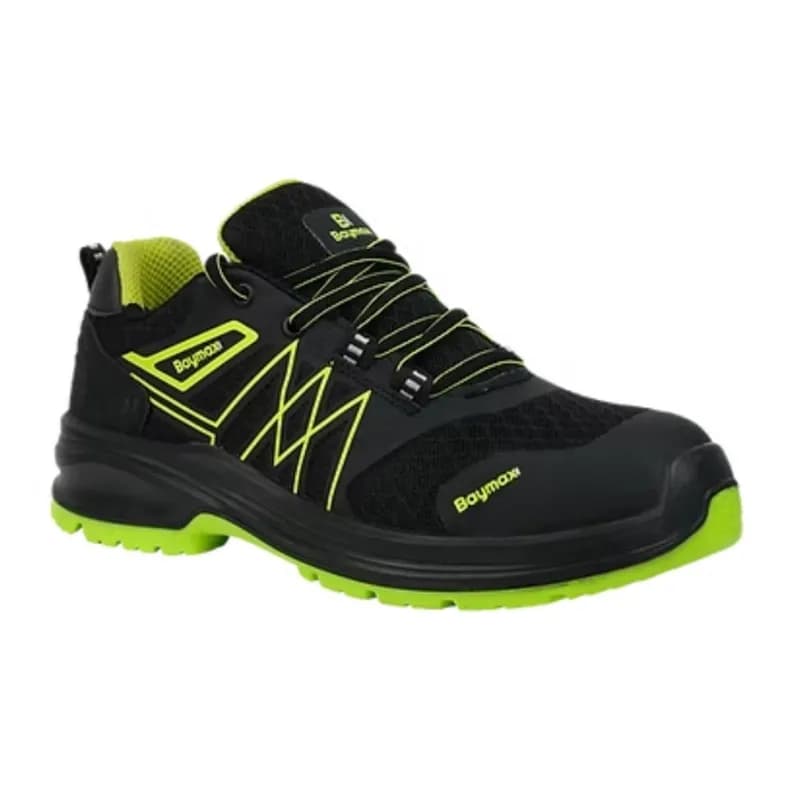
Baymax Golden BX-08 S1 Armor Ayakkabı Yeşil NO:36
Baymax · Safety Footwear
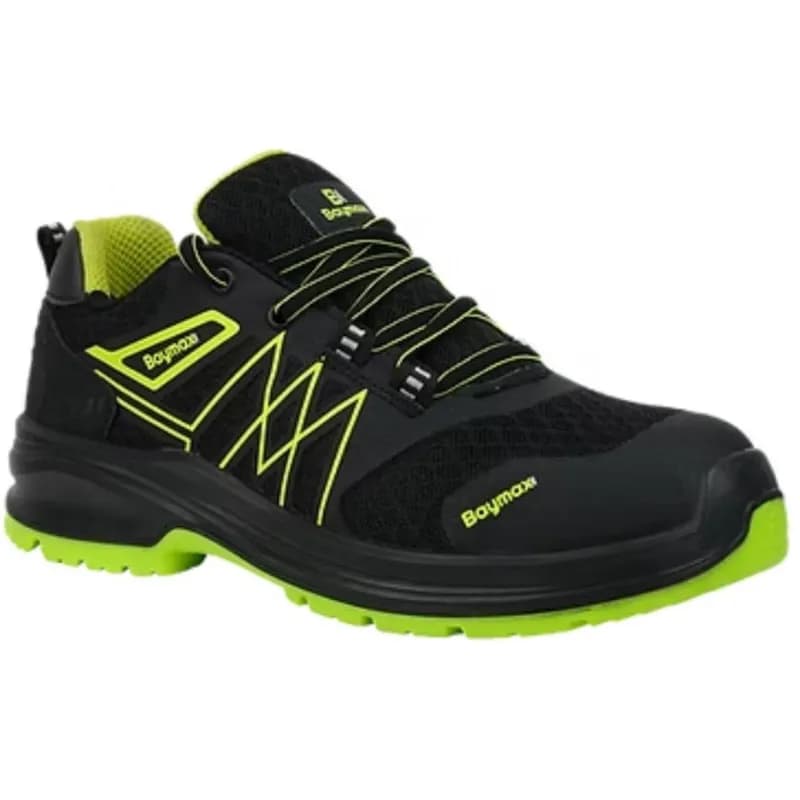
Baymax Golden BX-08 S1 Armor Ayakkabı Yeşil NO:37
Baymax · Safety Footwear
Baymax Golden BX-08 S1 Armor Ayakkabı Yeşil NO:38
Baymax · Safety Footwear
Baymax Golden BX-08 S1 Armor Ayakkabı Yeşil NO:39
Baymax · Safety Footwear
Baymax Golden BX-08 S1 Armor Ayakkabı Yeşil NO:40
Baymax · Safety Footwear
Baymax Golden BX-08 S1 Armor Ayakkabı Yeşil NO:41
Baymax · Safety Footwear
Baymax Golden BX-08 S1 Armor Ayakkabı Yeşil NO:42
Baymax · Safety Footwear
Baymax Golden BX-08 S1 Armor Ayakkabı Yeşil NO:43
Baymax · Safety Footwear
Baymax Golden BX-08 S1 Armor Ayakkabı Yeşil NO:44
Baymax · Safety Footwear
Baymax Golden BX-08 S1 Armor Ayakkabı Yeşil NO:45
Baymax · Safety Footwear
Baymax Golden BX-08 S1 Armor Ayakkabı Yeşil NO:46
Baymax · Safety Footwear
Baymax Golden BX-08 S1 Armor Ayakkabı Yeşil NO:47
Baymax · Safety Footwear
1–24 of 422 · page 1 / 18
The S classes and which job wants which
Under EN ISO 20345 every class shares a toecap rated to a 200 joule impact; the classes differ in what is added on top. A dry workshop is served by S1; wet ground calls for S2, and a site with nails and sharp debris for S3.
S3S and S3L distinguish the type of penetration-resistant midsole: S3S is tested with a finer nail and protects better against thin objects. On wellingtons the priority is waterproofing, which is why they belong in agriculture, livestock and wet-site work.
| Class | What it adds | Typical work |
|---|---|---|
| S1 | Antistatic, oil-resistant sole | Dry workshop, warehouse, assembly |
| S1P | Penetration-resistant midsole | Light construction, plumbing |
| S2 | Water-resistant upper | Wet ground, outdoor work |
| S3 | Water-resistant upper + midsole | Construction sites, earthworks |
| S3S | Fine-nail tested midsole | Nail and sharp debris risk |
Toecaps, soles and extra markings
The toecap may be steel or composite; both pass the same 200 joule test. Steel is thinner and cheaper; composite is lighter, passes through metal detectors and does not conduct cold, which is why it is preferred in airports, food plants and cold environments.
The extra letters on the sole bear directly on the job: SR is the slip resistance test, FO is fuel oil resistance, and ESD is electrostatic dissipation. Electronics assembly and some production lines require ESD, and asking only for a steel toecap does not cover it.
- Steel toecap: economical, slim, heavier.
- Composite toecap: light, metal-free, does not conduct cold.
- SR: slip resistance test on smooth floors.
- FO: sole resistant to fuel and oil.
- ESD: controlled electrostatic dissipation.
Sizing and bulk orders
Safety footwear is worn with socks and stood in all day, so it is usually taken half a size to a full size larger than everyday shoes. The toecap does not flex: in a tight shoe the toes take the impact.
In bulk orders the size distribution is the critical figure. Sizes 38-48 are widely stocked; send the list as size-and-quantity and we return stock and lead time together.
Frequently Asked Questions
Which class should I choose?
By the ground and the risk: S1 in a dry workshop, S2 on wet ground, S3 on sites with nails and sharp objects. Where a penetration-resistant midsole is needed but waterproofing is not, S1P is the answer.
Steel or composite toecap?
Both pass the same 200 joule test. Steel is cheaper and slimmer; composite is lighter, passes metal detectors and does not conduct cold.
What is ESD and when is it required?
Electrostatic dissipation — the shoe releases static charge in a controlled way. It is mandatory in electronics assembly and sensitive production lines, and it is a different requirement from the antistatic (A) marking.
Should I order a size up?
Safety footwear is worn with thick socks all day, so half a size to a size up is usual. Since the toecap does not flex, a tight shoe leaves the toes taking the impact.
Is S3 footwear waterproof?
The upper is water resistant, which covers brief contact with water and work on wet ground. Standing in water calls for wellingtons instead.
Can I order by size distribution?
Yes, orders in this group are taken as a size-and-quantity list. Send the list and stock, price and lead time come back in one reply.