Categories
Heated Workwear
Heated clothing exists to stop cold taking away dexterity and attention: rather than piling on layers, it warms the core in a controlled way and keeps freedom of movement. The catalogue holds 31 products on the Milwaukee M12 platform.
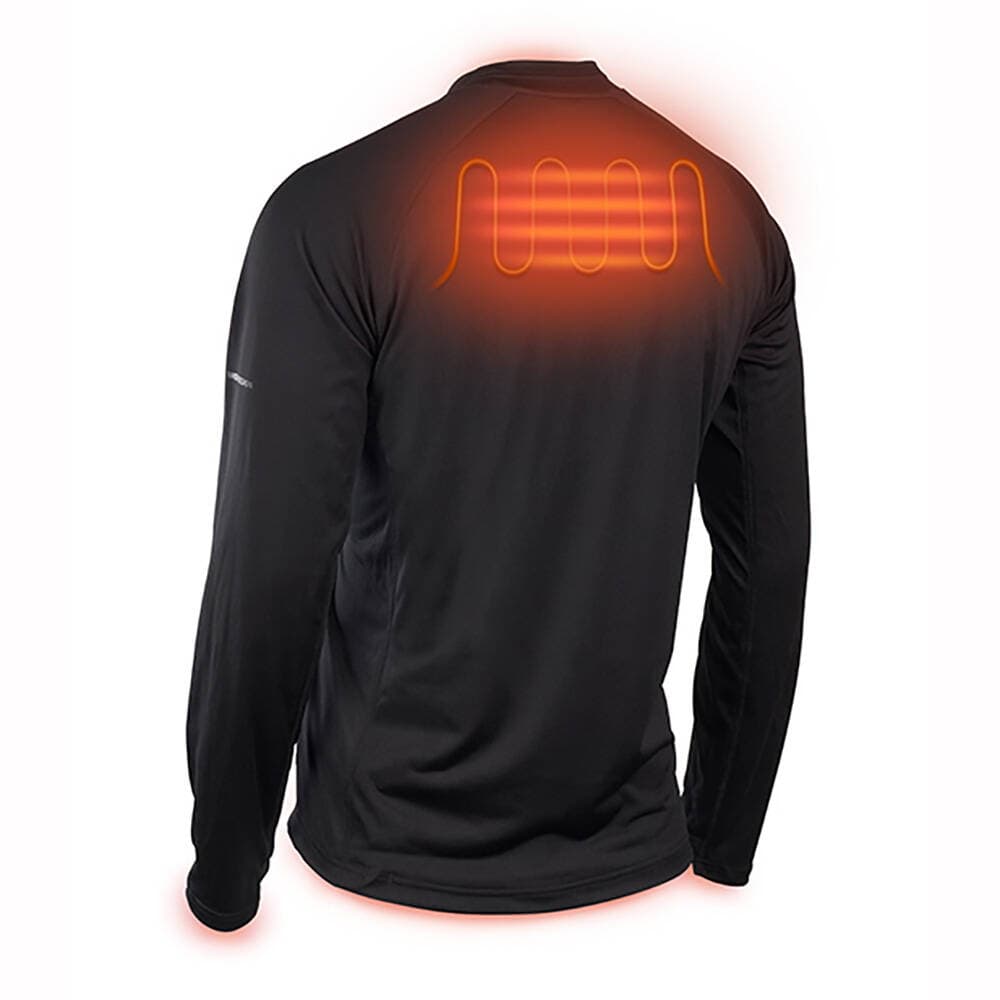
Milwaukee L4 HBLB-301XXL Heated Base Layer
Milwaukee · Heated Workwear
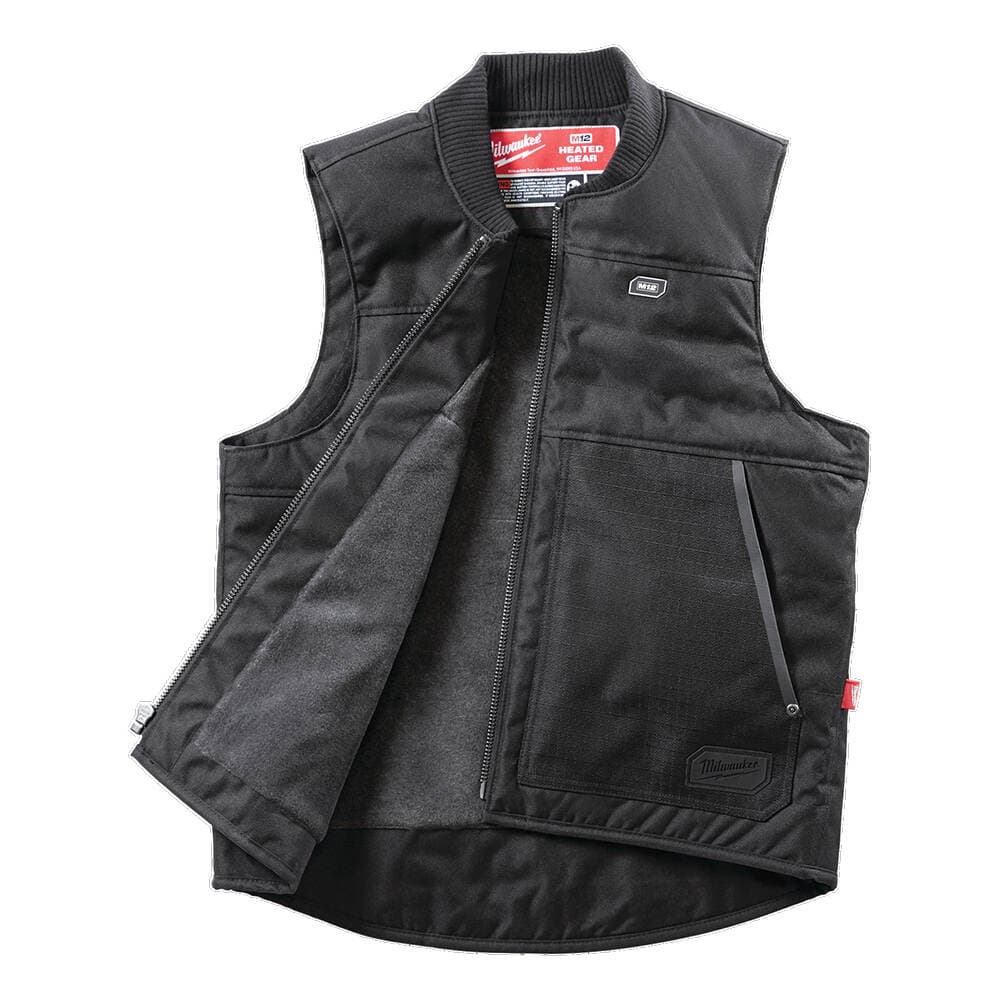
Milwaukee M12 HBW Heated Vest L Size
Milwaukee · Heated Workwear
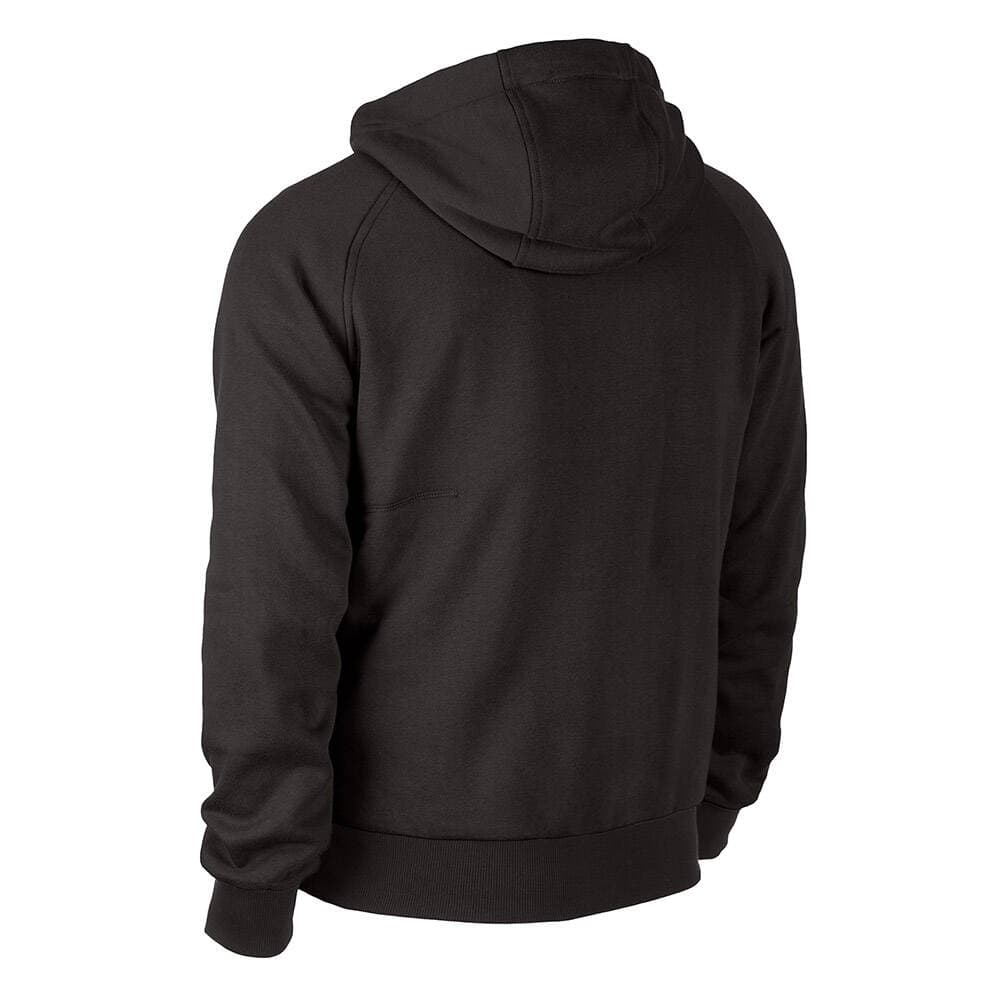
Milwaukee M12 HH BL4-0 (M) Heated Black Polar
Milwaukee · Heated Workwear
Milwaukee M12 HH BL4-0 (S) Heated Black Polar
Milwaukee · Heated Workwear
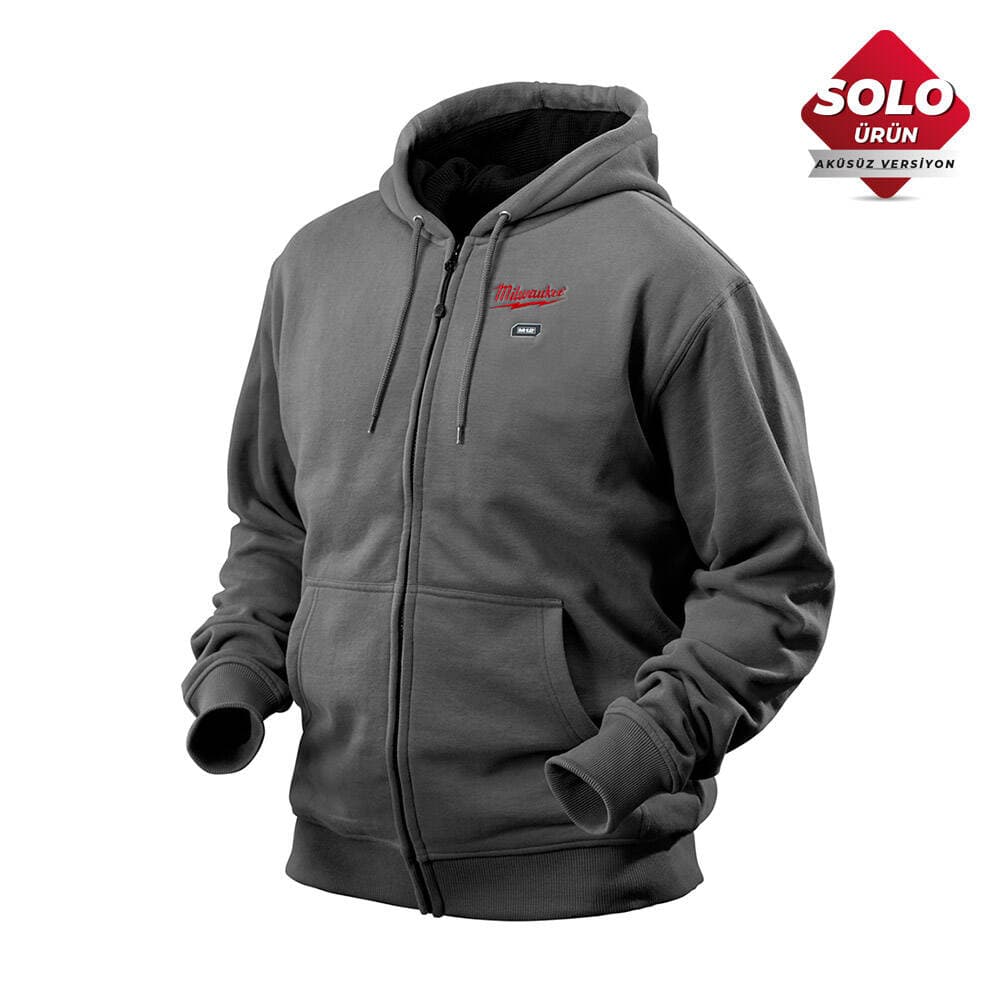
Milwaukee M12 HHGREY-0 Heated Fleece S Size
Milwaukee · Heated Workwear
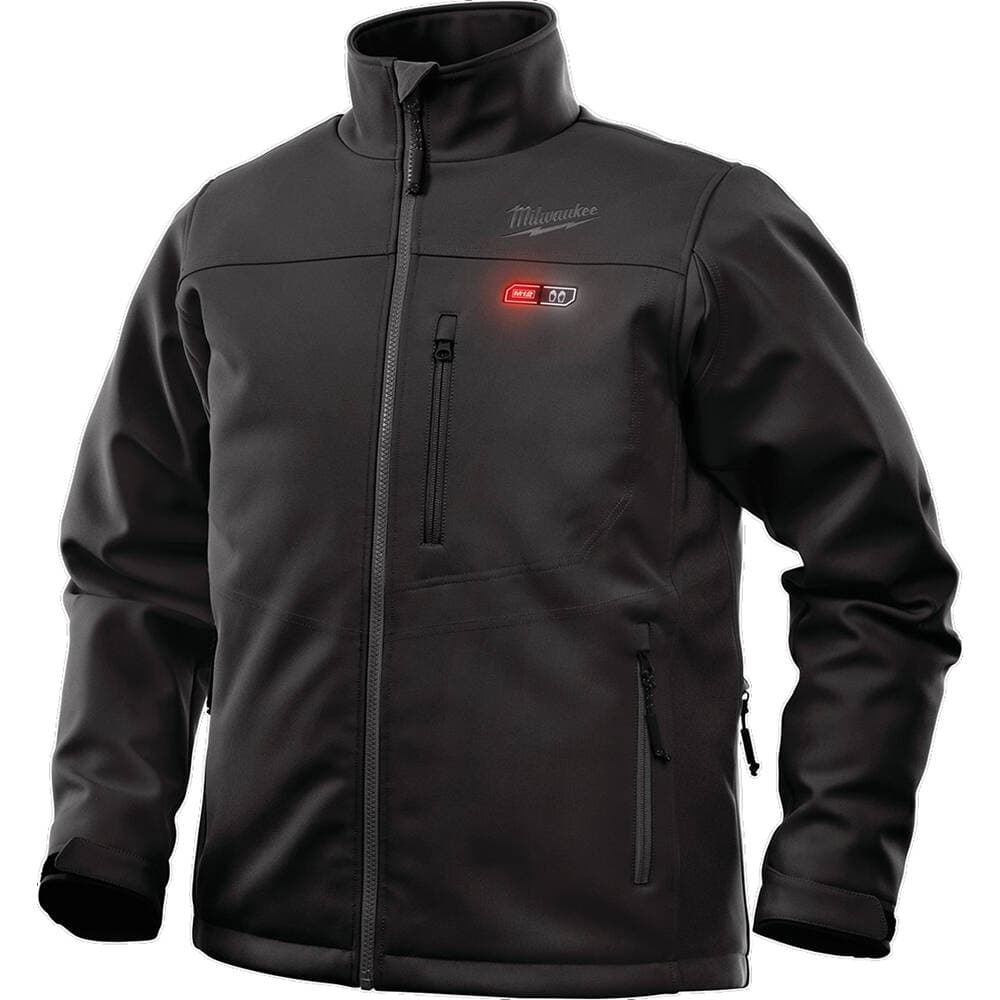
Milwaukee M12 HJ BL4-0 Cordless Heated Jacket L Size
Milwaukee · Heated Workwear
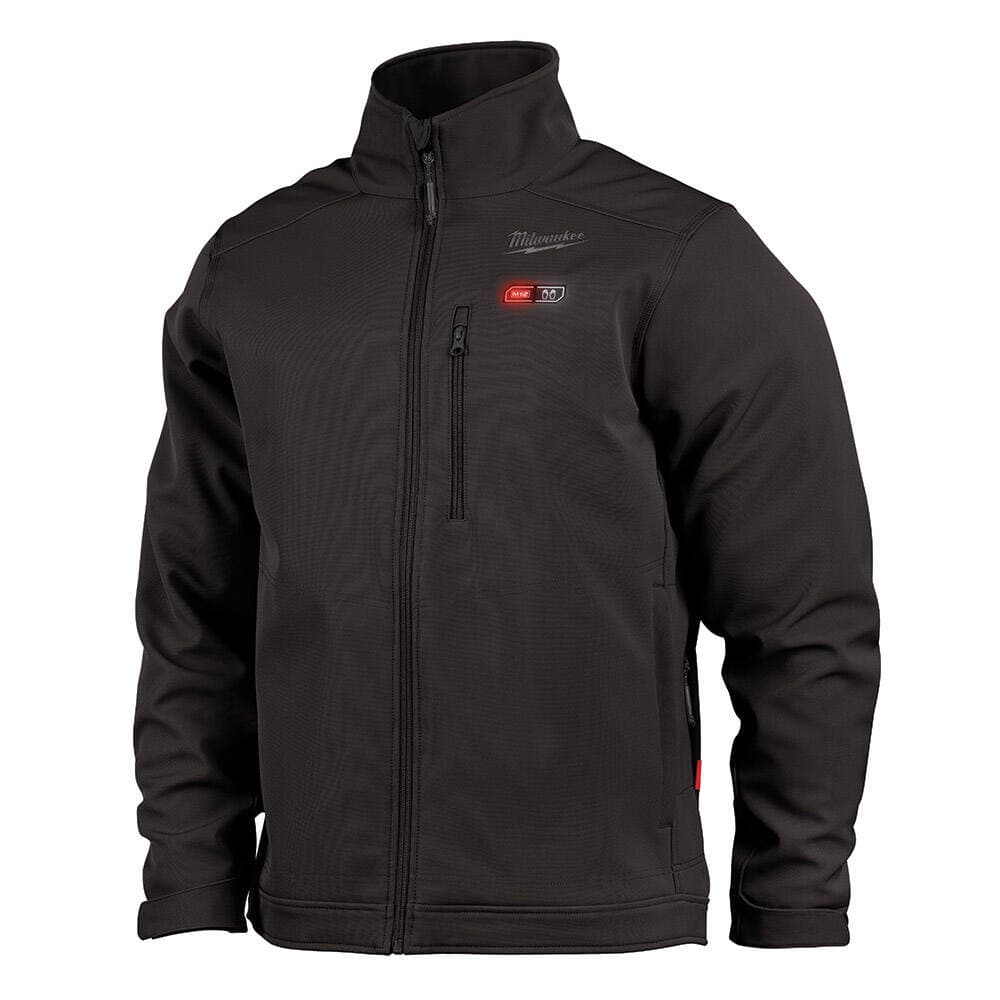
Milwaukee M12 HJ BL5-0 (XL) Heated Black Mont
Milwaukee · Heated Workwear
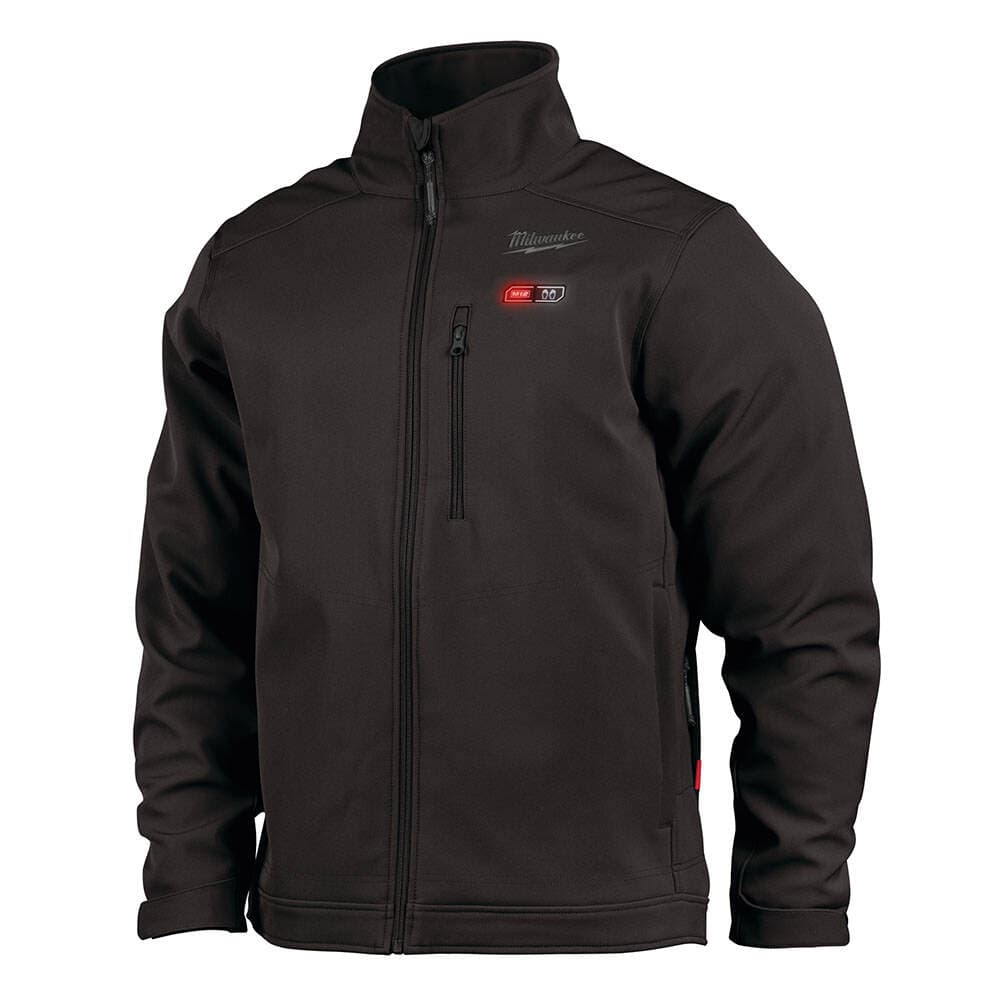
Milwaukee M12 HJ BL5-201 Heated Cordless Mont Black Colour S Size
Milwaukee · Heated Workwear
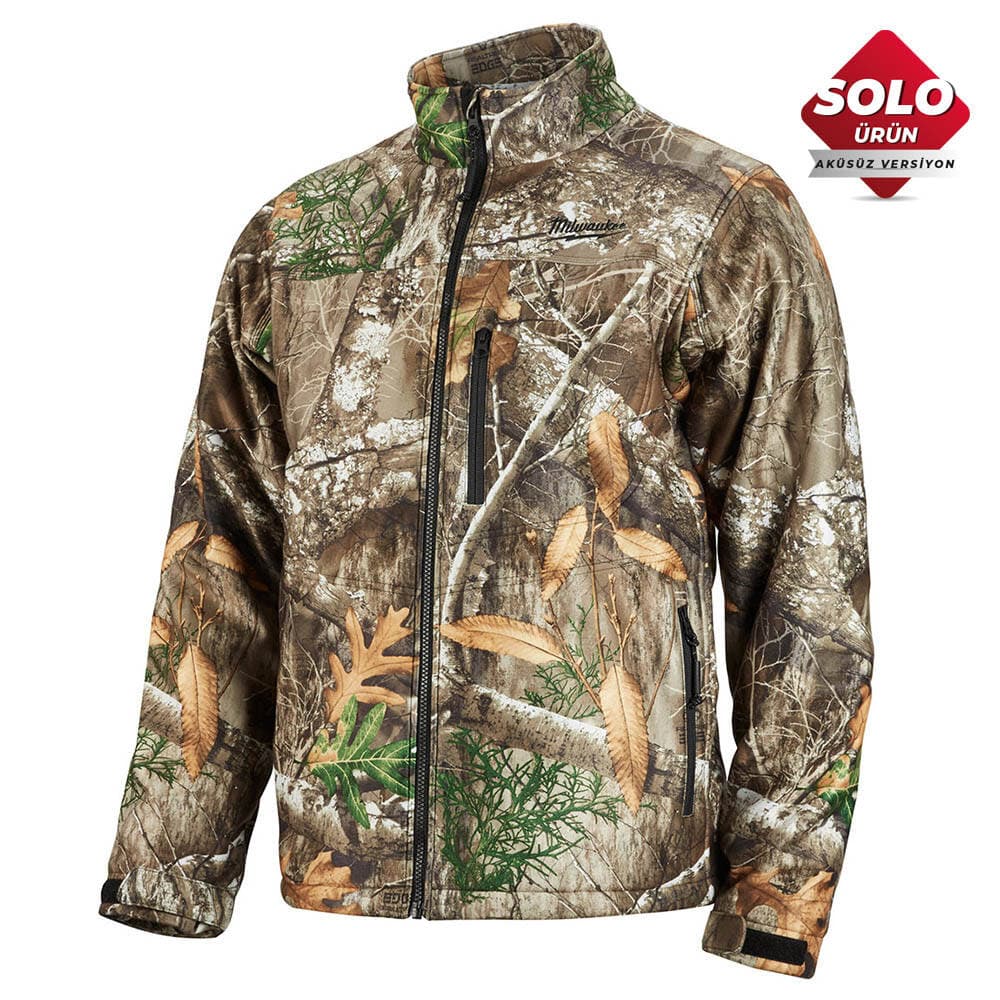
Milwaukee M12 HJ CAMO5-0 Cordless Heated Kamuflaj Mont S Size
Milwaukee · Heated Workwear
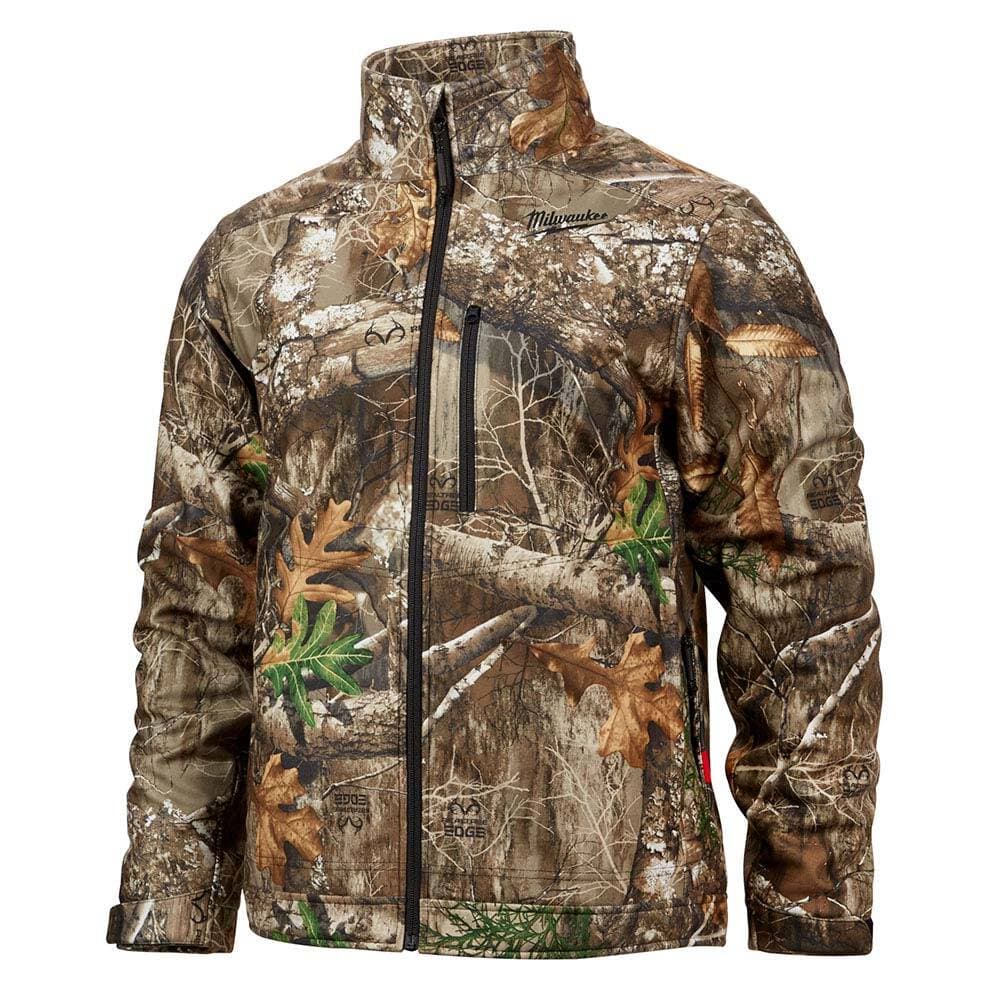
Milwaukee M12 HJ CAMO6-201 Kamuflaj Type Heated Cordless Mont M Size
Milwaukee · Heated Workwear
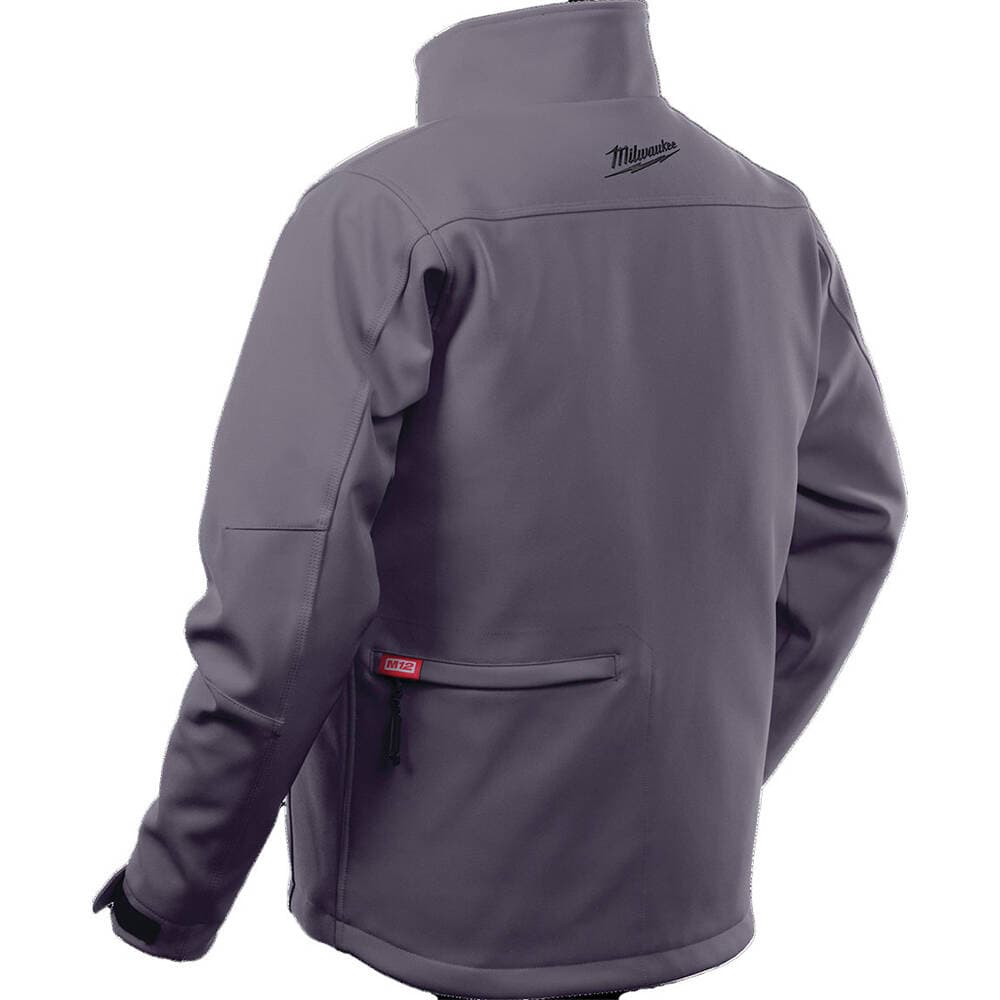
Milwaukee M12 HJ GREY4-0 Grey Heated Jacket 2XL Size
Milwaukee · Heated Workwear
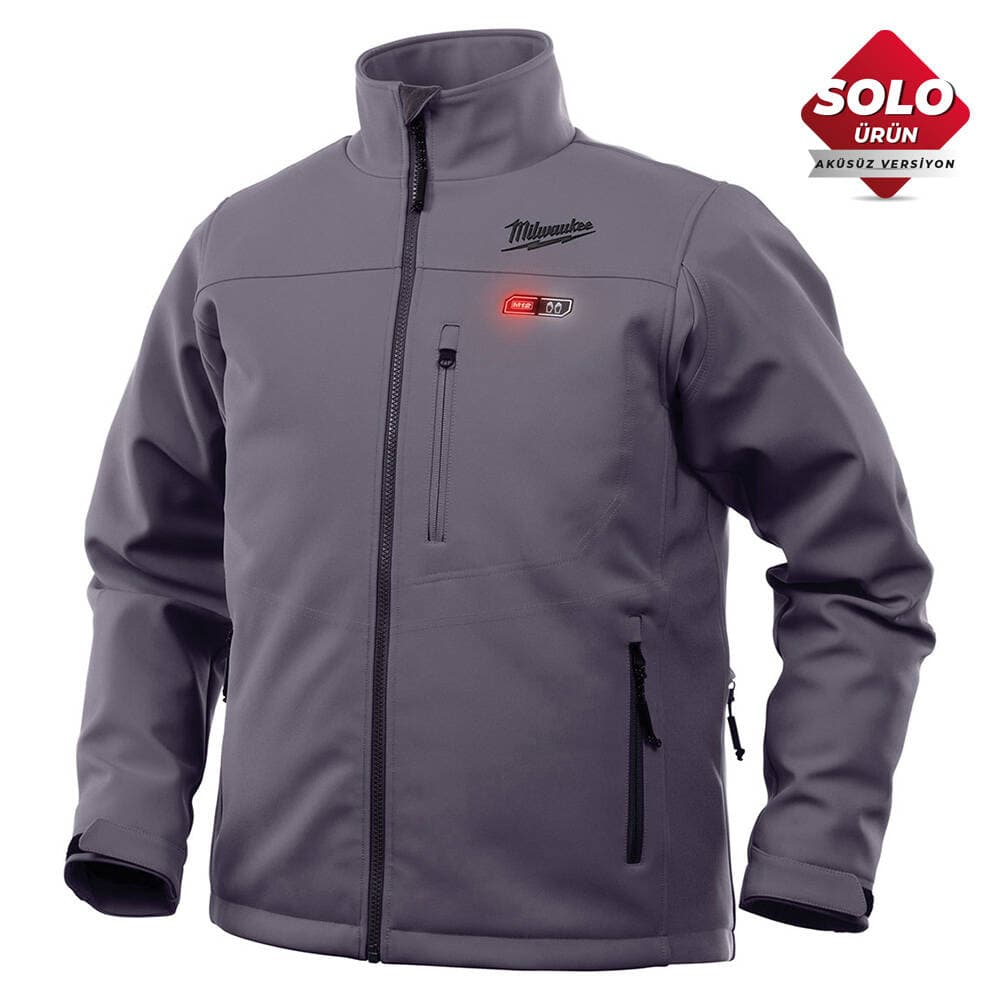
Milwaukee M12 HJ GREY4-0 Cordless Heated Jacket L Size
Milwaukee · Heated Workwear
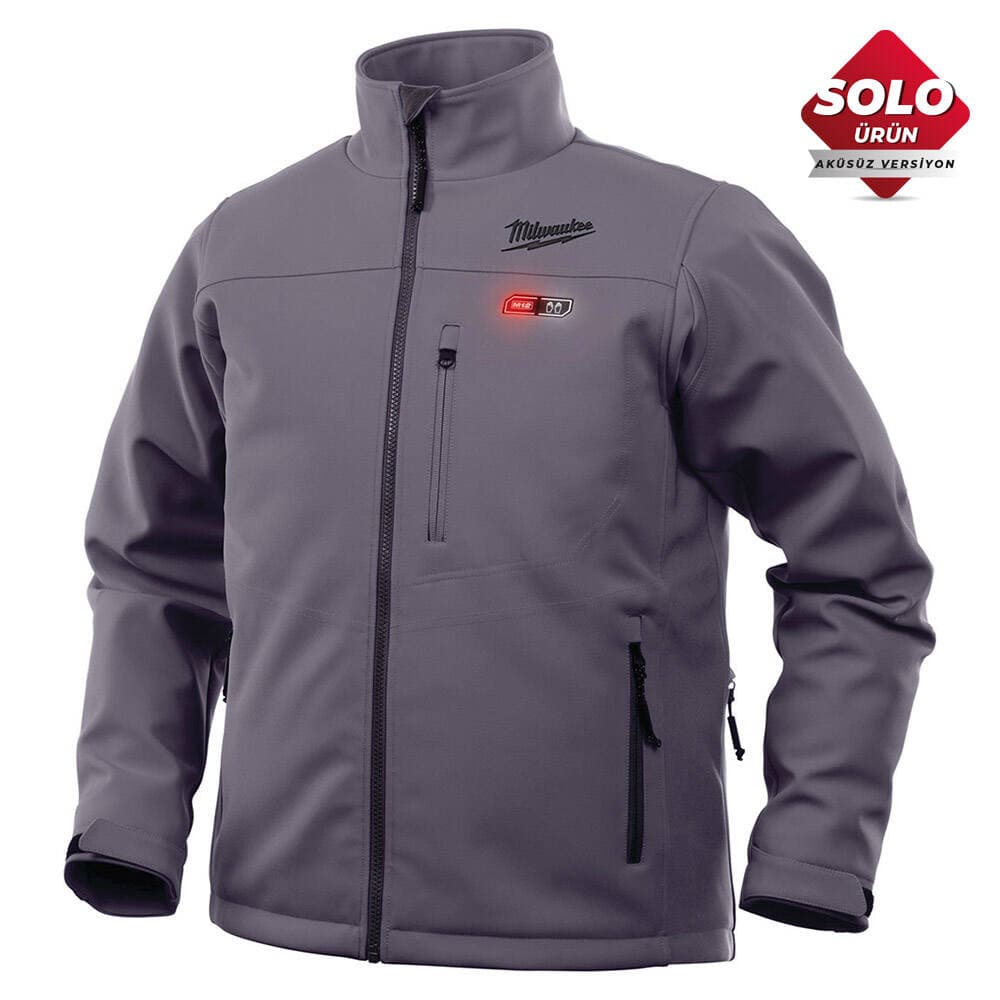
Milwaukee M12 Hj Grey4-0 Heated Jacket Grey S Size
Milwaukee · Heated Workwear
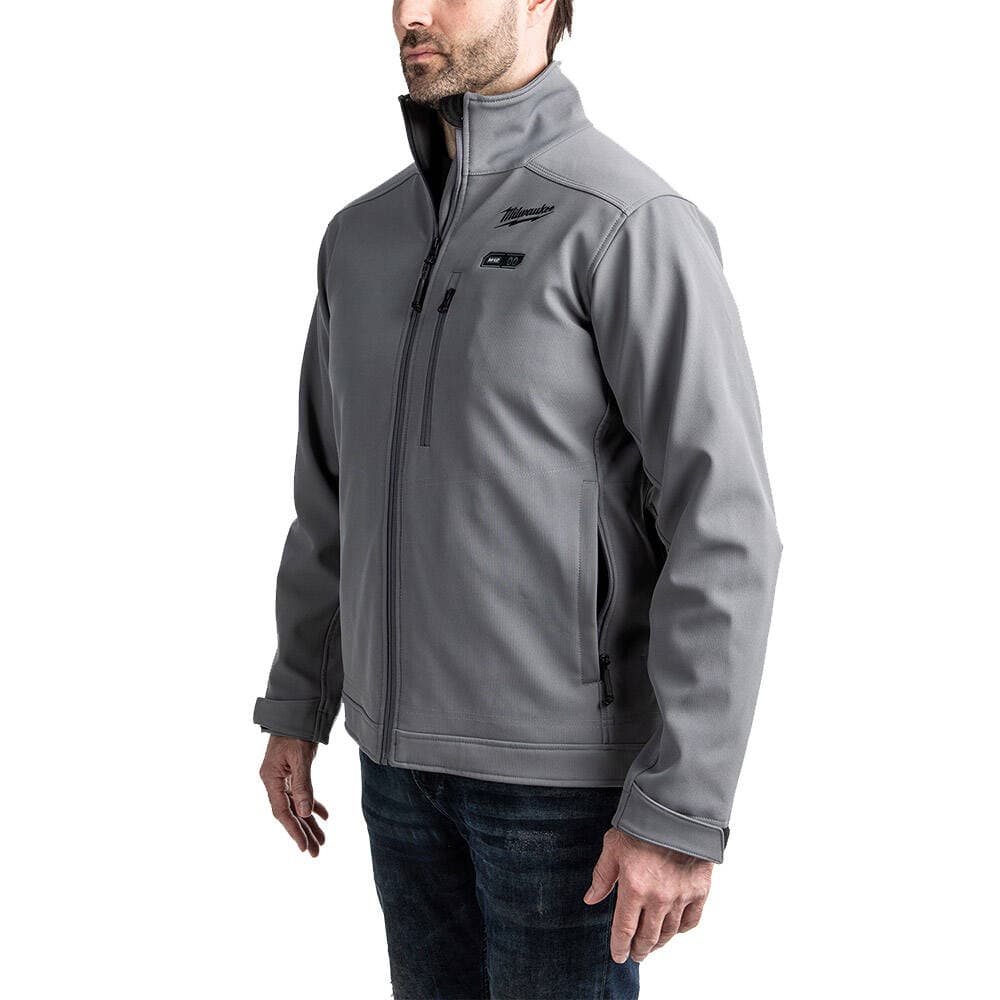
Milwaukee M12 HJ GREY5-0 (M) Heated Grey Mont
Milwaukee · Heated Workwear
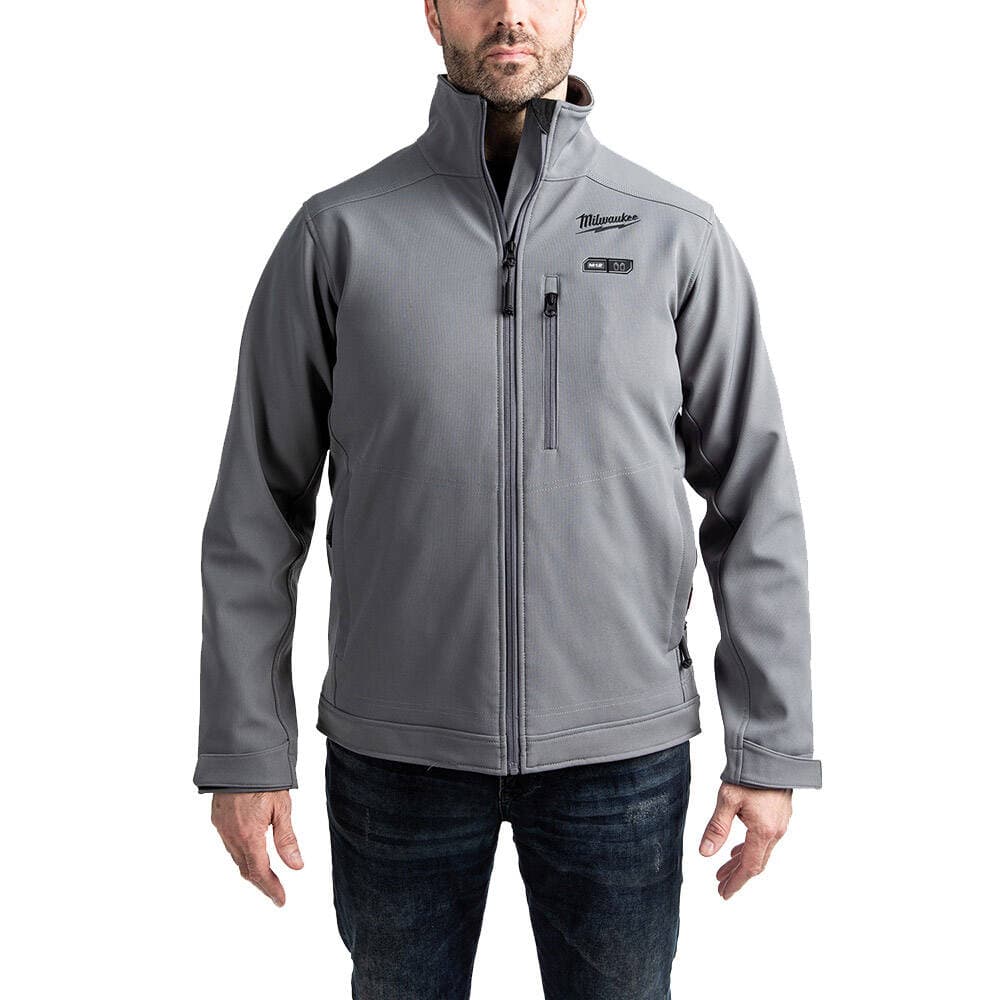
Milwaukee M12 HJ GREY5-0 (L) Grey Colour Heated Mont
Milwaukee · Heated Workwear
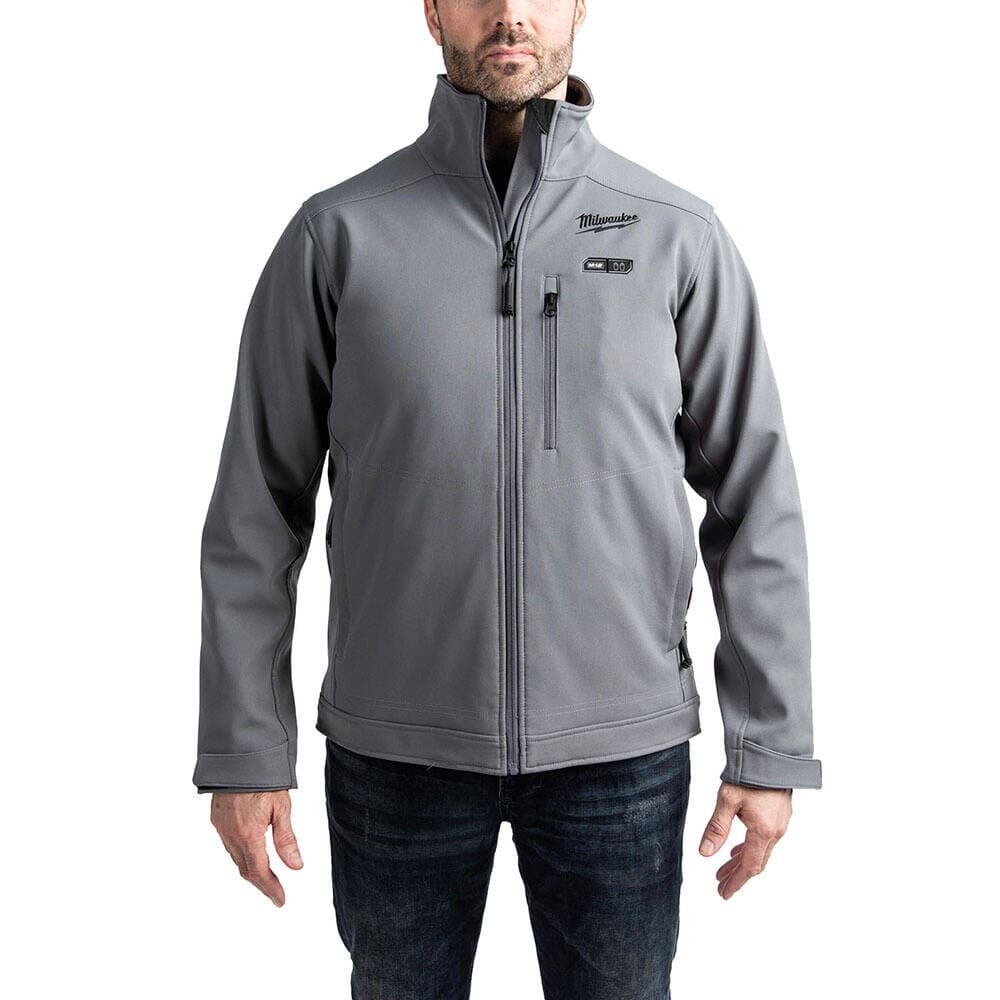
Milwaukee M12 HJ GREY5-201 Grey Colour Heated Cordless Mont L Size
Milwaukee · Heated Workwear
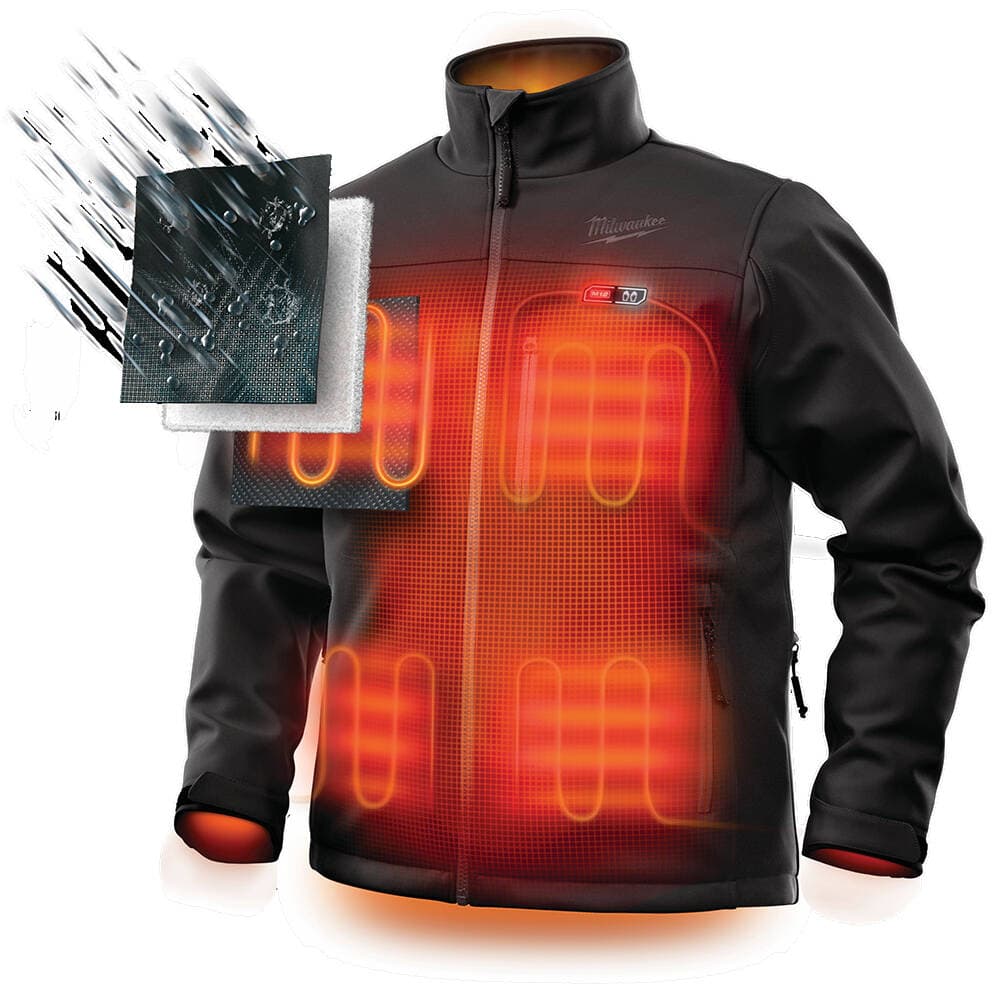
Milwaukee M12 HJP-0 Cordless Heated Puffer Mont XXL Size
Milwaukee · Heated Workwear
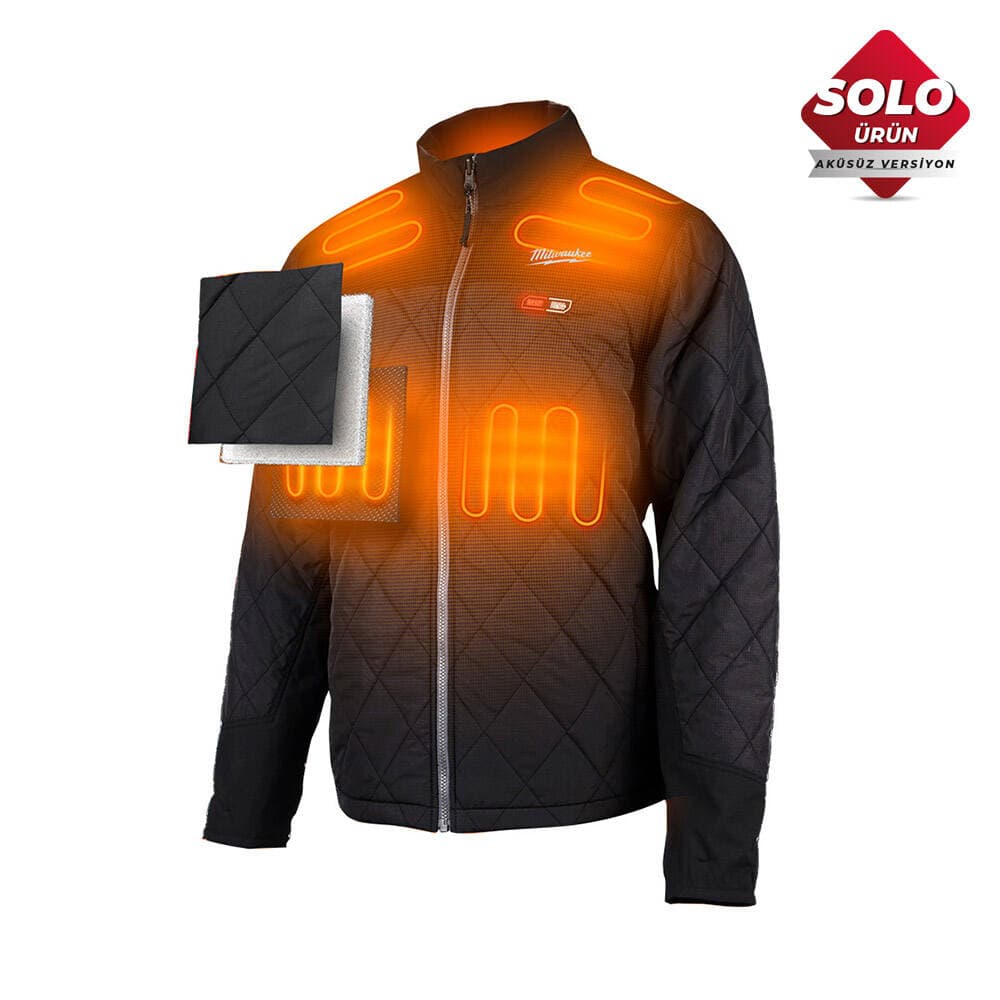
Milwaukee M12 HJP-0 Cordless Heated Puffer Mont L Size
Milwaukee · Heated Workwear
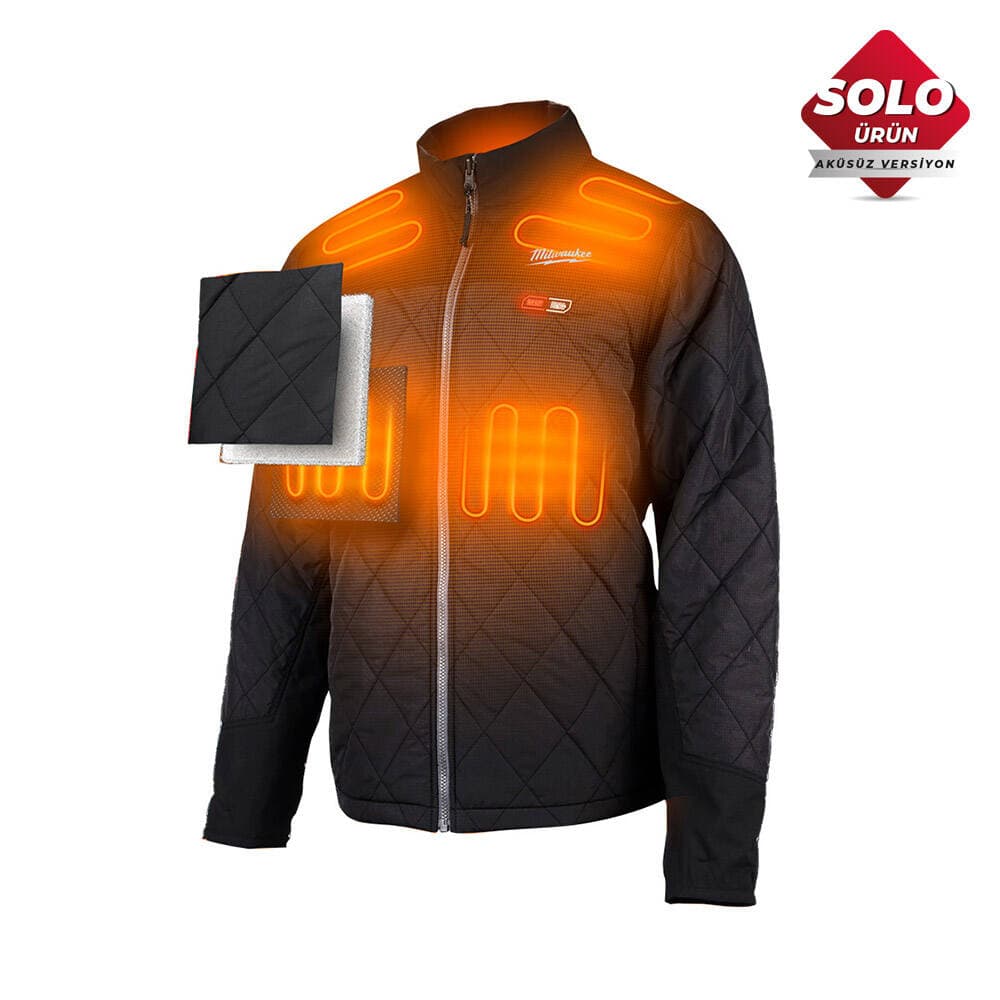
Milwaukee M12 HJP-0 Cordless Heated Puffer Mont M Size
Milwaukee · Heated Workwear
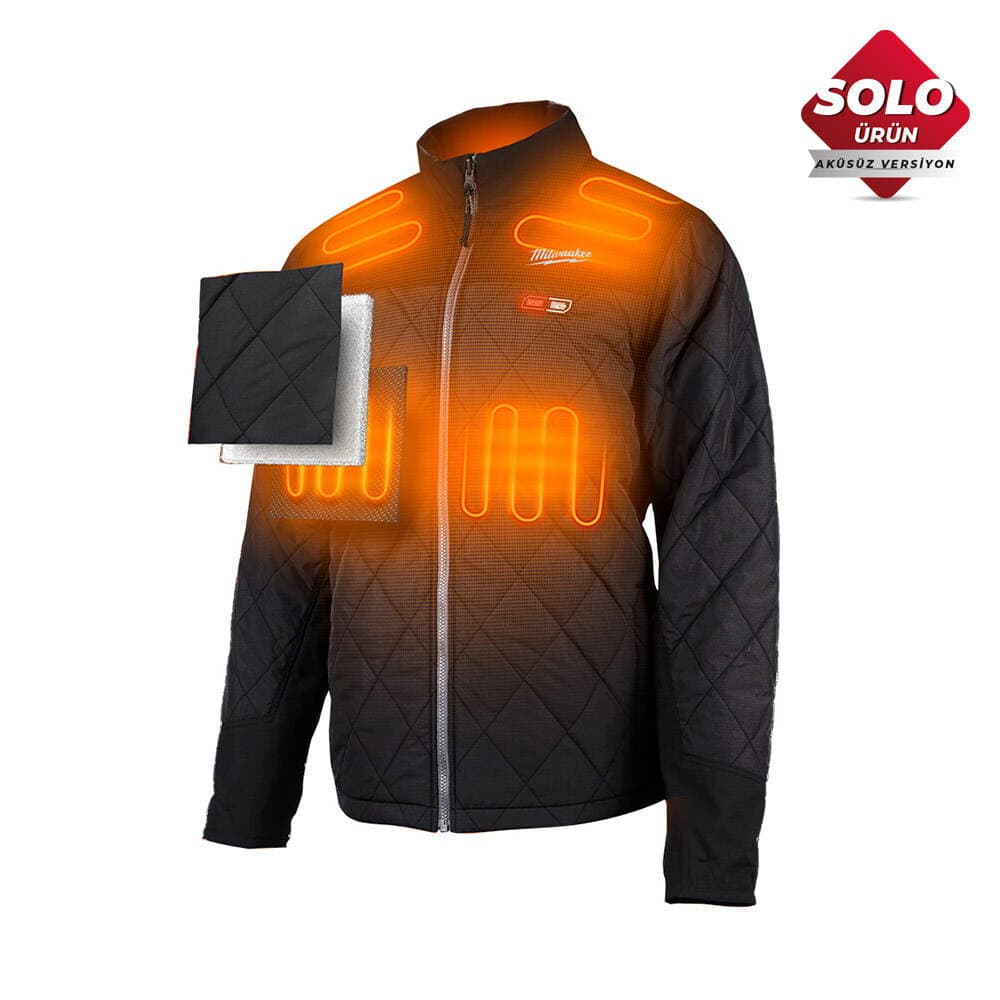
Milwaukee M12 HJP-0 Cordless Heated Puffer Mont S Size
Milwaukee · Heated Workwear
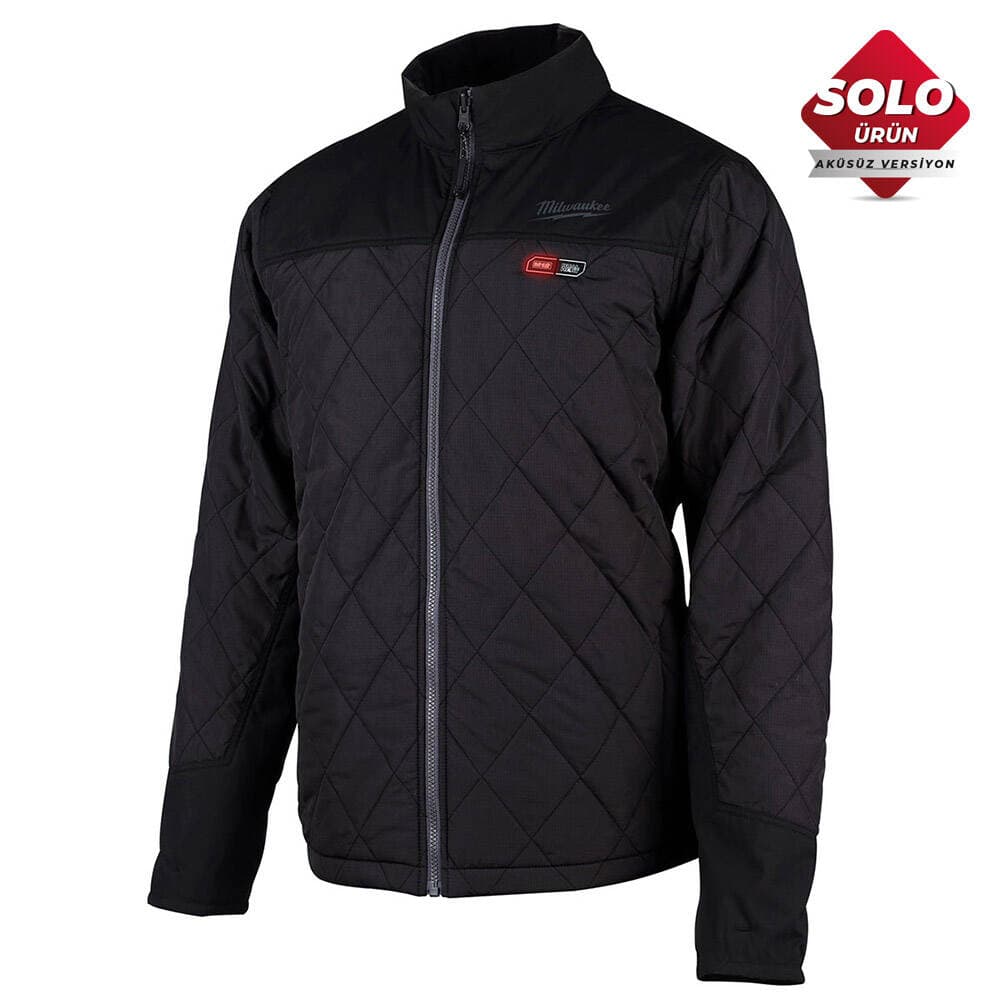
Milwaukee M12 HJP-0 Cordless Heated Puffer Mont XL Size
Milwaukee · Heated Workwear
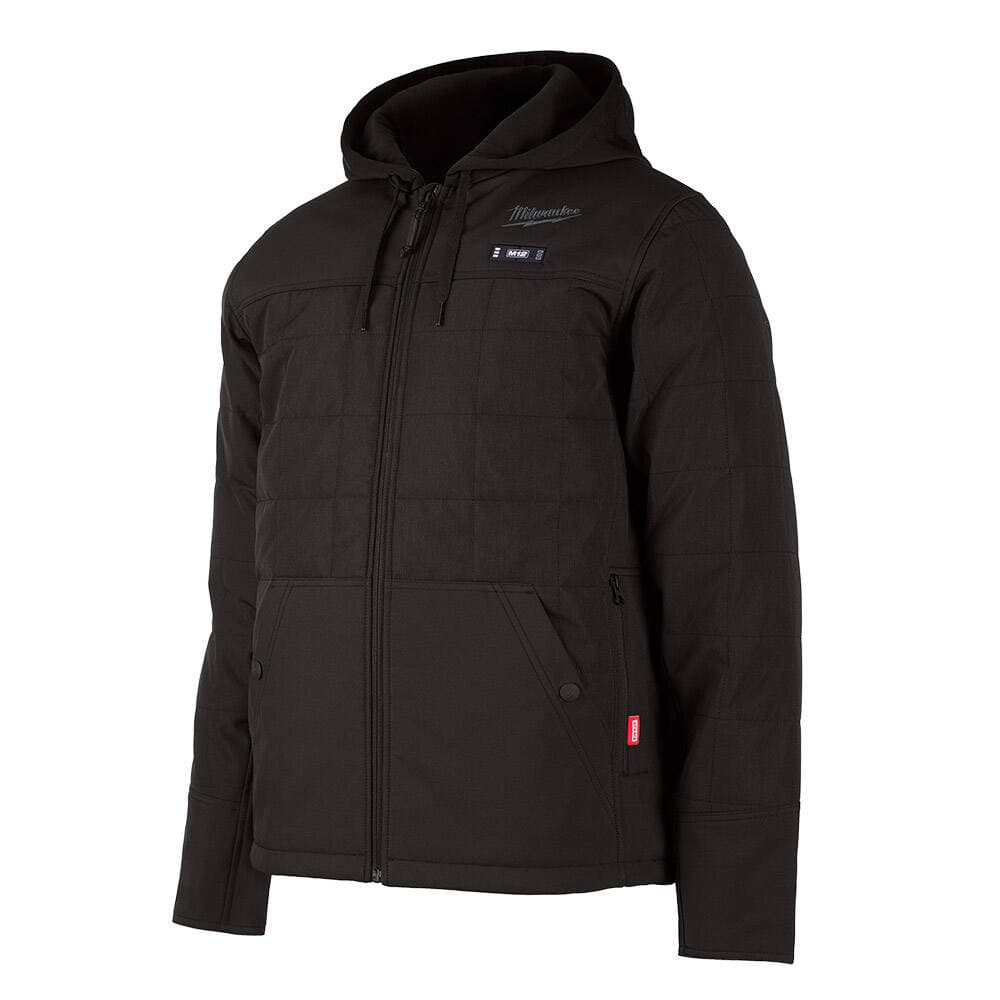
Milwaukee M12 HPJBL12-0(L) Heated Puffer Black Hooded Mont
Milwaukee · Heated Workwear
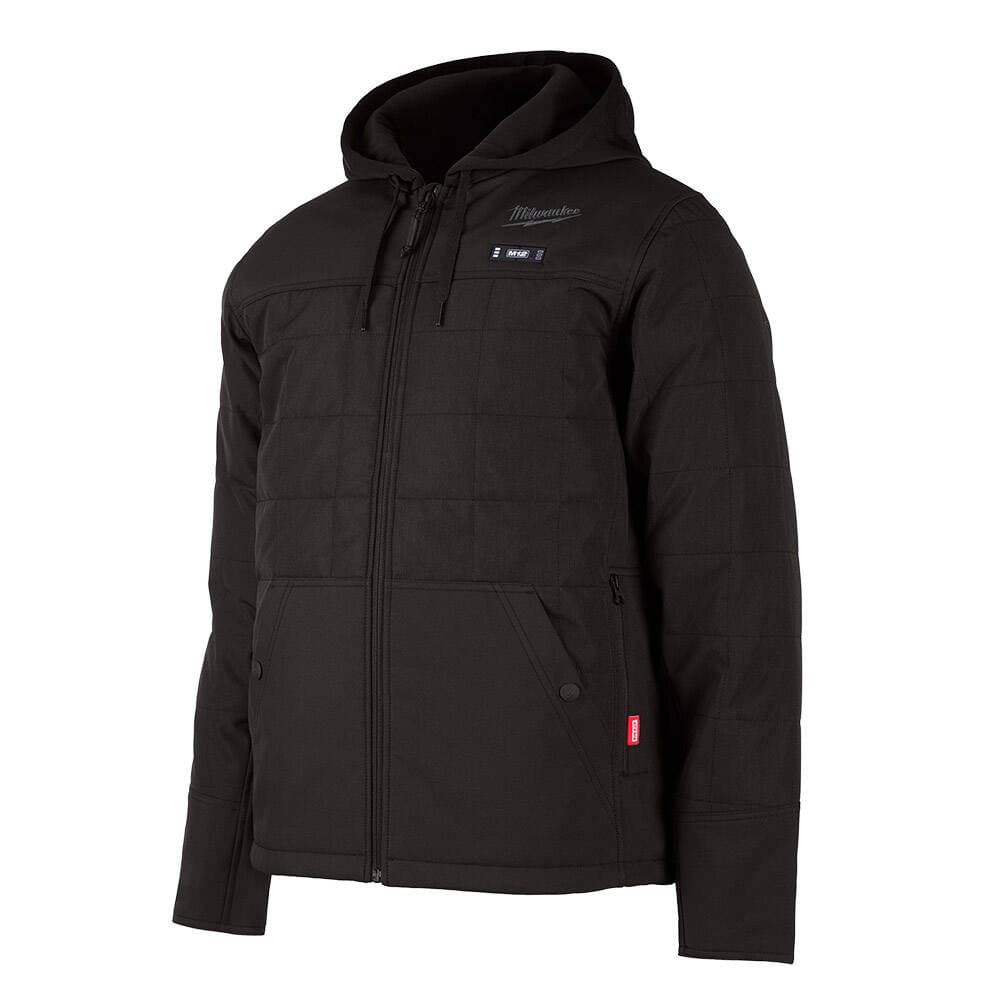
Milwaukee M12 HPJBL12-0(M) Heated Puffer Black Hooded Mont
Milwaukee · Heated Workwear
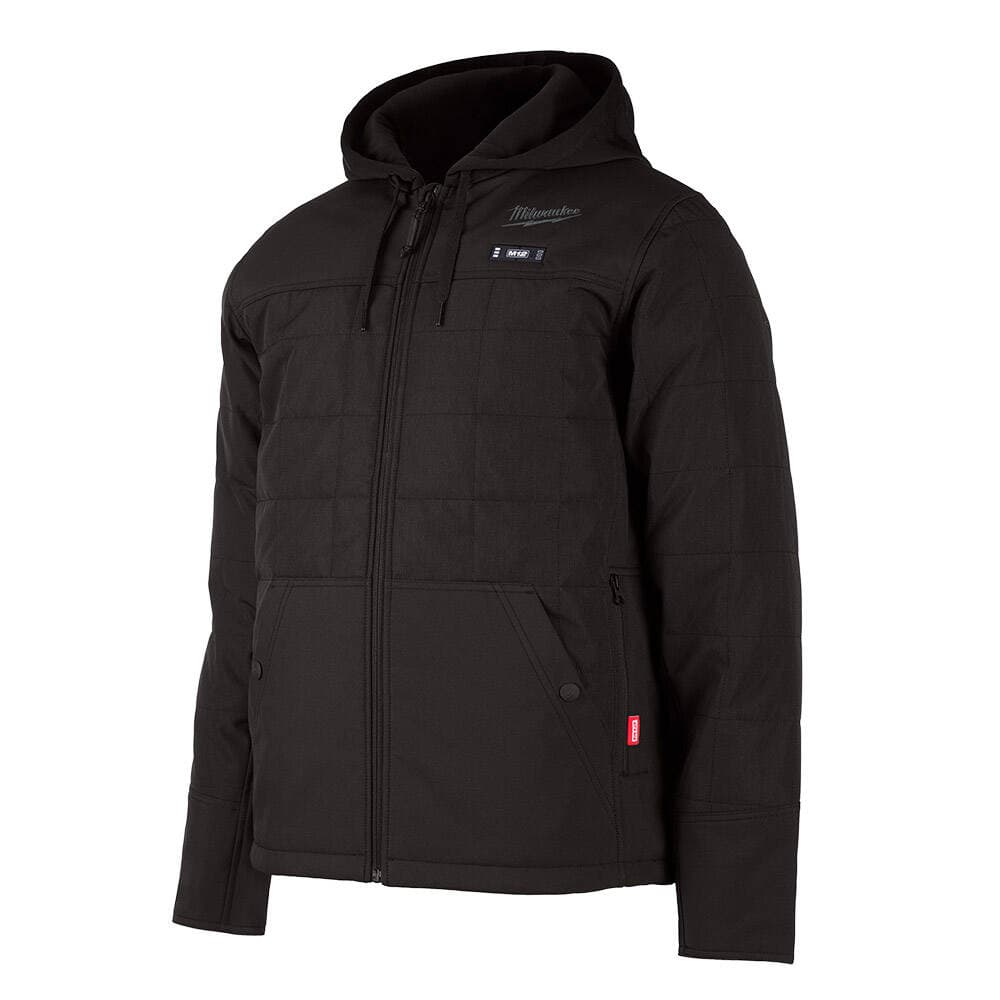
Milwaukee M12 HPJBL12-0(S) Heated Puffer Black Hooded Mont
Milwaukee · Heated Workwear
1–24 of 31 · page 1 / 2
How it works and what to choose
Carbon fibre heat zones built into the garment run from an M12 battery and are set in steps from a button on the garment. The zones are typically at the chest, back and lower back; vests warm the core and leave the arms free, while jackets also work as an outer layer against wind.
Three things decide the choice: garment type (vest, jacket, fleece, puffer), outer layer properties (wind and water resistance) and size. Sharing the battery platform with power tools removes the need to carry a separate battery system on site; on most models the battery and charger are supplied separately.
- Vest: core heat, arms free — can be worn under a layer.
- Jacket: outer layer, windproof, with heat zones.
- Fleece: mid layer, for work moving between indoors and out.
- Puffer: the highest insulation, for hard cold.
- Battery and charger sold separately on most models.
Frequently Asked Questions
How long does heated clothing run?
It depends on the battery capacity and the heat setting; a low setting typically covers a shift, while the highest setting shortens the runtime considerably.
Does the battery come with the garment?
On most models it is supplied separately. If you already run tools on the same M12 platform, your existing batteries work.
Vest or jacket?
A vest warms the core, leaves the arms free and can go under a jacket; a jacket works as an outer layer against wind. In hard cold, puffer models give the highest insulation.
Can it be washed?
With the battery removed and following the manufacturer's instructions. The heat zones and wiring are inside the garment, so hot washes and tumble drying are not advised.