Categories
Respirators
The class of a dust mask sets the proportion of particles captured and the leakage allowed — but on site what really decides is the face seal. This page covers the FFP classes, what a valve and activated carbon do, and when a mask is replaced. The catalogue holds 20 models from Era and Milwaukee.
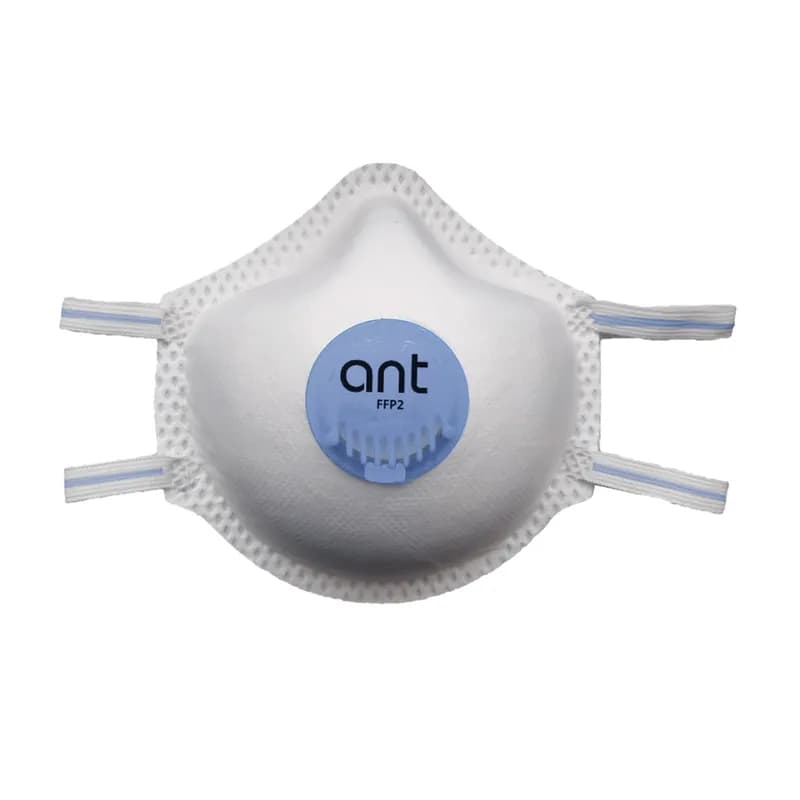
Ant Toz Maskesi Ventilli FFP2 (Y21V)
Respirators
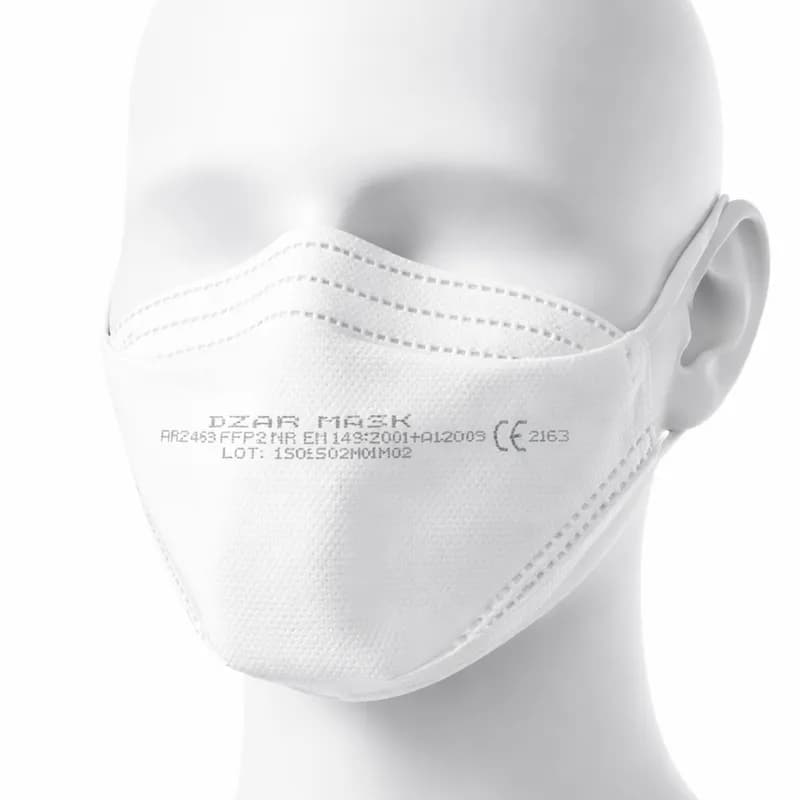
Dzar Toz Maskesi Katlanır FFP2 (AR2469)
Respirators
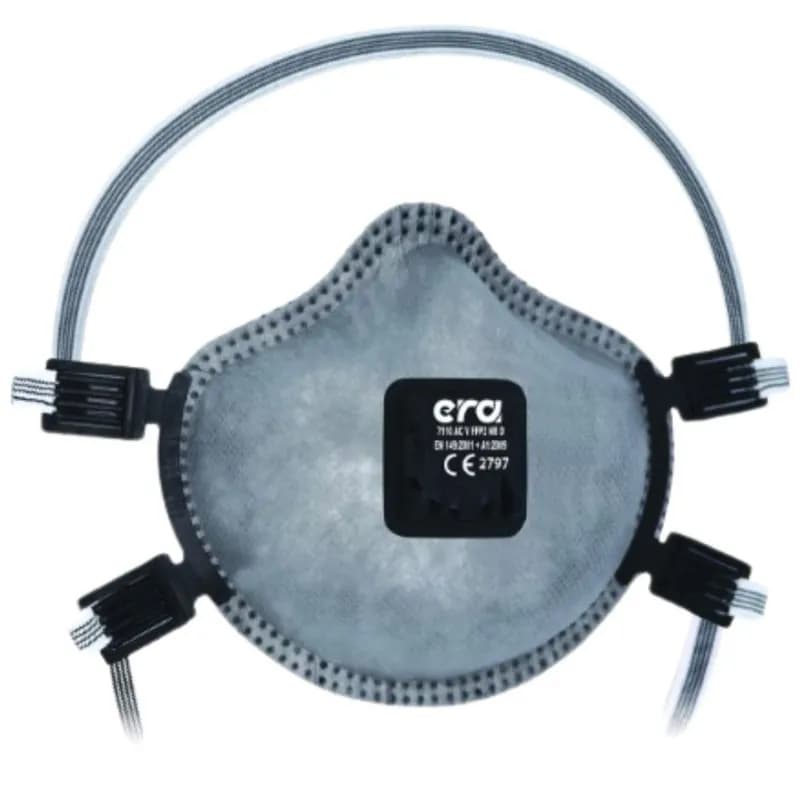
ERA Solunum Maskesi Aktif Karbon FFP2 KOD:7110
ERA · Respirators
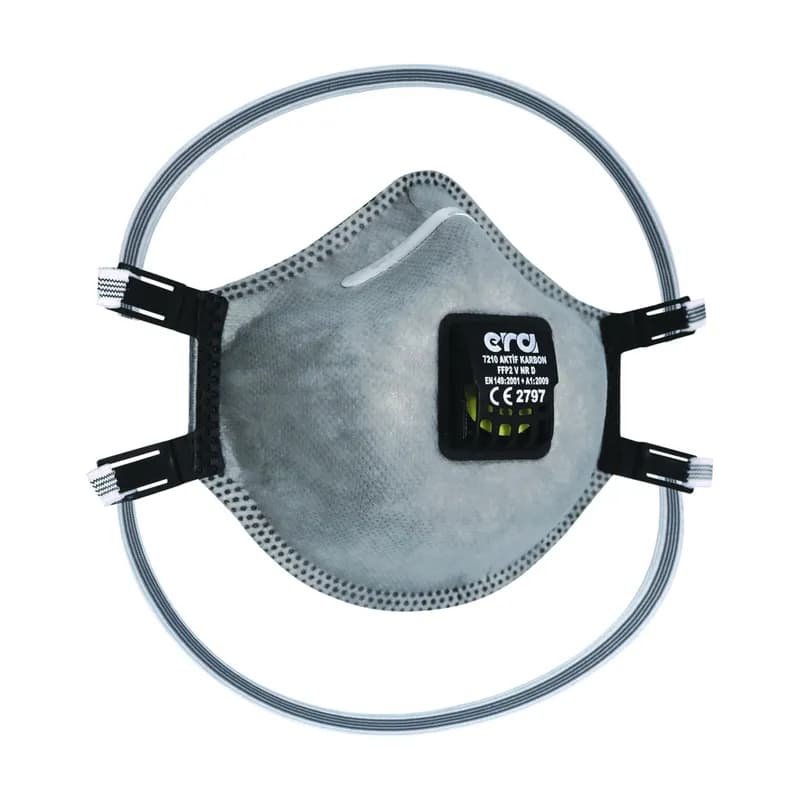
ERA Solunum Maskesi Aktif Karbon FFP2 KOD:7210
ERA · Respirators
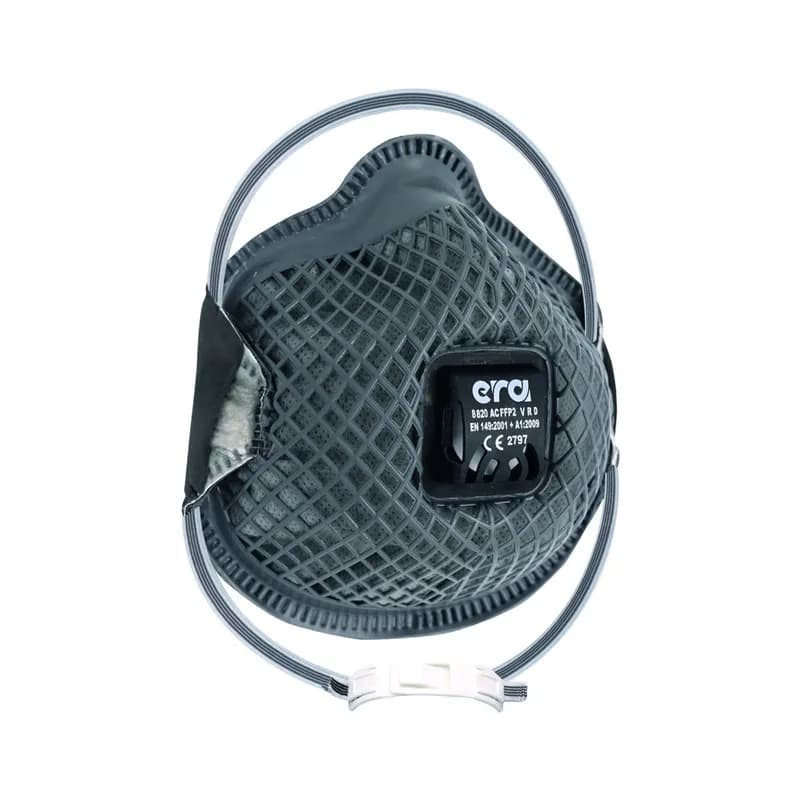
ERA Solunum Maskesi Aktif Karbon FFP2 KOD:8820
ERA · Respirators
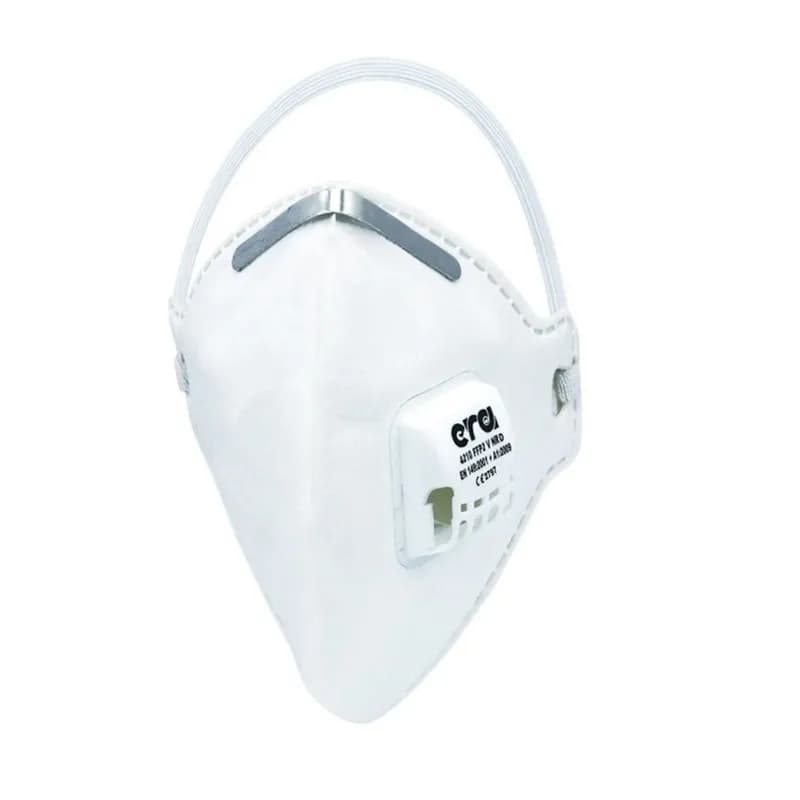
ERA Solunum Maskesi Dikey Katlanır FFP2 KOD:4210
ERA · Respirators
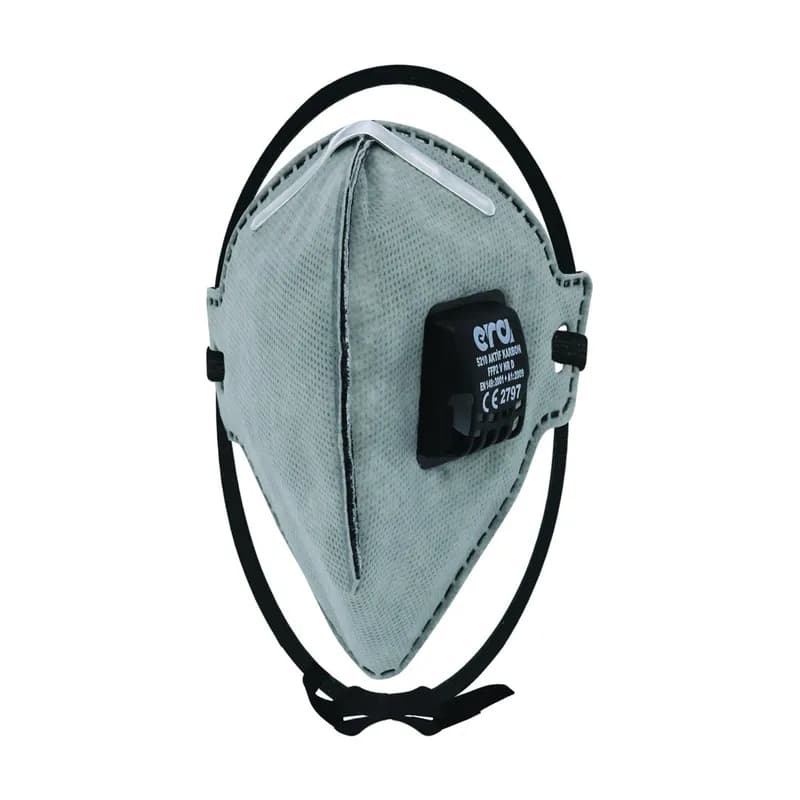
ERA Solunum Maskesi Dikey Katlanır FFP2 KOD:5210
ERA · Respirators
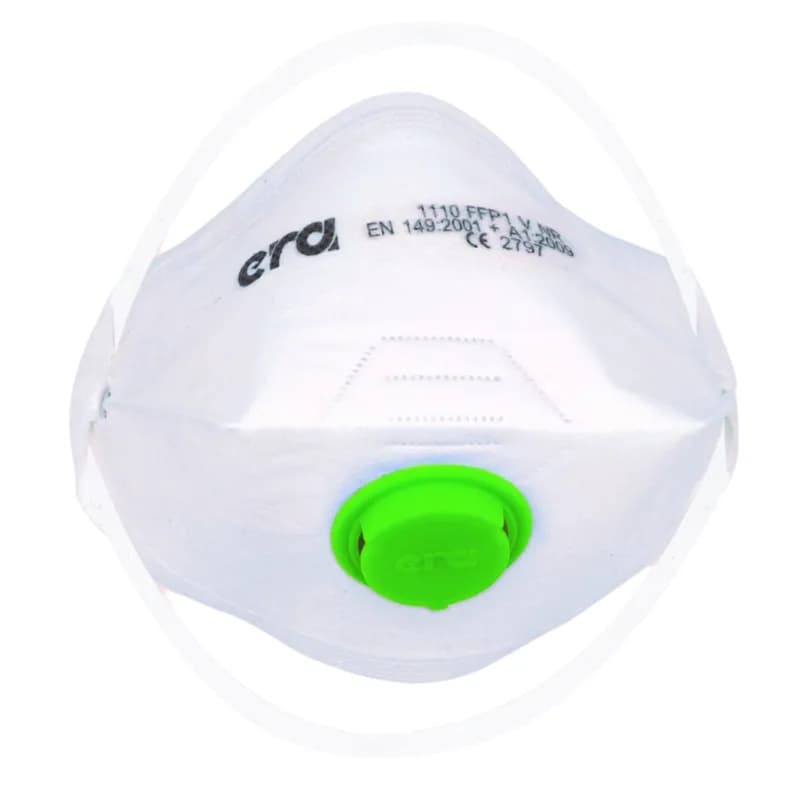
ERA Solunum Maskesi FFP1 KOD:1110
ERA · Respirators
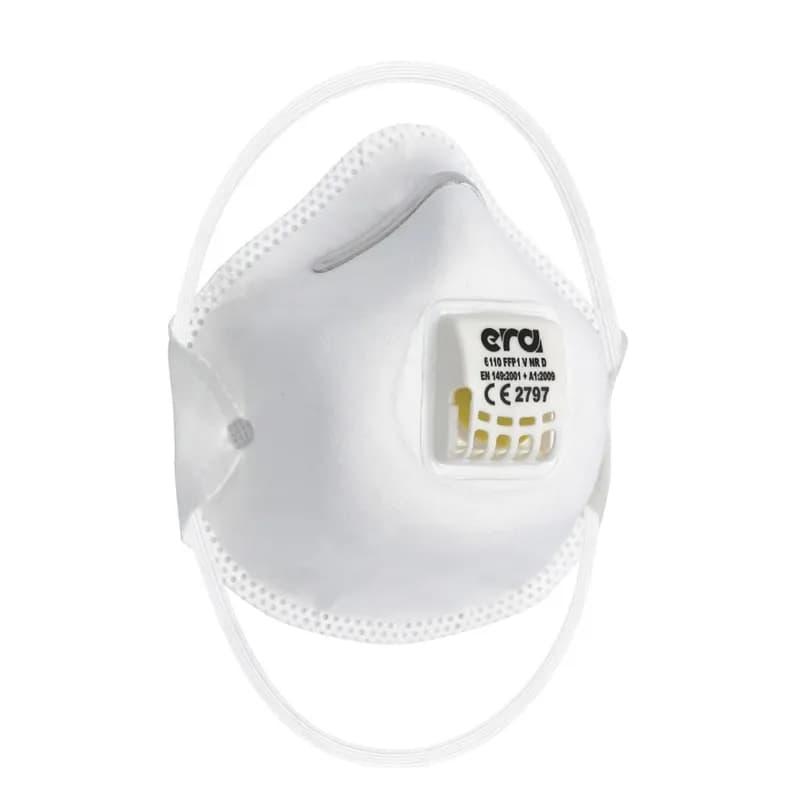
ERA Solunum Maskesi FFP1 KOD:6110
ERA · Respirators
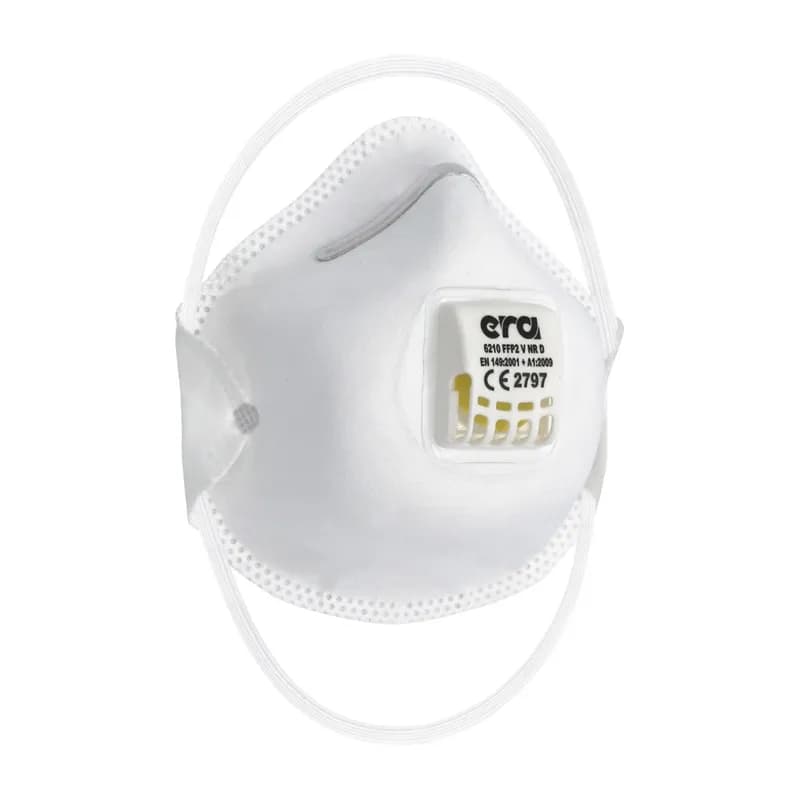
ERA Solunum Maskesi FFP2 KOD:6210
ERA · Respirators
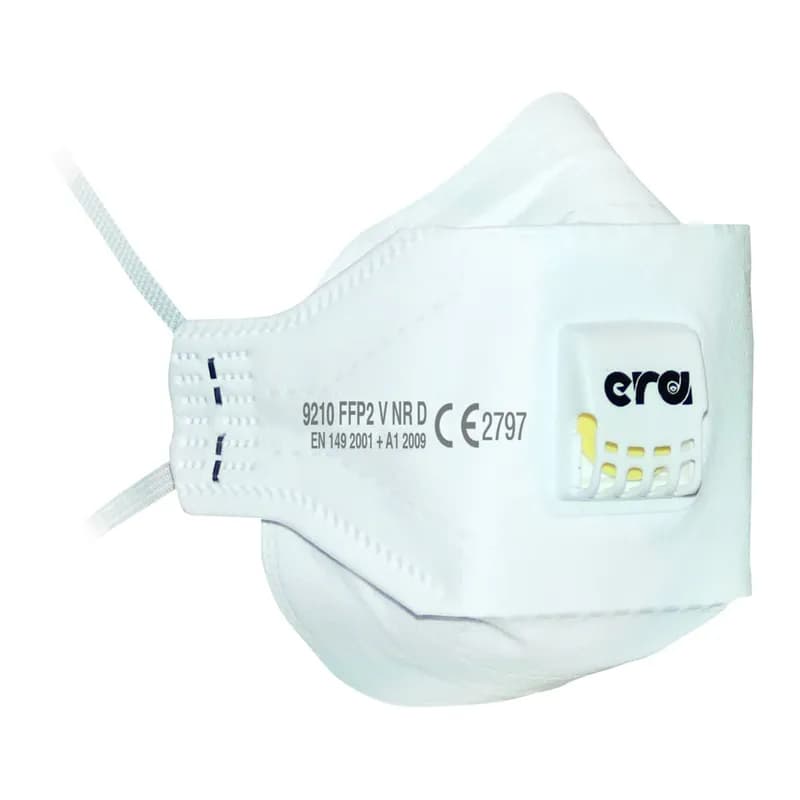
ERA Solunum Maskesi FFP2 KOD:9210
ERA · Respirators
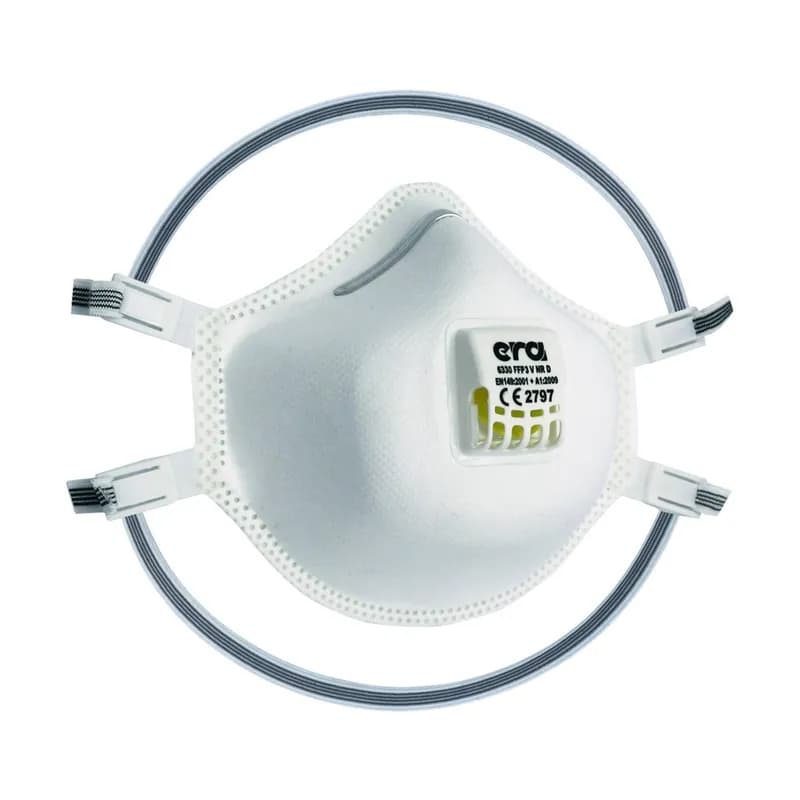
ERA Solunum Maskesi FFP3 KOD:6330
ERA · Respirators
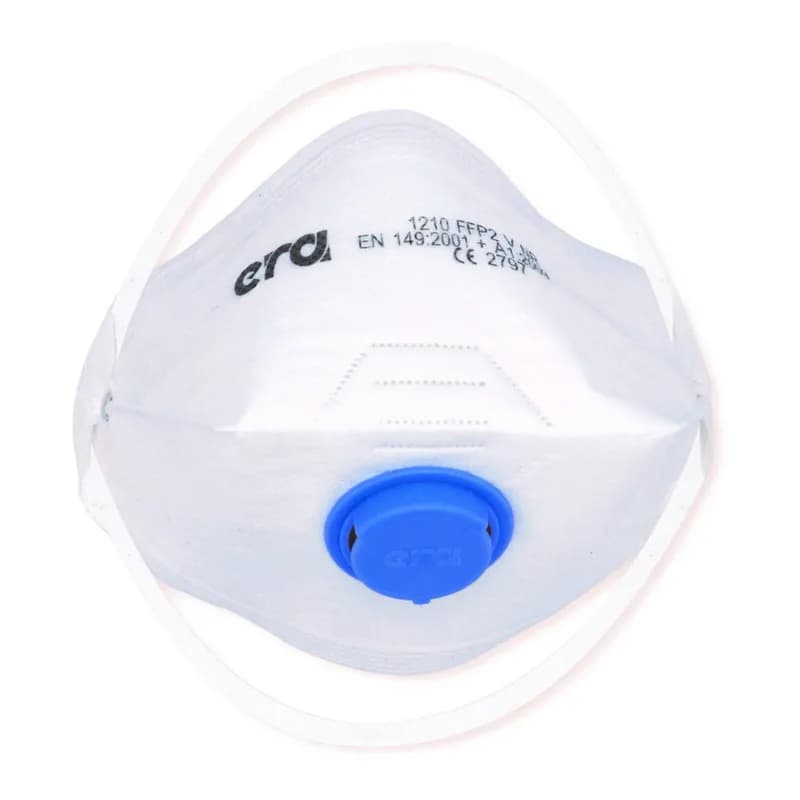
ERA Solunum Maskesi Katlanır FFP2 KOD:1210
ERA · Respirators
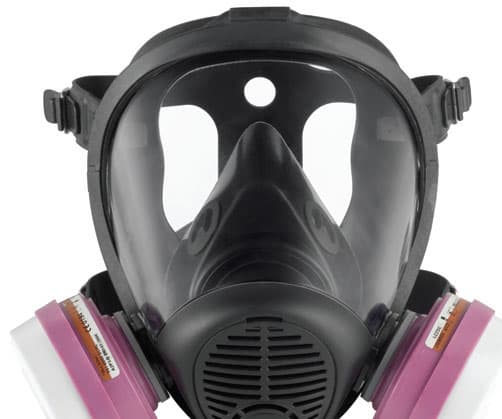
Sperıan Optıfıt Twın Tam Yüz Maskesi
Honeywell · Respirators
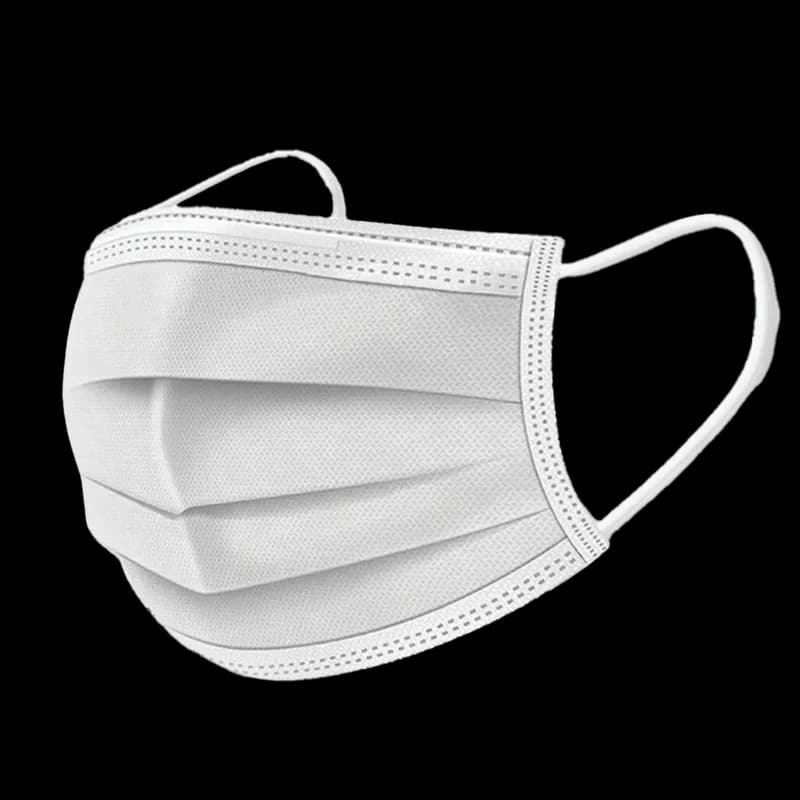
Üç Katlı Medikal Maske Beyaz (Kutu 50 adet)
Respirators
Üç Katlı Medikal Maske Siyah (Kutu 50 adet)
Respirators
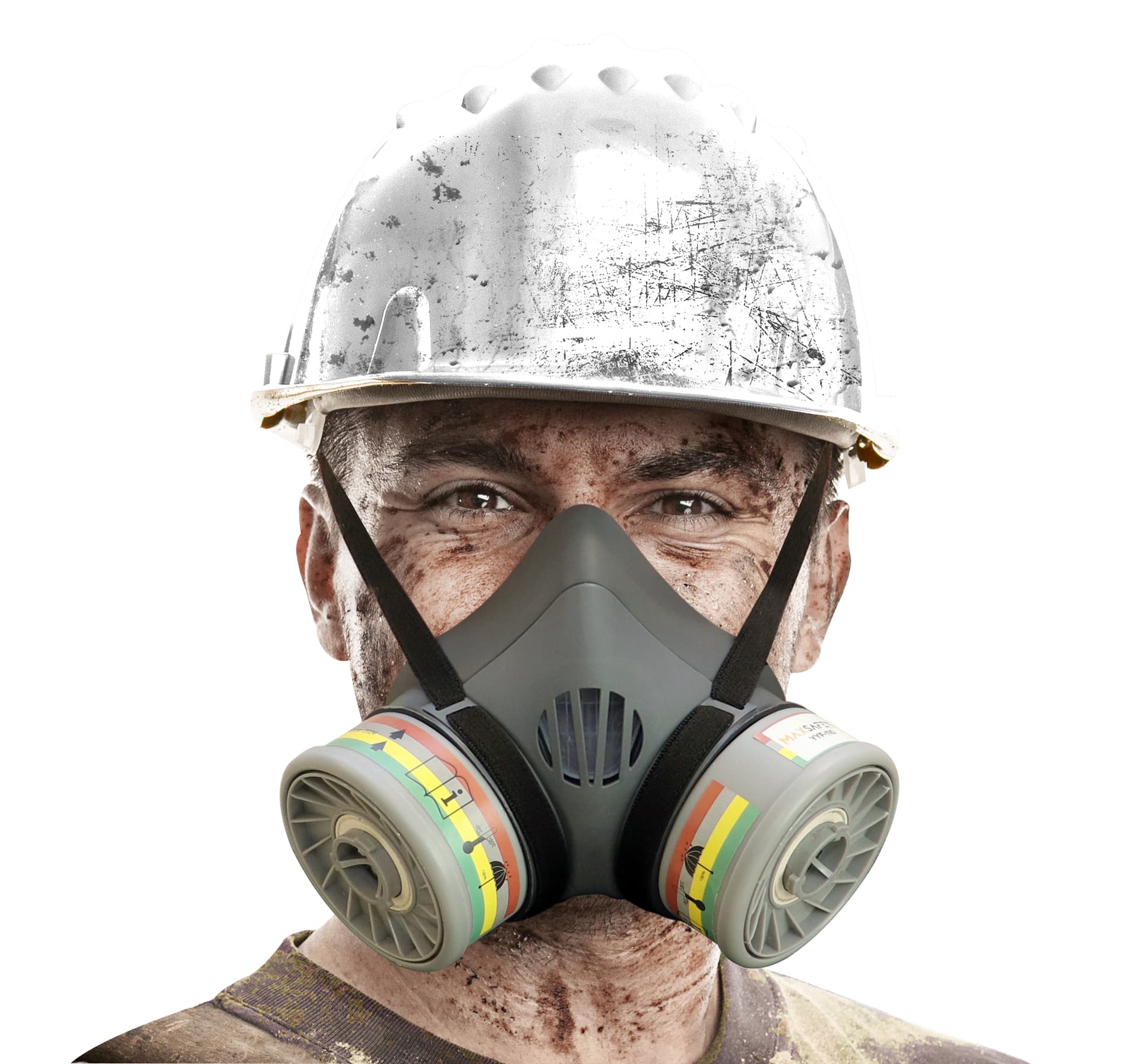
Yarım Yüz Maskesi Seti YYM - 100+YYF - 110
Max Safety · Respirators
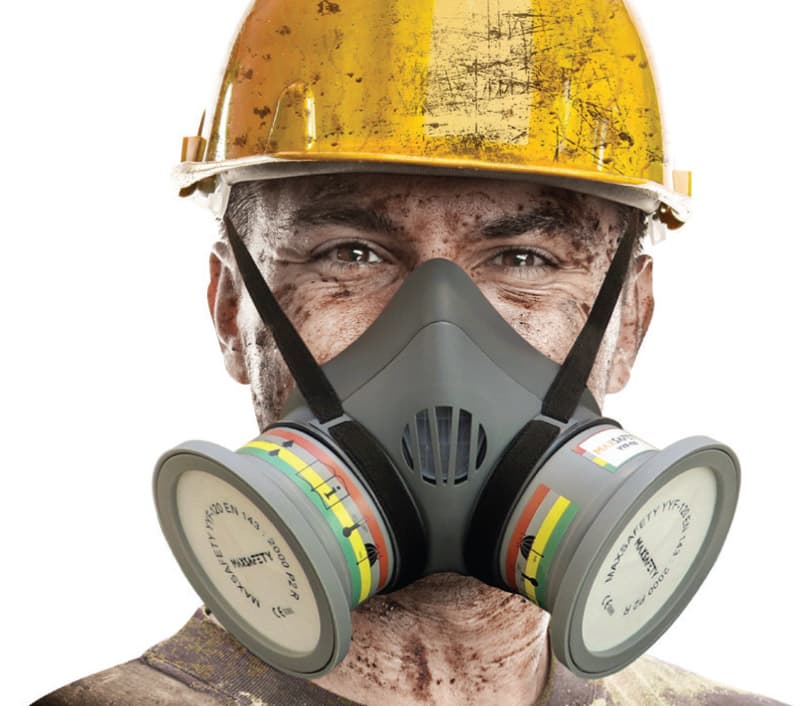
Yarım Yüz Maskesi Seti YYM - 100+YYF - 110+YYF - 120
Max Safety · Respirators
Yarım Yüz Maskesi
Max Safety · Respirators
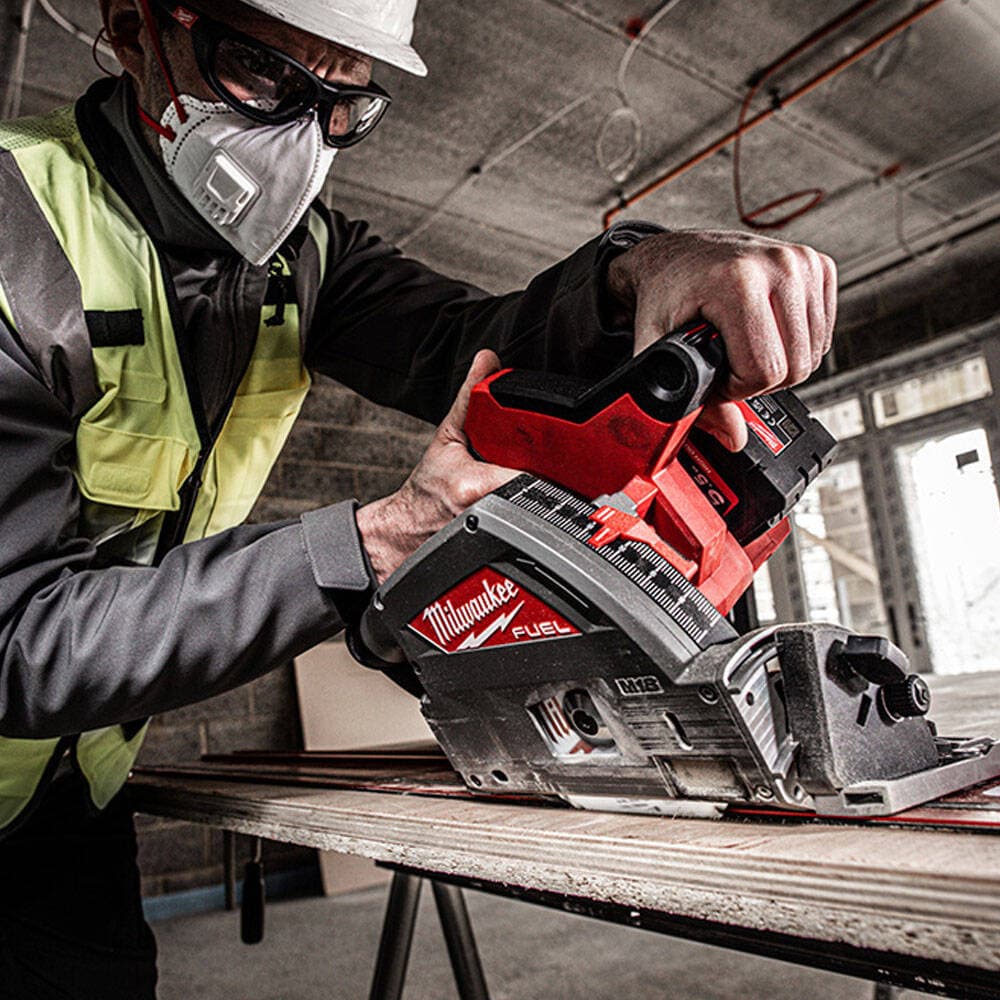
Milwaukee 15'li FPP2 Valfli Katlanabilir Solunum Maksesi
Milwaukee · Respirators
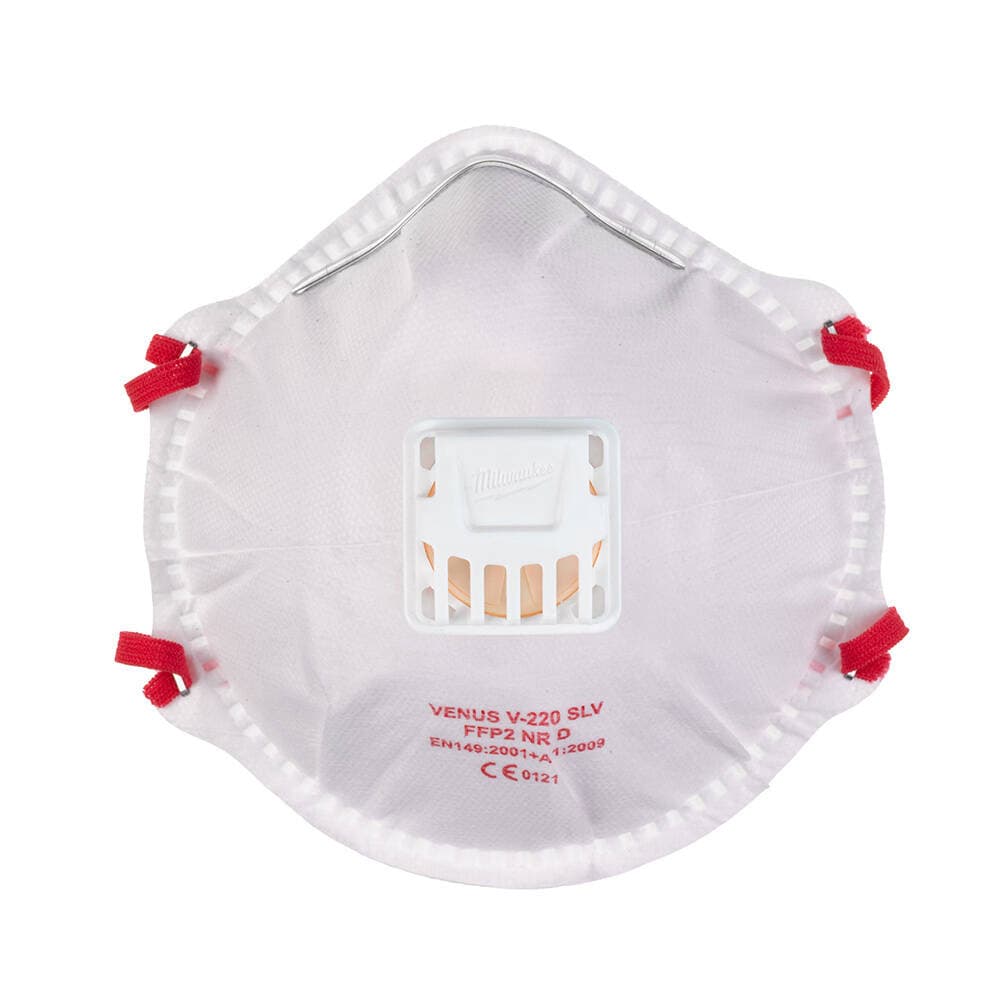
Milwaukee FPP2 Valfli Solunum Maksesi - 10'lu
Milwaukee · Respirators
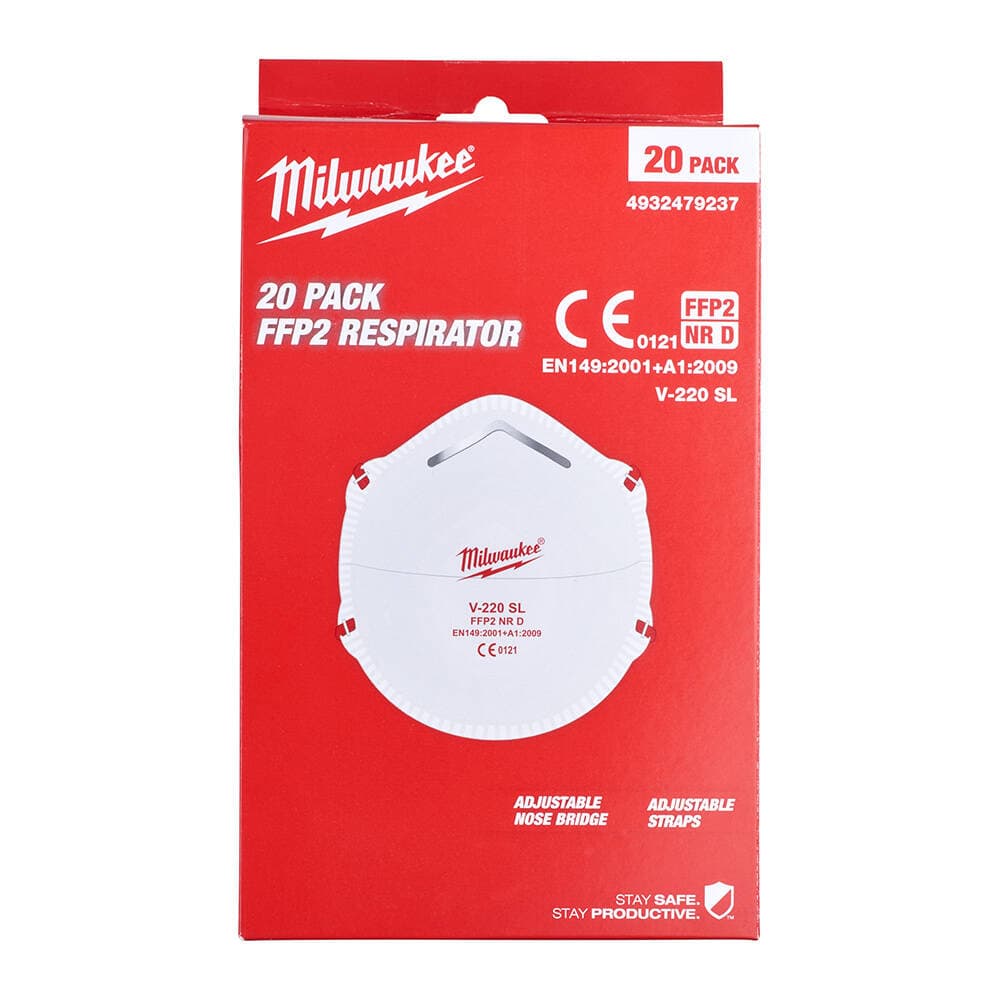
Milwaukee FPP2 Solunum Maskesi - 20'li
Milwaukee · Respirators
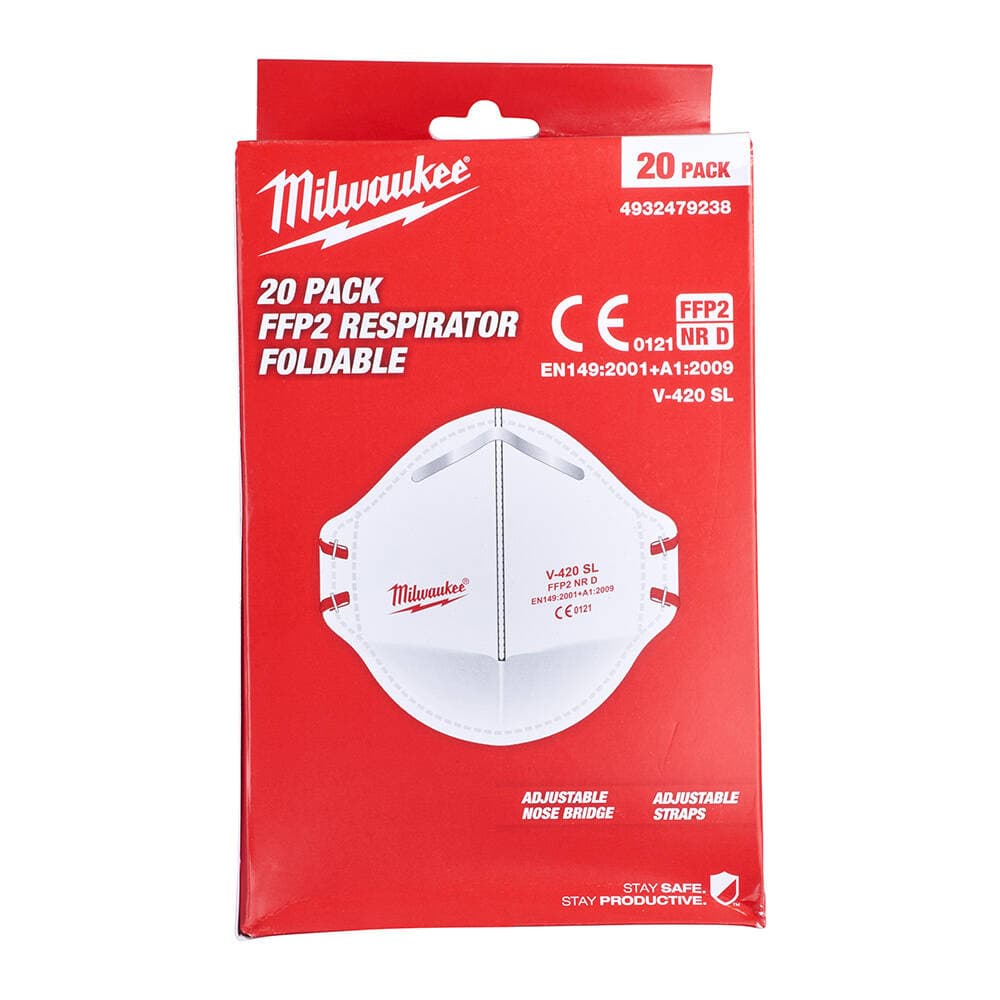
Milwaukee FPP2 Katlanabilir Solunum Maskesi - 20'li
Milwaukee · Respirators
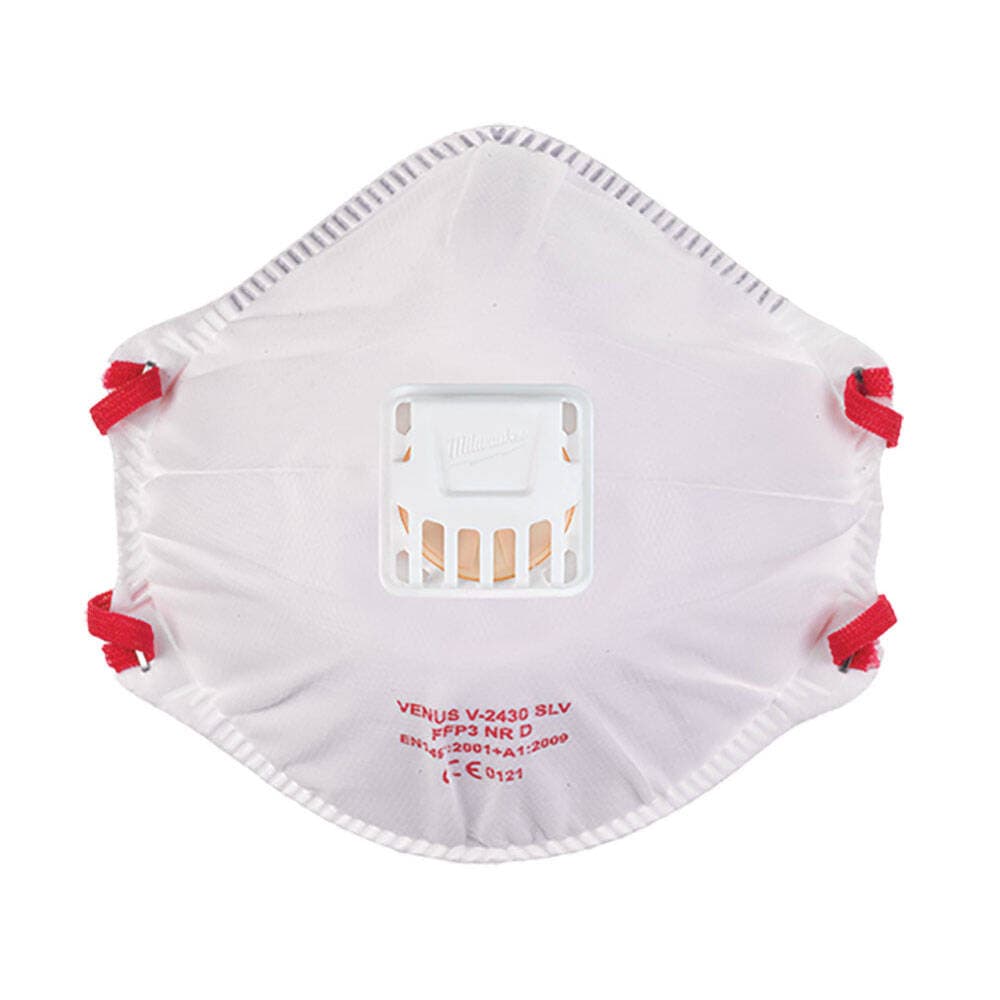
Milwaukee FPP3 Valfli Solunum Maskesi - 10'lu
Milwaukee · Respirators
1–24 of 26 · page 1 / 2
FFP classes and which dust wants which
EN 149 defines three classes. FFP1 is for coarse, mechanically generated nuisance dust. FFP2 captures most fine dust and is the standard for construction, cutting, grinding and plasterboard work. FFP3 is the highest filtration class and is required for silica, mould, lead and toxic dusts.
The class describes the filter only; the protection depends on the face seal. A beard, the wrong size or a slack strap will drop an FFP3 mask below FFP1 in practice. That is why the model — foldable, cup-shaped, adjustable nose clip — matters as much as the class.
| Class | Where |
|---|---|
| FFP1 | Coarse dust, sweeping, light work |
| FFP2 | Construction, cutting, grinding, plasterboard |
| FFP3 | Silica, mould, lead, toxic dusts |
Valves, activated carbon and service life
A valve lowers the resistance on exhaling and makes a real difference to comfort in heat and over long wear. But a valved mask does not filter the exhaled air — where the point is to protect the people around the wearer, a non-valved model is required.
Activated carbon layers reduce odour and the unpleasant part of organic vapour, but they do not provide chemical vapour protection. Real gas and vapour protection needs a half or full face mask with filter cartridges. Disposable masks are replaced at the end of the shift, when damp, or when breathing resistance rises noticeably.
Frequently Asked Questions
Should I buy FFP2 or FFP3?
It follows the dust. FFP2 covers construction, cutting and grinding dust; silica, mould, lead and toxic dusts require FFP3.
Is a valved mask better?
It is more comfortable for the wearer and lowers exhalation resistance. But it does not filter the exhaled air, so where the point is to protect others a non-valved model should be chosen.
Does an activated carbon mask protect against chemical vapour?
No. Activated carbon reduces odour and nuisance organic vapour; real gas and vapour protection needs a half or full face mask with filter cartridges.
When should a mask be replaced?
At the end of the shift, when it becomes damp or deformed, or when breathing resistance rises noticeably. Disposable masks are not washed or reused.
Does a beard affect the mask?
Considerably. A beard prevents the mask sealing to the face and raises leakage; whatever the class, protection drops sharply.