Categories
Workwear
Workwear is about durability and comfort more than protection: reinforced seams, pocket layout and fabric decide how long a garment survives on site. The catalogue holds 12 Milwaukee products.
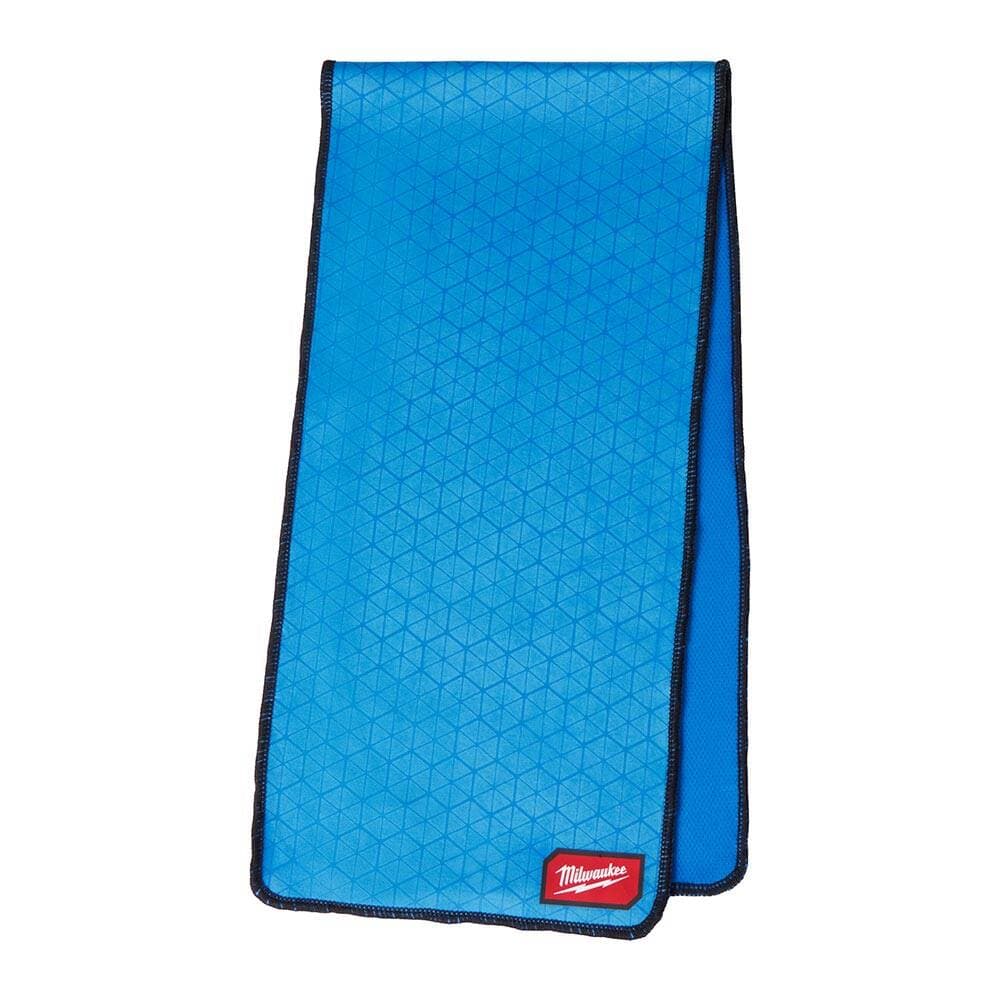
Milwaukee Mikrofiber Cooling Towel
Milwaukee · Workwear
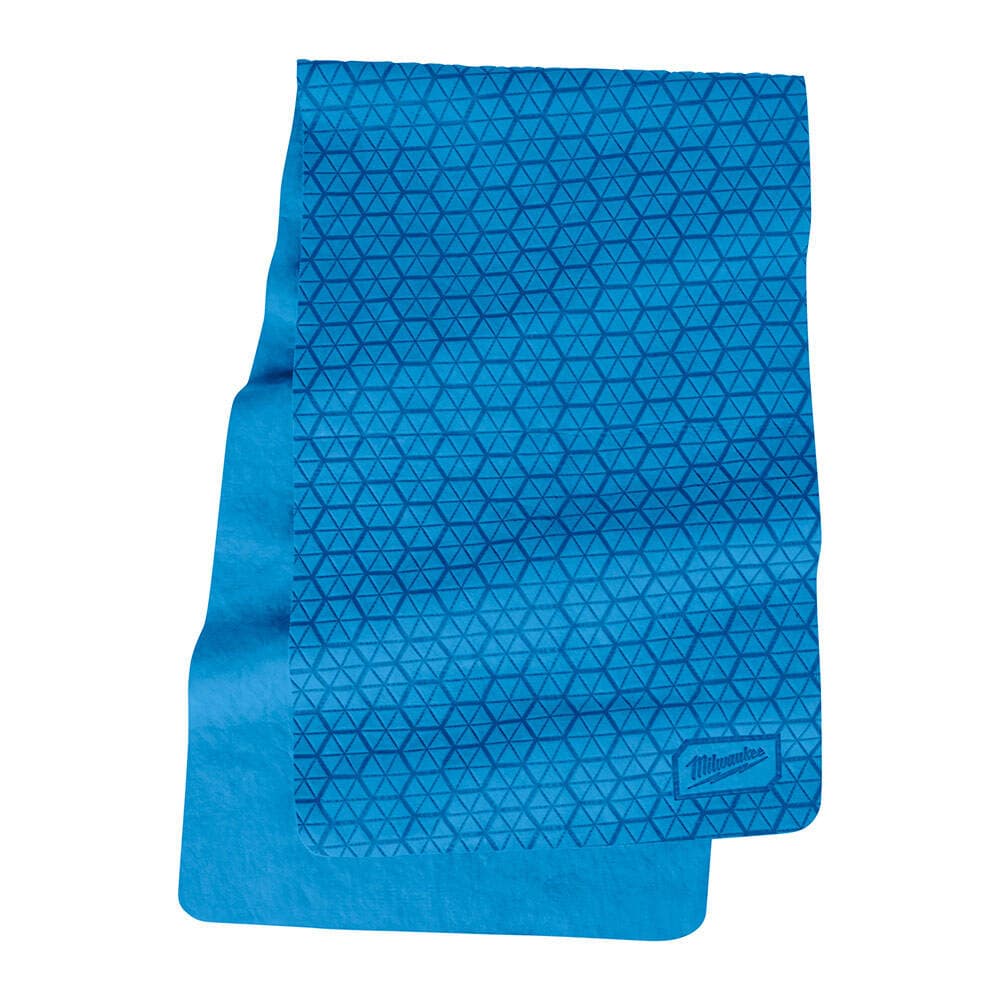
Milwaukee PVA Cooling Towel
Milwaukee · Workwear
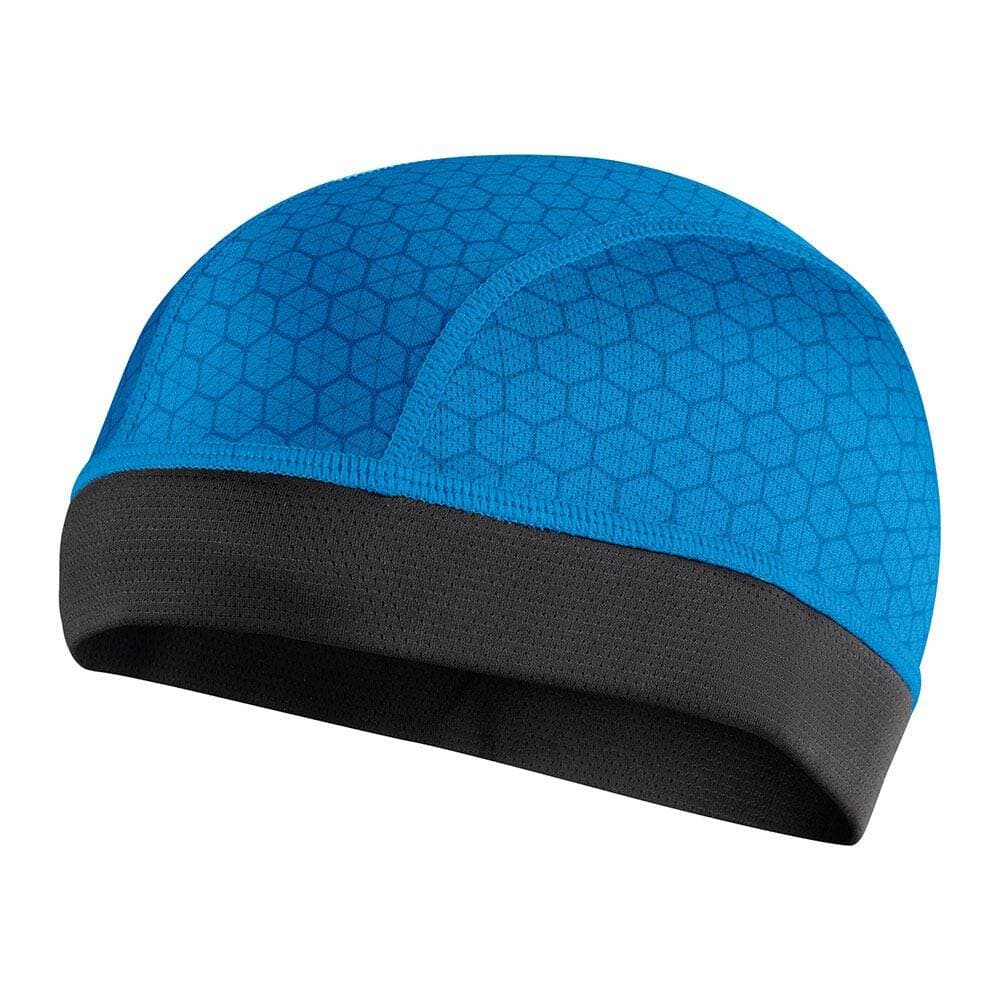
Milwaukee Cooling Hood
Milwaukee · Workwear
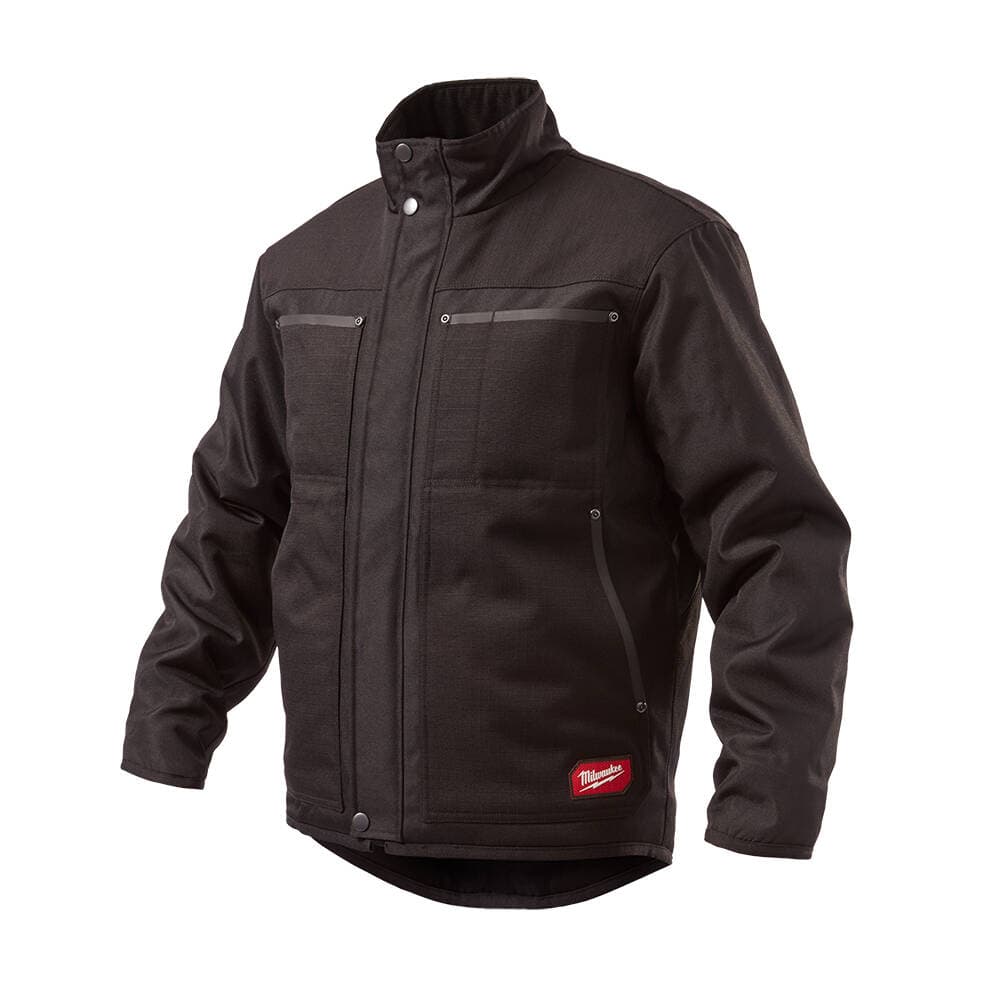
Milwaukee WGJCBL Work Jacket L Size
Milwaukee · Workwear
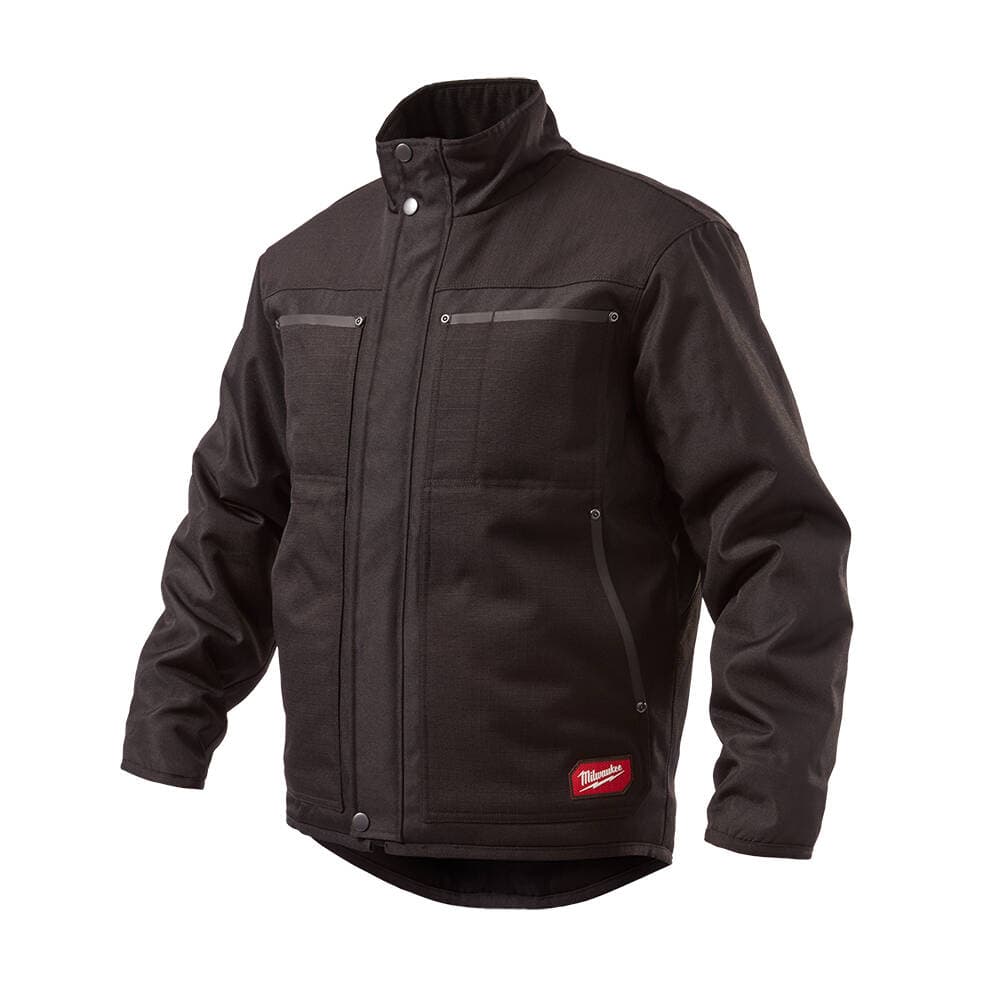
Milwaukee WGJCBL Work Jacket M Size
Milwaukee · Workwear
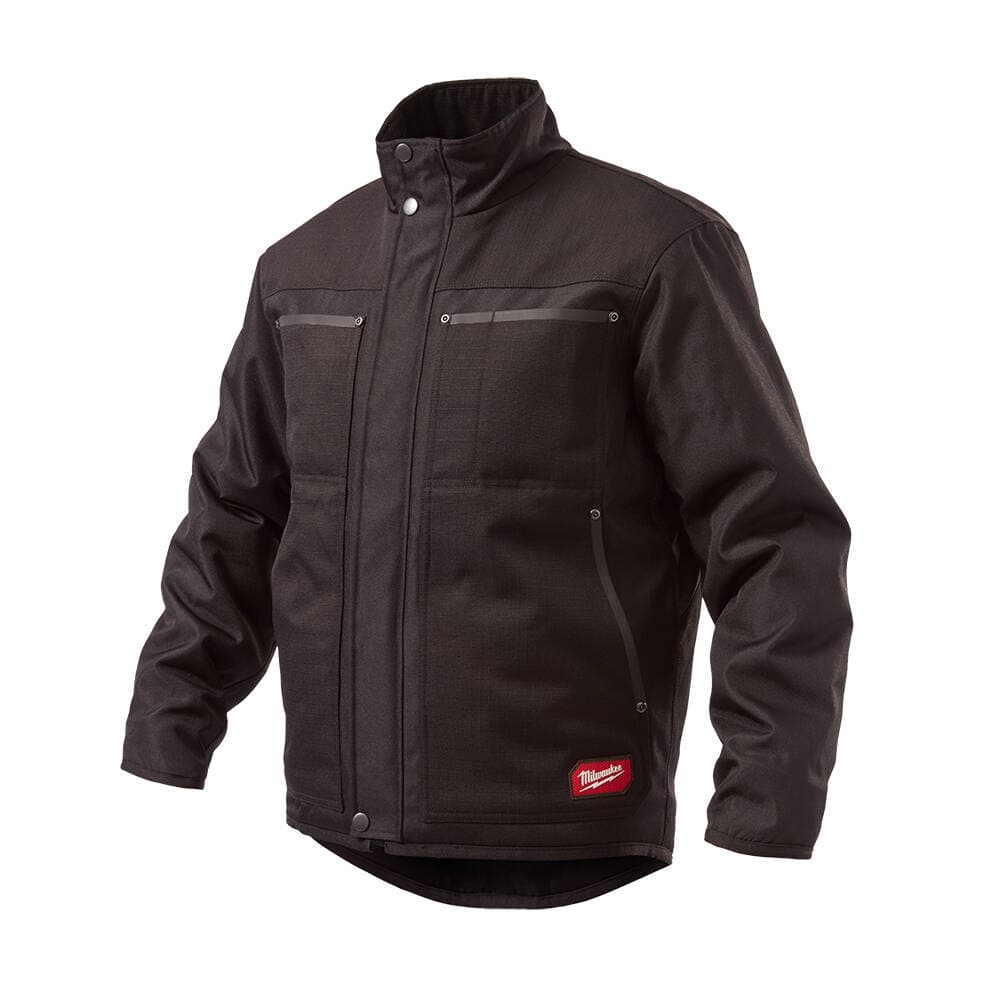
Milwaukee WGJCBL Work Jacket XL Size
Milwaukee · Workwear
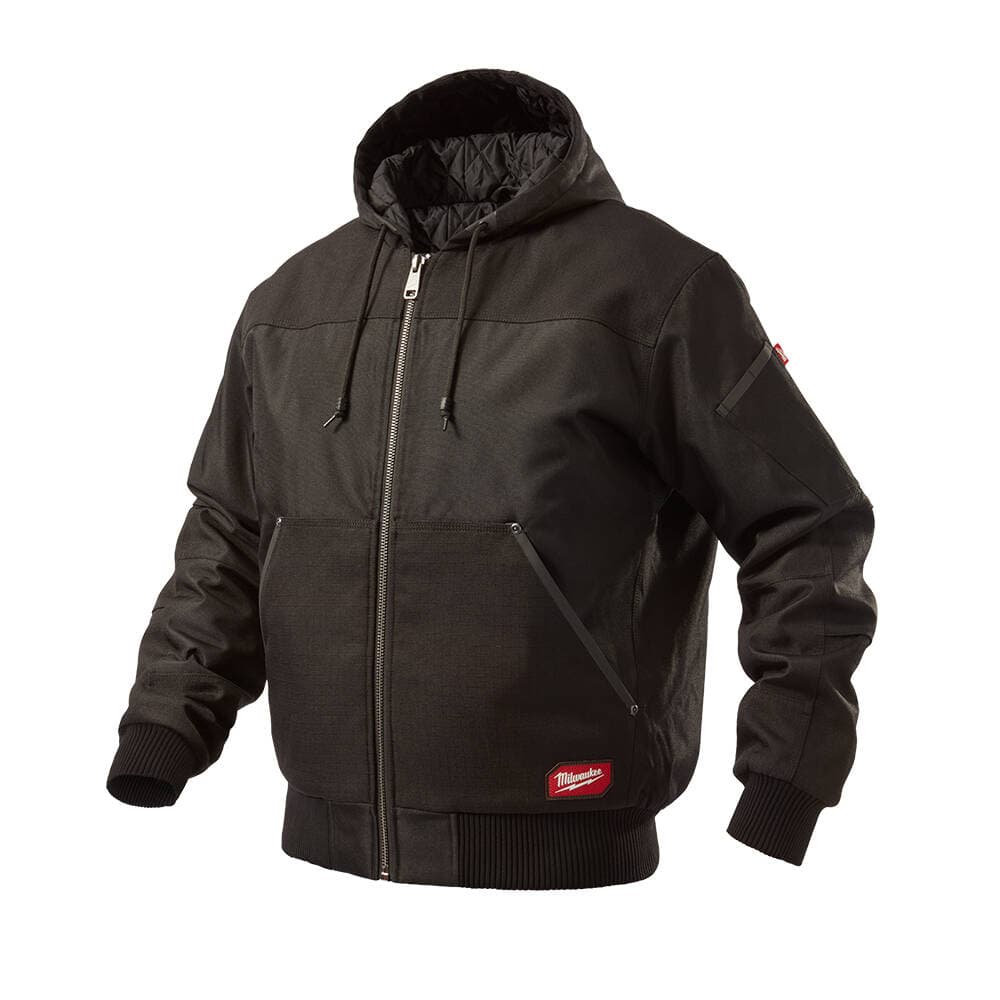
Milwaukee WGJHBL Hooded Work Jacket L Size
Milwaukee · Workwear
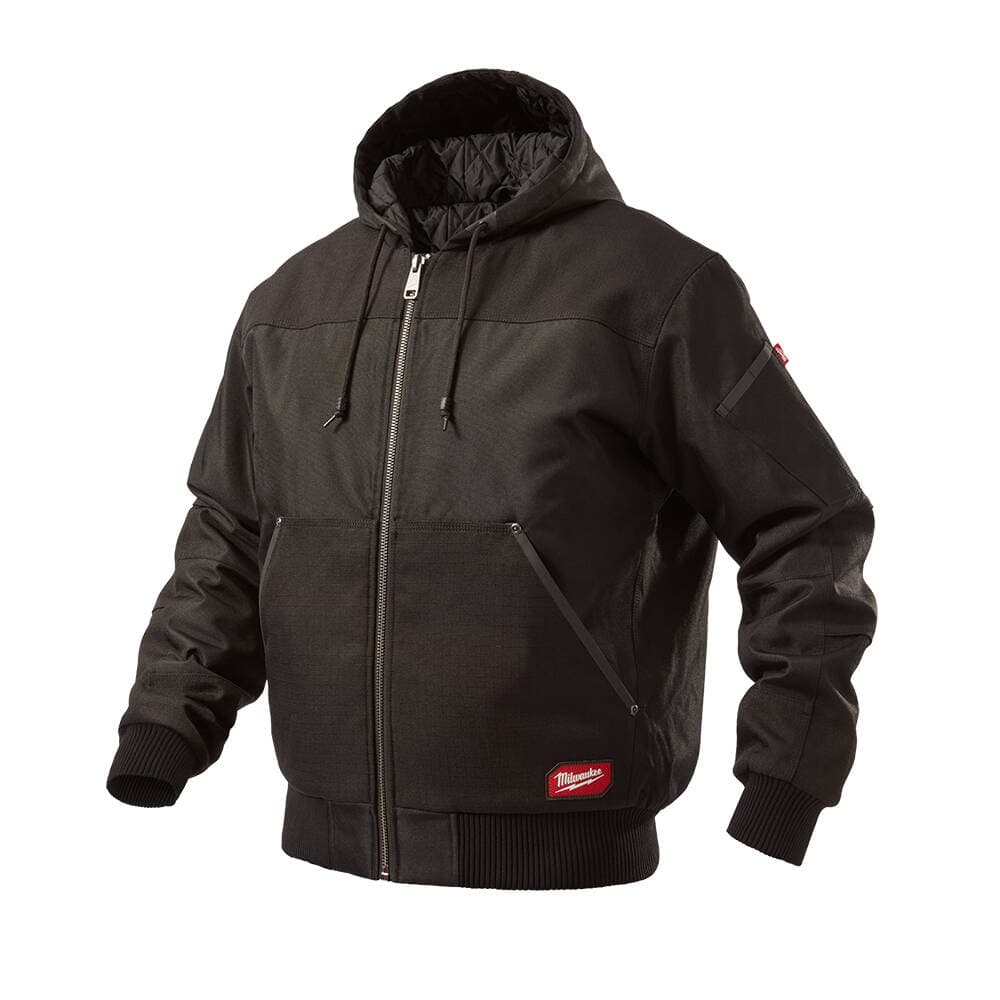
Milwaukee WGJHBL Hooded Work Jacket M Size
Milwaukee · Workwear
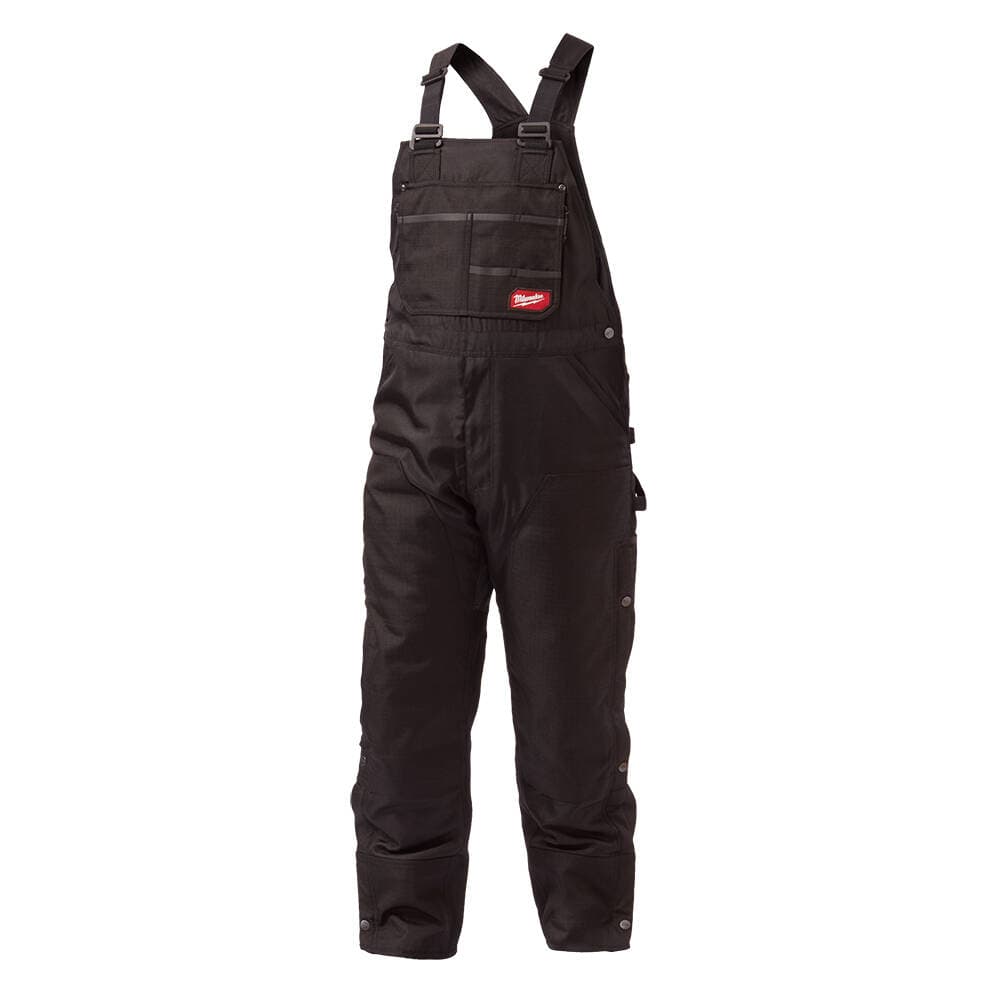
Milwaukee WGT-R Bib Trousers XXL Size
Milwaukee · Workwear
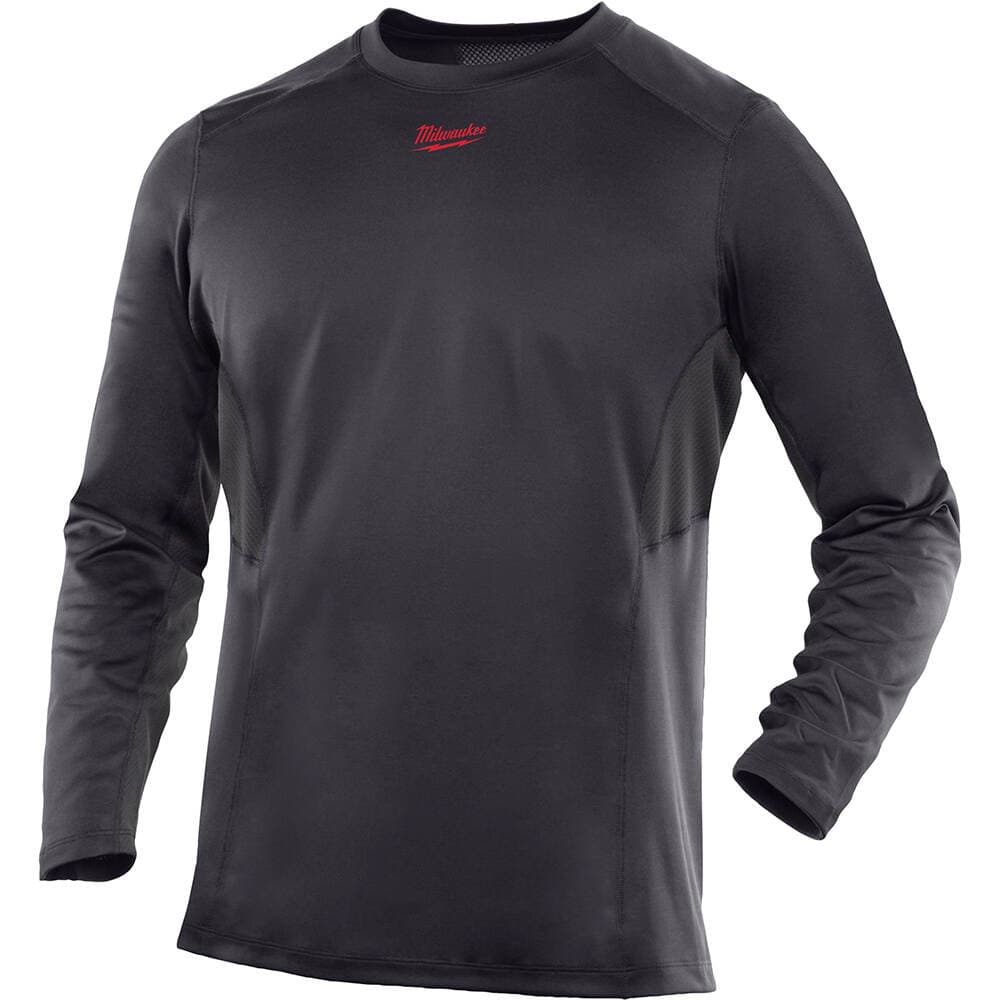
Milwaukee WORKSKIN™ CWBL Sweatshirt Grey L Size
Milwaukee · Workwear
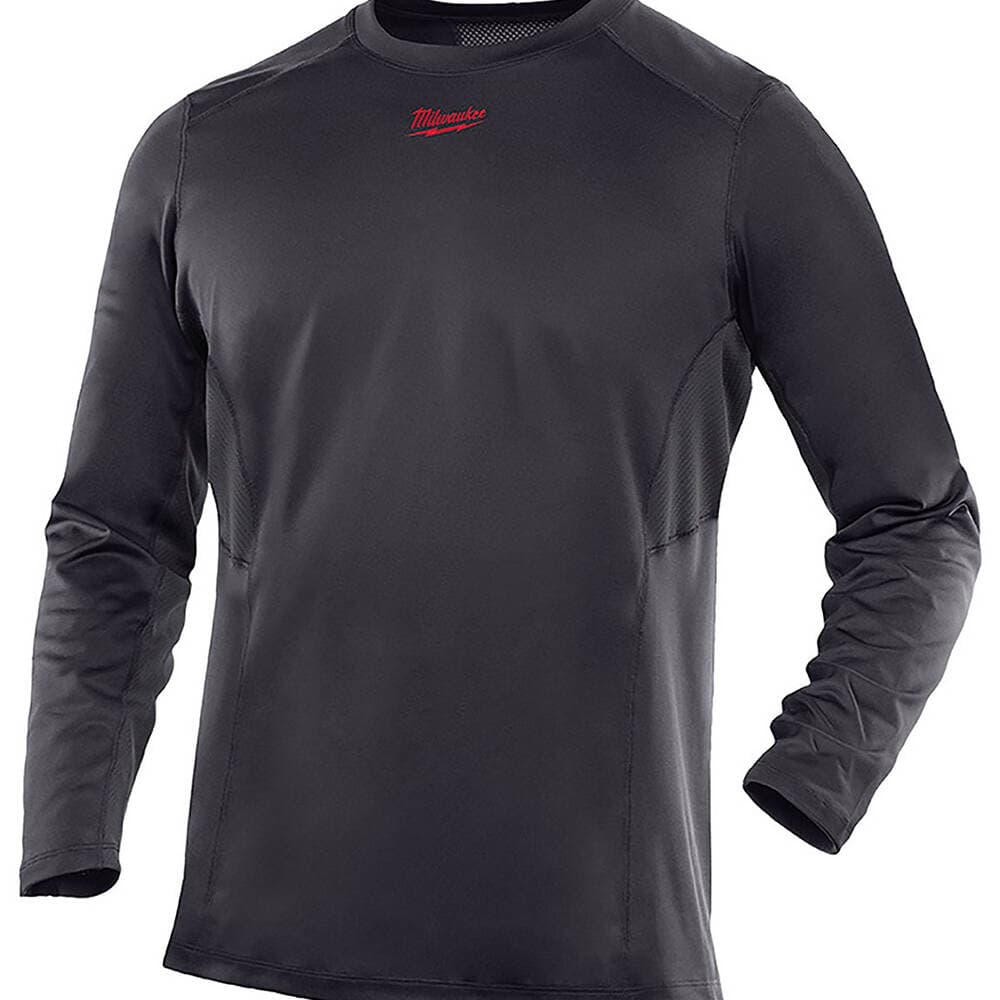
Milwaukee WORKSKIN™ CWBL Sweatshirt Grey M Size
Milwaukee · Workwear
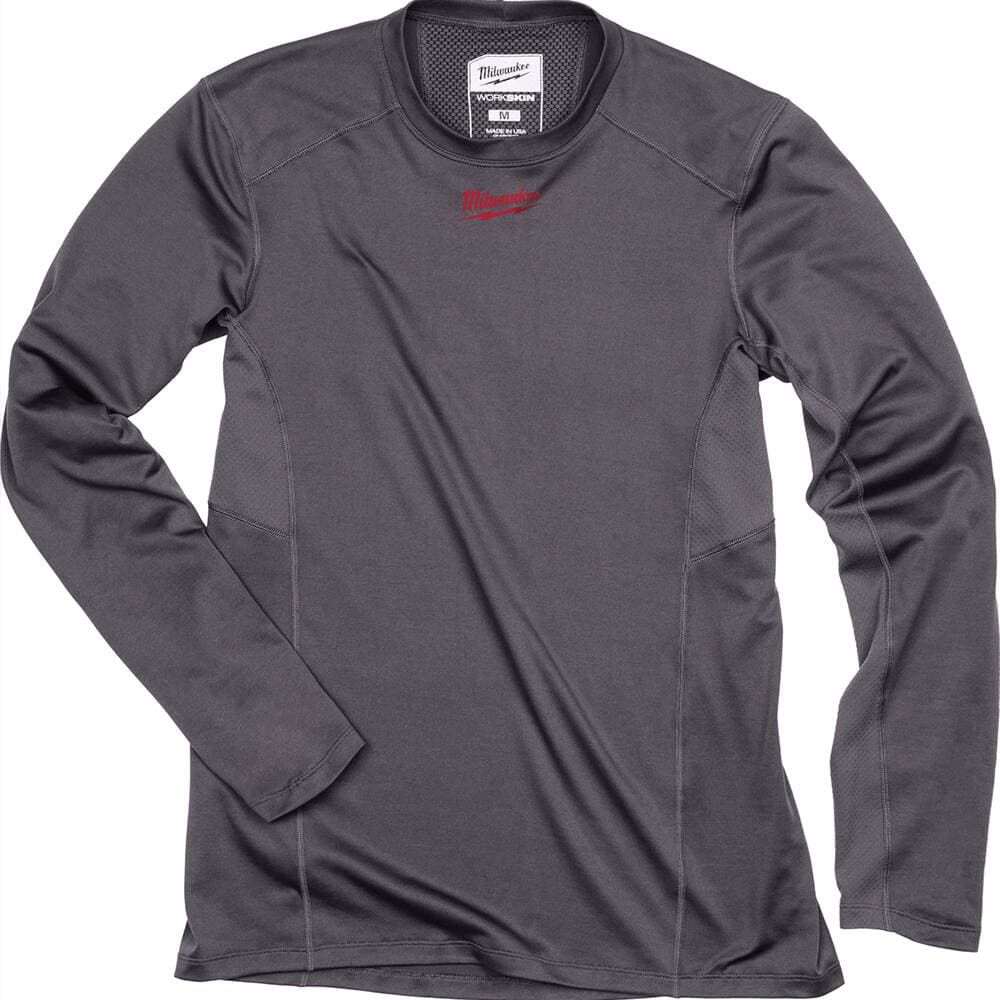
Milwaukee WORKSKIN™ CWBL Sweatshirt Grey XL Size
Milwaukee · Workwear
Layers and choice
Site clothing is built in layers: a base layer that moves moisture away from the skin (sweatshirt, technical base), a mid layer that holds heat, and an outer layer that stops wind and water. A site jacket is the outer layer; bib trousers work through a pocket layout built to carry tools and measuring gear.
In heat the problem reverses: cooling towels and headwear are wetted and cool by evaporation, easing heat stress in direct sun. They are not protective equipment, but they delay the loss of attention that heat brings.
Frequently Asked Questions
Does workwear count as PPE?
General workwear alone is not PPE; protection comes from certified properties added to it, such as a hi-vis class, cut resistance or flame retardancy. This group sits on the durability and comfort side.
How is size chosen?
Together with what goes underneath. An outer jacket is usually taken a size up, since it is worn over a mid layer and possibly a heated vest.
How does a cooling towel work?
Wetted, it cools its own surface as the water evaporates and draws heat from the neck or head it touches. For crews in direct sun it delays heat stress.
What is the advantage of bib trousers?
They spread the waist load onto the shoulders and keep the back covered when bending; the pockets are laid out to carry measuring gear and hand tools.