Categories
Hole Saws
A hole saw cuts only the circumference and ejects the slug whole, which is why it needs far less power than a twist drill at large diameters and advances much faster. This page covers bimetal against carbide tipped, the arbor system, and choosing by material. The catalogue holds over 840 sizes.
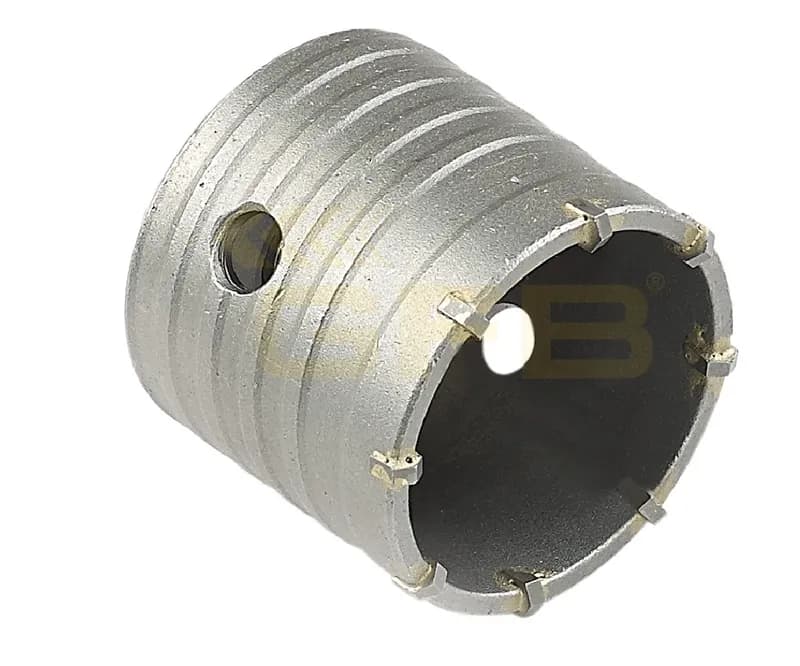
GFB Diamond Core Bit 100 mm without Adapter
GFB · Hole Saws
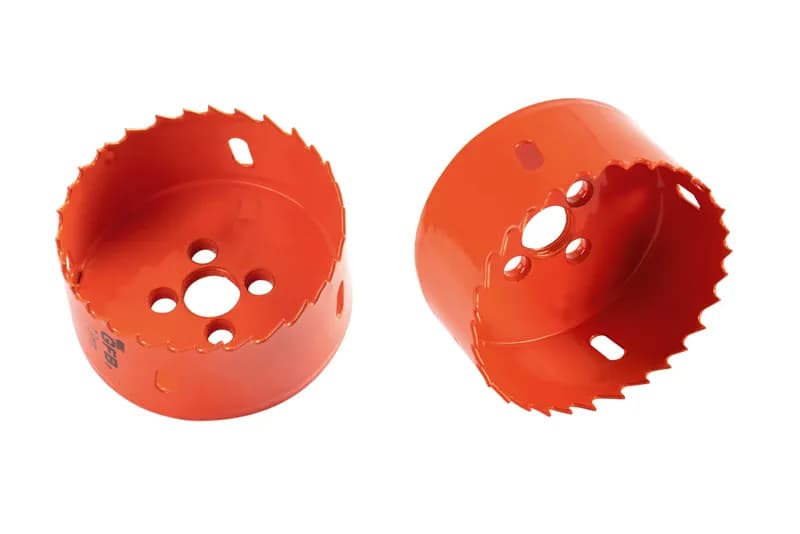
GFB Bi-Metal Hole Saw 100 mm
GFB · Hole Saws
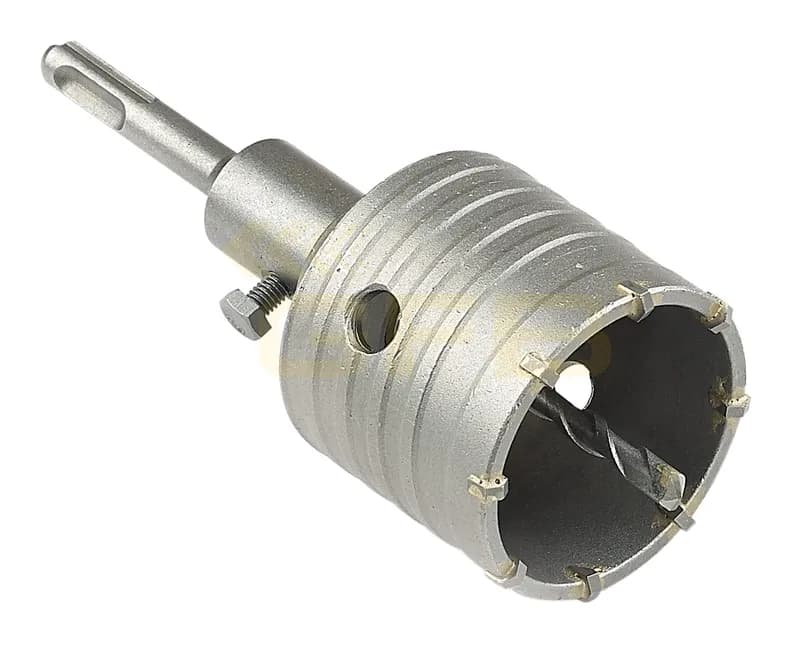
GFB Diamond Core Bit 100 mm with Adapter
GFB · Hole Saws
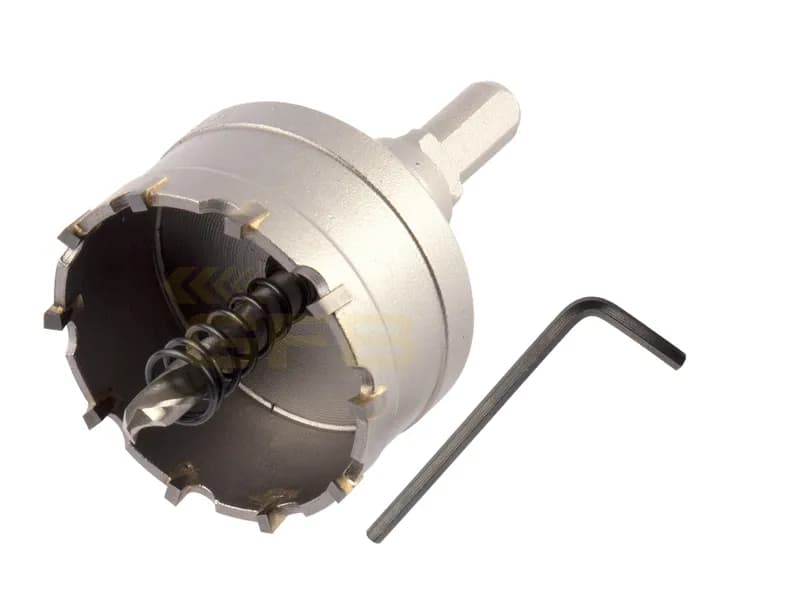
GFB TCT Metal Hole Saw 100 mm
GFB · Hole Saws
GFB Bi-Metal Hole Saw 102 mm
GFB · Hole Saws
GFB Bi-Metal Hole Saw 105 mm
GFB · Hole Saws
GFB Bi-Metal Hole Saw 108 mm
GFB · Hole Saws
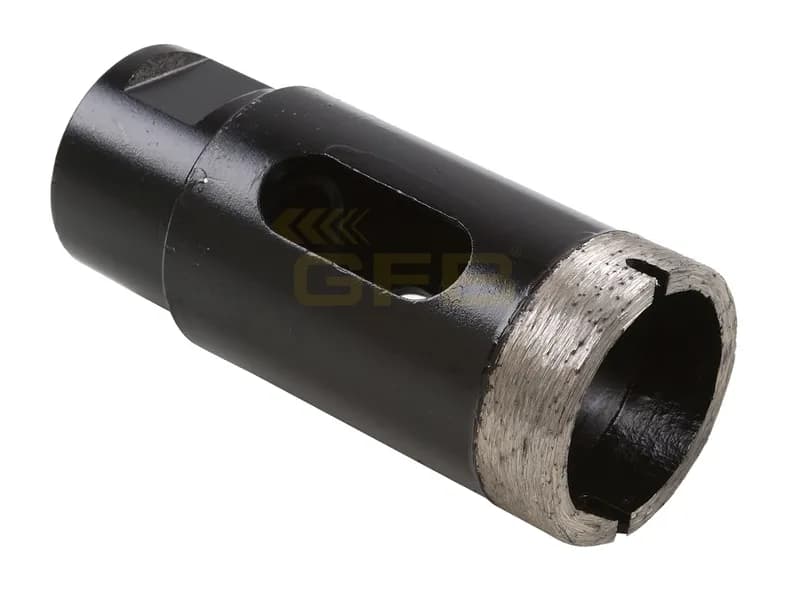
GFB Diamond Hole Saw 10 mm M14
GFB · Hole Saws
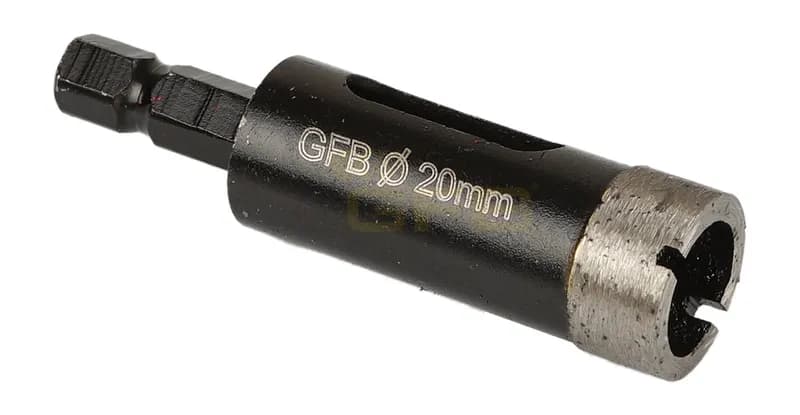
GFB Diamond Hole Saw 10 mm Hex
GFB · Hole Saws
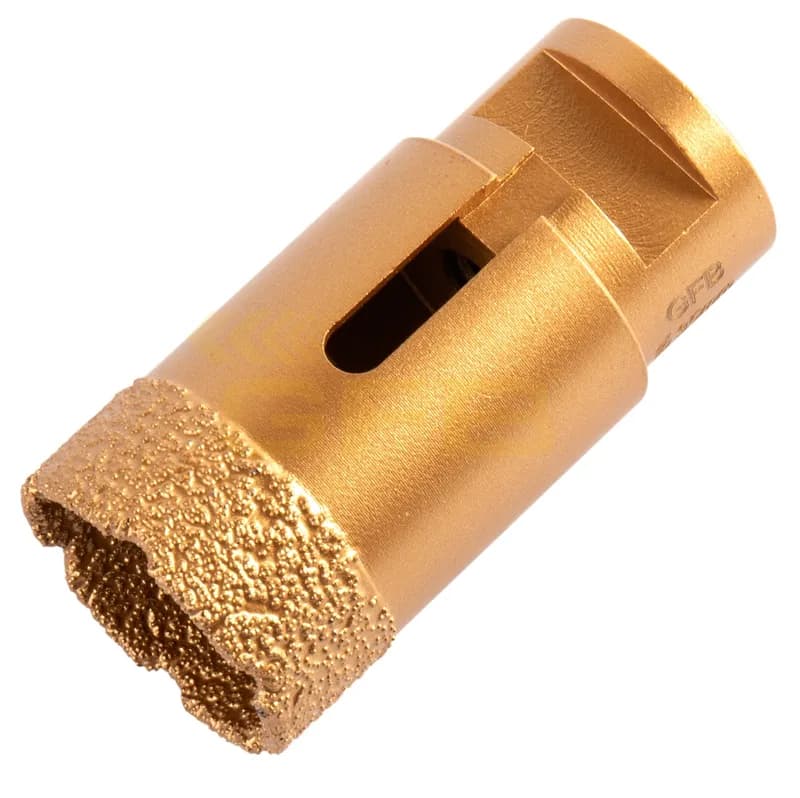
GFB Diamond Hole Saw 10 mm Vacuum Brazed M14
GFB · Hole Saws
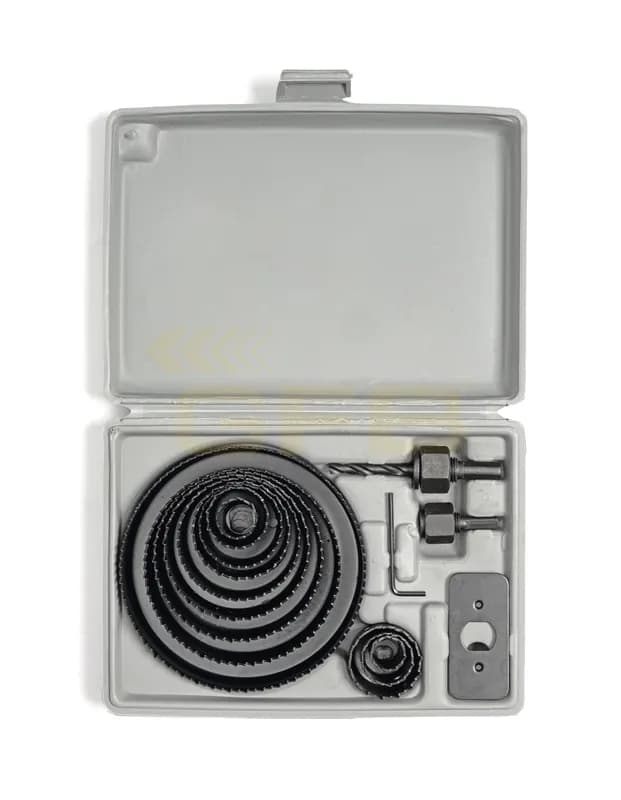
GFB Socket Box Hole Saw Set 11 Piece
GFB · Hole Saws
GFB Diamond Core Bit 110 mm without Adapter
GFB · Hole Saws
GFB Bi-Metal Hole Saw 110 mm
GFB · Hole Saws
GFB Diamond Core Bit 110 mm with Adapter
GFB · Hole Saws
GFB TCT Metal Hole Saw 110 mm
GFB · Hole Saws
GFB Bi-Metal Hole Saw 111 mm
GFB · Hole Saws
GFB Bi-Metal Hole Saw 114 mm
GFB · Hole Saws
GFB Diamond Core Bit 115 mm without Adapter
GFB · Hole Saws
GFB Bi-Metal Hole Saw 115 mm
GFB · Hole Saws
GFB Bi-Metal Hole Saw 118 mm
GFB · Hole Saws
GFB Diamond Core Bit 120 mm without Adapter
GFB · Hole Saws
GFB Bi-Metal Hole Saw 120 mm
GFB · Hole Saws
GFB Diamond Core Bit 120 mm with Adapter
GFB · Hole Saws
GFB TCT Metal Hole Saw 120 mm
GFB · Hole Saws
1–24 of 846 · page 1 / 36
Bimetal, carbide and diamond
Body and teeth follow the material. A bimetal (BiM) hole saw welds HSS teeth onto a flexible steel body: it works from timber through to sheet metal and is the most common type.
Carbide tipped (TCT) saws suit harder materials and jobs that need longer life; diamond segmented ones are for tile, granite and porcelain — those abrade rather than cut.
| Type | Material | Note |
|---|---|---|
| Bimetal (BiM) | Timber, plasterboard, sheet, plastic | Most common, broad use |
| Carbide tipped (TCT) | Hardwood, thick sheet, fibreboard | Longer life |
| Diamond segmented | Tile, granite, porcelain | Abrades; usually needs water |
| Adjustable | Plasterboard, thin timber | Stepless diameter |
Arbor, pilot drill and diameter
A hole saw does not mount directly: it fits an arbor, which carries a pilot drill at the centre to stop the saw skating as the cut starts. Arbor size follows saw diameter — small saws take a different arbor from large ones.
Diameter follows the job: electrical boxes, pipe penetrations, downlights and lock bores each have their own standard sizes.
| Diameter | Typical job |
|---|---|
| 20-25 mm | Cable and pipe penetrations |
| 44-51 mm | Door lock bores, downlights |
| 60-68 mm | Socket and switch boxes, ventilation |
| 75-102 mm | Downlights, service penetrations |
Use and life
Hole saws run slow: drop the speed as diameter rises, and use cutting fluid in metal. High speed burns the teeth and finishes a saw in a few holes.
The slug jams inside the saw; most arbors carry a spring or an ejection slot. In deep cuts, backing out periodically to clear swarf speeds progress and reduces heat.
- Lower the speed as diameter grows.
- Use cutting fluid in metal.
- Back out periodically to clear swarf.
- In plasterboard, hammer off and slow speed.
Frequently Asked Questions
Hole saw or twist drill?
Above roughly 16 mm a hole saw is faster and needs less power, because it cuts only the circumference. A twist drill turns the whole disc into swarf and labours at large diameters.
What is the difference between bimetal and carbide tipped?
Bimetal welds HSS teeth to a flexible body and works from timber to sheet metal. Carbide tipped suits harder materials and production work that needs longer life.
What is an arbor, and is it the same for every saw?
It is the part that mounts the saw and carries the pilot drill. Its size follows saw diameter — small and large hole saws take different arbors.
Why does my hole saw dull so quickly?
Almost always speed. Lower it as diameter rises, use cutting fluid in metal, and back out periodically to clear swarf.
Can tile be cut with a hole saw?
With diamond segmented saws, yes. They abrade rather than cut: hammer off, low speed and usually water cooling.
How do I get the slug out?
Most arbors have a spring or ejection slot. If it is stuck, turn the saw over and push the slug out through the side slot with a screwdriver.