Categories
Metal Drill Bits (HSS)
Metal drill bits are the largest bit group in the catalogue, and the choice comes down to three things: bit material, coating and length series. This page explains HSS against cobalt HSS, what the coatings do, the DIN length series, and what point angle means in which material. The catalogue holds over 1,100 sizes.
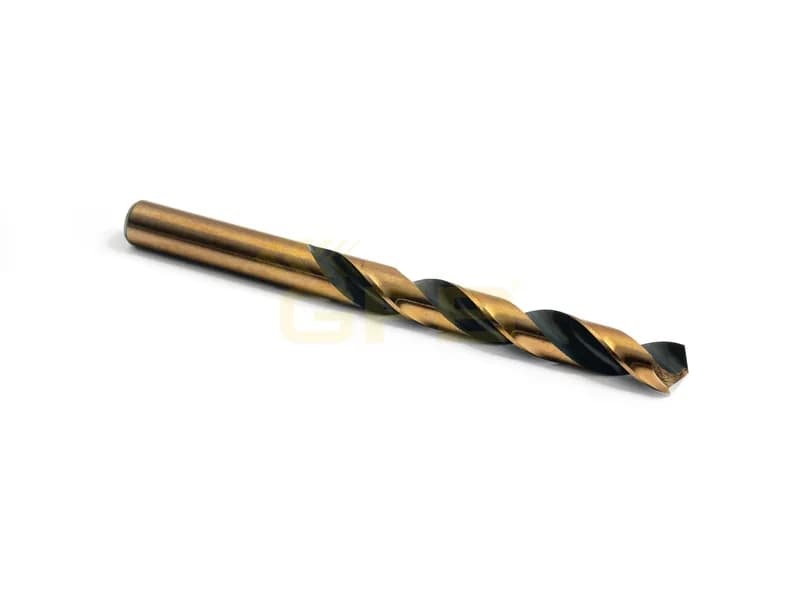
GFB Super Series HSS Drill Bit 0.5 mm Black Oxide
GFB · Metal Drill Bits (HSS)
GFB Super Series HSS Drill Bit 0.6 mm Black Oxide
GFB · Metal Drill Bits (HSS)
GFB Super Series HSS Drill Bit 0.7 mm Black Oxide
GFB · Metal Drill Bits (HSS)
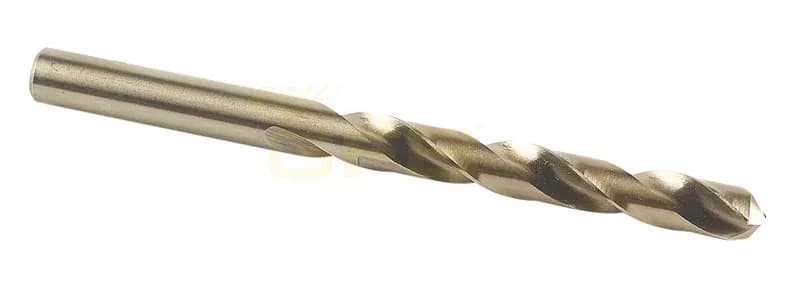
GFB Cobalt HSS-Co Drill Bit 0.7 mm Gold Series
GFB · Metal Drill Bits (HSS)
GFB Super Series HSS Drill Bit 0.8 mm Black Oxide
GFB · Metal Drill Bits (HSS)
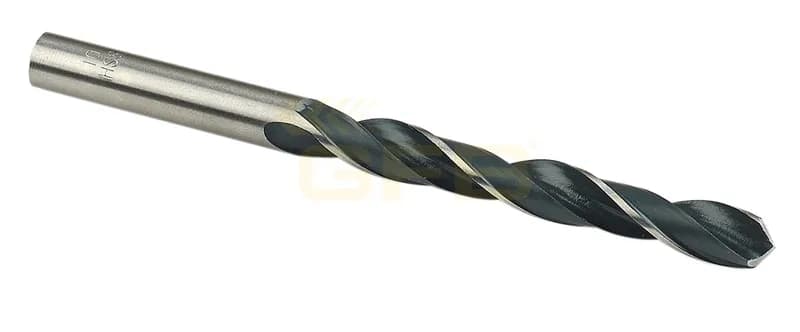
GFB HSS Drill Bit 0.8 mm
GFB · Metal Drill Bits (HSS)
GFB Cobalt HSS-Co Drill Bit 0.8 mm Gold Series
GFB · Metal Drill Bits (HSS)
GFB Super Series HSS Drill Bit 0.9 mm Black Oxide
GFB · Metal Drill Bits (HSS)
GFB HSS Drill Bit 0.9 mm
GFB · Metal Drill Bits (HSS)
GFB Super Series HSS Drill Bit 10 mm Black Oxide
GFB · Metal Drill Bits (HSS)
GFB HSS Drill Bit 10 mm
GFB · Metal Drill Bits (HSS)
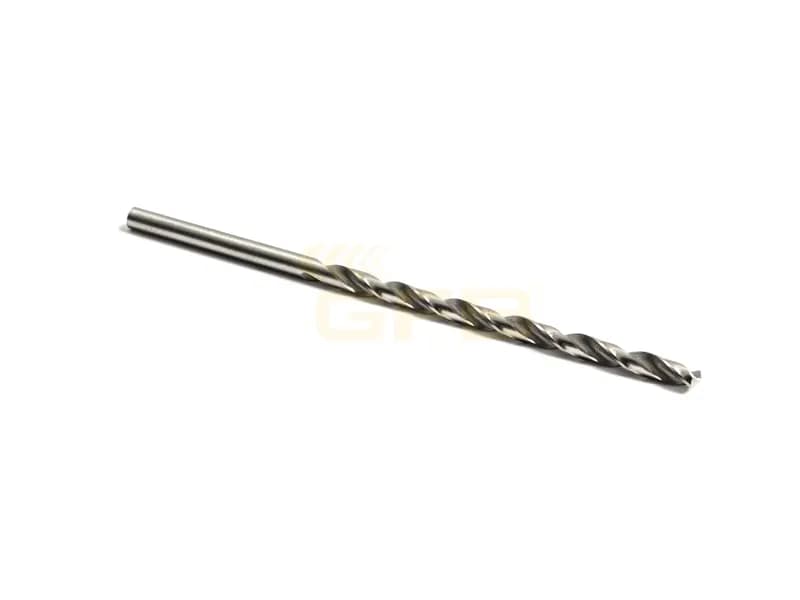
GFB Long HSS Drill Bit 10 mm Ground Bright
GFB · Metal Drill Bits (HSS)
GFB Cobalt HSS-Co Drill Bit 10 mm Gold Series
GFB · Metal Drill Bits (HSS)
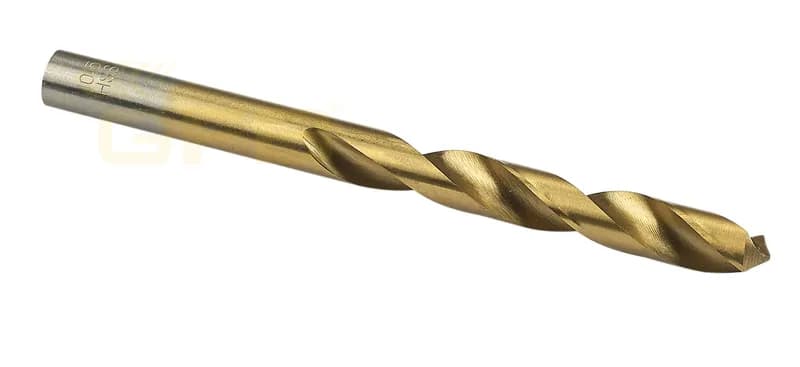
GFB Titanium Coated Drill Bit 10 mm TiN
GFB · Metal Drill Bits (HSS)
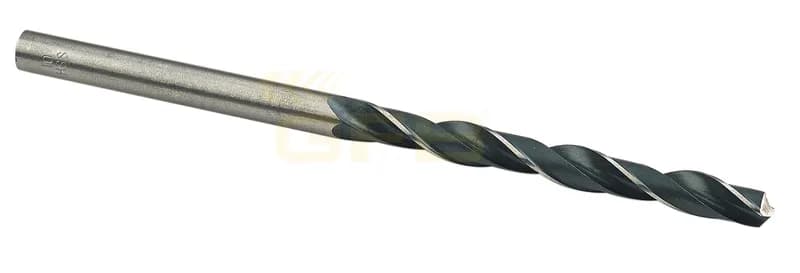
GFB Long HSS Drill Bit 10 mm
GFB · Metal Drill Bits (HSS)
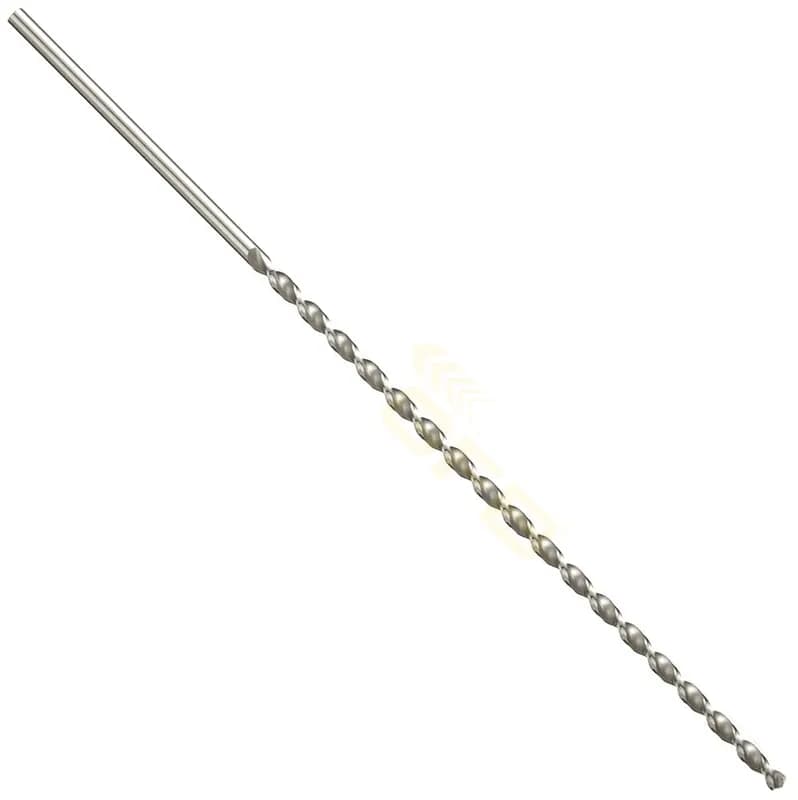
GFB Parabolic HSS Drill Bit 10 mm x 265 mm DIN 1869-1
GFB · Metal Drill Bits (HSS)

GFB Parabolic HSS Drill Bit 10 mm x 340 mm DIN 1869-2
GFB · Metal Drill Bits (HSS)
GFB Parabolic HSS Drill Bit 10 mm x 430 mm DIN 1869-3
GFB · Metal Drill Bits (HSS)
GFB Super Series HSS Drill Bit 10.1 mm Black Oxide
GFB · Metal Drill Bits (HSS)
GFB Cobalt HSS-Co Drill Bit 10.1 mm Gold Series
GFB · Metal Drill Bits (HSS)
GFB Super Series HSS Drill Bit 10.2 mm Black Oxide
GFB · Metal Drill Bits (HSS)
GFB Long HSS Drill Bit 10.2 mm Ground Bright
GFB · Metal Drill Bits (HSS)
GFB Cobalt HSS-Co Drill Bit 10.2 mm Gold Series
GFB · Metal Drill Bits (HSS)
GFB Parabolic HSS Drill Bit 10.2 mm x 265 mm DIN 1869-1
GFB · Metal Drill Bits (HSS)
1–24 of 1200 · page 1 / 50
HSS, HSS-Co and coatings
HSS is the general purpose standard and works in structural steel, aluminium, plastic and timber. In stainless steel and cast iron the bit runs hot, and HSS-Co with 5-8% cobalt holds its hardness there.
A coating does not change the base material — it hardens the surface and stops swarf sticking. TiN (gold) extends life generally; TiAlN (dark grey) works hot and shows its worth in hard steels. Steam-treated (black) bits reduce friction and resist corrosion.
| Bit | Suits | Note |
|---|---|---|
| HSS bright | Structural steel, aluminium, plastic | Cheapest, general purpose |
| HSS steam | Steel, cast iron | Lower friction, corrosion resistant |
| HSS TiN coated | Steel, alloys | Longer life, higher speeds |
| HSS-Co (cobalt) | Stainless, cast iron | Holds hardness when hot |
| HSS-Co TiAlN | Hard and hot-running steels | The hardest work |
Length series and point angle
The same diameter comes in three lengths, each with its DIN number: DIN 1897 stub bits are rigid and do not wander, for tight access and accurate work; DIN 338 is the standard jobber length that covers most daily drilling; DIN 340 long series reaches deep holes but wanders and breaks more easily.
Point angle follows the material: 118° is general purpose, while 135° split points bite without centre punching and stop the bit skating on hard steel. In aluminium and plastic, higher helix angles clear swarf better.
Speed, feed and cooling
What kills a bit in metal is nearly always heat. Drop the speed as diameter rises, drop it further in stainless, and use cutting fluid. Pressure matters too: a bit that rubs instead of cutting softens its edge and loses sharpness permanently.
In thick plate and at large diameters, a pilot hole protects both bit and machine. Above 10 mm, stepping up in stages is standard practice.
- Lower the speed as diameter grows.
- Stainless needs low speed plus cutting fluid.
- A rubbing bit dulls — apply steady, sufficient pressure.
- Never use metal bits on hammer mode.
Frequently Asked Questions
What drills stainless steel?
Cobalt (HSS-Co) bits, preferably TiAlN coated. Use low speed, steady pressure and cutting fluid; at high speed stainless work-hardens and the bit dulls in seconds.
What is the difference between DIN 338, 340 and 1897?
Length series. DIN 1897 is stub (rigid, no wander), DIN 338 the standard jobber length for general use, and DIN 340 the long series for deep holes with more risk of wander.
How much difference does a TiN coating make?
It raises surface hardness and stops swarf sticking, which allows higher speeds and noticeably longer life in the same material. It does not compensate for the wrong base material.
What is the difference between 118° and 135° points?
118° is general purpose. A 135° split point bites without centre punching and stops the bit skating on hard steel, and starts more cleanly in thin sheet.
Why has my bit turned blue?
Overheating: too fast, not enough feed, or no coolant. A blued bit has lost its heat treatment; regrinding recovers some of it but never the original performance.
Can the same bit drill timber?
Yes, HSS bits work in timber, though the hole edge is not as clean as with a wood bit. On visible surfaces use bits with a brad point designed for timber.