Categories
Reamers
A reamer is not there to enlarge a drilled hole but to bring it to size and finish: the H7 fit that dowels, bushes and bearing seats need is held by this operation. This page lists DIN 206 hand reamers with a square drive and DIN 212 machine reamers with a cylindrical shank, with the pre-drill table that goes with them.
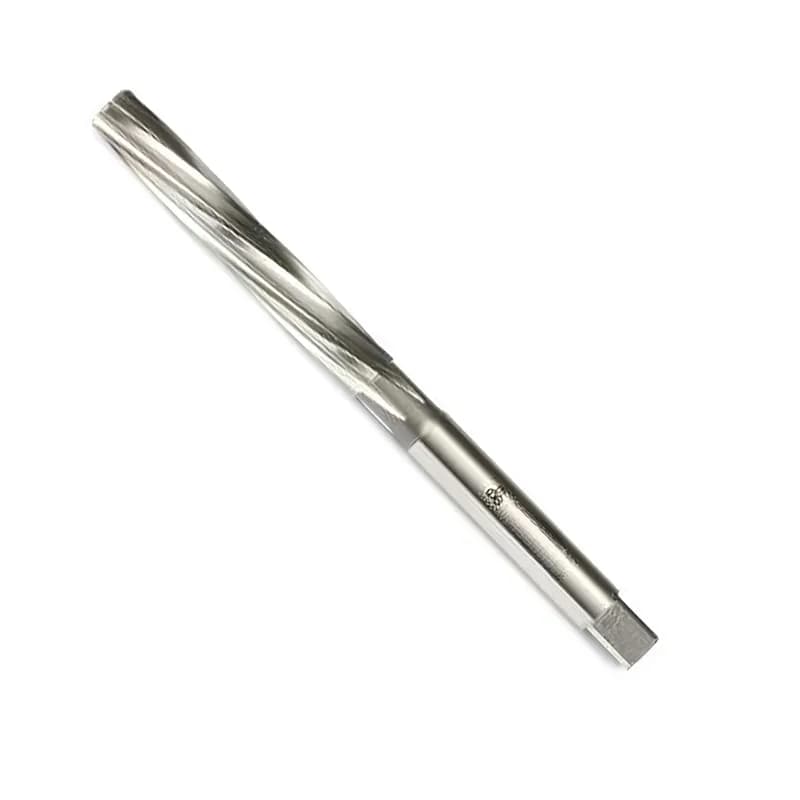
MTE HSS Hand Reamer DIN 206 10 mm
MTE · Reamers
MTE HSS Hand Reamer DIN 206 12 mm
MTE · Reamers
MTE HSS Hand Reamer DIN 206 15 mm
MTE · Reamers
MTE HSS Hand Reamer DIN 206 16 mm
MTE · Reamers
MTE HSS Hand Reamer DIN 206 18 mm
MTE · Reamers
MTE HSS Hand Reamer DIN 206 2 mm
MTE · Reamers
MTE HSS Hand Reamer DIN 206 3 mm
MTE · Reamers
MTE HSS Hand Reamer DIN 206 4 mm
MTE · Reamers
MTE HSS Hand Reamer DIN 206 5 mm
MTE · Reamers
MTE HSS Hand Reamer DIN 206 6 mm
MTE · Reamers
MTE HSS Hand Reamer DIN 206 7 mm
MTE · Reamers
MTE HSS Hand Reamer DIN 206 8 mm
MTE · Reamers
MTE HSS Hand Reamer DIN 206 9 mm
MTE · Reamers
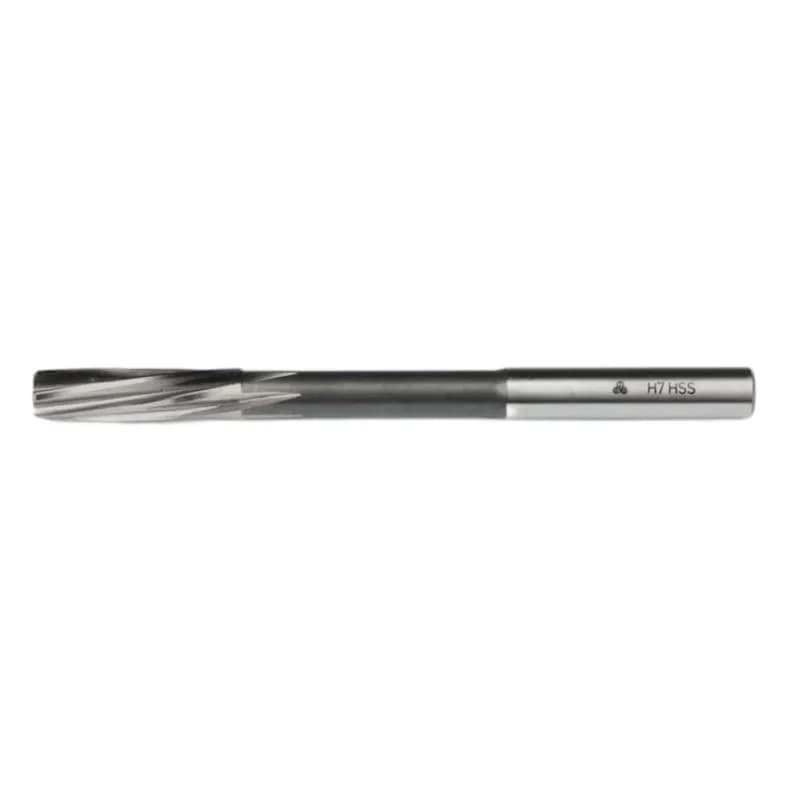
MTE HSS Machine Reamer DIN 212 11 mm
MTE · Reamers
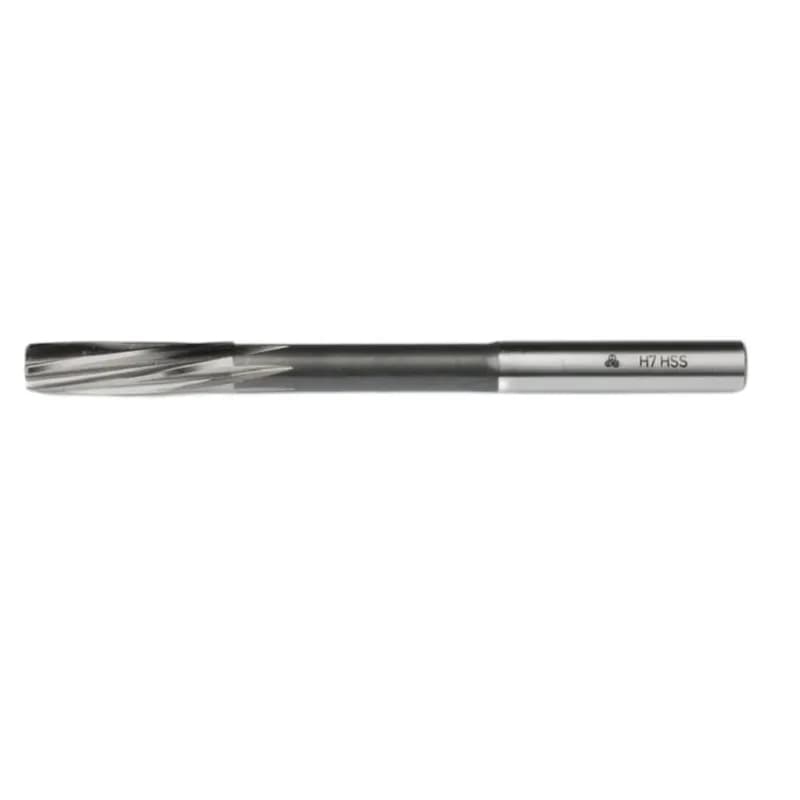
MTE HSS Machine Reamer DIN 212 12 mm
MTE · Reamers
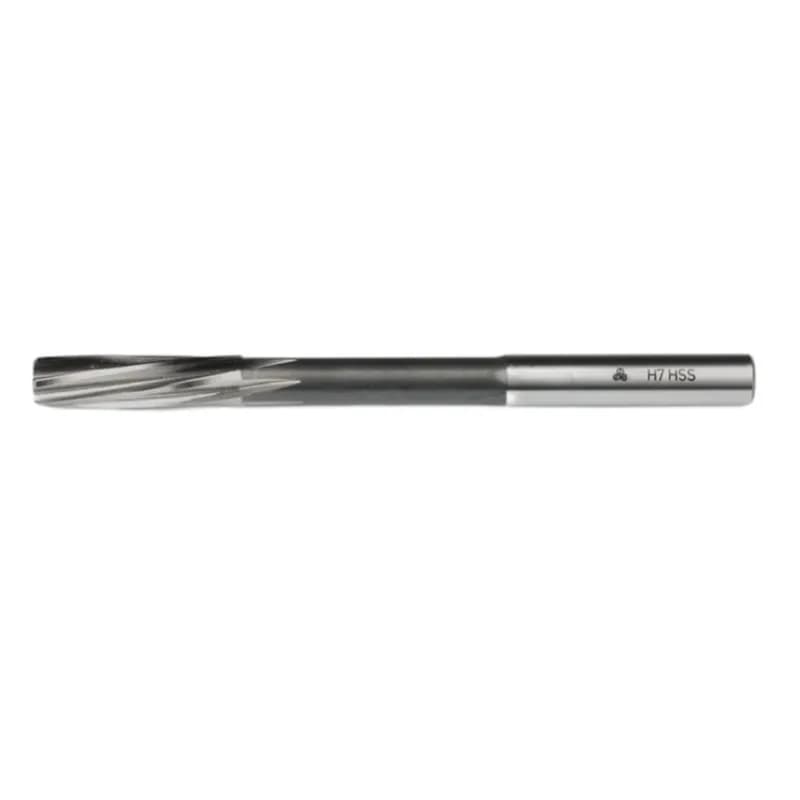
MTE HSS Machine Reamer DIN 212 13 mm
MTE · Reamers
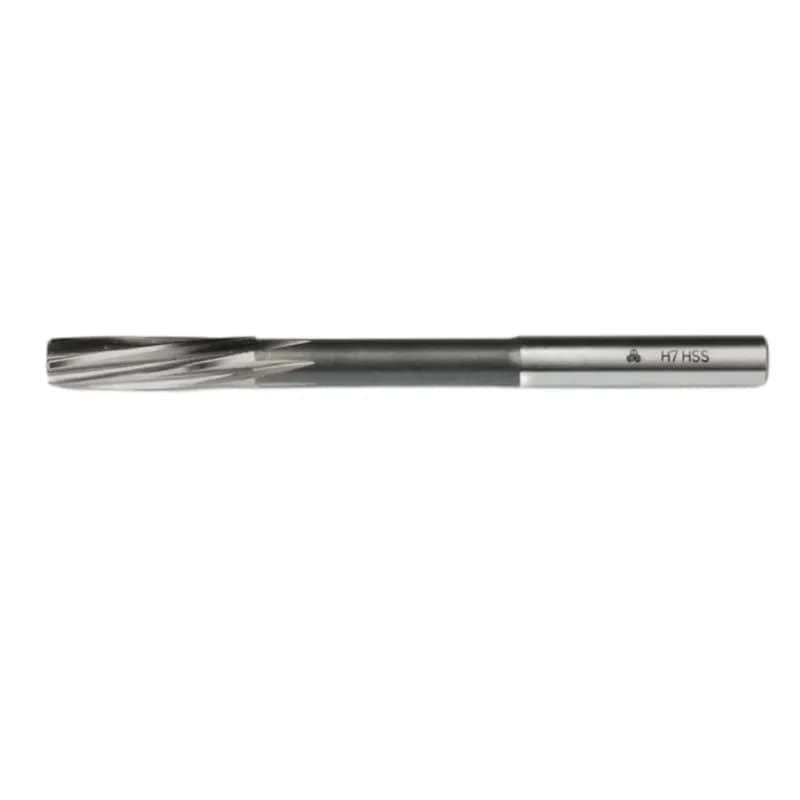
MTE HSS Machine Reamer DIN 212 2 mm
MTE · Reamers
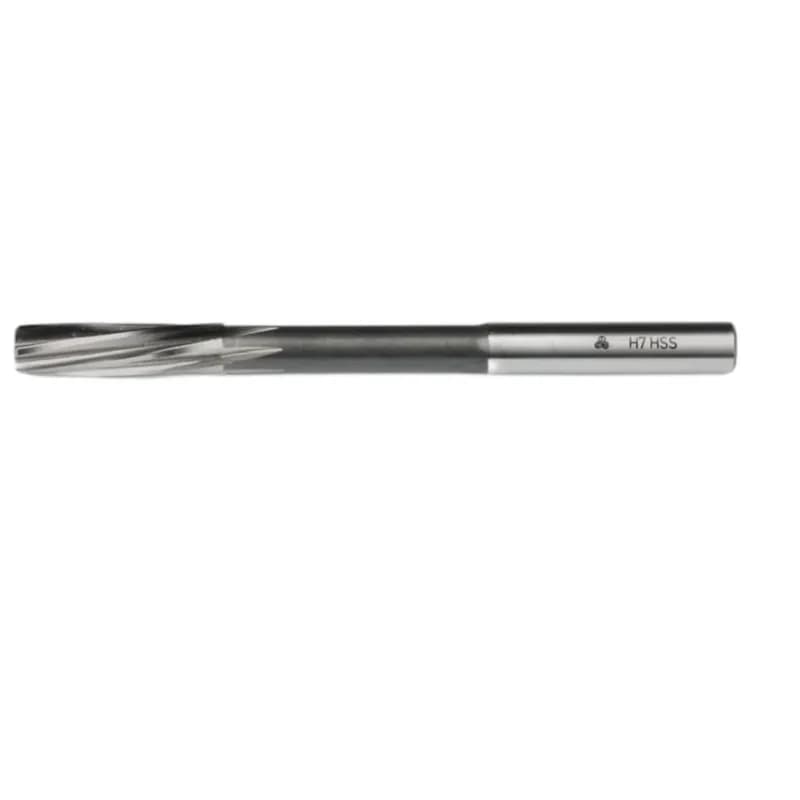
MTE HSS Machine Reamer DIN 212 3 mm
MTE · Reamers
MTE HSS Machine Reamer DIN 212 4 mm
MTE · Reamers
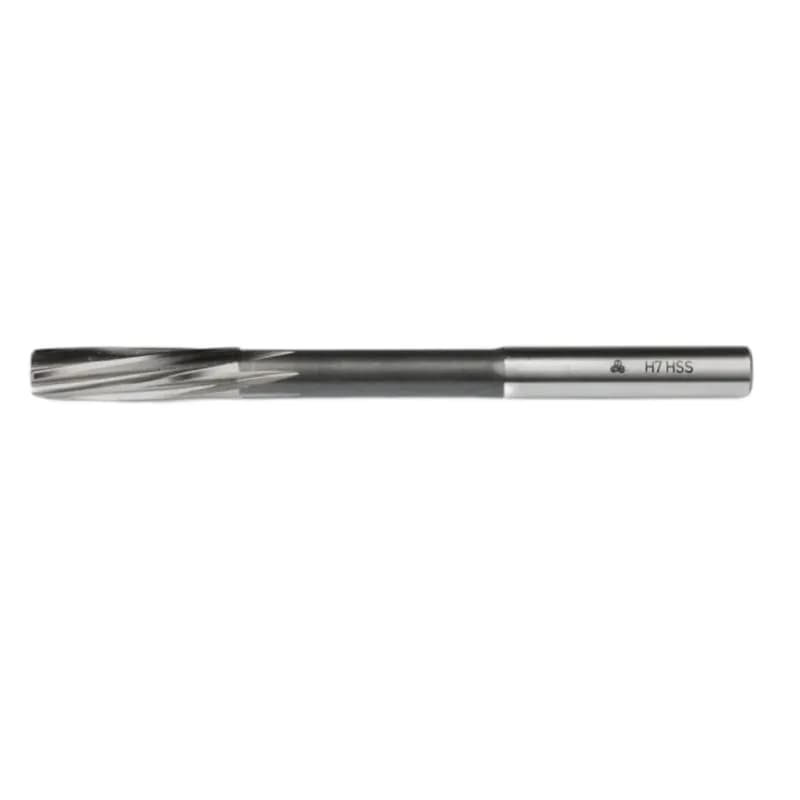
MTE HSS Machine Reamer DIN 212 5 mm
MTE · Reamers
MTE HSS Machine Reamer DIN 212 6 mm
MTE · Reamers
MTE HSS Machine Reamer DIN 212 7 mm
MTE · Reamers
MTE HSS Machine Reamer DIN 212 8 mm
MTE · Reamers
MTE HSS Machine Reamer DIN 212 9 mm
MTE · Reamers
1–24 of 25 · page 1 / 2
Hand reamer or machine reamer?
The DIN 206 hand reamer has a long lead taper and a square drive, turned by hand with a wrench. The long lead lets the tool centre itself in the hole, which is why it is the one used in assembly and site work where no machine can hold the part.
The DIN 212 machine reamer has a short lead and a cylindrical shank, for the drill press, mill and lathe. The machine does the centring, so the lead is short and the reamer can work closer to the bottom of the hole. It is not made to be turned by hand.
Pre-drill size and machining allowance
The hole is drilled slightly under the reamer diameter. The usual working allowance is about 0.2 mm up to 10 mm and 0.3 mm above it. That is a recommendation rather than a standard — the harder the material, the less stock is left.
Too much stock and the reamer forces rather than cuts: the hole opens up, the finish suffers and the edge dulls. Too little and it rubs instead of cutting, which ends in the same place by another route.
| Reamer diameter | Pre-drill diameter | Allowance |
|---|---|---|
| 2 mm | 1.8 mm | 0.2 mm |
| 4 mm | 3.8 mm | 0.2 mm |
| 6 mm | 5.8 mm | 0.2 mm |
| 8 mm | 7.8 mm | 0.2 mm |
| 10 mm | 9.8 mm | 0.2 mm |
| 12 mm | 11.7 mm | 0.3 mm |
| 15 mm | 14.7 mm | 0.3 mm |
| 18 mm | 17.7 mm | 0.3 mm |
Working with a reamer
A reamer runs at roughly half the speed used for drilling but at a higher feed: the low speed protects the finish, the higher feed keeps the tool cutting rather than rubbing. Cutting fluid makes a visible difference to surface quality.
A reamer is never turned backwards. Running it in reverse drags the backs of the cutting edges across the material and dulls them in a single turn; the tool is withdrawn still turning forwards.
Frequently Asked Questions
What is a reamer for?
It brings a drilled hole to size and finish. A drill opens the hole but does not hold the diameter or the surface to a fit; the H7 tolerance wanted in dowel, bush and bearing holes comes from reaming.
What size do I drill before reaming?
Leave about 0.2 mm of stock up to 10 mm and 0.3 mm above it: 9.8 mm for a 10 mm reamer, 11.7 mm for a 12 mm one. The table on this page lists the common diameters.
Hand reamer or machine reamer?
A hand reamer (DIN 206) has a long lead taper and a square drive and is turned by hand. A machine reamer (DIN 212) has a short lead and a cylindrical shank, is used in a machine, and is not made to be turned by hand.
Can a reamer be run in reverse?
No. In reverse the backs of the cutting edges rub the material and the edge dulls. Withdraw the reamer with the spindle still turning forwards.
What does H7 mean?
It is a tolerance class for a hole: a standard fit zone whose upper deviation is positive and whose lower deviation is zero, relative to the nominal diameter. Dowel and bush fits usually call for H7 on the hole side, and reaming is how that tolerance is held.