Categories
Masonry Bits (SDS Plus)
SDS-plus masonry bits carry the rotary hammer's blow into concrete on a brazed carbide tip: the 10 mm shank locks into the holder and stays free along its axis rather than being clamped in a chuck. This page covers diameter choice, cutter count and what decides bit life. The catalogue holds over 850 sizes.
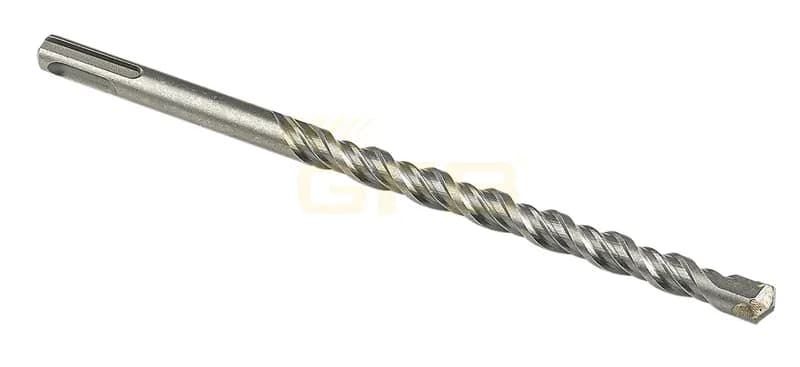
GFB Masonry Drill Bit SDS Plus 10 x 1000 mm
GFB · Masonry Bits (SDS Plus)
GFB Masonry Drill Bit SDS Plus 10 x 110 mm
GFB · Masonry Bits (SDS Plus)
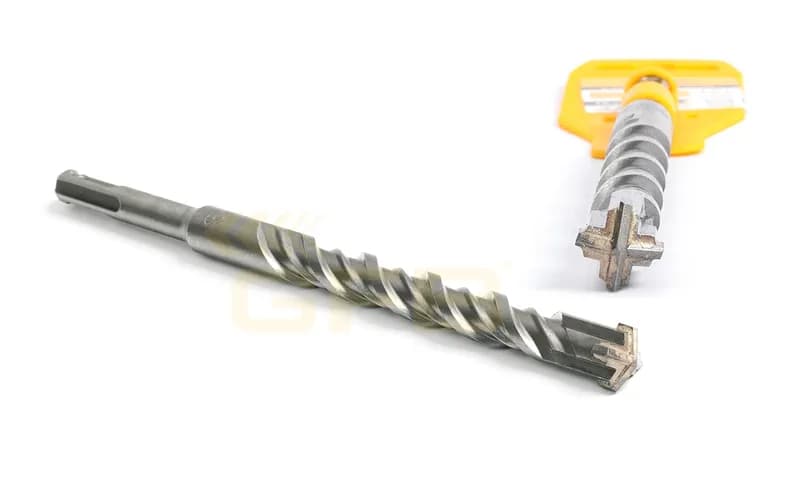
GFB Masonry Drill Bit SDS Plus 10 x 160 mm 4 Cutter
GFB · Masonry Bits (SDS Plus)
GFB Masonry Drill Bit SDS Plus 10 x 160 mm
GFB · Masonry Bits (SDS Plus)
GFB Masonry Drill Bit SDS Plus 10 x 210 mm 4 Cutter
GFB · Masonry Bits (SDS Plus)
GFB Masonry Drill Bit SDS Plus 10 x 210 mm
GFB · Masonry Bits (SDS Plus)
GFB Masonry Drill Bit SDS Plus 10 x 260 mm
GFB · Masonry Bits (SDS Plus)
GFB Masonry Drill Bit SDS Plus 10 x 310 mm
GFB · Masonry Bits (SDS Plus)
GFB Masonry Drill Bit SDS Plus 10 x 350 mm
GFB · Masonry Bits (SDS Plus)
GFB Masonry Drill Bit SDS Plus 10 x 450 mm
GFB · Masonry Bits (SDS Plus)
GFB Masonry Drill Bit SDS Plus 10 x 600 mm
GFB · Masonry Bits (SDS Plus)
GFB Masonry Drill Bit SDS Plus 10 x 800 mm
GFB · Masonry Bits (SDS Plus)
GFB Masonry Drill Bit SDS Plus 11 x 110 mm
GFB · Masonry Bits (SDS Plus)
GFB Masonry Drill Bit SDS Plus 11 x 160 mm 4 Cutter
GFB · Masonry Bits (SDS Plus)
GFB Masonry Drill Bit SDS Plus 11 x 160 mm
GFB · Masonry Bits (SDS Plus)
GFB Masonry Drill Bit SDS Plus 11 x 210 mm 4 Cutter
GFB · Masonry Bits (SDS Plus)
GFB Masonry Drill Bit SDS Plus 11 x 210 mm
GFB · Masonry Bits (SDS Plus)
GFB Masonry Drill Bit SDS Plus 12 x 1000 mm
GFB · Masonry Bits (SDS Plus)
GFB Masonry Drill Bit SDS Plus 12 x 110 mm
GFB · Masonry Bits (SDS Plus)
GFB Masonry Drill Bit SDS Plus 12 x 160 mm 4 Cutter
GFB · Masonry Bits (SDS Plus)
GFB Masonry Drill Bit SDS Plus 12 x 160 mm
GFB · Masonry Bits (SDS Plus)
GFB Masonry Drill Bit SDS Plus 12 x 210 mm 4 Cutter
GFB · Masonry Bits (SDS Plus)
GFB Masonry Drill Bit SDS Plus 12 x 210 mm
GFB · Masonry Bits (SDS Plus)
GFB Masonry Drill Bit SDS Plus 12 x 260 mm
GFB · Masonry Bits (SDS Plus)
1–24 of 853 · page 1 / 36
Choosing diameter and length
Diameter follows the plug or anchor: a 6 mm plug needs a 6 mm hole, and hole size is never approximate. Length should exceed the hole depth by 20-30 mm, because the flute needs room to clear dust.
SDS-plus covers 4-30 mm. Beyond that, and in heavily reinforced concrete, the work moves to SDS-max.
| Diameter | Typical use |
|---|---|
| 5-6 mm | Plastic plugs, light fixings |
| 8-10 mm | Heavy plugs, brackets, shelving |
| 12-16 mm | Steel anchors, machine mounting |
| 18-30 mm | Chemical anchors, service penetrations |
Two cutters or four?
Classic bits carry one brazed carbide plate with two cutting edges: economical and good in plain concrete. Four-cutter bits wander less when they meet reinforcement, leave a rounder hole, and are preferred where hole geometry matters, as with chemical anchors.
Unless the bit is rated to cut rebar, stop hammer drilling when you hit it: reinforcement chips the carbide edge and the bit never advances at its old rate again.
Bit life and use
Progress in concrete comes from impact energy, not from leaning on the machine. Excess pressure heats bit and tool and can break down the braze holding the carbide. Never quench a hot bit in water — the sudden cooling cracks carbide.
A thin film of grease on the SDS shank noticeably reduces wear on both holder and bit.
- Hole diameter must match the plug exactly.
- Choose a bit 20-30 mm longer than the hole depth.
- Stop hammer drilling when you hit reinforcement.
- Never cool a hot bit in water; carbide cracks.
Frequently Asked Questions
How do I choose the hole diameter?
Exactly the diameter of the plug or anchor: an 8 mm plug takes an 8 mm bit. Too large and the plug will not grip; too small and it will not seat.
What is the difference between two-cutter and four-cutter bits?
Four-cutter bits wander less against reinforcement, leave a rounder hole and last longer. Classic two-cutter bits are economical and enough in plain concrete.
Will an SDS-plus bit fit an ordinary drill?
No. The SDS-plus shank is made to lock into a holder and stay free along its axis, not to be clamped. Chuck drills take cylindrical-shank masonry bits.
Why has the bit stopped advancing?
Usually the carbide edge has dulled or you have hit reinforcement. More pressure will not help — the energy comes from the piston, and extra force only adds heat.
How do I choose bit length?
20-30 mm longer than the hole depth. The flute needs room to clear dust; at exact length the dust packs and progress stops.
Can masonry bits be resharpened?
The carbide can be ground on a suitable wheel, but if the edge geometry is not preserved the bit dulls faster and the hole loses roundness. In production work a new bit is usually cheaper.