Categories
Jigsaw Blades
The blade matters more than the machine: with a reverse-tooth blade the same jigsaw cuts laminate without breakout, with a coarse blade it rips through a plank. The catalogue holds 102 blades.
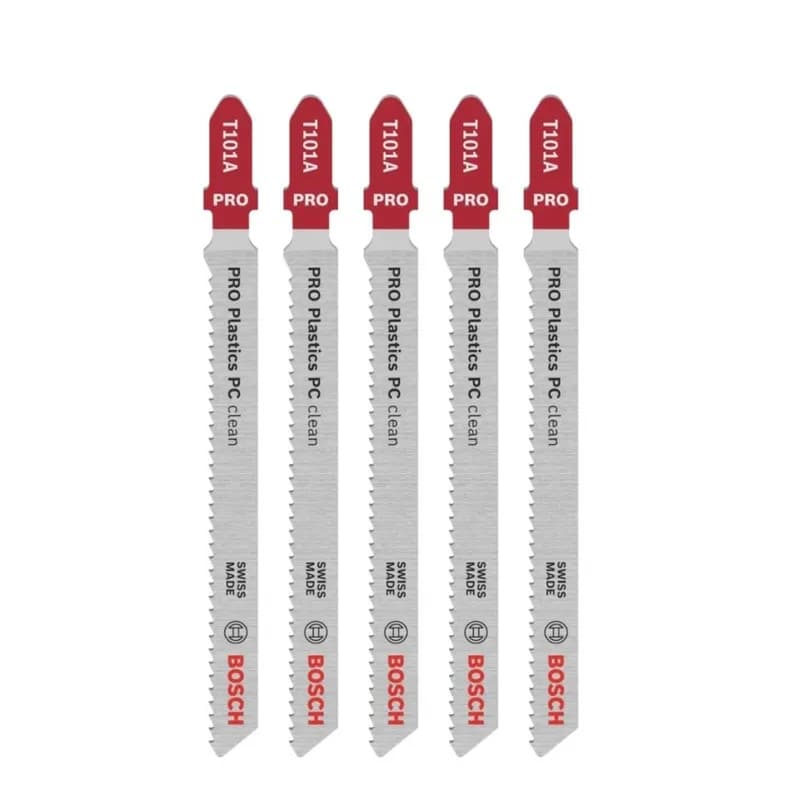
Bosch Wood Cutting T101A 2608631010
Bosch · Jigsaw Blades
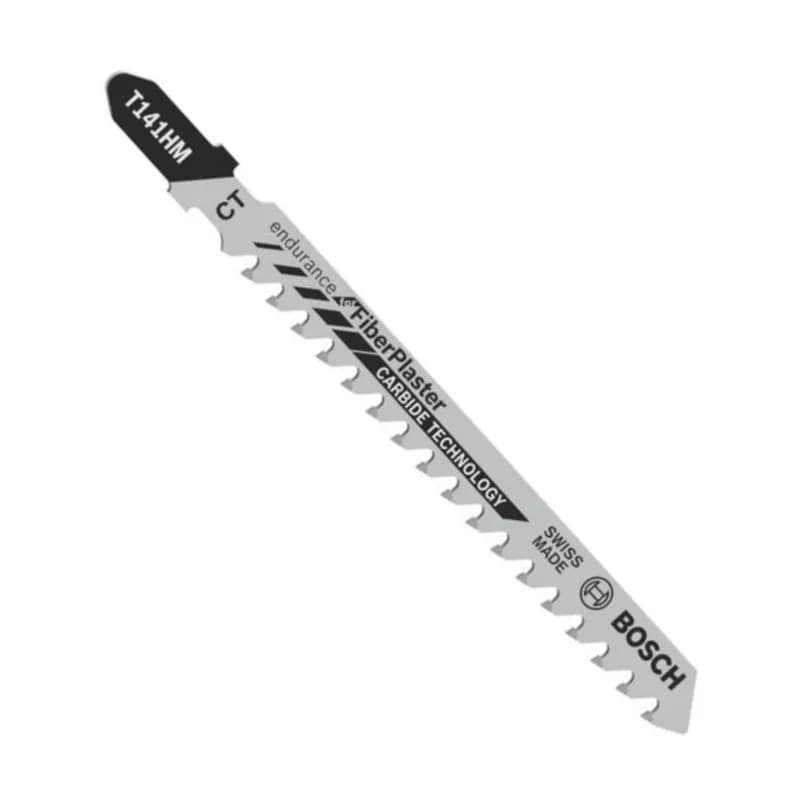
Bosch Fiber Jigsaw Blade T141HMCT 2608633175
Bosch · Jigsaw Blades
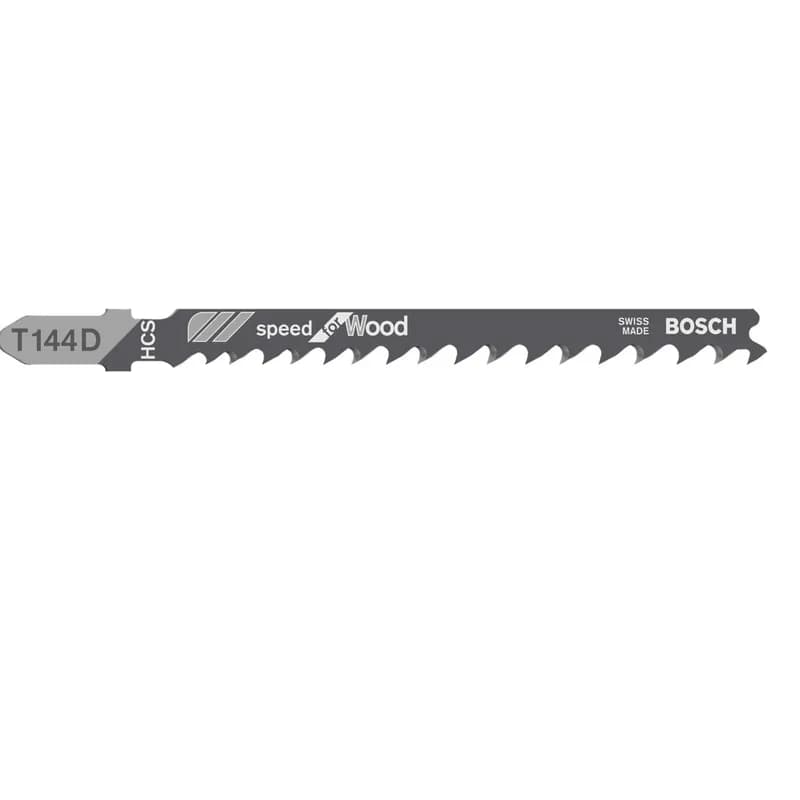
Bosch Fast Cut Wood Jigsaw Blade (T144D)
Bosch · Jigsaw Blades
Bosch Fast Cut Wood Jigsaw (T144D) (Pk100lü)
Bosch · Jigsaw Blades

Bosch Curved Wood Jigsaw Blade (T244D)
Bosch · Jigsaw Blades
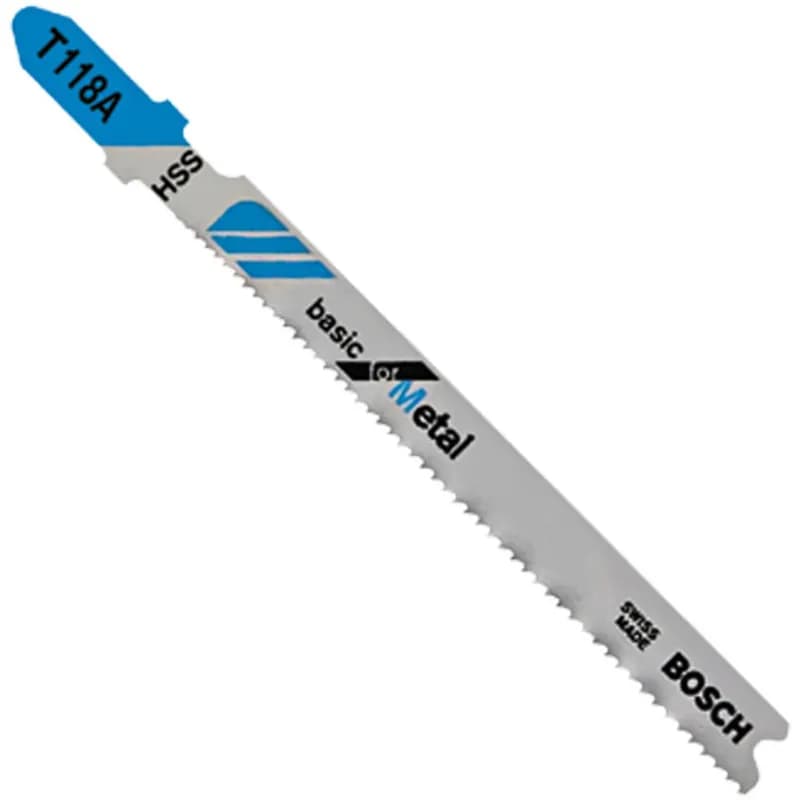
Bosch Metal Jigsaw Blade (T118A)
Bosch · Jigsaw Blades
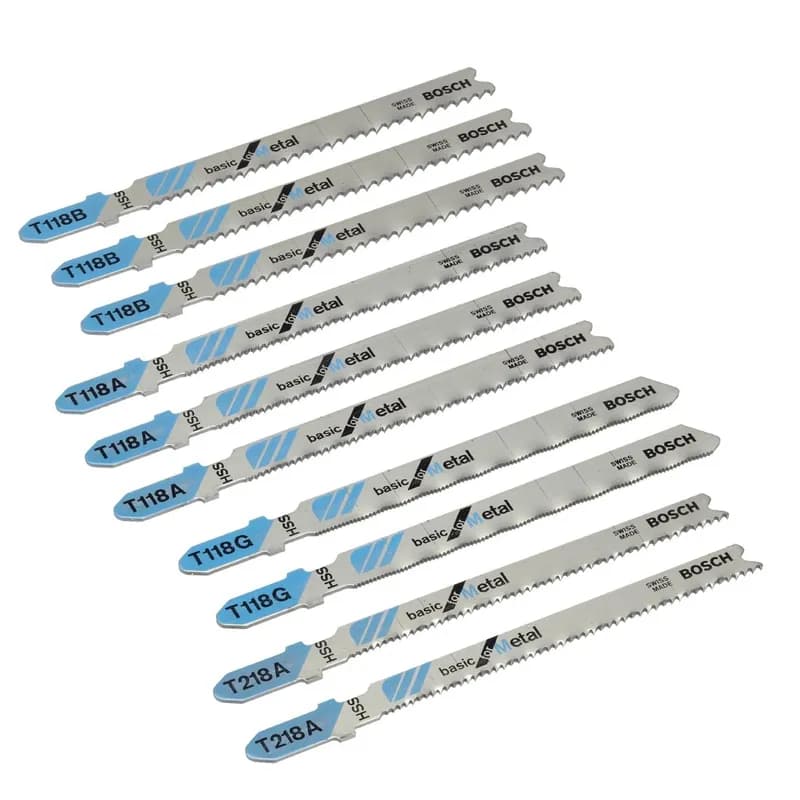
Bosch Metal Jigsaw Blade (T118A) (Pk100lü)
Bosch · Jigsaw Blades
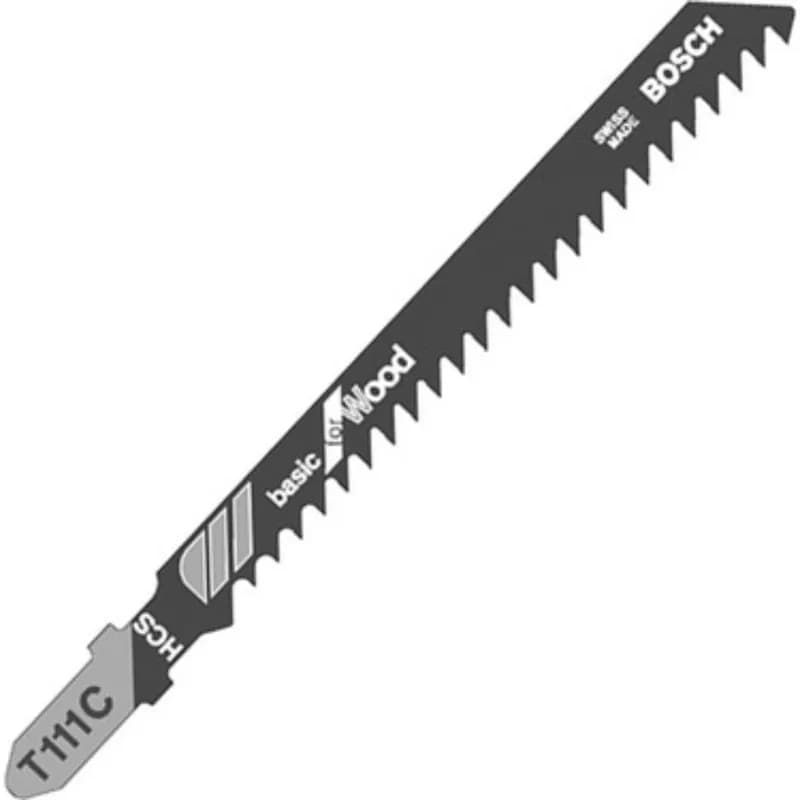
Bosch Normal Cutting Wood Jigsaw Blade (T111C)
Bosch · Jigsaw Blades
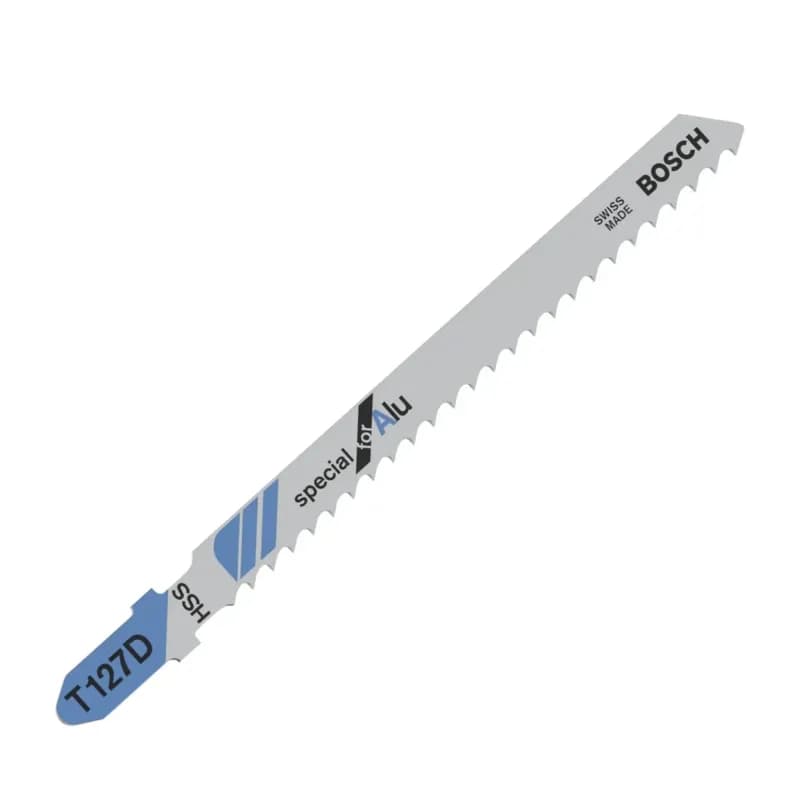
Bosch Special Cutting Metal Jigsaw Blade (T127D)
Bosch · Jigsaw Blades
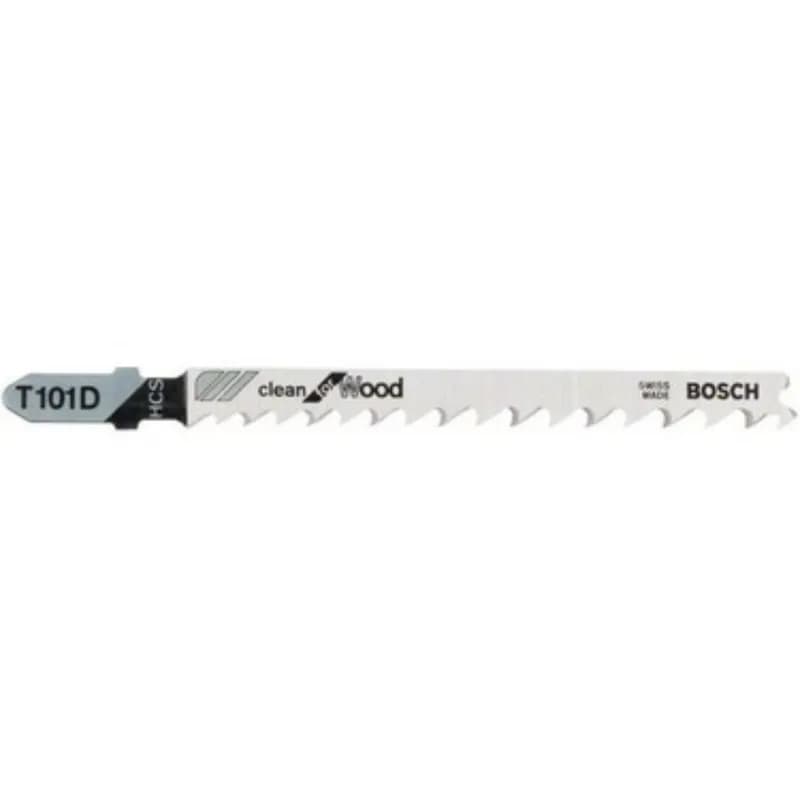
Bosch Sert Cutting Wood Jigsaw Blade (T101D)
Bosch · Jigsaw Blades
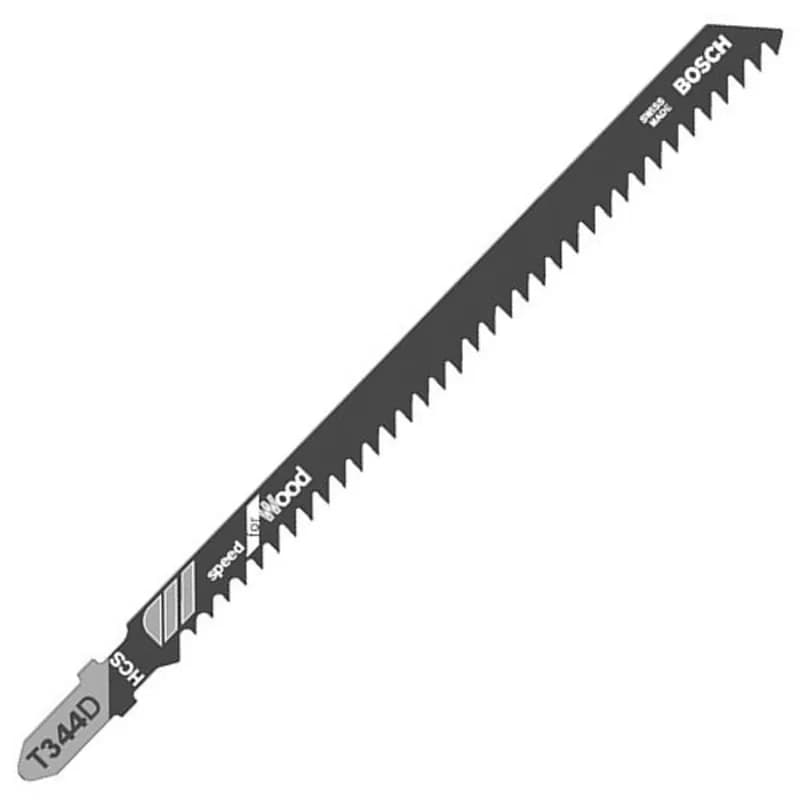
Bosch Long Wood Jigsaw Blade (T344D)
Bosch · Jigsaw Blades
Makita B04955 Jigsaw Saw Blade-Metal B-24S
Makita · Jigsaw Blades

Makita A85765 Jigsaw Saw Blade-Metal B-25
Makita · Jigsaw Blades
Makita B04961 Jigsaw Saw Blade-Metal B-30
Makita · Jigsaw Blades

Makita B10431 Jigsaw Saw Blade-Metal B-32
Makita · Jigsaw Blades

Makita B10447 Jigsaw Saw Blade-Metal B-33
Makita · Jigsaw Blades

Makita B10453 Jigsaw Saw Blade-Metal B-34
Makita · Jigsaw Blades
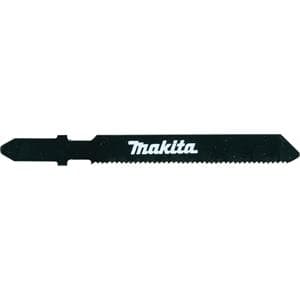
Makita D-34908 Jigsaw Saw Blade-Metal
Makita · Jigsaw Blades

Makita B10469 Jigsaw Saw Blade-Special Series B-35
Makita · Jigsaw Blades

Makita B04933 Jigsaw Saw Blade Wood-Plastic B-19S
Makita · Jigsaw Blades

Makita A85628 Jigsaw Saw Blade Wood-Plastic B-10
Makita · Jigsaw Blades

Makita 7926918 Jigsaw Saw Blade Wood-Plastic B-10S
Makita · Jigsaw Blades

Makita A85232 Jigsaw Saw Blade Wood-Plastic B-8
Makita · Jigsaw Blades

Makita A85793 Jigsaw Saw Blade Wood-Plastic BR-13
Makita · Jigsaw Blades
1–24 of 102 · page 1 / 5
Blades by material
Blades are defined by their T-shank fitting, with tooth form and material class printed on the blade.
| Material | Blade | Note |
|---|---|---|
| Rough timber | Coarse, few teeth | Fast, rough edge |
| Clean timber | Fine teeth | Little breakout |
| Laminate / furniture board | Reverse tooth | Keeps the visible face clean |
| Metal | Bimetal, very fine | Low stroke rate, cutting fluid |
| Tile / fibreboard | Carbide grit | Toothless, cuts by abrasion |
Frequently Asked Questions
What is a reverse-tooth blade for?
The teeth cut on the downstroke, so breakout happens on the underside and the visible face stays clean. It is the blade for laminate and faced boards.
Which blade cuts metal?
Fine-tooth bimetal (BiM) blades. A low stroke rate and cutting fluid extend blade life considerably, and pendulum action goes off.
Why is my cut wandering?
Usually feeding too fast, a dull blade, or too narrow a blade for the thickness. A wider-backed blade reduces deflection in thick material.
What is a T-shank?
The standard tool-free fitting for jigsaw blades. Most jigsaws on the market take T-shank blades.