Categories
Collets
A collet is the tapered clamp that holds the cutter in a router or die grinder: as the nut tightens, the collet contracts and grips the shank all the way round. With the wrong size the cutter slips, vibration starts and the surface suffers. The catalogue holds over 250 products.
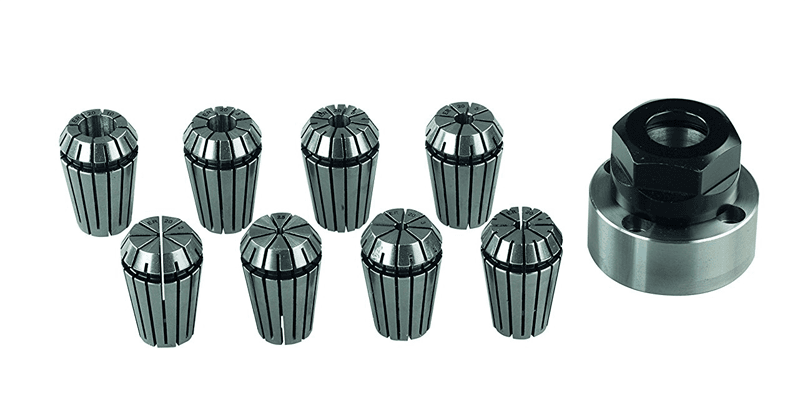
Proxxon 24038 Collet
Proxxon · Collets
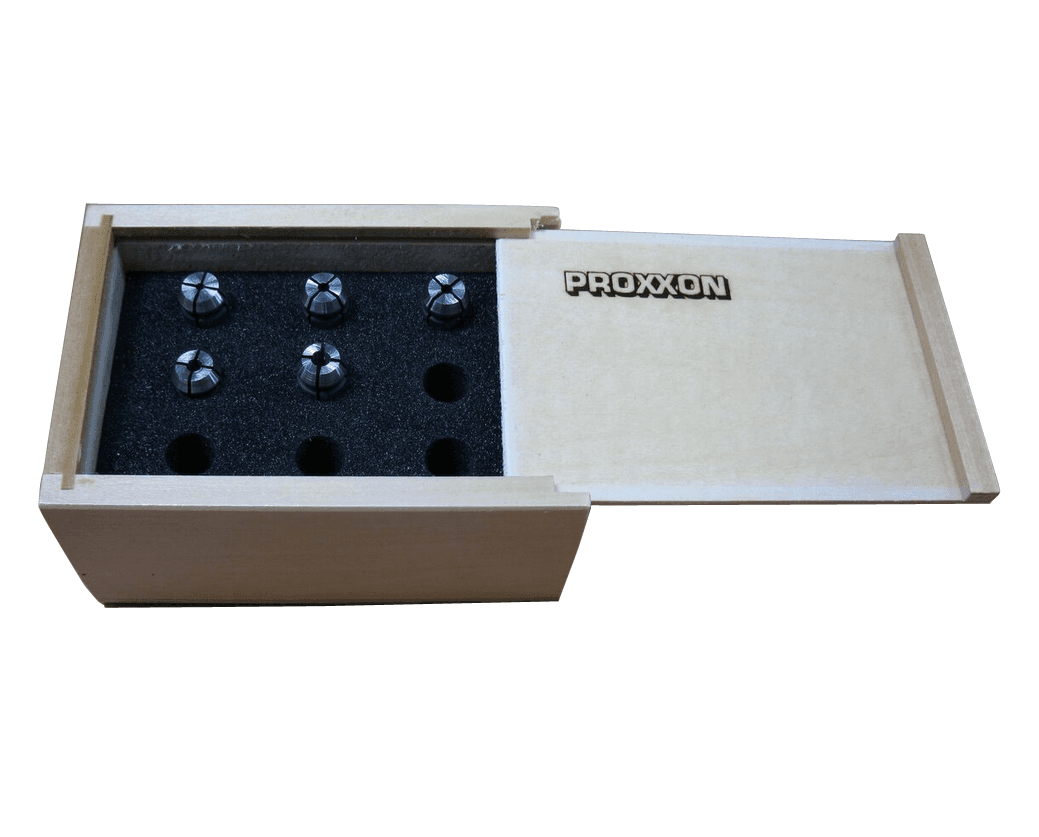
Proxxon 24144 Collet 5 pcs
Proxxon · Collets
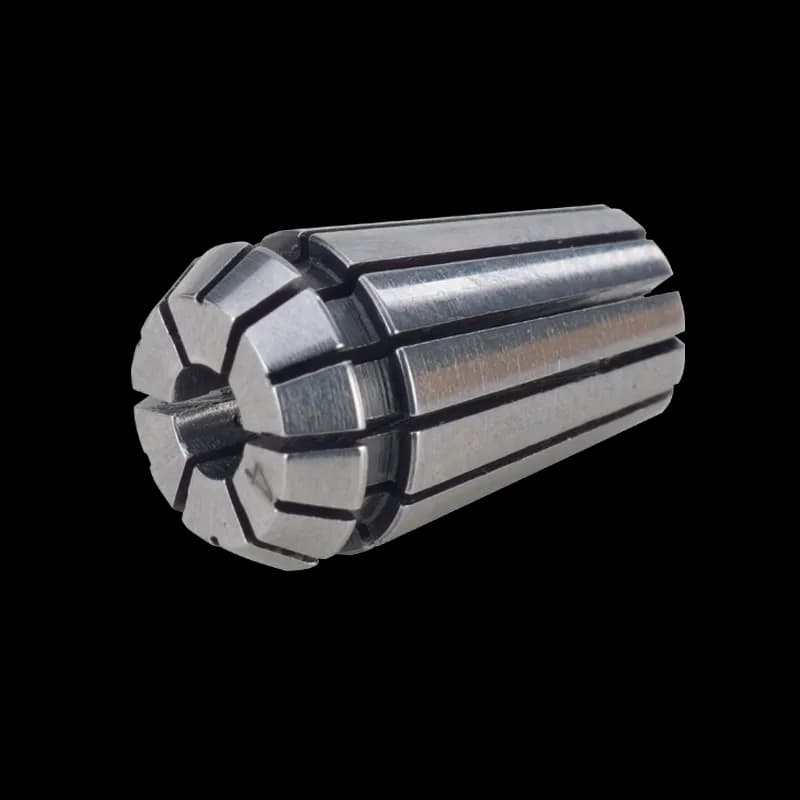
Proxxon 24154 Collet 7 pcs
Proxxon · Collets
ATİKER EP01 Kaynak Pensesi 200A
ATİKER · Collets
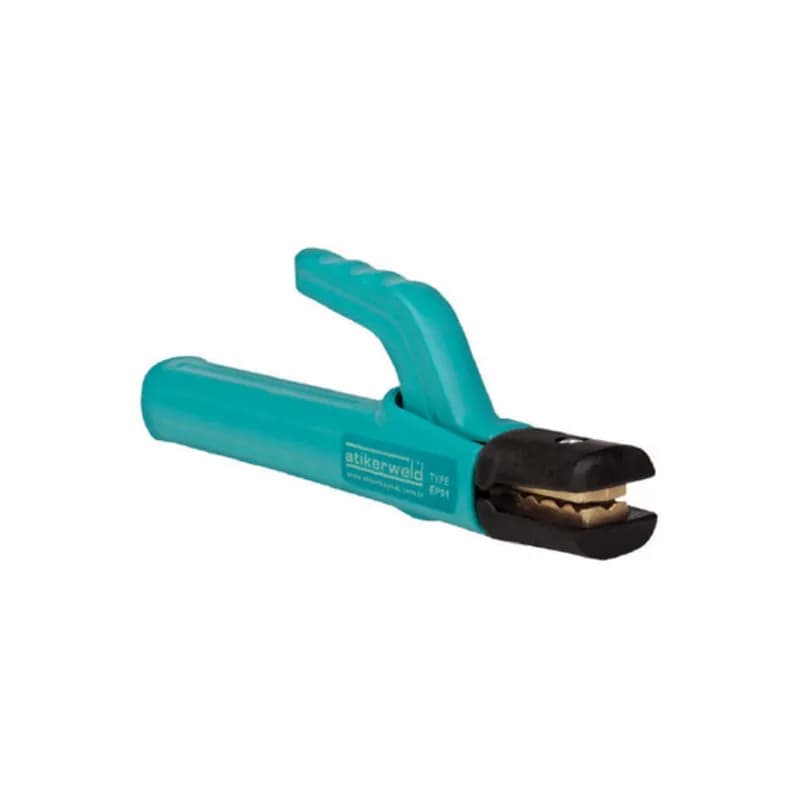
ATİKER EP01 Kaynak Pensesi 300A
ATİKER · Collets
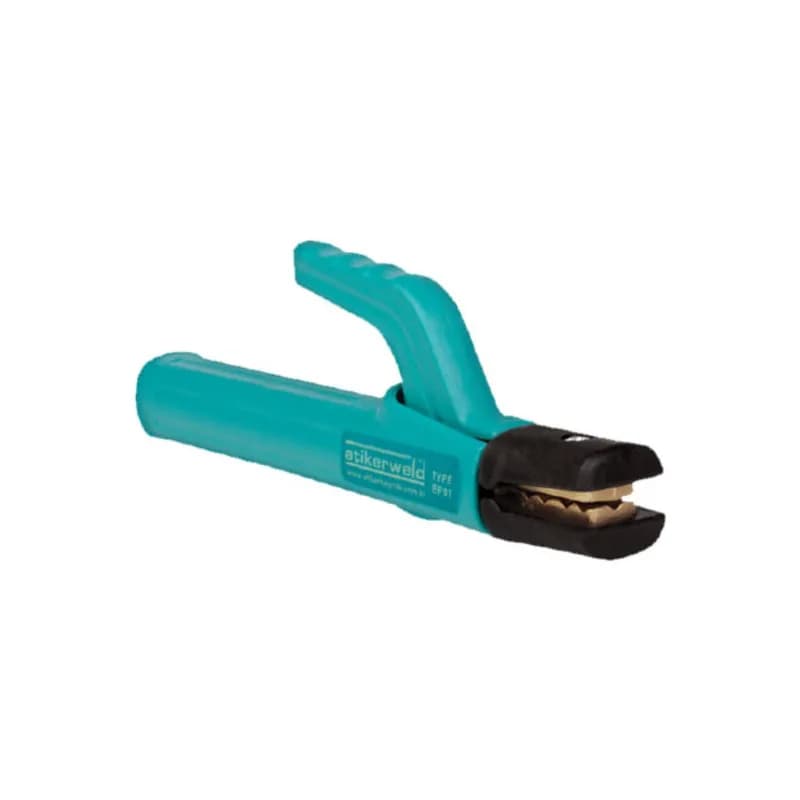
ATİKER EP01 Kaynak Pensesi 400A
ATİKER · Collets
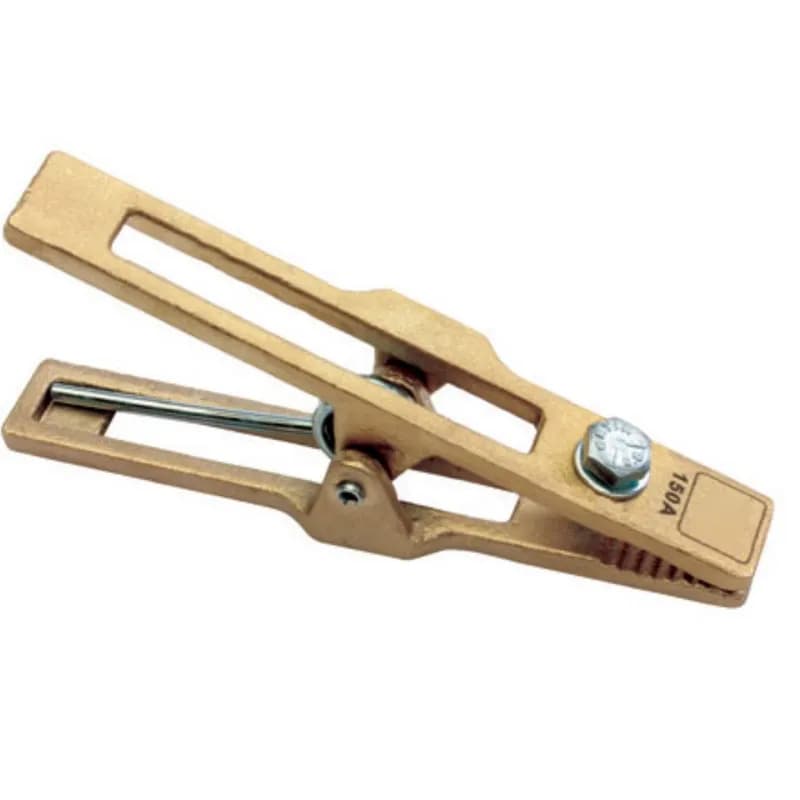
ATİKER SP01 Serisi Şase Pensesi 150A
ATİKER · Collets
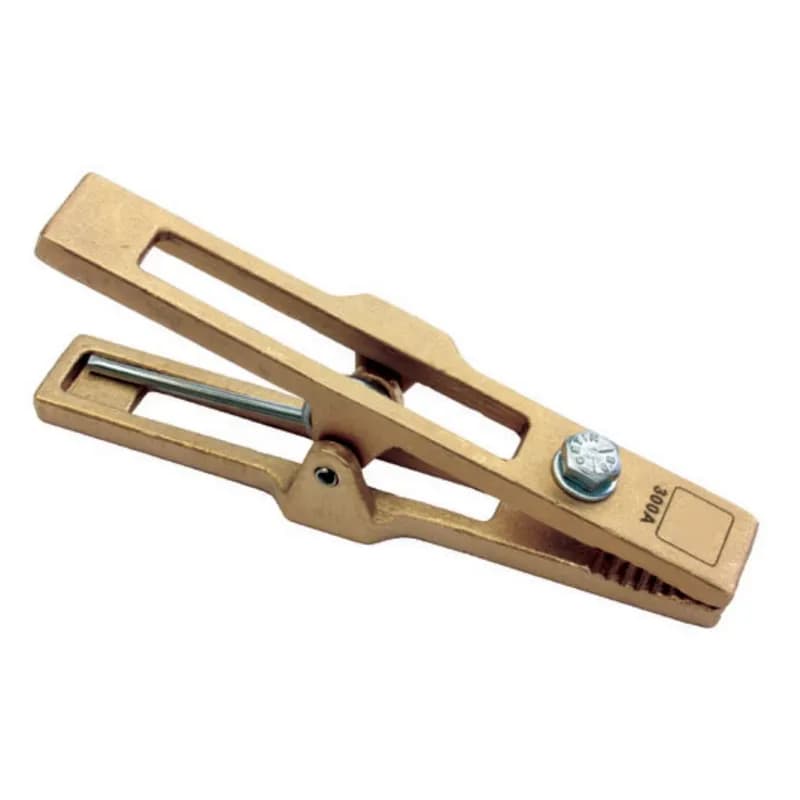
ATİKER SP01 Serisi Şase Pensesi 300A
ATİKER · Collets
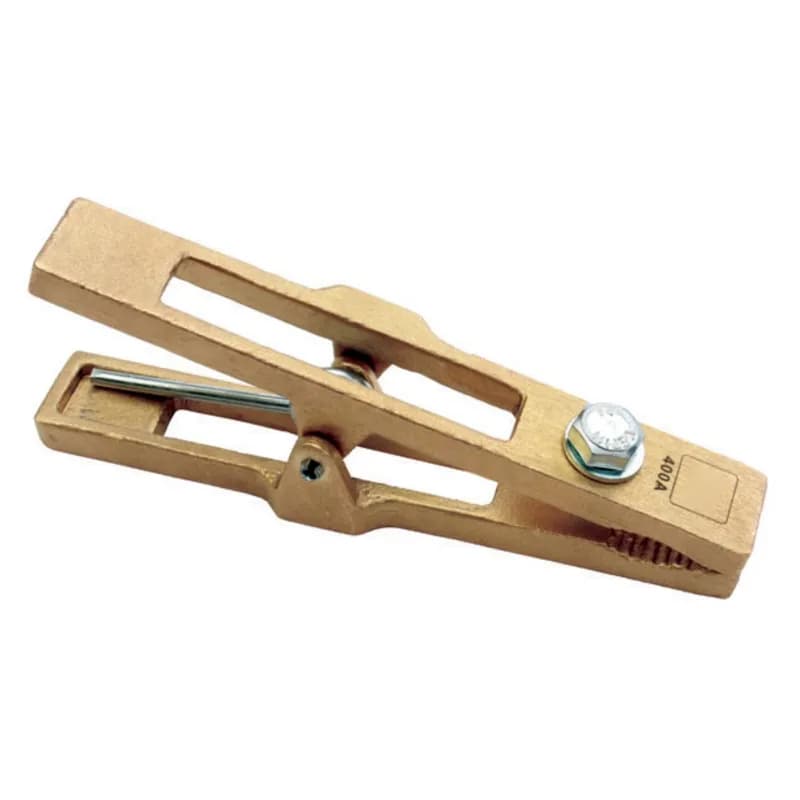
ATİKER SP01 Serisi Şase Pensesi 400A
ATİKER · Collets
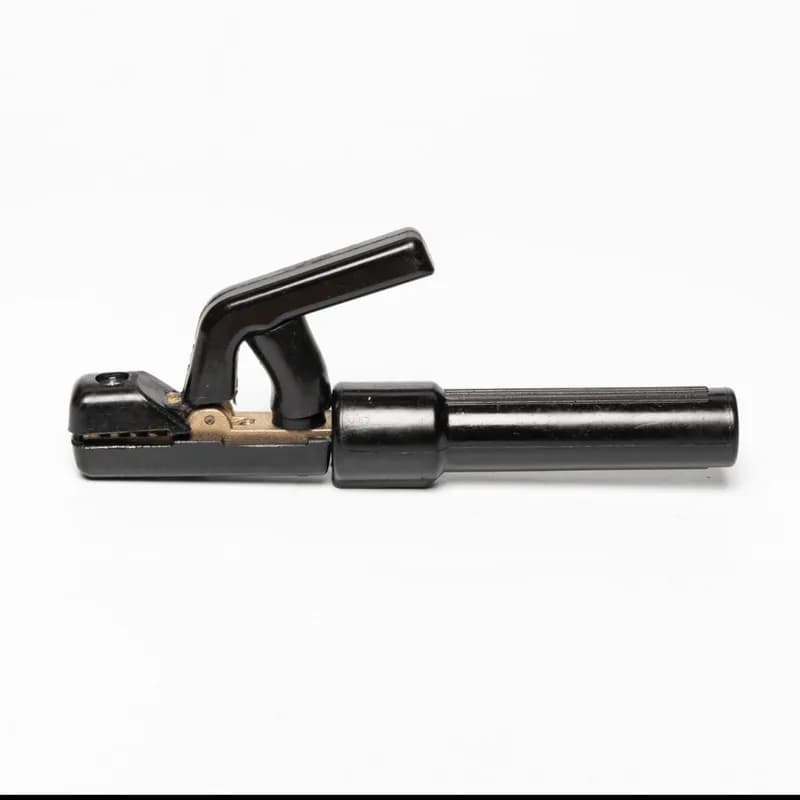
AXU Kaynak Pensesi 200 Amp. (KP200)
AXU · Collets
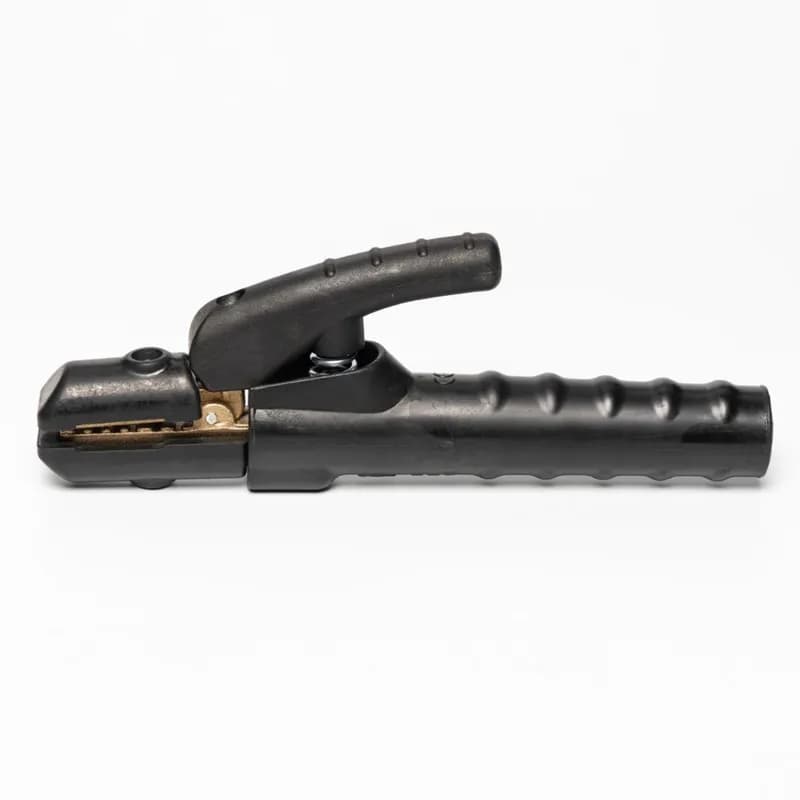
AXU Kaynak Pensesi 400 Amp. (KP400)
AXU · Collets
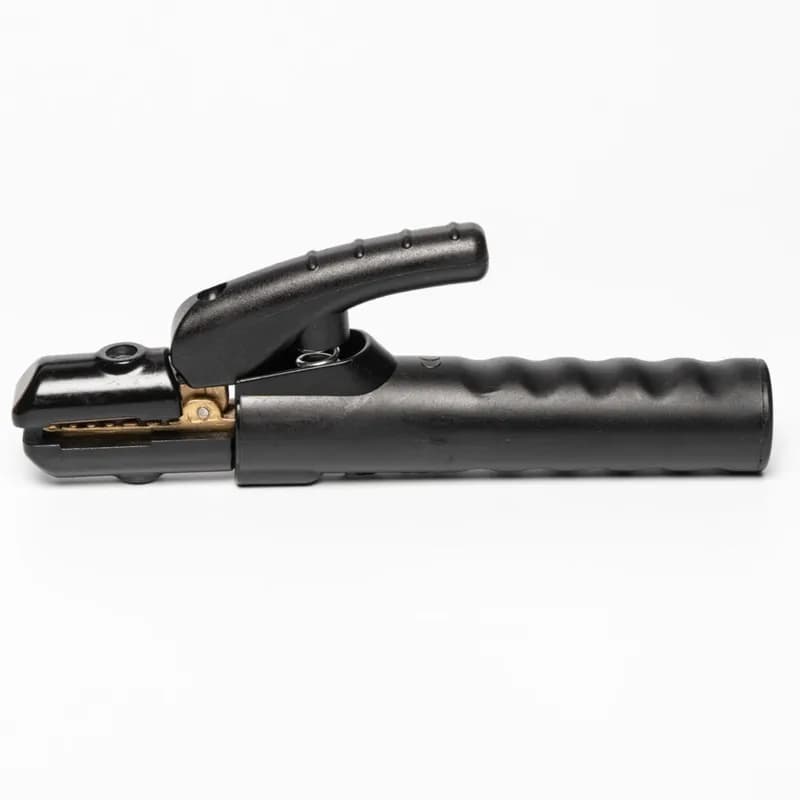
AXU Kaynak Pensesi 600 Amp. (KP600)
AXU · Collets
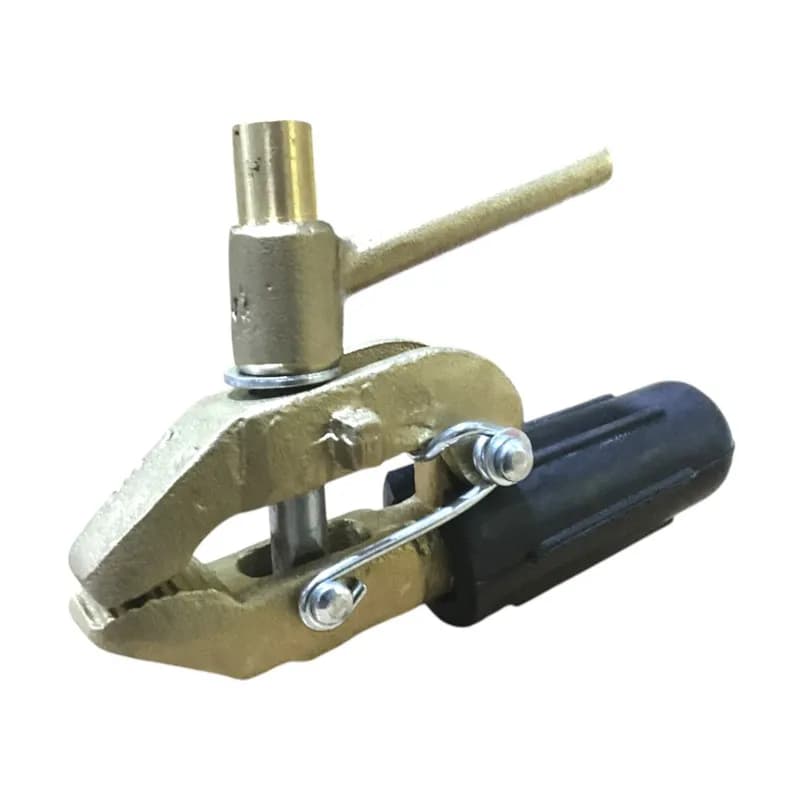
AXU Mengene Tipi Şase Pensesi 1000 Amp. (TPM1000)
AXU · Collets
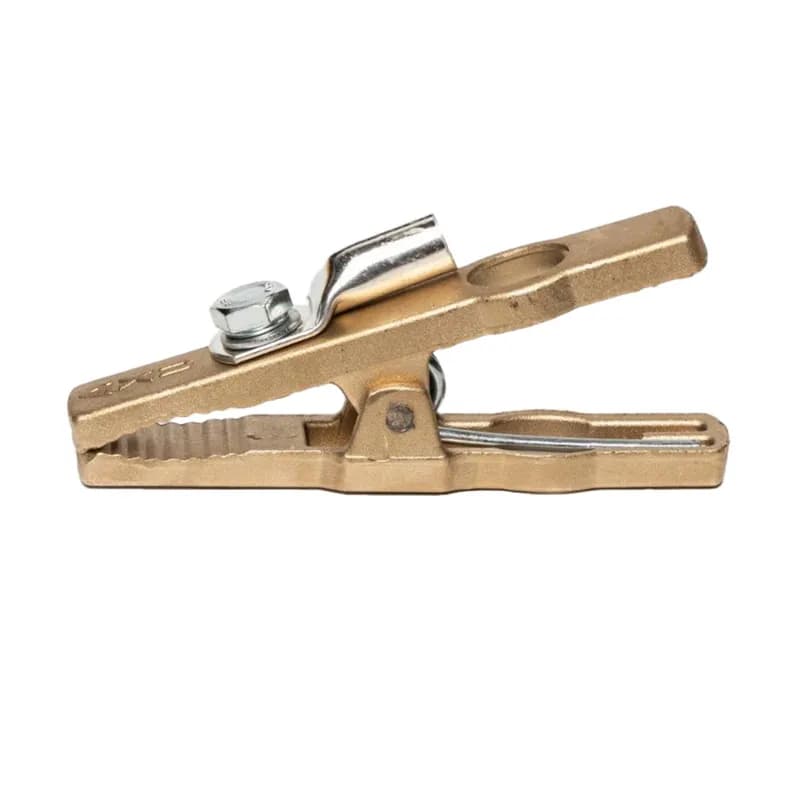
AXU Şase Pensesi Sarı Yaylı 200 Amp. (TPS200)
AXU · Collets
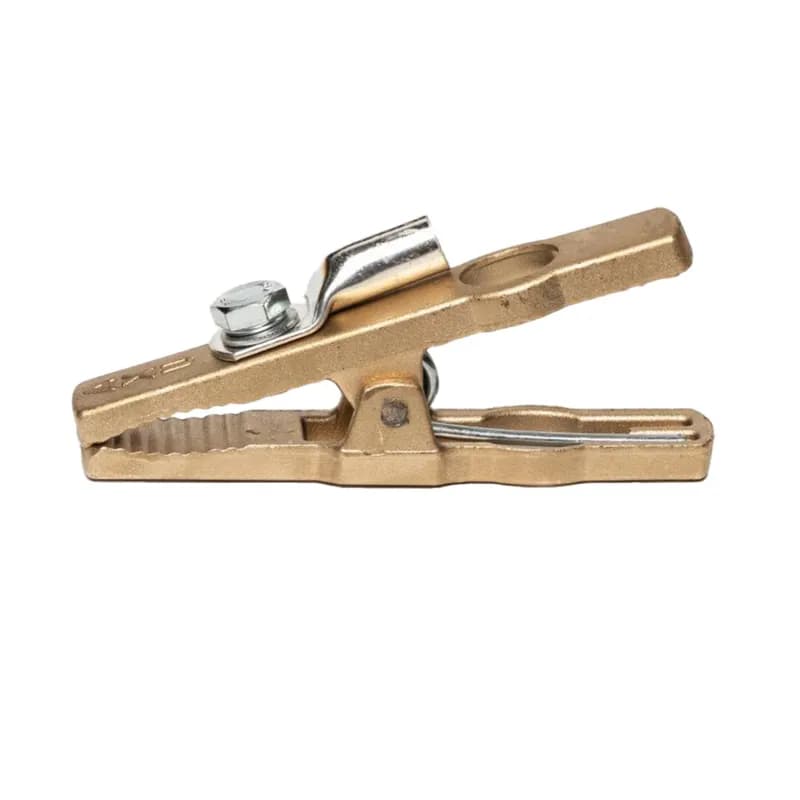
AXU Şase Pensesi Sarı Yaylı 400 Amp. (TPS400)
AXU · Collets
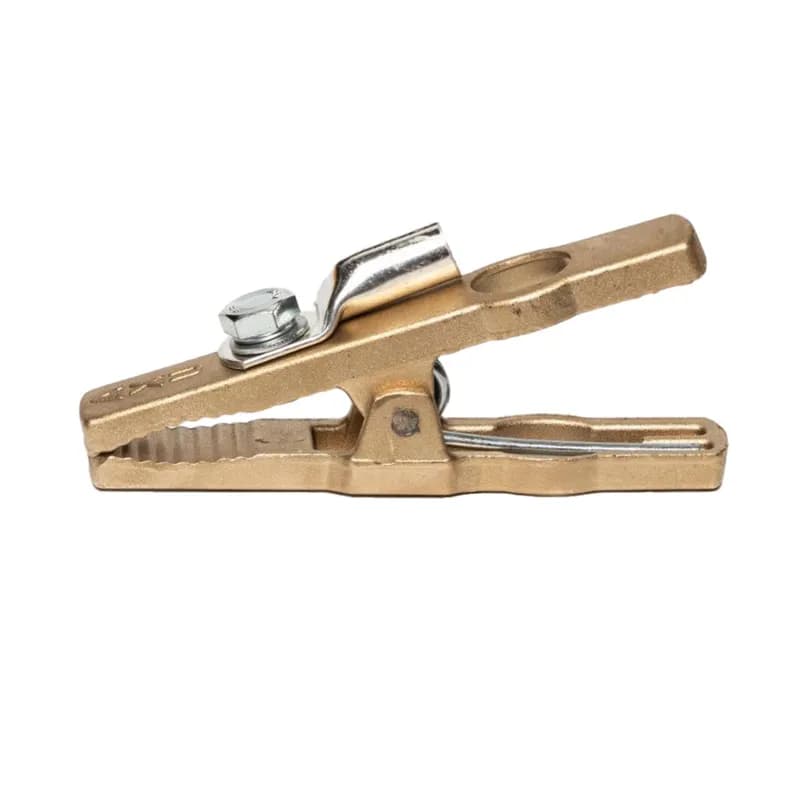
AXU Şase Pensesi Sarı Yaylı 600 Amp. (TPS600)
AXU · Collets
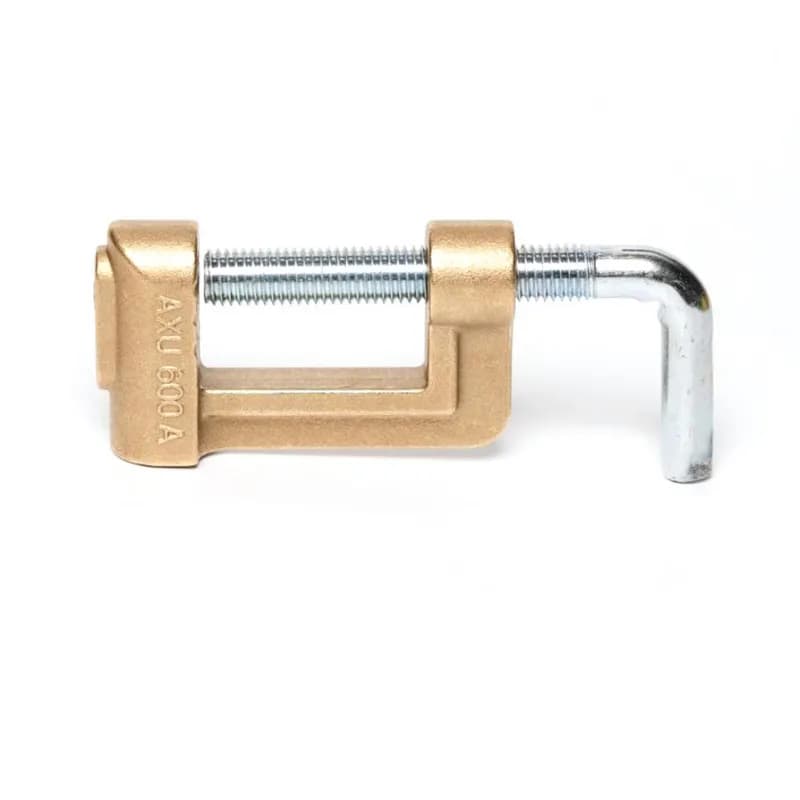
AXU Vidalı Şase Pensesi 600 Amp. (TPV600)
AXU · Collets
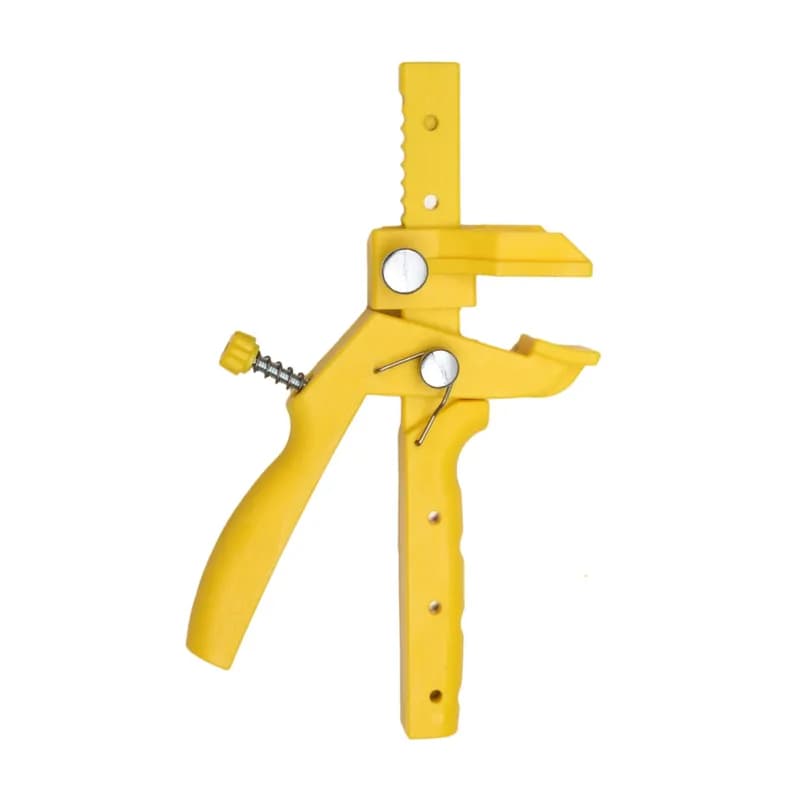
Ayar Pensesi Ap-05
Collets
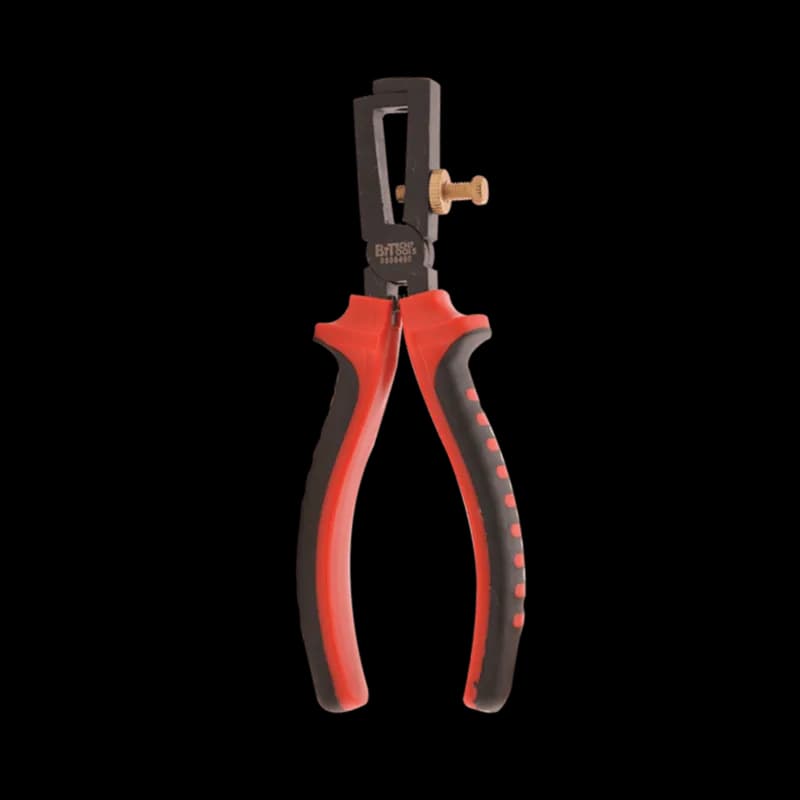
B-Tech Kablo Sıyırma Pensesi 500409
Collets
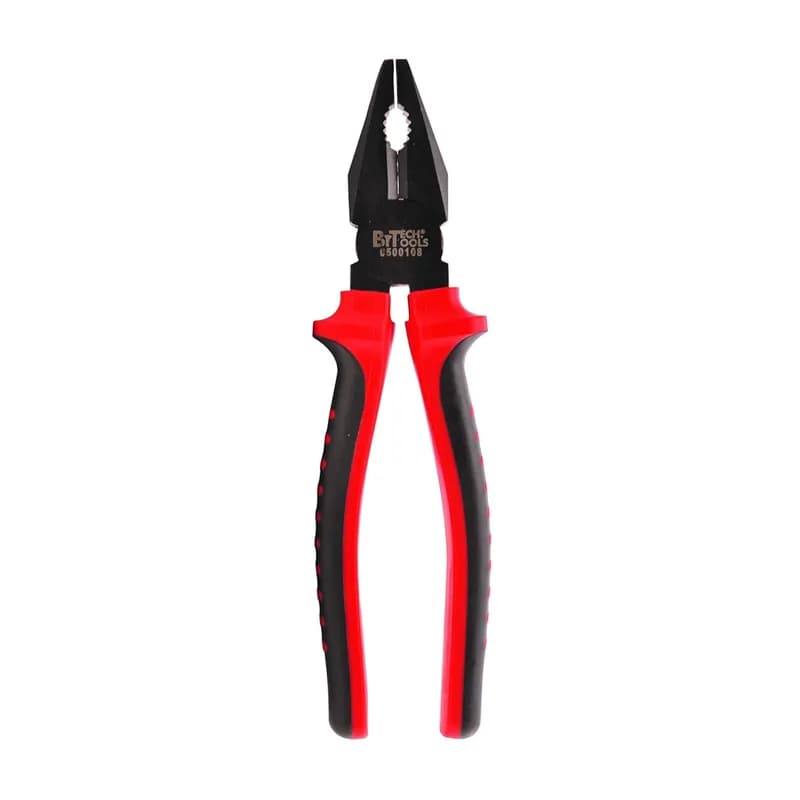
B-Tech Kombine Pense 8" 200 mm 500108
Collets
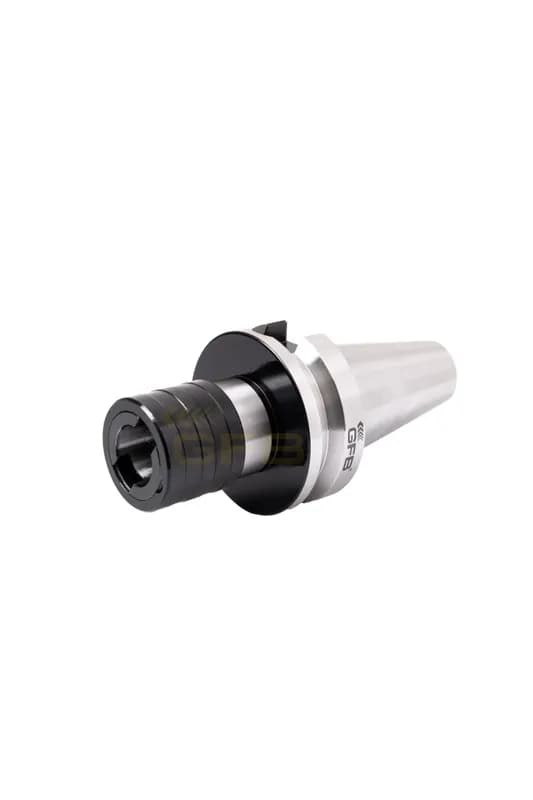
GFB Collet Chuck BBT40 ER16 100 mm
GFB · Collets
GFB Collet Chuck BBT40 ER16 70 mm
GFB · Collets
GFB Collet Chuck BBT40 ER20 100 mm
GFB · Collets
GFB Collet Chuck BBT40 ER20 70 mm
GFB · Collets
1–24 of 290 · page 1 / 13
Size and fit
Collet size must match the cutter shank exactly: an 8 mm shank goes only in an 8 mm collet. Reducing sleeves work mechanically but add play and vibration, which costs surface quality and cutter life.
Common sizes are 6, 8, 10 and 12 mm along with their imperial equivalents (1/4", 3/8", 1/2"). Machine make and model also determine collet type; collet and nut work as a pair and are not mixed between brands.
| Collet | Shank | Typical use |
|---|---|---|
| 6 mm / 1/4" | 6 mm and 1/4" shanks | Small cutters, die grinders |
| 8 mm | 8 mm shanks | General purpose routing |
| 10 mm | 10 mm shanks | Medium cutters |
| 12 mm / 1/2" | 12 mm and 1/2" shanks | Large profile cutters |
Tightening and care
Do not push the cutter fully home: leaving 1-2 mm of shank proud stops it bottoming out in the collet. Tighten the nut properly with the wrench, never by hand alone.
Dust and resin build-up inside the collet ruins the grip; cleaning it periodically reduces vibration and prevents slip. Never use a cracked or deformed collet — a slipping cutter is a serious hazard.
- Shank diameter and collet size must match exactly.
- Leave 1-2 mm of shank proud rather than bottoming out.
- Clean the collet periodically; resin ruins the grip.
- Never use a cracked or worn collet.
Frequently Asked Questions
How do I choose collet size?
By the cutter shank, exactly. An 8 mm shank takes an 8 mm collet; reducing sleeves introduce play and vibration.
Why does my cutter slip?
Most often the wrong collet size, dust and resin inside the collet, a worn collet, or a nut that was not properly tightened. A slipping cutter spoils the work and is dangerous.
How far should the cutter go into the collet?
Most of the shank should be inside, but the cutter must not bottom out — leaving 1-2 mm proud prevents jamming and spreads the grip evenly.
Are collet and nut replaced together?
Yes, they work as a pair and are usually sold together. Mixing brands leaves the tapers mismatched and the cutter running out of true.
When should a collet be replaced?
At any sign of cracking, deformation or lost grip. Unexpected chatter marks on the surface and repeated cutter slip mean the collet has done its time.