Categories
Driver Bits
The driver bit transmits torque into the screw head and is the fastest-wearing part in the chain; with the wrong type or size, both bit and screw head are ruined. This page covers the types, what impact rating changes, and choosing a holder. The catalogue holds over 290 products.

Proxxon 23703 Bit Holder 1/4″
Proxxon Industrial · Driver Bits
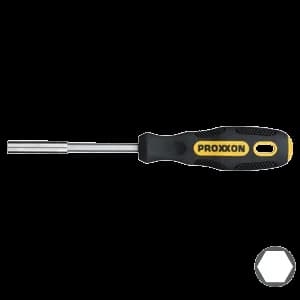
Proxxon 22281 Magnetic Bit Holder
Proxxon Industrial · Driver Bits
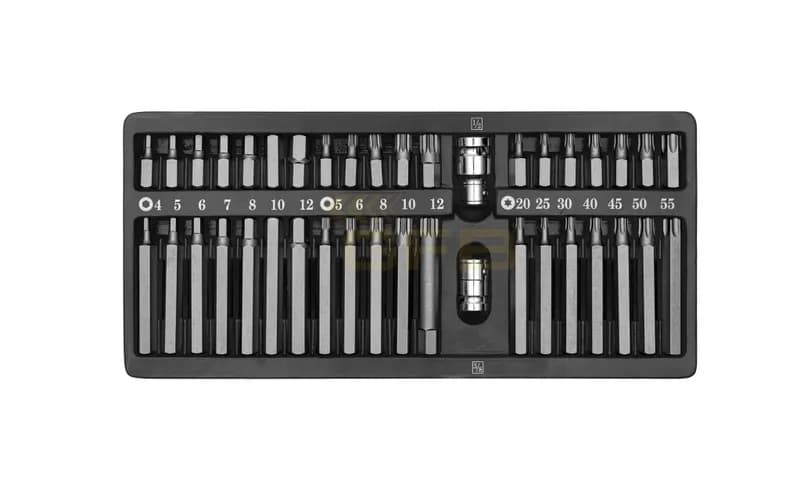
GFB Automotive Driver Bit Set 40 Piece
GFB · Driver Bits
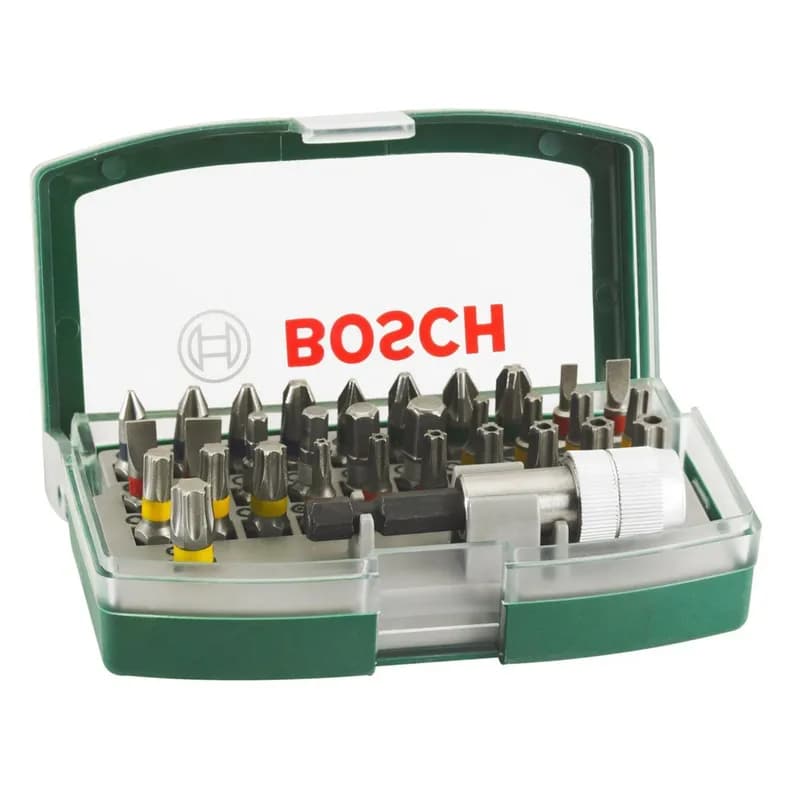
Bosch Screwdriving Bit Set 32-piece 2607017063
Bosch · Driver Bits
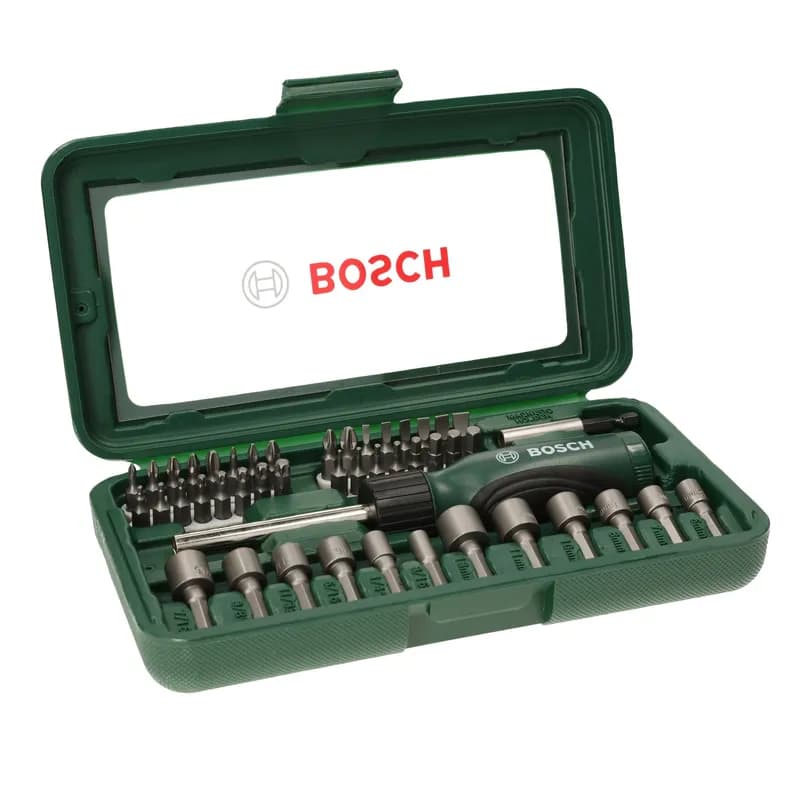
Bosch Screwdriving and Socket Bit Set 46-piece 2607019504
Bosch · Driver Bits
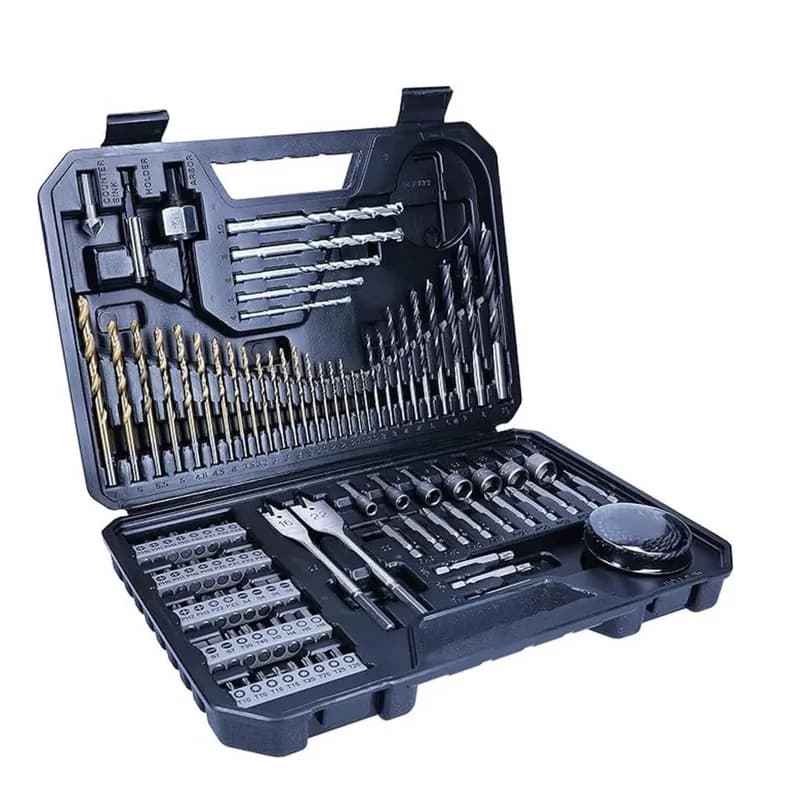
Bosch Screwdriving and Drill Bit Set 103lü 2607017367
Bosch · Driver Bits
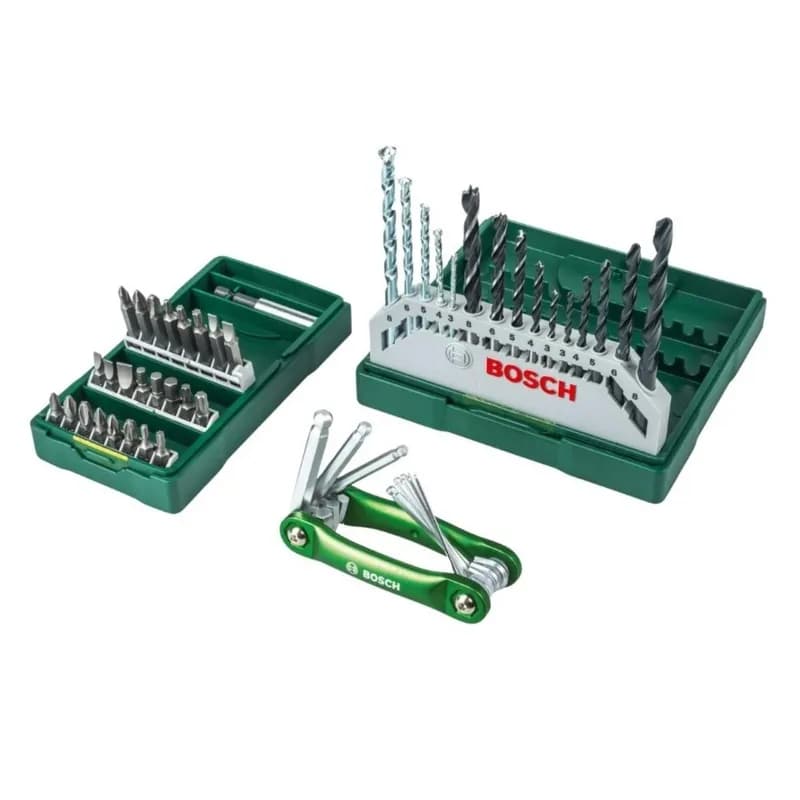
Bosch Screwdriving and Drill Bit Set 41-piece 2607017333
Bosch · Driver Bits
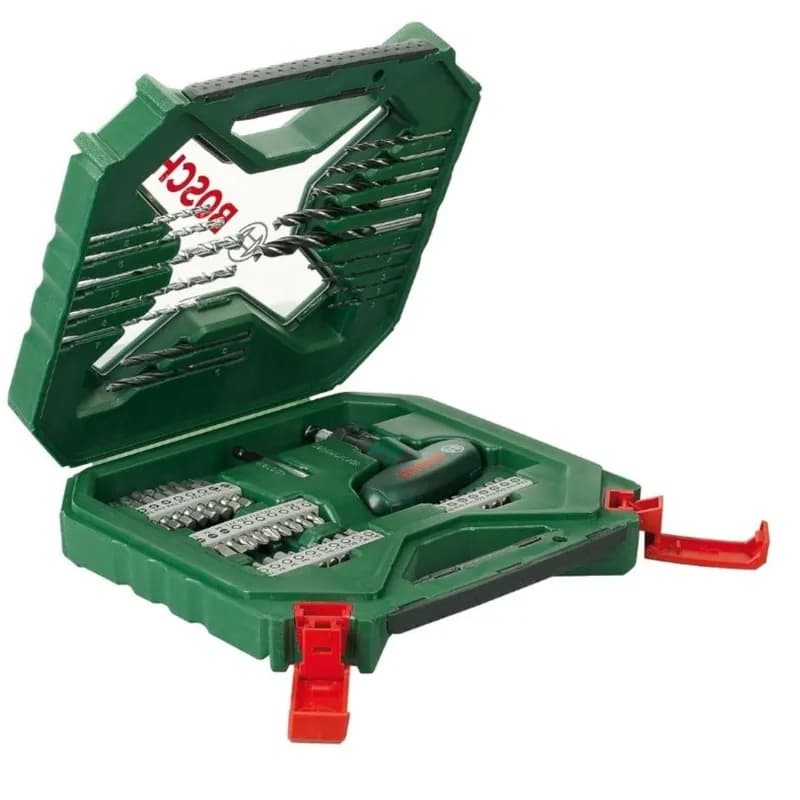
Bosch Screwdriving and Drill Bit Set 54-piece 2607010610
Bosch · Driver Bits
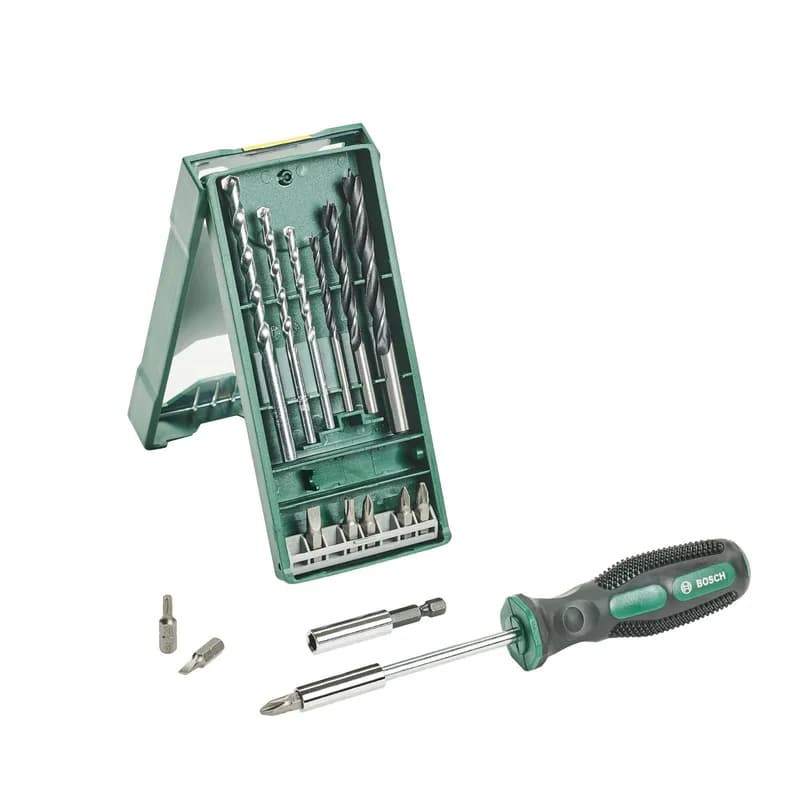
Bosch X-LINE Screwdriving Bit Set 15+1-piece 2607017654
Bosch · Driver Bits
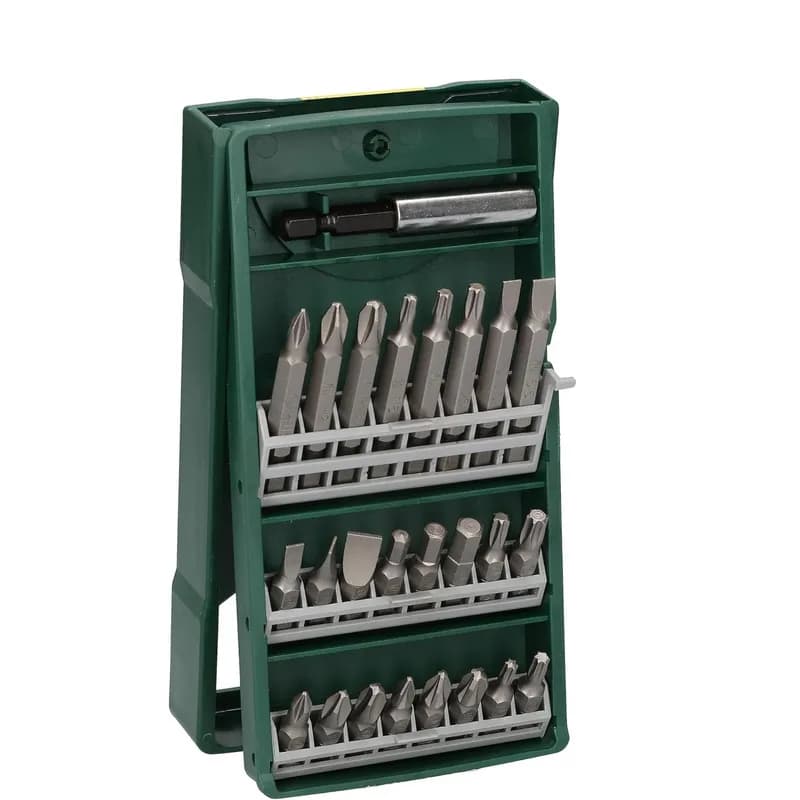
Bosch X-LINE Screwdriving Bit Set 25-piece 2607019676
Bosch · Driver Bits
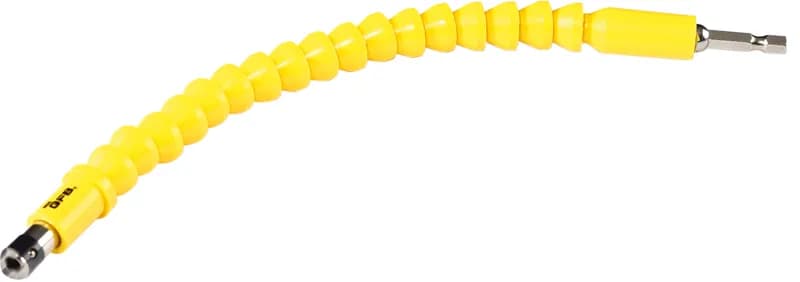
GFB Flexible Bit Extension
GFB · Driver Bits
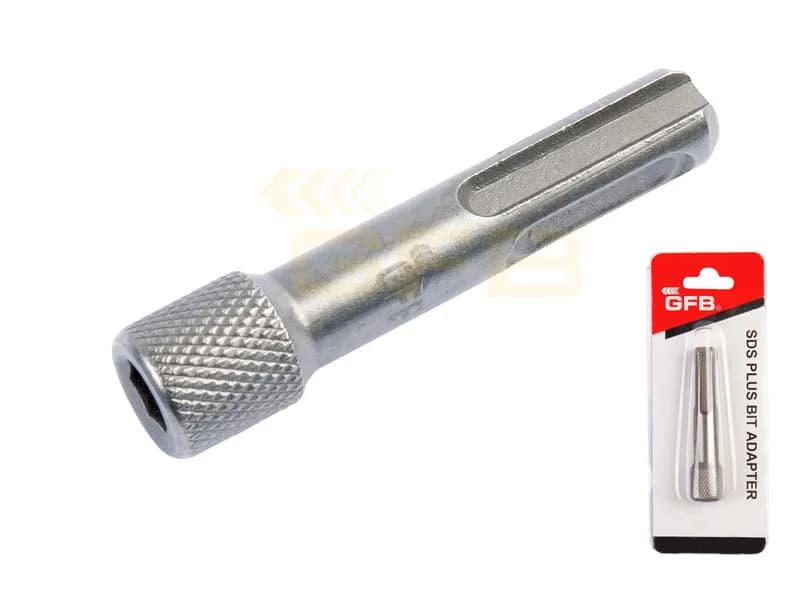
GFB Bit Adapter SDS
GFB · Driver Bits
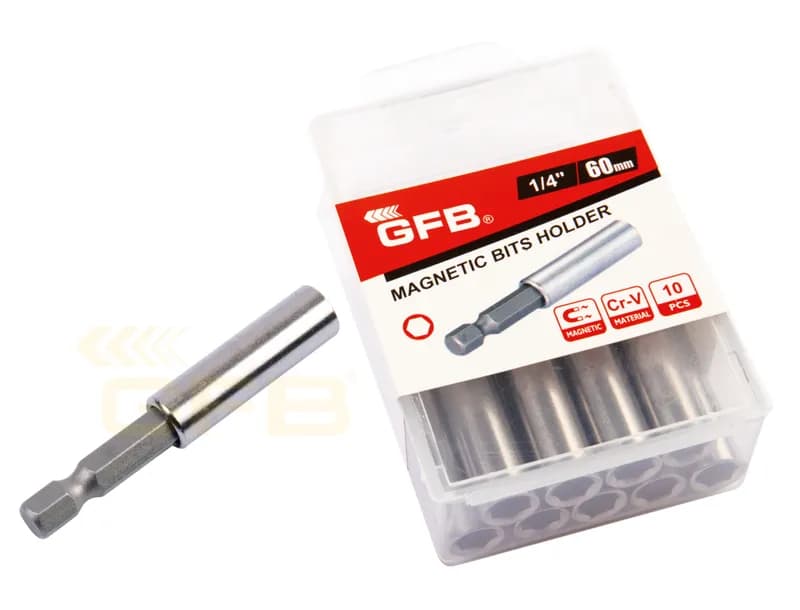
GFB Bit Extension 100 mm Magnetic
GFB · Driver Bits
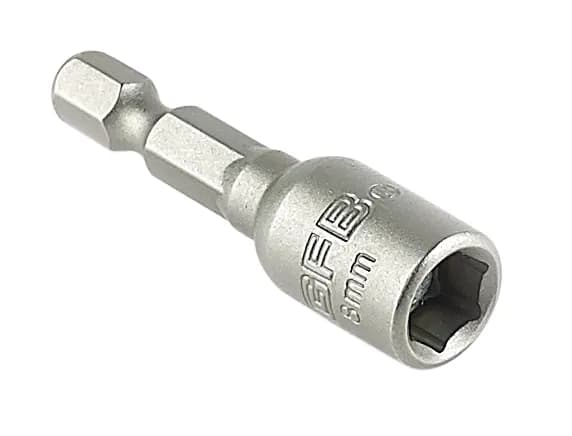
GFB Nut Setter 10 x 45 mm Magnetic
GFB · Driver Bits
GFB Nut Setter 11 x 45 mm Magnetic
GFB · Driver Bits
GFB Nut Setter 12 x 45 mm Magnetic
GFB · Driver Bits
GFB Nut Setter 13 x 45 mm Magnetic
GFB · Driver Bits
GFB Nut Setter 14 x 65 mm Magnetic
GFB · Driver Bits
GFB Bit Extension 150 mm Magnetic
GFB · Driver Bits
GFB Nut Setter 17 x 65 mm Magnetic
GFB · Driver Bits
GFB Bit Extension 60 mm Magnetic
GFB · Driver Bits
GFB Nut Setter 7 x 45 mm Magnetic
GFB · Driver Bits
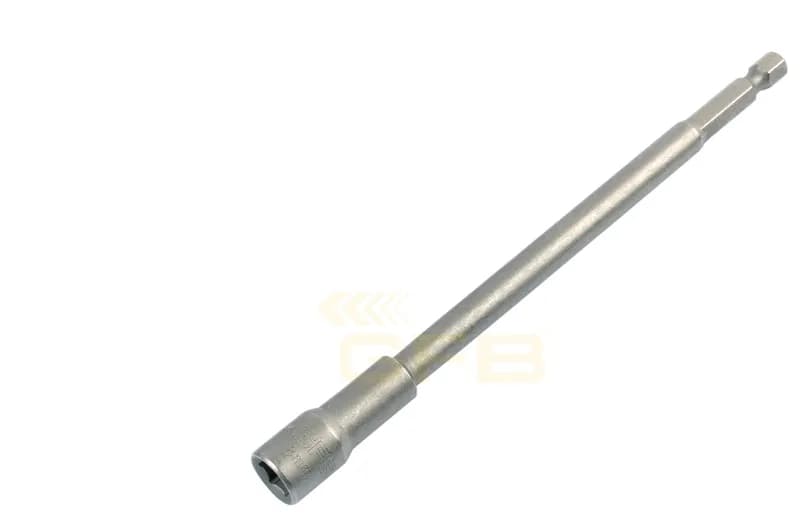
GFB Nut Setter 8 x 150 mm Magnetic Long
GFB · Driver Bits
GFB Nut Setter 8 x 45 mm Magnetic
GFB · Driver Bits
1–24 of 503 · page 1 / 21
Types and sizes
Bit type follows the recess in the screw head. PH (Phillips) and PZ (Pozidriv) look alike but differ: PZ screws carry extra tick marks, and a PH bit in a PZ screw cams out and ruins the recess.
| Type | Description | Where |
|---|---|---|
| PH (Phillips) | Cross, tapered recess | General assembly, wood screws |
| PZ (Pozidriv) | Cross plus tick marks | Furniture, plasterboard, chipboard screws |
| TX (Torx) | Six-point star | High torque, structural work |
| Slotted | Single slot | Electrical, older fixings |
| Hex | Internal hexagon | Furniture, machine bolts |
| Square (Robertson) | Square recess | Imported wood screws |
Impact rating and S2 steel
Standard bits break in an impact driver: hammer torque loads them suddenly. Impact rated bits are designed for it — the shank twists in a controlled way and absorbs the energy, so the bit flexes rather than snaps.
The steel is usually S2: hard enough to transmit torque without rounding the screw recess. Coated bits (torsion zones, diamond dust) add life and grip.
- Use only impact rated bits in an impact driver.
- Never put a PH bit in a PZ screw — it will cam out.
- A magnetic holder stops long bits dropping the screw.
- A worn bit ruins screws too — replace it.
Frequently Asked Questions
What is the difference between PH and PZ?
Recess geometry. PZ screws carry extra tick marks beside the cross and the bit seats over a wider face. A PH bit in a PZ screw cams out and rounds the recess; the two do not interchange.
How do impact bits differ from standard ones?
They are designed for the sudden torque of an impact driver: the shank twists in a controlled way to absorb energy, so the bit flexes rather than snapping. Standard bits fail quickly in an impact driver.
Why do my bits round off so fast?
Usually the wrong type or size (PH1 instead of PH2), working off the screw axis, or standard bits used in an impact driver.
How do I choose bit length?
25 mm is the standard and covers most work. 50-150 mm bits reach into deep or awkward places but flex more; the shortest bit that reaches gives the best control.
Do I need a magnetic holder?
It helps a great deal when working one-handed: it holds the screw on the bit. Magnetic holders also stiffen the bit and reduce wobble.
What does S2 steel mean?
It is the hard tool steel used for bits. A hard bit transmits torque without rounding the screw recess; a soft one destroys itself first and the screw head next.