Categories
Countersinks & Centre Drills
A countersink cuts a conical seat so the screw head finishes flush with the surface; a centre drill spots the centre first so the drill cannot skate. The catalogue holds 79 products.
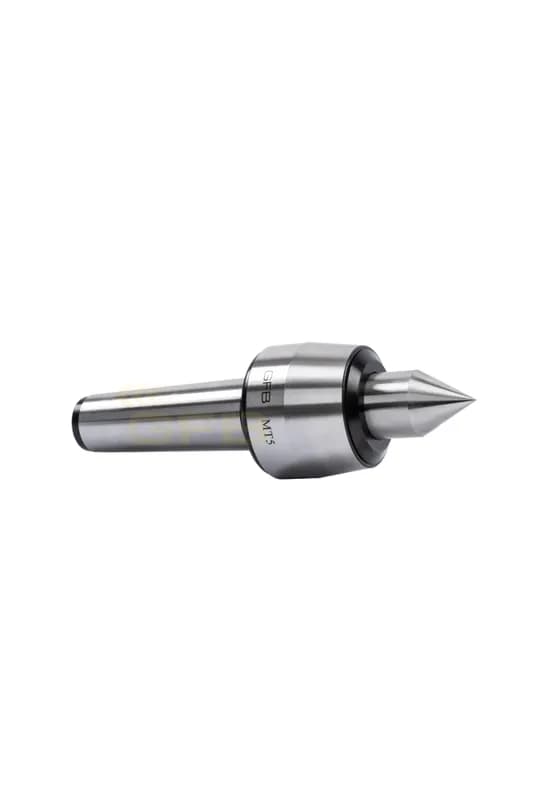
GFB Live Centre MT1
GFB · Countersinks & Centre Drills
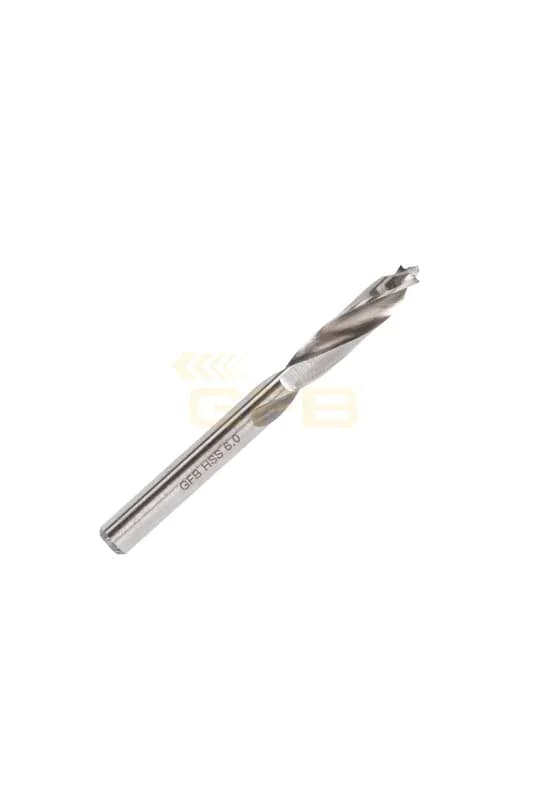
GFB HSS Centre Reamer 10 x 79 mm
GFB · Countersinks & Centre Drills
GFB Live Centre MT2
GFB · Countersinks & Centre Drills
GFB Live Centre MT3
GFB · Countersinks & Centre Drills
GFB Live Centre MT4
GFB · Countersinks & Centre Drills
GFB Live Centre MT5
GFB · Countersinks & Centre Drills
GFB HSS Centre Reamer 6 x 66 mm
GFB · Countersinks & Centre Drills
GFB HSS Centre Reamer 7 x 74 mm
GFB · Countersinks & Centre Drills
GFB HSS Centre Reamer 8 x 79 mm
GFB · Countersinks & Centre Drills
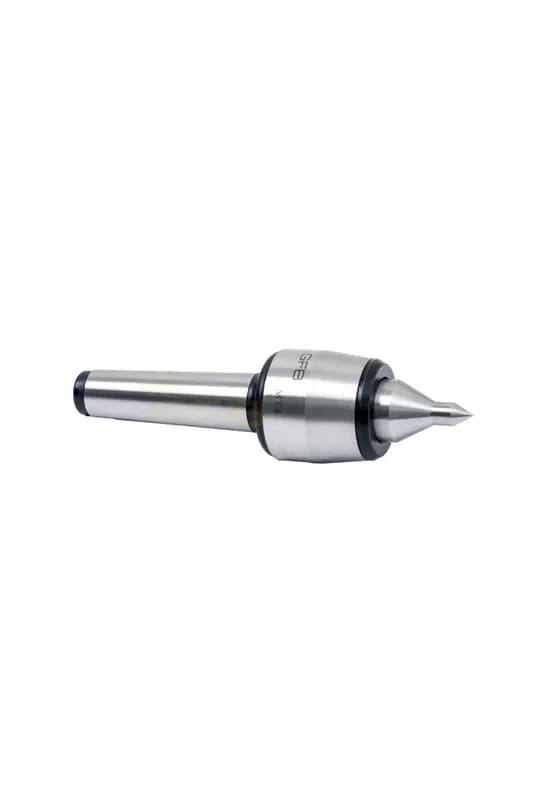
GFB CNC Fine Point Live Centre MT3
GFB · Countersinks & Centre Drills
GFB CNC Fine Point Live Centre MT4
GFB · Countersinks & Centre Drills
GFB CNC Fine Point Live Centre MT5
GFB · Countersinks & Centre Drills

GFB Interchangeable Live Centre Set MT4
GFB · Countersinks & Centre Drills
GFB Interchangeable Live Centre Set MT5
GFB · Countersinks & Centre Drills
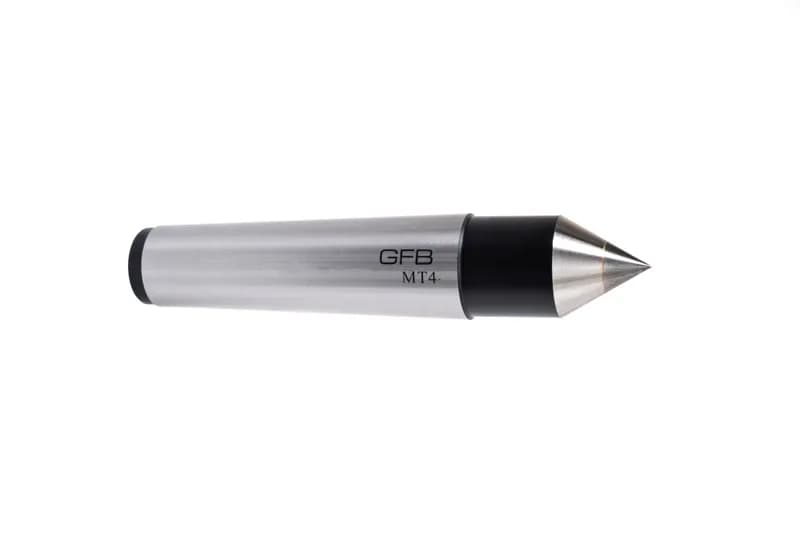
GFB Dead Centre MT2 Diamond Tipped
GFB · Countersinks & Centre Drills
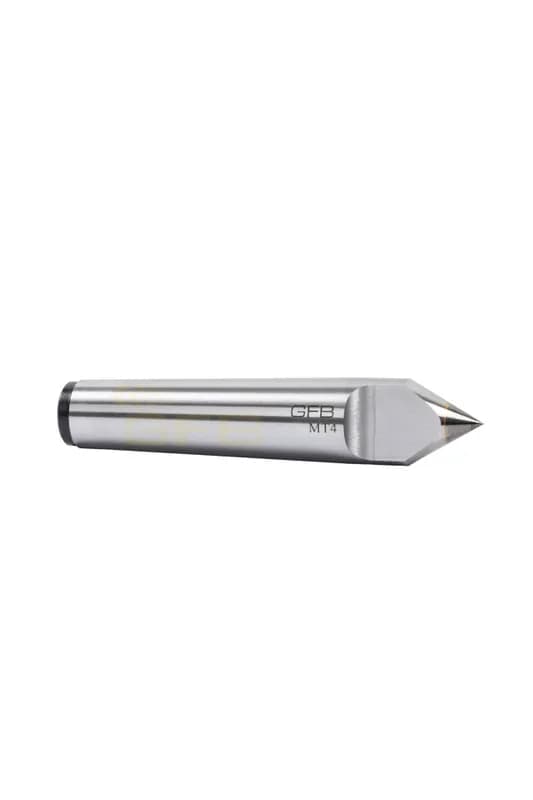
GFB Dead Centre MT2 Diamond Tipped Half Point
GFB · Countersinks & Centre Drills
GFB Dead Centre MT3 Diamond Tipped
GFB · Countersinks & Centre Drills
GFB Dead Centre MT3 Diamond Tipped Half Point
GFB · Countersinks & Centre Drills
GFB Dead Centre MT4 Diamond Tipped
GFB · Countersinks & Centre Drills
GFB Dead Centre MT4 Diamond Tipped Half Point
GFB · Countersinks & Centre Drills
GFB Dead Centre MT5 Diamond Tipped
GFB · Countersinks & Centre Drills
GFB Dead Centre MT5 Diamond Tipped Half Point
GFB · Countersinks & Centre Drills
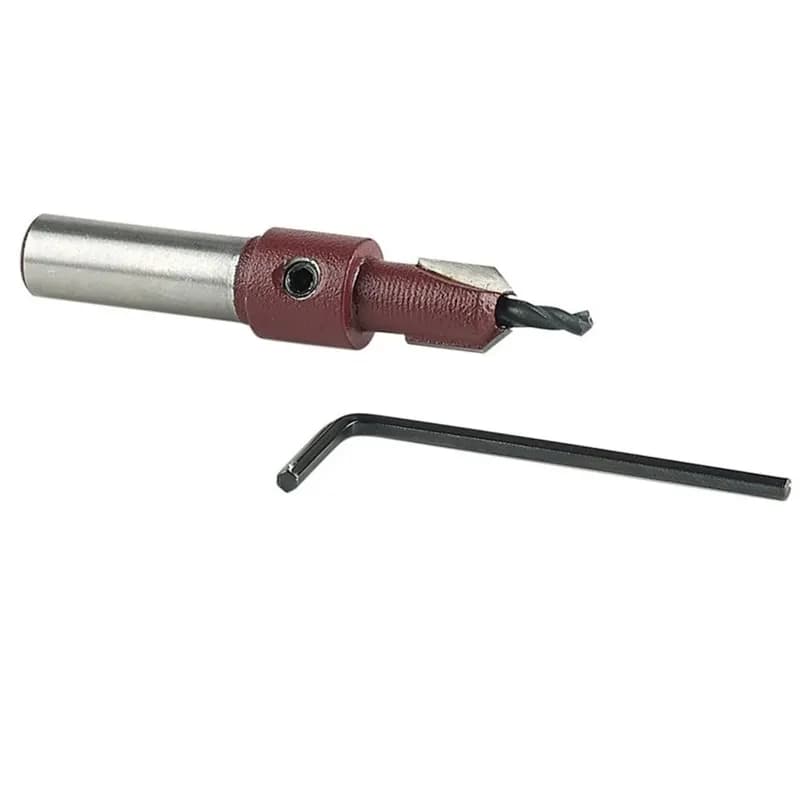
GFB HSS Havşa Matkap Ucu 3.0 mm KOD:2300
Countersinks & Centre Drills
GFB HSS Havşa Matkap Ucu 3.5 mm KOD:2301
Countersinks & Centre Drills
1–24 of 80 · page 1 / 4
Angle and centring
The countersink angle must match the screw head: 90° is usual on metric countersunk screws, 82-90° on wood screws. The wrong angle leaves the head proud or buries it and splits the material.
A centre drill is short and rigid, so it does not wander. On slippery surfaces and at large diameters, spotting first stops the bit skating and the hole going off size.
Frequently Asked Questions
How do I choose the countersink angle?
By the screw head: 90° for metric countersunk screws, 82-90° for wood screws. The wrong angle leaves the head proud or splits the material.
Is a centre drill necessary?
For accurate work and large diameters, yes. On a slippery surface the drill skates and the hole goes off position; a short, rigid centre drill fixes the centre.
Why does the surface chatter when countersinking?
Usually too much speed and pressure. Countersinks work slow with light pressure, and multi-flute types chatter less.
Can one bit drill and countersink together?
Yes, with combined countersink drills. They are common in woodwork: the pilot hole and the head seat are cut in one pass.