Categories
Fretsaw & Scroll Saw Blades
A fretsaw blade is neither a jigsaw blade nor a bandsaw blade: it is thin, flat and either pin-end or pinless. It is the only blade that cuts tight internal shapes, because it can be threaded through a drilled hole and re-tensioned. The choice is made on teeth per inch.

Proxxon 28119 Reverse tooth, pinless Fretsaw Blades 1″ 12 pcs
Proxxon · Fretsaw & Scroll Saw Blades

Proxxon 28749 Reverse tooth, pin-end Fretsaw Blades 1″ 12 pcs
Proxxon · Fretsaw & Scroll Saw Blades
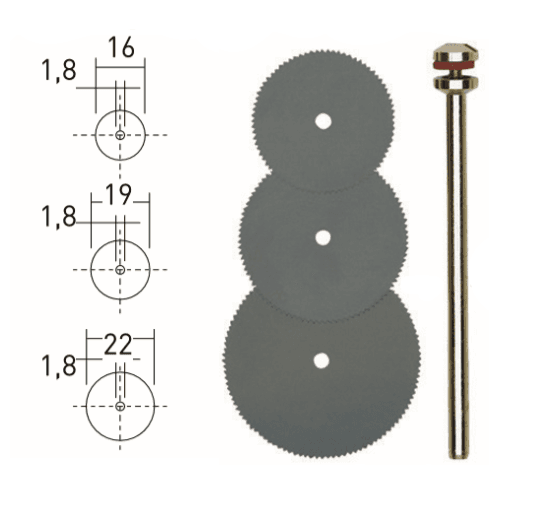
Proxxon 28830 Wood Saw Blade 3 pcs
Proxxon · Fretsaw & Scroll Saw Blades
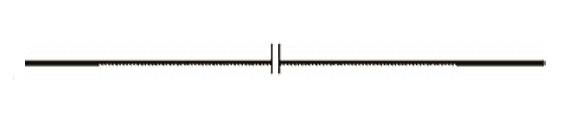
Proxxon 28114 Slim, extra fine Fretsaw Blades 50 teeth 12 pcs
Proxxon · Fretsaw & Scroll Saw Blades
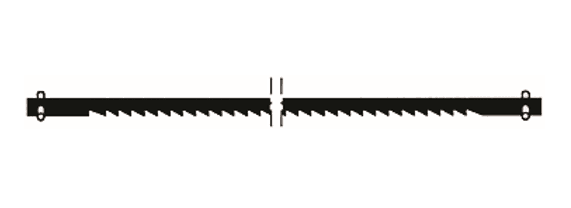
Proxxon 28745 Slim, extra fine Fretsaw Blades 25 teeth 12 pcs
Proxxon · Fretsaw & Scroll Saw Blades
Proxxon 28184 Toothless Fretsaw Blades
Proxxon · Fretsaw & Scroll Saw Blades
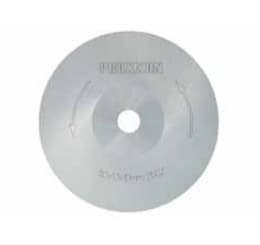
Proxxon 28730 Hss Saw Blade
Proxxon · Fretsaw & Scroll Saw Blades

Proxxon 28118 Slim Fretsaw Blades 20 teeth 12 pcs
Proxxon · Fretsaw & Scroll Saw Blades
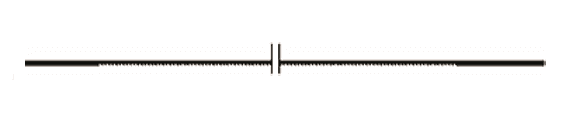
Proxxon 28113 Slim Fretsaw Blades 41 teeth 12 pcs
Proxxon · Fretsaw & Scroll Saw Blades
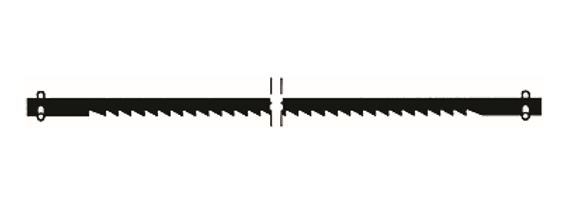
Proxxon 28743 Slim Fretsaw Blades 18 teeth 12 pcs
Proxxon · Fretsaw & Scroll Saw Blades

Proxxon 28116 Coarse tooth Fretsaw Blades 14 teeth 12 pcs
Proxxon · Fretsaw & Scroll Saw Blades
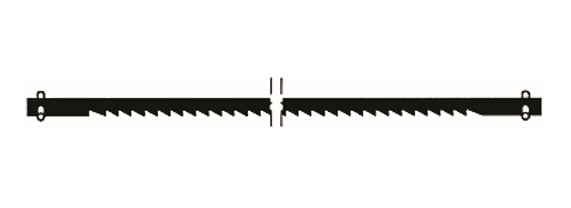
Proxxon 28741 Coarse Fretsaw Blades 10 teeth 12 pcs
Proxxon · Fretsaw & Scroll Saw Blades
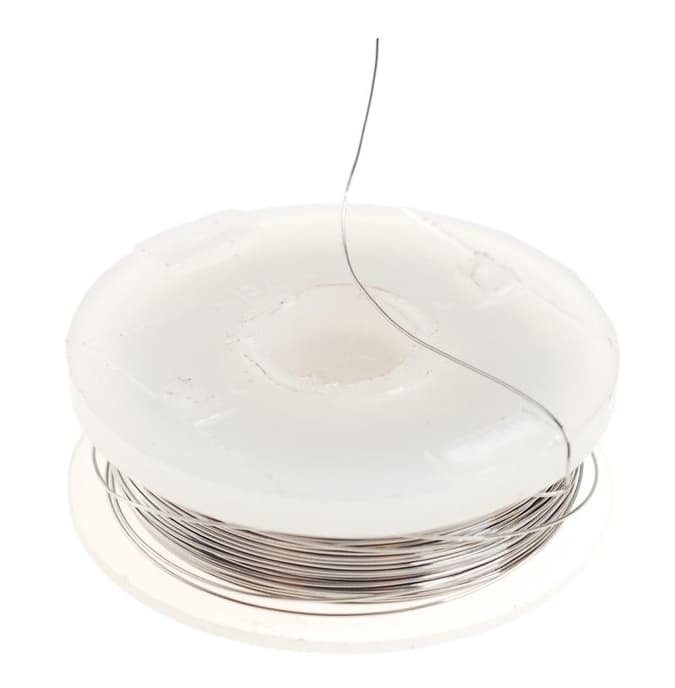
Proxxon 28080 Fretsaw Blades
Proxxon · Fretsaw & Scroll Saw Blades

Proxxon 28117 Fretsaw Blades 17 teeth 12 pcs
Proxxon · Fretsaw & Scroll Saw Blades
Proxxon 28112 Fretsaw Blades 36 teeth 12 pcs
Proxxon · Fretsaw & Scroll Saw Blades
Teeth per inch: one number, two consequences
More teeth means a finer, slower cut; fewer means faster and coarser. The practical rule looks at thickness: at least three teeth must be in the material at all times, or the blade snatches and breaks.
Roughly: 10-14 TPI for thick wood and plastic, 17-25 TPI for general plywood and board, 41 TPI for thin veneer, brass and sheet.
Reverse tooth blades and the mounting
A standard blade cuts on the upstroke and leaves splintering on the top face. On a reverse tooth blade the lower teeth cut downward, so the top face stays clean — which is where the difference shows on veneered board.
There are two mountings: pin-end goes in fast but needs a larger pilot hole; pinless passes through a finer hole and turns a tighter radius. The product page says which the machine takes.
Frequently Asked Questions
Is it the same as a jigsaw blade?
No. A jigsaw blade is held at one end and is thick; a fretsaw blade is tensioned at both ends and is far thinner, which is why it turns a far tighter radius.
How is an internal cut made?
Drill a hole inside the waste, thread the blade through it and re-tension; when the cut is finished, release the blade and lift it out. Pinless blades need a smaller hole for this.
Can it cut metal?
Brass, copper, aluminium and thin sheet with a fine tooth blade. Slow the cut down and expect the blade to dull faster; plan consumption accordingly.
What pack size do they come in?
Fretsaw blades are usually sold in packs of 12; the pack quantity is in the spec table on the product page.