Categories
Cable Cutters
A cable cutter is built to cut stranded conductor without crushing it: the jaw geometry gathers the cable as it cuts, so the cross-section stays intact. The range here covers hand, ratchet and hydraulic models.
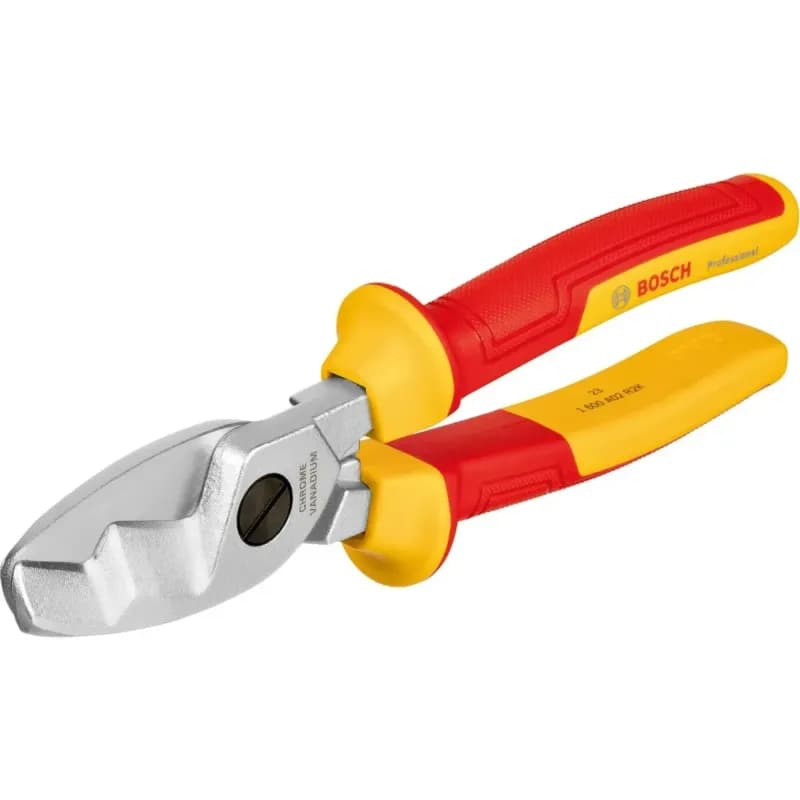
Bosch Electrician Cable Snips 200 mm 1600A02NF4
Bosch · Cable Cutters
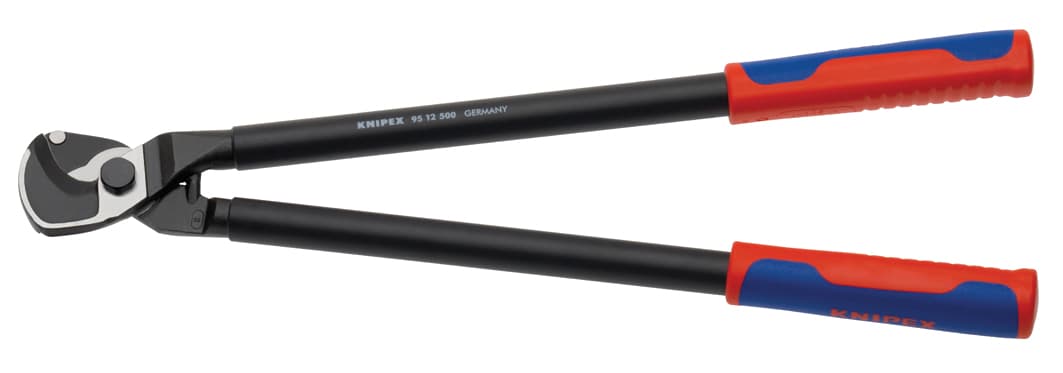
Knipex 9512500 Large Cable Snips 500 mm
Knipex · Cable Cutters
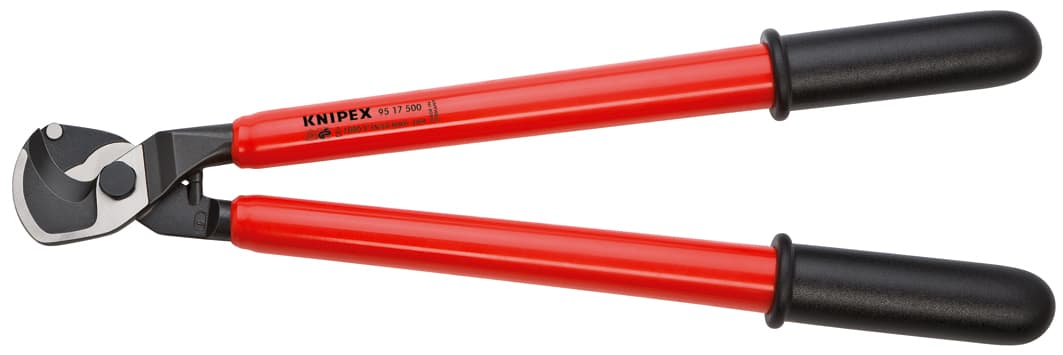
Knipex 9517500 Large Cable Snips 500 mm
Knipex · Cable Cutters
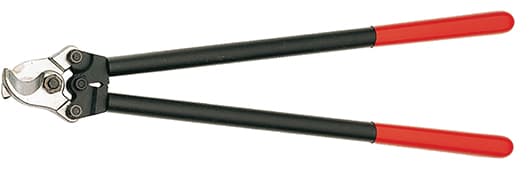
Knipex 9521600 Large Cable Snips 600 mm
Knipex · Cable Cutters
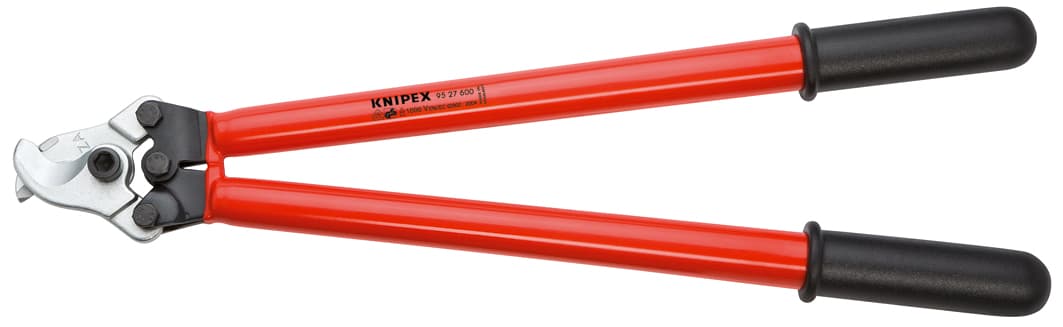
Knipex 9527600 Large Cable Snips 600 mm
Knipex · Cable Cutters
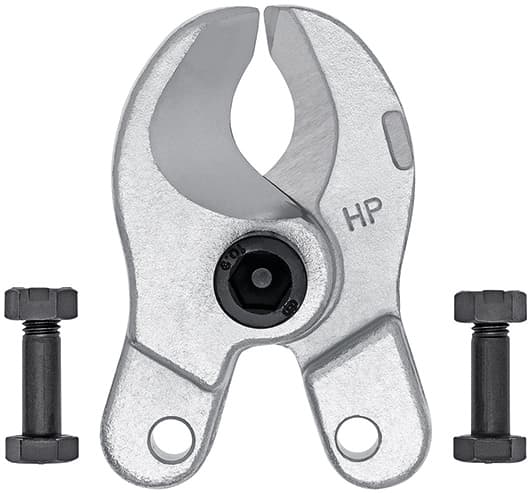
Knipex 9529600 Large Cable Snips 600 mm
Knipex · Cable Cutters
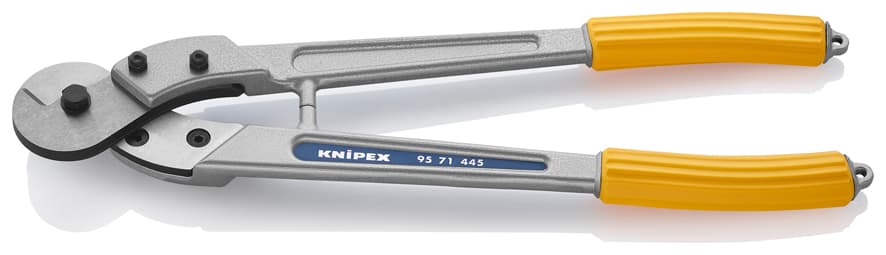
Knipex 9571445 Steel Halat and Cable Snips 445 mm
Knipex · Cable Cutters
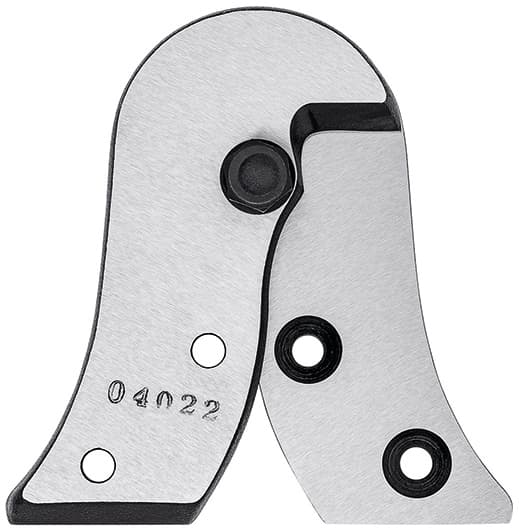
Knipex 9579445 Steel Halat and Cable Snips 445 mm
Knipex · Cable Cutters
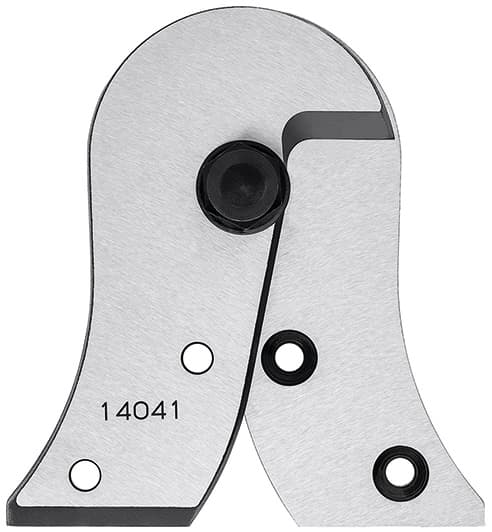
Knipex 9579600 Steel Halat and Cable Snips 600 mm
Knipex · Cable Cutters
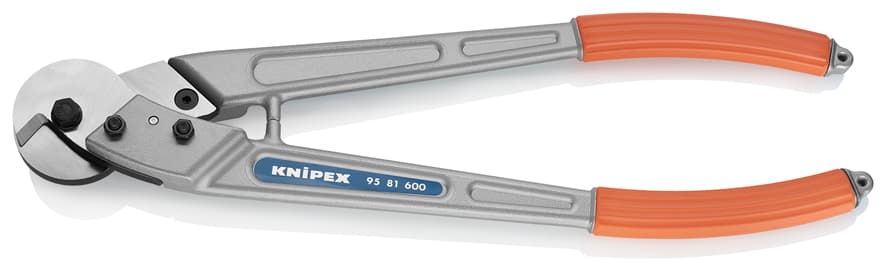
Knipex 9581600 Steel Halat and Cable Snips 600 mm
Knipex · Cable Cutters
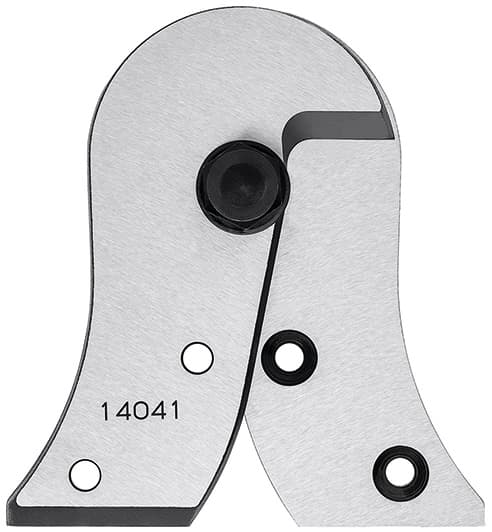
Knipex 9589600 Steel Halat and Cable Snips 600 mm
Knipex · Cable Cutters
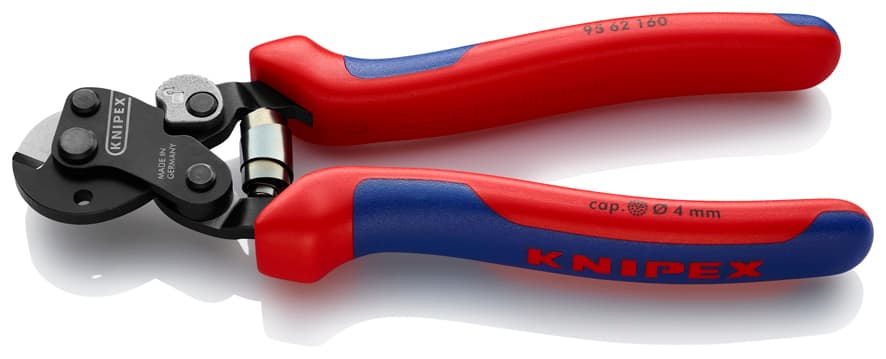
Knipex 9562160 Steel Wire Cutter 160 mm
Knipex · Cable Cutters
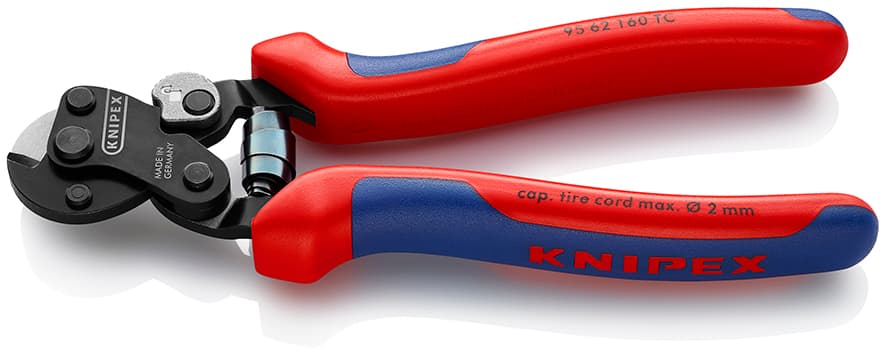
Knipex 9562160TC Steel Wire Cutter 160 mm
Knipex · Cable Cutters
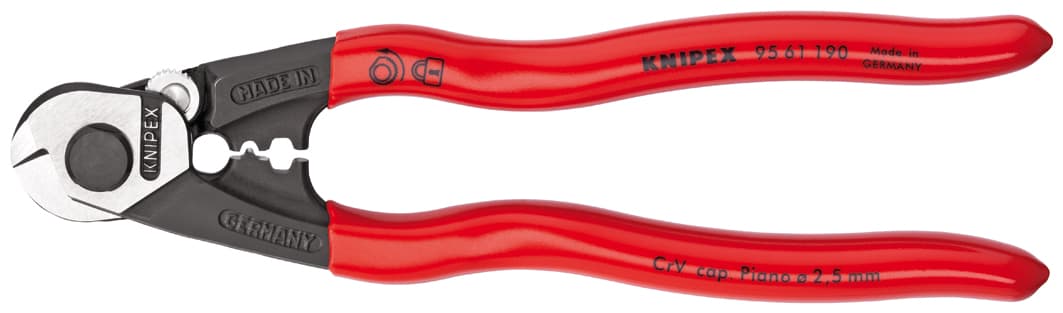
Knipex 9561190 Steel Wire Cutter 190 mm
Knipex · Cable Cutters
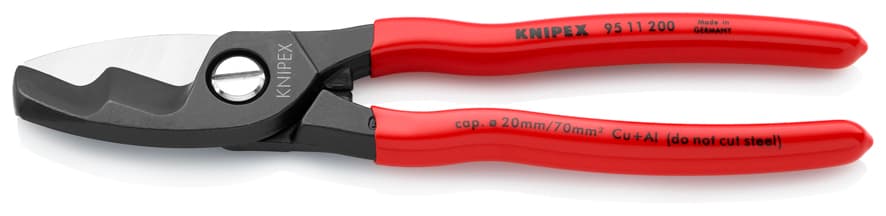
Knipex 9511200 Pair Blade Cable Snips 200 mm
Knipex · Cable Cutters
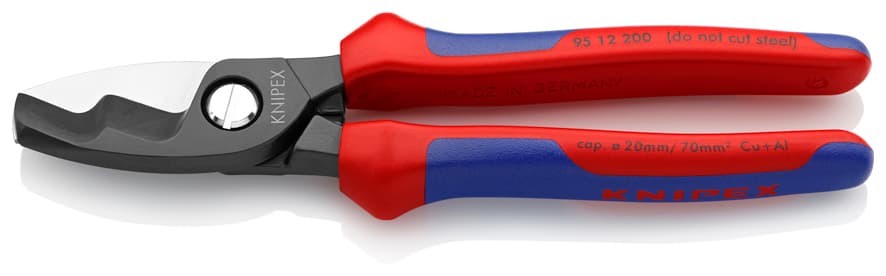
Knipex 9512200 Pair Blade Cable Snips 200 mm
Knipex · Cable Cutters
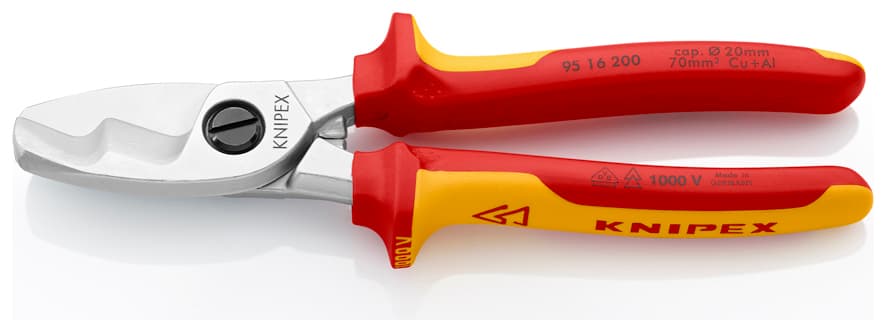
Knipex 9516200 Pair Blade VDE Cable Snips 200 mm
Knipex · Cable Cutters
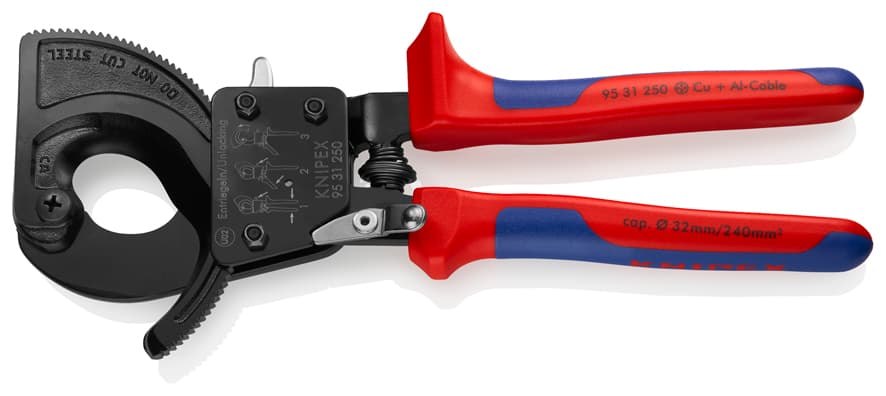
Knipex 9531250 Ratchet Ratcheting Cable Snips 250 mm
Knipex · Cable Cutters
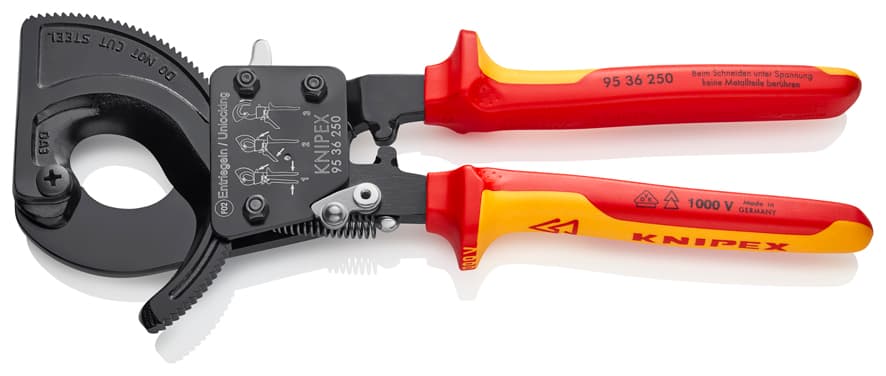
Knipex 9536250 Ratchet Ratcheting Cable Snips 250 mm
Knipex · Cable Cutters
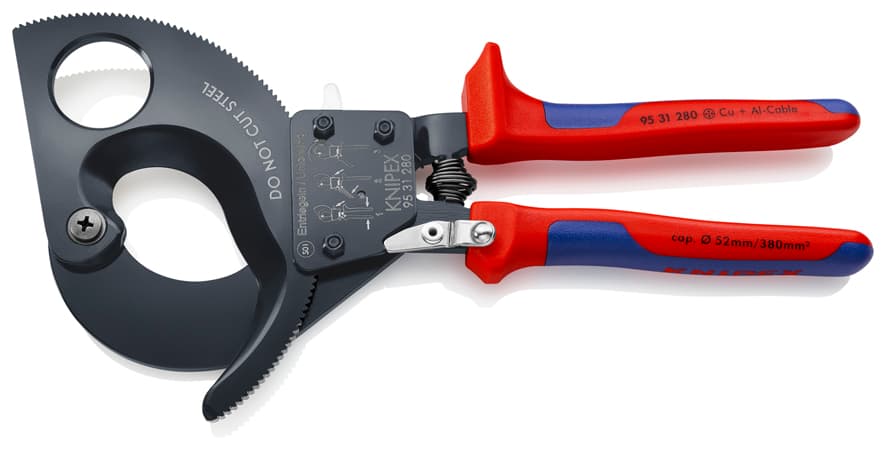
Knipex 9531280 Ratchet Ratcheting Cable Snips 280 mm
Knipex · Cable Cutters
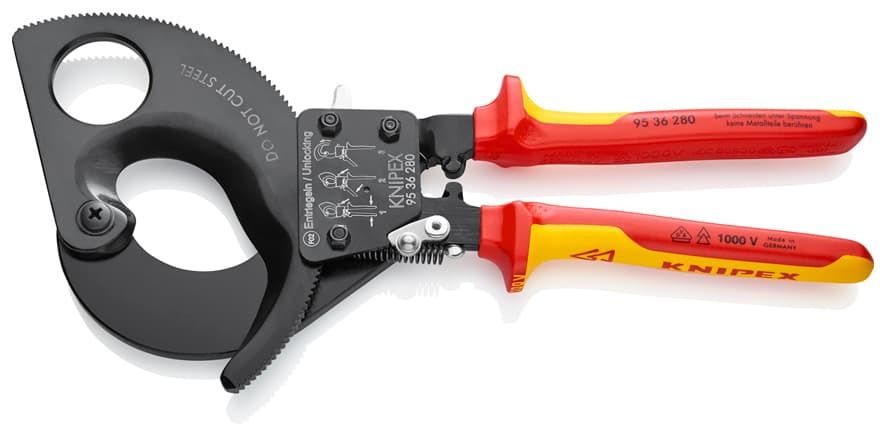
Knipex 9536280 Ratchet Ratcheting Cable Snips 280 mm
Knipex · Cable Cutters
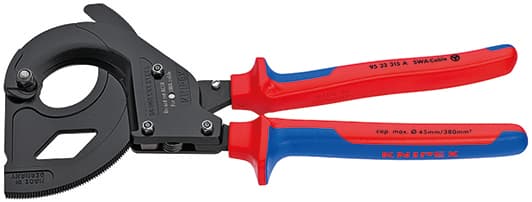
Knipex 9532315A Ratchet Ratcheting Cable Snips 315 mm
Knipex · Cable Cutters
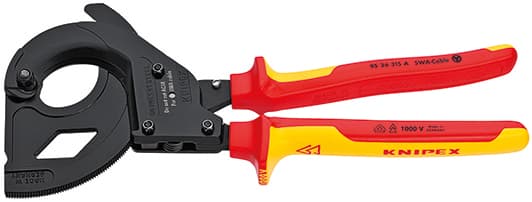
Knipex 9536315A Ratchet Ratcheting Cable Snips 315 mm
Knipex · Cable Cutters
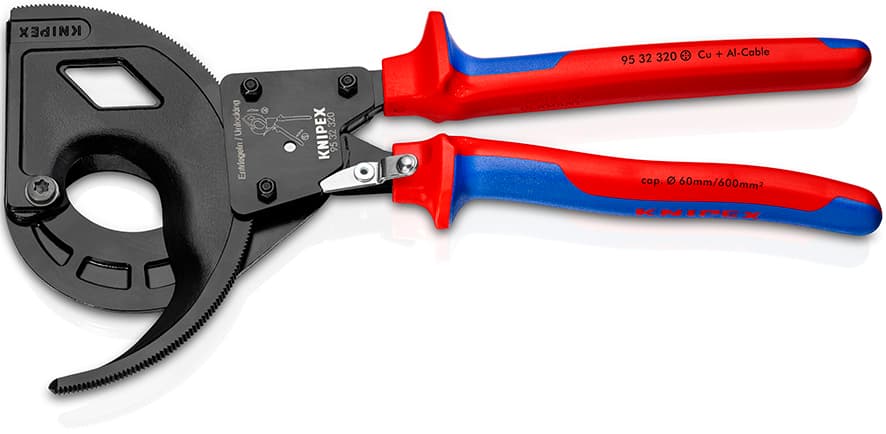
Knipex 9532320 Ratchet Ratcheting Cable Snips 320 mm
Knipex · Cable Cutters
1–24 of 79 · page 1 / 4
Capacity is quoted in mm²
Capacity is given by conductor cross-section and material. A rating for copper and aluminium does not carry over to steel-cored conductor (ACSR), which needs a model made for it.
Hand force runs out as the section grows: above about 50 mm² use a ratchet cutter, above 150 mm² a hydraulic one. Forcing the wrong tool ruins the jaws and crushes the conductor, reducing its section.
| Cross-section | Cutter |
|---|---|
| 16-50 mm² | Hand cutter |
| 50-150 mm² | Ratchet cutter |
| 150 mm² and above | Hydraulic cutter |
Frequently Asked Questions
How do I read cable cutter capacity?
By conductor cross-section in mm² and by material. A copper/aluminium rating does not apply to steel-cored conductor.
Can I cut cable with side cutters?
Not heavy stranded cable. Side cutters crush the section and damage their own edges; this job needs a cable cutter.
When do I need a ratchet cutter?
Above about 50 mm². The ratchet applies force in stages and cuts sections that cannot be cut in one hand stroke.
What cuts steel-cored conductor?
A cutter designed for it. Standard copper/aluminium jaws notch on a steel core.
Can cable cutters be sharpened?
Not outside the manufacturer's service: the jaw geometry is precise, and incorrect sharpening changes the cutting angle and ruins the tool.