Categories
Saws
Tooth count decides how a hand saw cuts: more teeth per inch (TPI) gives a finer finish, fewer gives a faster cut. The range here covers hacksaws, wood saws and coping saws plus replacement blades.
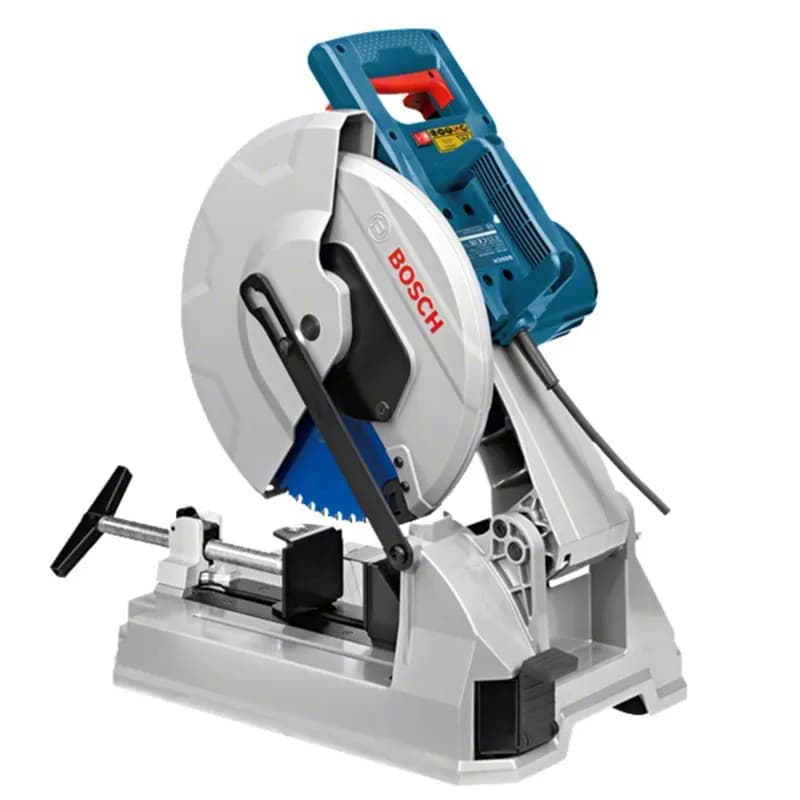
Bosch Metal Chop Saw 2000W GCD12-JL 0601B28000
Bosch · Saws
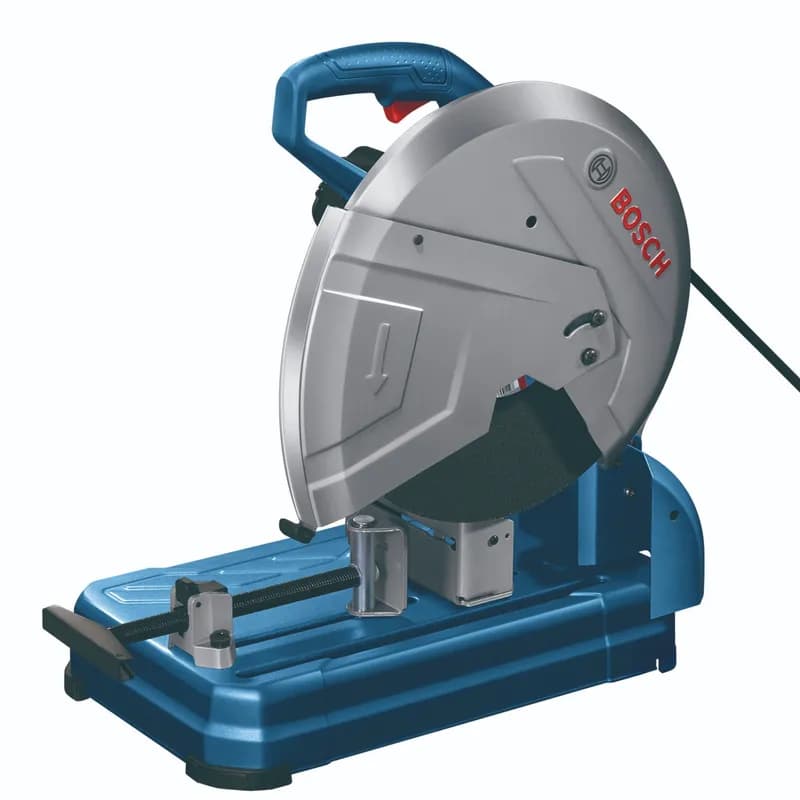
Bosch Metal Chop Saw 2400W GCO 14-24 J 601B37200
Bosch · Saws
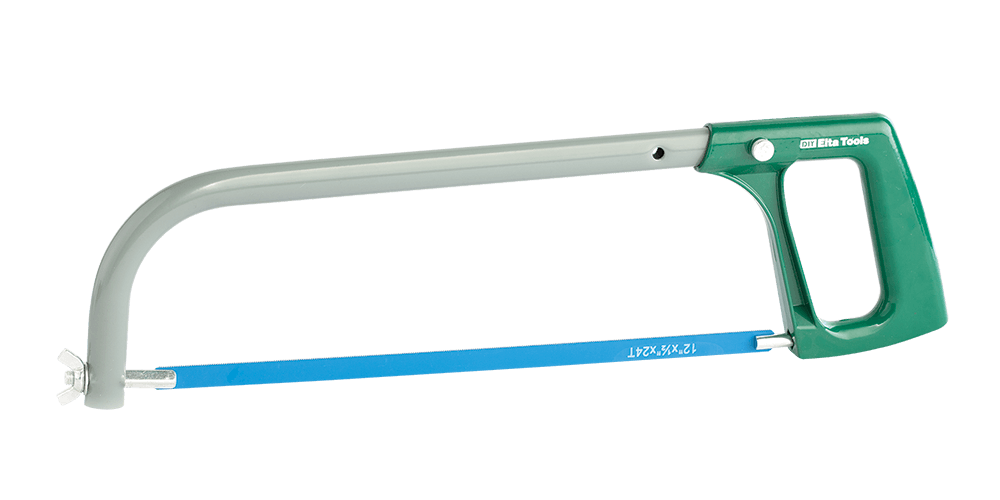
Elta Hacksaw Frame
Elta · Saws
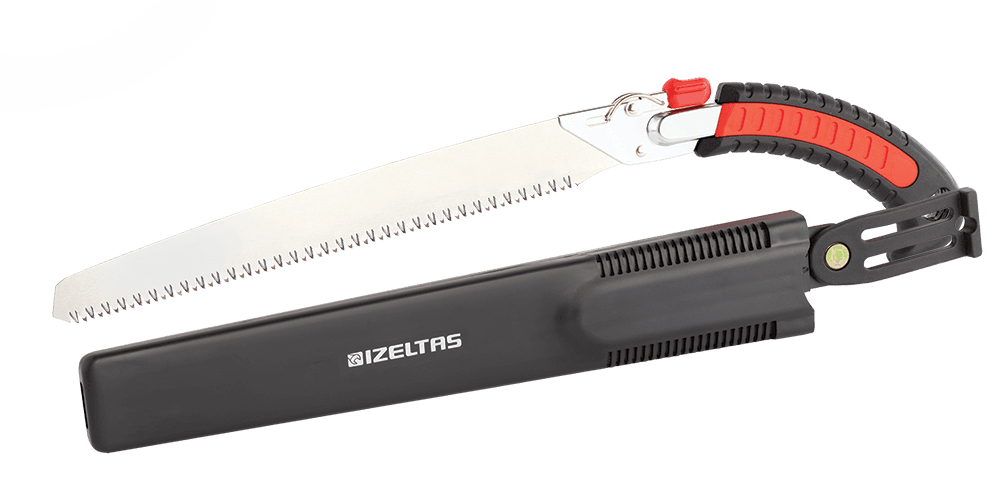
İzeltaş Prunning Saw
İzeltaş · Saws
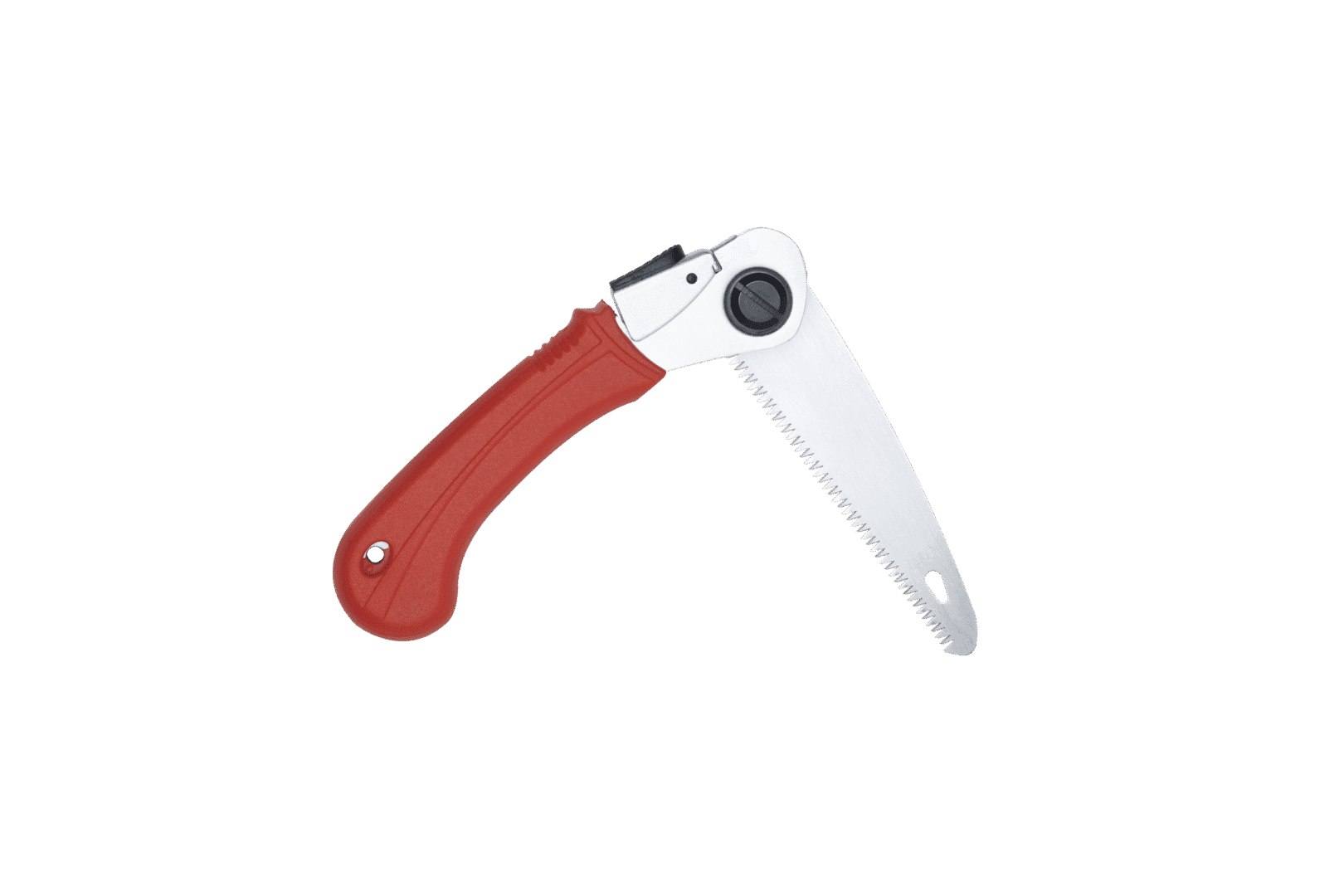
İzeltaş Foldable Pruning Saw
İzeltaş · Saws
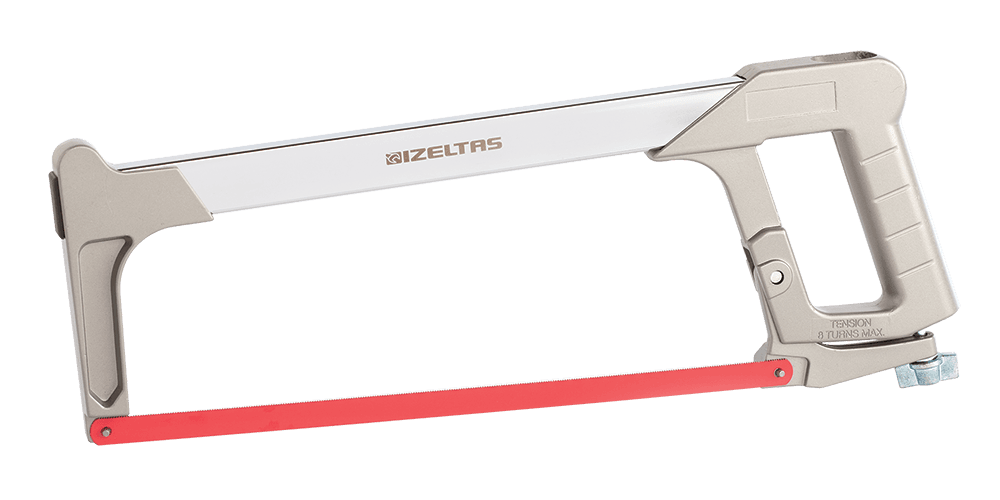
İzeltaş Hacksaw Frame
İzeltaş · Saws
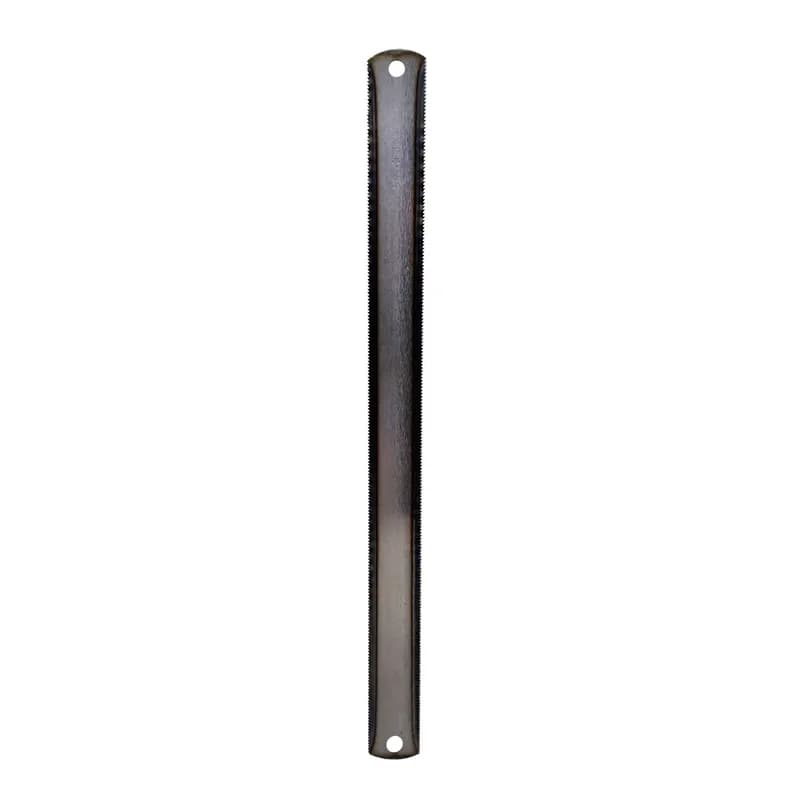
MTE Wide Hacksaw Blade 300×25×0.8 mm Z18
MTE · Saws
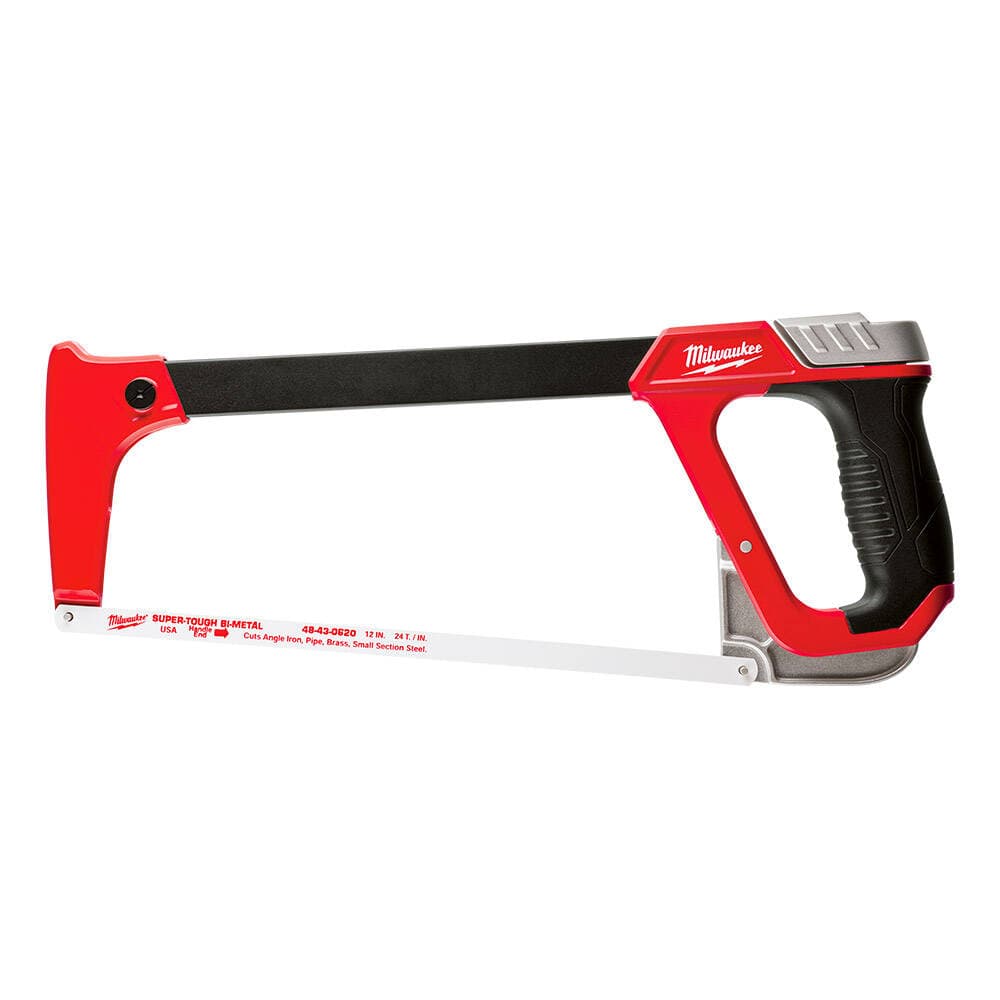
Milwaukee 12" Hacksaw Frame
Milwaukee · Saws
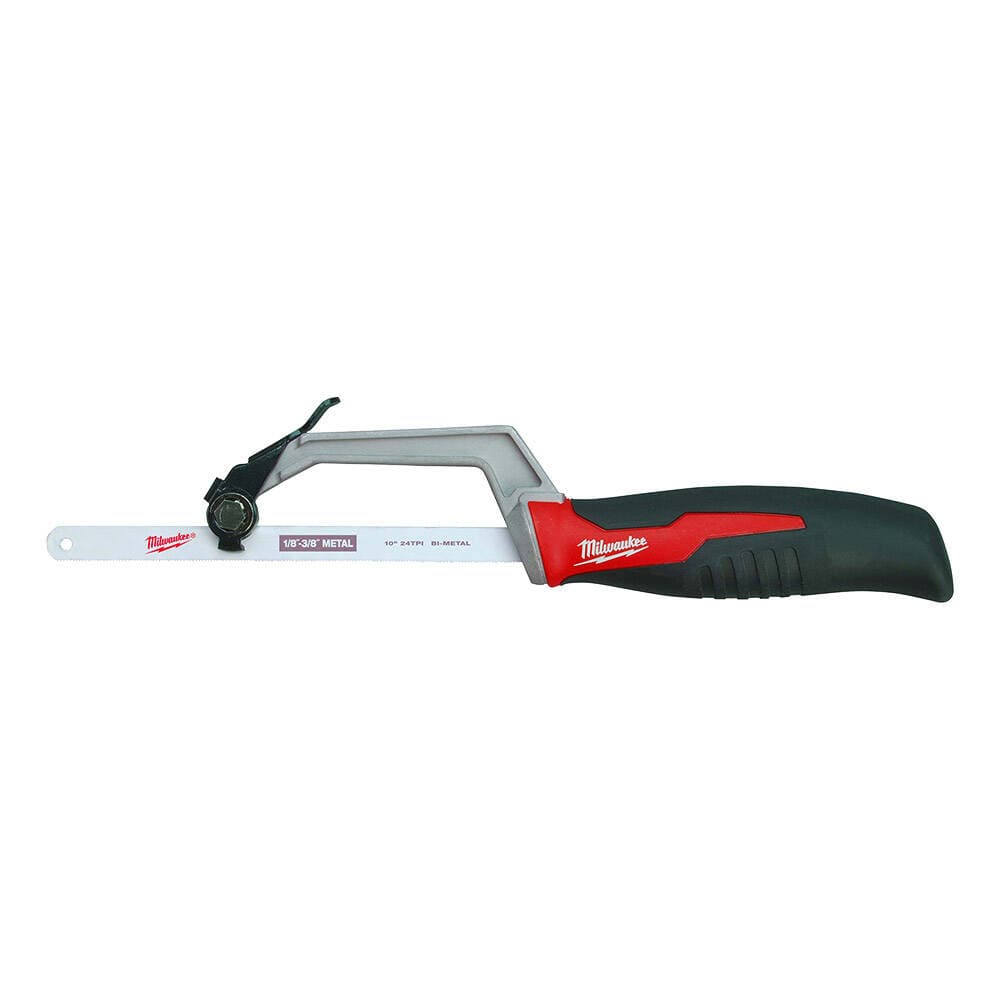
Milwaukee Hacksaw Frame Small
Milwaukee · Saws
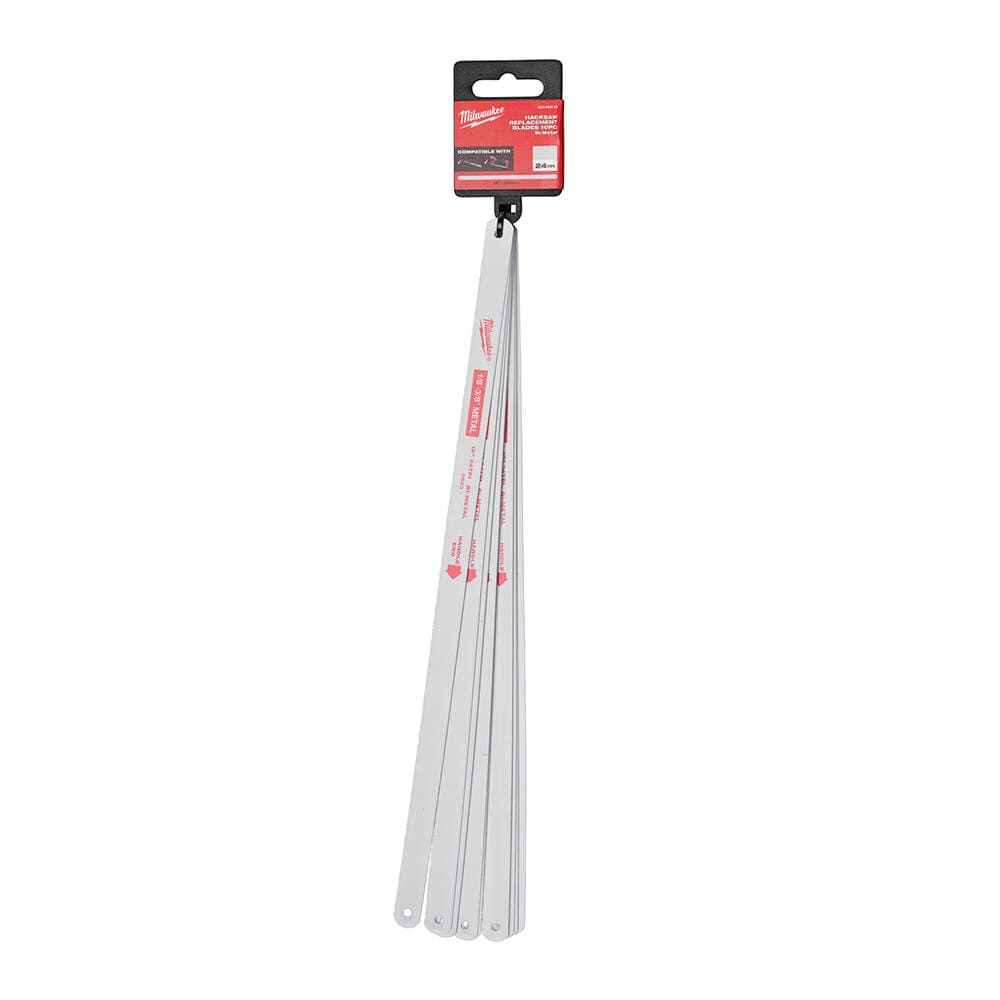
Milwaukee 10’lu Hacksaw Blade
Milwaukee · Saws
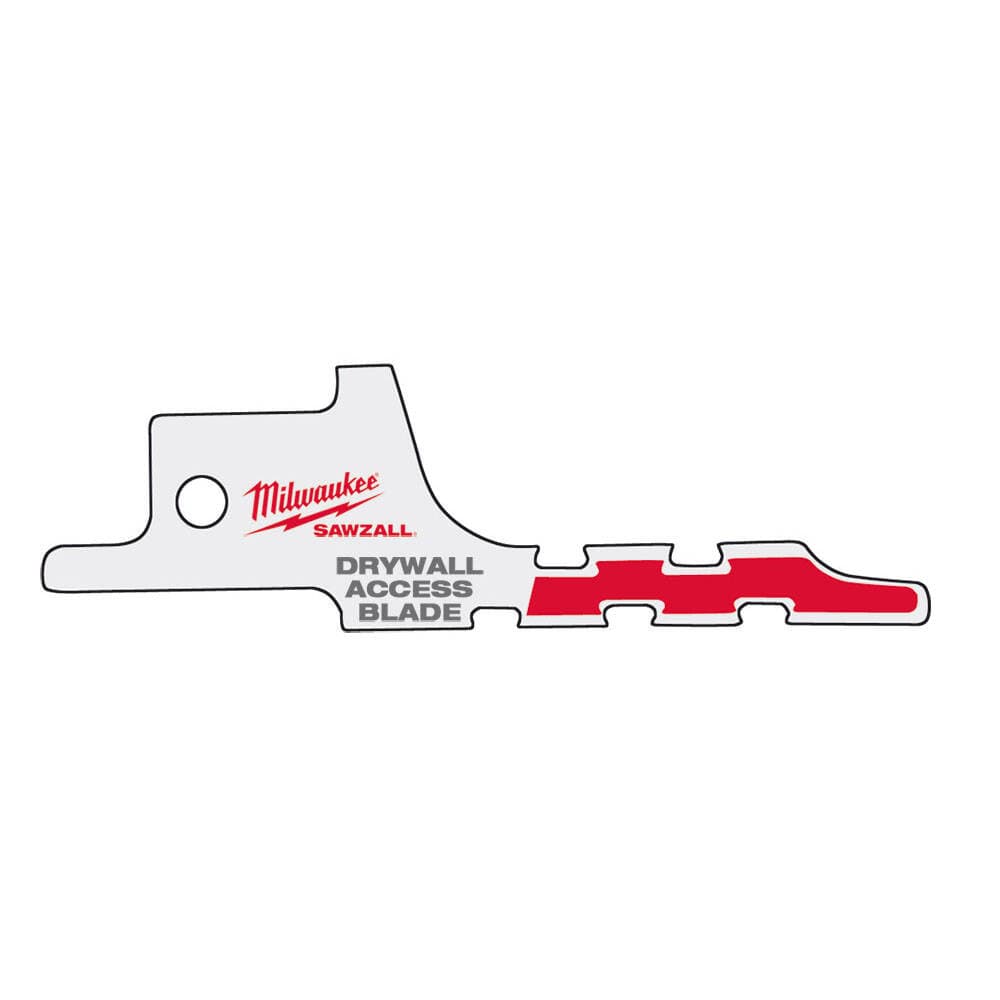
Milwaukee 63 mm Reciprocating Saw Blade Drywall Blade
Milwaukee · Saws
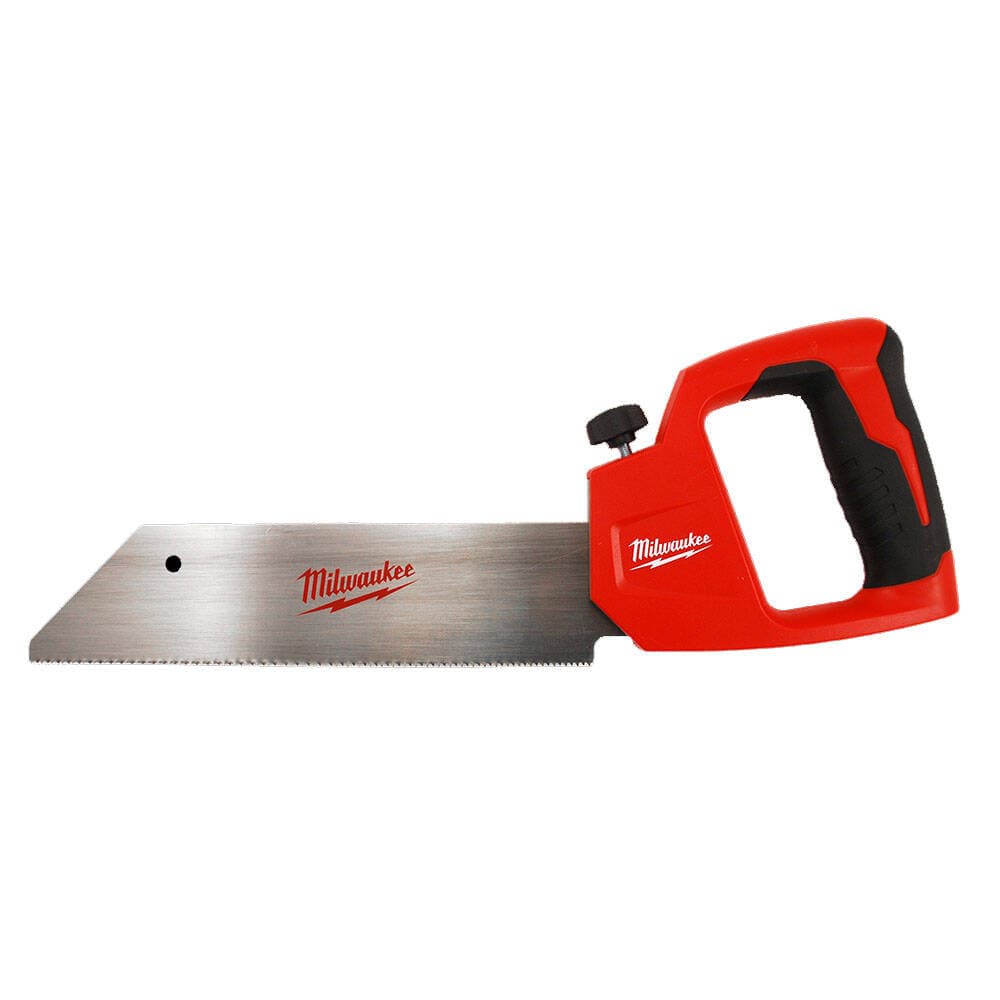
Milwaukee PVC Saw
Milwaukee · Saws
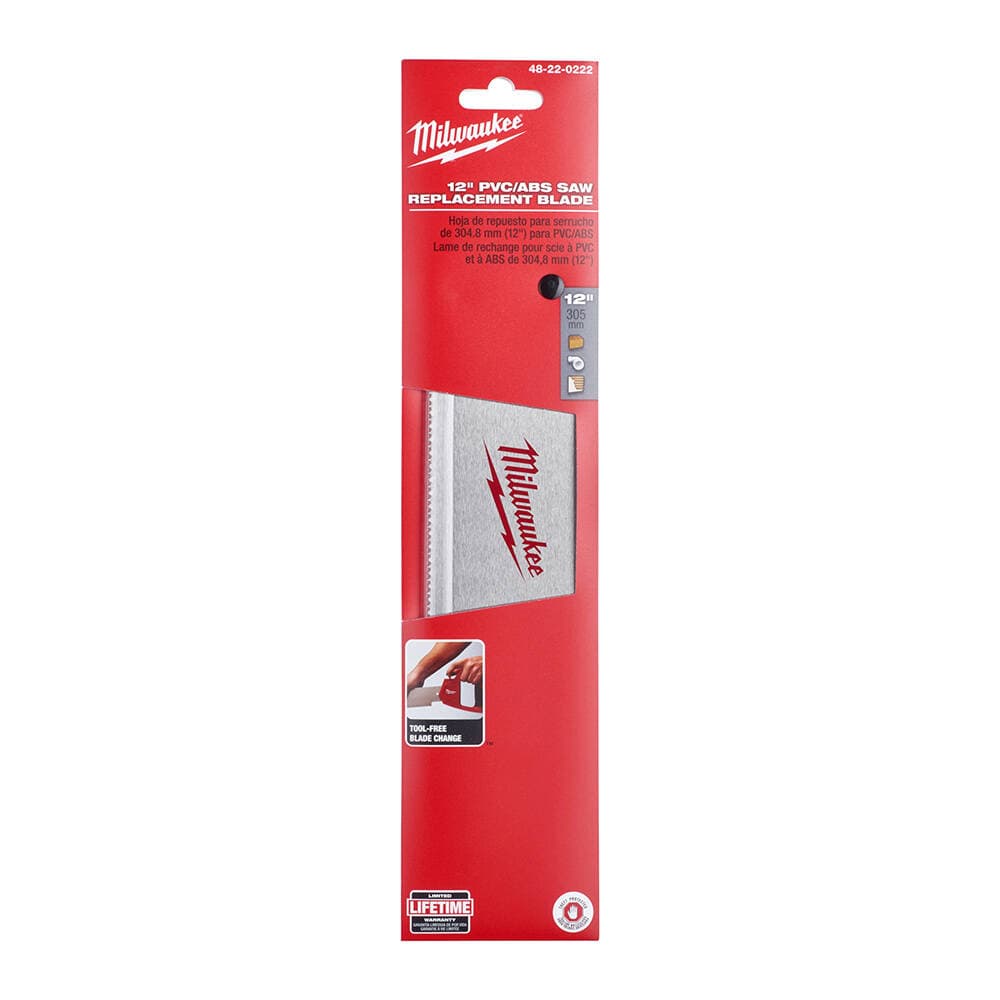
Milwaukee PVC Saw Blade
Milwaukee · Saws
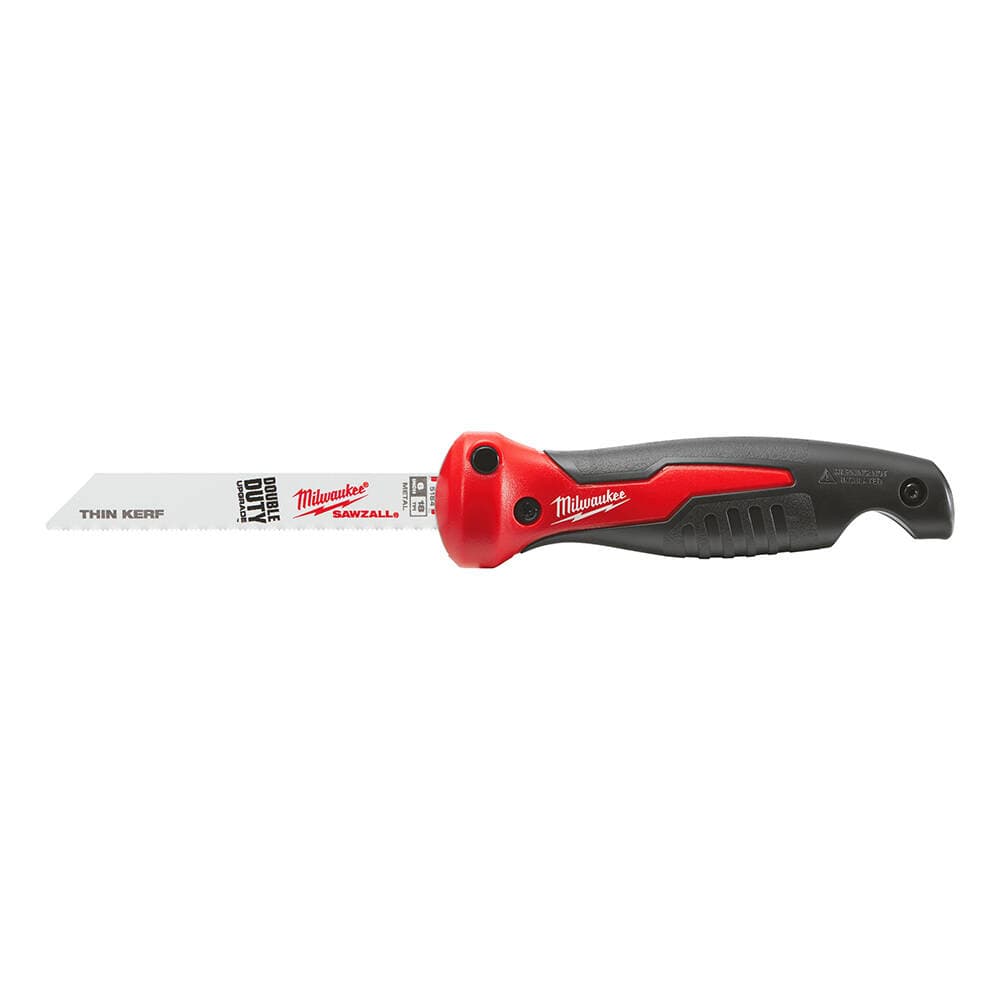
Milwaukee Handsaw
Milwaukee · Saws
Choosing TPI and tensioning
Thick, soft sections cut fastest at low TPI (14-18); thin sheet and tube need high TPI (24-32). The rule is that at least three teeth should be in contact with the section at once — fewer breaks teeth.
A hacksaw blade must be properly tensioned; a slack blade wanders off the line and snaps. Fit the blade to cut on the push stroke.
Frequently Asked Questions
What TPI should I choose?
14-18 TPI cuts thick, soft sections fastest; thin sheet and tube need 24-32 TPI. At least three teeth should touch the section at once.
Which way does the blade face?
Teeth pointing forward, cutting on the push stroke. Fitted backwards, the blade will not cut and dulls quickly.
Why do blades break?
Insufficient tension, too much pressure, or too few teeth for the section. Breaking teeth usually means the three-tooth rule is being broken.
What is a coping saw for?
Curved and fine cuts — its narrow blade turns tight radii. It is not suited to thick sections.