Categories
Pliers & Pincers
Pliers combine gripping and cutting in one tool; pincers have a jaw geometry made for pulling nails and cutting wire. The difference starts at the jaws: a combination plier carries a flat gripping face, a round pipe grip and a side cutting edge together. The range here covers combination, long nose, snipe nose and VDE insulated models.
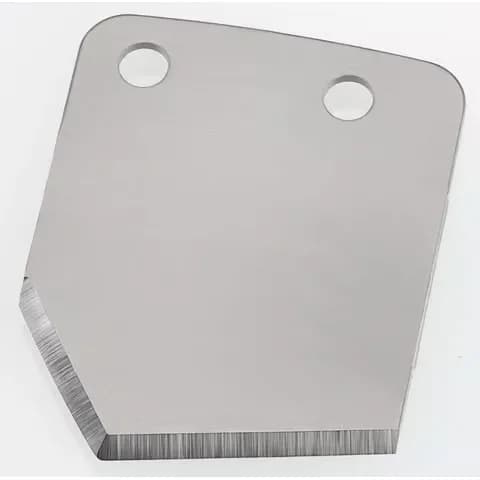
Knipex 9029185 90 20 185 for Replacement Knife
Knipex · Pliers & Pincers
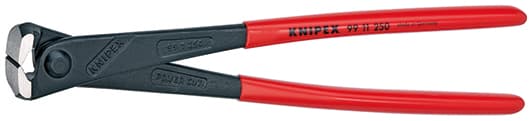
Knipex 9911250 Heavy Duty Concreter's Nippers 250 mm
Knipex · Pliers & Pincers
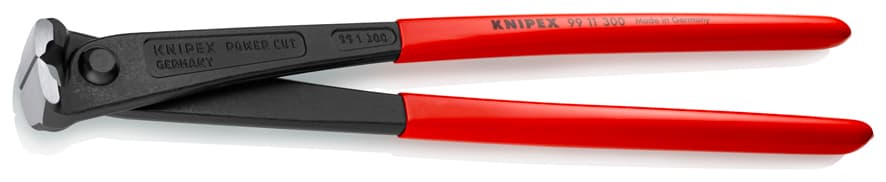
Knipex 9911300 Heavy Duty Concreter's Nippers 300 mm
Knipex · Pliers & Pincers
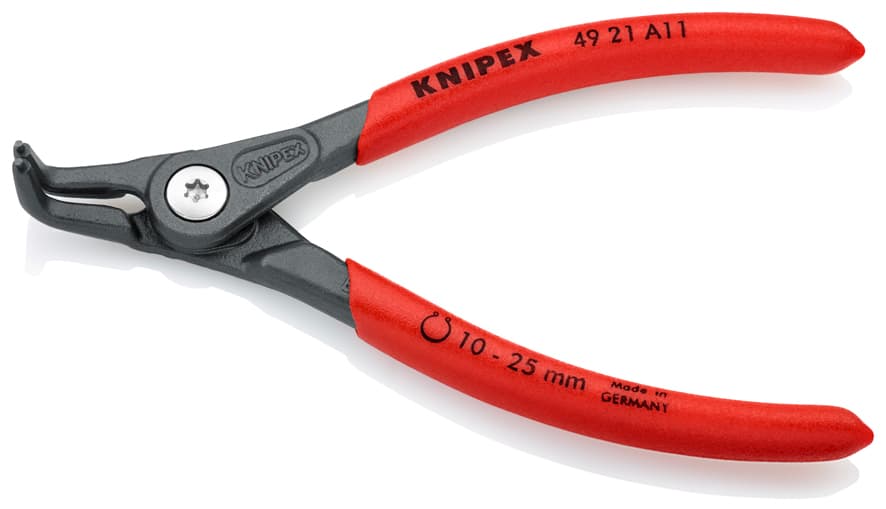
Knipex 4921A11 Heavy-Duty External Circlip Pliers 130 mm
Knipex · Pliers & Pincers
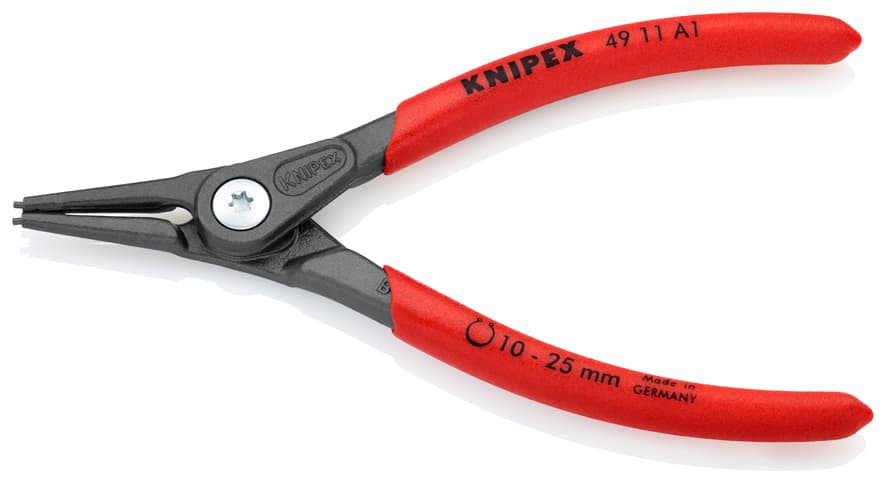
Knipex 4911A1 Heavy-Duty External Circlip Pliers 140 mm
Knipex · Pliers & Pincers
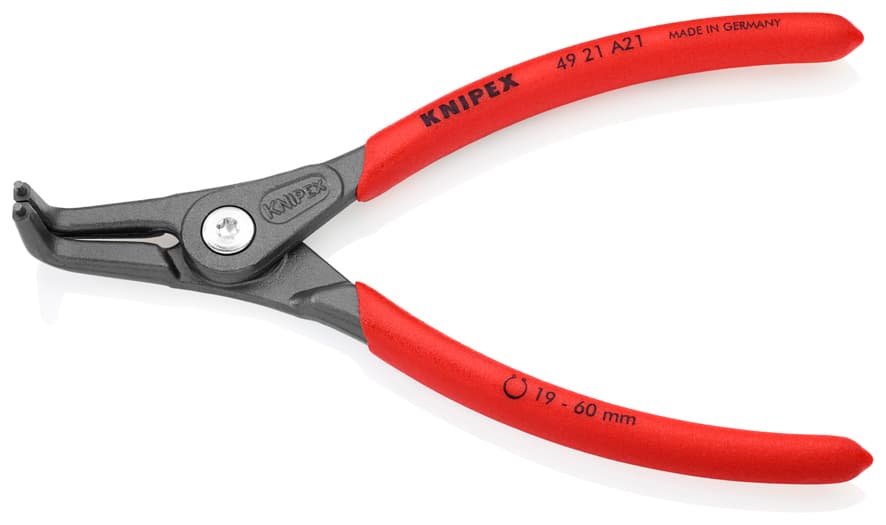
Knipex 4921A21 Heavy-Duty External Circlip Pliers 165 mm
Knipex · Pliers & Pincers
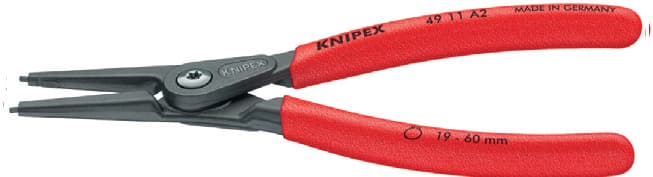
Knipex 4911A2 Heavy-Duty External Circlip Pliers 180 mm
Knipex · Pliers & Pincers
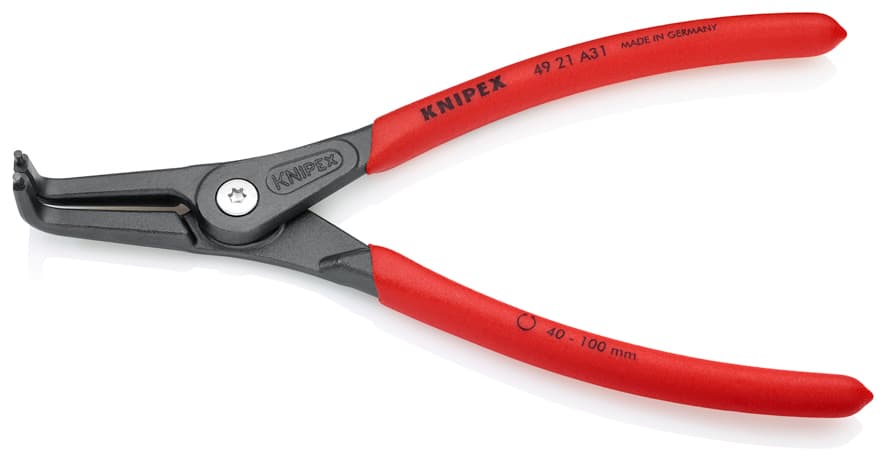
Knipex 4921A31 Heavy-Duty External Circlip Pliers 210 mm
Knipex · Pliers & Pincers
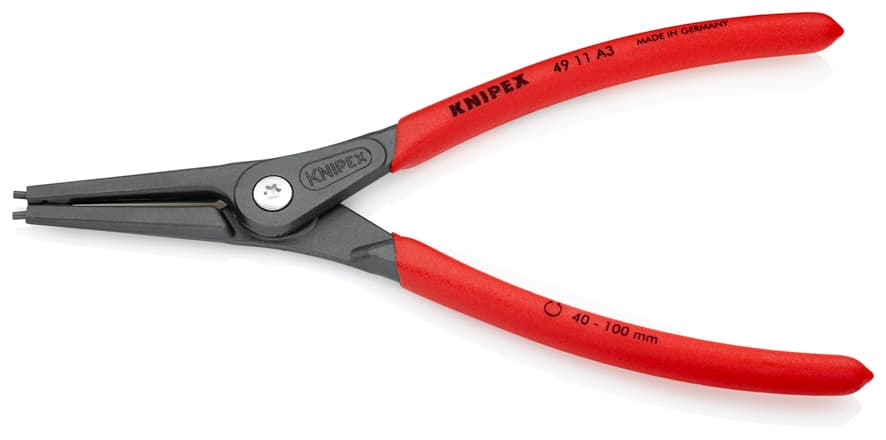
Knipex 4911A3 Heavy-Duty External Circlip Pliers 225 mm
Knipex · Pliers & Pincers
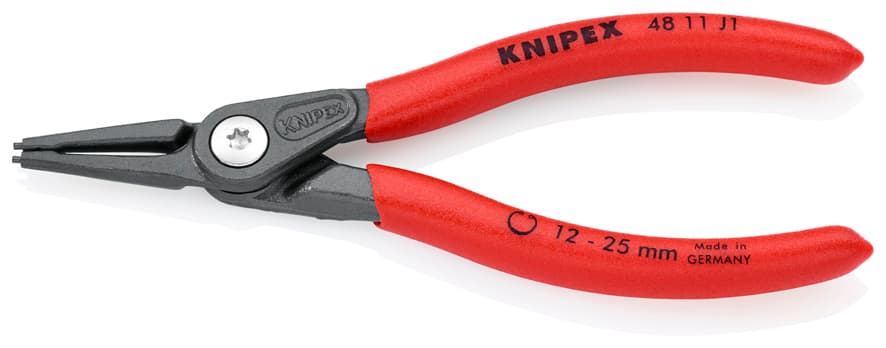
Knipex 4811J1 Heavy-Duty Internal Circlip Pliers 140 mm
Knipex · Pliers & Pincers
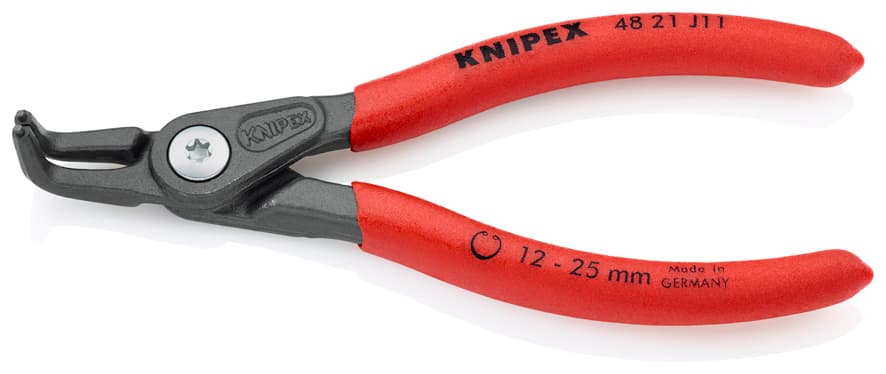
Knipex 4821J11 Heavy-Duty Internal Circlip Pliers 140 mm
Knipex · Pliers & Pincers
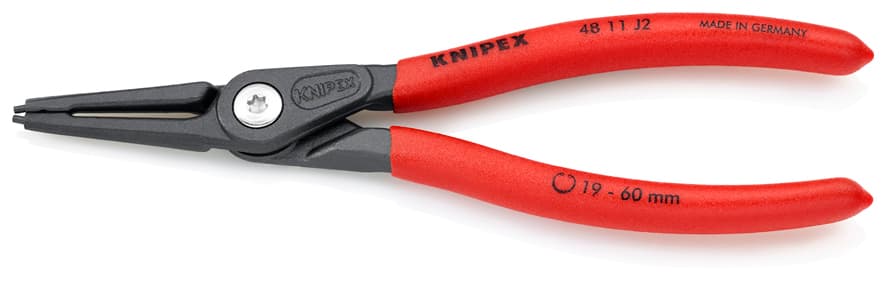
Knipex 4811J2 Heavy-Duty Internal Circlip Pliers 180 mm
Knipex · Pliers & Pincers
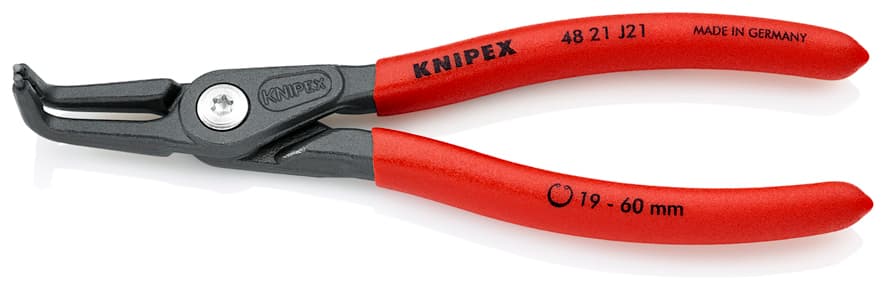
Knipex 4821J21 Heavy-Duty Internal Circlip Pliers 180 mm
Knipex · Pliers & Pincers
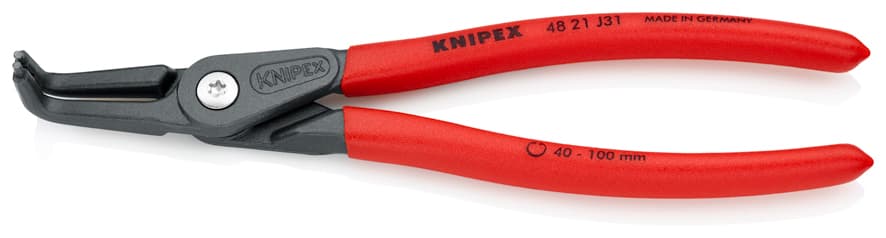
Knipex 4821J31 Heavy-Duty Internal Circlip Pliers 210 mm
Knipex · Pliers & Pincers
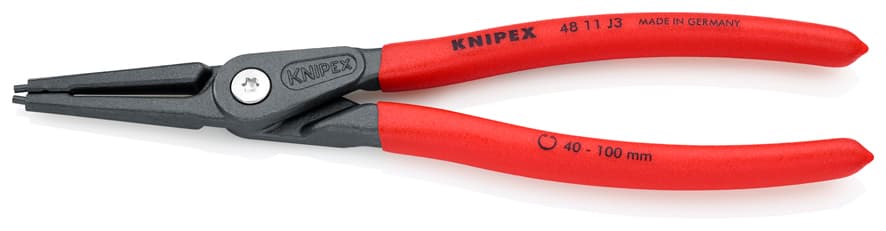
Knipex 4811J3 Heavy-Duty Internal Circlip Pliers 225 mm
Knipex · Pliers & Pincers
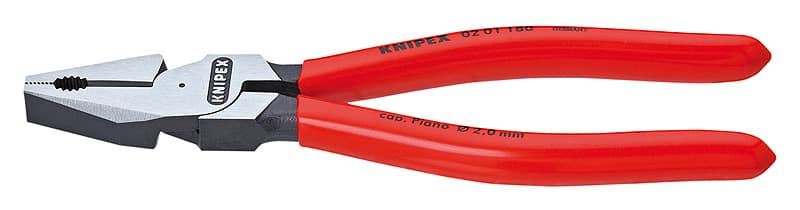
Knipex 0201180 Heavy Duty Combination Pliers 180 mm
Knipex · Pliers & Pincers
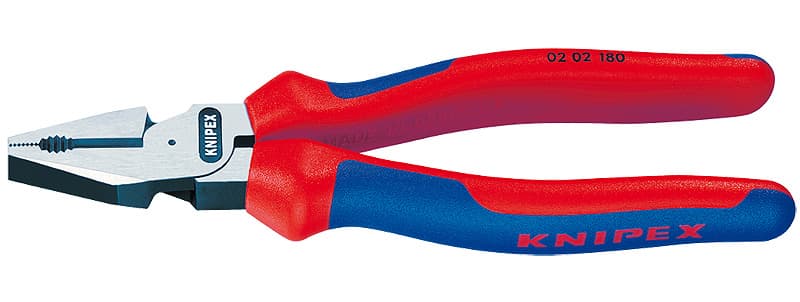
Knipex 0202180 Heavy Duty Combination Pliers 180 mm
Knipex · Pliers & Pincers
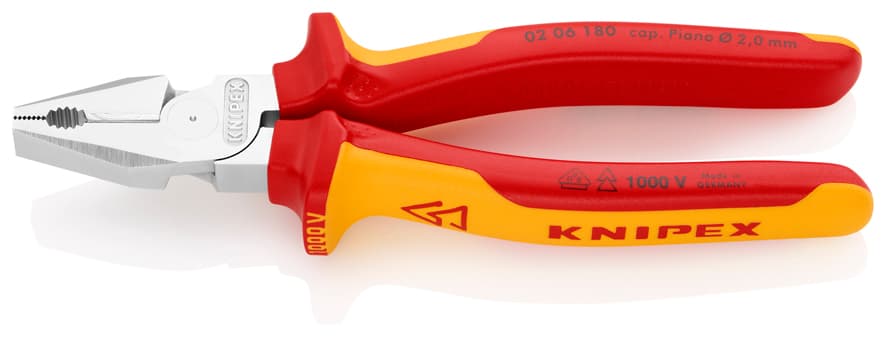
Knipex 0206180 Heavy Duty Combination Pliers 180 mm
Knipex · Pliers & Pincers
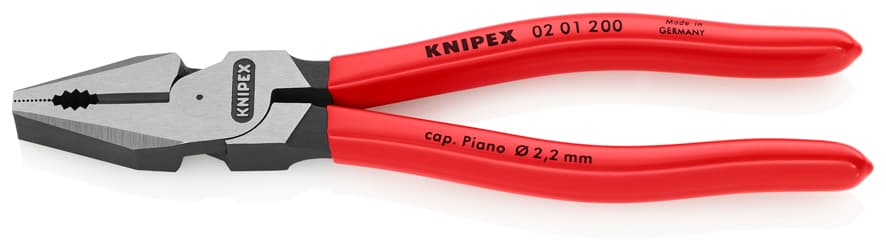
Knipex 0201200 Heavy Duty Combination Pliers 200 mm
Knipex · Pliers & Pincers
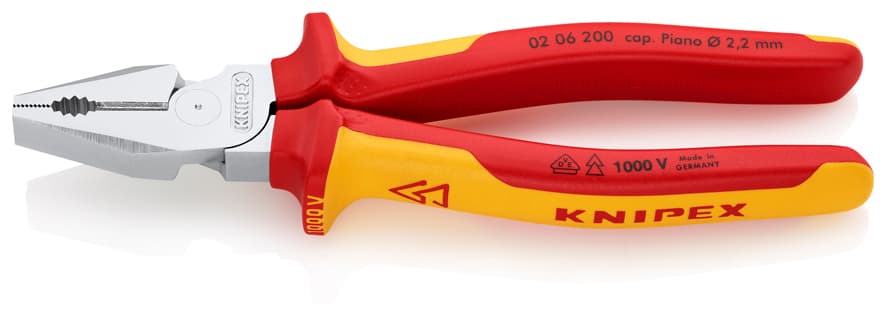
Knipex 0206200 Heavy Duty Combination Pliers 200 mm
Knipex · Pliers & Pincers
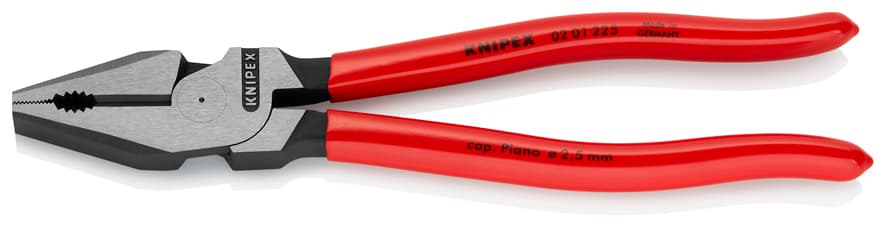
Knipex 0201225 Heavy Duty Combination Pliers 225 mm
Knipex · Pliers & Pincers
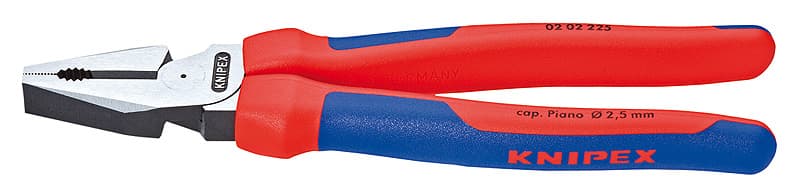
Knipex 0202225 Heavy Duty Combination Pliers 225 mm
Knipex · Pliers & Pincers
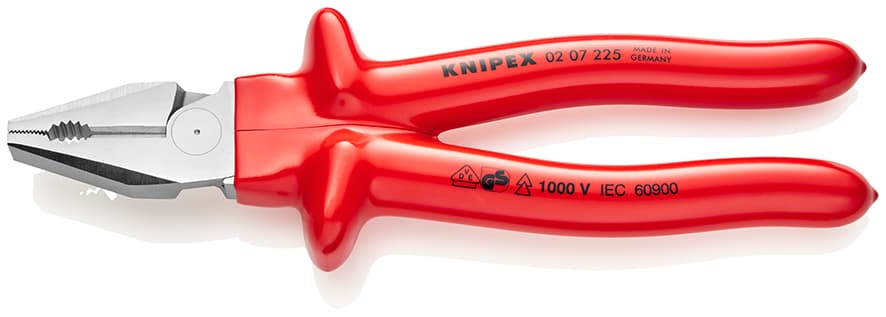
Knipex 0207225 Heavy Duty Combination Pliers 225 mm
Knipex · Pliers & Pincers
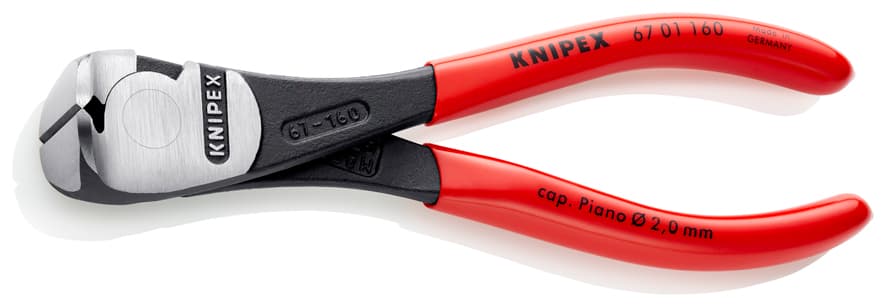
Knipex 6701160 Heavy Duty End Cutters 160 mm
Knipex · Pliers & Pincers
1–24 of 570 · page 1 / 24
Which plier for which job
Plier types are separated by jaw geometry, and that geometry decides what the tool can do.
| Type | Jaw | For |
|---|---|---|
| Combination pliers | Flat + pipe grip + side cutter | General gripping, bending, cutting |
| Long nose pliers | Long and tapered | Tight gaps, electronics, forming loops |
| Pincers | Opposed cutting edges | Pulling nails, cutting wire |
| Water pump pliers | Adjustable opening | Gripping pipe and nuts |
Jaw hardness and cutting capacity
Cutting edge hardness is quoted in HRC, and higher hardness means harder wire can be cut. On a good plier the cutting edges are induction hardened separately from the body, so the edge stays hard while the body keeps its toughness.
Cutting capacity is quoted per material: separate diameters for soft copper, medium-hard steel wire and piano wire. Cutting above capacity leaves a permanent notch in the edge.
VDE insulated models
Pliers used on electrical work should carry the VDE mark, showing they have been individually tested for live working up to 1,000 V. Check the insulation for cracks, crushing and heat damage before every use.
Frequently Asked Questions
What is the difference between combination and long nose pliers?
Combination pliers carry a flat gripping face, a pipe grip and a side cutter together and are general purpose. Long nose pliers reach into tight gaps with a tapered jaw and suit electronics and forming loops.
What jaw hardness should pliers have?
Around 60 HRC is a good reference for cutting edges; at that hardness the edge cuts hard steel wire without notching. Where no hardness is quoted, the cutting capacity is unknown too.
Which pliers for electrical work?
Only VDE-marked models, individually tested for 1,000 V. A plastic handle by itself is not enough.
Can pliers cut piano wire?
Only if piano wire is listed in the cutting capacity. Cutting above capacity leaves a permanent notch and ruins the tool.
What are pincers used for?
Their opposed cutting edges are made for pulling nails and cutting wire. For gripping and bending, use combination pliers.
How should pliers be maintained?
A few drops of oil on the joint periodically, and keep the jaws clean. On insulated models, solvent cleaning can damage the insulation.