Categories
Screwdrivers
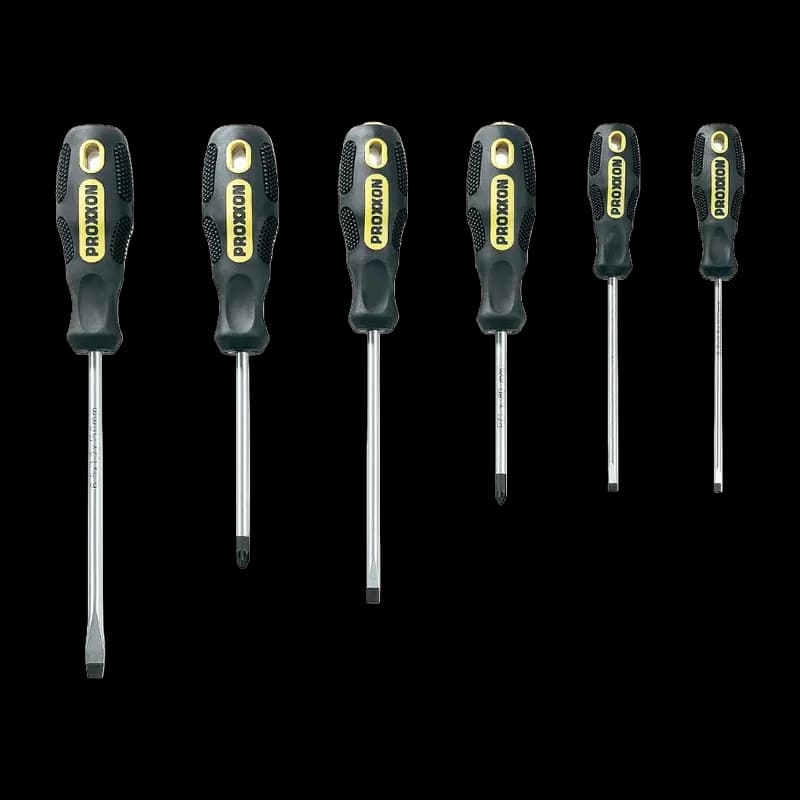
The tip geometry decides everything with a screwdriver: the wrong tip rounds a recess in seconds. The range here covers slotted, Phillips and Pozidriv, Torx and VDE insulated models.
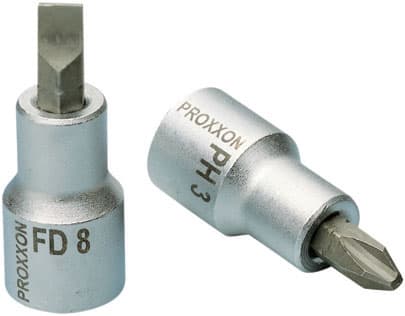
Proxxon 23462 Slotted Screwdriver 1/2″
Proxxon Industrial · Screwdrivers
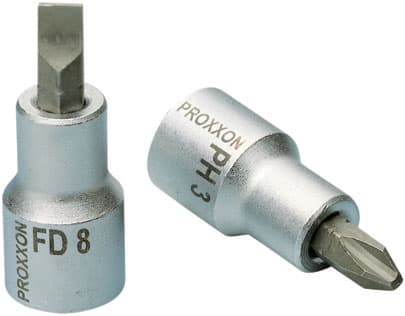
Proxxon 23464 Slotted Screwdriver 1/2″
Proxxon Industrial · Screwdrivers
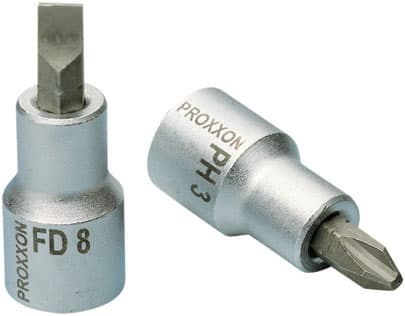
Proxxon 23470 Phillips Screwdriver 1/2″ PH2
Proxxon Industrial · Screwdrivers
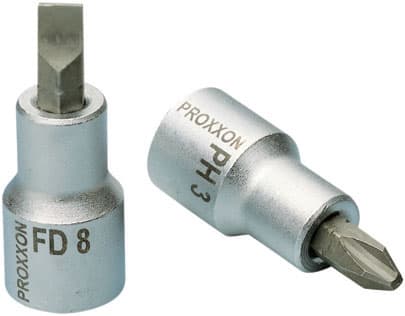
Proxxon 23474 Phillips Screwdriver 1/2″ PH4
Proxxon Industrial · Screwdrivers
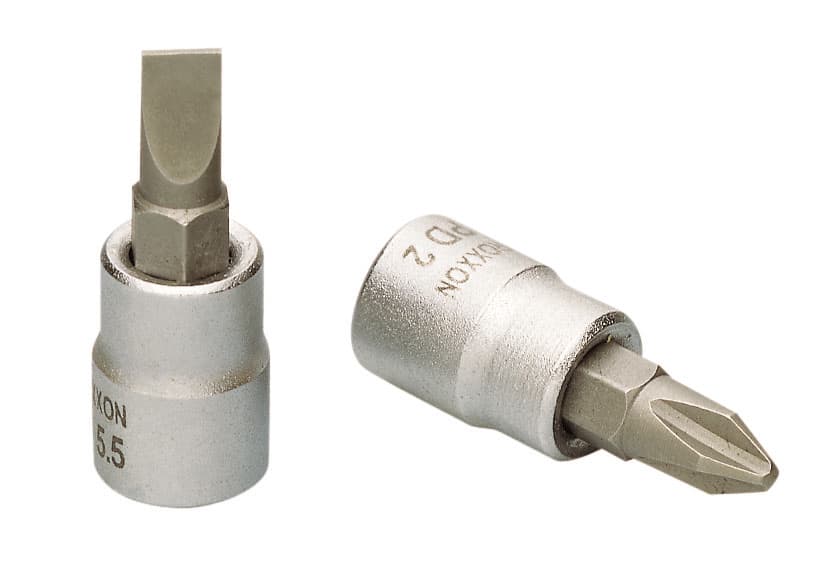
Proxxon 23737 Slotted Screwdriver 1/4″ 4mm
Proxxon Industrial · Screwdrivers
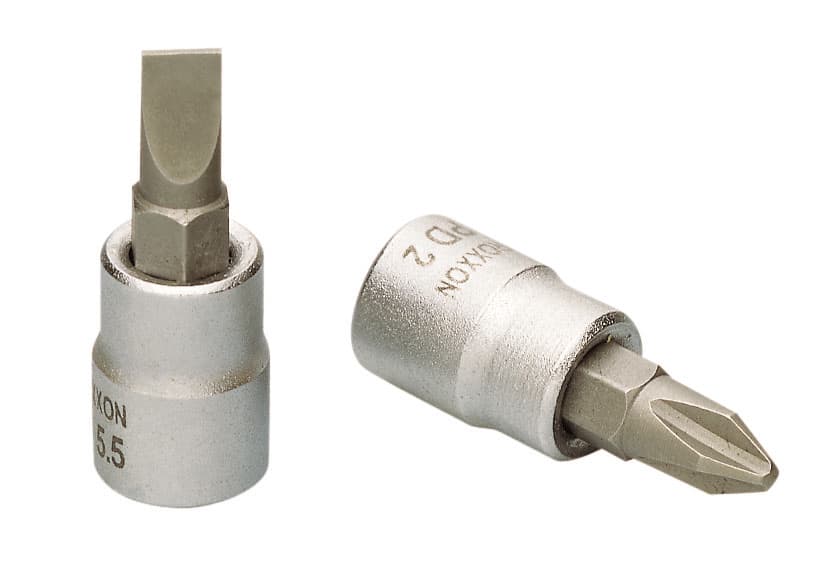
Proxxon 23739 Slotted Screwdriver 1/4″ 5.5mm
Proxxon Industrial · Screwdrivers
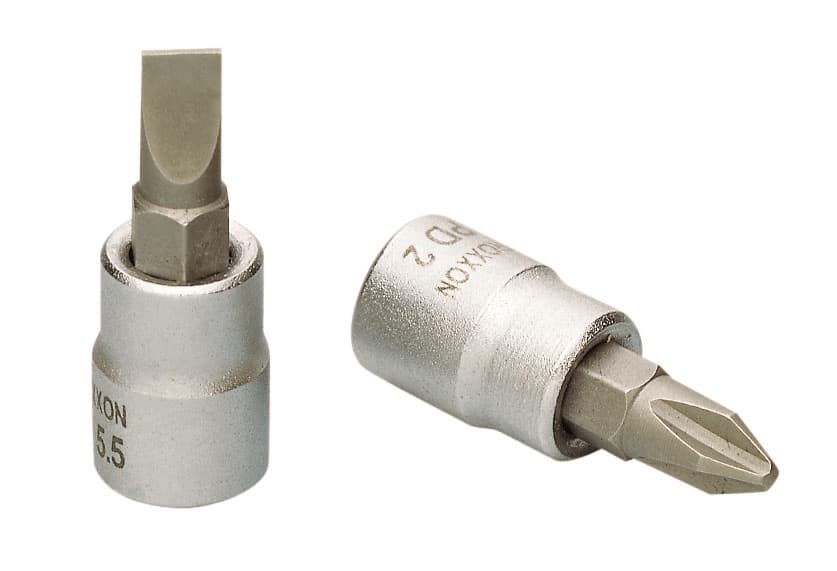
Proxxon 23741 Slotted Screwdriver 1/4″ 7mm
Proxxon Industrial · Screwdrivers
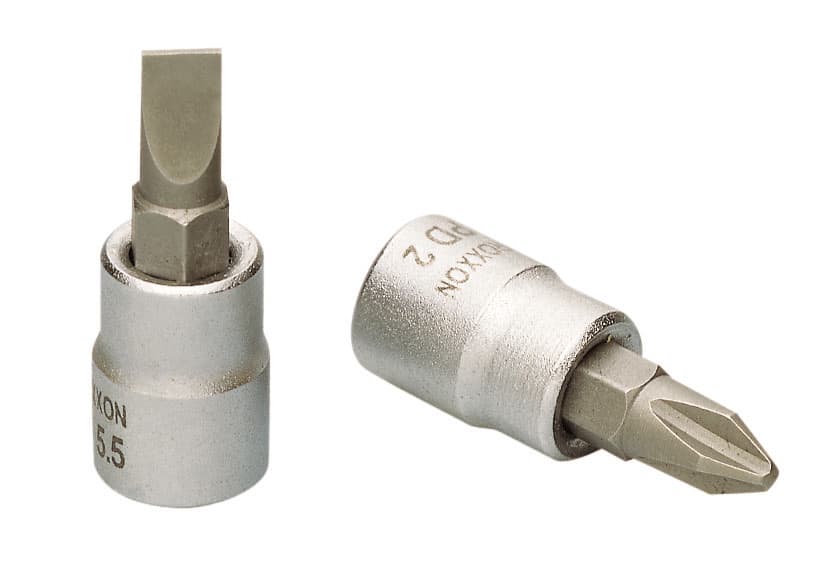
Proxxon 23742 Slotted Screwdriver 1/4″ 8mm
Proxxon Industrial · Screwdrivers
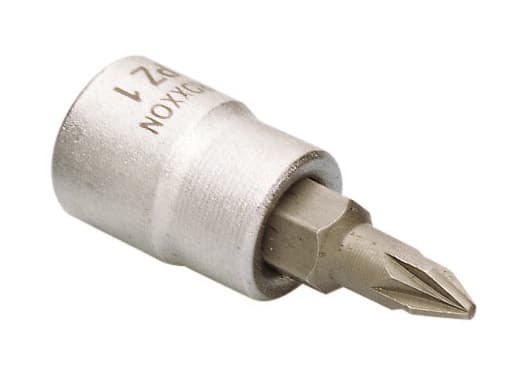
Proxxon 23733 Pozidriv Screwdriver 1/4″ PZ1
Proxxon Industrial · Screwdrivers
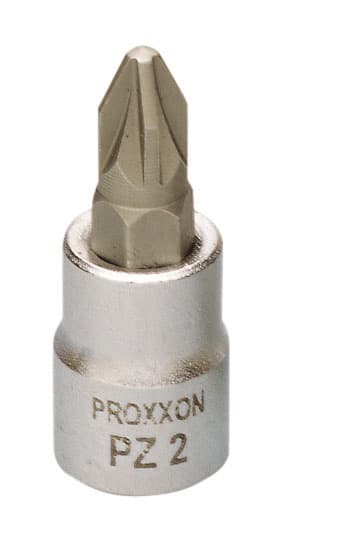
Proxxon 23735 Pozidriv Screwdriver 1/4″ PZ2
Proxxon Industrial · Screwdrivers
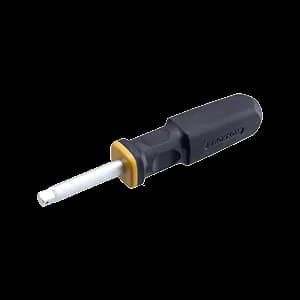
Proxxon 23702 Screwdriver 1/4″ 140mm
Proxxon Industrial · Screwdrivers
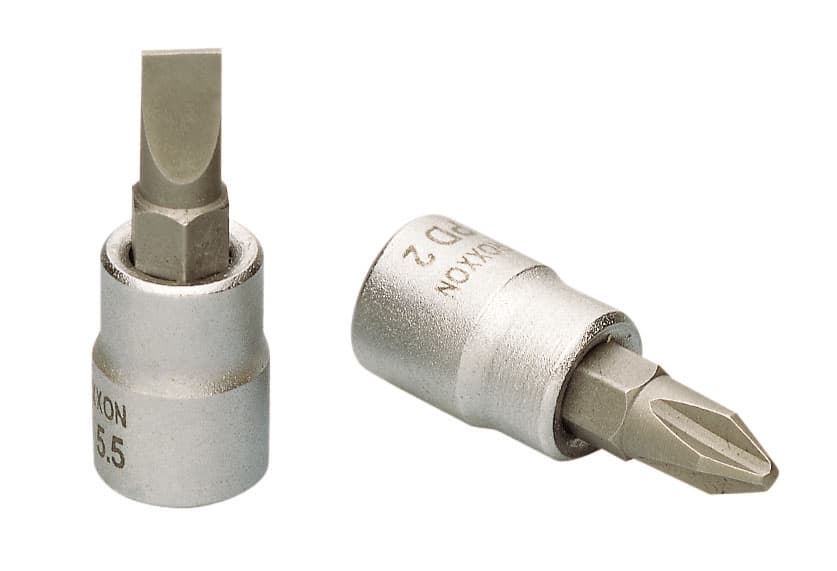
Proxxon 23730 Phillips Screwdriver 1/4″ PH1
Proxxon Industrial · Screwdrivers
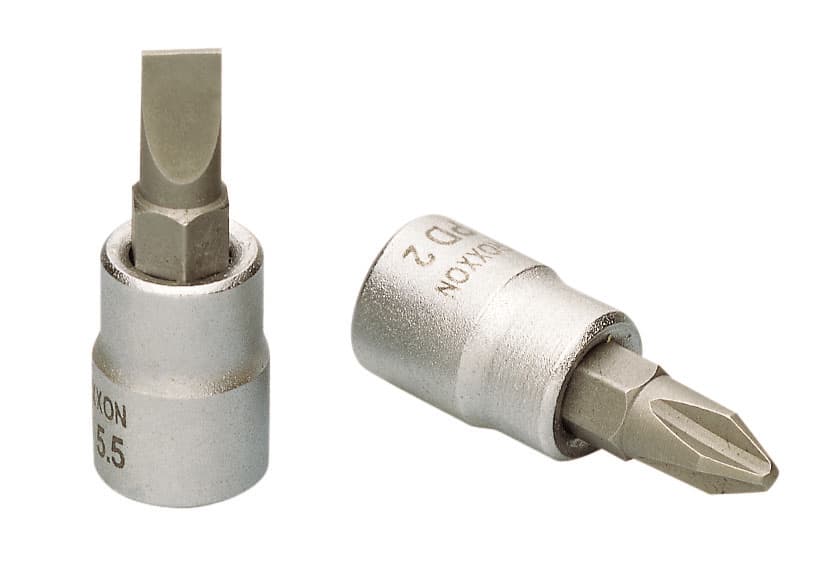
Proxxon 23731 Phillips Screwdriver 1/4″ PH2
Proxxon Industrial · Screwdrivers
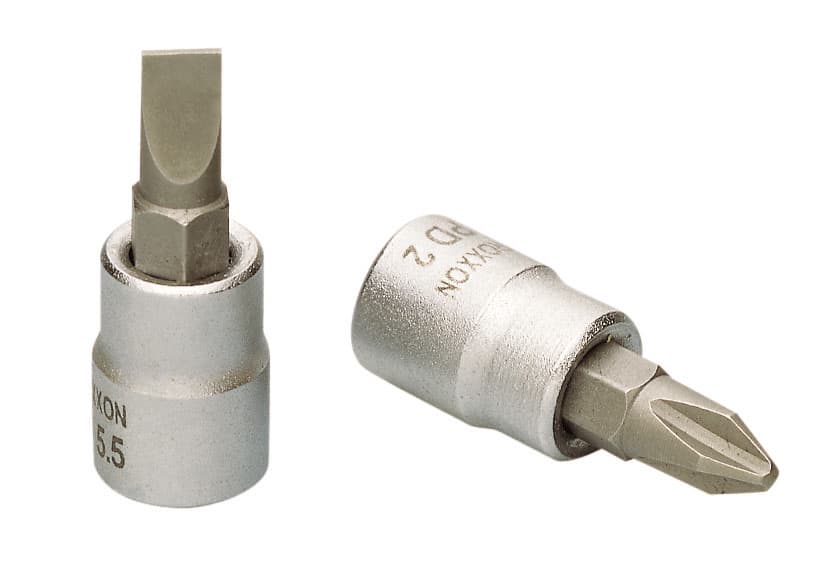
Proxxon 23732 Phillips Screwdriver 1/4″ PH3
Proxxon Industrial · Screwdrivers
Proxxon 22018 Slotted Screwdriver 8mm
Proxxon Industrial · Screwdrivers
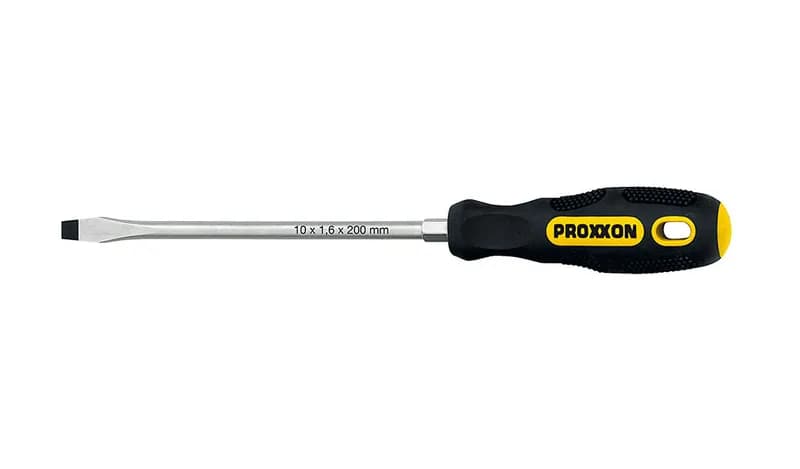
Proxxon 22020 Slotted Screwdriver 10mm
Proxxon Industrial · Screwdrivers
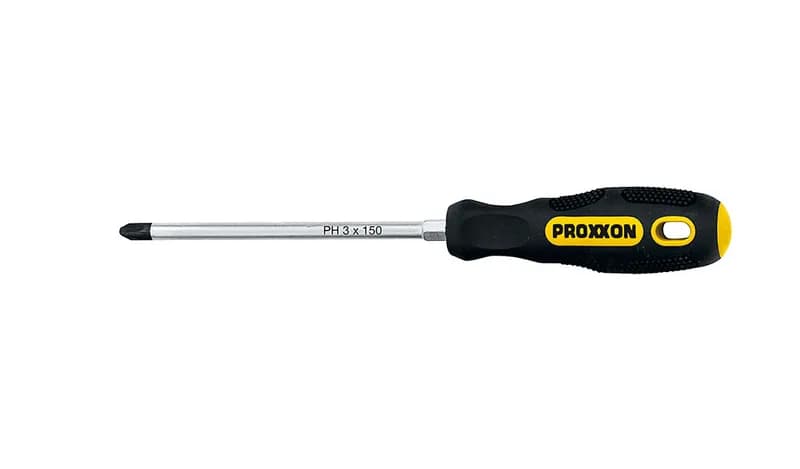
Proxxon 22056 Screwdriver PH 3
Proxxon Industrial · Screwdrivers
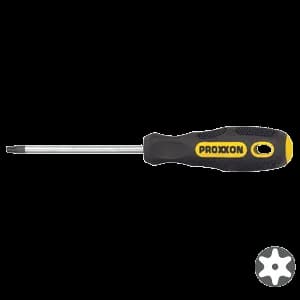
Proxxon 22230 Tamper-resistant, torx Screwdriver TX8
Proxxon Industrial · Screwdrivers
Proxxon 22234 Tamper-resistant, torx Screwdriver TX15
Proxxon Industrial · Screwdrivers
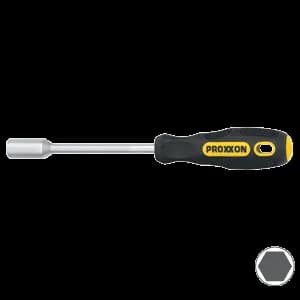
Proxxon 22264 Screwdriver 7mm
Proxxon Industrial · Screwdrivers
Proxxon 22270 Screwdriver 10mm
Proxxon Industrial · Screwdrivers
Proxxon 22276 Screwdriver 13mm
Proxxon Industrial · Screwdrivers
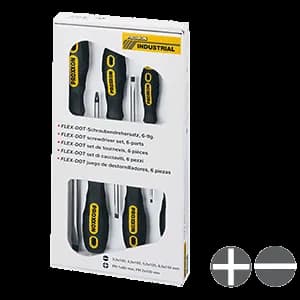
Proxxon 22604 Phillips Screwdriver
Proxxon Industrial · Screwdrivers
Proxxon 22606 Pozidriv Screwdriver
Proxxon Industrial · Screwdrivers
1–24 of 403 · page 1 / 17
Tip types: PH, PZ, Torx and slotted
Phillips (PH) and Pozidriv (PZ) look alike but are not: PZ recesses carry extra tick marks and the tip sits squarer in the recess, which reduces cam-out. A PH tip in a PZ screw rounds the recess.
Torx (TX) is a six-lobe recess rather than a cross; its wide contact area transfers high torque with the least cam-out of any type. Slotted tips are chosen by size — blade width by thickness.
S2 steel and VDE insulation
S2 is the standard steel for screwdriver tips: hard enough to transfer torque without rounding the recess. For electrical work, look for the VDE mark — individual testing for live work up to 1,000 V.
Frequently Asked Questions
What is the difference between PH and PZ?
PZ recesses carry extra tick marks and the tip sits squarer, which reduces cam-out. Using a PH tip in a PZ screw rounds the recess.
Why is Torx preferred?
Its contact area is wide and the tip is not pushed out of the recess, so it transfers high torque with the lowest risk of cam-out.
Which screwdriver for an electrical panel?
Only VDE-marked models, individually tested for 1,000 V. A plastic handle by itself is not enough.
Why does my screwdriver tip wear so fast?
Usually the wrong type or the wrong size. If the tip does not seat fully, the load concentrates on the corners and wears both tip and screw.
What is an impact driver used for?
Struck on the end of the handle, it applies turning and downward force together — for seized screws and recesses that have started to round.