Categories
Impact Sockets
Impact sockets are made thicker and from a tougher steel to absorb the torque spikes a pneumatic or cordless impact wrench produces; a chrome hand socket cracks on the same tool. Standard and deep sockets with 3/8″, 1/2″, 3/4″ and 1″ square drives, plus extensions and universal joints, are listed here from 8 mm to 80 mm.
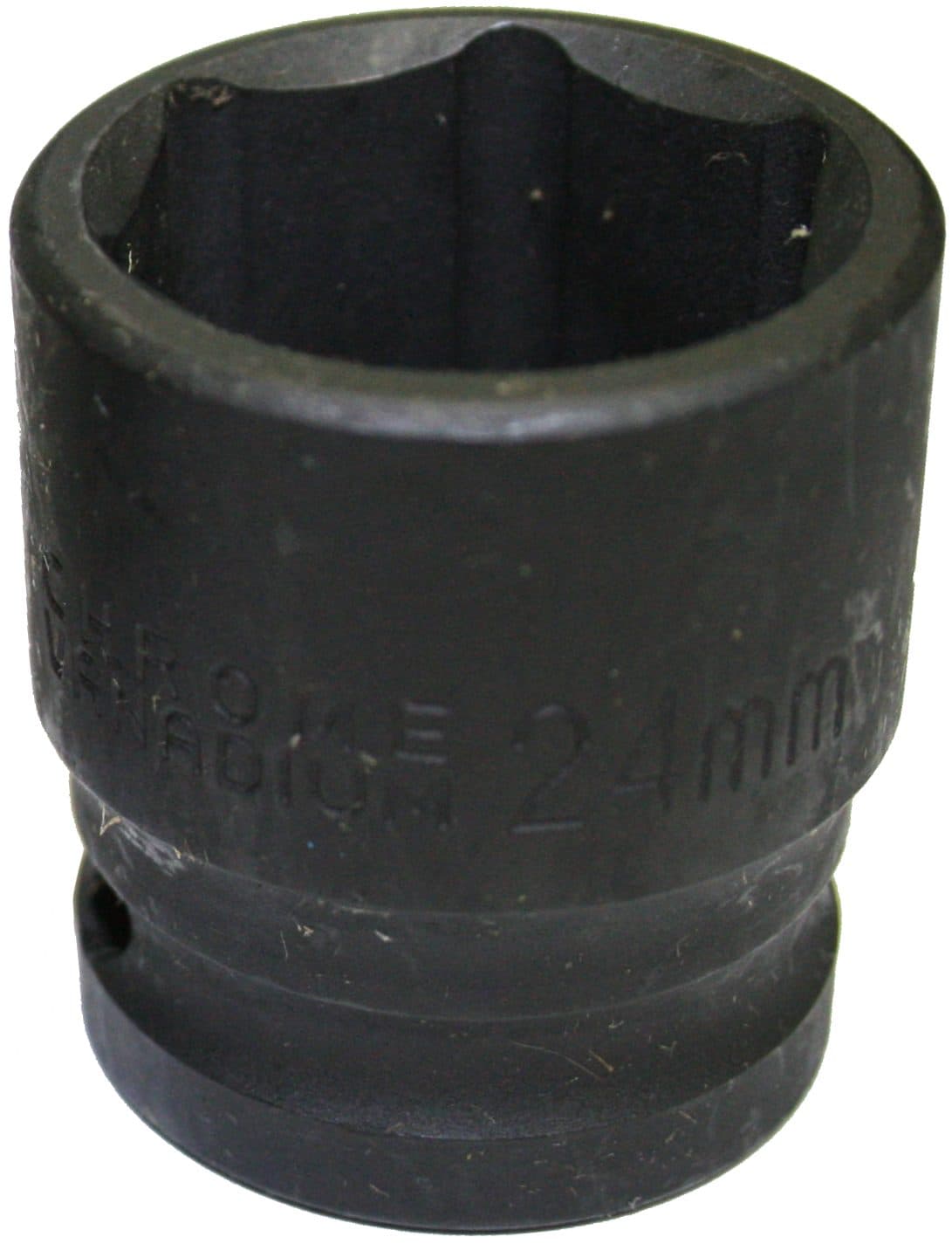
Ozco Impact Socket 11 mm, Cr-V
Ozco · Impact Sockets
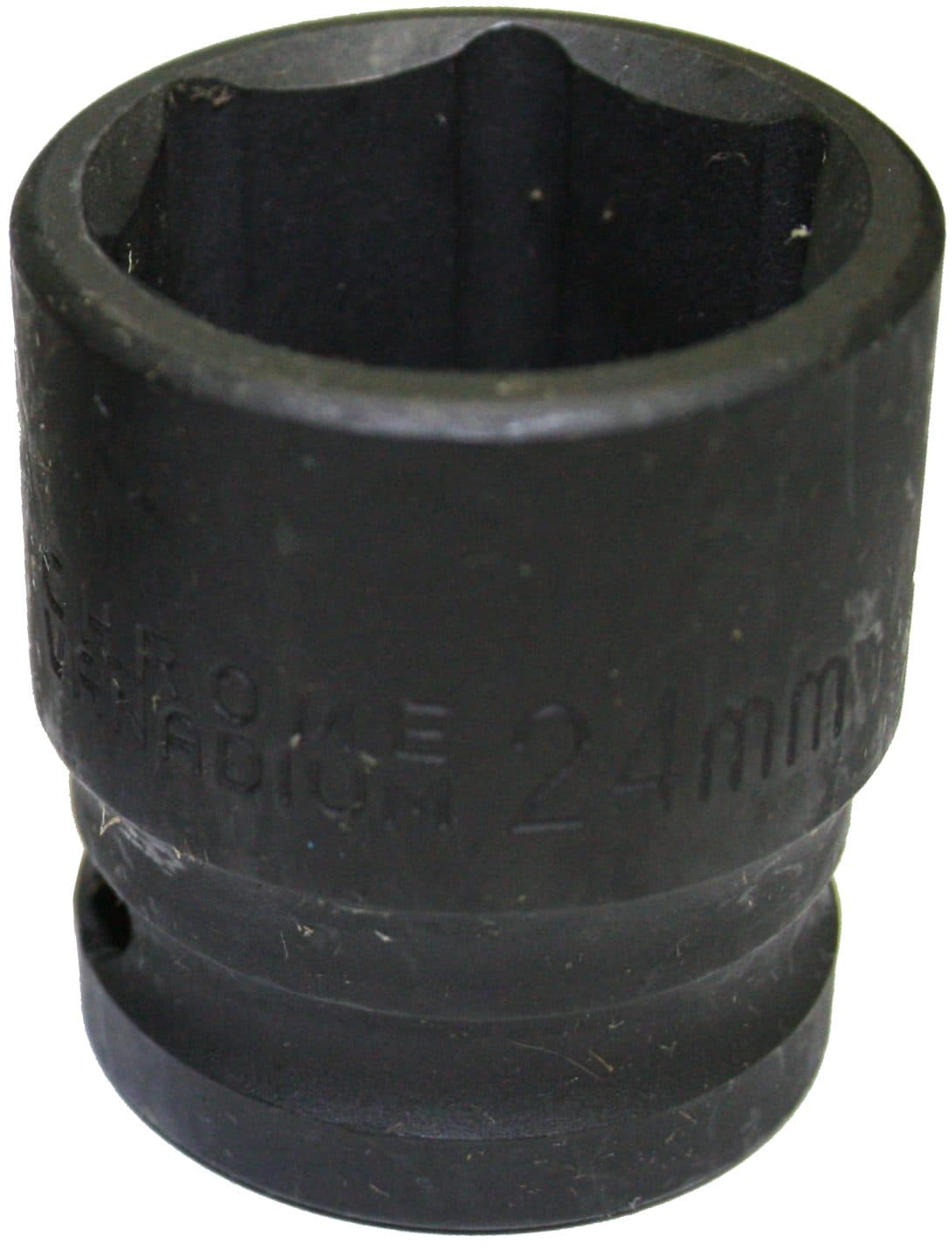
Ozco Impact Socket 12 mm, Cr-V
Ozco · Impact Sockets
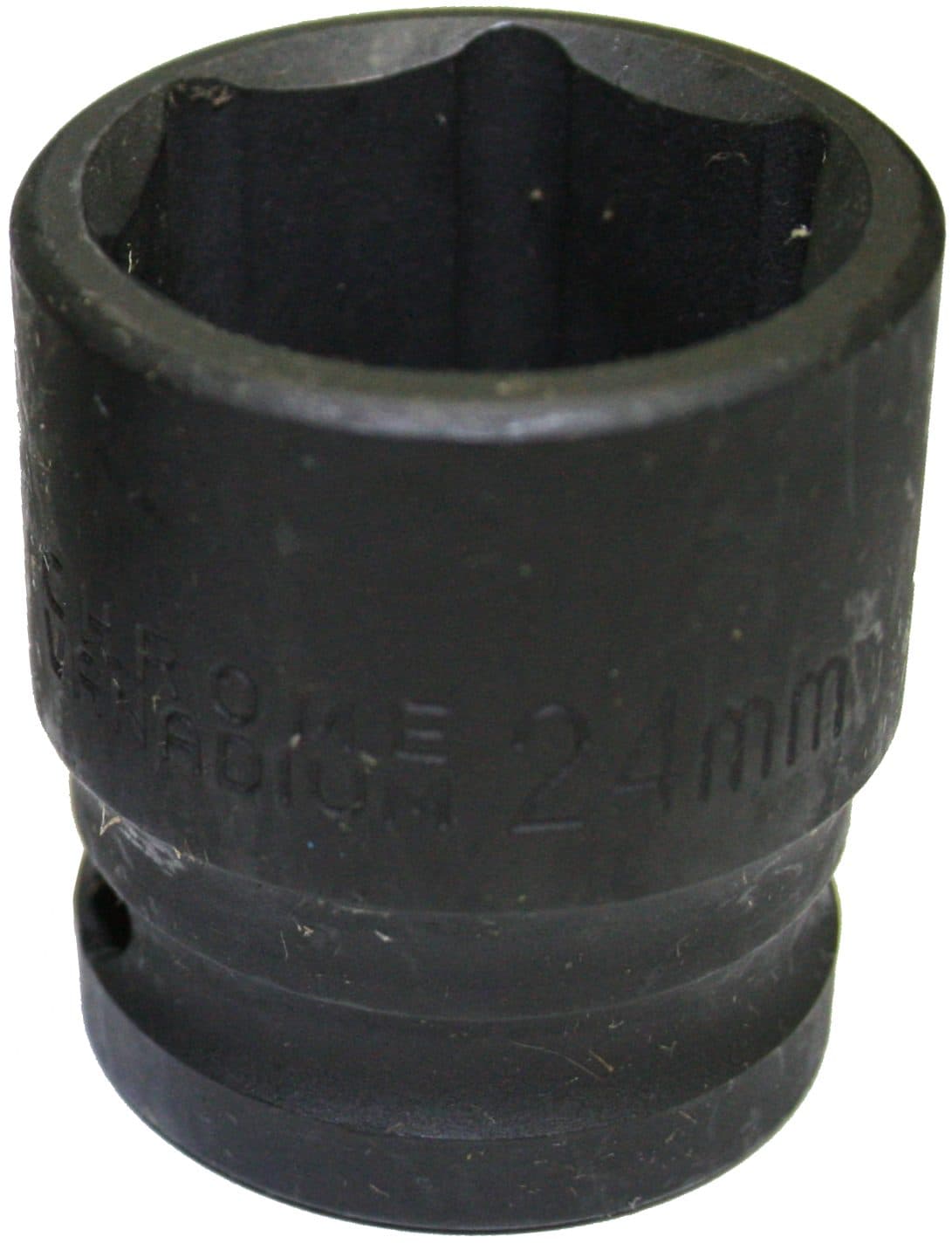
Ozco Impact Socket 20 mm, Cr-V
Ozco · Impact Sockets
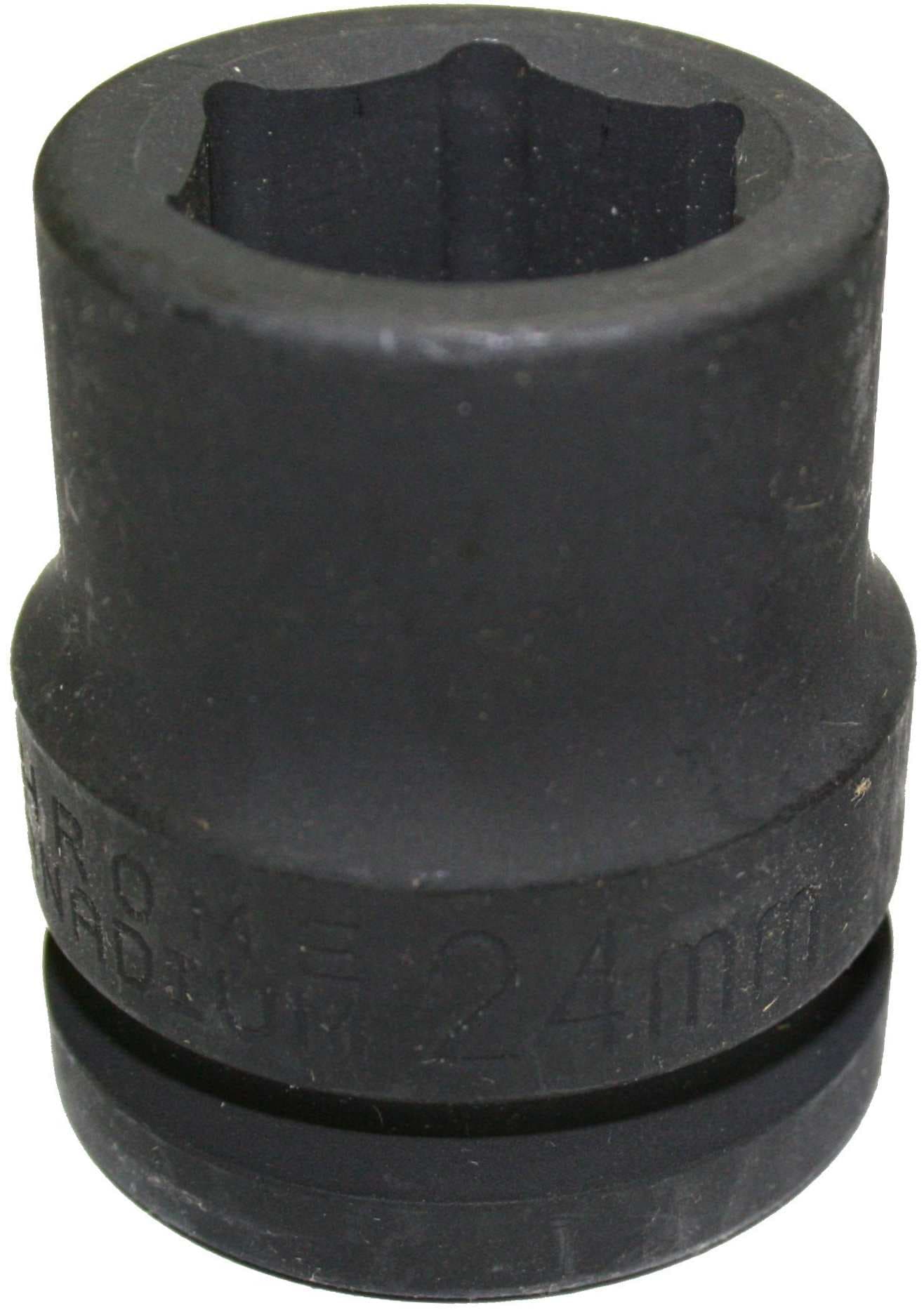
Ozco Impact Socket 22 mm, Cr-V
Ozco · Impact Sockets
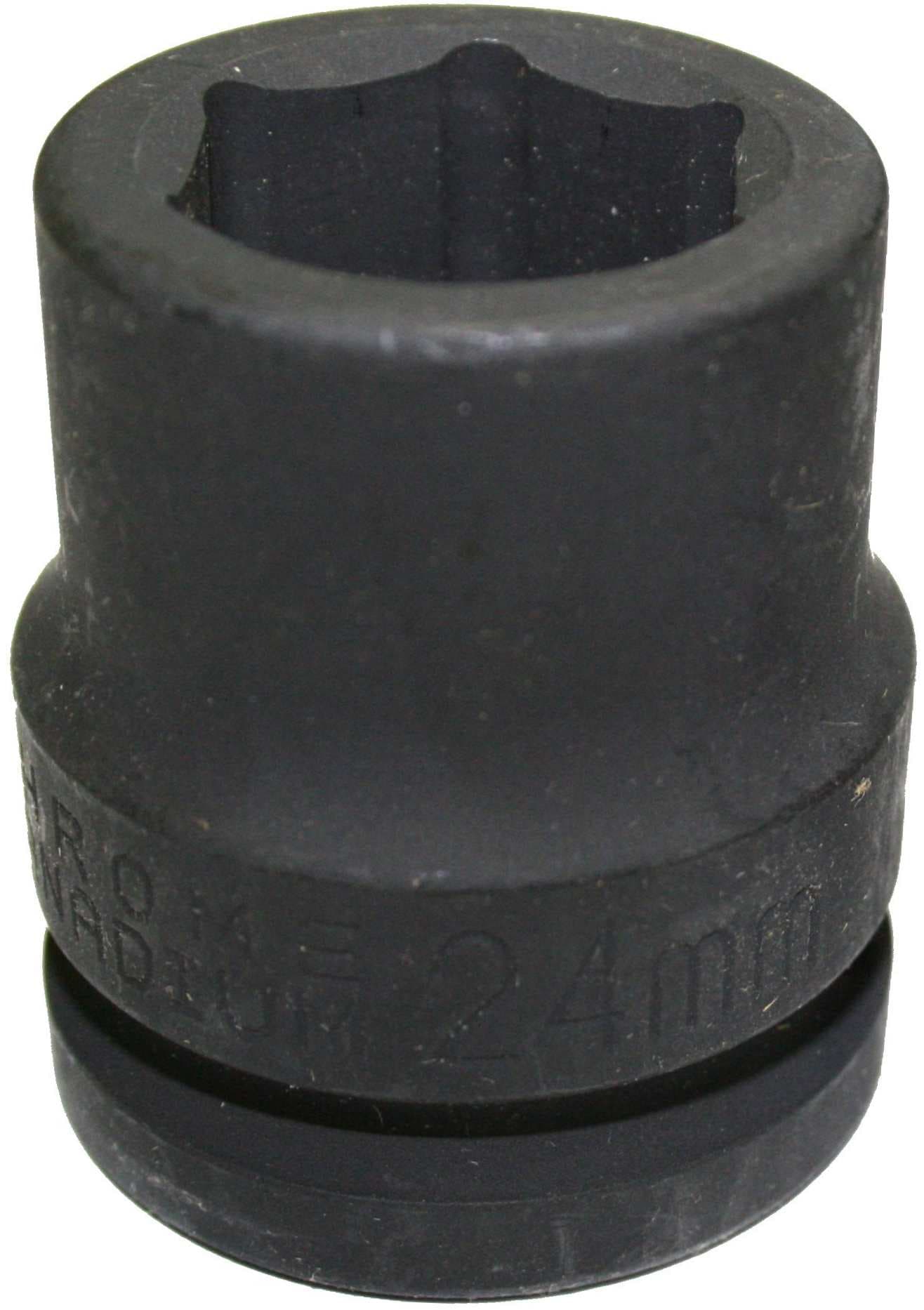
Ozco Impact Socket 30 mm, Cr-V
Ozco · Impact Sockets
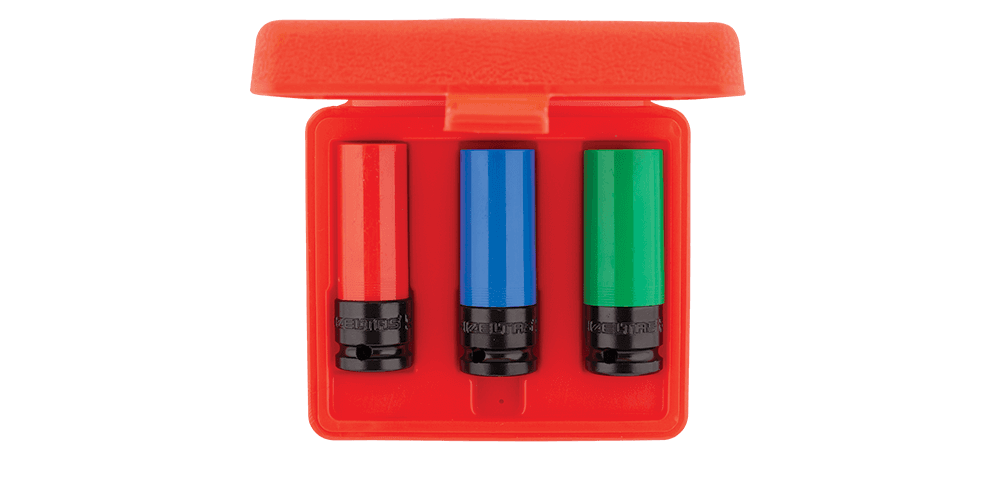
İzeltaş 1/2″ Combination Lug Nut Socket Set (3 Pcs, mm)
İzeltaş · Impact Sockets
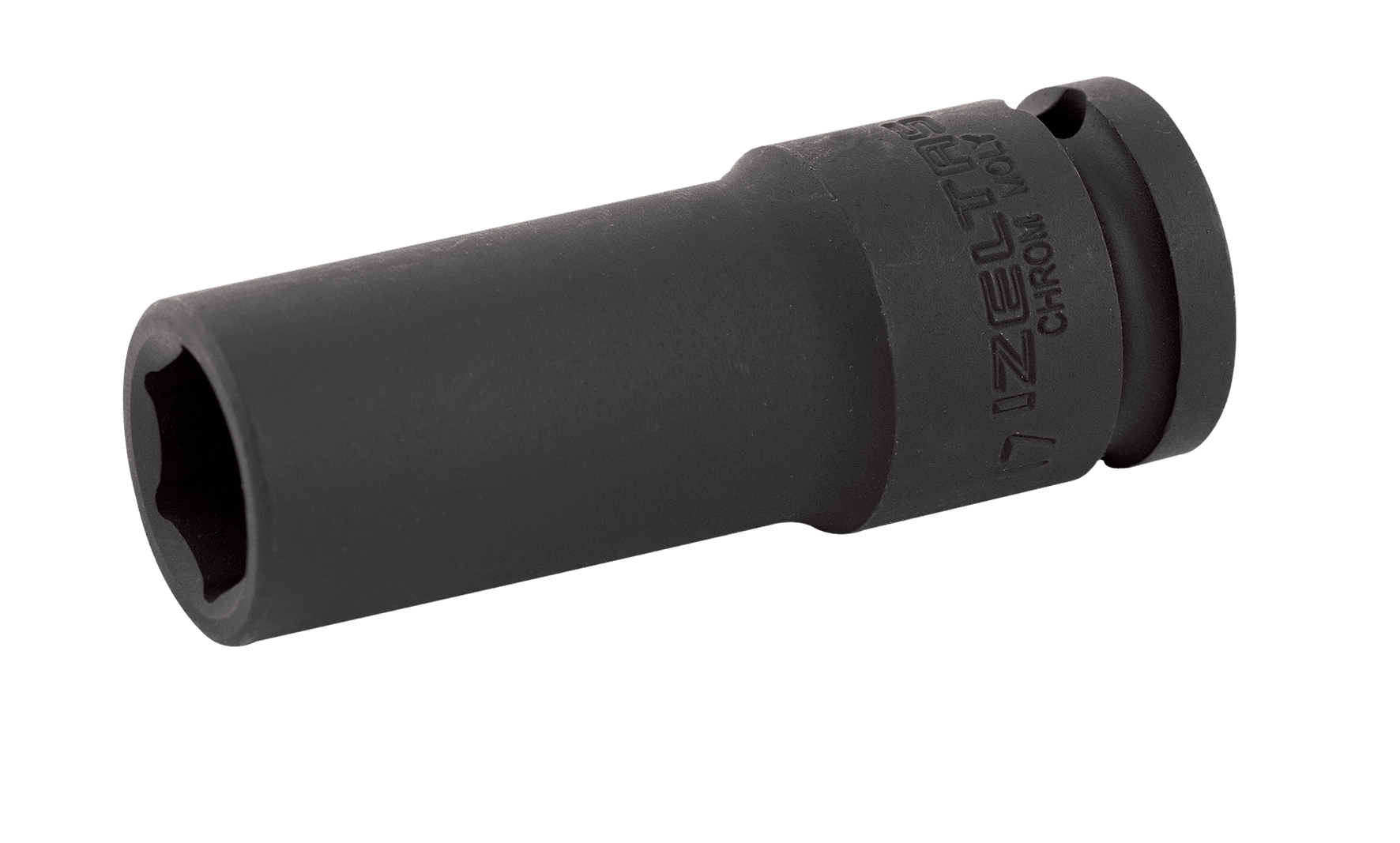
İzeltaş Impact Socket Wrench 6 Point, Long Type 10 mm
İzeltaş · Impact Sockets
İzeltaş Impact Socket Wrench 6 Point, Long Type 11 mm
İzeltaş · Impact Sockets
İzeltaş Impact Socket Wrench 6 Point, Long Type 12 mm
İzeltaş · Impact Sockets
İzeltaş Impact Socket Wrench 6 Point, Long Type 13 mm
İzeltaş · Impact Sockets
İzeltaş Impact Socket Wrench 6 Point, Long Type 14 mm
İzeltaş · Impact Sockets
İzeltaş Impact Socket Wrench 6 Point, Long Type 15 mm
İzeltaş · Impact Sockets
İzeltaş Impact Socket Wrench 6 Point, Long Type 16 mm
İzeltaş · Impact Sockets
İzeltaş Impact Socket Wrench 6 Point, Long Type 17 mm
İzeltaş · Impact Sockets
İzeltaş Impact Socket Wrench 6 Point, Long Type 18 mm
İzeltaş · Impact Sockets
İzeltaş Impact Socket Wrench 6 Point, Long Type 19 mm
İzeltaş · Impact Sockets
İzeltaş Impact Socket Wrench 6 Point, Long Type 20 mm
İzeltaş · Impact Sockets
İzeltaş Impact Socket Wrench 6 Point, Long Type 21 mm
İzeltaş · Impact Sockets
İzeltaş Impact Socket Wrench 6 Point, Long Type 22 mm
İzeltaş · Impact Sockets
İzeltaş Impact Socket Wrench 6 Point, Long Type 23 mm
İzeltaş · Impact Sockets
İzeltaş Impact Socket Wrench 6 Point, Long Type 24 mm
İzeltaş · Impact Sockets
İzeltaş Impact Socket Wrench 6 Point, Long Type 25 mm
İzeltaş · Impact Sockets
İzeltaş Impact Socket Wrench 6 Point, Long Type 26 mm
İzeltaş · Impact Sockets
İzeltaş Impact Socket Wrench 6 Point, Long Type 27 mm
İzeltaş · Impact Sockets
1–24 of 270 · page 1 / 12
Why impact and hand sockets do not substitute
An impact wrench applies torque in blows rather than continuously, and each blow puts a short stress peak into the socket wall. A chrome hand socket is hard and correspondingly brittle, so it cracks under those peaks and can shatter.
An impact socket is made from chrome molybdenum, phosphate finished, and left at a lower hardness but far tougher: it absorbs the blow instead of breaking. It is also thicker walled, so its outside diameter at a given size is larger -- worth remembering where the socket has to enter a recess. The impact sockets here follow TS ISO 2725-2 for the square drive and TS ISO 1174-2 for machine drive geometry.
Square drive and deep sockets
Drives of 3/8″, 1/2″, 3/4″ and 1″ are listed. The drive sets the torque that can be carried, and gun and socket should share it: stepping up or down through an adaptor creates the weak link in impact work.
A deep socket is long enough to pass over a stud, so the threaded part of a long bolt sits inside it and the socket seats fully on the nut. A standard socket on the same joint grips only the top of the nut and rounds its corners.
| Square drive | Range in this catalogue | Typical use |
|---|---|---|
| 3/8″ | 8-19 mm | General maintenance, light assembly |
| 1/2″ | 8-32 mm | Automotive, wheel and engine fasteners |
| 3/4″ | 17-60 mm | Heavy commercial vehicles, industrial maintenance |
| 1″ | 22-80 mm | Heavy industry, flanges and large nuts |
Bit sockets and accessories
Impact hex and Torx® (Star) bit sockets are listed here as well: one-piece tools with the profile welded into an impact socket body. Running a separate bit in an adaptor is the commonest cause of a broken bit under impact.
Impact extensions and universal joints are made from the same tough steel; a hand-grade extension does not belong on an impact gun. The pin and O-ring lock the socket to the gun and stop it flying off at speed.
Frequently Asked Questions
How does an impact socket differ from a hand socket?
It is made from chrome molybdenum with thicker walls and left tougher, so it absorbs the torque peaks of an impact gun. A chrome hand socket is harder and more brittle and cracks on the same tool.
What happens if I use a hand socket on an impact gun?
It cracks and can shatter, throwing fragments at speed. This is a safety matter rather than a durability one: only impact sockets belong on an impact wrench.
When do I need a deep socket?
When a stud projects through the nut or the bolt has a long thread. The deep socket takes that length inside it so the socket seats fully; a standard socket grips only the top of the nut.
Can I change drive size with an adaptor?
Not in impact work. The adaptor becomes the weak link and breaks; gun and socket should share the same square drive.
Why are impact sockets black?
It is a phosphate finish. Chrome plating can flake under impact and is not used here; the phosphate surface also gives light corrosion protection.
Why are impact hex and Torx® sockets one-piece?
Running a separate bit in an adaptor is the commonest cause of a bit breaking under impact. In a one-piece bit socket the profile is welded straight into the socket body.