Categories
Punches & Drifts
This group covers centre punches that leave the dimple a drill needs to start, pin punches that drive pins out of their bores, and the drifts that go with them. The tip is hardened while the head stays tough enough to take the blow -- dress a mushroomed head, because a chip off one is what causes injuries. Centre, pin and belt punches and punch sets are listed here with their sizes.
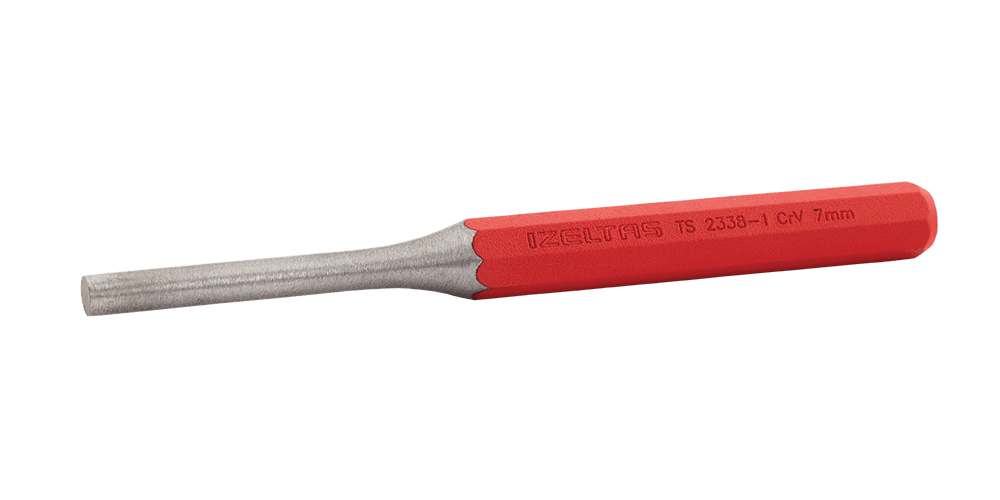
İzeltaş Split Pin Punch 10 mm
İzeltaş · Punches & Drifts
İzeltaş Split Pin Punch 2 mm
İzeltaş · Punches & Drifts
İzeltaş Split Pin Punch 3 mm
İzeltaş · Punches & Drifts
İzeltaş Split Pin Punch 4 mm
İzeltaş · Punches & Drifts
İzeltaş Split Pin Punch 5 mm
İzeltaş · Punches & Drifts
İzeltaş Split Pin Punch 6 mm
İzeltaş · Punches & Drifts
İzeltaş Split Pin Punch 7 mm
İzeltaş · Punches & Drifts
İzeltaş Split Pin Punch 8 mm
İzeltaş · Punches & Drifts
İzeltaş Split Pin Punch 9 mm
İzeltaş · Punches & Drifts
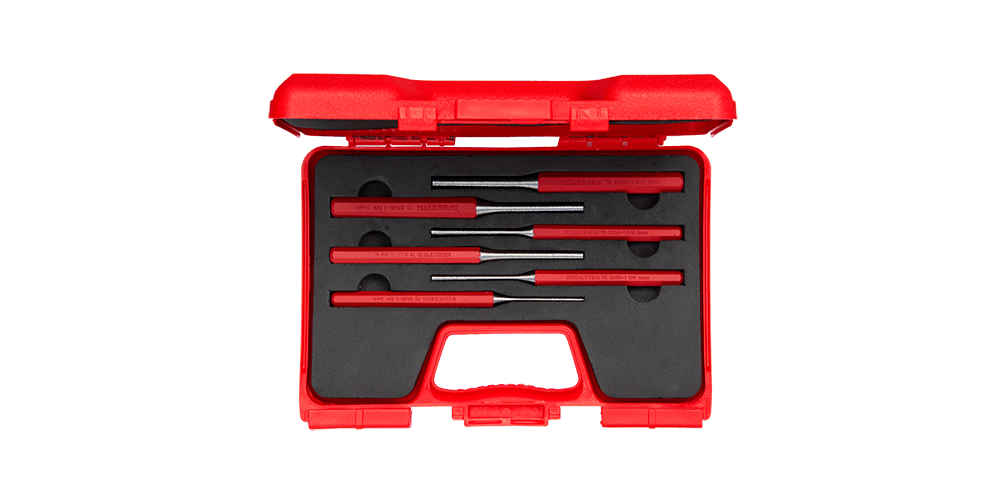
İzeltaş Split Pin Punch (6 Pcs)
İzeltaş · Punches & Drifts
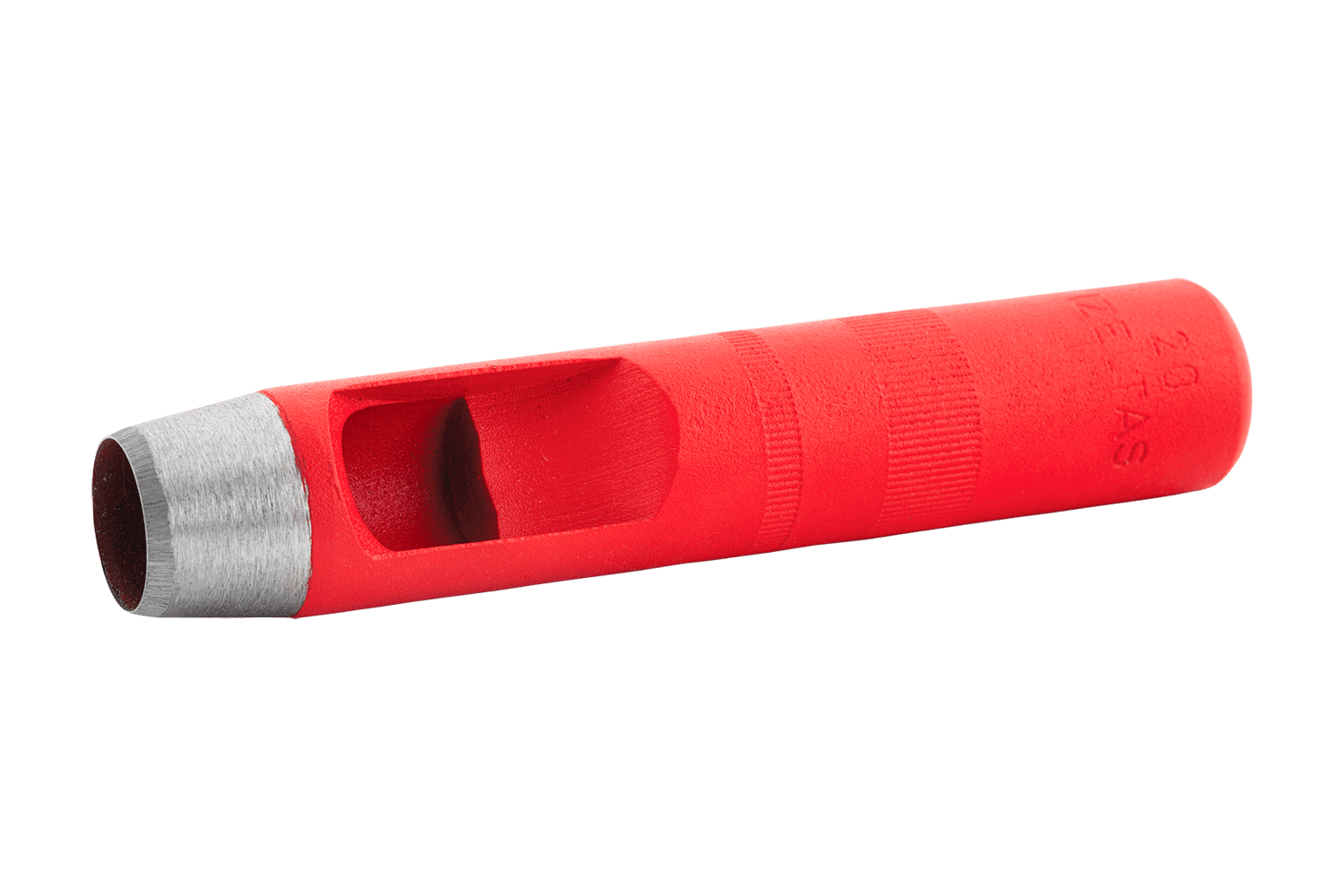
İzeltaş Belt Punch 10 mm
İzeltaş · Punches & Drifts
İzeltaş Belt Punch 11 mm
İzeltaş · Punches & Drifts
İzeltaş Belt Punch 12 mm
İzeltaş · Punches & Drifts
İzeltaş Belt Punch 13 mm
İzeltaş · Punches & Drifts
İzeltaş Belt Punch 14 mm
İzeltaş · Punches & Drifts
İzeltaş Belt Punch 15 mm
İzeltaş · Punches & Drifts
İzeltaş Belt Punch 16 mm
İzeltaş · Punches & Drifts
İzeltaş Belt Punch 17 mm
İzeltaş · Punches & Drifts
İzeltaş Belt Punch 18 mm
İzeltaş · Punches & Drifts
İzeltaş Belt Punch 19 mm
İzeltaş · Punches & Drifts
İzeltaş Belt Punch 20 mm
İzeltaş · Punches & Drifts
İzeltaş Belt Punch 3 mm
İzeltaş · Punches & Drifts
İzeltaş Belt Punch 4 mm
İzeltaş · Punches & Drifts
İzeltaş Belt Punch 5 mm
İzeltaş · Punches & Drifts
1–24 of 44 · page 1 / 2
Centre punches, pin punches and belt punches
A centre punch leaves the dimple that stops a drill wandering -- on sheet and other slick surfaces it is the step that fixes where the hole ends up. A taper punch starts a pin moving in its bore, and a parallel pin punch drives it the rest of the way; the sequence needs both.
A belt punch cuts a clean round hole in leather, belting, gasket material and felt. Diameters from 2 mm and complete sets are listed here. Work over a soft backing -- wood or lead -- to protect both the cutting edge and the bench.
Why the head has to be dressed
The tip is hardened while the head is left tough enough to take the blow. Repeated striking spreads the edges of the head until it mushrooms, and a hard fragment off that rim leaves at hammer speed -- it is the commonest injury in this group.
Grind a mushroomed head back to shape. Keep the tool cool while grinding: a punch ground until it colours has lost its temper, and the tip will start to deform.
Frequently Asked Questions
What is a centre punch for?
It leaves the dimple that keeps a drill from wandering. Without it the bit slides and the hole ends up off the mark, especially on sheet and smooth surfaces.
Taper punch or parallel pin punch?
The taper punch starts a pin moving in its bore; the parallel punch drives it out. Pushing all the way with a taper punch jams it in the hole.
Why does the head deform, and what should I do?
The head is left tough to take the blow, so repeated striking spreads its edges. Grind a mushroomed head back to shape -- fragments off that rim are the commonest injury with these tools.
What material is a belt punch for?
Leather, belting, gasket material and felt. Work over a wood or lead backing to protect the cutting edge.