Categories
Jigsaws
A jigsaw moves a narrow blade up and down to make straight and curved cuts, and it is the one power saw that can start a cut from inside a panel. This page covers blade types, what pendulum action is for, and how the settings follow the material. The catalogue holds over 50 models.
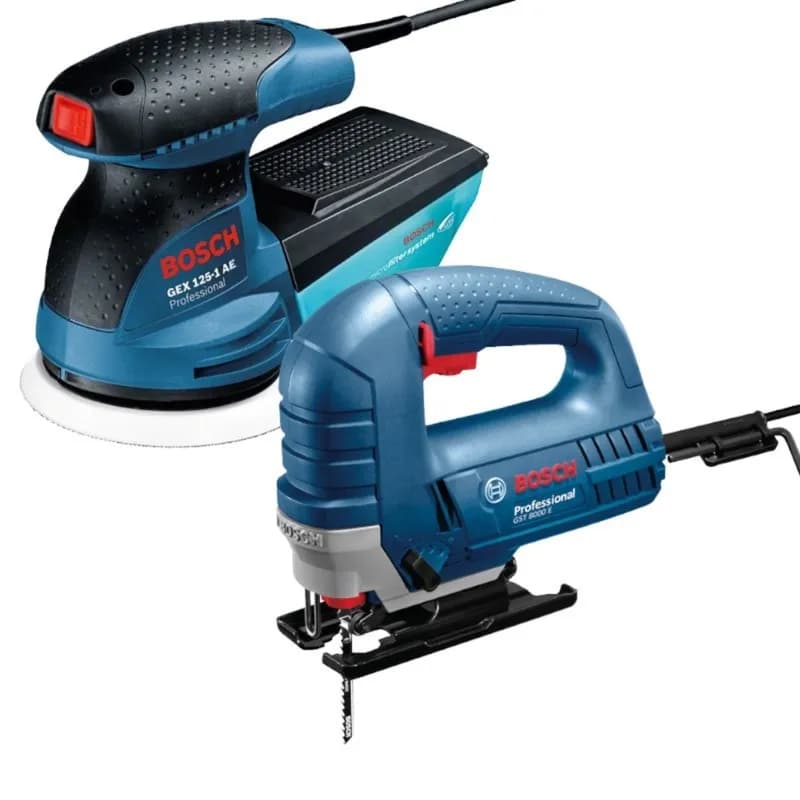
Bosch Jigsaw GST8000E+ Random Orbit Sander GEX125-1AE Set
Bosch · Jigsaws
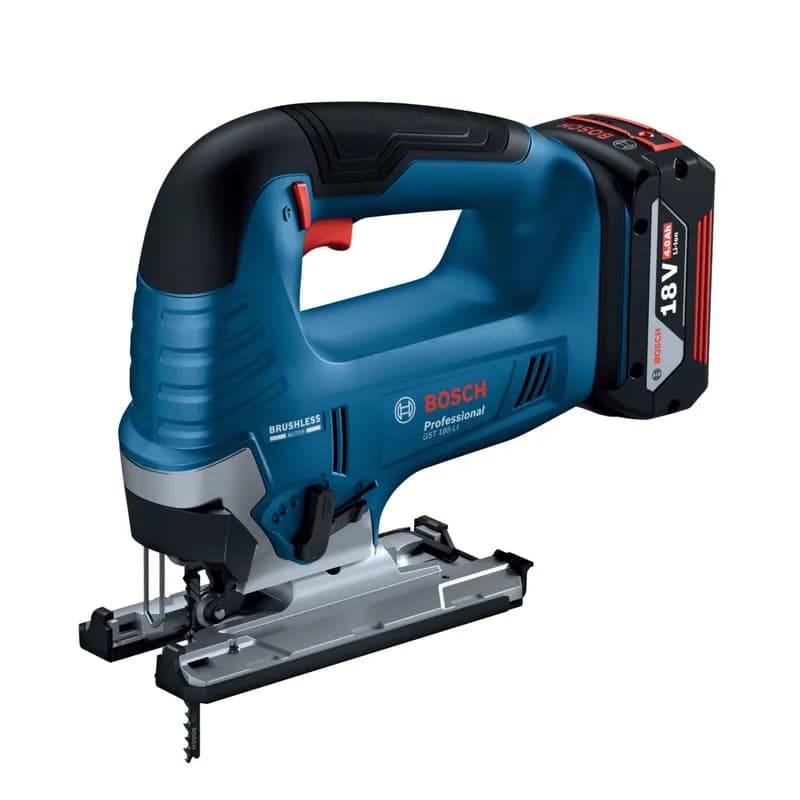
Bosch Jigsaw Machine 4.0ah GST 185-LI 06015B3024
Bosch · Jigsaws
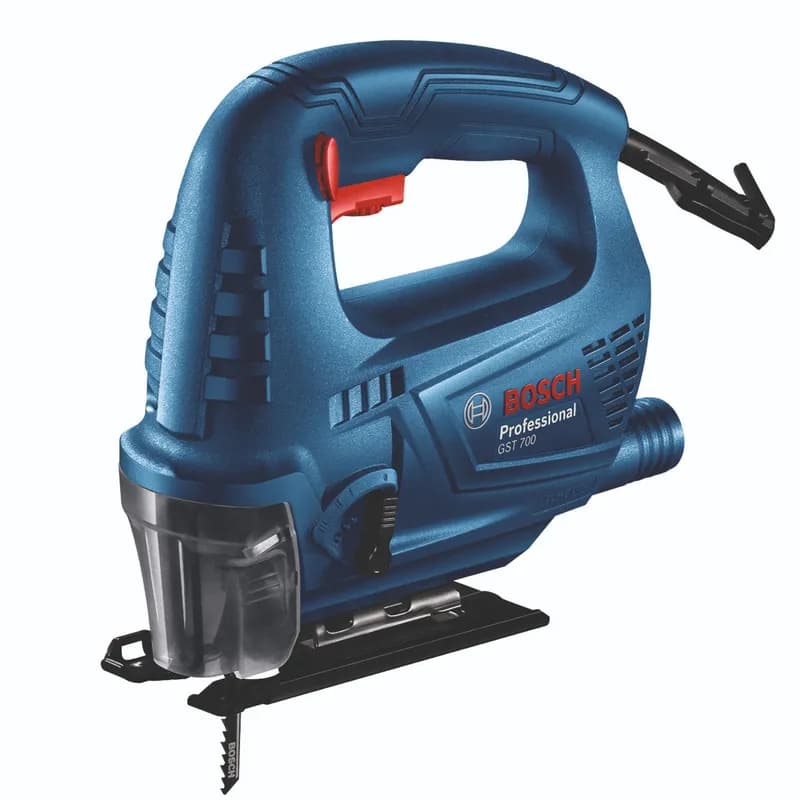
Bosch Jigsaw Machine 500W GST700 06012A7020
Bosch · Jigsaws
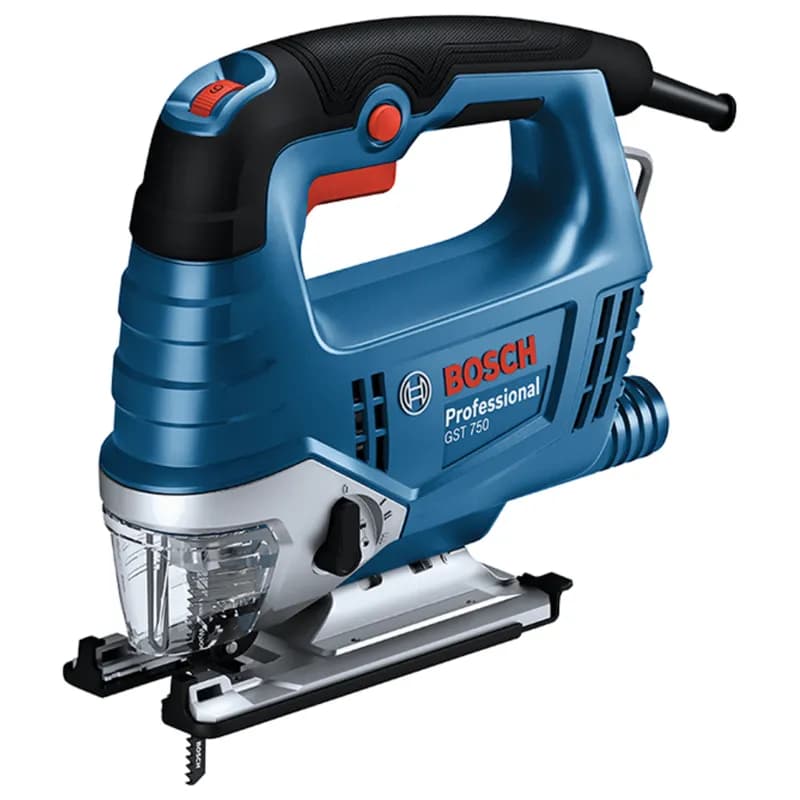
Bosch Jigsaw Machine 520W GST 750 06015B4121
Bosch · Jigsaws
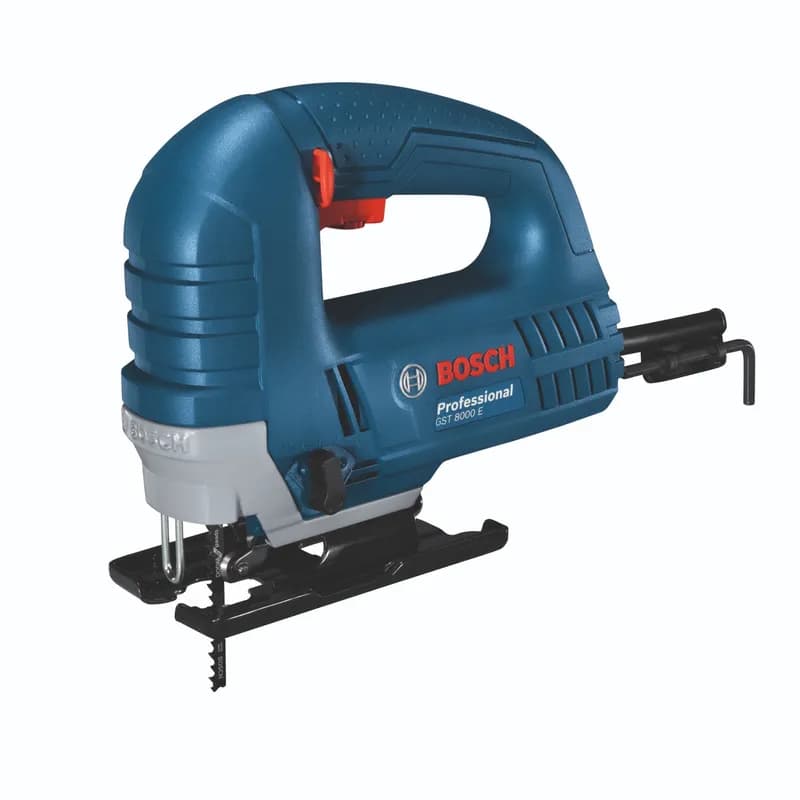
Bosch Jigsaw Machine 710W GST8000E 060158H000
Bosch · Jigsaws
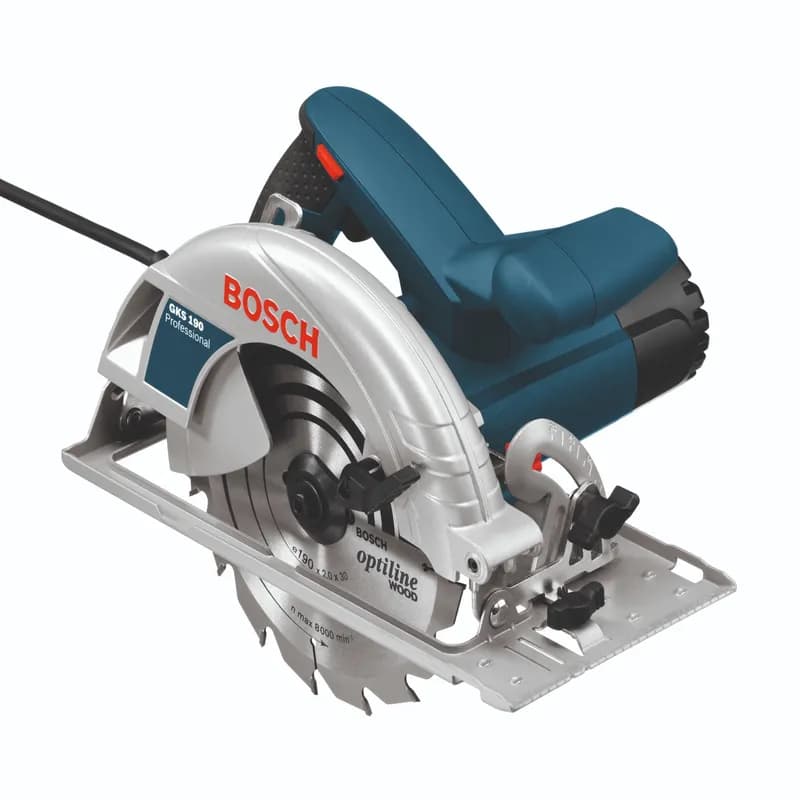
Bosch Circular Saw 1400W GKS 190 0601623000
Bosch · Jigsaws
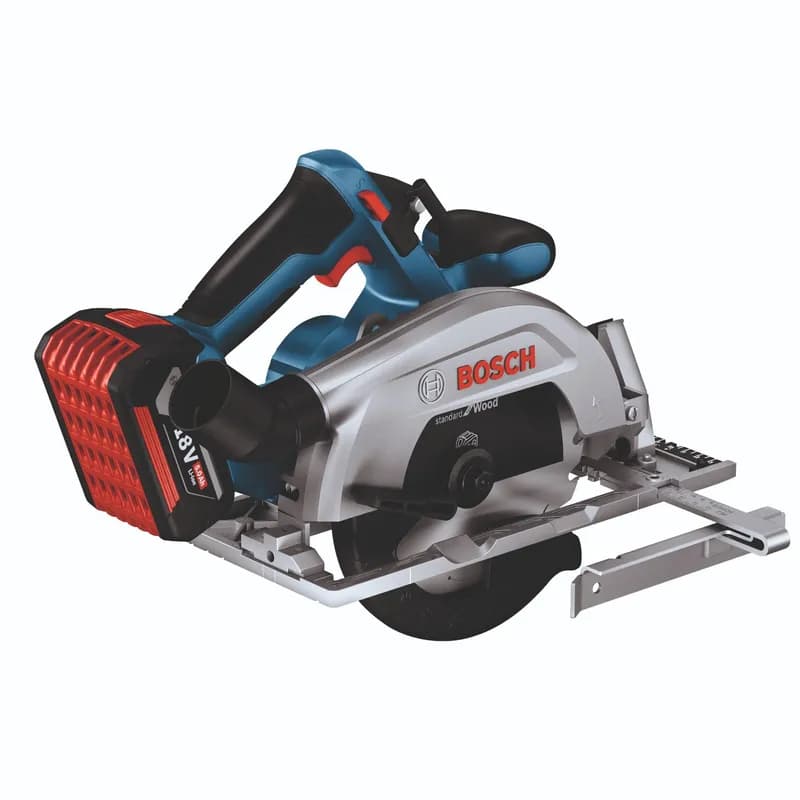
Bosch Circular Saw 18V GKS185LI 06016C1223
Bosch · Jigsaws
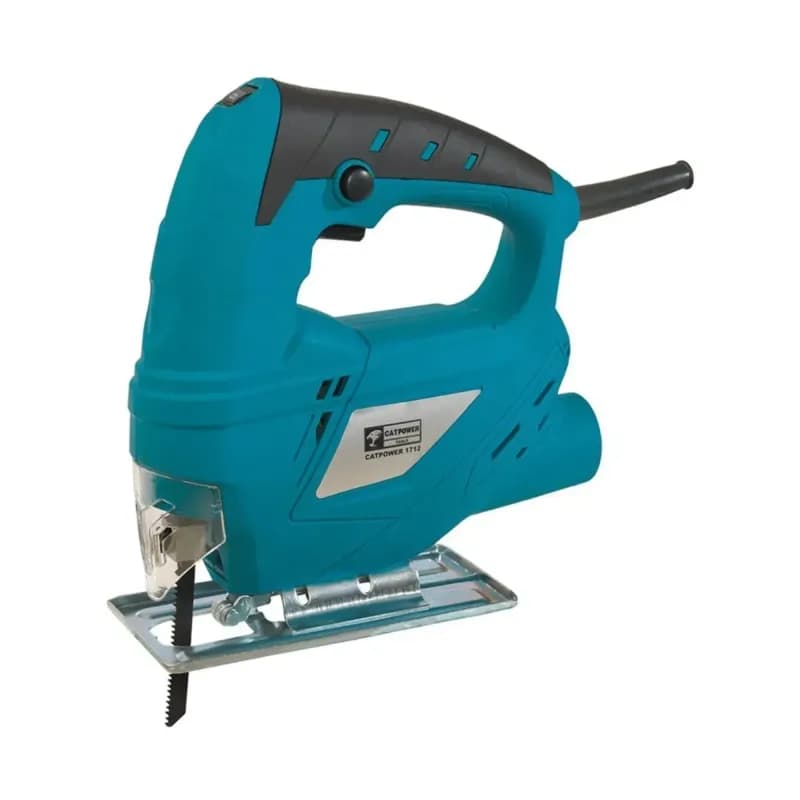
Catpower CAT1712 Jigsaw 500 W
CATPOWER · Jigsaws

Makita LS1019 Pair Sliding Square Cutter
Makita · Jigsaws
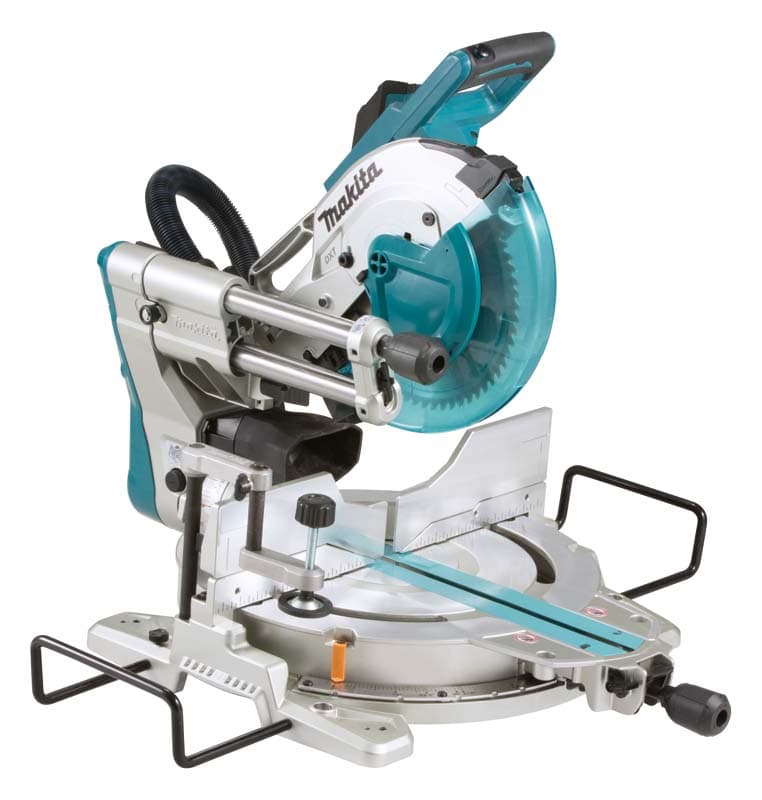
Makita LS1019L Pair Sliding Square Cutter
Makita · Jigsaws
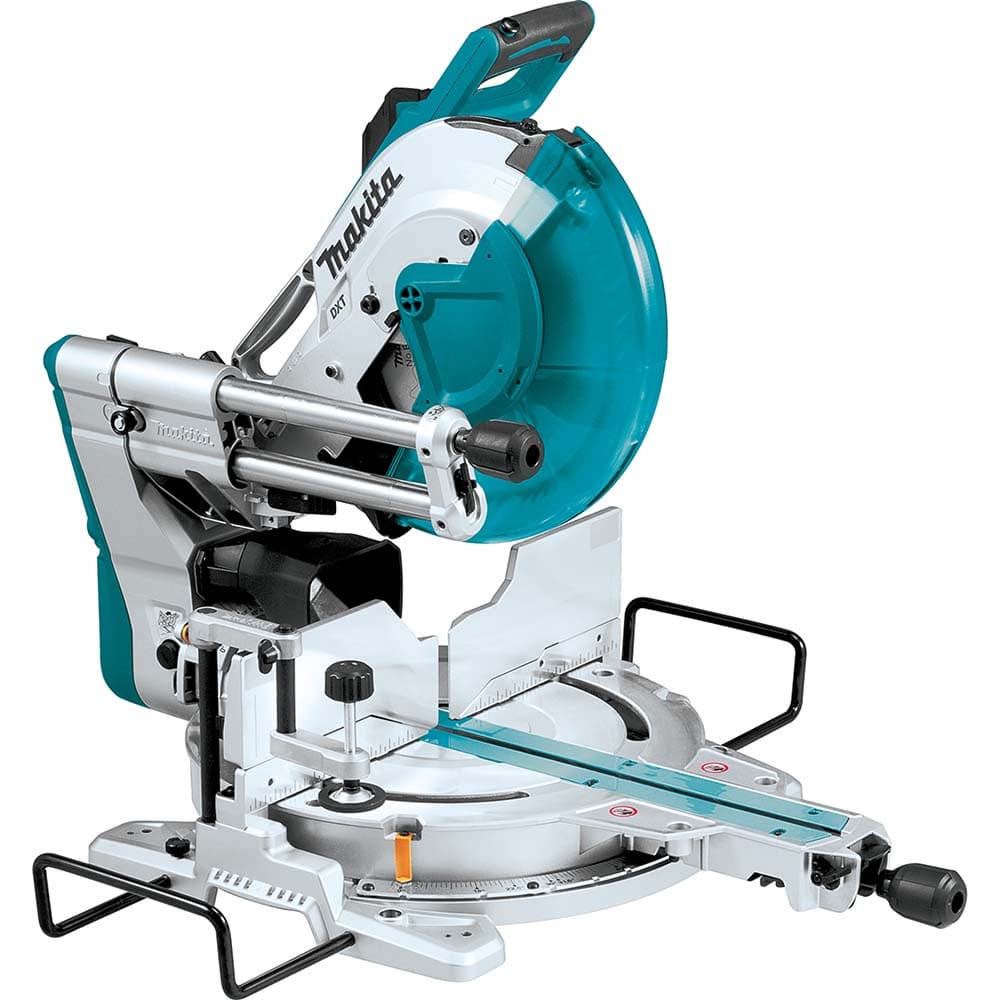
Makita LS1219 Pair Sliding Square Cutter
Makita · Jigsaws
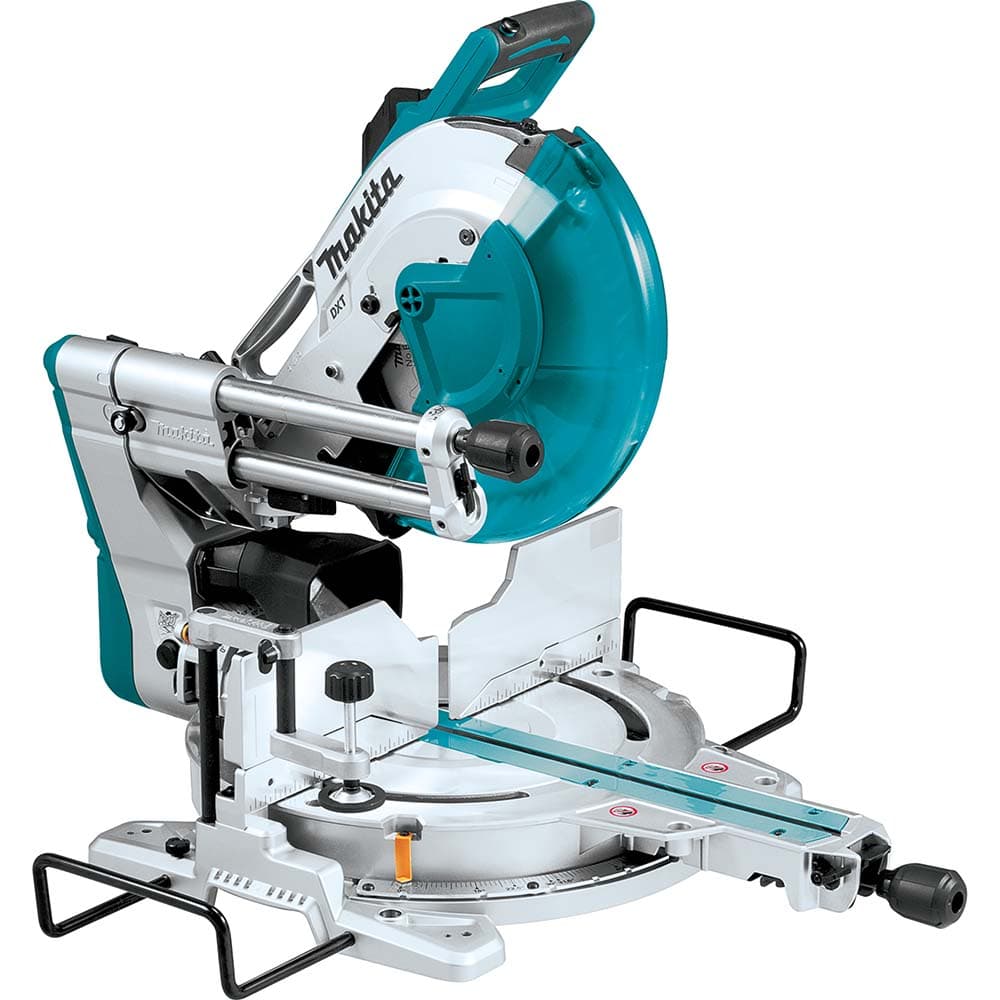
Makita LS1219L Pair Sliding Square Cutter
Makita · Jigsaws
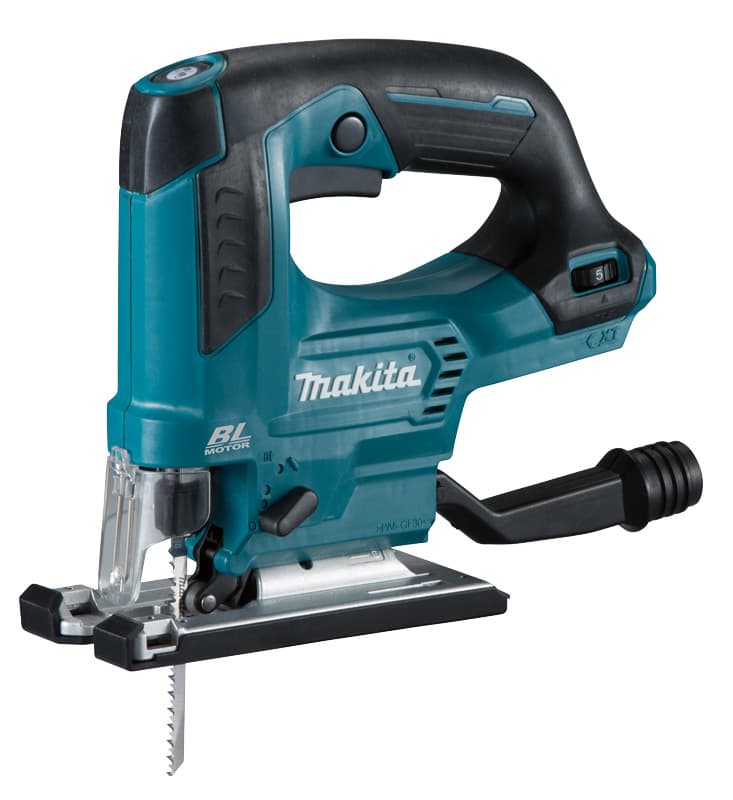
Makita JV103DZ Jigsaw Machine 12V
Makita · Jigsaws
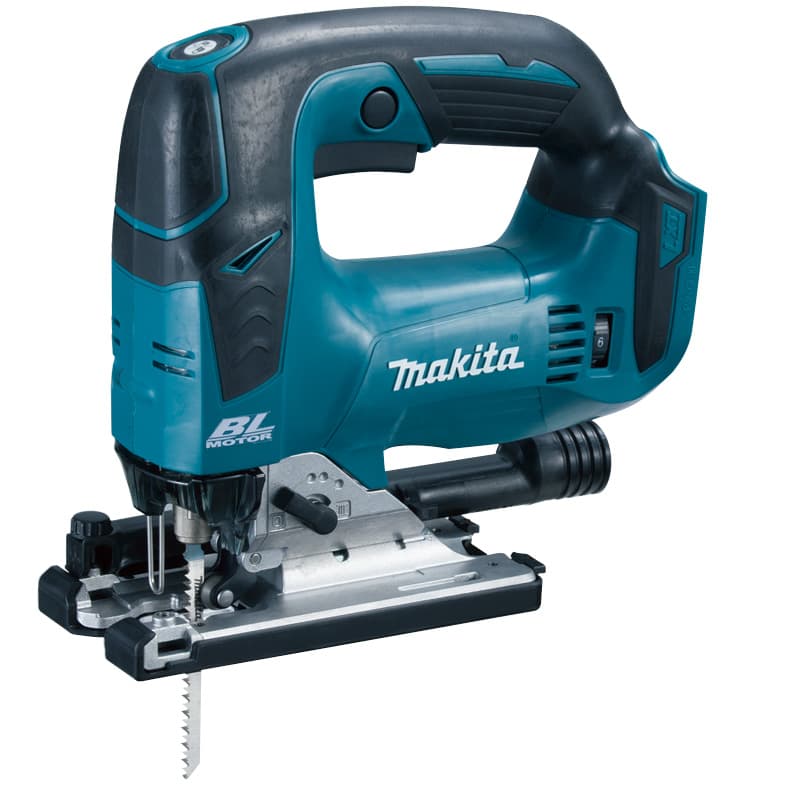
Makita DJV182Z Jigsaw Machine 18V
Makita · Jigsaws
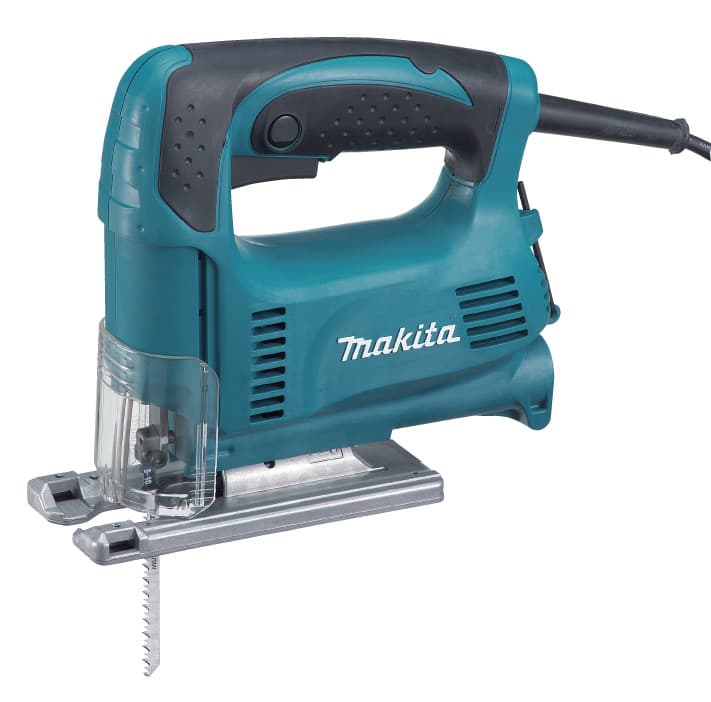
Makita 4326 Jigsaw Machine
Makita · Jigsaws
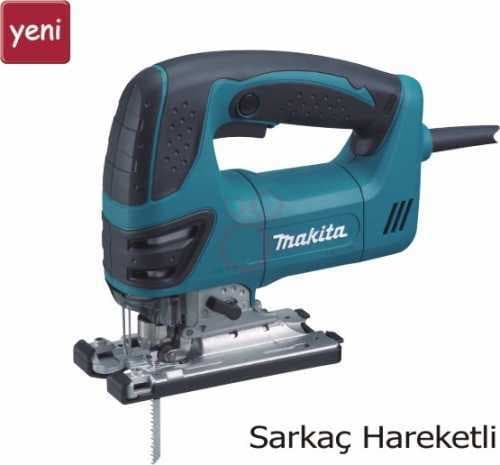
Makita 4350T Jigsaw Machine
Makita · Jigsaws
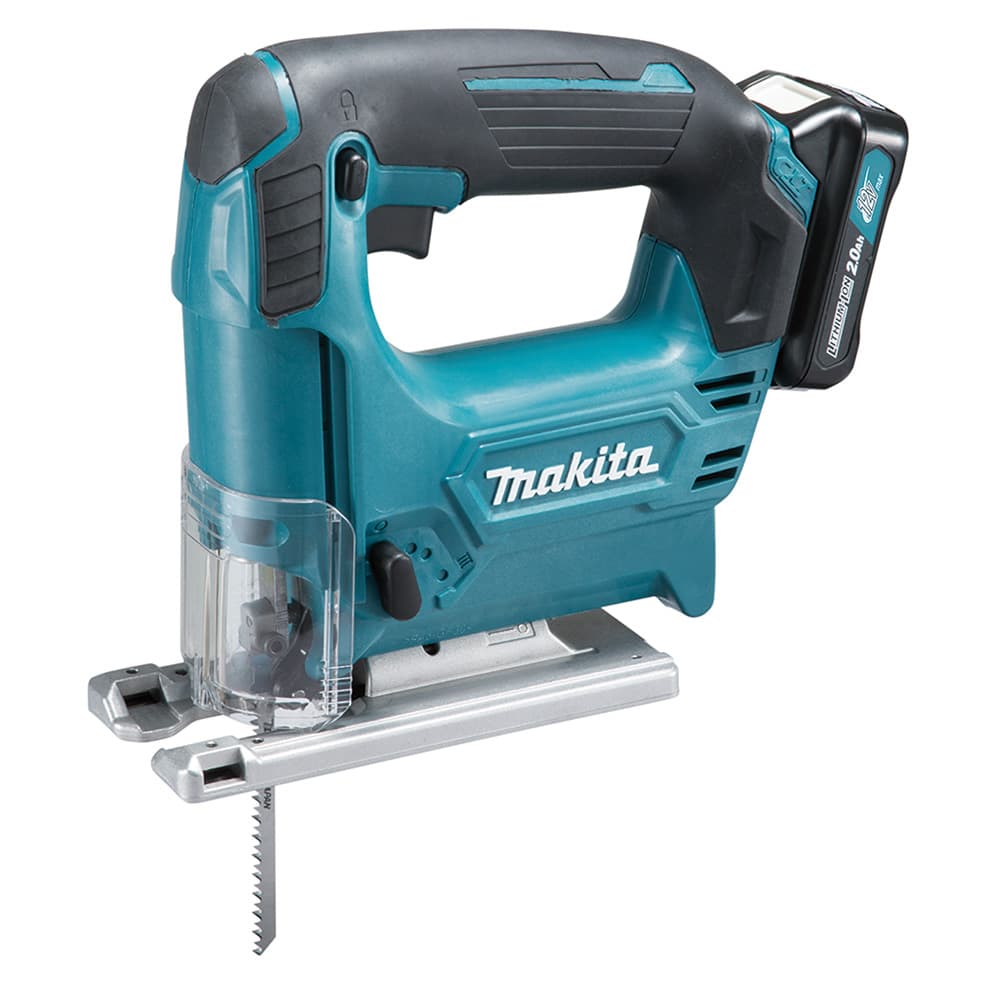
Makita JV101DWAE Jigsaw Saw 12V
Makita · Jigsaws
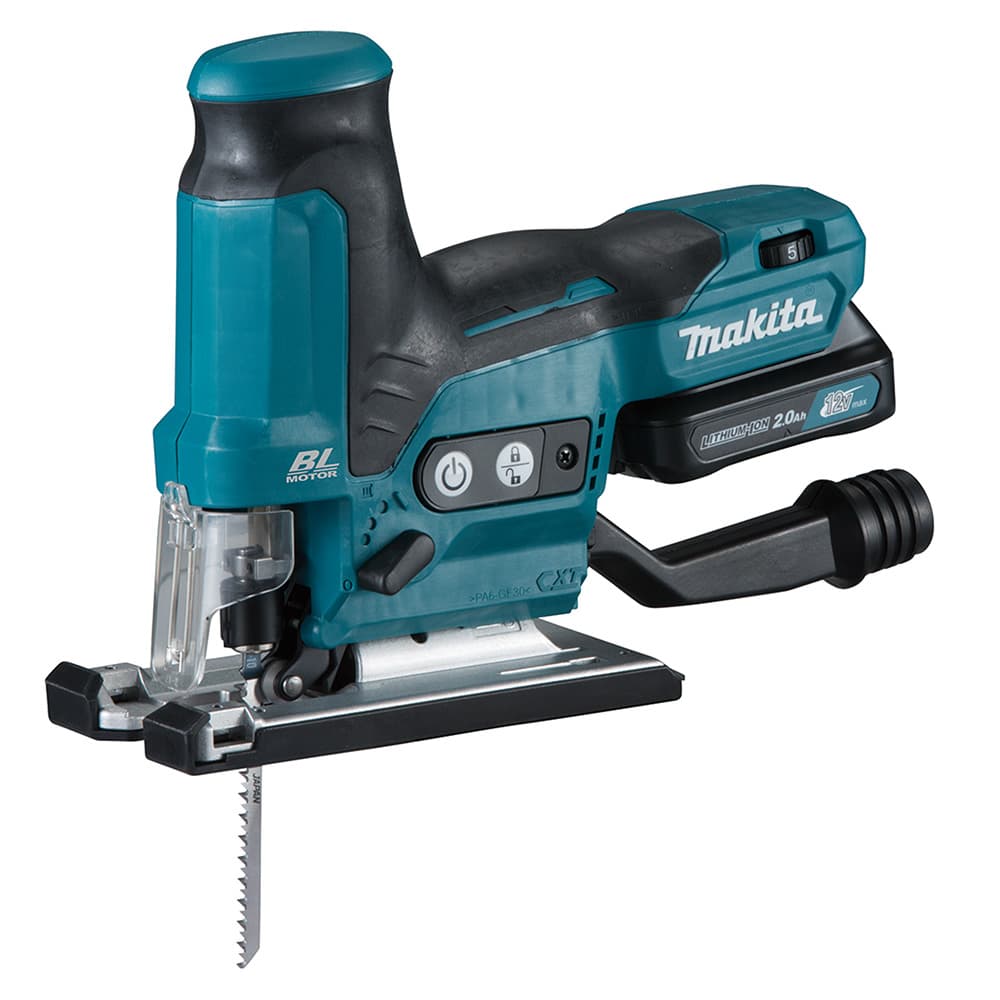
Makita JV102DWAJ Jigsaw Saw 12V
Makita · Jigsaws
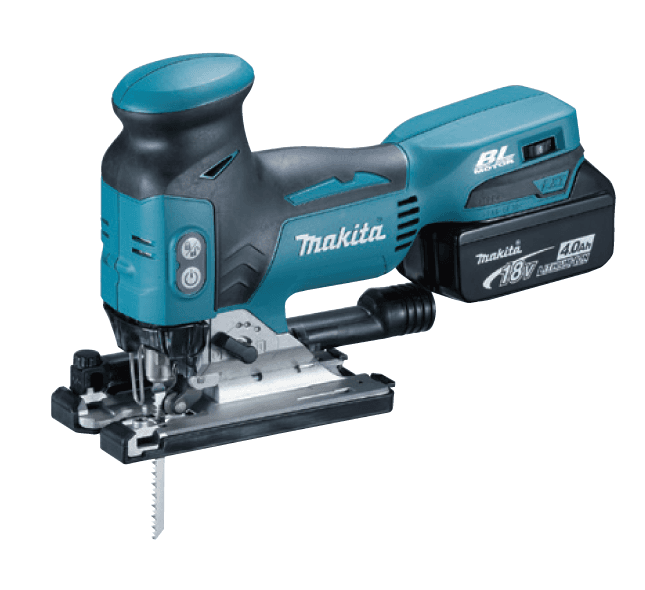
Makita DJV181RFJ Jigsaw Saw 18V
Makita · Jigsaws

Makita JV002GZ Jigsaw Saw
Makita · Jigsaws
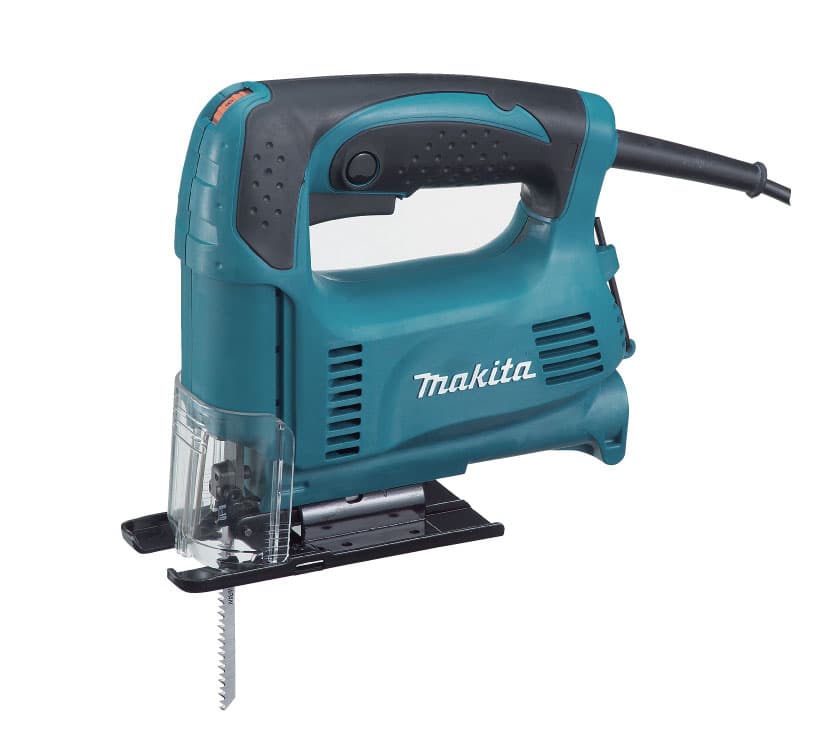
Makita 4327 Variable-Speed Jigsaw Machine
Makita · Jigsaws

Makita 4328 Variable-Speed Jigsaw Machine
Makita · Jigsaws
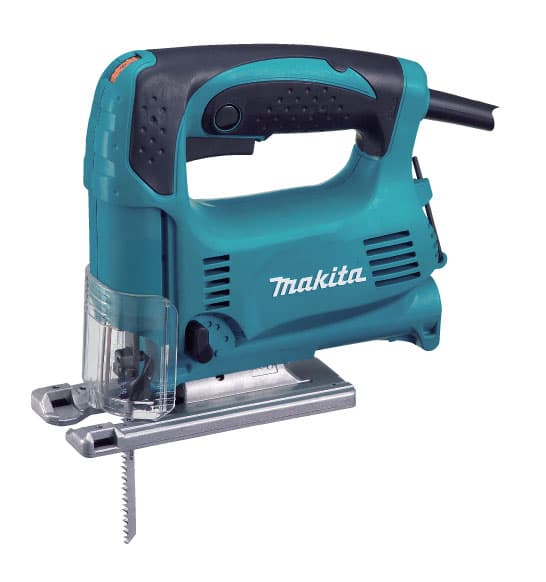
Makita 4329 Variable-Speed Jigsaw Machine
Makita · Jigsaws
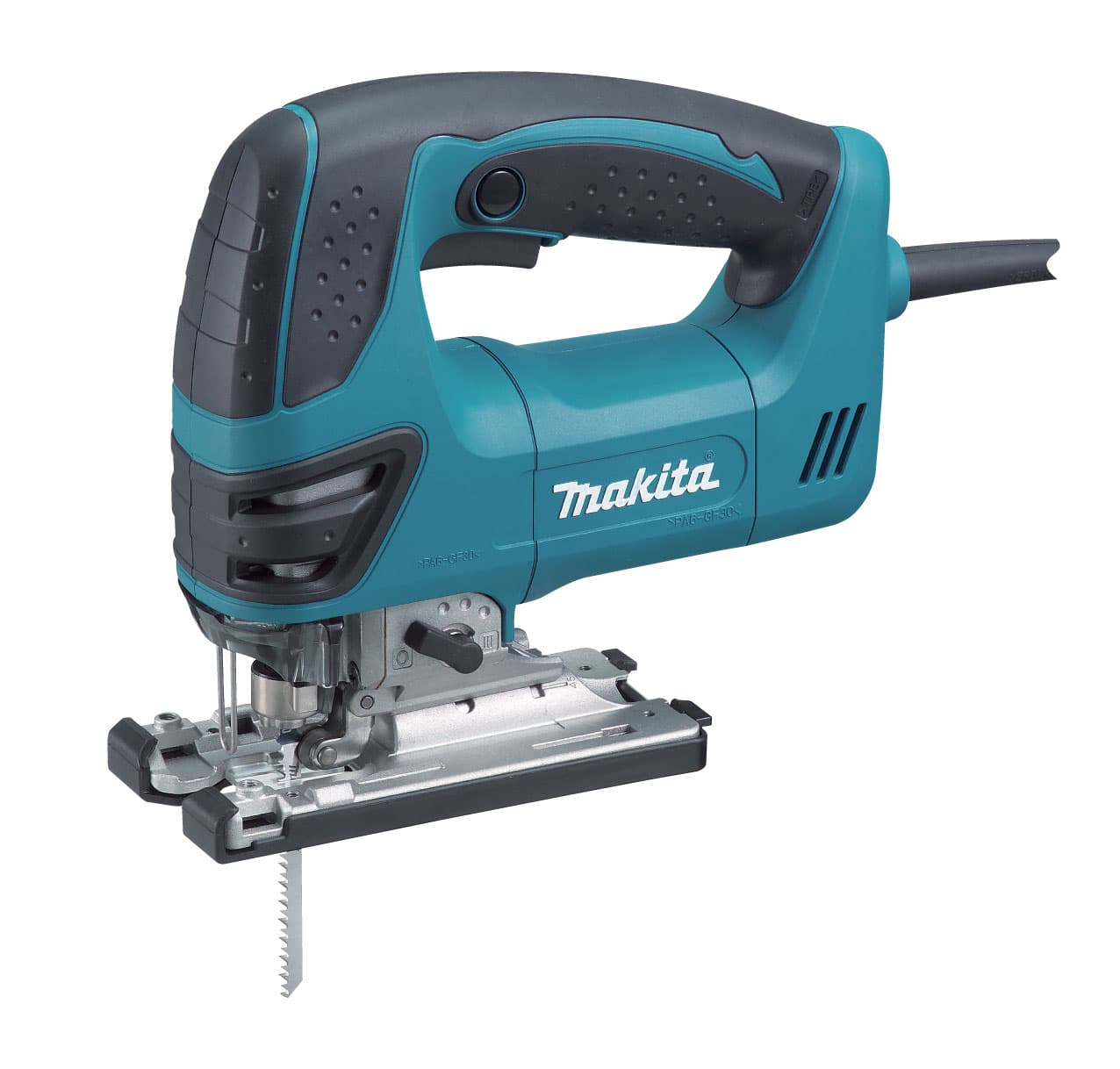
Makita 4350CT Variable-Speed Jigsaw Machine
Makita · Jigsaws
1–24 of 52 · page 1 / 3
The blade decides the material
On a jigsaw the blade matters more than the machine. Blades are defined by their T-shank fitting, and tooth count, tooth geometry and material class are printed on the blade itself. Fewer teeth cut fast and rough, more teeth cut clean.
| Material | Teeth | Note |
|---|---|---|
| Rough timber cuts | Coarse, few teeth | Fast progress, rough edge |
| Clean timber cuts | Fine teeth, reverse tooth | Little breakout at the surface |
| Laminate / furniture board | Reverse tooth blade | Keeps the visible face clean |
| Metal | Very fine (HSS/BiM) | Low stroke rate, cutting fluid |
| Tile / fibre board | Carbide grit | Toothless, cuts by abrasion |
Pendulum action and stroke rate
Pendulum action pushes the blade into the work on its upstroke: progress speeds up, the edge gets rougher. Use it on rough timber cuts, switch it off for laminate and metal.
Stroke rate follows the material too — high in timber, low in metal. A high stroke rate in metal overheats the blade and dulls the teeth.
Cutting clean
Where the visible face must stay clean, three measures work together: a reverse-tooth blade, a splinter guard in the shoe, and pendulum action off. On delicate laminates, masking tape along the cut line protects the surface as well.
Frequently Asked Questions
What can a jigsaw cut?
Timber, laminate, plastic, aluminium and — with the right blade — sheet metal and tile. Maximum thickness differs by material and is quoted separately on the machine.
When should pendulum action be on?
For fast, rough cuts in timber. Switch it off for laminate, metal and tight curves, where it roughens the edge and strains the blade.
Why is my cut wandering?
Usually feeding too fast, a dull blade, or too narrow a blade for the thickness. A wider-backed blade reduces deflection in thick material.
What should I watch when cutting metal?
A fine-tooth metal blade (HSS or bimetal), a low stroke rate and pendulum off. Cutting fluid noticeably extends blade life.
Do I need a pilot hole to start an internal cut?
Not in timber — the blade can plunge on an angled entry. In metal and laminate a pilot hole protects both blade and surface.