Categories
Wall Plugs & Anchors
Choosing a plug starts with the substrate, not the load: the same screw that holds in solid brick holds nothing in hollow brick. This page covers substrate-to-plug matching, the hole diameter rule, and where steel anchors become necessary. The catalogue holds over 80 sizes.
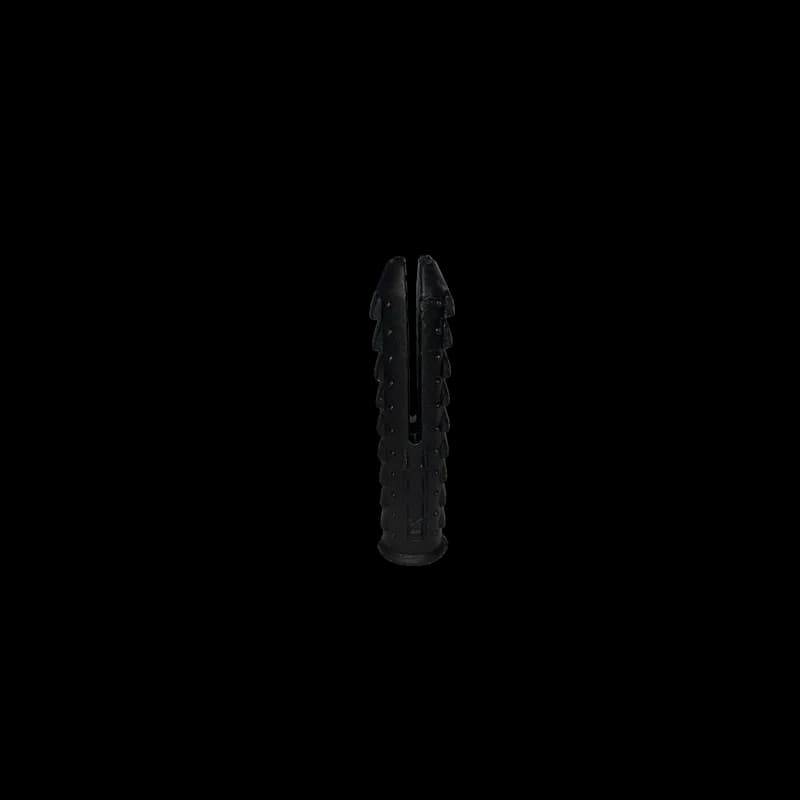
14x80mm PLASTİK DÜBEL (MFK 2422 için)
Wall Plugs & Anchors
Akdeniz ID50-T 50 mm İzolasyon Dubeli 1000x1+ Gaz
Akdeniz · Wall Plugs & Anchors
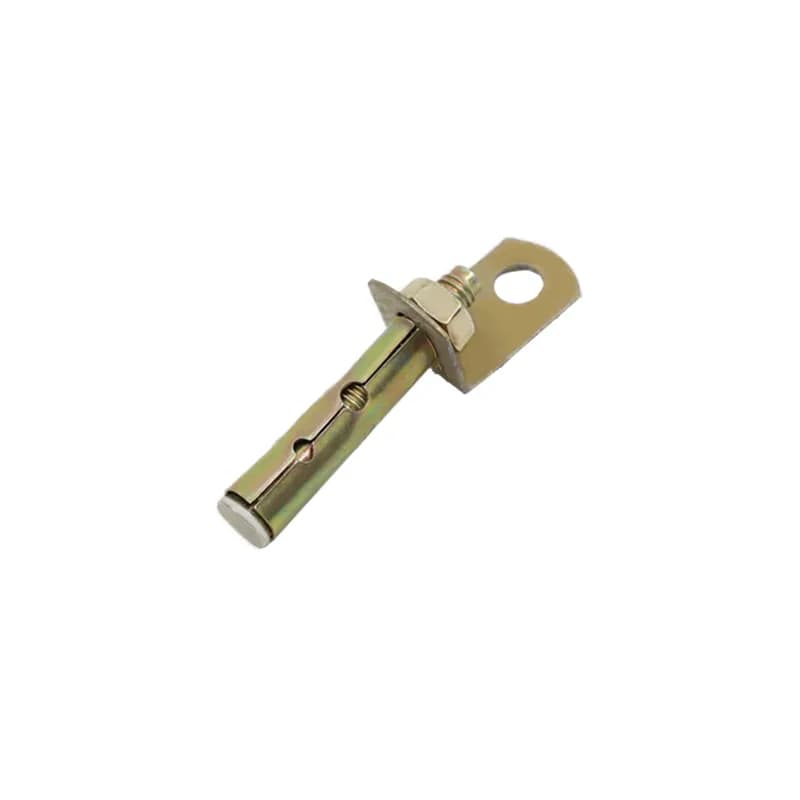
Asma Tavan Dubeli M6X45
Wall Plugs & Anchors
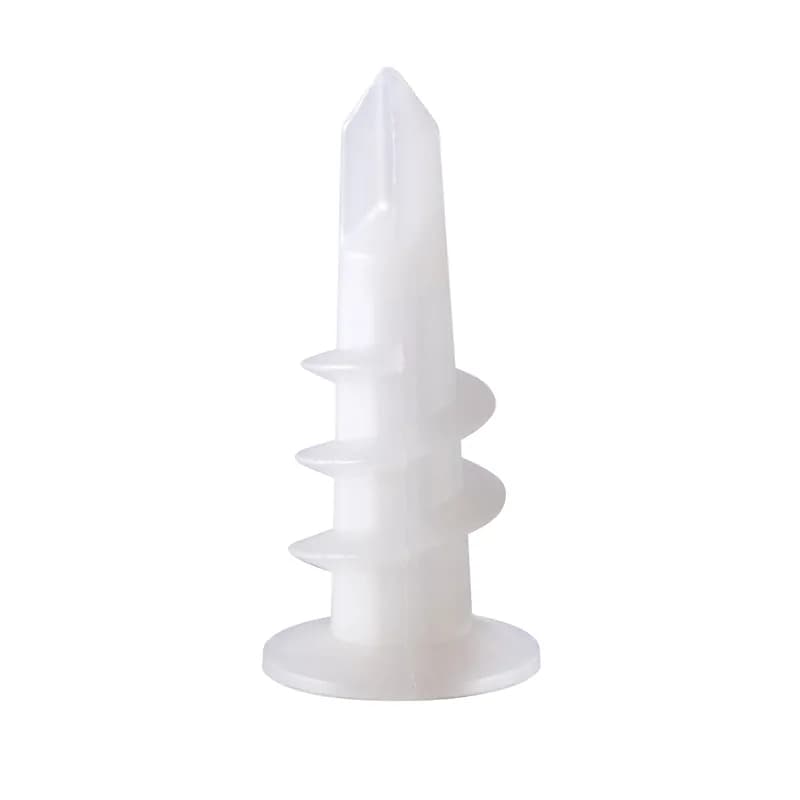
Burgulu Alçıpan Dubeli Plastik (Turbolet) 500 adet
Wall Plugs & Anchors
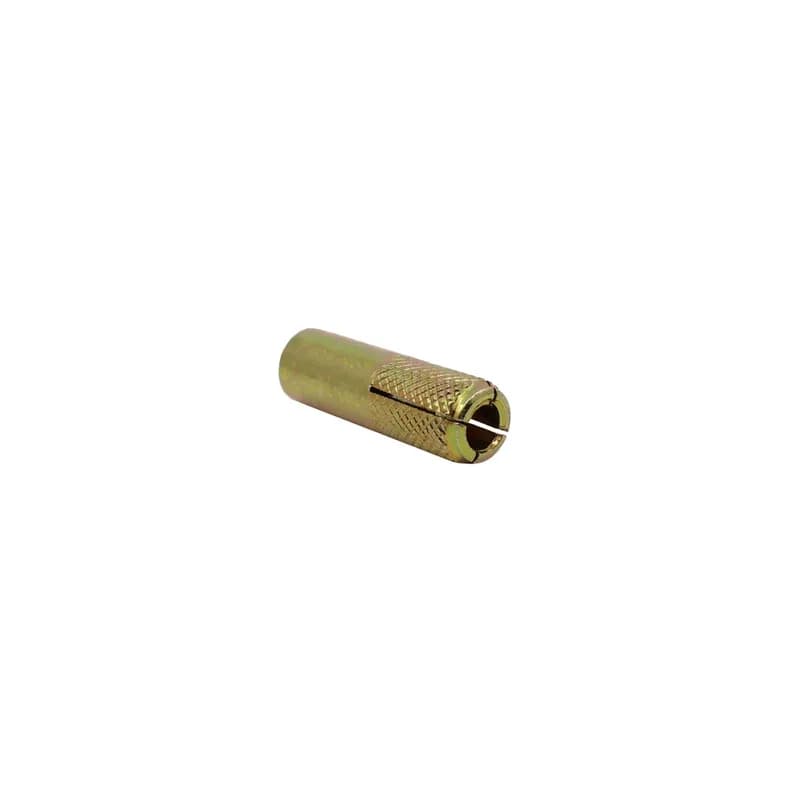
Çakmalı Çelik Dubel M10
Wall Plugs & Anchors
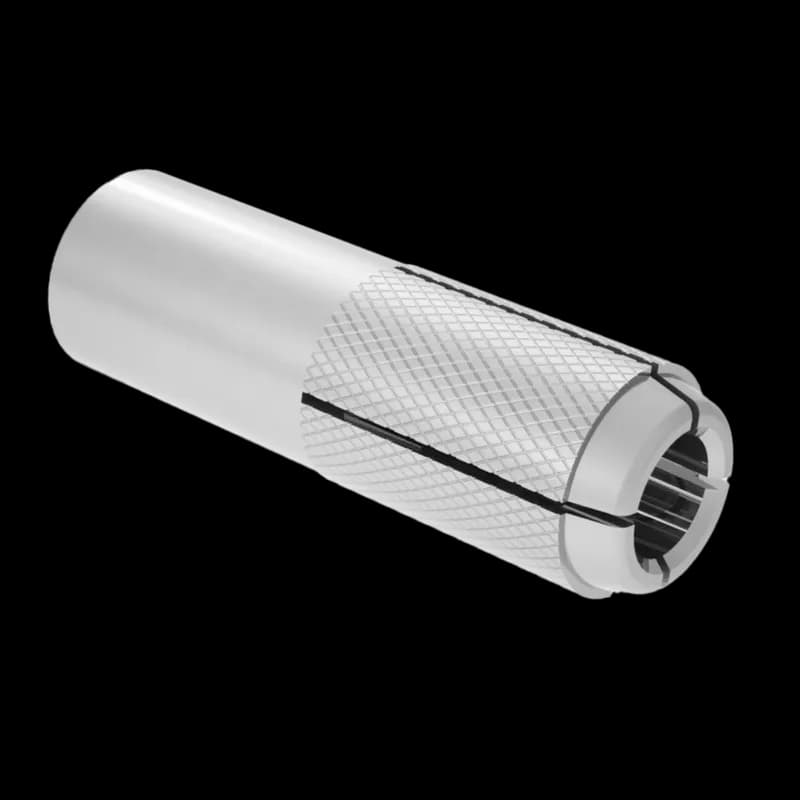
Çakmalı Çelik Dubel M12
Wall Plugs & Anchors
Çakmalı Çelik Dubel M16
Wall Plugs & Anchors
Çakmalı Çelik Dubel M8
Wall Plugs & Anchors
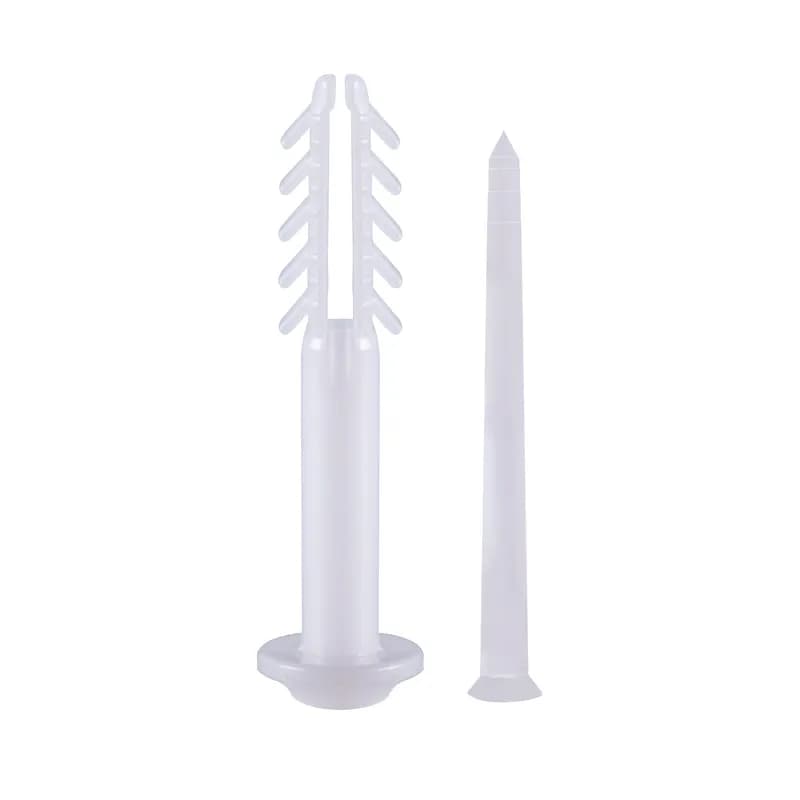
Çivili Korniş Süper Dubel (500 adet)
Wall Plugs & Anchors
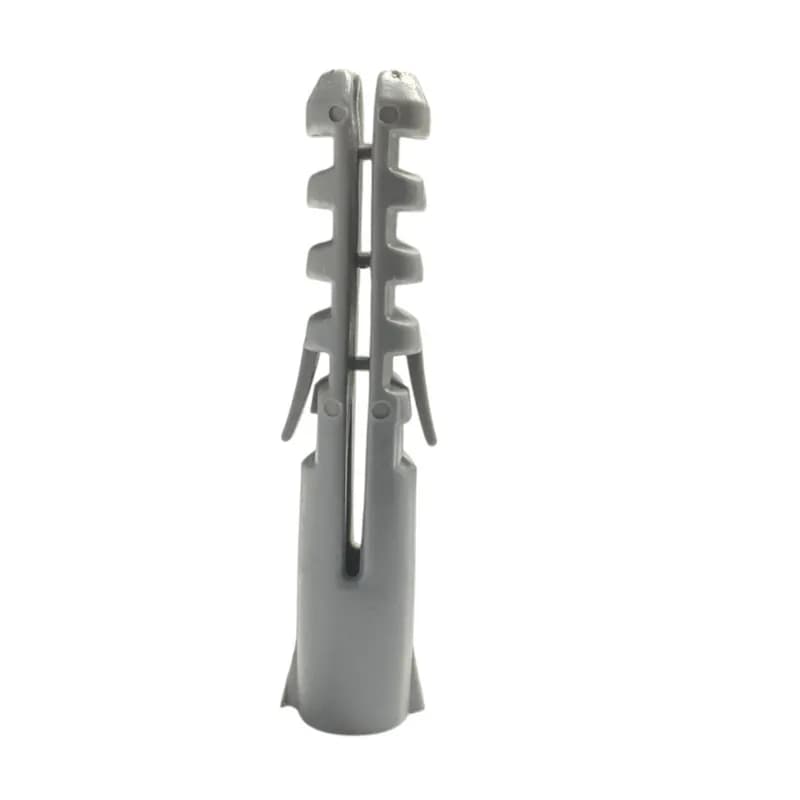
ERBİ Plastik Dubel 14x75 Gri (50 adet)
ERBİ · Wall Plugs & Anchors
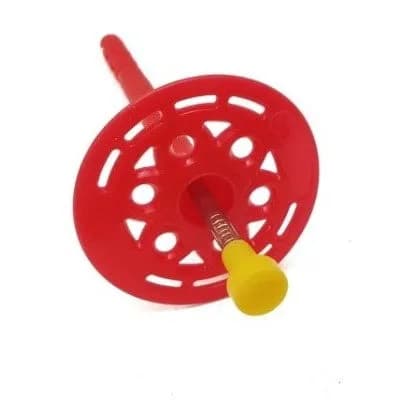
Euro Mekanik Tırnaklı Dubel Çelik Çivili 135 mm
Wall Plugs & Anchors
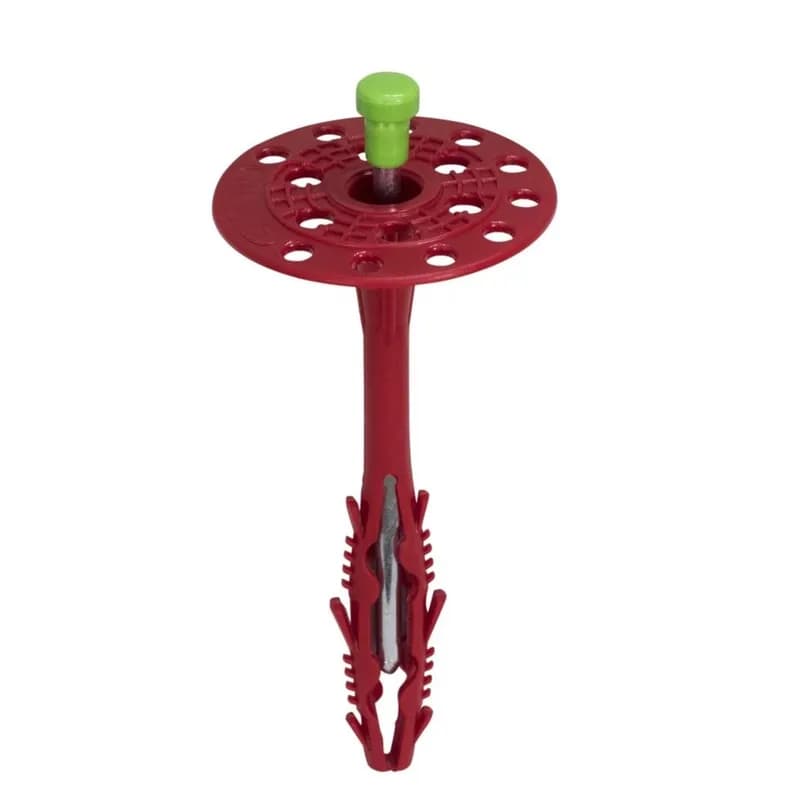
Euro Mekanik Tırnaklı Dubel Çelik Çivili 155 mm
Wall Plugs & Anchors
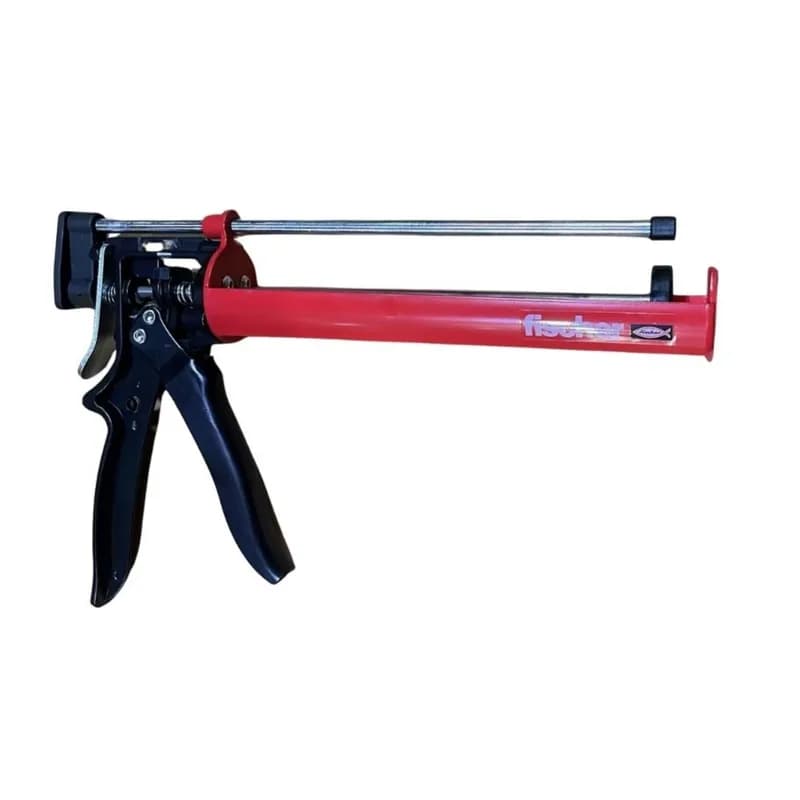
Fıscher Epoksi Kimyasal Dubel Tabancası
Wall Plugs & Anchors
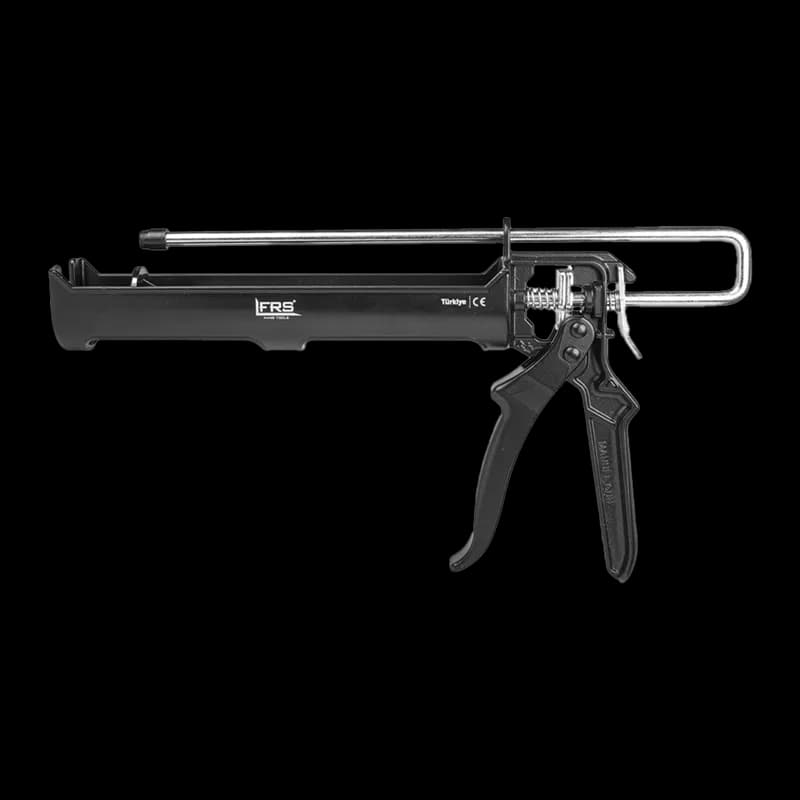
FRS Kimyasal Dubel Tabancası Siyah 345 ml KOD:302
Wall Plugs & Anchors
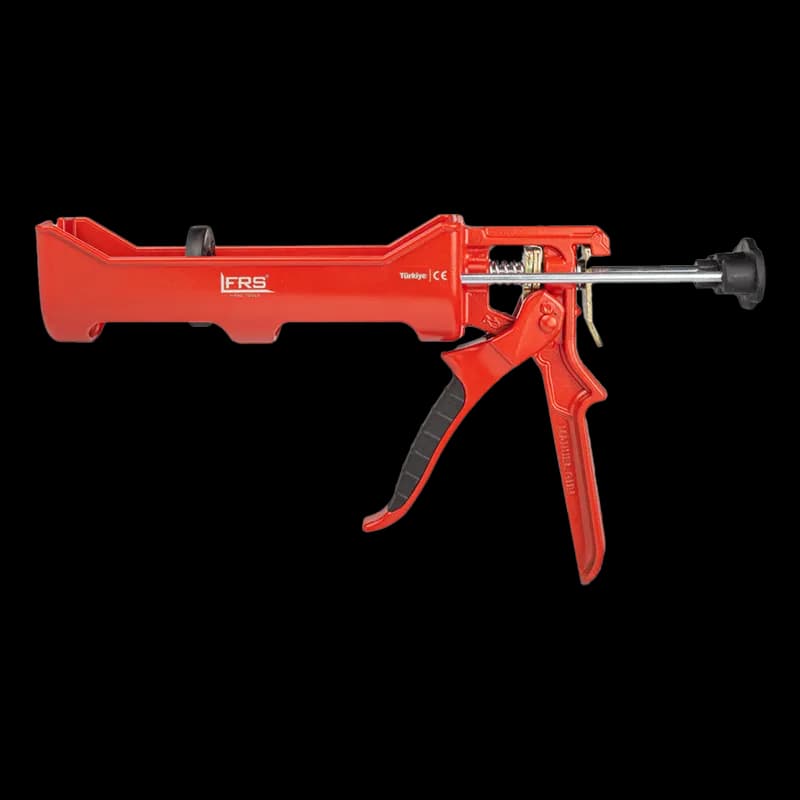
FRS Kimyasal Dubel Tab.prof.kırmızı 410 ml KOD:305
Wall Plugs & Anchors
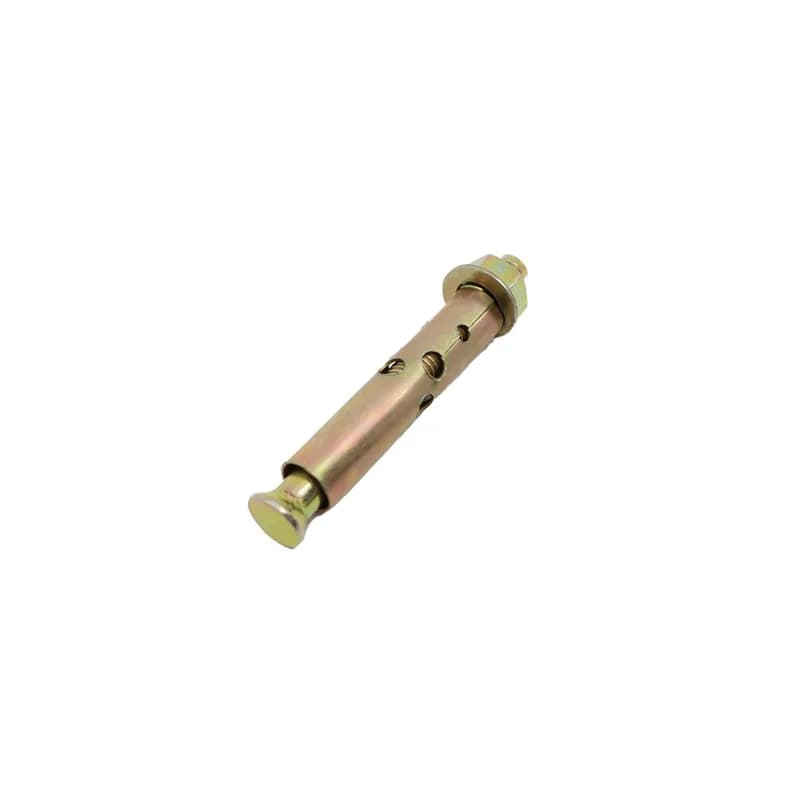
Gömlekli Çelik Dubel 10x110
Wall Plugs & Anchors
Gömlekli Çelik Dubel 10x70
Wall Plugs & Anchors
Gömlekli Çelik Dubel 10x85
Wall Plugs & Anchors
Gömlekli Çelik Dubel 12x110
Wall Plugs & Anchors
Gömlekli Çelik Dubel 12x90
Wall Plugs & Anchors
Gömlekli Çelik Dubel 6x45
Wall Plugs & Anchors
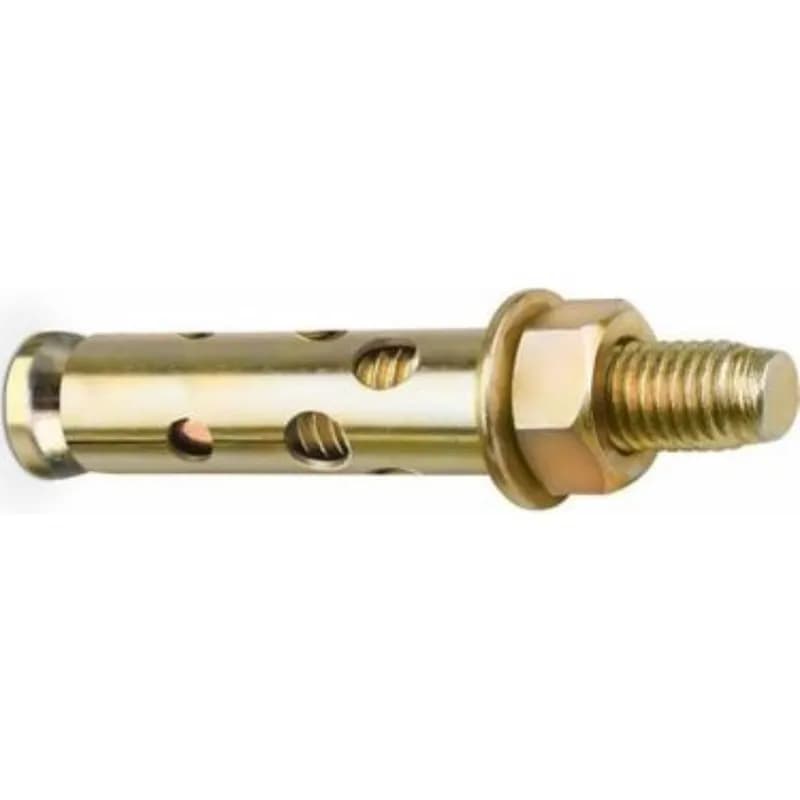
Gömlekli Çelik Dubel 6x65
Wall Plugs & Anchors
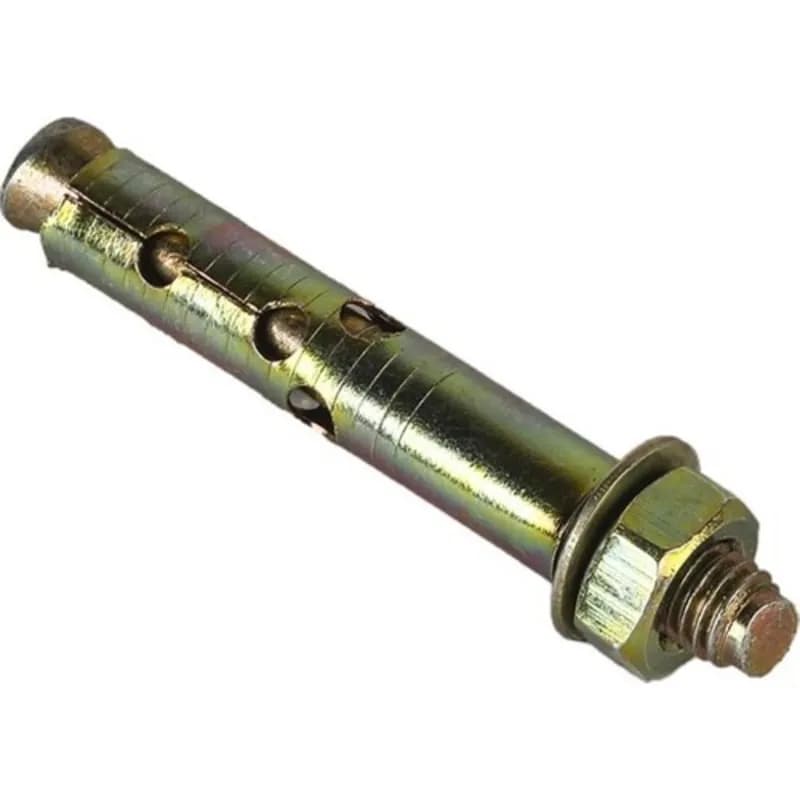
Gömlekli Çelik Dubel 8x100
Wall Plugs & Anchors
Gömlekli Çelik Dubel 8x55
Wall Plugs & Anchors
1–24 of 83 · page 1 / 4
Choosing by substrate
A plastic plug expands as the screw enters and presses against the hole wall, so it needs solid material to squeeze against. Hollow brick has none, so plugs that fold or knot open inside the void are used instead. Aerated concrete is porous and soft: a standard plug crumbles it, while a spiral AAC plug spreads its grip over a much wider area.
In plasterboard the board itself carries nothing; a toggle or self-drilling cavity fixing opens behind the sheet and spreads the load. On insulation board, a wide-head insulation fixing presses the board without crushing it.
| Substrate | Fixing | Typical size |
|---|---|---|
| Concrete, solid brick | Plastic plug | 6, 8, 10, 12 mm |
| Hollow brick | Hollow-brick plug | 8x60, 8x80, 8x100 |
| Aerated concrete (AAC) | AAC spiral plug | 8, 10 mm |
| Plasterboard | Steel or plastic cavity fixing | Short/long |
| Concrete, heavy load | Sleeve / drop-in steel anchor | M8-M12, 6x65-8x100 |
| Insulation board | Insulation fixing | 50-120 mm |
Hole diameter, depth and steel anchors
The hole diameter must equal the plug diameter, and the depth should exceed the plug length by a few millimetres so debris does not stop it seating. A plug set into an undusted hole holds far below its rated load.
Under heavy load a steel anchor replaces the plastic plug. A sleeve anchor expands its sleeve as the bolt is tightened; a drop-in anchor is set with a hammer and takes a bolt afterwards; hooked and clipped versions give a ready fixing point for suspension and services.
- Plug diameter = drill bit diameter.
- Drill a few mm deeper than the plug length.
- Clear the dust; debris is the main enemy of holding power.
- Use steel anchors for heavy loads, vibration and overhead work.
Frequently Asked Questions
Which drill bit should I use?
One matching the plug diameter. A 10 mm plug takes a 10 mm bit; in a larger hole the plug sits loose and spins with the screw.
Can a standard plug be used in aerated concrete?
It should not be. AAC is porous and soft, and a standard plug crumbles it as it expands. A coarse spiral AAC plug spreads the load over a far wider area.
How much can be hung on plasterboard?
The capacity comes from the fixing type and board thickness, not the board itself. Light and medium loads go on toggle or self-drilling cavity fixings; heavy loads must reach the stud or the wall behind.
What is the difference between a drop-in and a sleeve anchor?
A drop-in anchor is expanded with a hammer and takes a bolt afterwards; a sleeve anchor expands its sleeve as its own bolt is tightened. Both are for heavy loads in concrete.
Why does an insulation fixing have a wide head?
Insulation board is soft, and a narrow head simply sinks into it without holding. The wide head spreads the pressure and presses the board flat without crushing it.
Does the hole really need dusting out?
Yes. Dust left in the hole stops the plug bearing on the wall and cuts holding power sharply. Blow or brush the hole clear before fitting.