Categories
Pneumatic Tools
Pneumatic tools run on compressed air and are lighter, smaller and more heat-tolerant than an electric tool of the same output. The deciding figure is air consumption: if the compressor cannot keep up, the tool cannot deliver.
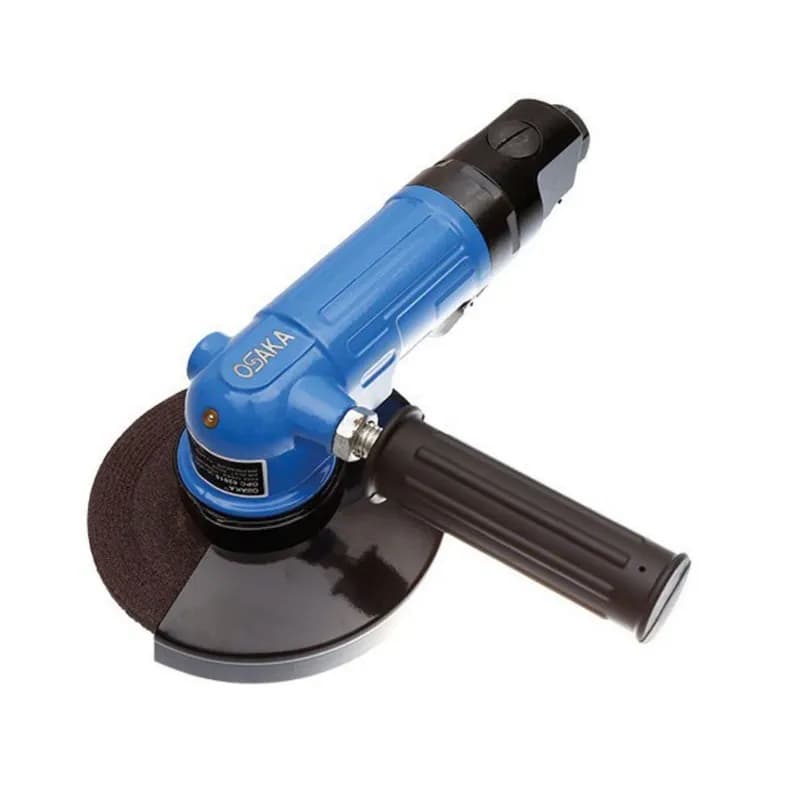
OSAKA Avuç Taşlama 125 mm OPC60215
OSAKA · Pneumatic Tools
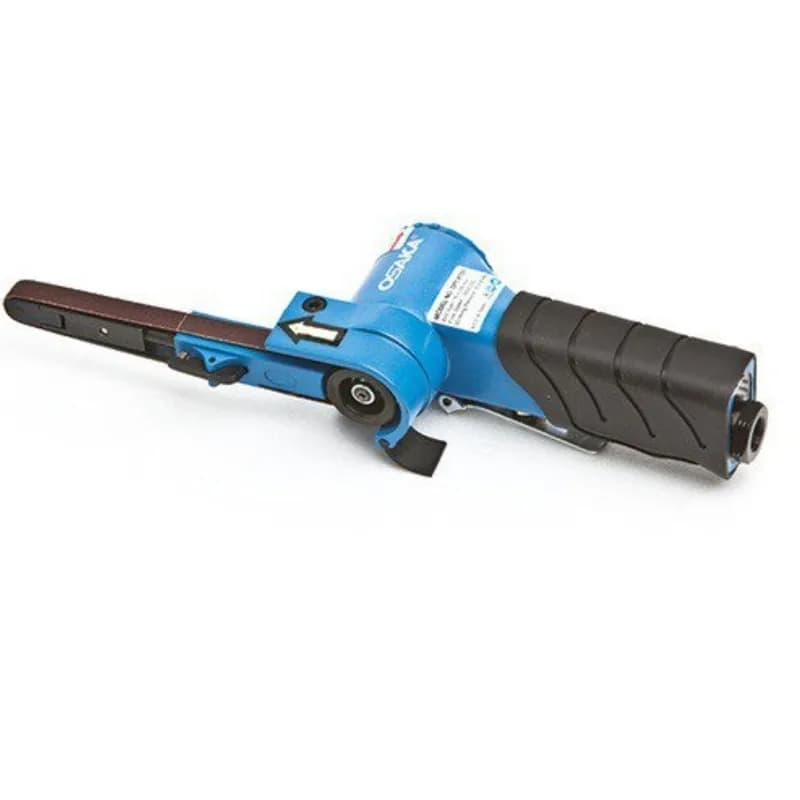
OSAKA Bant Zımpara 10x330 mm Opt-P701
OSAKA · Pneumatic Tools
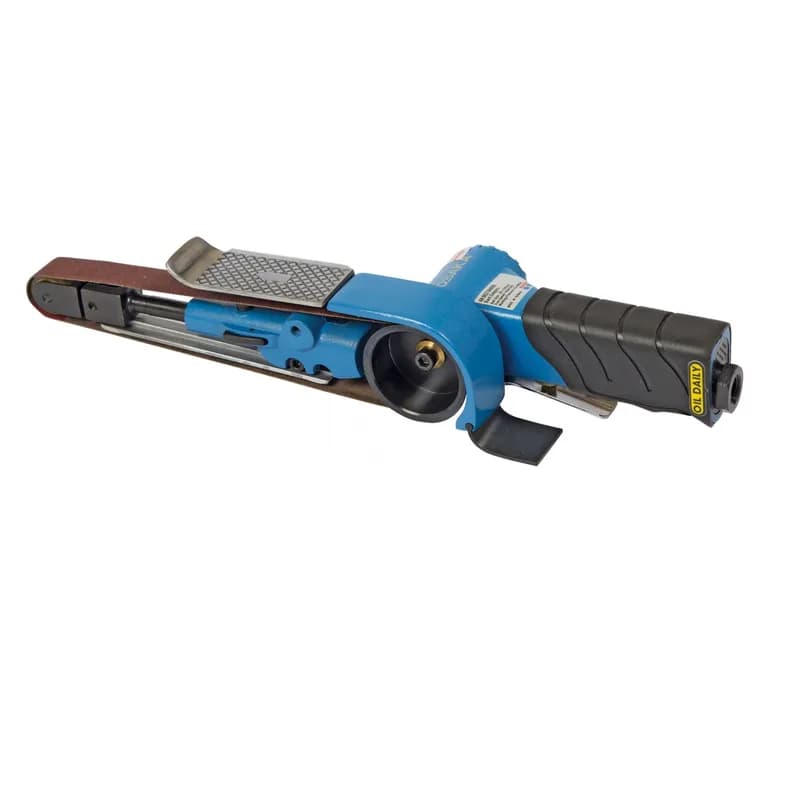
OSAKA Bant Zımpara 20x520 mm Opt-P702
OSAKA · Pneumatic Tools
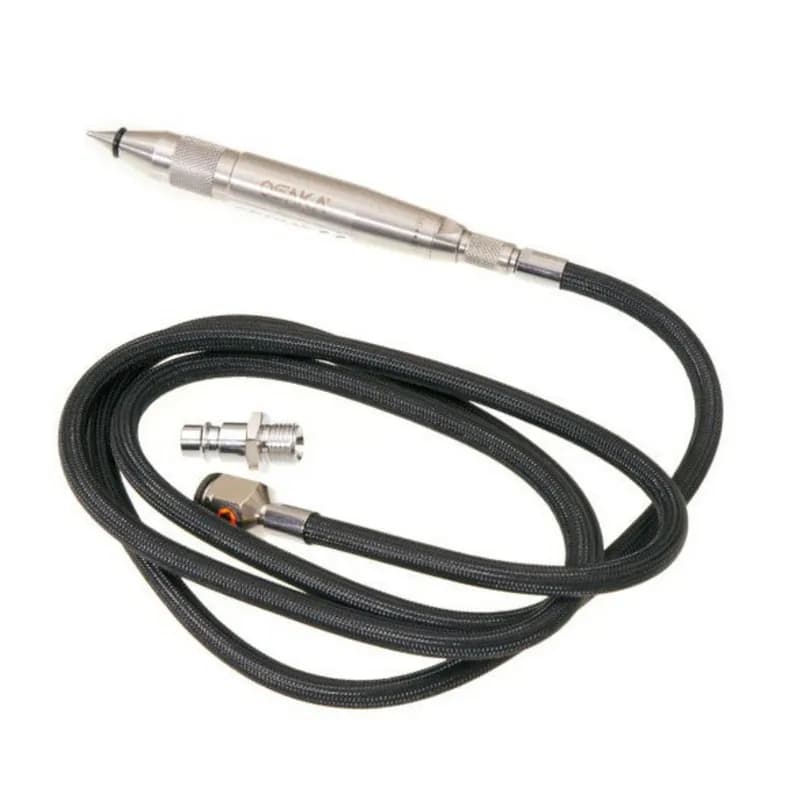
OSAKA Çelik Kalem Opt-P940
OSAKA · Pneumatic Tools
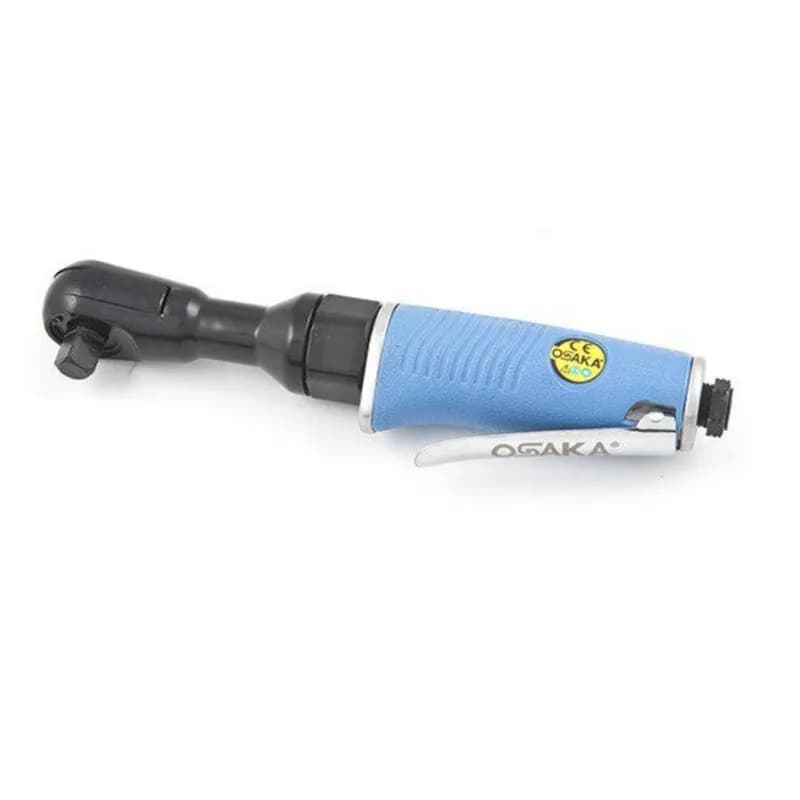
OSAKA Cırcır Motoru 1/2" OPT650B
OSAKA · Pneumatic Tools
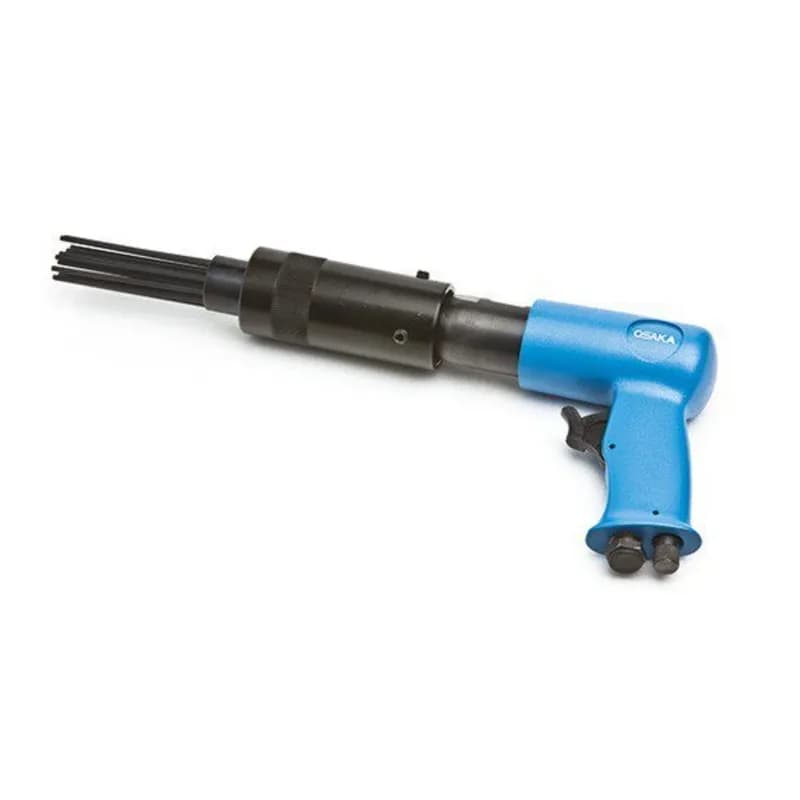
OSAKA Çivili Raspa OPT281
OSAKA · Pneumatic Tools
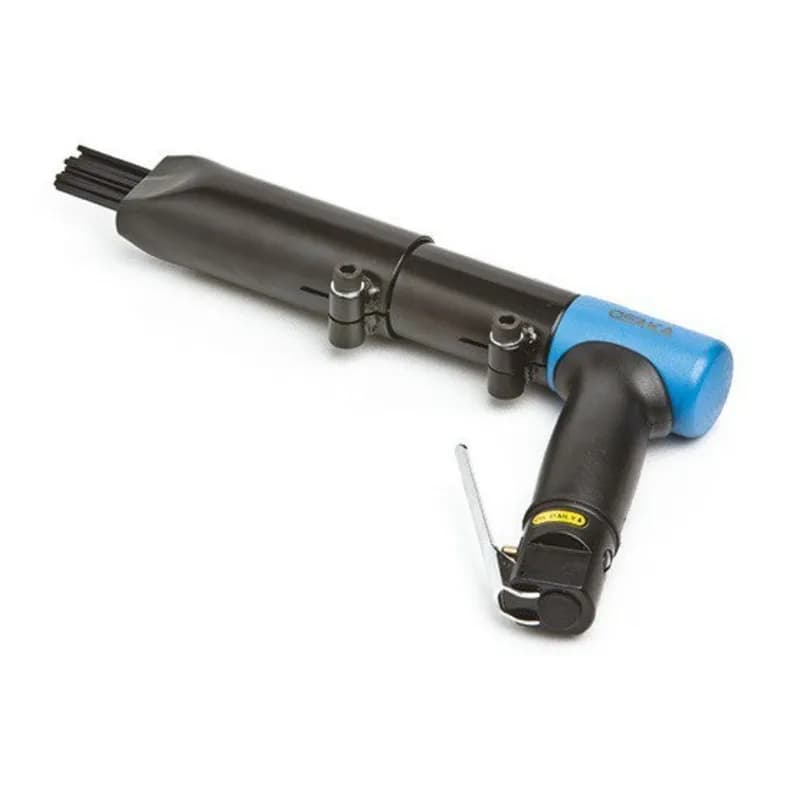
OSAKA Çivili Raspa Profesyonel Opt-P110
OSAKA · Pneumatic Tools
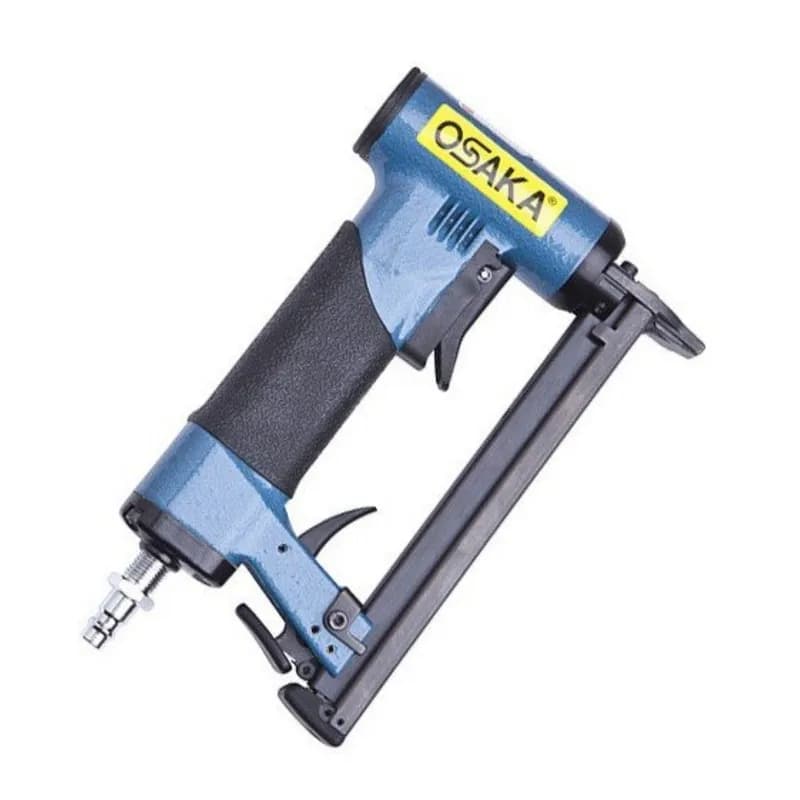
OSAKA Döşeme Tabancası 80/4-80/16 mm OPT8016
OSAKA · Pneumatic Tools
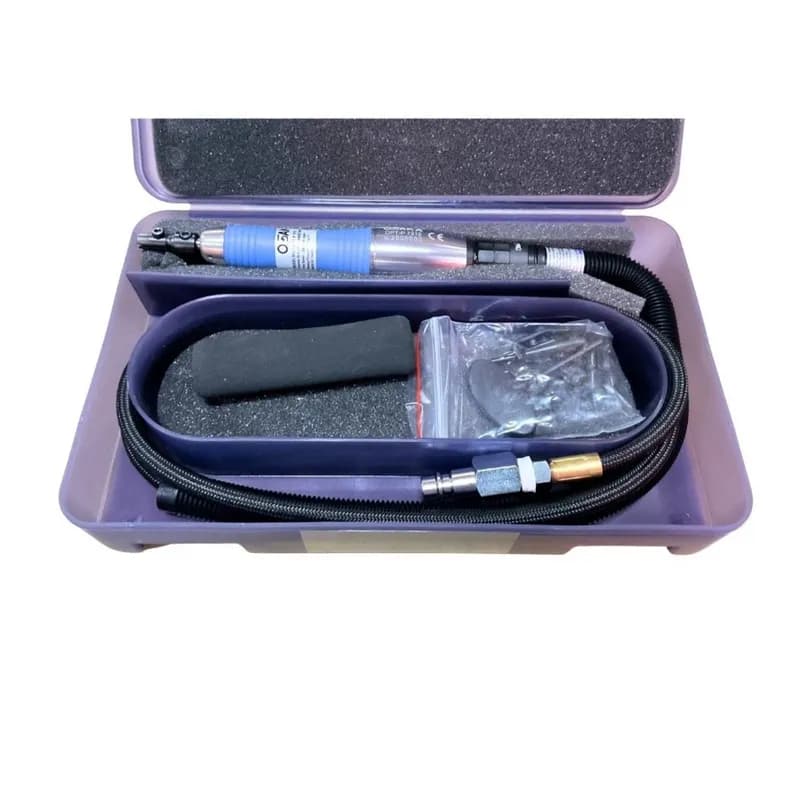
OSAKA Eğe Motoru Opt-P7212
OSAKA · Pneumatic Tools
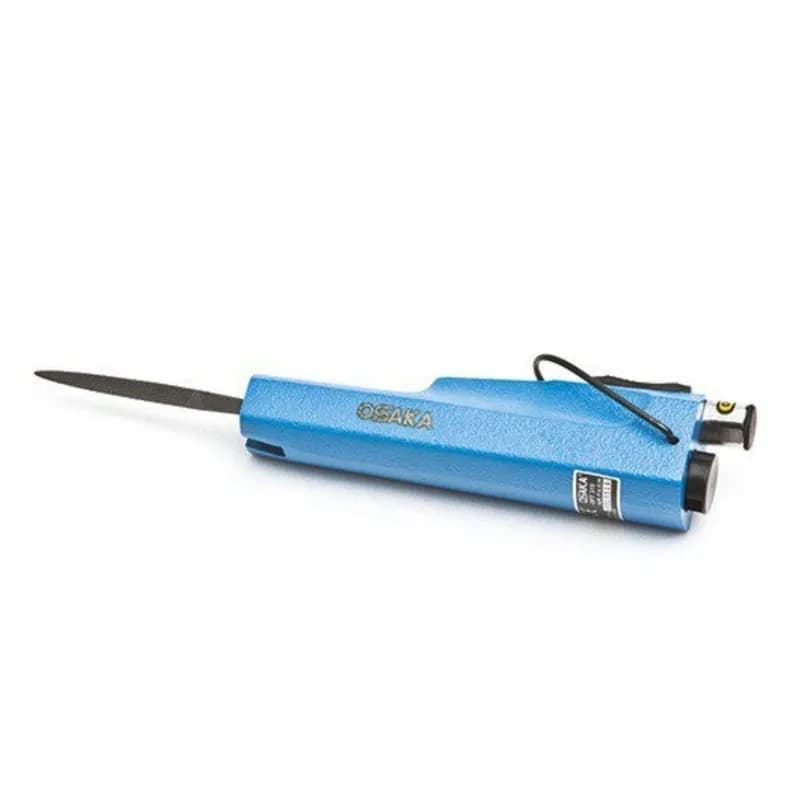
OSAKA Eğe Motoru OPT315
OSAKA · Pneumatic Tools
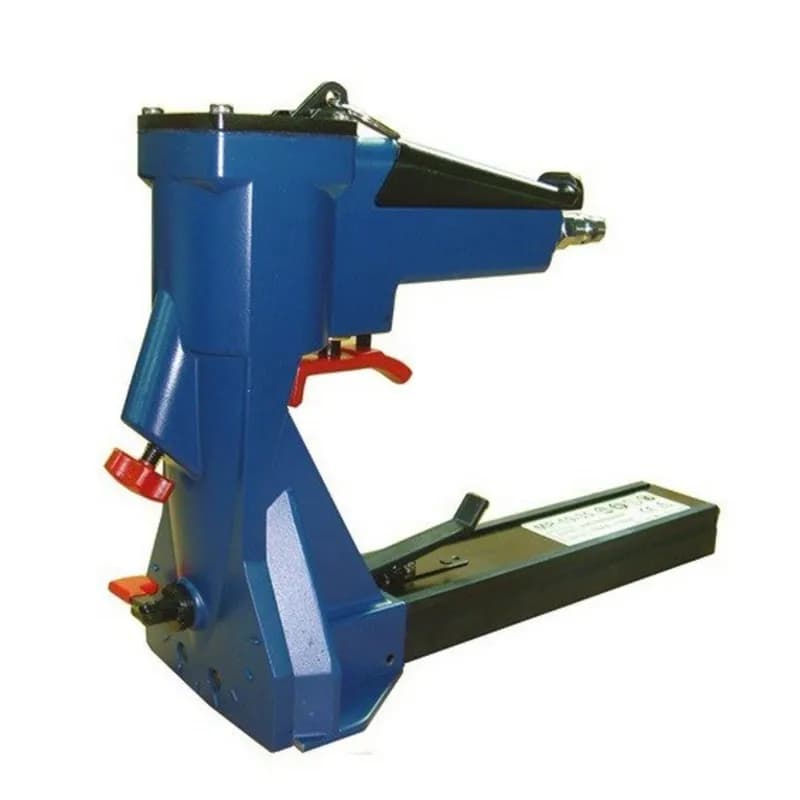
OSAKA Havalı Koli Kapama Makinesi Opt-P85235
OSAKA · Pneumatic Tools
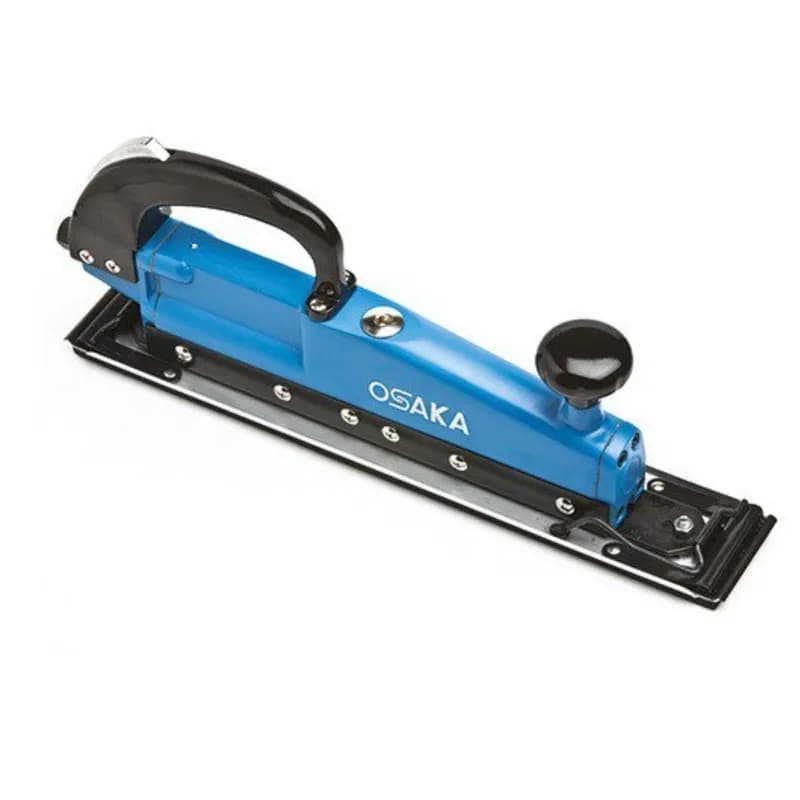
OSAKA Havalı Rende OPT708
OSAKA · Pneumatic Tools
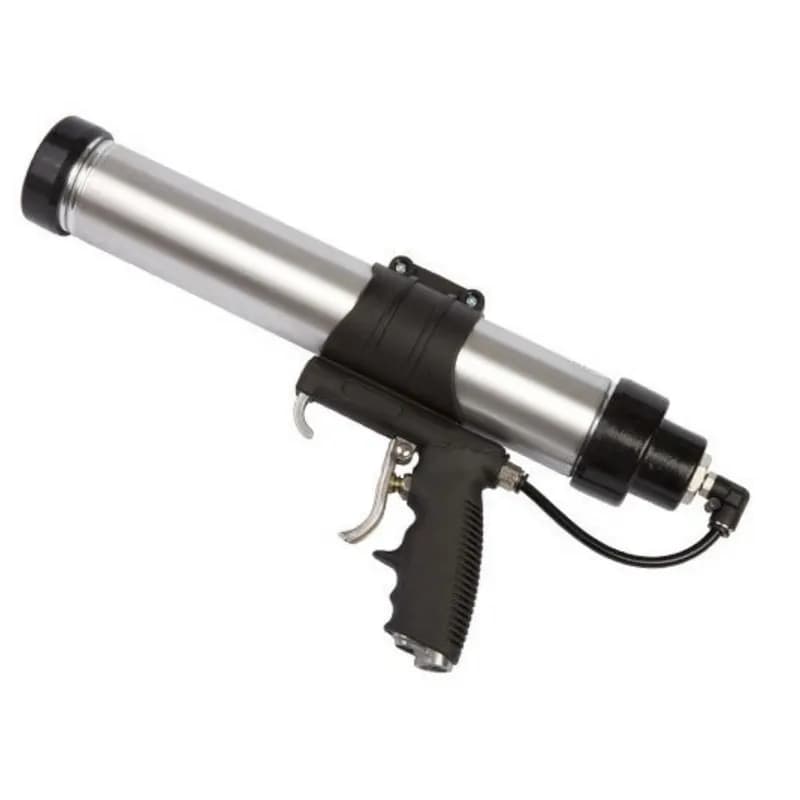
OSAKA Havalı Sosis Tabancası 600 ml Opt-P 2034-13
OSAKA · Pneumatic Tools
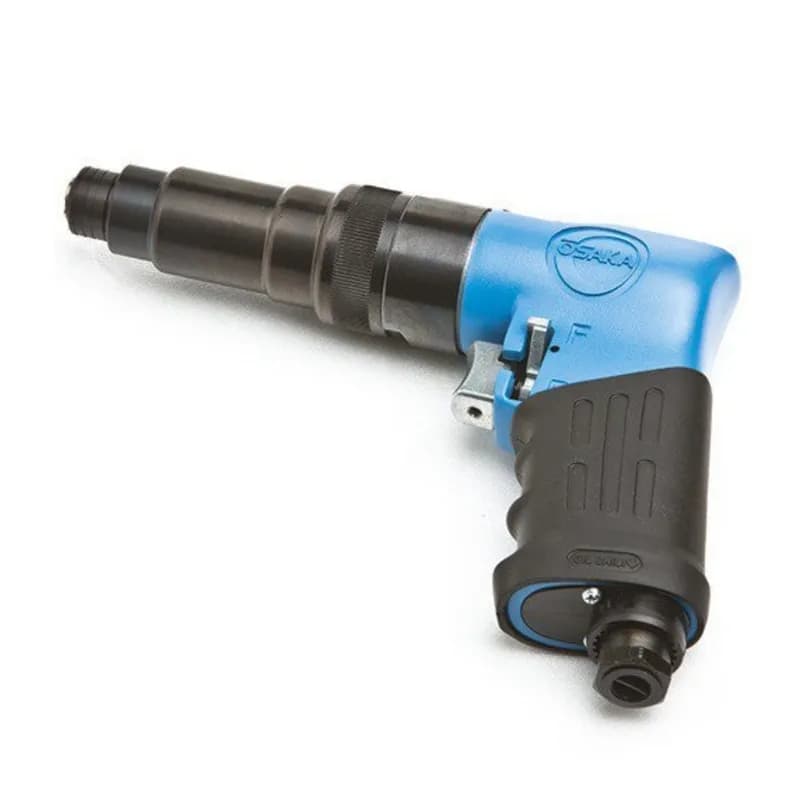
OSAKA Havalı Tornavida 1800 D/DK OPT4080-6
OSAKA · Pneumatic Tools
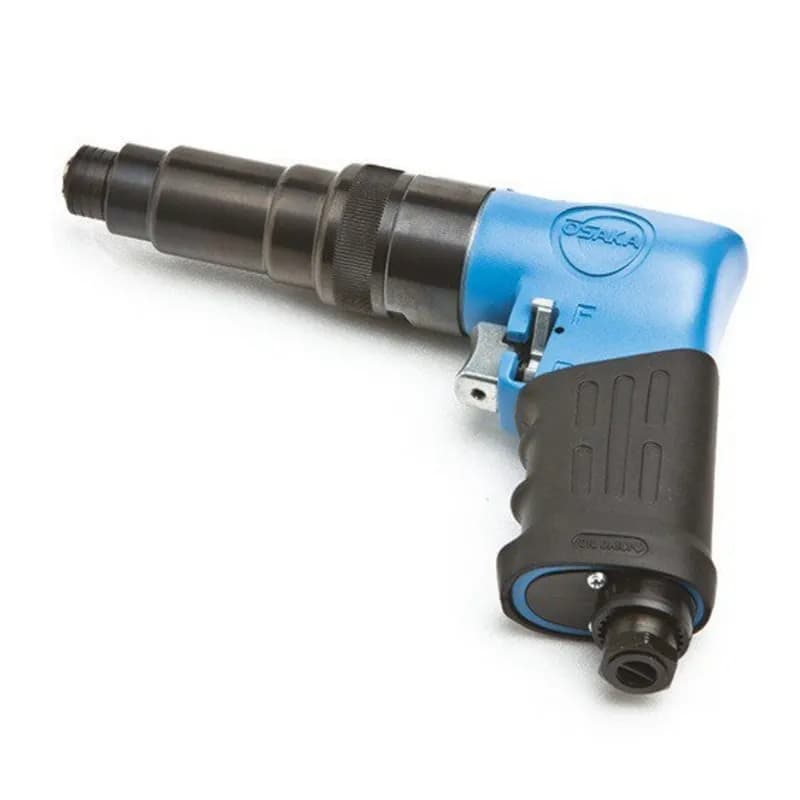
OSAKA Havalı Tornavida 800 D/DK OPT4080-8
OSAKA · Pneumatic Tools
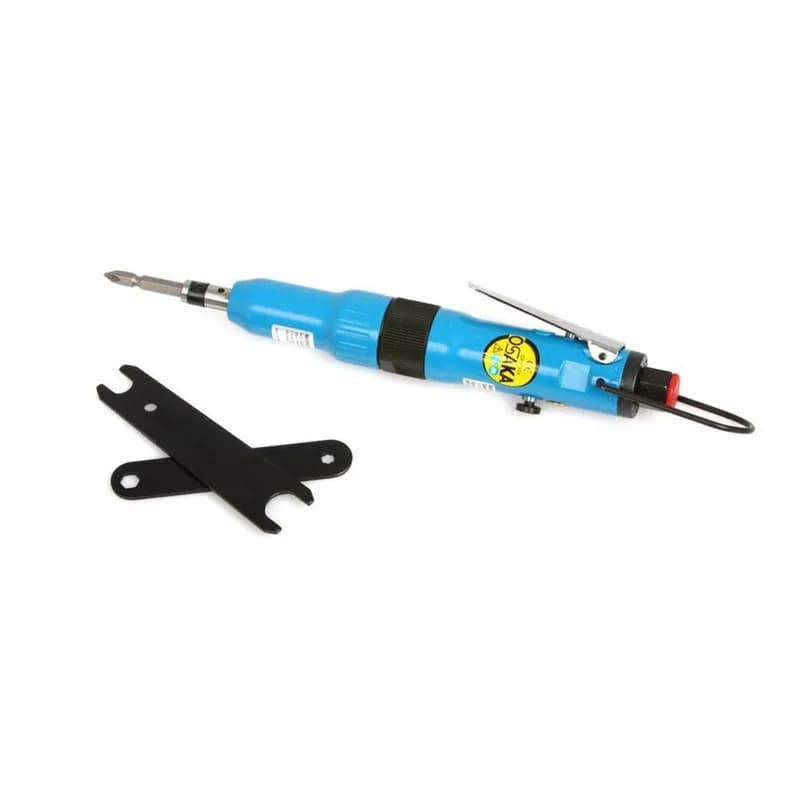
OSAKA Kabzasız Havalı Tornavida 1500 D/DK OPT304
OSAKA · Pneumatic Tools
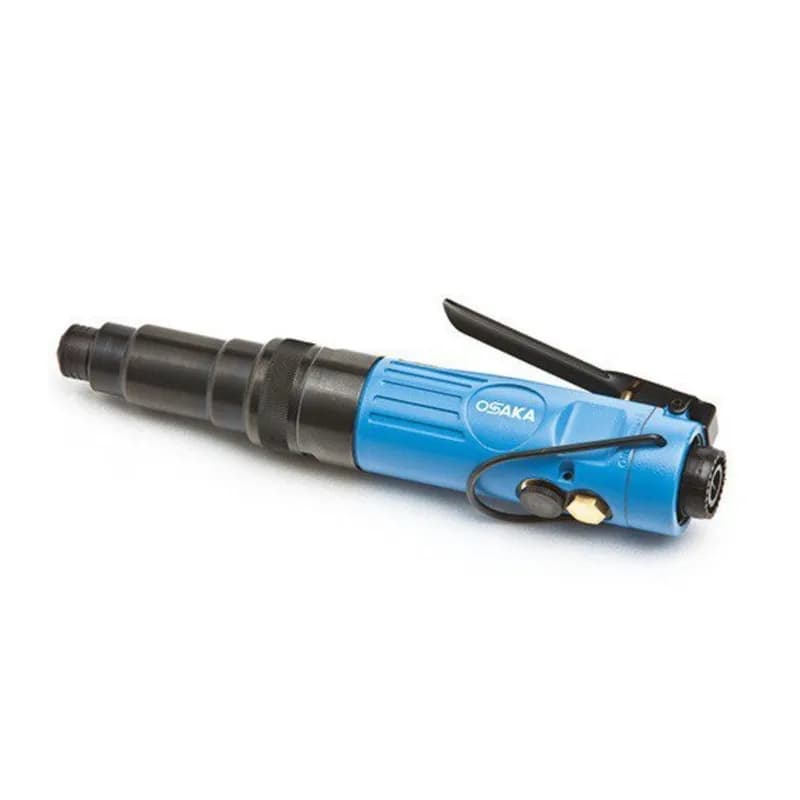
OSAKA Kabzasız Havalı Tornavida 1800 D/DK OPT842
OSAKA · Pneumatic Tools
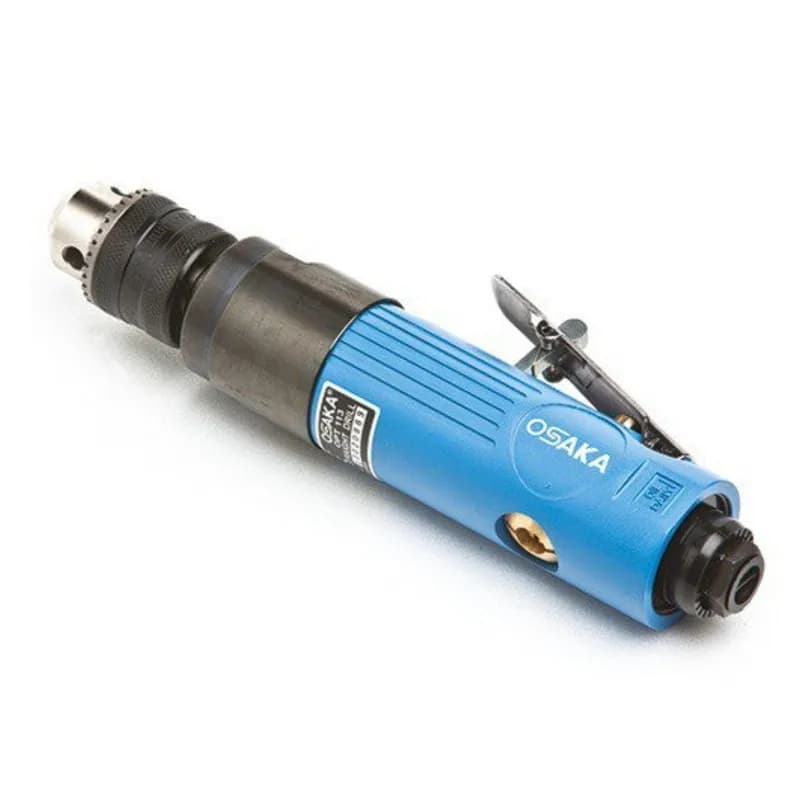
OSAKA Kabzasız Matkap 10 mm OPT113
OSAKA · Pneumatic Tools
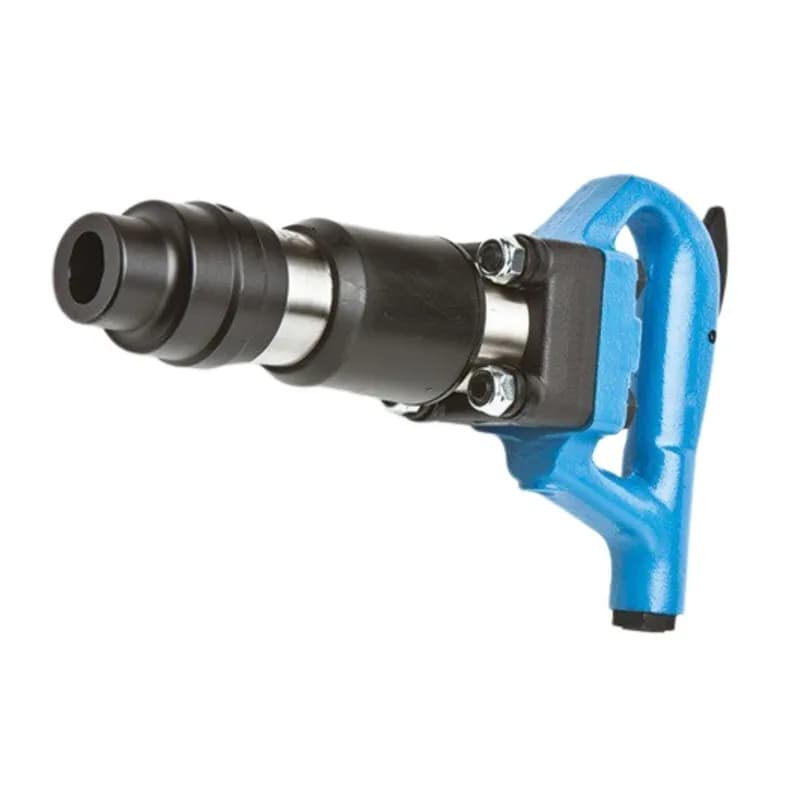
OSAKA Kalafat Çekici Opt-P15
OSAKA · Pneumatic Tools
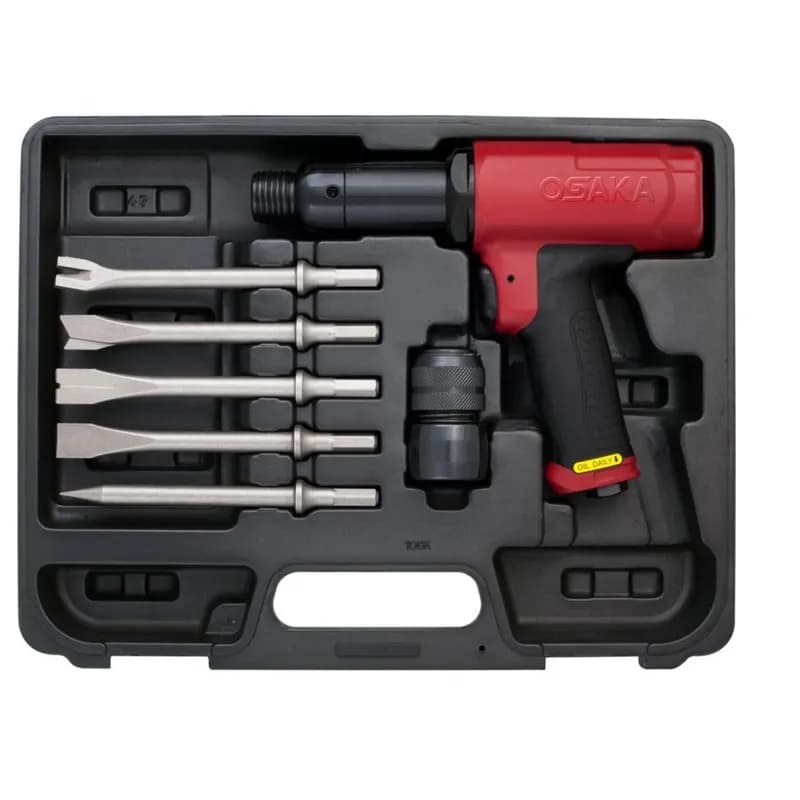
OSAKA Kalafat Çekici Opt-P180-5K
OSAKA · Pneumatic Tools
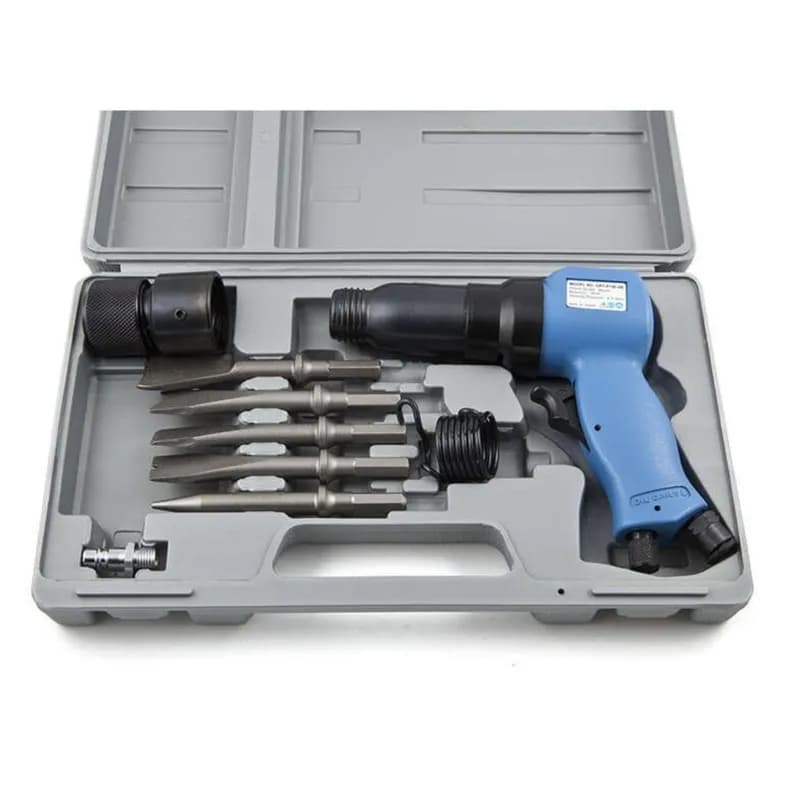
OSAKA Kalafat Çekici Opt-P190-4K
OSAKA · Pneumatic Tools
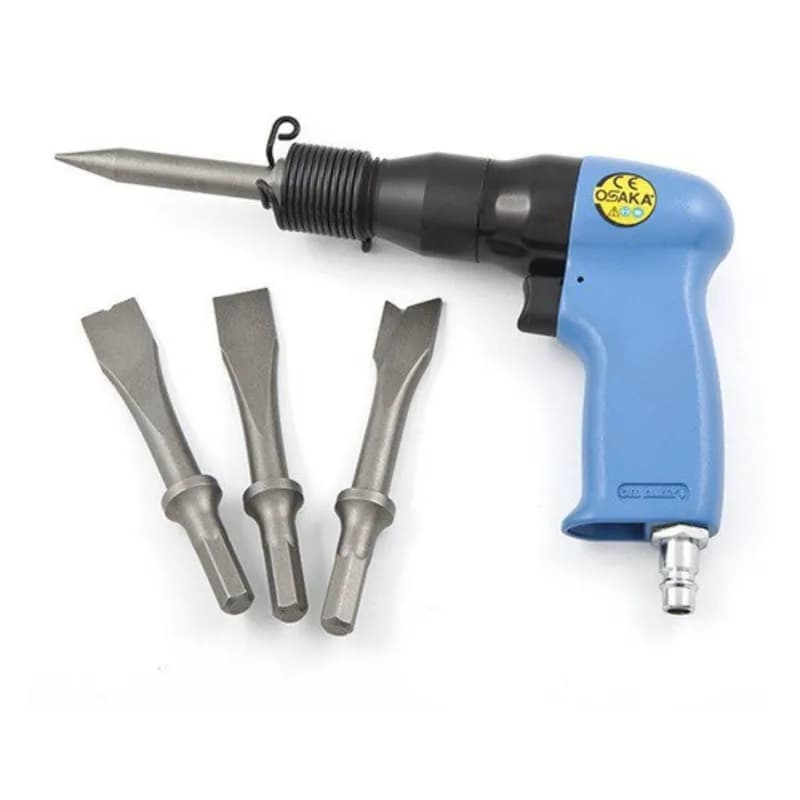
OSAKA Kalafat Çekici OPT150-6K
OSAKA · Pneumatic Tools
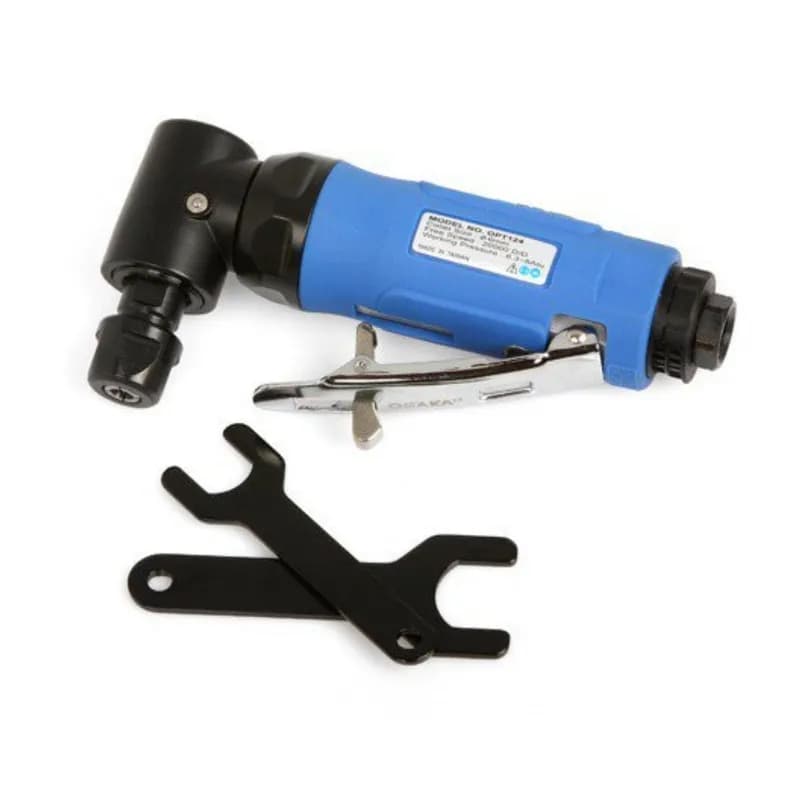
OSAKA Kalıpçı Taşlama 90° OPT124
OSAKA · Pneumatic Tools
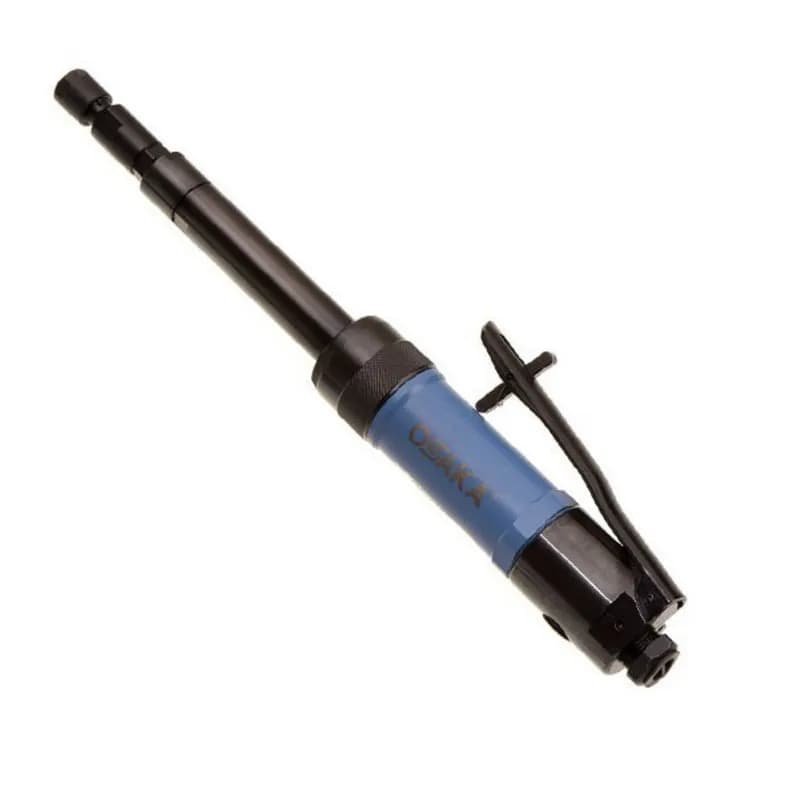
OSAKA Kalıpçı Taşlama Düz Opt-P122S4
OSAKA · Pneumatic Tools
1–24 of 50 · page 1 / 3
Matching the compressor: l/min and bar
Every air tool quotes a working pressure (typically 6-6.3 bar) and an air consumption in l/min. The compressor's free air delivery should exceed the tool's consumption by at least 30%; below that, pressure drops in use and torque is lost.
Continuous-running tools such as sanders and grinders consume far more air than impact tools. Spray guns add a further requirement: without water and oil filtration, defects show up in the finish.
Frequently Asked Questions
What compressor does an air tool need?
Free air delivery at least 30% above the tool's l/min consumption. Below that, pressure drops in use and torque is lost.
What working pressure do air tools use?
Typically 6-6.3 bar. Higher pressure does not add power; it wears the tool and its seals.
Which sockets go on an air impact wrench?
Impact sockets only — CrMo, usually black. A chrome hand socket can shatter under impact.
Do air tools need lubrication?
Most do: either an inline lubricator or a few drops of tool oil into the inlet before use. Oil-free models state so explicitly.
Why is a filter essential for spray guns?
Compressor air carries moisture and oil; without filtration they reach the surface and cause craters and fisheyes in the finish.