Categories
Chisels & Points (SDS)
Chisels and points carry the hammer's blow into the material on a cutting or pointed edge: a point breaks concrete at a spot, a flat chisel strips surfaces, and a channel chisel cuts service routes. The catalogue holds 113 products.
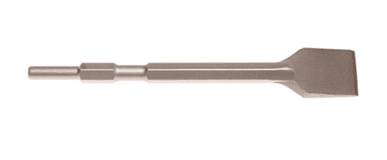
Makita D-20694 17 mm Diameter Shank Wide Chisel 50x280mm
Makita · Chisels & Points (SDS)
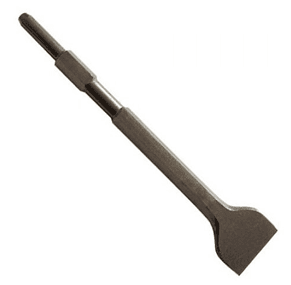
Makita D-52548 17 mm Diameter Shank Wide Chisel 50x450 mm
Makita · Chisels & Points (SDS)
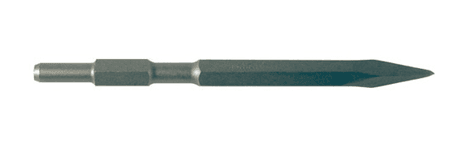
Makita D-08682 17 mm Diameter Shank Sivri Chisel 280 mm
Makita · Chisels & Points (SDS)
Makita D-16863 17 mm Diameter Shank Sivri Chisel 450 mm
Makita · Chisels & Points (SDS)
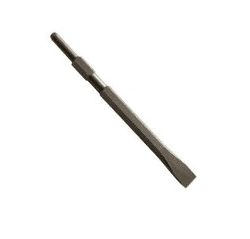
Makita D-08707 17 mm Diameter Shank Flat Chisel 19x280 mm
Makita · Chisels & Points (SDS)
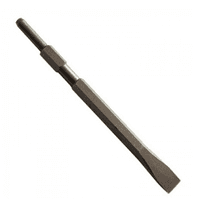
Makita D-16879 17 mm Diameter Shank Flat Chisel 19x450 mm
Makita · Chisels & Points (SDS)
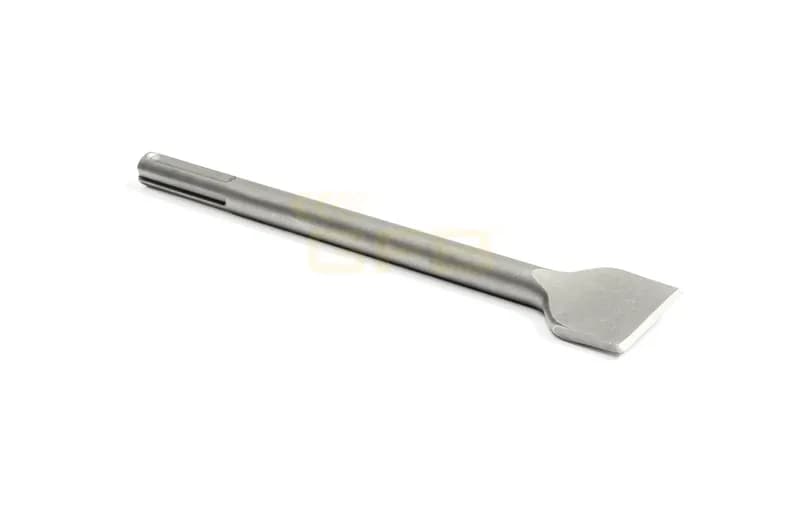
18x300--(kısa)--Max Geniş Keski
GFB · Chisels & Points (SDS)
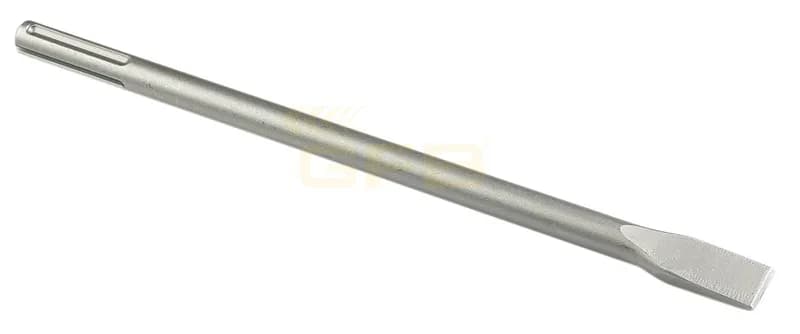
18x400 Max Keski
GFB · Chisels & Points (SDS)
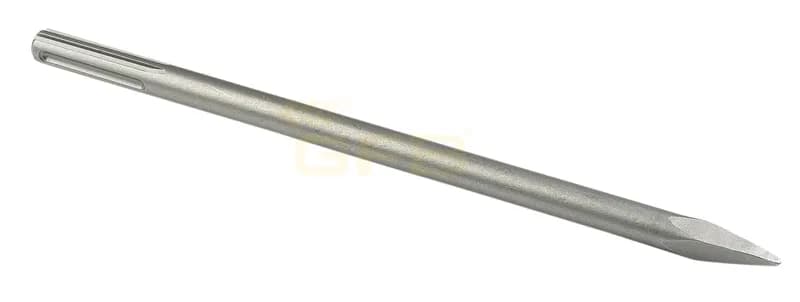
18x400 Max Murç
GFB · Chisels & Points (SDS)
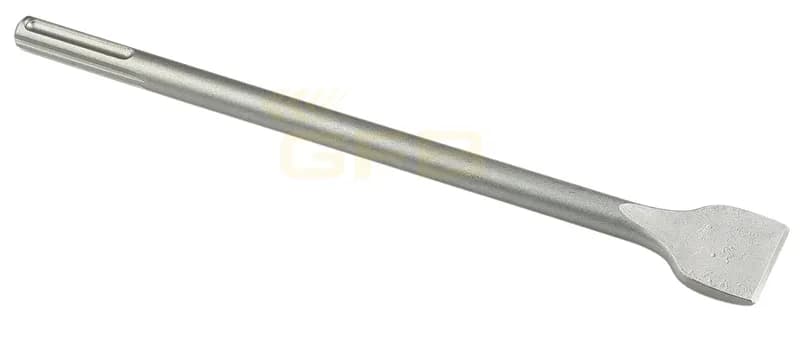
18x400x50 Max Keski--(geniş)
GFB · Chisels & Points (SDS)
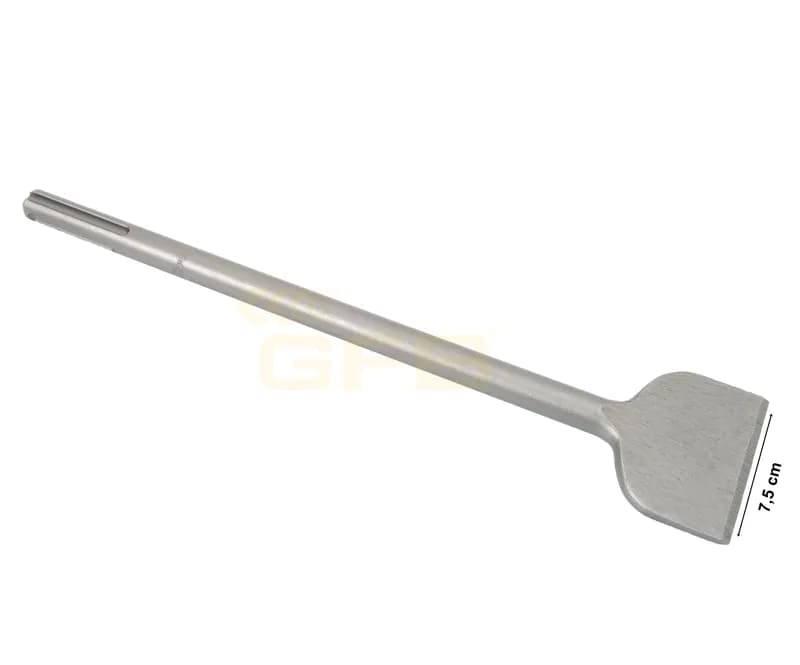
18x400x75 Max Keski--(ekstra Geniş)
GFB · Chisels & Points (SDS)
18x500 Max Keski
GFB · Chisels & Points (SDS)
18x500 Max Murç
GFB · Chisels & Points (SDS)
18x600 Max Keski
GFB · Chisels & Points (SDS)
18x600 Max Murç
GFB · Chisels & Points (SDS)
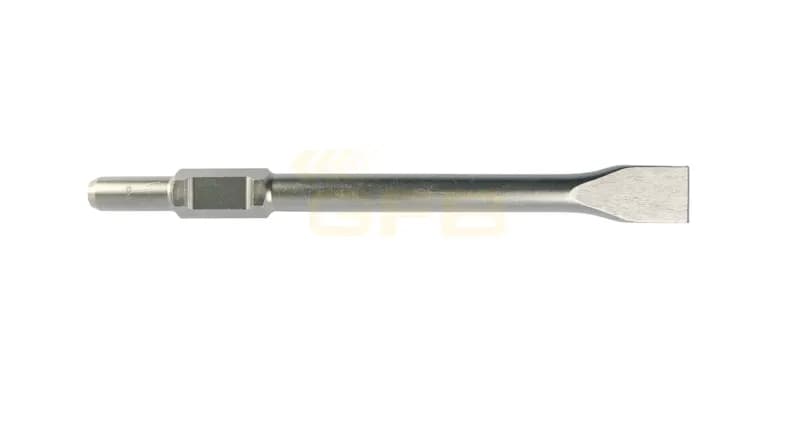
26x410-35 mm Keski--(16 KĞ Kırıcılar için)
GFB · Chisels & Points (SDS)
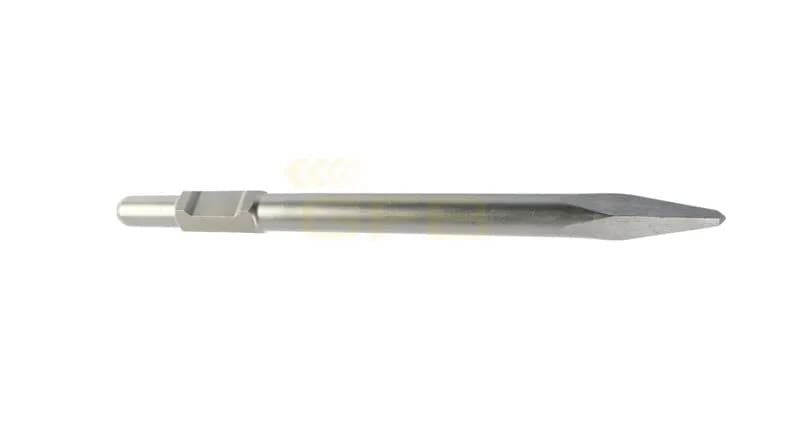
26X410MM Murç------(16 KĞ Kırıcılar için)
GFB · Chisels & Points (SDS)
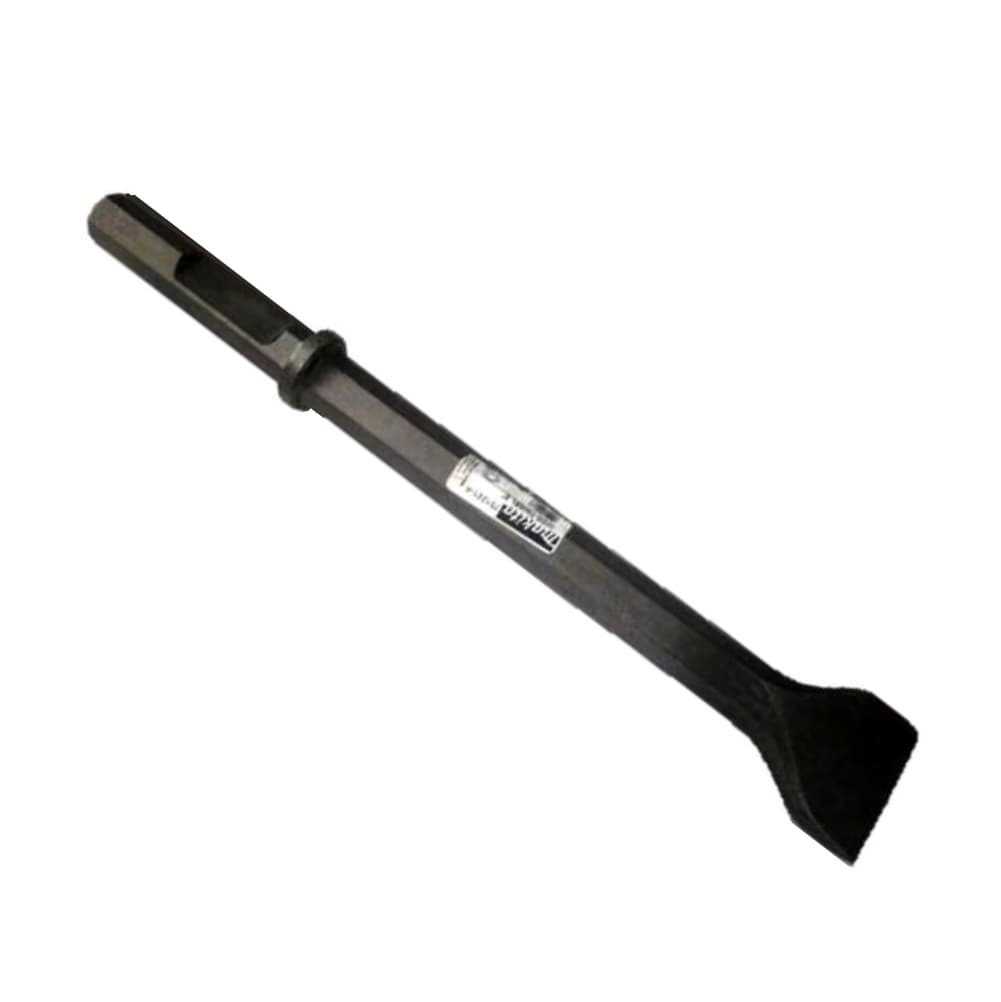
Makita D-29228 28.6 mm Diameter Shank Wide Chisel 75x410 mm
Makita · Chisels & Points (SDS)
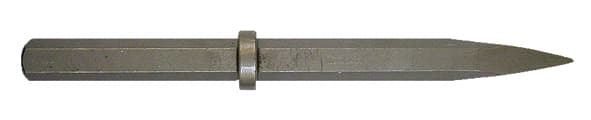
Makita D-17631 28.6 mm Diameter Shank Sivri Chisel 410 mm
Makita · Chisels & Points (SDS)
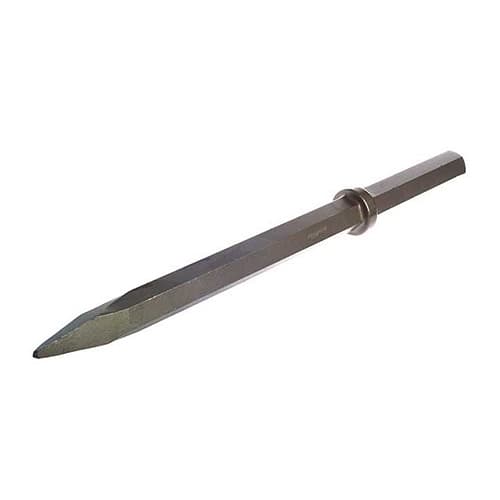
Makita D-17675 28.6 mm Diameter Shank Sivri Chisel 520 mm
Makita · Chisels & Points (SDS)
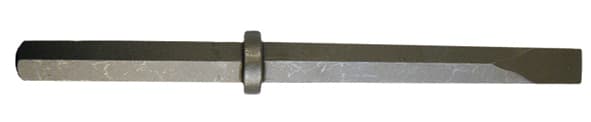
Makita D-17647 28.6 mm Diameter Shank Flat Chisel 28x410 mm
Makita · Chisels & Points (SDS)
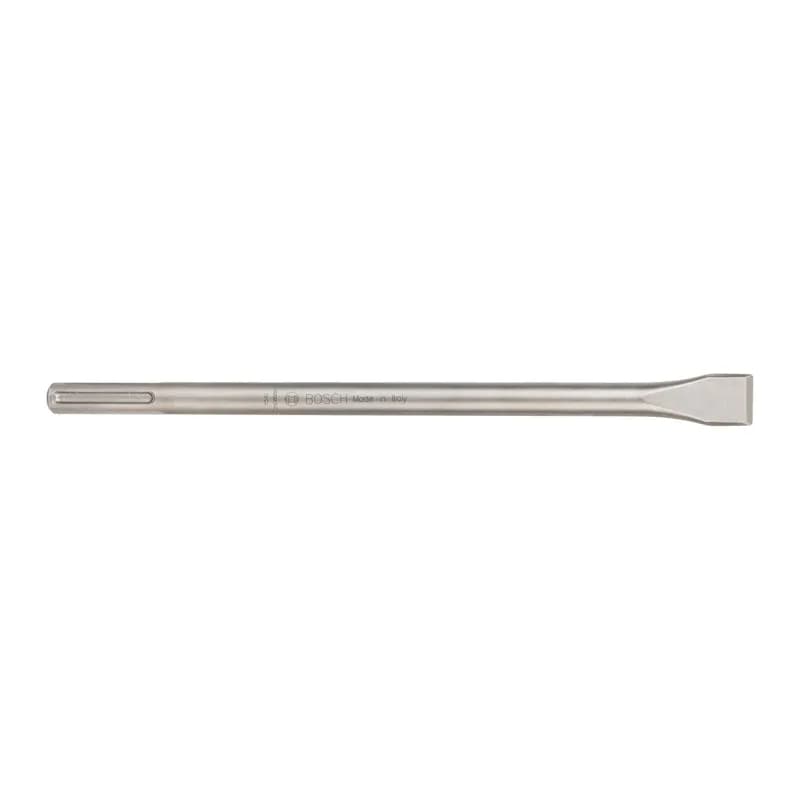
Bosch SDS-Max Chisel 18x400 2608690237
Bosch · Chisels & Points (SDS)
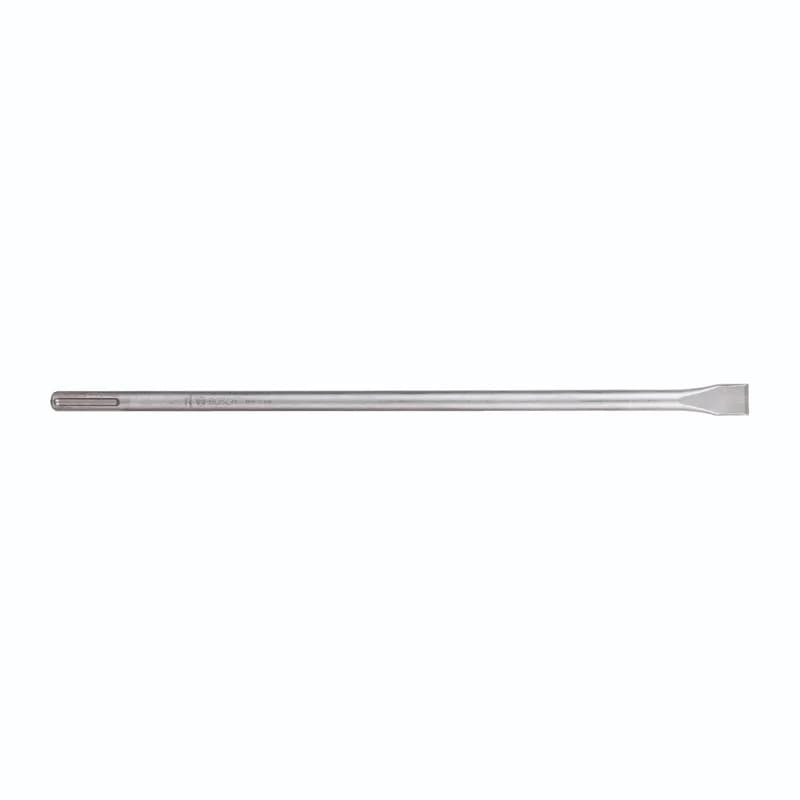
Bosch SDS-Max Chisel 18x600 2608690238
Bosch · Chisels & Points (SDS)
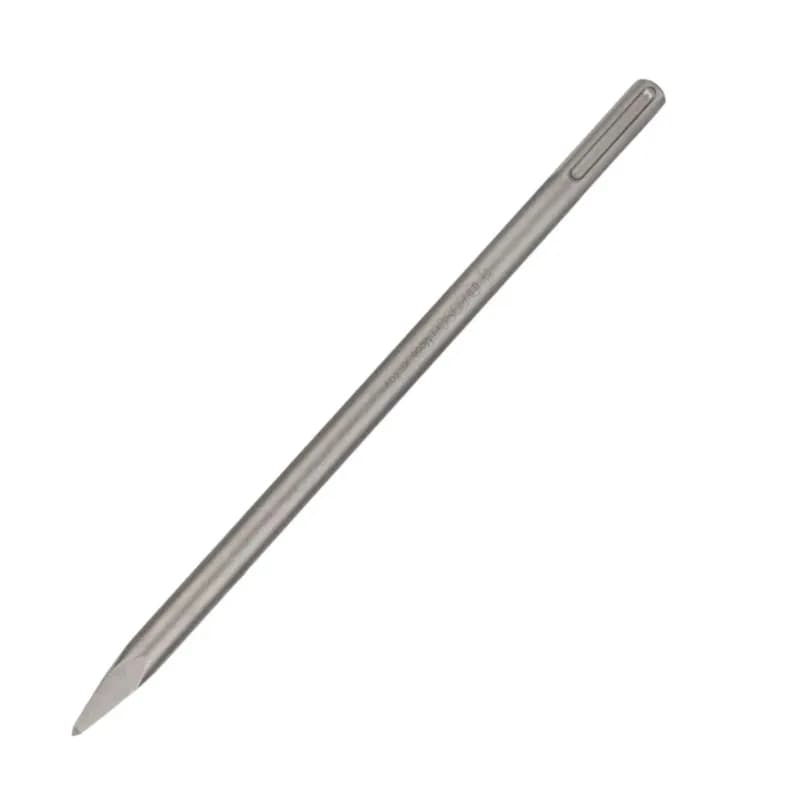
Bosch SDS-Max Point Chisel 18x400 2608690235
Bosch · Chisels & Points (SDS)
1–24 of 113 · page 1 / 5
The types
Geometry decides the job; all of them fit the same SDS holder but do different work.
| Type | What it does | Typical job |
|---|---|---|
| Pointed chisel | Concentrates the blow | Breaking concrete, opening holes |
| Flat chisel | Strips and cuts surfaces | Render, tile, concrete faces |
| Channel chisel | Cuts a fixed-width channel | Service and electrical chases |
| Scaling / spade chisel | Wide surface stripping | Floor coverings, adhesive |
| Asphalt chisel | Long, wide edge | Asphalt and ground breaking |
Use and care
Chisel edges dull and the head mushrooms over time; a mushroomed head can break away and throw fragments, so it must be ground back. A thin film of grease on the SDS shank reduces holder wear.
A chisel is not a lever: forcing it sideways bends the tool and strains the machine's bearings. Enter the material at 20-30 degrees and work in stages.
Frequently Asked Questions
What is the difference between a point and a chisel?
A point concentrates the blow at one spot and is used to start breaking concrete. A flat chisel strips, cuts and opens surfaces.
Can I use a chisel as a lever?
No. Forcing it sideways bends the tool, risks breakage and strains the machine's bearings. Enter at an angle and work in stages.
What do I do when the edge dulls?
Grind a new edge. A mushroomed head must always be dressed back — that material can break away and throw fragments.
Is a channel chisel different from a flat one?
Yes: its edge is the width of the chase and its sides guide the cut, giving a constant width and clean edges. A flat chisel leaves an irregular channel.