Categories
Pipe Band Saws
Weld quality starts at the cut: a face that is not square to the axis means the two pipe ends never make full contact in a butt fusion joint. This category holds the workshop Sigma range for Ø 60-1702 mm plastic pipe, the Topgear 630 for cutting on site, and the Radius 40-315, which cuts branch openings into the pipe body.
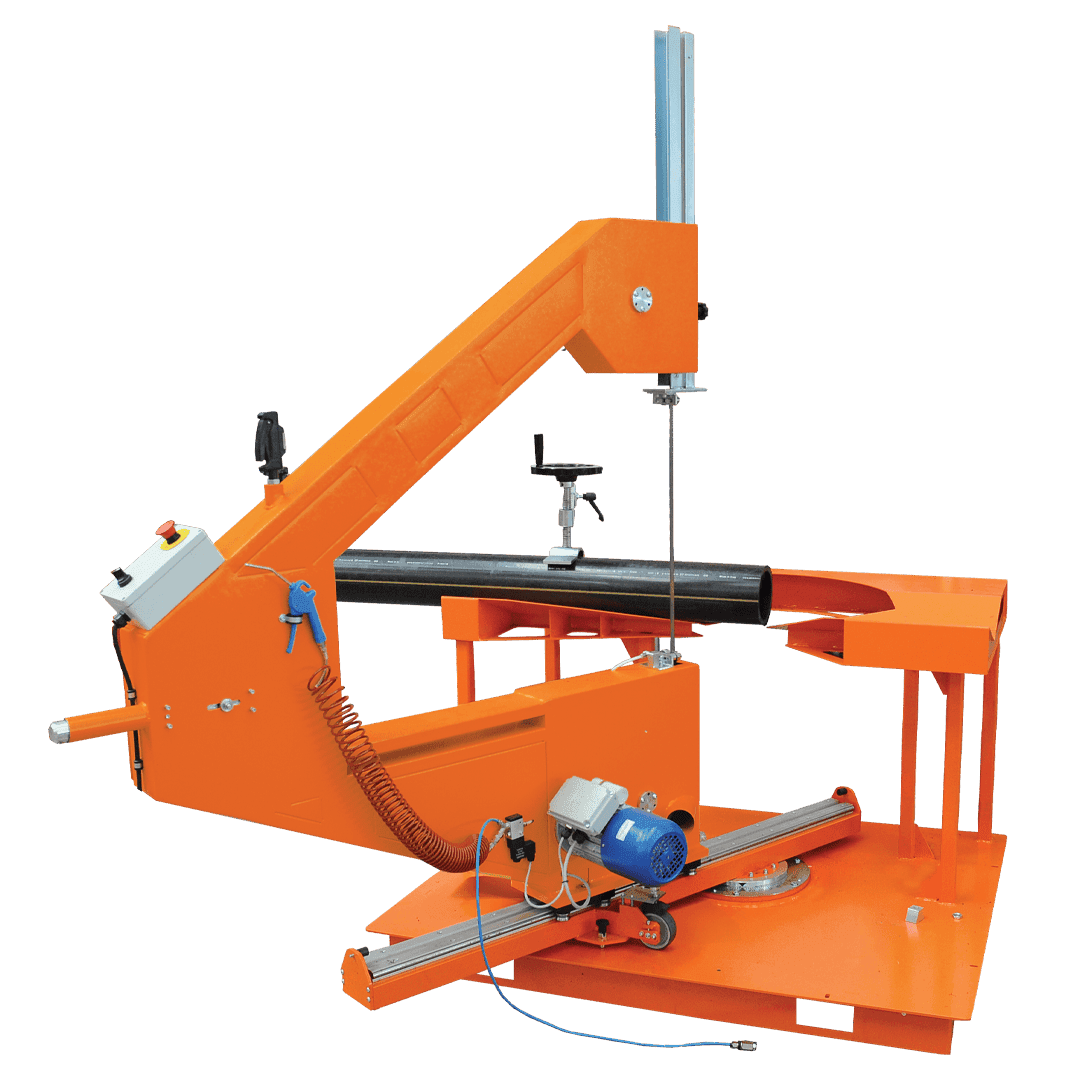
Ritmo Sigma 500 PRO Pipe Band Saw Ø 60-500 mm
Ritmo · Pipe Band Saws
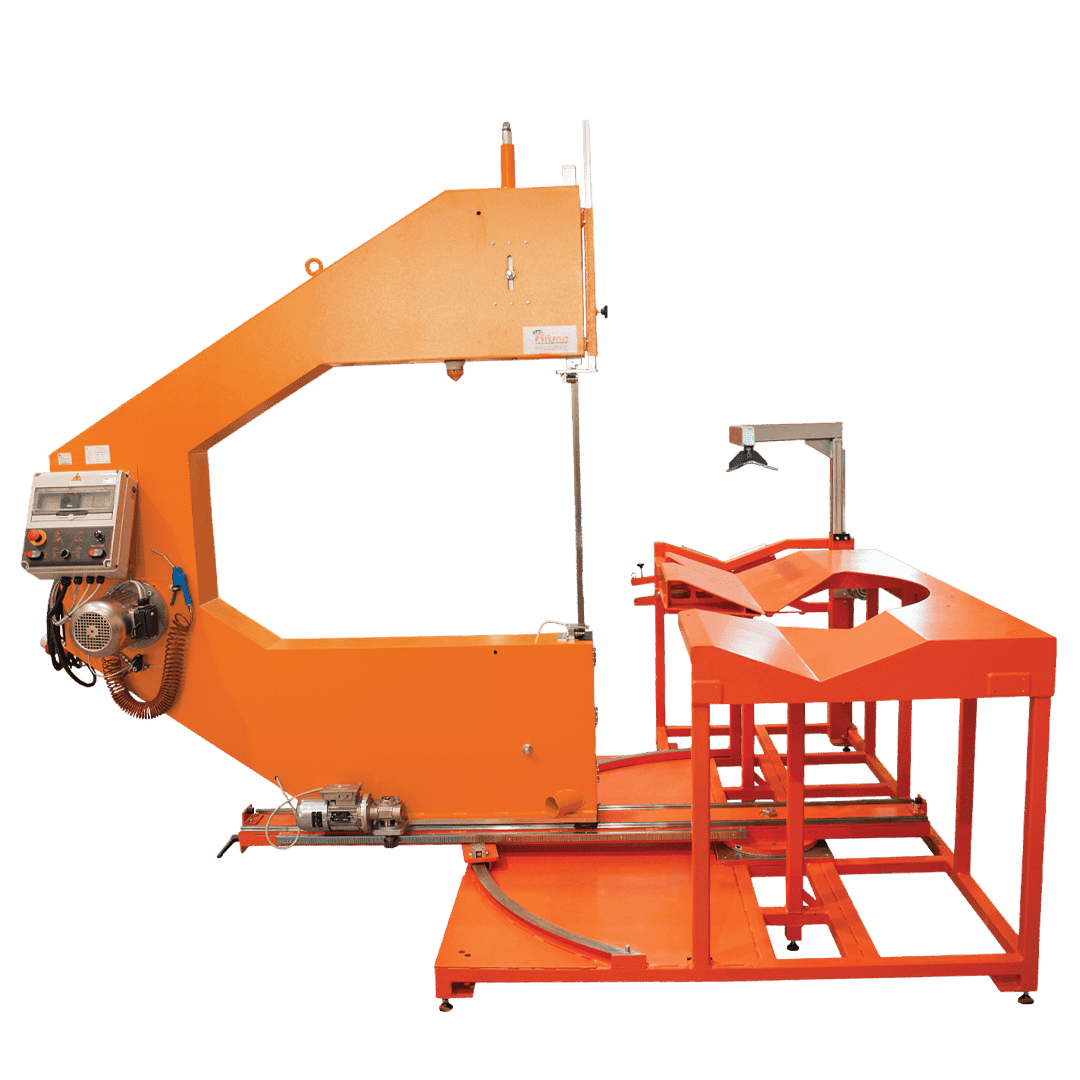
Ritmo Sigma 800 PRO Pipe Band Saw Ø 90-800 mm
Ritmo · Pipe Band Saws
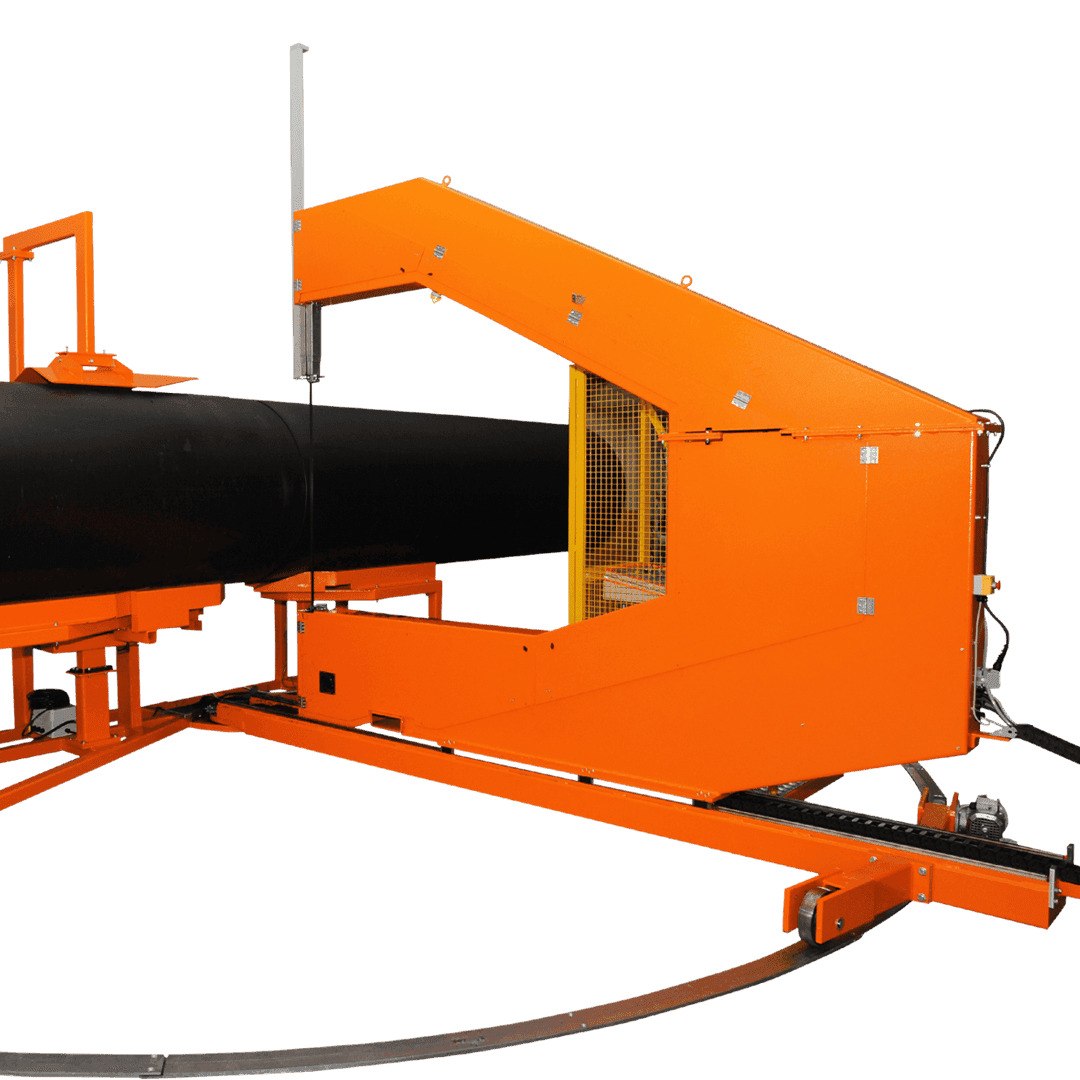
Ritmo Sigma 1200 PRO Pipe Band Saw Ø 200-1290 mm
Ritmo · Pipe Band Saws
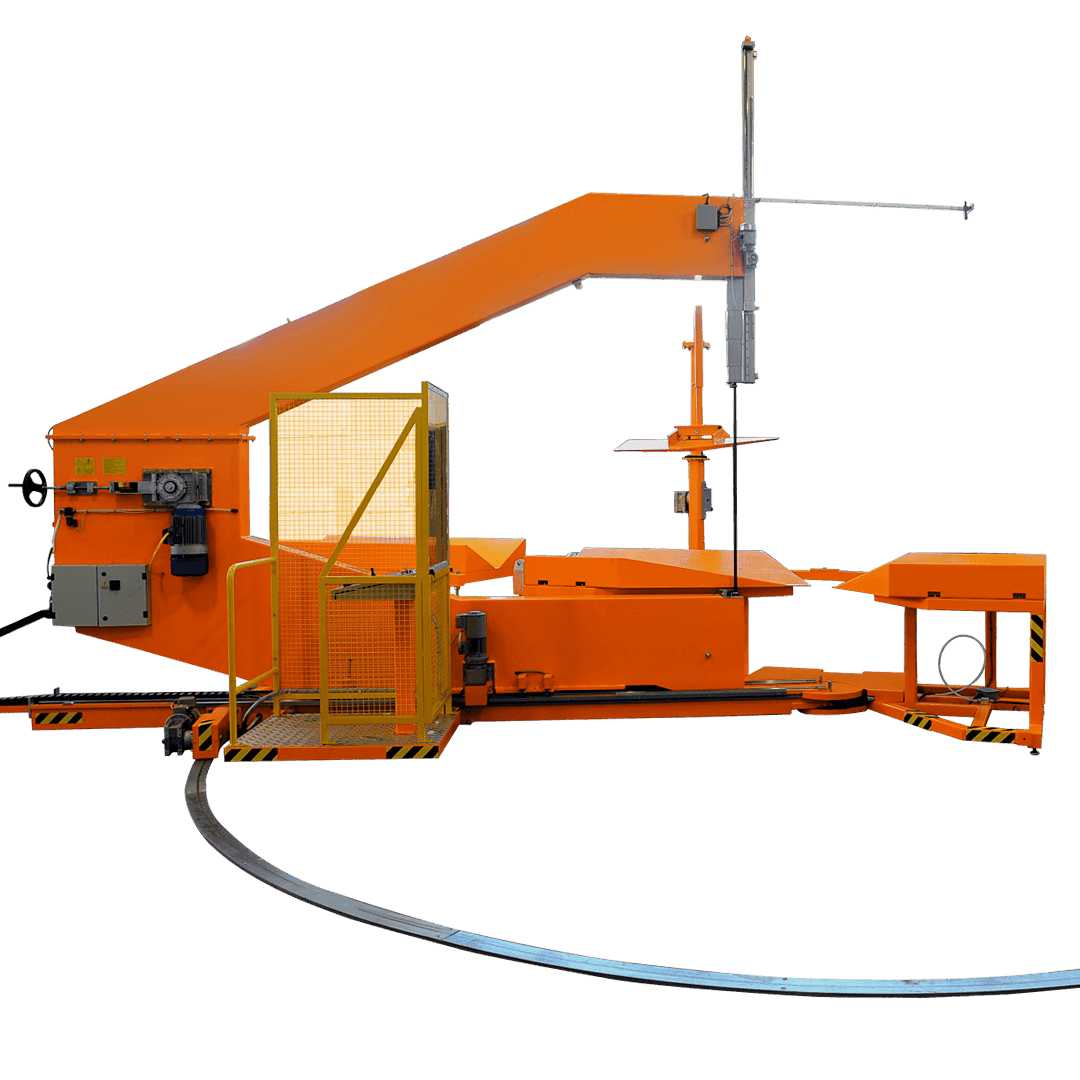
Ritmo Sigma 1600 PRO Pipe Band Saw Ø 200-1702 mm
Ritmo · Pipe Band Saws
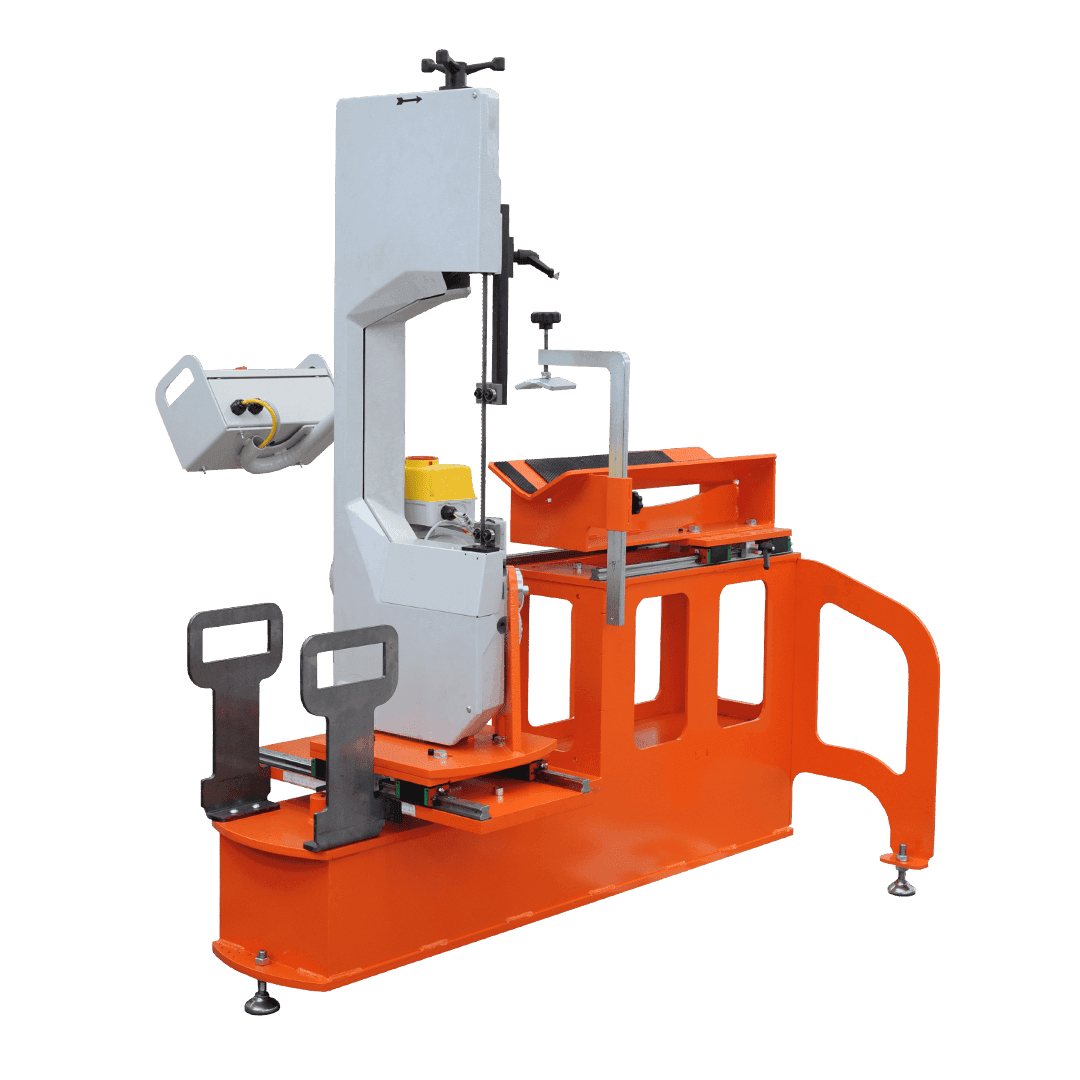
Ritmo Radius 40-315 Radial Cut Band Saw
Ritmo · Pipe Band Saws
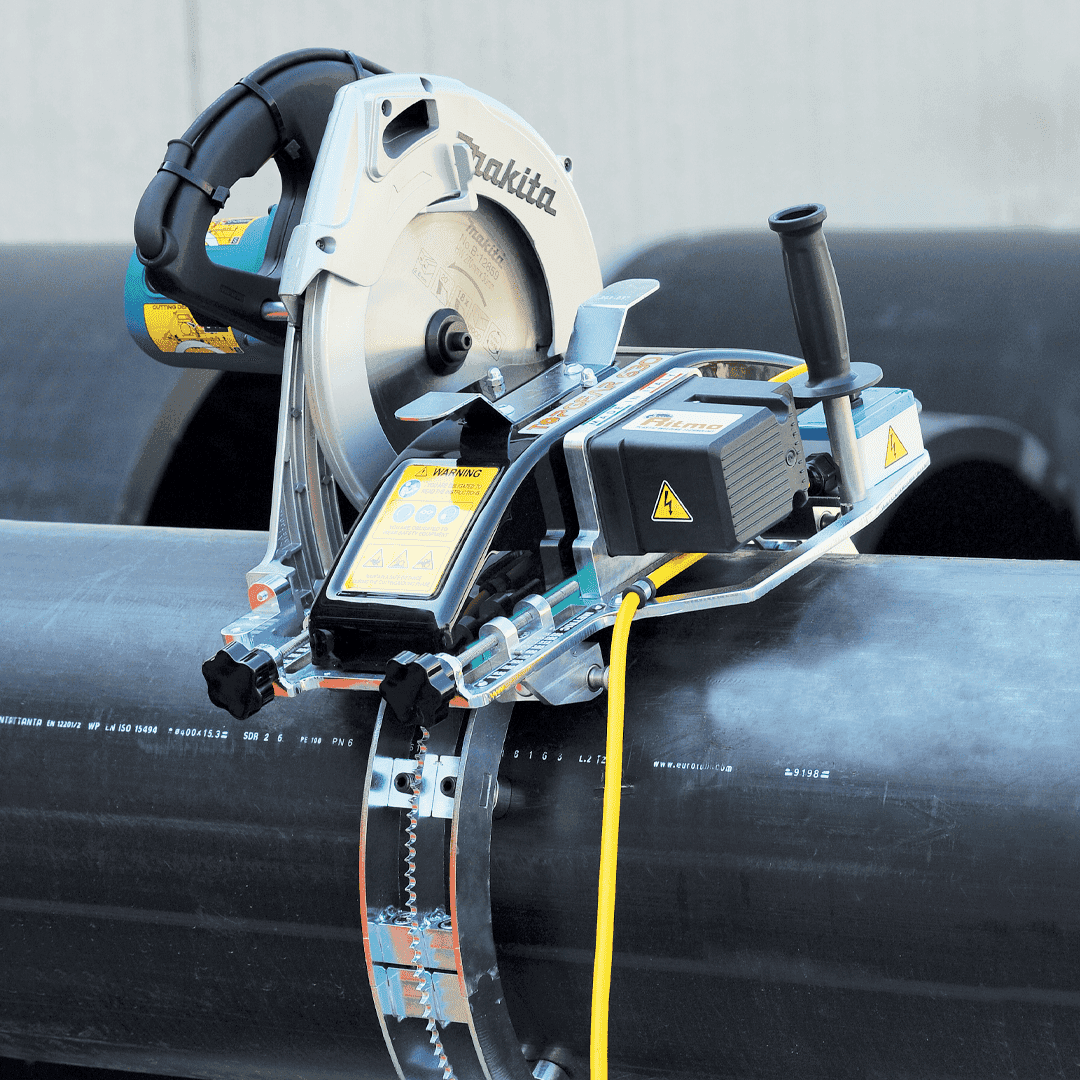
Ritmo Topgear 630 Portable Orbital Pipe Saw Ø 250-630 mm
Ritmo · Pipe Band Saws
Workshop, on-site and radial cutting
The Sigma range are workshop machines: they cut at angles from -45° to +67.5°, the operator sees the cutting line while standing clear of the blade, and the feed lever carries a safety microswitch. On the larger models a control cabin and devices that relieve the load on the blade are standard.
The Topgear 630 is the model taken to site; it cuts Ø 250-630 mm pipe up to 80 mm wall thickness and is positioned on the line itself. The Radius 40-315 does something different: it cuts a radial opening into a main pipe for a branch, preparing Ø 40-323 mm branch openings in mains up to Ø 630 mm.
- Sigma 500 PRO: Ø 60-500 mm, 860 W, single phase or 400 V
- Sigma 800 PRO: Ø 90-800 mm, 3400 W, 400 V 3 phase, 950 kg
- Sigma 1200 PRO: Ø 200-1290 mm, 4600 W, 4380 kg
- Sigma 1600 PRO: Ø 200-1702 mm, 4600 W, 4690 kg
- Topgear 630: Ø 250-630 mm, on-site cutting, up to 80 mm wall
- Radius 40-315: radial cutting, 15 cm minimum branch length
Why the mitre range matters
In segmented elbow and tee fabrication the angle of the finished fitting is set by the angle of the cut, and the -45°/+67.5° range covers the angles that work requires. The same capability makes it possible to solve a change of direction on the line without waiting for a moulded fitting.
On the Sigma 500 PRO, tee cutting with the auxiliary table starts at Ø 90 mm; on straight cuts the lower limit is Ø 60 mm. Machine mass climbs quickly with pipe diameter (the Sigma 1600 PRO weighs 4,690 kg), so the large models need a fixed workshop position and a suitable floor.
Frequently Asked Questions
Why does plastic pipe need a dedicated saw?
The blade speeds and tooth geometry of machines built for metal melt the material, leaving burrs and a rough face. Plastic pipe saws run at the right blade speed and hold the pipe properly, giving a square, clean face that is ready to weld.
Which model suits cutting on site?
The Topgear 630 is built to be carried to site and cuts Ø 250-630 mm pipe on the line. The Sigma range are workshop machines; starting at 950 kg, they are for fixed installation.
What is the Radius 40-315 for?
It makes radial cuts into the body of a main pipe for a branch connection. It opens Ø 40-323 mm branches in mains up to Ø 630 mm, with a minimum branch length of 15 cm, and leaves a far truer joint face than marking and cutting by hand.
Is any surface preparation needed after cutting?
In butt fusion the machine's own facer trims the ends one final time; the saw's job is to prepare the section square and to length. Electrofusion, by contrast, needs bevelling and scraping after the cut — those tools are in the pipe preparation equipment category.