Categories
Batteries & Chargers
The battery is the most expensive and shortest-lived part of a cordless tool, and the right capacity plus sensible charging habits will double its life. This page explains what voltage and amp-hours each tell you, what fast charging really does, and how platform compatibility works. The catalogue holds over 110 packs, chargers and adapters.
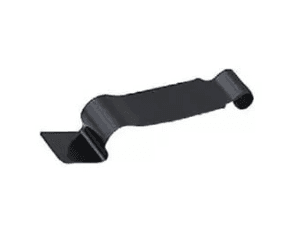
Makita 3435791 Battery Tutucu Klips
Makita · Batteries & Chargers
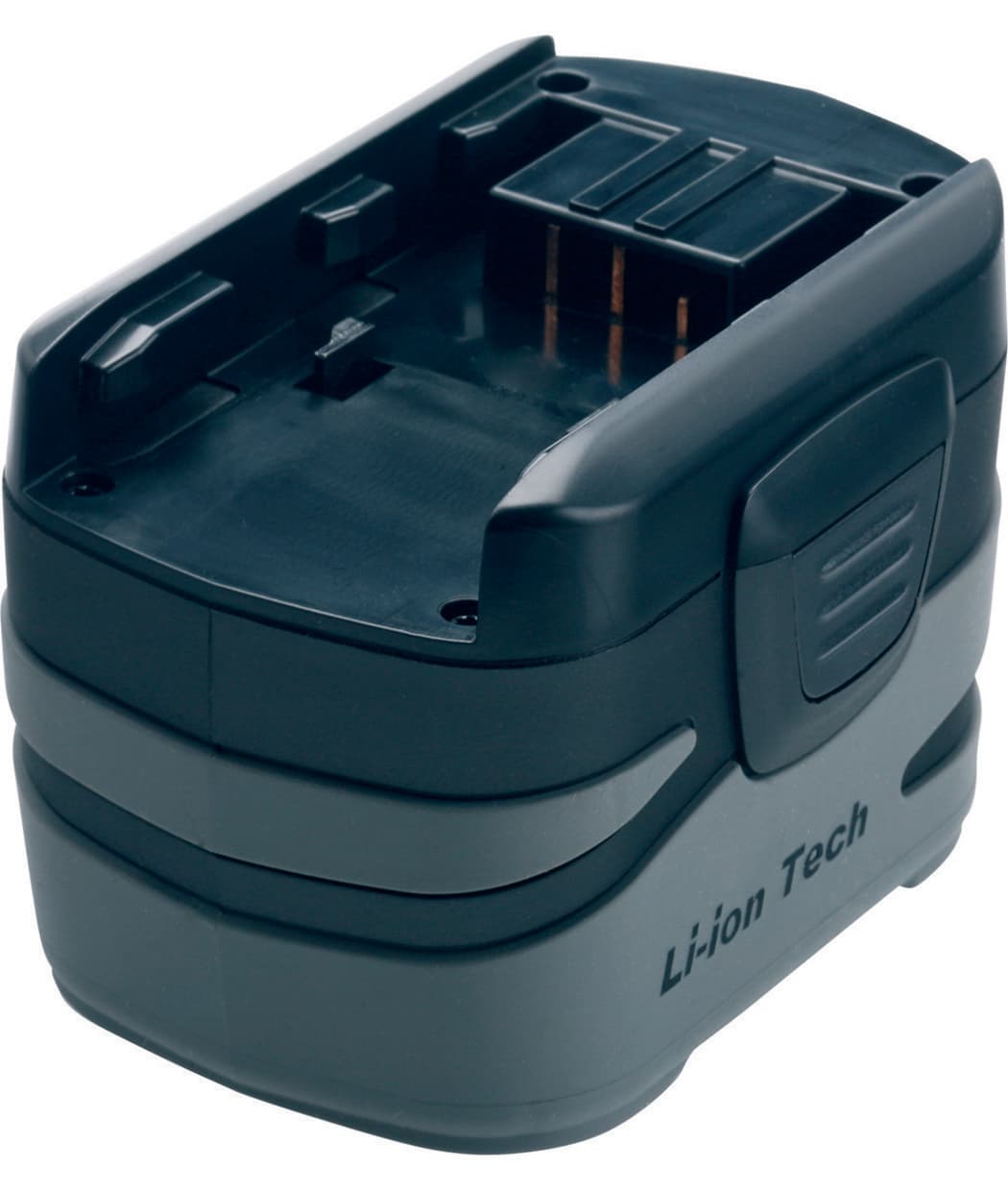
Virax Spare Battery
Virax · Batteries & Chargers
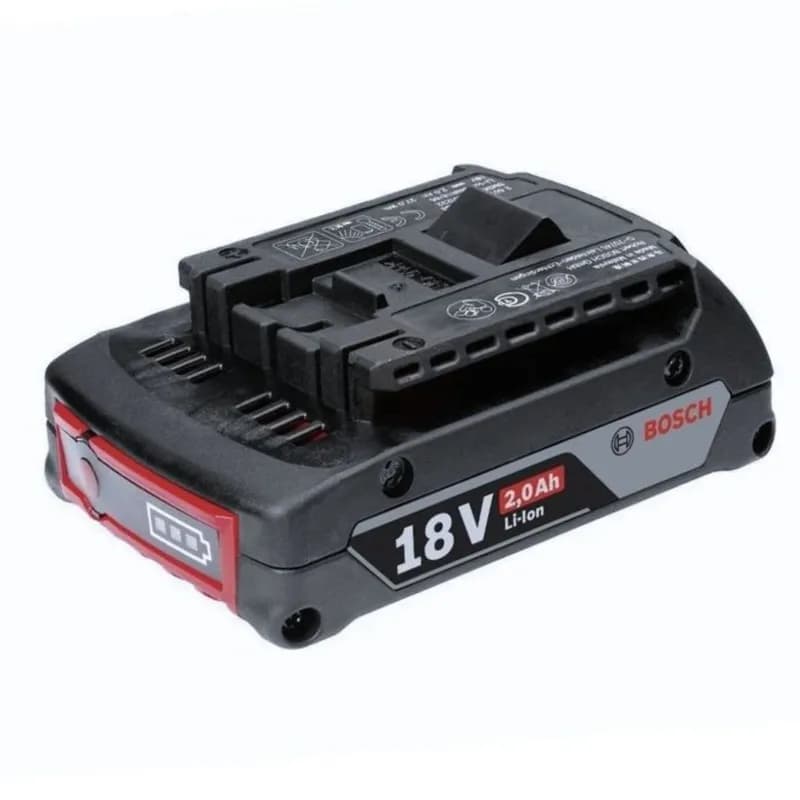
Bosch Battery 18V 2.0 Ah 2607336906
Bosch · Batteries & Chargers
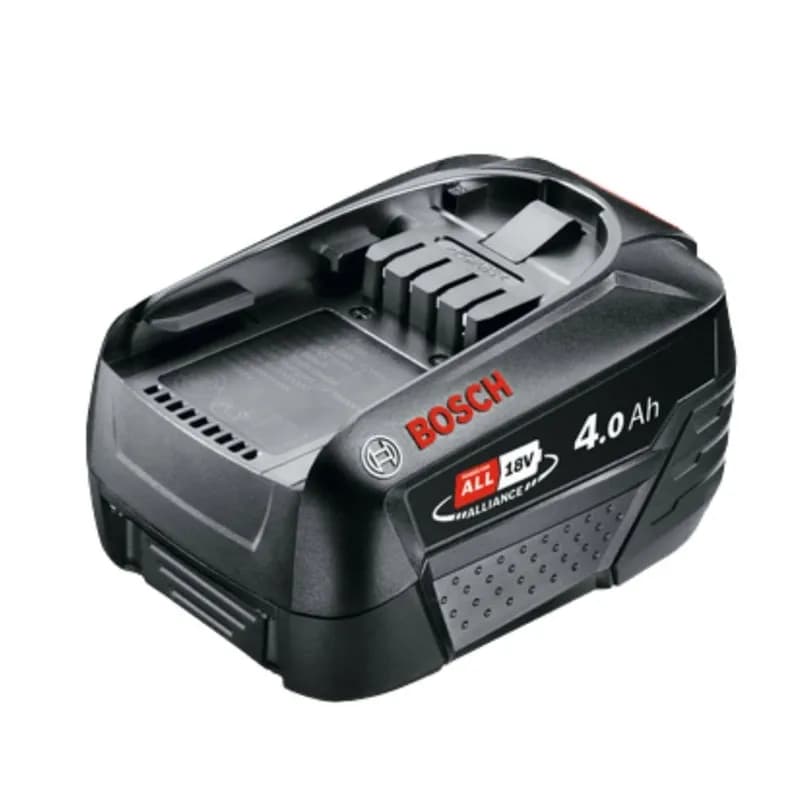
Bosch Battery PBA 18V 4.0 Ah 1600A011T8
Bosch · Batteries & Chargers
Bosch Battery Charger 18V 2607225273
Bosch · Batteries & Chargers
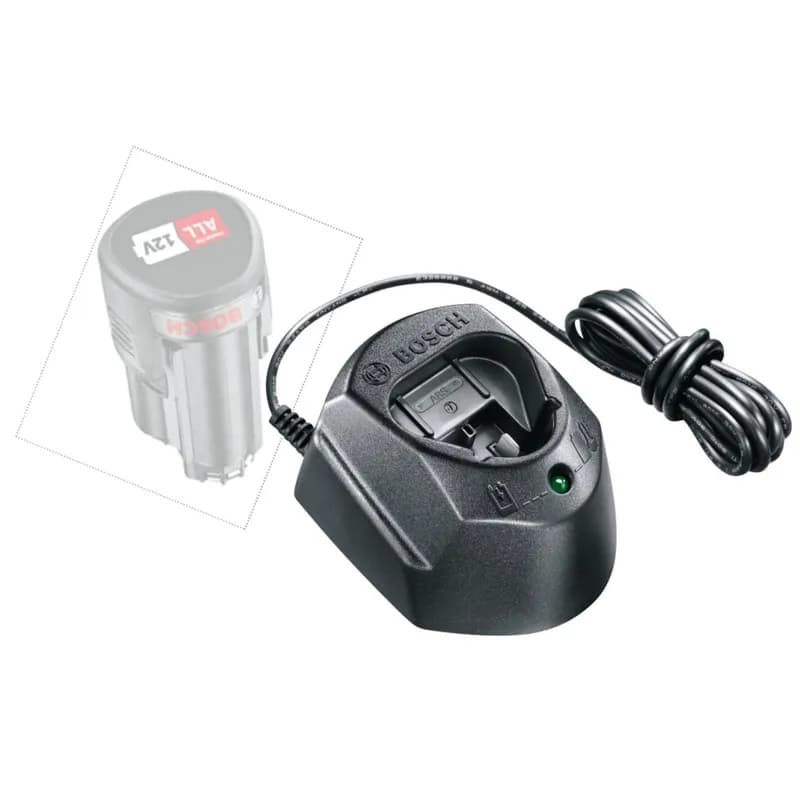
Bosch Charger GAL1210CV 1600A00HR1
Bosch · Batteries & Chargers
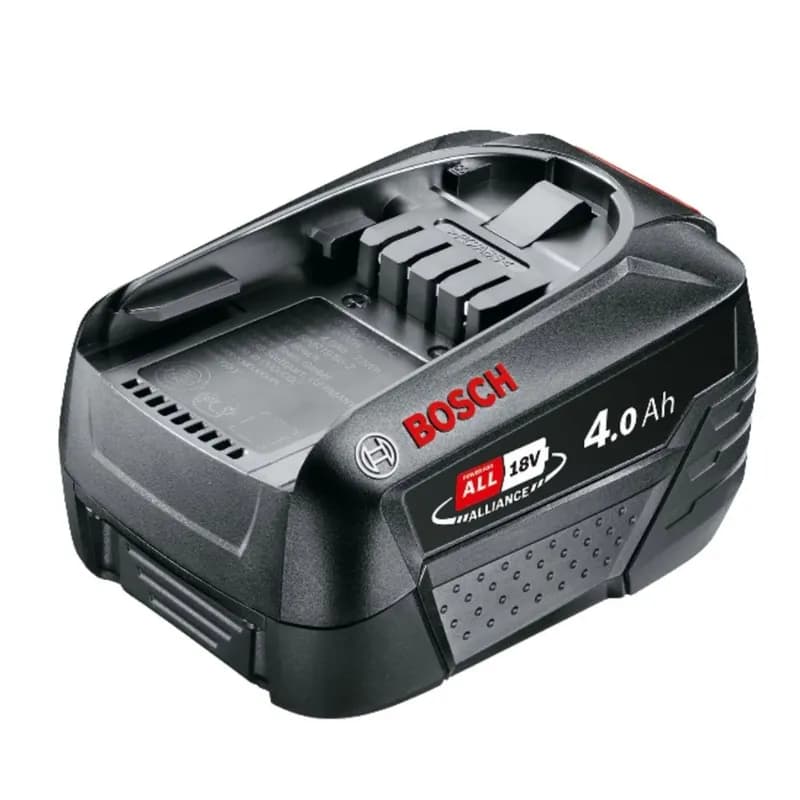
Bosch Replacement Battery 18V 1600A011T8
Bosch · Batteries & Chargers
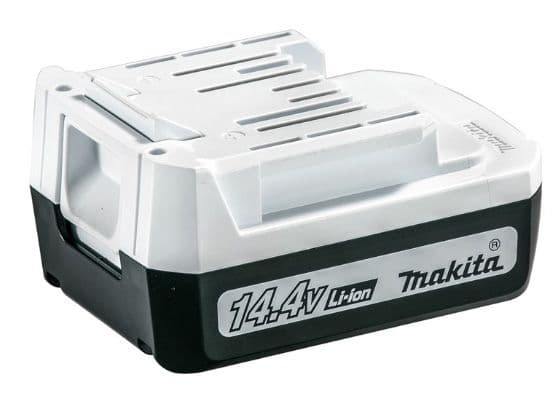
Makita 198192-8'li-Ion Series Battery 14.4 V 1.5AH BL1415G
Makita · Batteries & Chargers
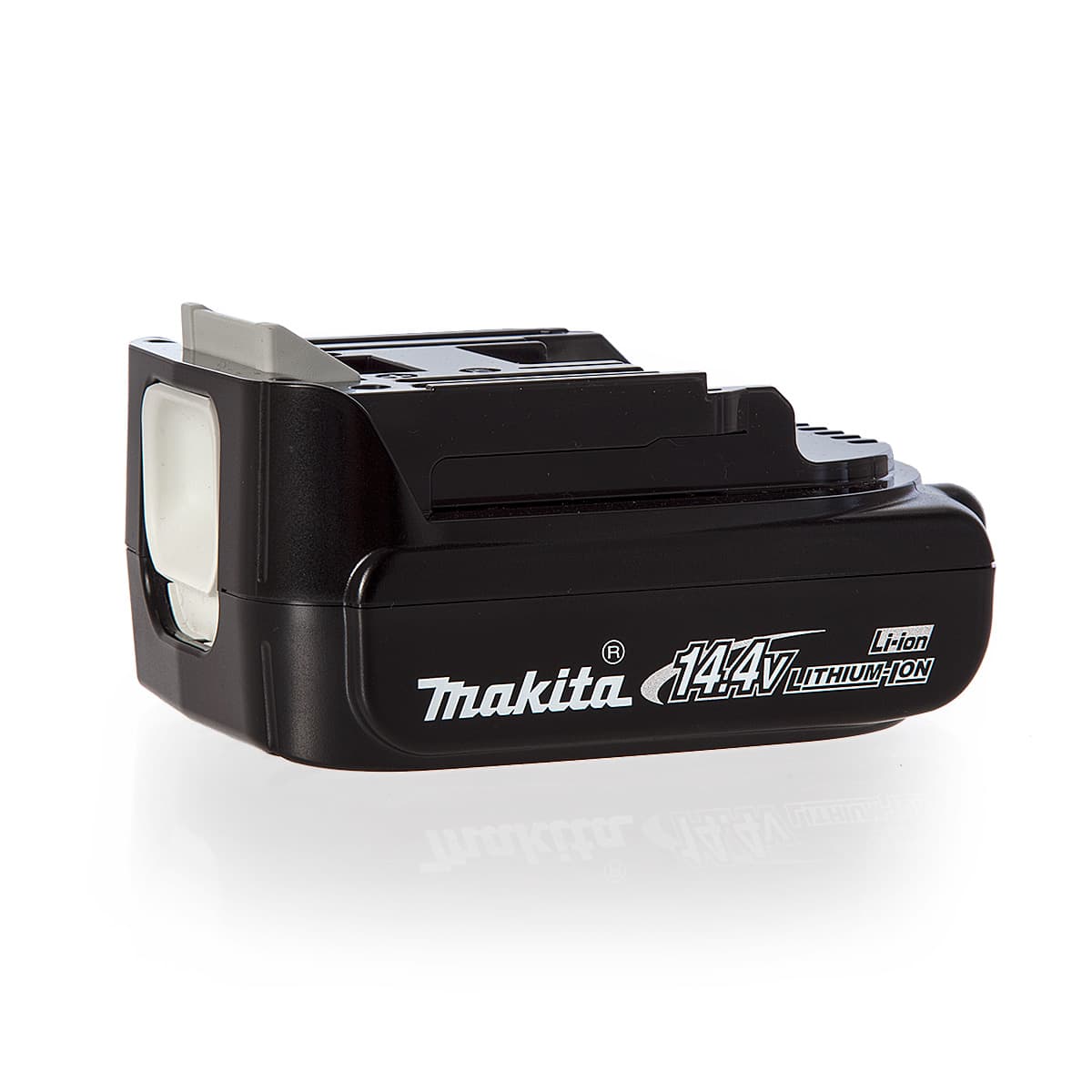
Makita 1968754'li-Ion Series Battery 14.4 V 1.5AH BL1415N
Makita · Batteries & Chargers
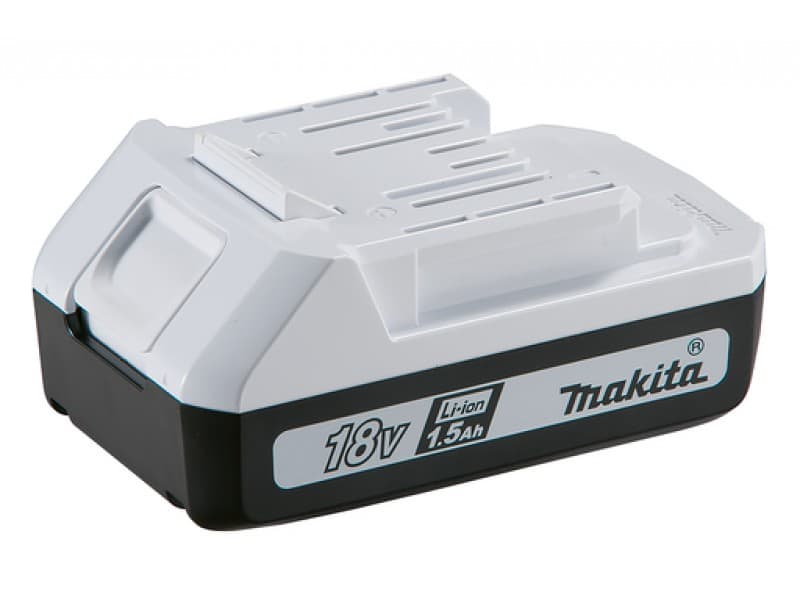
Makita 198186-3'li-Ion Series Battery 18 V 1.5AH BL1815G
Makita · Batteries & Chargers
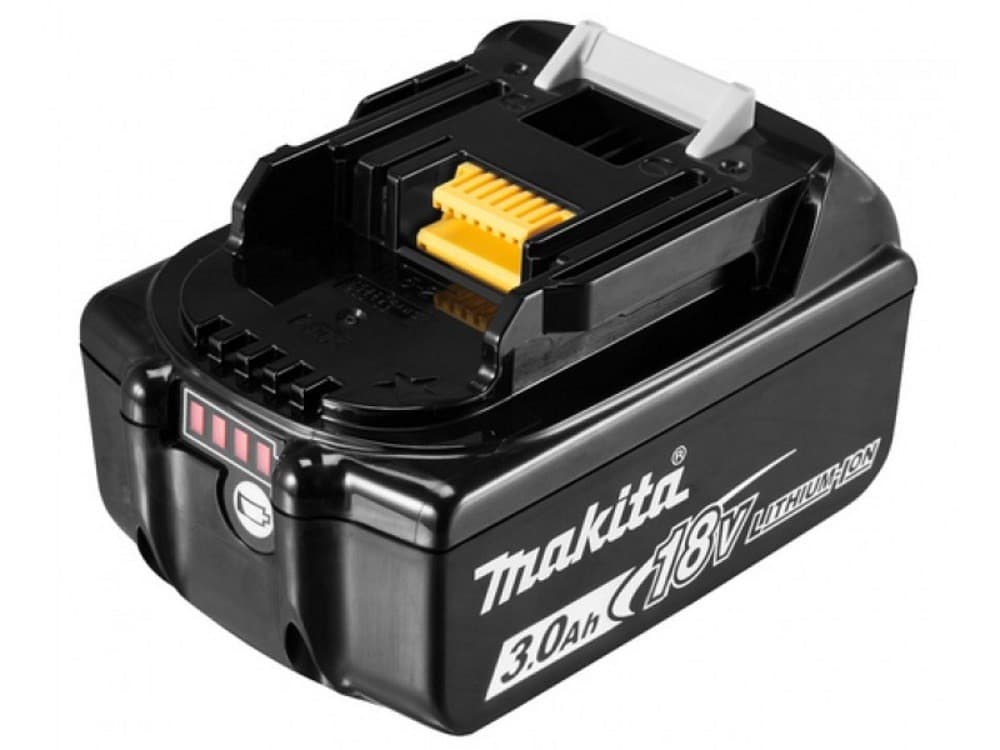
Makita 197599-5'li-Ion Series Battery 18 V 3.0AH BL1830B
Makita · Batteries & Chargers
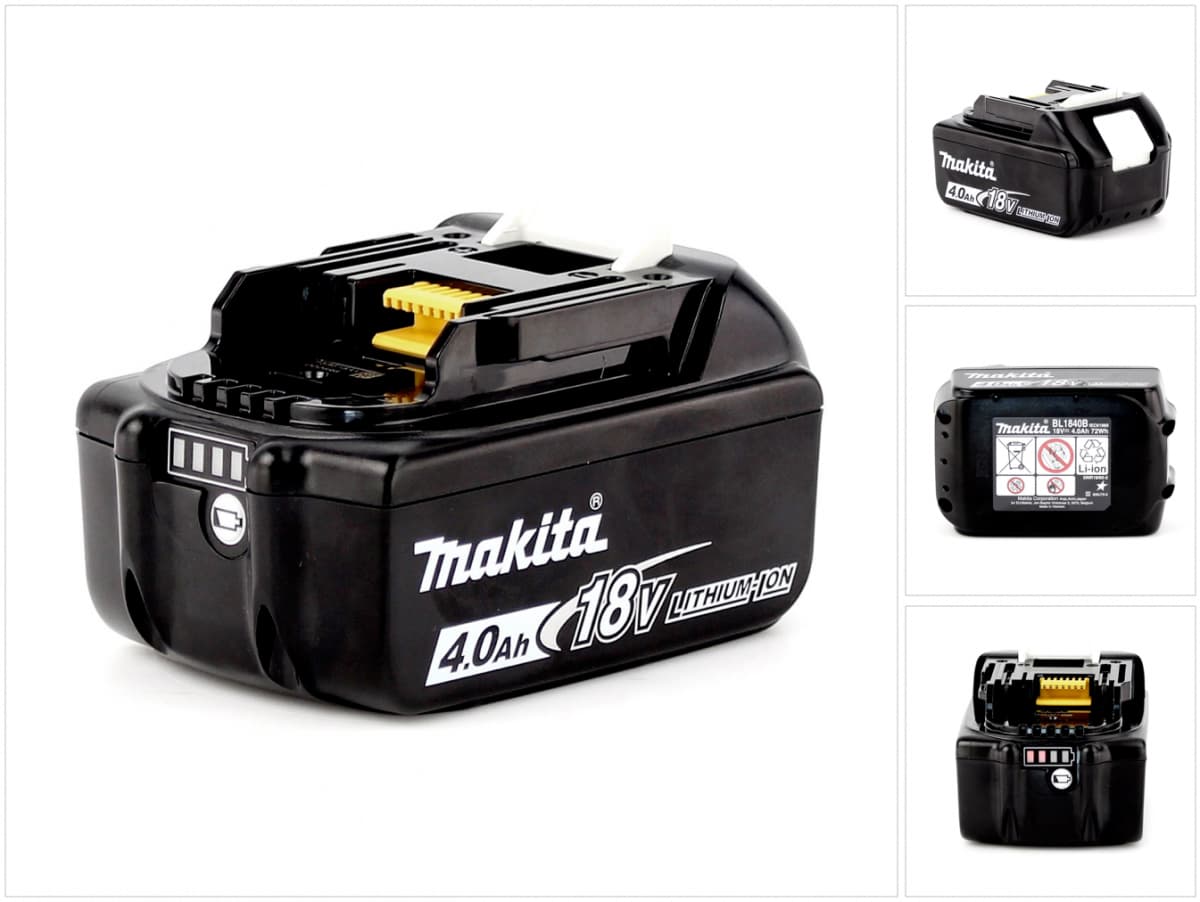
Makita 1972654'li-Ion Series Battery 18 V 4.0AH BL1840B
Makita · Batteries & Chargers
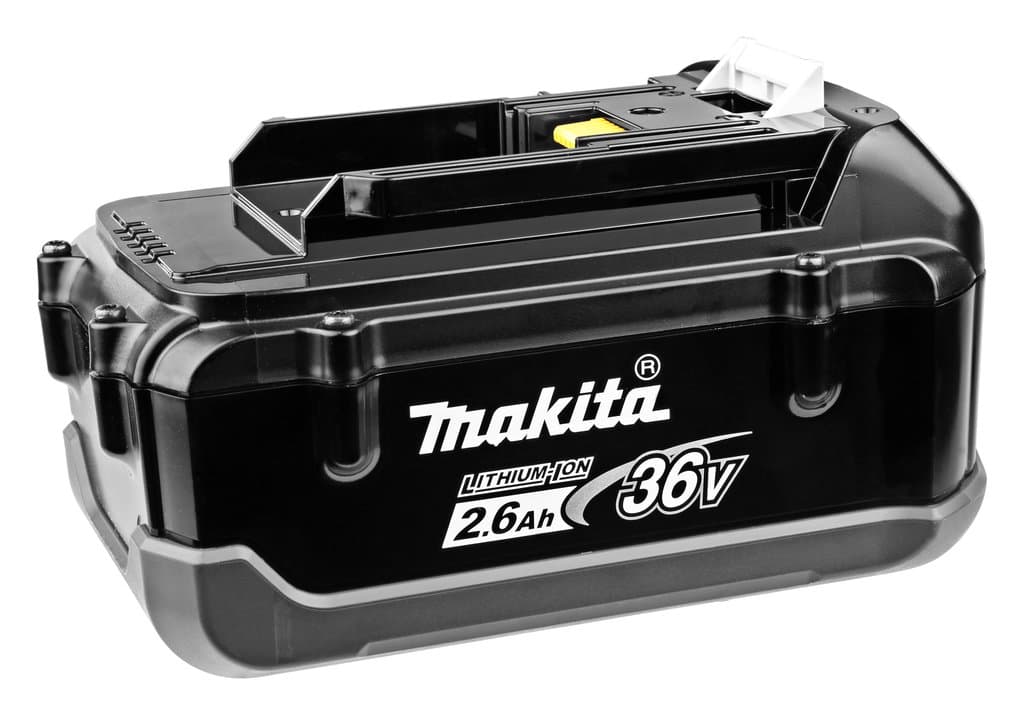
Makita 1948732'li-Ion Series Battery 36 V 2.6AH BL3626
Makita · Batteries & Chargers
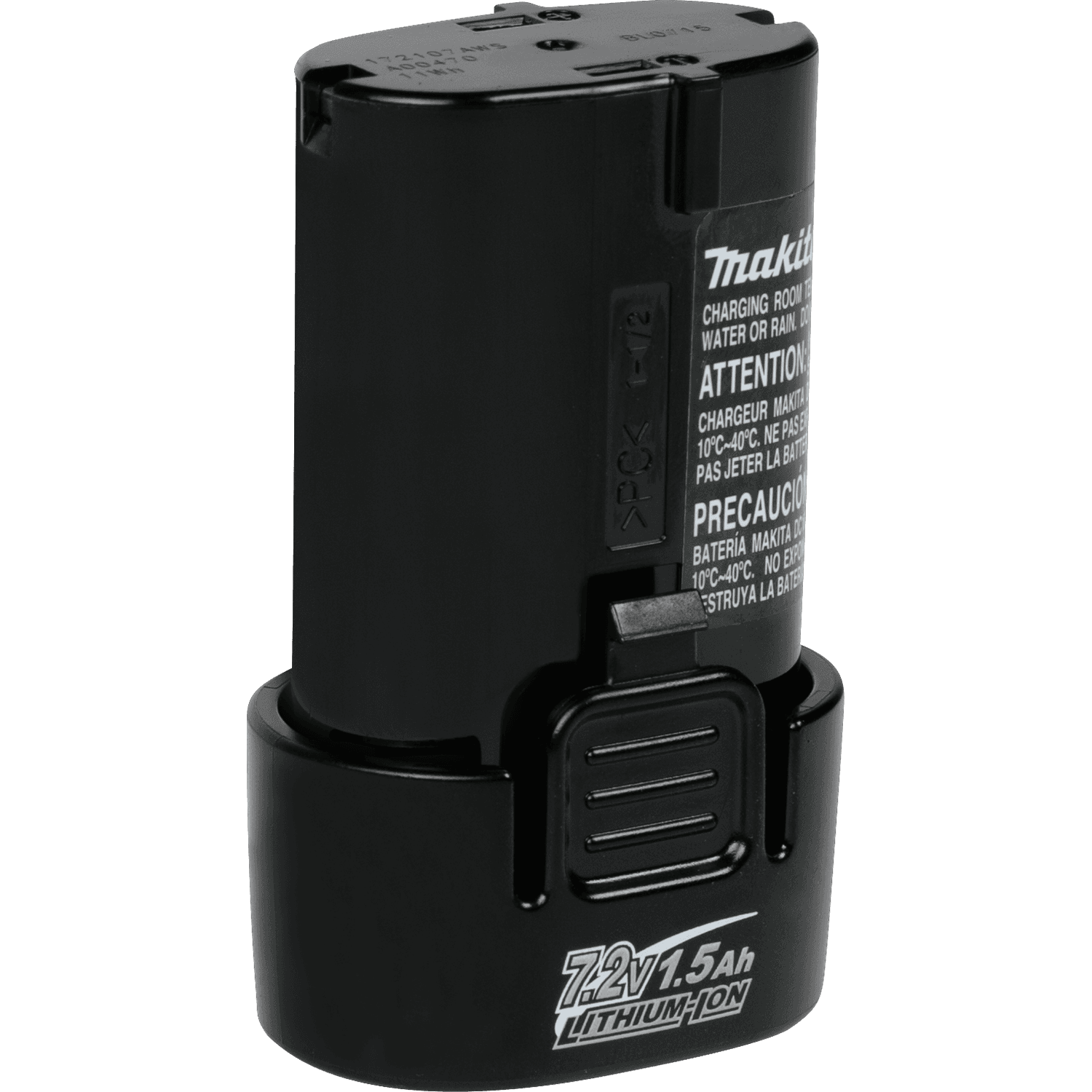
Makita 198000-3'li-Ion Series Battery 7.2 V 1.5AH BL0715
Makita · Batteries & Chargers
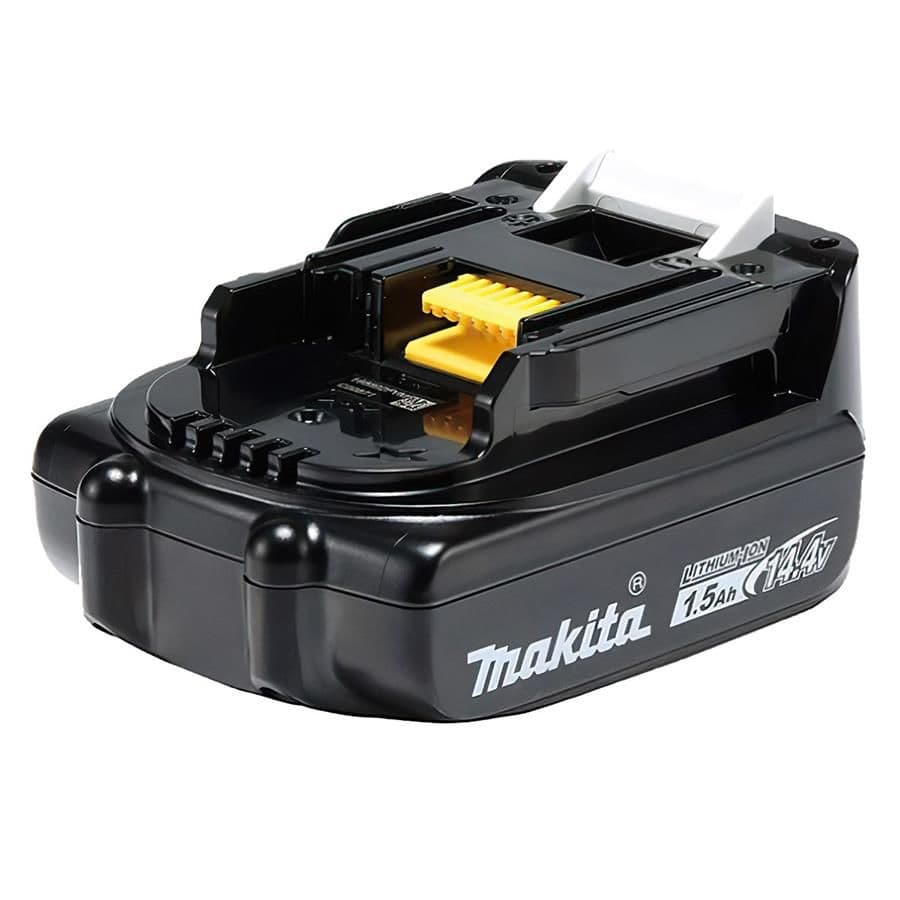
Makita 1968770'li-Ion Series Battery 14.4 V 1.5AH BL1415N
Makita · Batteries & Chargers
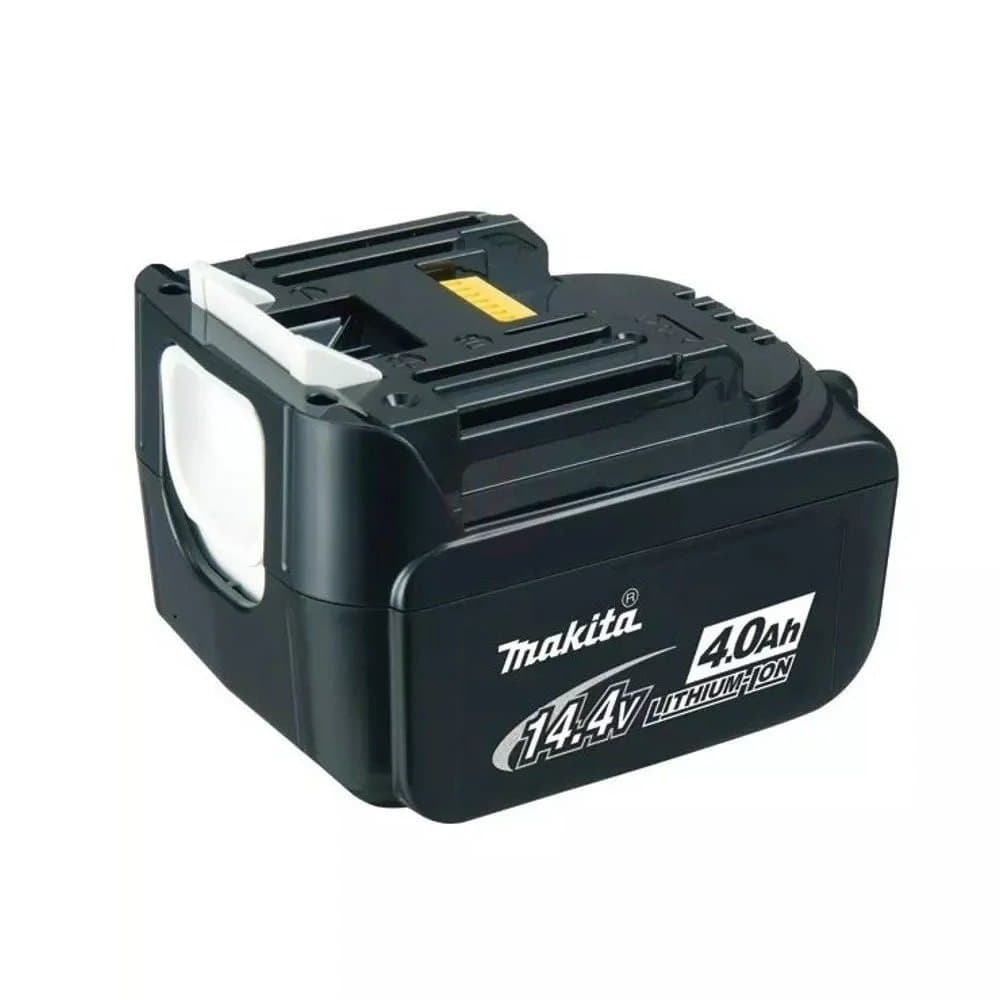
Makita 1963869'li-Ion Series Battery 14.4 V 4.0AH BL1440
Makita · Batteries & Chargers
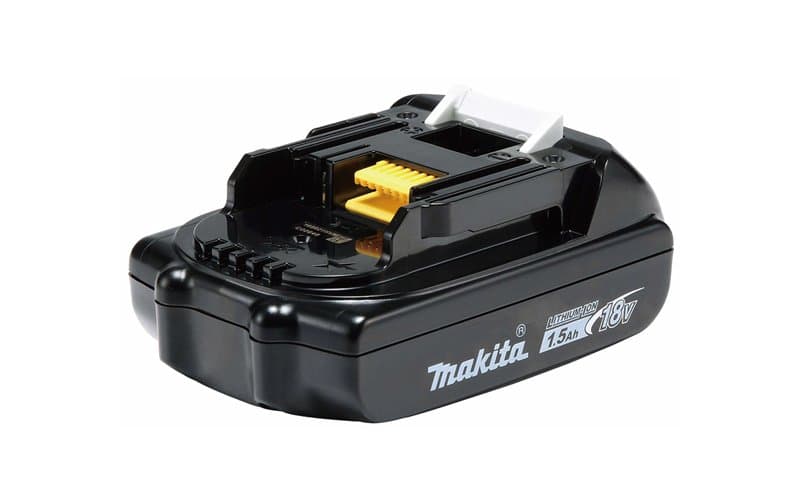
Makita 1962350'li-Ion Series Battery 18 V 1.5AH BL1815N
Makita · Batteries & Chargers

Makita 1972808'li-Ion Series Battery 18 V 5.0AH BL1850B
Makita · Batteries & Chargers

632G94-5 MAA632G94-5 Makita 632G94-5 BL1415NA Battery (196875-4 Muadil)
Makita · Batteries & Chargers

1913U9-9 Makita 1913U9-9 BL1015K Battery
Makita · Batteries & Chargers
Makita 195310-9 BAP36N Battery Adapter
Makita · Batteries & Chargers
Makita 1954236 Makita 195423-6 Sarj Unit DC18WA
Makita · Batteries & Chargers
1955101 Makita 195510-1 Battery Converter BCV01
Makita · Batteries & Chargers
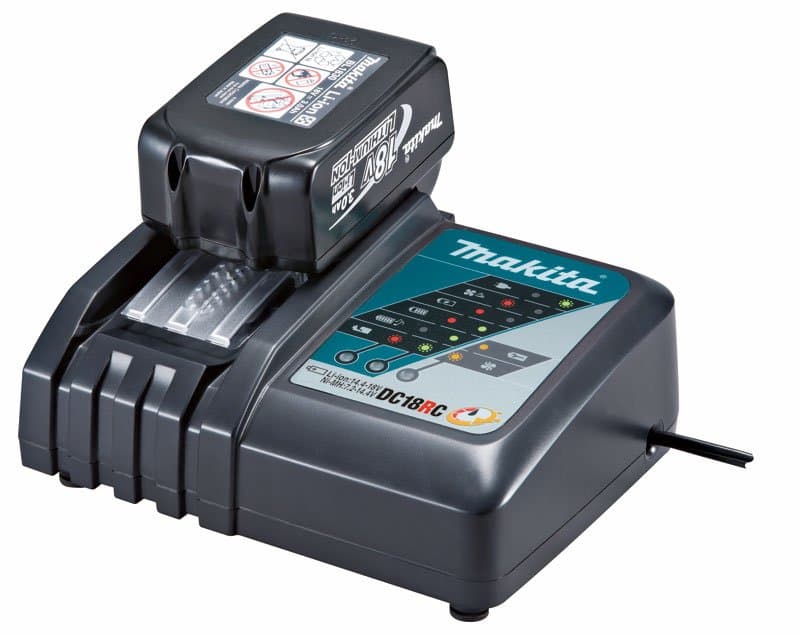
6307185 Makita 630718-5 Aku Sarj Unit DC18RC
Makita · Batteries & Chargers
1–24 of 112 · page 1 / 5
Volts, amp-hours and watt-hours
Volts (V) indicate the tool's power, amp-hours (Ah) its runtime. Their product, watt-hours (Wh), is the total energy in the pack and the only honest way to compare two platforms: an 18 V 5.0 Ah pack holds 90 Wh, a 12 V 6.0 Ah pack 72 Wh.
More Ah does not make a tool stronger; it runs longer and weighs more. On high-current tools — breakers, grinders — a larger pack also runs cooler, because the load per cell is lower.
| Pack | Energy | Suited to |
|---|---|---|
| 12 V 2.0 Ah | 24 Wh | Driving, assembly, light in the hand |
| 18 V 2.0 Ah | 36 Wh | Short tasks, spare pack |
| 18 V 5.0 Ah | 90 Wh | General jobsite use |
| 18 V 8.0-12.0 Ah | 144-216 Wh | Breakers, grinders, sustained load |
Chargers and charging time
Charging time follows pack capacity and charger current. Fast chargers monitor pack temperature and drop the current when needed; letting a hot pack cool for a few minutes before charging extends cell life.
Multi-bay and sequential chargers suit crews running several cordless tools: one pack works while the next fills, and the machine never waits.
- Lithium-ion packs have no memory effect — full discharge is unnecessary.
- For long storage, keep packs at 40-60% charge somewhere cool.
- Let a hot pack cool before charging it.
- The charger must belong to the same brand and platform as the pack.
Platform compatibility
Packs work only on their own platform: the rail geometry and the electronics that talk between pack and tool are specific to each maker. Adapters may bridge the mechanics but can bypass the protection electronics.
For crew purchases, staying on one platform makes the battery pool shared and reduces the number of spares needed.
Frequently Asked Questions
Does a higher Ah pack make the tool stronger?
No. Power comes from voltage and the motor; Ah is runtime. A larger pack does run cooler, because the load per cell is lower.
Are 18 V and 20 V max packs different?
No — the same five lithium-ion cells in series. 18 V is the nominal voltage, 20 V max the peak off-load.
Do I need to fully discharge the pack?
No. Lithium-ion has no memory effect, so charge from any state. Running a pack flat actually stresses the cells.
How should I store packs I will not use for a while?
At roughly 40-60% charge, somewhere cool and dry. Storing full or empty accelerates capacity loss.
Can I use another brand's charger?
You should not. The charger communicates with the pack to monitor cell voltage and temperature; an incompatible unit bypasses that protection.
How long does a battery last?
It depends on use — capacity usually drops noticeably after a few hundred full cycles. Working in extreme heat or cold is the biggest factor shortening life.