Categories
Primer
Primer is the layer beneath the paint and it does three jobs: it covers the colour underneath and small surface faults, it makes the paint hold, and it makes the painted surface more resistant to corrosion and impact. On rigid plastic it is what creates a bond where paint would not grip at all.
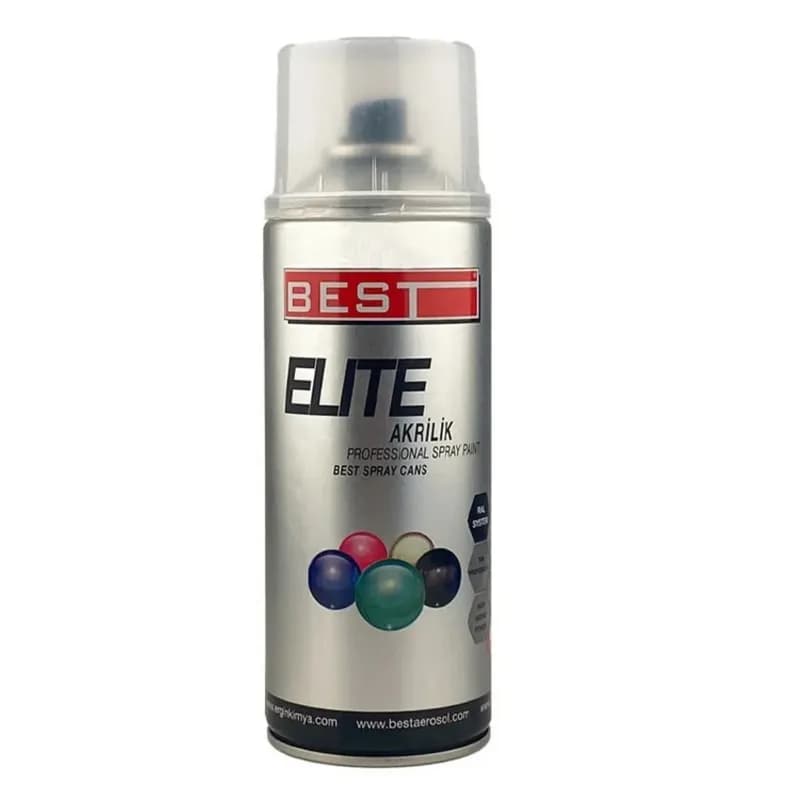
Best Elite Plastic Primer 400 ml
Best · Primer
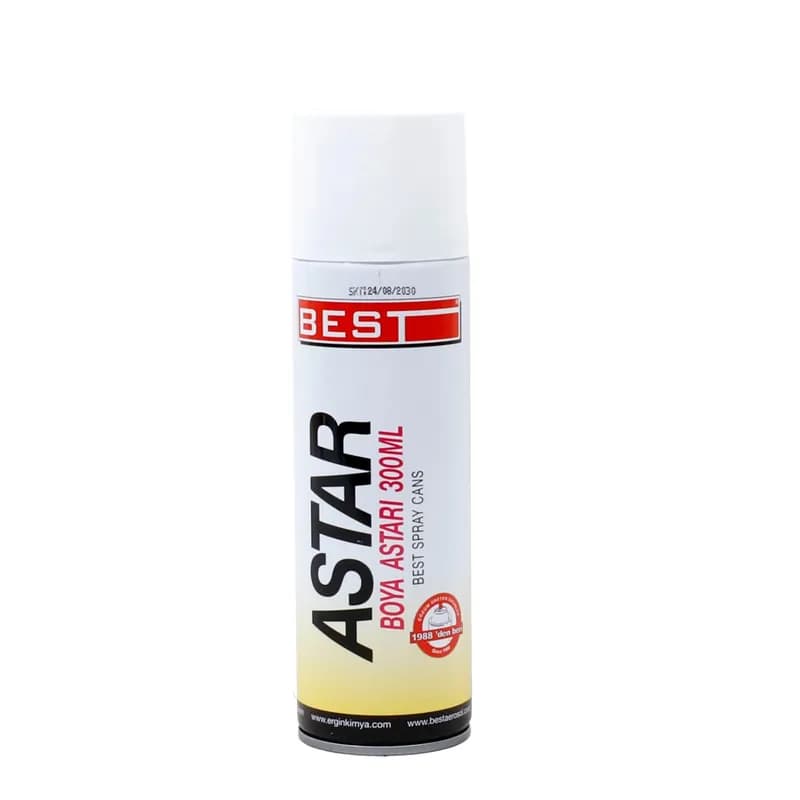
Best Spray Primer 300 ml Grey
Best · Primer
Best Spray Primer 500 ml Grey
Best · Primer
When primer cannot be skipped
On bare metal and areas stripped of rust, primer is mandatory: paint does not bond directly to metal, and corrosion comes back from underneath an unprimed surface.
Where the colour change is large, primer counts as a coat: a light colour over a dark ground takes three or four coats of paint, while grey primer does the same job in one and cuts paint consumption.
Rigid plastic needs plastic primer rather than ordinary primer: the low surface energy of plastic stops ordinary primer gripping too.
Frequently Asked Questions
How soon can primer be painted over?
Cellulosic primer is touch dry in 10 minutes and can be painted after an hour. If it is to be sanded, wait for the full cure at 8 hours.
Which primer for which surface?
300 or 500 ml cellulosic spray primer on metal, iron and wood; 400 ml plastic primer on rigid plastic parts such as bumpers, interior trim and housings.
Should primer be sanded?
For a flawless finish, yes: a light sand at 400-600 grit after full cure takes off orange peel and dust nibs. For standard work it is not necessary.
Which paint goes over primer?
Cellulosic primer is compatible with both nitrocellulose and acrylic spray paint. After plastic primer, use bumper paint or the acrylic Elite range.