Categories
Bicycle Parking Stands
Bicycle racks are listed in 3, 4, 5 and 6 bike capacities. They suit residential entrances, campuses, office buildings, municipal areas and transit stops.

bisiklet-park-3-lu-mfk6190
Bicycle Parking Stands
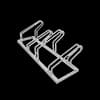
bisiklet-park-4-lu-mfk6191
Bicycle Parking Stands
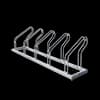
bisiklet-park-5-li-mfk6192
Bicycle Parking Stands
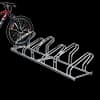
bisiklet-park-6-li-mfk6193
Bicycle Parking Stands
Capacity and Layout
Capacity follows usage density and available width. Racks for 3 and 4 bikes suit narrow entrances and in-between spaces; 5 and 6 bike racks suit campuses, offices and transit points with heavier use.
Racks can be placed side by side to increase capacity. If bikes will be parked facing each other, leave enough space between racks so handlebars do not clash, and include an access corridor in the layout.
- 3 and 4 bike racks — narrow entrances and in-between spaces
- 5 and 6 bike racks — campuses, offices and heavy-use points
- Racks can be combined side by side to raise capacity
- Anchoring prevents tipping and removal
- Position clear of pedestrian flow
Positioning and Installation
Racks belong at visible, preferably lit points that do not cut across pedestrian flow. Positions close to an entrance and within line of sight directly affect whether people use them, because they affect how safe the bike feels.
Anchoring stops the rack being tipped or carried off. Outdoors, choosing a well-drained spot where water does not pool extends the life of both rack and bikes.
Frequently Asked Questions
What capacity should I order?
Base it on average daily bike numbers and the width available. Narrow entrances suit 3-4 bike racks; campuses, offices and transit points suit 5-6 bike racks. Racks can be combined side by side as demand grows.
Should racks be anchored?
Yes, anchoring is recommended. An anchored rack cannot be tipped or carried away, which protects both the layout and the bikes parked in it.
Where is the best position?
Close to the entrance, visible, lit and clear of pedestrian flow. Positions within line of sight raise usage, and well-drained ground extends the life of the rack.