Categories
Car Wash & Care
The consumable aerosols of the workshop: brake cleaner that leaves no residue, engine cleaner that dissolves heavy oil off the block, carburettor cleaner that lifts gum and varnish deposits, tar remover, and starting fluid for cold mornings.
Factor FCPK804 Touch-Free Car Wash Foam 20 L
Factor · Car Wash & Care
Factor FCPK108 Engine Degreaser 20 L
Factor · Car Wash & Care
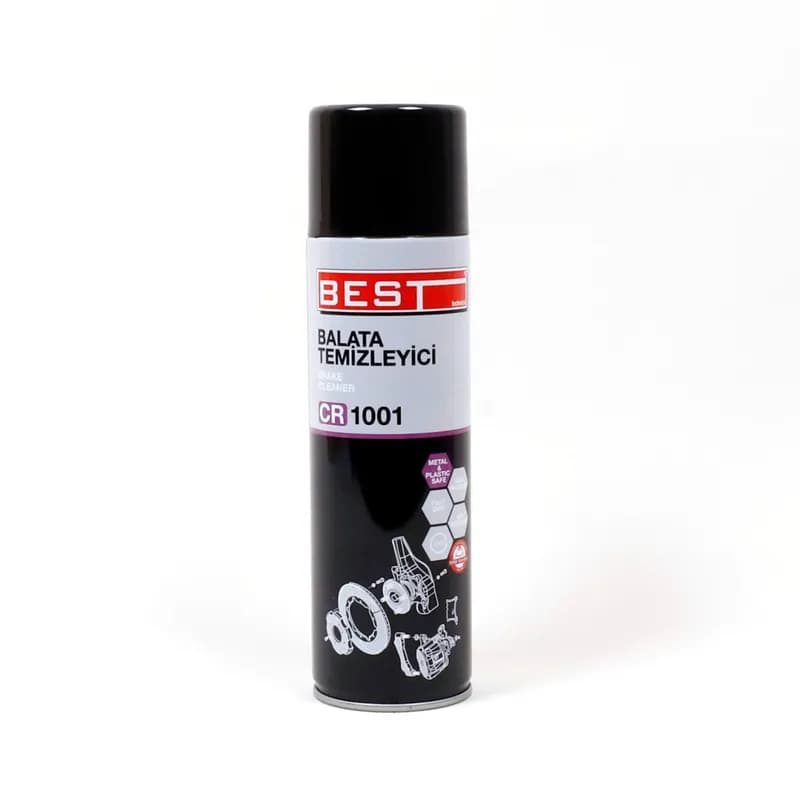
Best Brake Cleaner CR 1001 500 ml
Best · Car Wash & Care
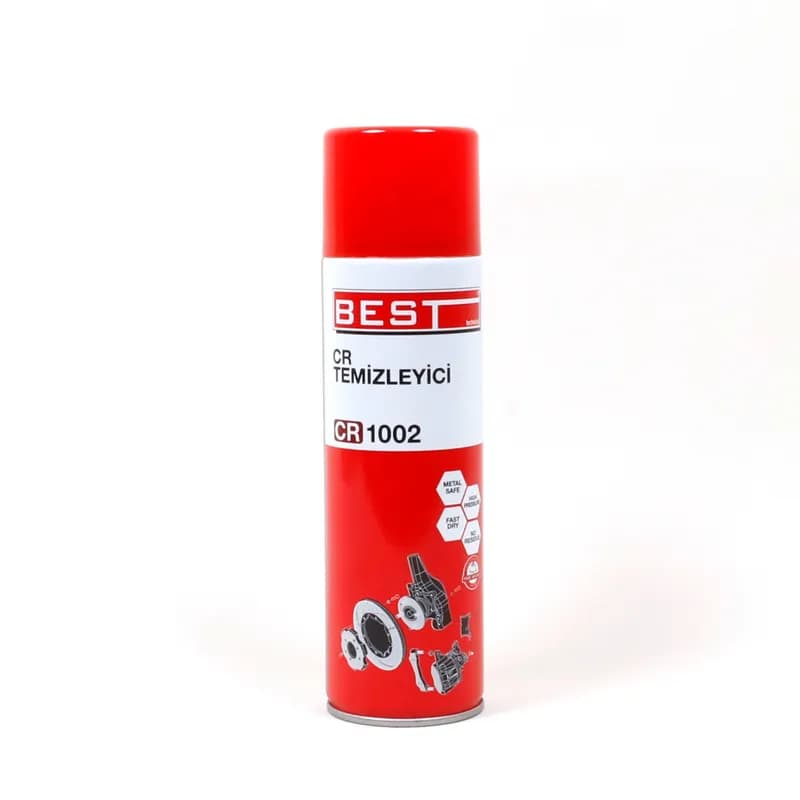
Best Eco Brake Cleaner CR 1002 500 ml
Best · Car Wash & Care
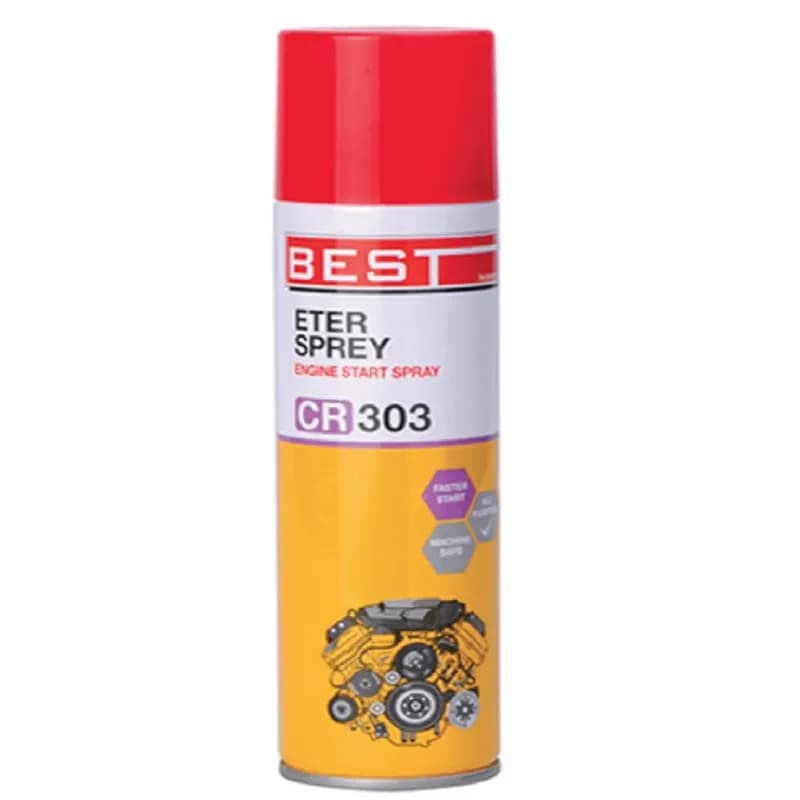
Best Starting Fluid CR 303 250 ml
Best · Car Wash & Care
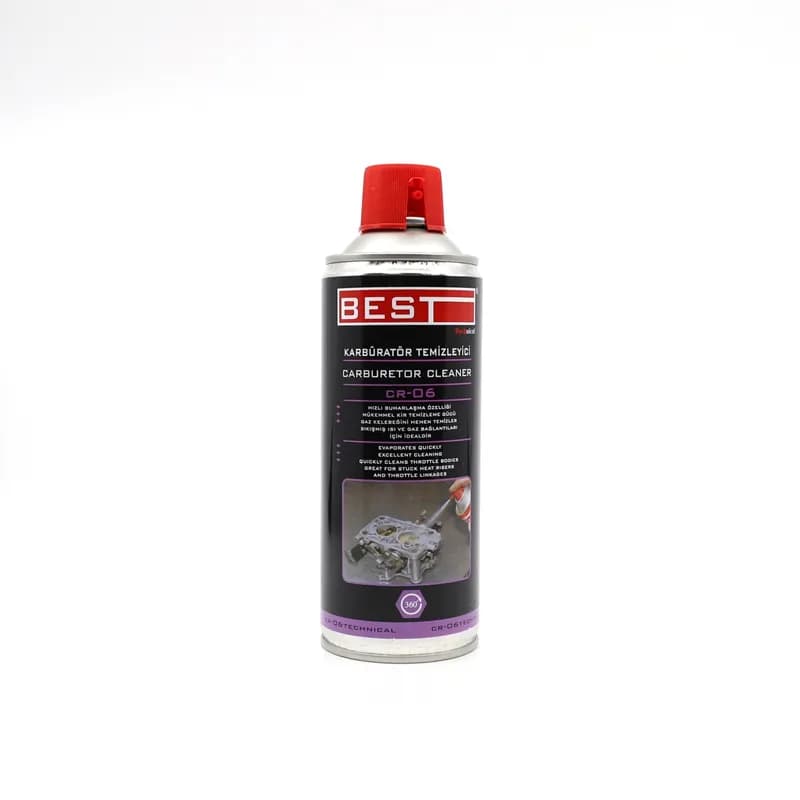
Best Carburettor Cleaner CR 06 400 ml
Best · Car Wash & Care
Best Tar Remover CR 20 400 ml
Best · Car Wash & Care
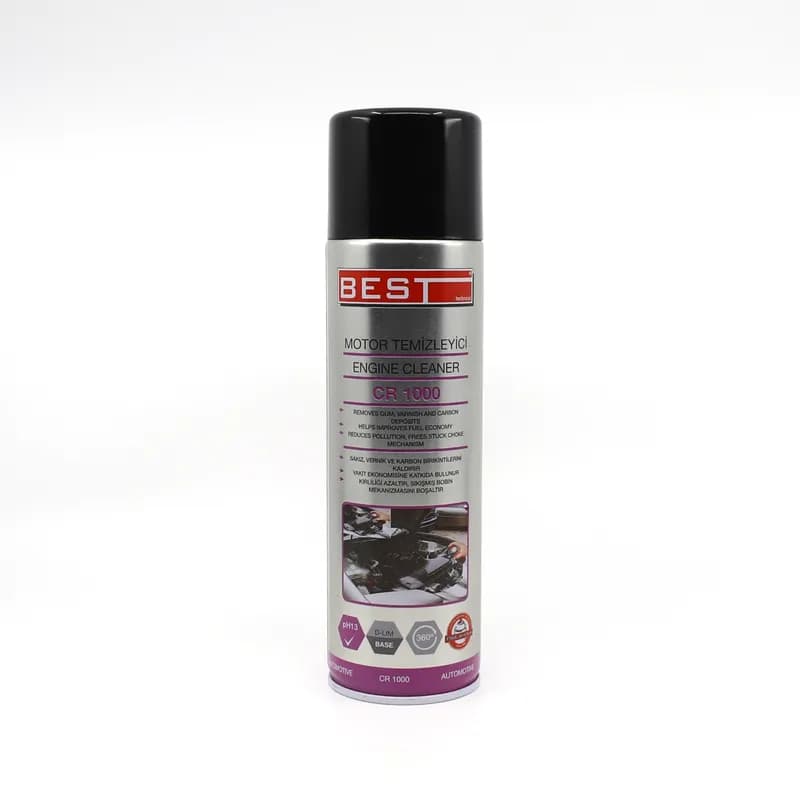
Best Engine Cleaner CR 1000 500 ml
Best · Car Wash & Care
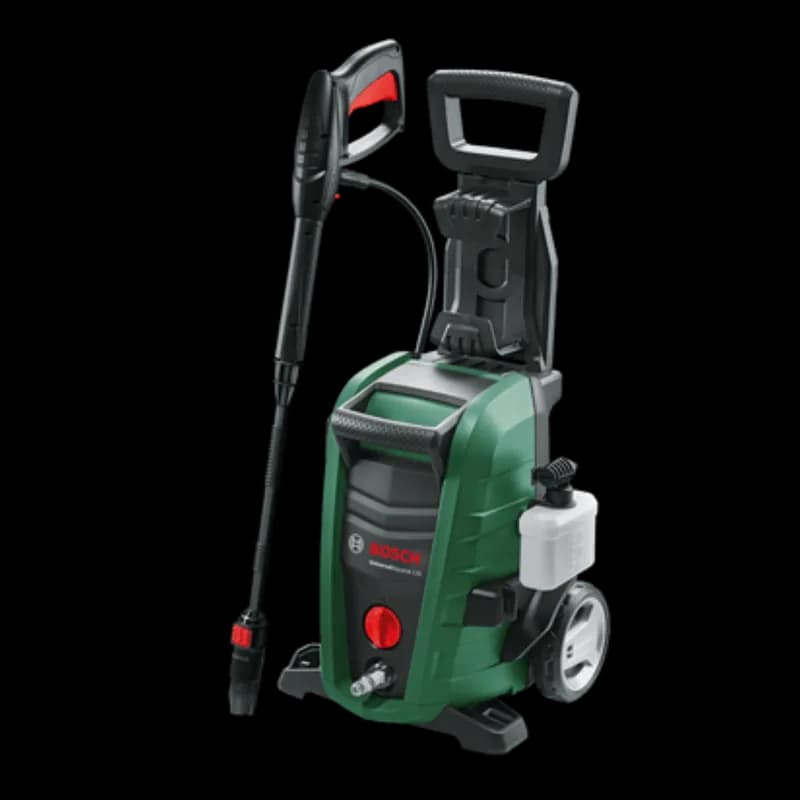
Bosch Pressure Washer AQUATAK135
Bosch · Car Wash & Care
Why brake cleaner must leave nothing behind
The coefficient of friction between pad and disc drops with even the thinnest oil film between them. That is why brake cleaner is formulated high-pressure and fully volatile: it strips the brake system of dust, solvent, grease and oil and leaves nothing behind.
The same property makes it a general parts cleaner: fast drying, safe on plastic and metal, and used to clean surfaces before assembly.
Engine and fuel system
Engine cleaner's solvent formula takes heavy oil, dirt, tar, sludge and deposits off the block quickly without harming painted or plastic parts. pH 13, contains D-limonene. For every kind of engine, including lawnmower, marine and motorcycle.
Carburettor cleaner works on the fuel side: a combination of concentrated solvents that removes dirt, gum and varnish deposits — the three things that block a carburettor.
Frequently Asked Questions
Does brake cleaner harm paint?
The manufacturer states it is safe on plastic and metal, but heavy spraying can mark paintwork. Wipe off any overspray immediately and avoid spraying directly onto painted panels.
Can engine cleaner be used on a hot engine?
The engine should be warm, not hot: on a hot surface the product evaporates before it cleans. Protect electrical connections and the air intake.
How is starting fluid used?
A short burst into the air intake is enough; it helps the mixture catch while cranking. Excessive use is harmful to the engine.
Does tar remover harm paint?
The manufacturer states it lifts stubborn stains without harming the vehicle's paint and is non-abrasive; rinsing the surface afterwards is recommended.