Categories
Circular Saw Blades
Three figures decide a circular saw blade: outside diameter, bore, and tooth count. Tooth count sets the finish and tooth geometry decides the material. The catalogue holds over 210 blades.

Makita HS009GT201 235MM Circular Saw Blade 40V Cordless
Makita · Circular Saw Blades

GFB Panel Saw Blade 3.2 mm
GFB · Circular Saw Blades
Makita A88864 Wood Circular Saw Blade 110x24 Teeth
Makita · Circular Saw Blades
Makita 7920108 Wood Circular Saw Blade 110x50 Teeth
Makita · Circular Saw Blades
Makita 7920124 Wood Circular Saw Blade 110x60 Teeth
Makita · Circular Saw Blades
Makita A80612 Wood Circular Saw Blade 160x40 Teeth
Makita · Circular Saw Blades
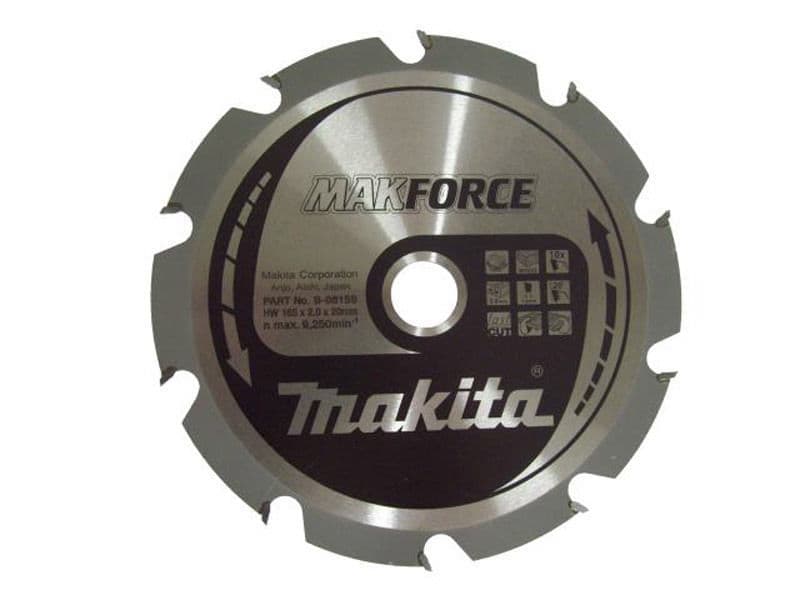
Makita B-08159 Wood Circular Saw Blade 165x10 Teeth
Makita · Circular Saw Blades
Makita D-09628 Wood Circular Saw Blade 165x16 Teeth
Makita · Circular Saw Blades
Makita D-52554 Wood Circular Saw Blade 165x16 Teeth
Makita · Circular Saw Blades
Makita A86038 Wood Circular Saw Blade 165x24 Teeth
Makita · Circular Saw Blades
Makita A89632 Wood Circular Saw Blade 165x24 Teeth
Makita · Circular Saw Blades
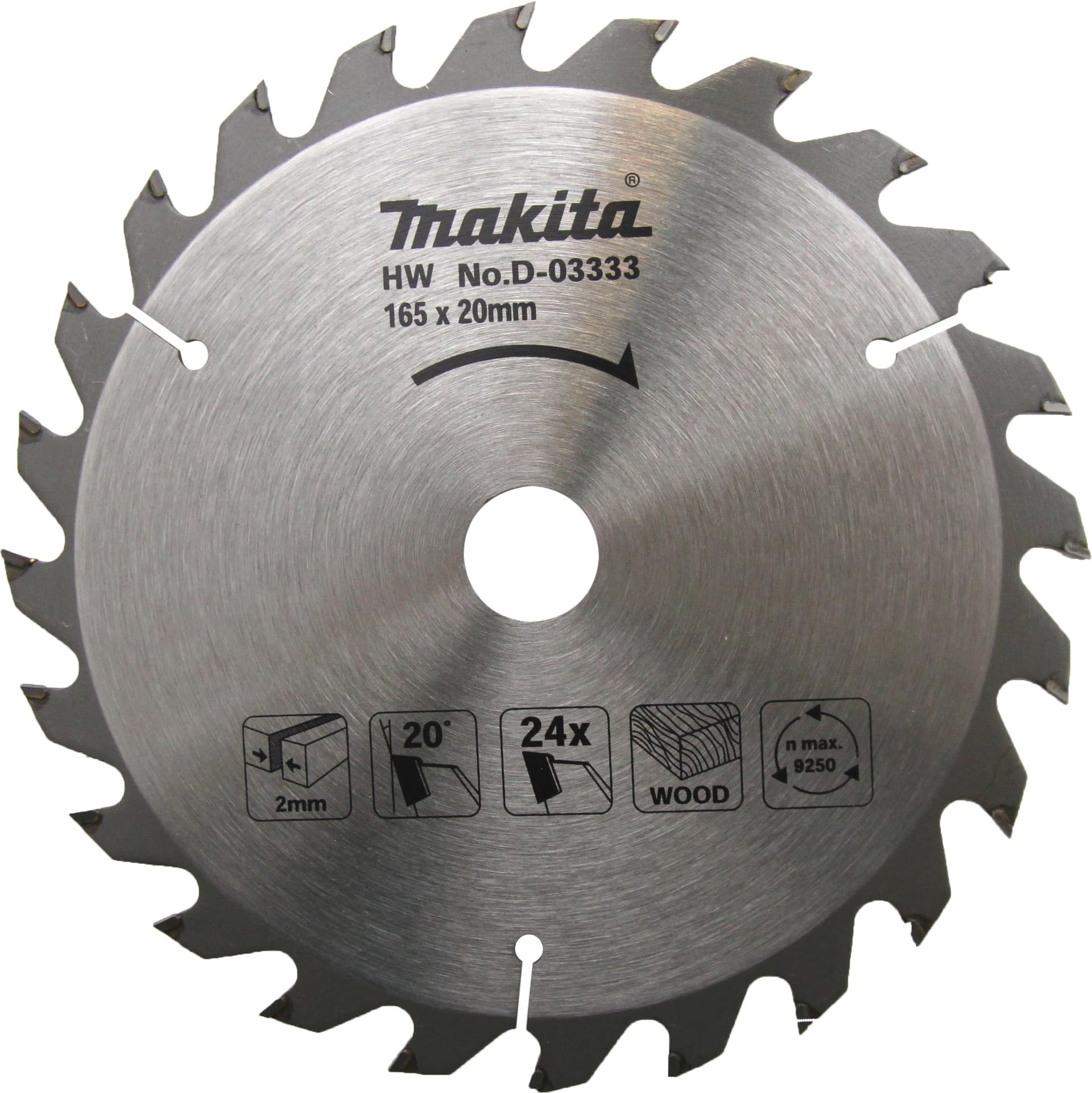
Makita D-03333 Wood Circular Saw Blade 165x24 Teeth
Makita · Circular Saw Blades
Makita D-52560 Wood Circular Saw Blade 165x24 Teeth
Makita · Circular Saw Blades
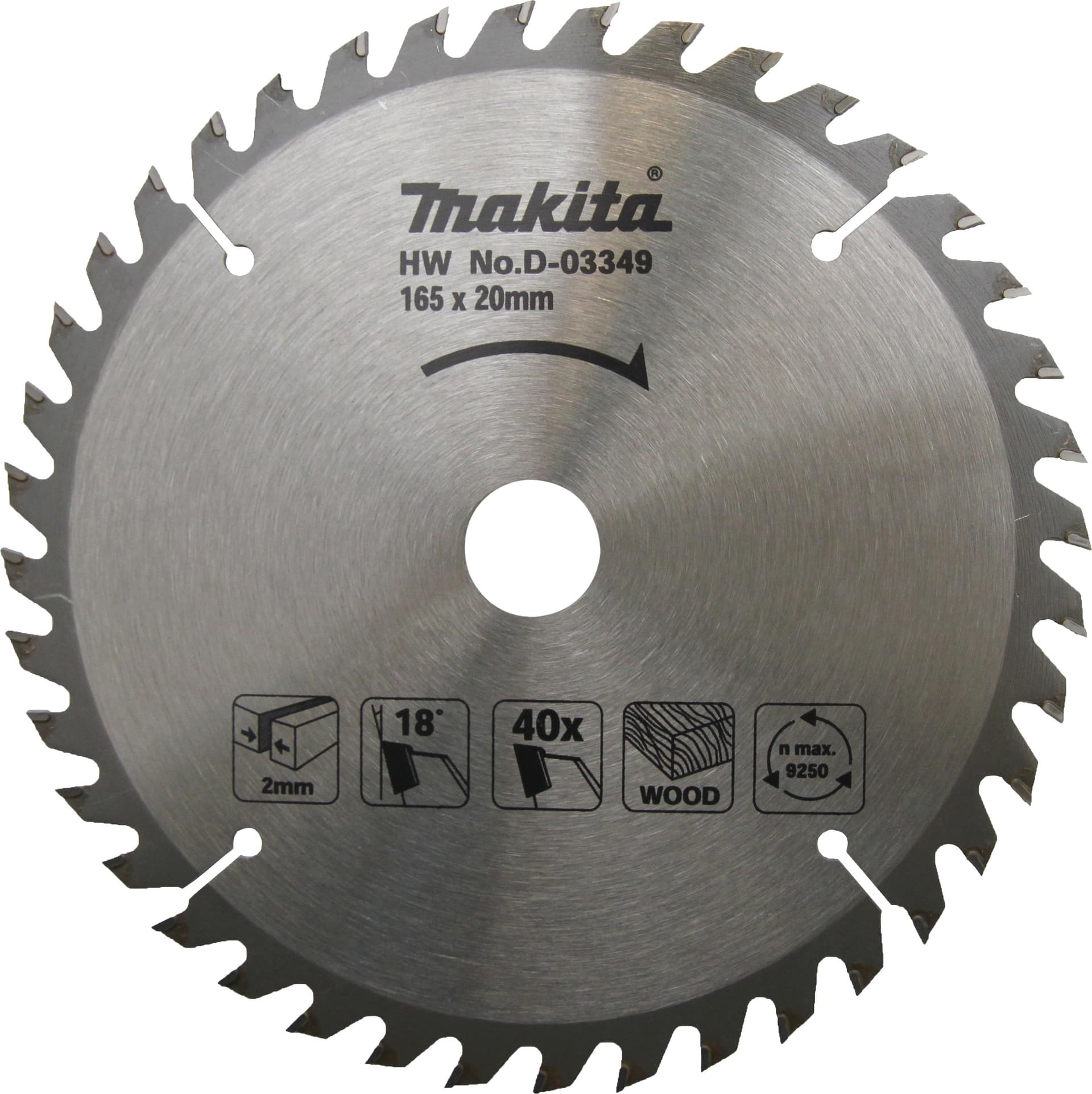
Makita D-03349 Wood Circular Saw Blade 165x40 Teeth
Makita · Circular Saw Blades
Makita D-52576 Wood Circular Saw Blade 165x40 Teeth
Makita · Circular Saw Blades
Makita B07353 Wood Circular Saw Blade 165x48 Teeth
Makita · Circular Saw Blades
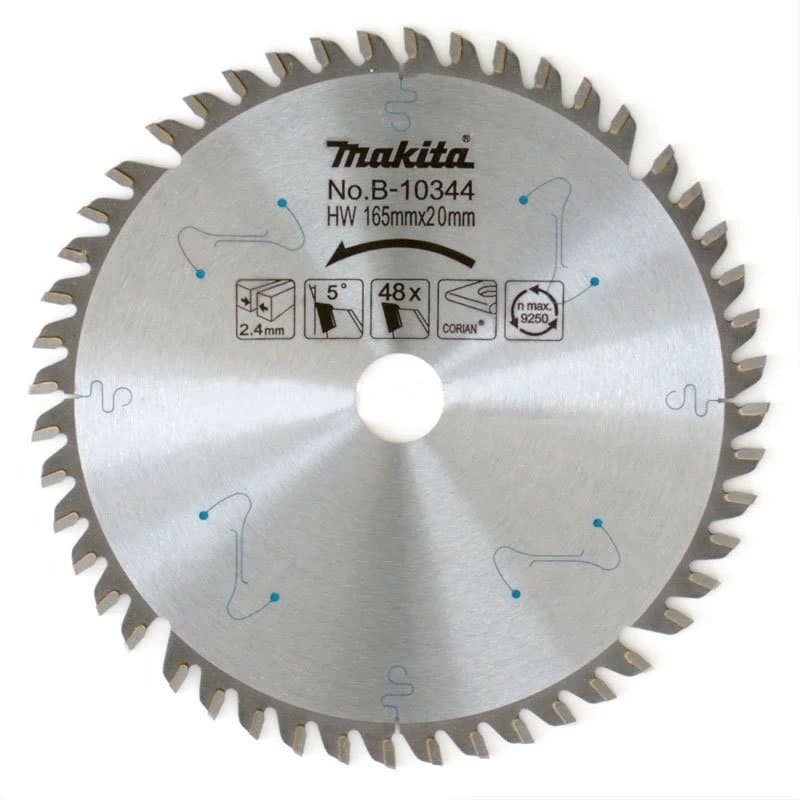
Makita B10344 Wood Circular Saw Blade 165x48 Teeth
Makita · Circular Saw Blades
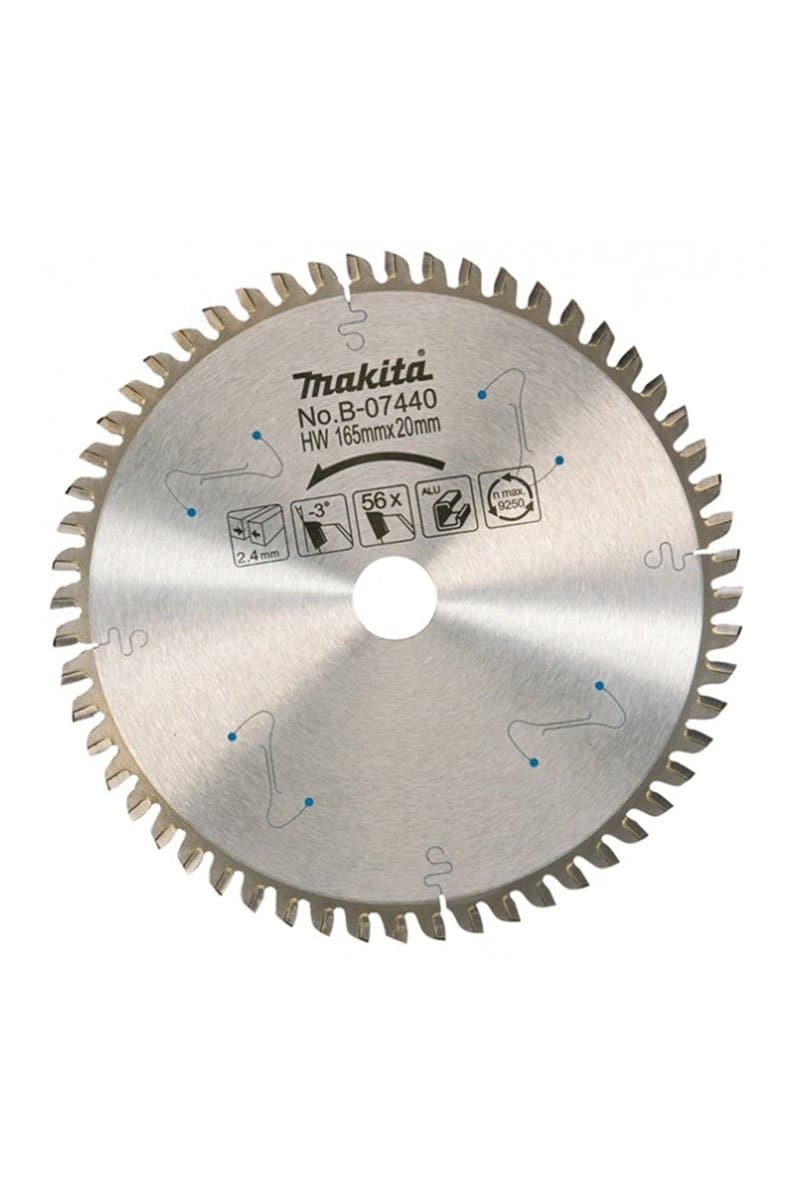
Makita B07440 Wood Circular Saw Blade 165x56 Teeth
Makita · Circular Saw Blades
Makita A81402 Wood Circular Saw Blade 180x24 Teeth
Makita · Circular Saw Blades
Makita A81913 Wood Circular Saw Blade 180x30 Teeth
Makita · Circular Saw Blades
Makita A81418 Wood Circular Saw Blade 180x40 Teeth
Makita · Circular Saw Blades
Makita A86050 Wood Circular Saw Blade 185x16 Teeth
Makita · Circular Saw Blades
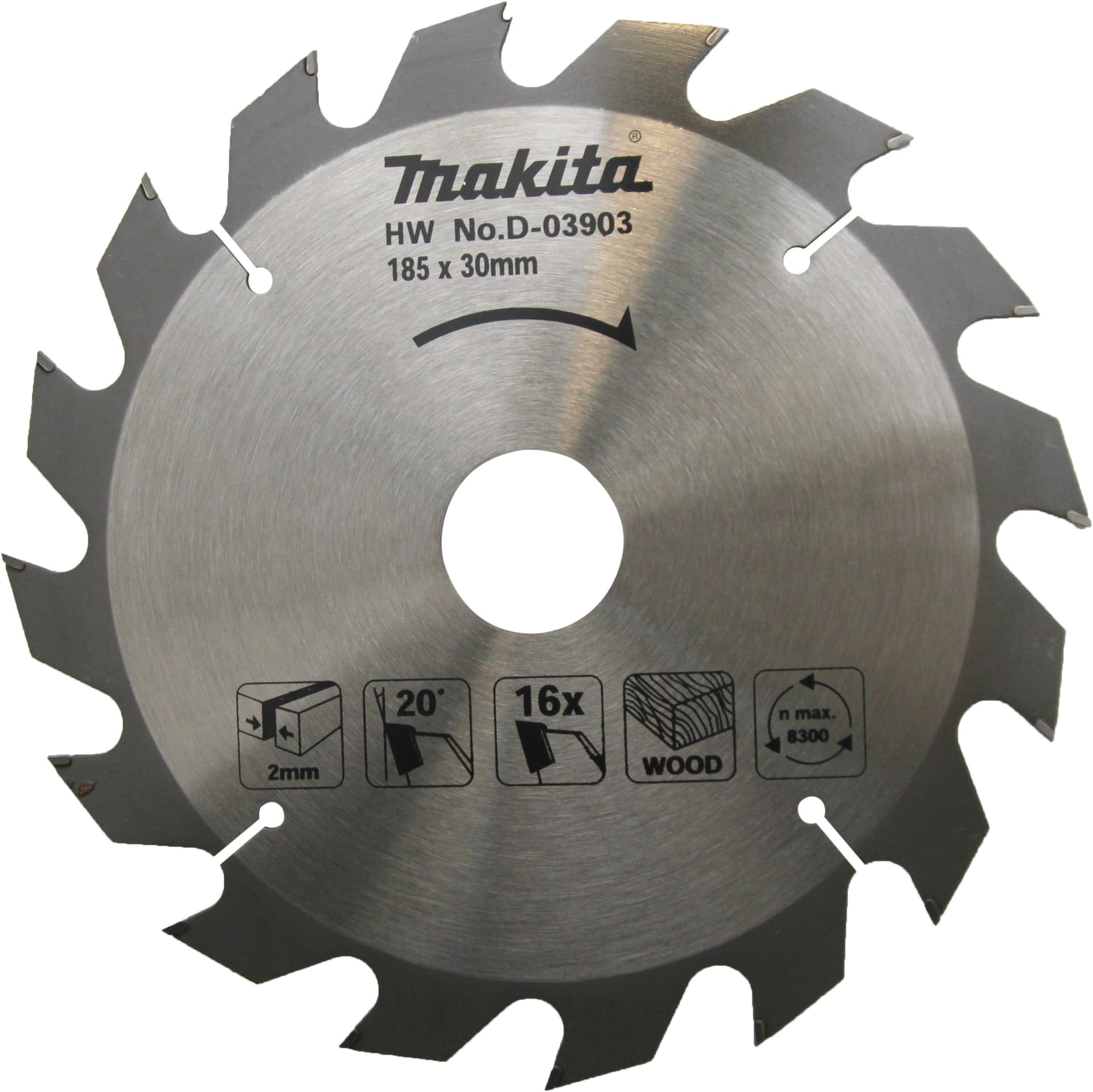
Makita D-03903 Wood Circular Saw Blade 185x16 Teeth
Makita · Circular Saw Blades
Makita D-52582 Wood Circular Saw Blade 185x16 Teeth
Makita · Circular Saw Blades
1–24 of 228 · page 1 / 10
Tooth count and material
Fewer teeth cut fast and rough, more teeth cut slow and clean. Choose by material first, then by the finish you need.
| Material | Teeth | Note |
|---|---|---|
| Ripping timber | 18-24 | Fast feed, rough edge |
| Cross-cutting timber | 40-60 | Clean edge |
| Laminate / MDF | 60-80 | No breakout |
| Aluminium | Negative rake, high count | Geometry that resists grabbing |
| Steel (cold cutting) | Carbide tipped, low speed | Chips, no sparks |
Diameter, bore and speed
Outside diameter sets the machine's depth of cut and must not exceed what the machine allows. Bore size is machine specific; reducing rings work in some cases but reduce centring accuracy.
Every blade carries a maximum permitted speed, and it must exceed the machine's. In aluminium and laminate, negative rake blades do not grab the work and cut more controllably.
Frequently Asked Questions
What does tooth count change?
Cutting speed and edge quality. 18-24 for fast ripping, 40-60 for clean cross cuts, 60-80 for laminate and MDF.
Can a timber blade cut metal?
It should not. Metal needs carbide tipped blades running slow; a timber blade loses teeth and is dangerous in metal.
What if the bore does not match?
A reducing ring works in some cases but lowers centring accuracy and raises vibration. The right answer is a blade with the correct bore for the machine.
What is a negative rake blade for?
The teeth shear rather than pull into the work, which gives a more controlled, cleaner cut in aluminium, laminate and on mitre saws.
What does the speed marked on a blade mean?
The maximum speed the blade withstands, and it must be higher than the machine's. Fitting a lower-rated blade to a faster machine is dangerous.