Categories
Economy Cones
TPE economy cones are listed in 50, 52, 75 and 90 cm at 0.9-2.4 kg, alongside impact-resistant bollard-type cones in 45, 50, 75 and 90 cm. They are the economical choice for temporary layouts, indoor routing and event work.
50 cm Ekonomik Trafik ve Reklam Konisi
Economy Cones
50 cm TPE Koni 0.9 kg (Eko)*** Aparat Gerekmez
Economy Cones
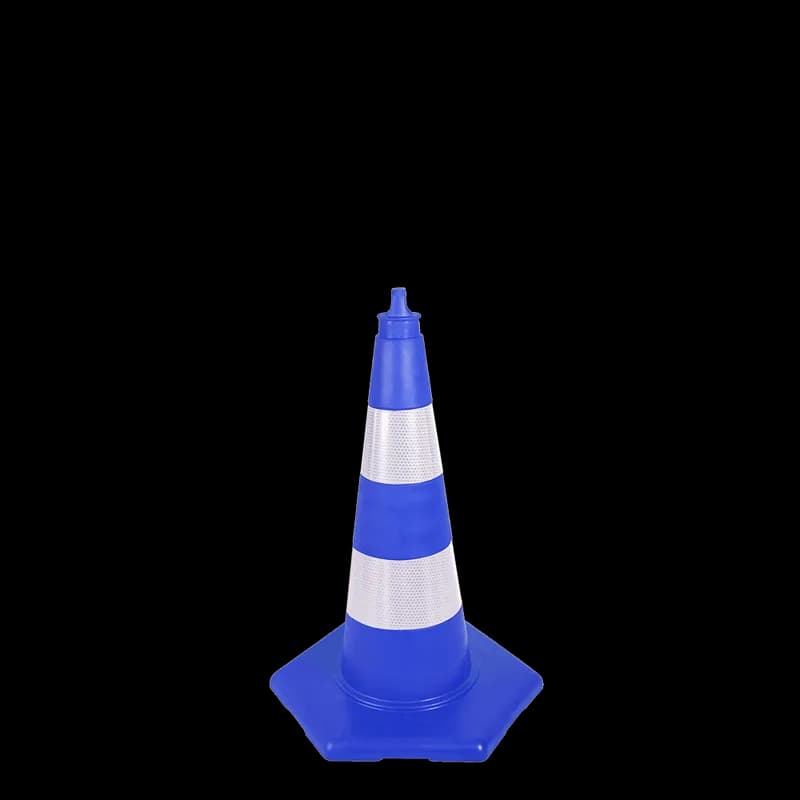
52 cm Eko Mavi Koni
Economy Cones
52 cm TPE Koni 0,9 kg (Eko)***
Economy Cones
75 cm TPE Koni 1,5 kg (Eko)***
Economy Cones
75 cm TPE Koni 2 kg (Eko)***
Economy Cones
90 cm TPE Koni 90 cm 2,4 kg (Eko)***
Economy Cones
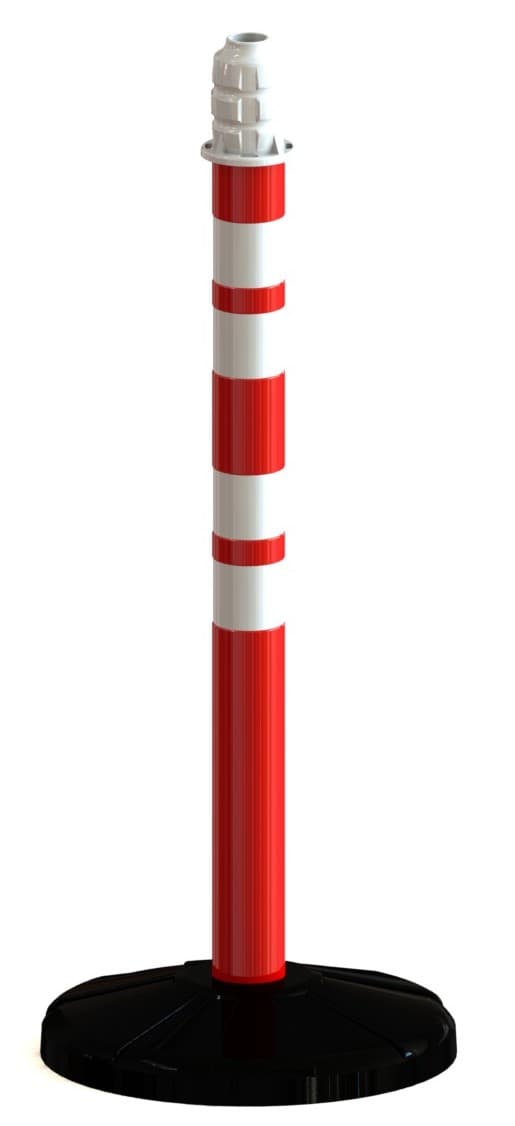
Dubalı Uyarı Dikmesi 1000 mm
Max Safety · Economy Cones
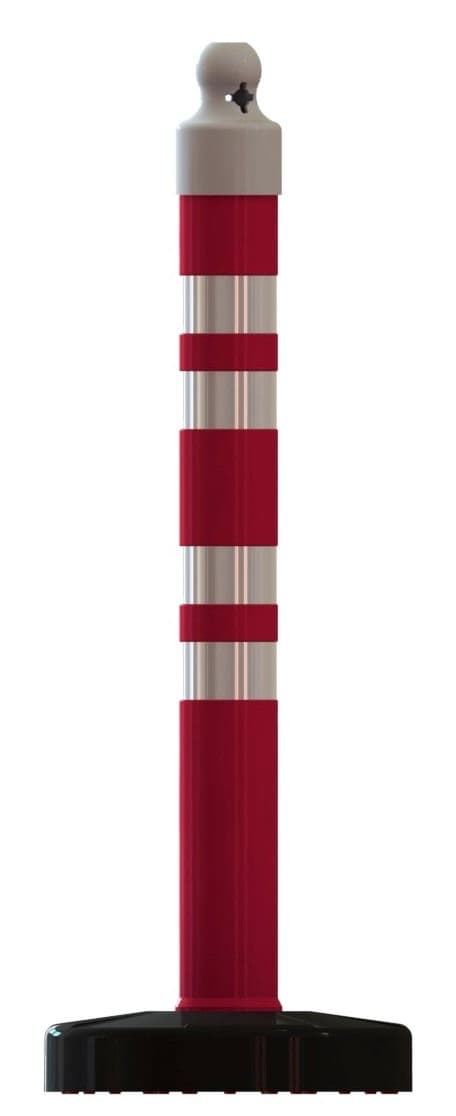
Dubalı Uyarı Dikmesi 1200 mm
Max Safety · Economy Cones
Gri Reklam Dubası
Economy Cones
Gri Reklam Dubası
Economy Cones
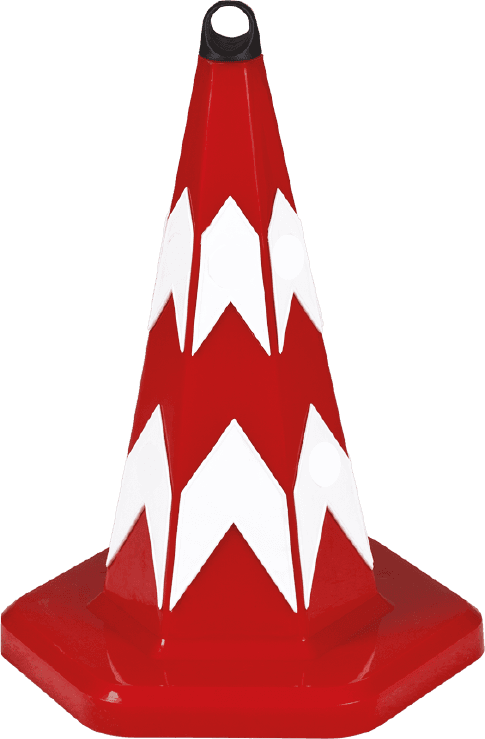
Kedi Gözlü Reklam Konisi 50 cm
Max Safety · Economy Cones
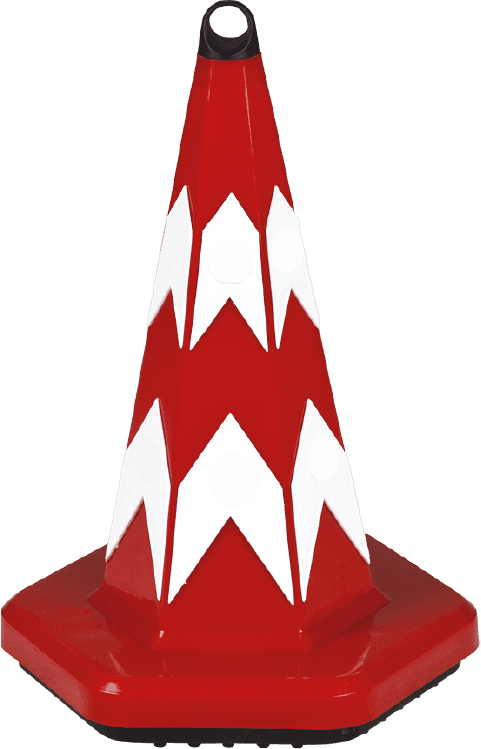
Kedi Gözlü Reklam Konisi 50 cm
Max Safety · Economy Cones
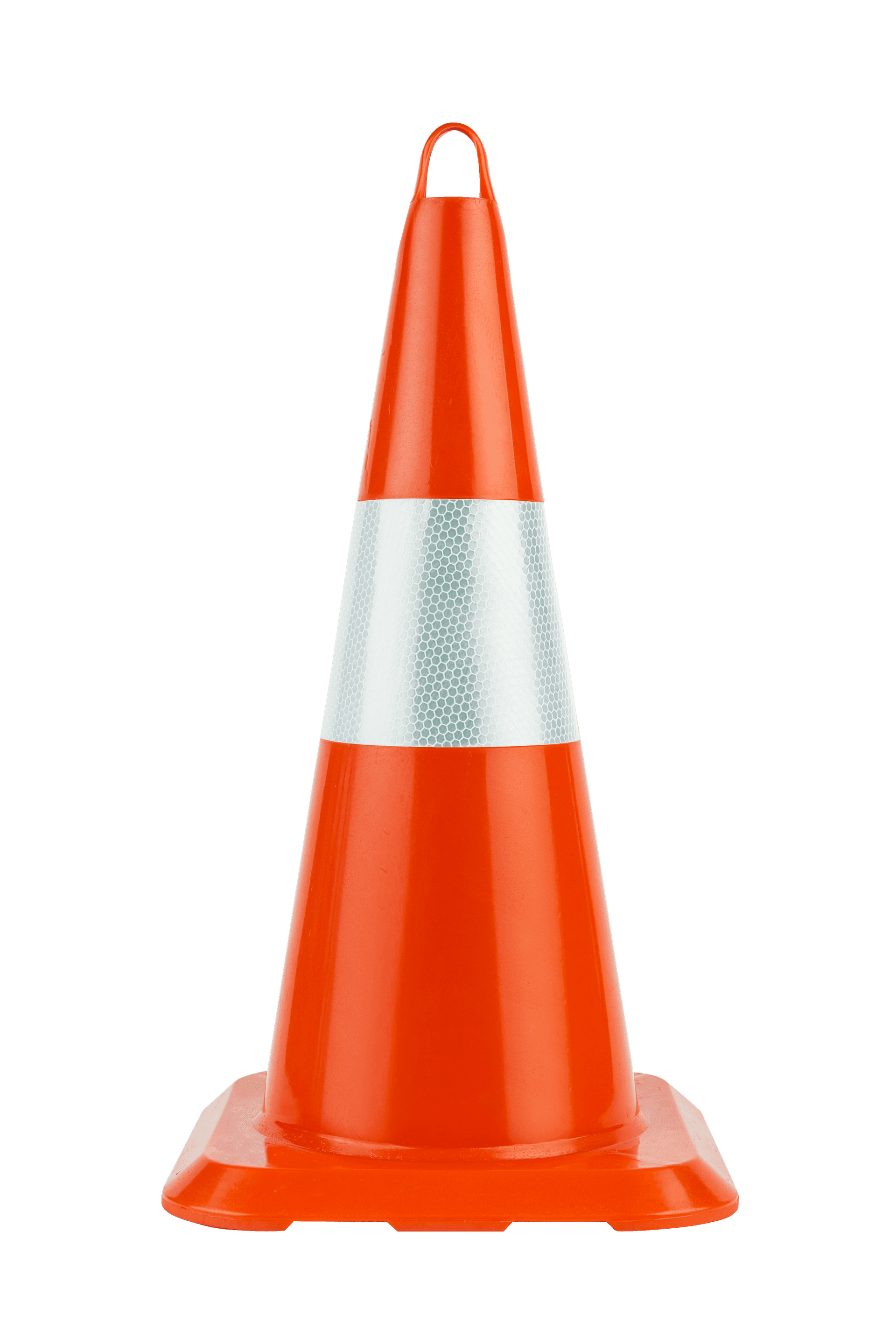
Kırılmaz Koni 50 cm
Max Safety · Economy Cones
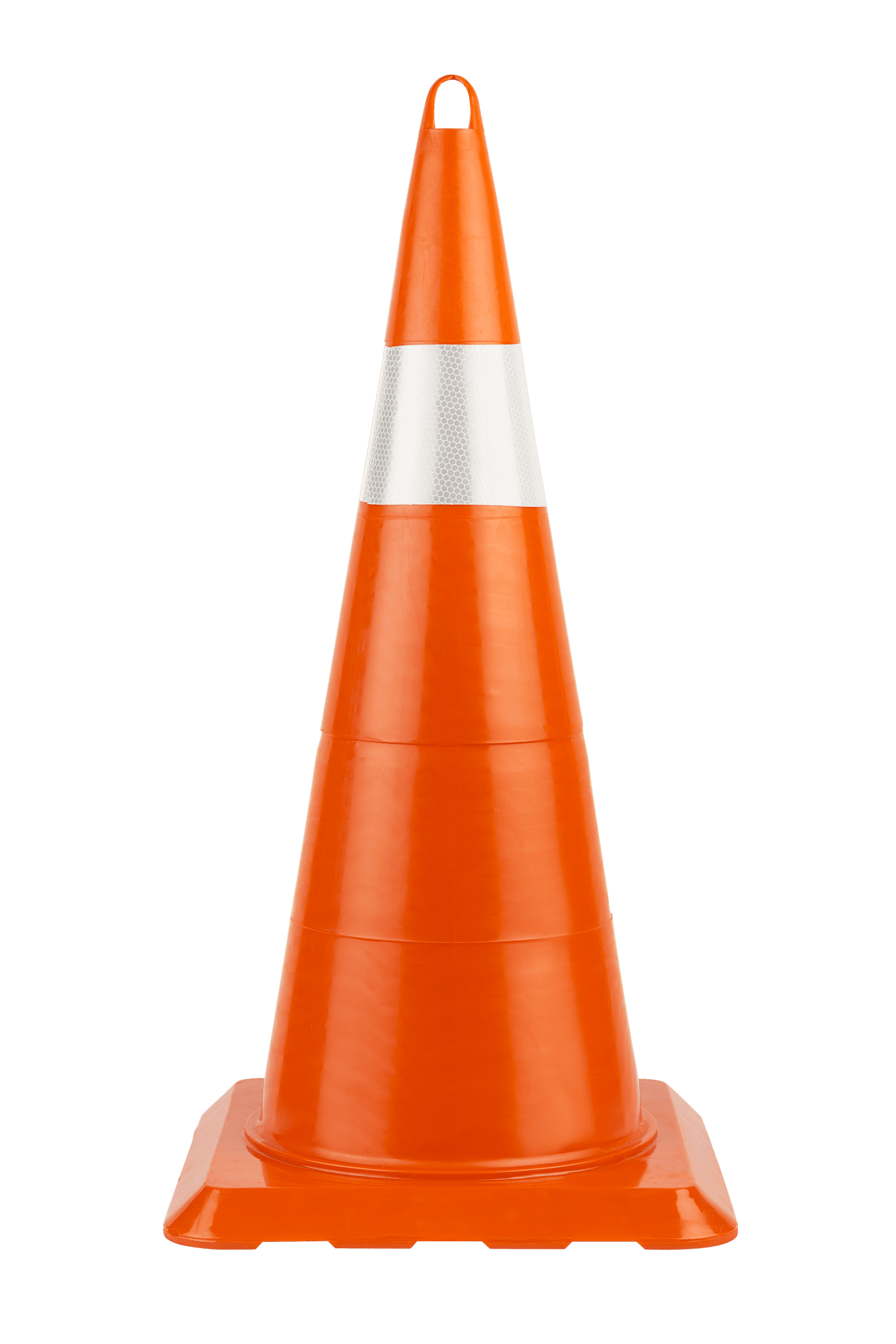
Kırılmaz Koni 75 cm
Max Safety · Economy Cones
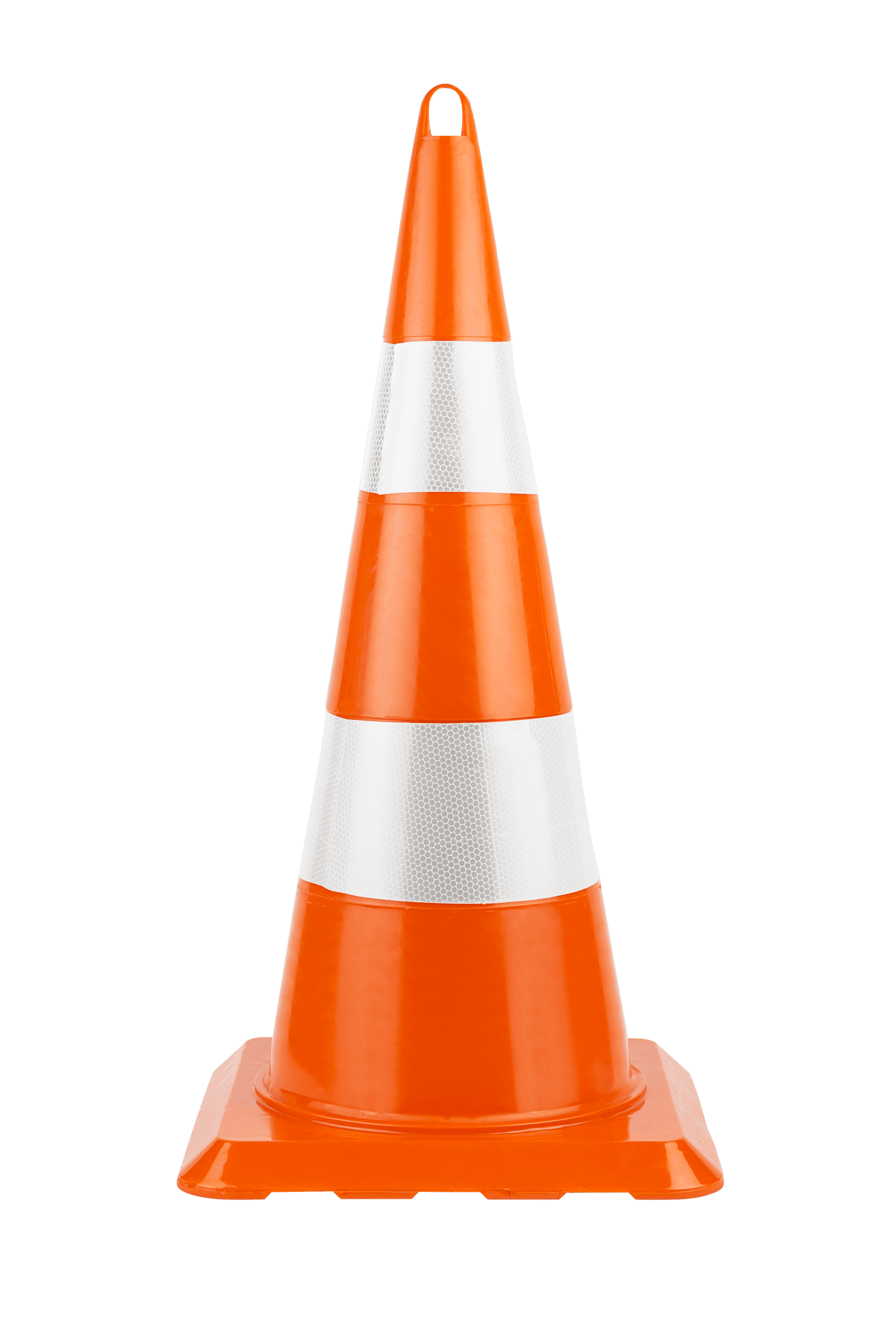
Kırılmaz Koni 75 cm
Max Safety · Economy Cones
Reklam Dubası
Economy Cones
Reklam Dubası
Economy Cones
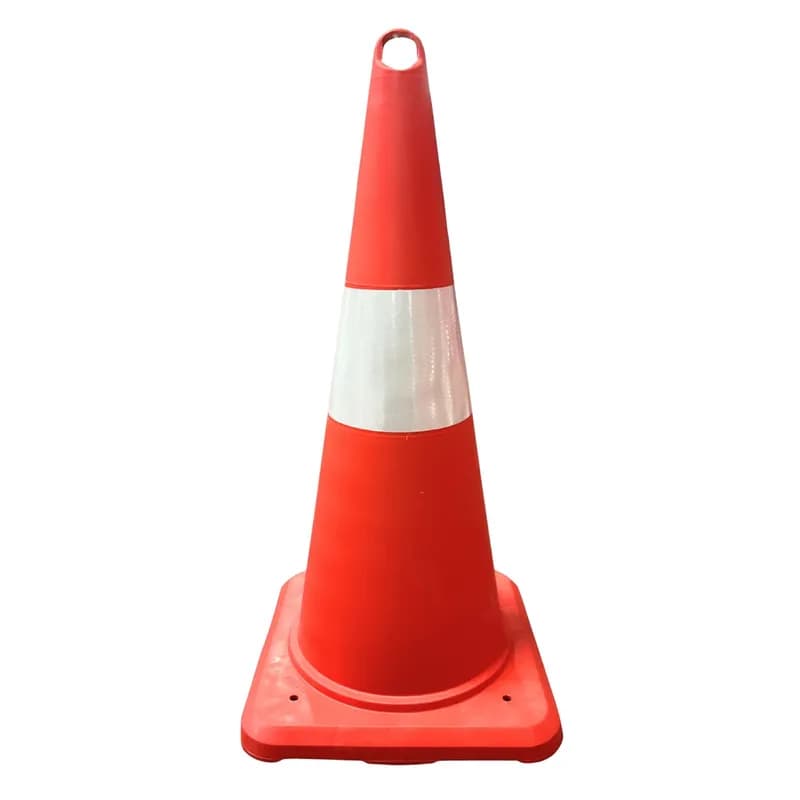
Trafik Koni Kırılmaz (Duba) 45 cm
Economy Cones
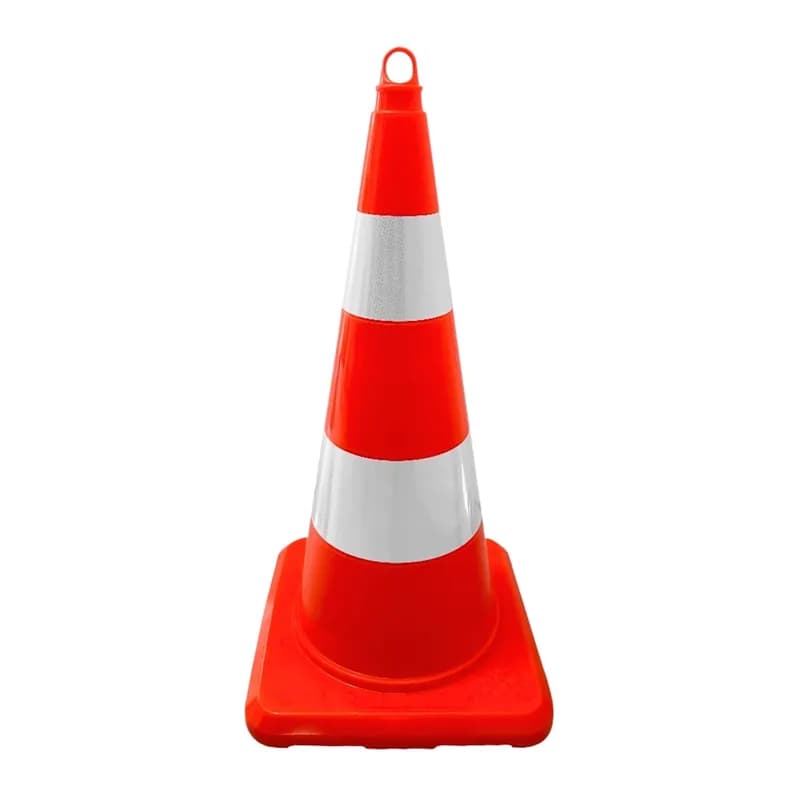
Trafik Koni Kırılmaz (Duba) 90 cm
Economy Cones
Trafik Koni Kırılmaz (DUBA)75 cm
Economy Cones
TPE Cones and Impact-Resistant Bollards
TPE cones are markedly lighter than PVC bodies: 50-52 cm models around 0.9 kg, 75 cm models 1.5-2 kg and the 90 cm model around 2.4 kg. That makes them easier to carry and store and cheaper per unit, though in windy or live-traffic positions they may need a cone weight to stay upright.
Impact-resistant bollard-type cones use a flexible body that returns to shape after being struck. They cut replacement frequency at car park entrances, narrow passages and manoeuvring areas where contact is frequent, and are listed in 45, 50, 75 and 90 cm.
- 50 cm TPE 0.9 kg and 52 cm TPE 0.9 kg — indoor yards, short-term routing
- 75 cm TPE 1.5 kg and 2 kg — temporary road and site layouts
- 90 cm TPE 2.4 kg — high visibility on an economical body
- Impact-resistant bollards 45 / 50 / 75 / 90 cm — return to shape after impact
- Cat's-eye and printable advertising cones — events and promotion
Economy or PVC?
The choice follows how long the cone stays out and in what conditions. In sheltered, low-speed areas — covered car parks, warehouses, campuses, events — TPE cones do the job and cut cost per unit. For live roadworks, exposed windy ground and continuous use, PVC bodies last longer.
For promotional work, printable economy cones and cat's-eye advertising cones provide a branding surface while still performing their routing function.
Frequently Asked Questions
How do TPE and PVC cones differ?
TPE cones are lighter (0.9-2.4 kg) and cheaper, easy to carry and store, and suited to sheltered, low-speed areas. PVC cones are heavier and more weather-durable, which is what live traffic, exposed positions and continuous use call for.
Will a light cone blow over?
Cones in the 0.9-1.5 kg class can tip in open, windy areas. Either move up to a heavier body or add a cone weight to the base of your existing stock — weights are listed separately in the accessories group.
When does an impact-resistant bollard cone make sense?
Wherever vehicles hit cones often — car park entrances and exits, narrow passages, manoeuvring areas. The flexible body returns to shape after impact, so replacement frequency and the cost that follows it both drop.