Categories
Router Bits
A router bit removes material as it turns, cutting a groove, a profile or an edge; its shank diameter decides which collet it fits and its cutting geometry decides what it does. The catalogue holds over 430 cutters.
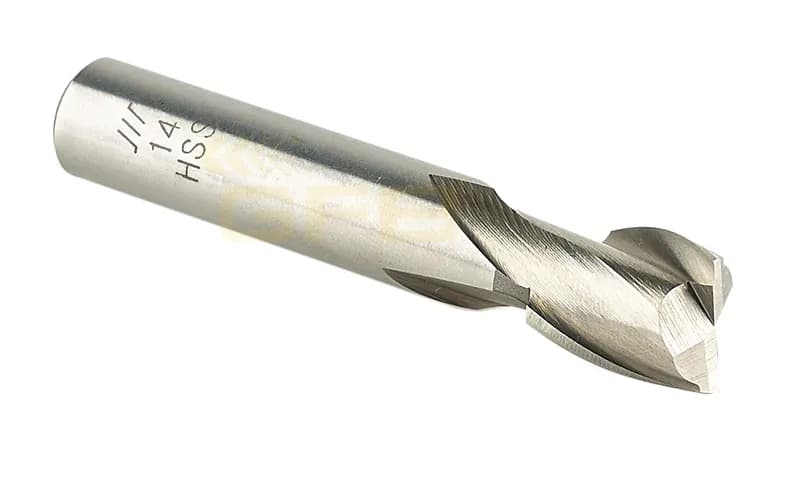
GFB End Mill 10 mm 2 Flute
GFB · Router Bits
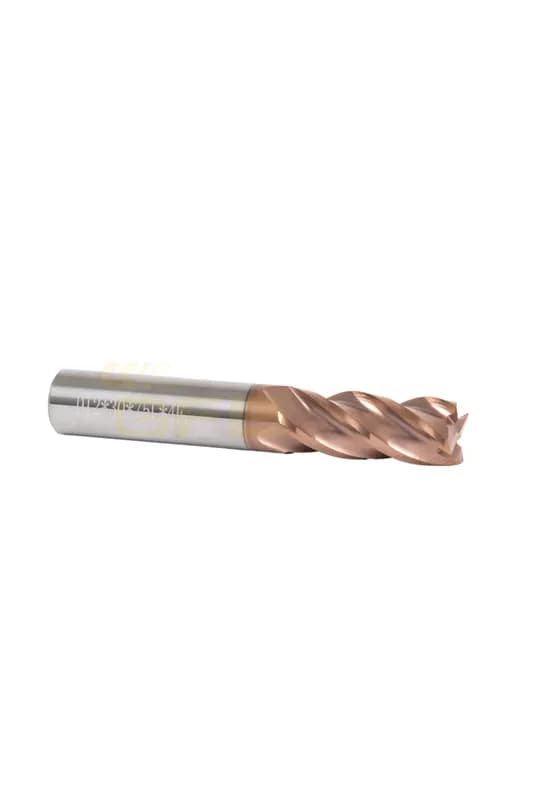
GFB Diamond Coated End Mill 10 mm
GFB · Router Bits
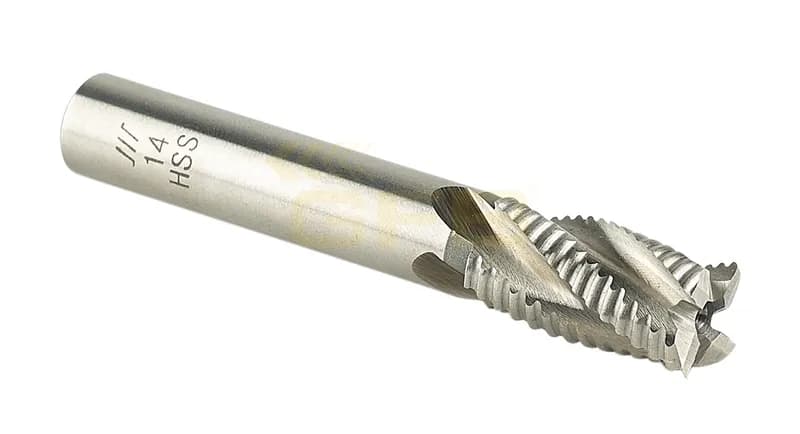
GFB Roughing End Mill 10 mm
GFB · Router Bits
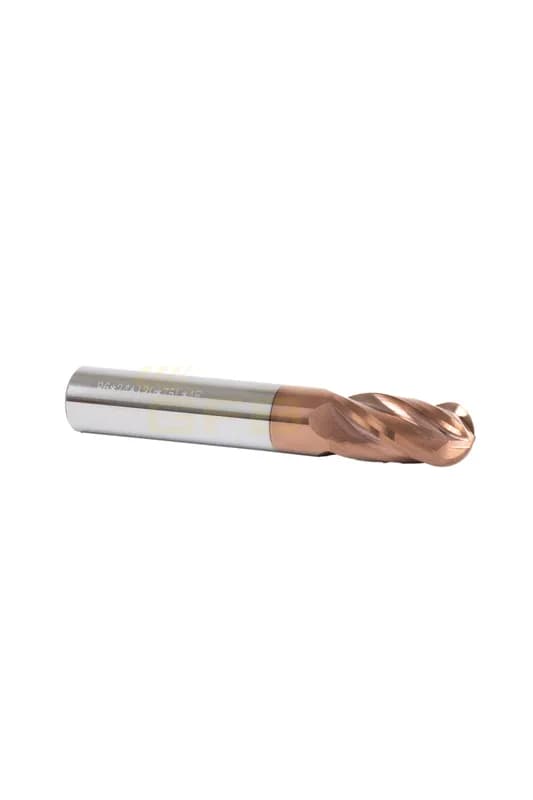
GFB Ball Nose Diamond End Mill 10 mm
GFB · Router Bits
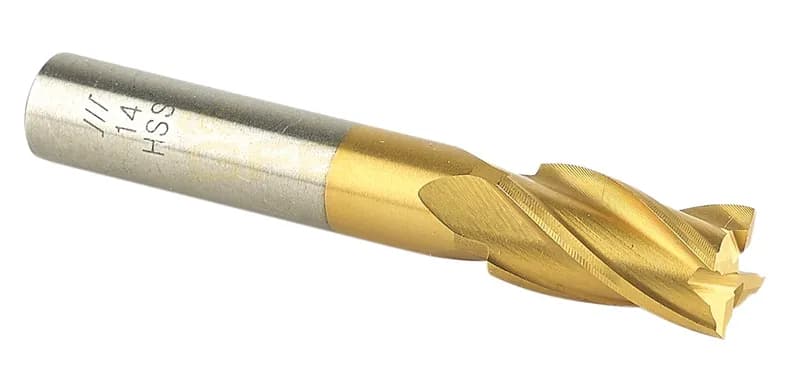
GFB TiN Coated End Mill 10 mm
GFB · Router Bits

GFB Long Series End Mill 10 mm
GFB · Router Bits
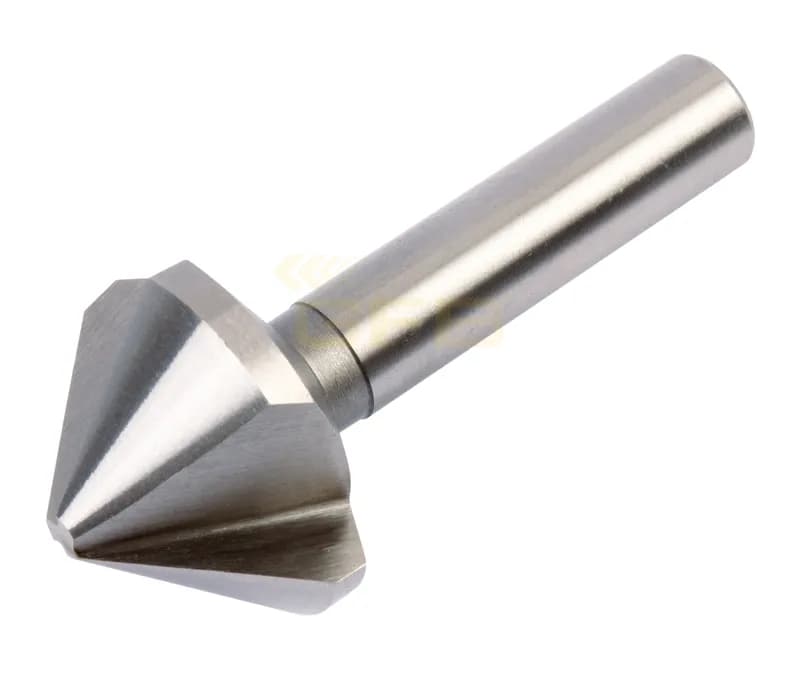
GFB HSS Countersink 10.4 mm 90°
GFB · Router Bits
GFB Diamond Coated End Mill 1 mm
GFB · Router Bits
GFB Diamond Coated End Mill 11 mm
GFB · Router Bits
GFB End Mill 12 mm 2 Flute
GFB · Router Bits
GFB Diamond Coated End Mill 12 mm
GFB · Router Bits
GFB Roughing End Mill 12 mm
GFB · Router Bits
GFB Ball Nose Diamond End Mill 12 mm
GFB · Router Bits
GFB TiN Coated End Mill 12 mm
GFB · Router Bits
GFB Long Series End Mill 12 mm
GFB · Router Bits
GFB HSS Countersink 12.4 mm 90°
GFB · Router Bits
GFB Diamond Coated End Mill 13 mm
GFB · Router Bits
GFB End Mill 14 mm 2 Flute
GFB · Router Bits
GFB Diamond Coated End Mill 14 mm
GFB · Router Bits
GFB Roughing End Mill 14 mm
GFB · Router Bits
GFB Ball Nose Diamond End Mill 14 mm
GFB · Router Bits
GFB TiN Coated End Mill 14 mm
GFB · Router Bits
GFB Long Series End Mill 14 mm
GFB · Router Bits
GFB Diamond Coated End Mill 1.5 mm
GFB · Router Bits
1–24 of 478 · page 1 / 20
Types and what they do
Router bits divide by the job. Most work in timber, MDF and plywood; aluminium takes single-flute cutters with a geometry made for it.
| Type | What it does | Typical job |
|---|---|---|
| Straight (groove) | Cuts a square-sided groove | Grooves, housings, jigs |
| Round-over | Rounds the edge to a radius | Furniture, worktop edges |
| Bearing guided | Follows the edge on a bearing | Trimming laminate, template work |
| V-groove | Cuts a V-section groove | Lettering, decorative carving |
| Profile cutter | Cuts a moulded edge | Doors, architrave, skirting |
| Joint cutters | Cuts joint housings | Timber joinery |
Collet size and speed
Shank diameter must match the collet exactly: an 8 mm shank goes in an 8 mm collet, and reducers introduce play and vibration. 6, 8 and 12 mm shanks are the common sizes; 12 mm is stiffer and preferred for large profile cutters.
Speed follows cutter diameter: as diameter grows so does rim speed, so slow the router down. Too fast burns the cutter, darkens the surface and increases vibration. Deep grooves are cut in stages, never in one pass.
- Shank diameter must match the collet exactly.
- Large diameter cutter means lower speed.
- Cut deep grooves in stages, not in one pass.
- Keep guide bearings clean and free to turn.
Frequently Asked Questions
How do I set router speed?
By cutter diameter. As diameter grows so does rim speed, so slow down; too fast burns the cutter, darkens the surface and raises vibration.
What is the difference between 6, 8 and 12 mm shanks?
Rigidity. A thicker shank vibrates less and leaves a cleaner surface with large cutters. The shank must match the router's collet exactly.
HSS or carbide router bits?
Carbide (TCT) lasts far longer in abrasive materials such as MDF, laminate and chipboard. HSS is economical in solid timber and low-volume work.
What is a bearing-guided cutter for?
The bearing keeps the cutter at a constant depth along the edge, following a template or an existing edge to repeat the same profile. A seized bearing burns the work, so keep it clean and free.
Can a deep groove be cut in one pass?
It should not be. One deep pass overloads the cutter, spoils the surface and overheats the machine. Deepen the groove in stages.