Categories
Hardness Testers
Hardness is a material's resistance to an indenter, and the method depends on the material. Rubber and plastics are measured on the Shore scales, metals by Rockwell or a portable (Leeb) tester. This shelf carries hardness testers, test stands, probes and a printer.
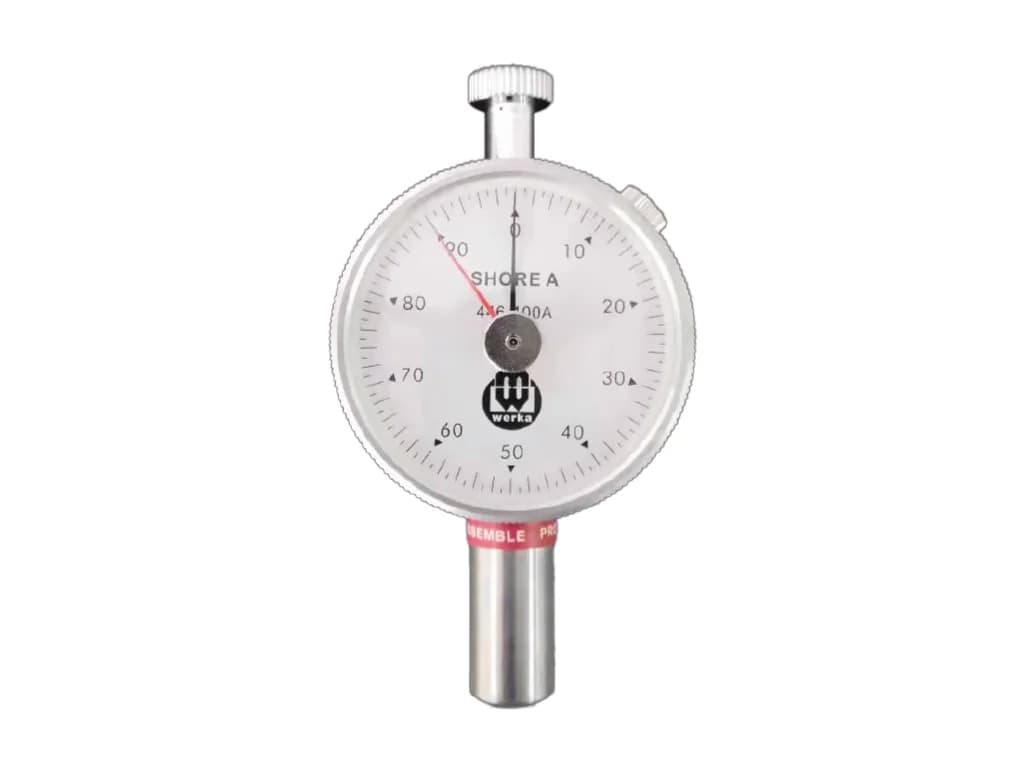
Werka Shore A Durometer 20-90 HA W446-100A
Werka · Hardness Testers
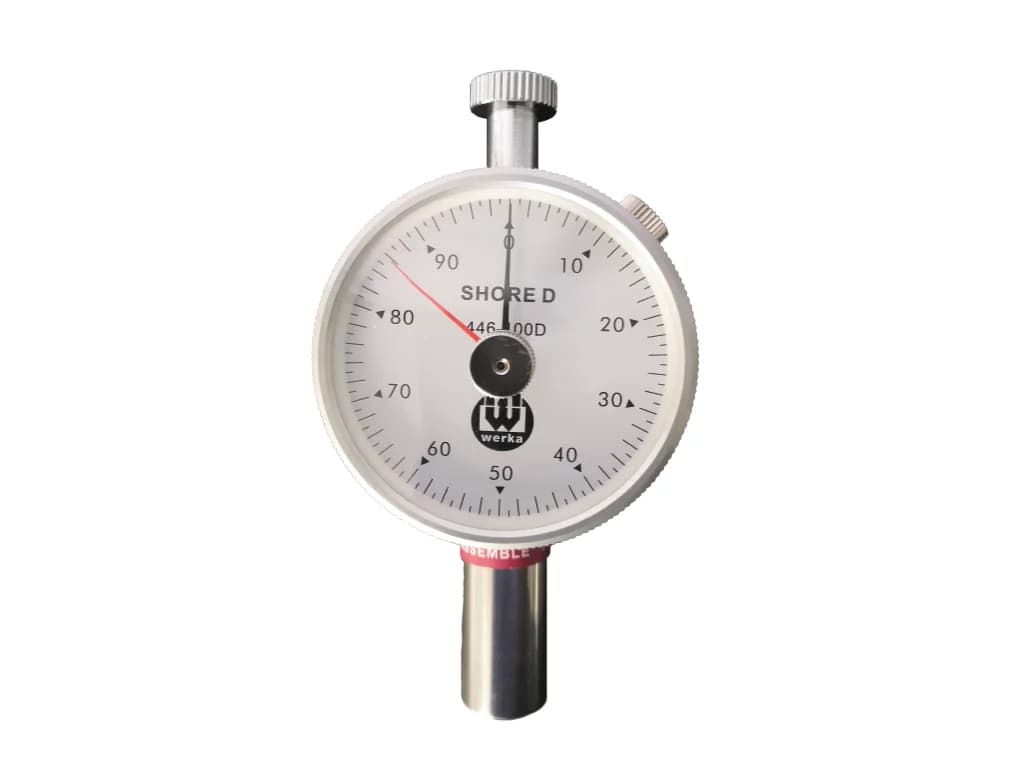
Werka Shore D Durometer 20-90 HD W446-100D
Werka · Hardness Testers
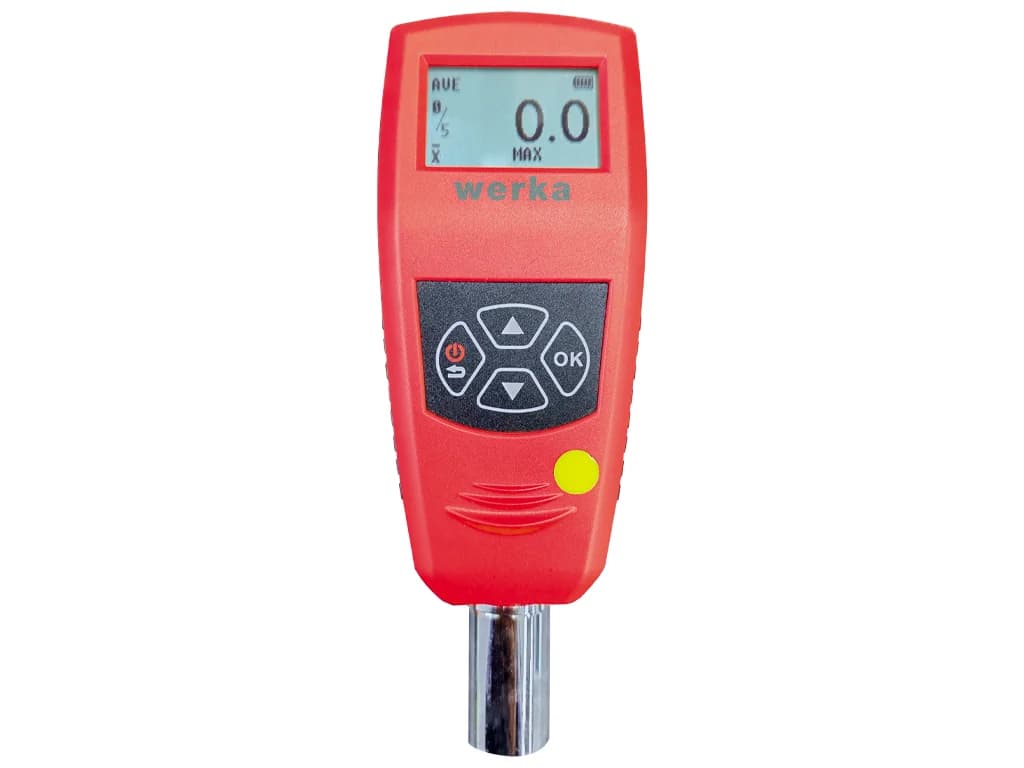
Werka Digital Shore A Durometer 100 x 0.1 HA W446-110A
Werka · Hardness Testers
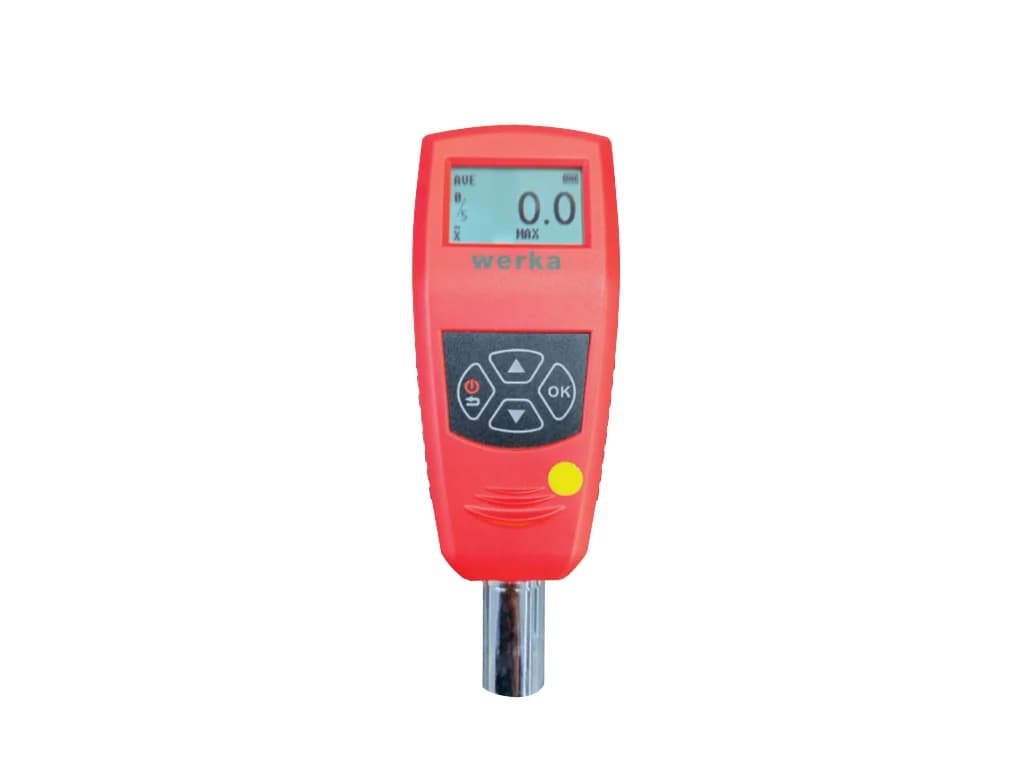
Werka Digital Shore D Durometer 100 x 0.1 HD W446-110D
Werka · Hardness Testers
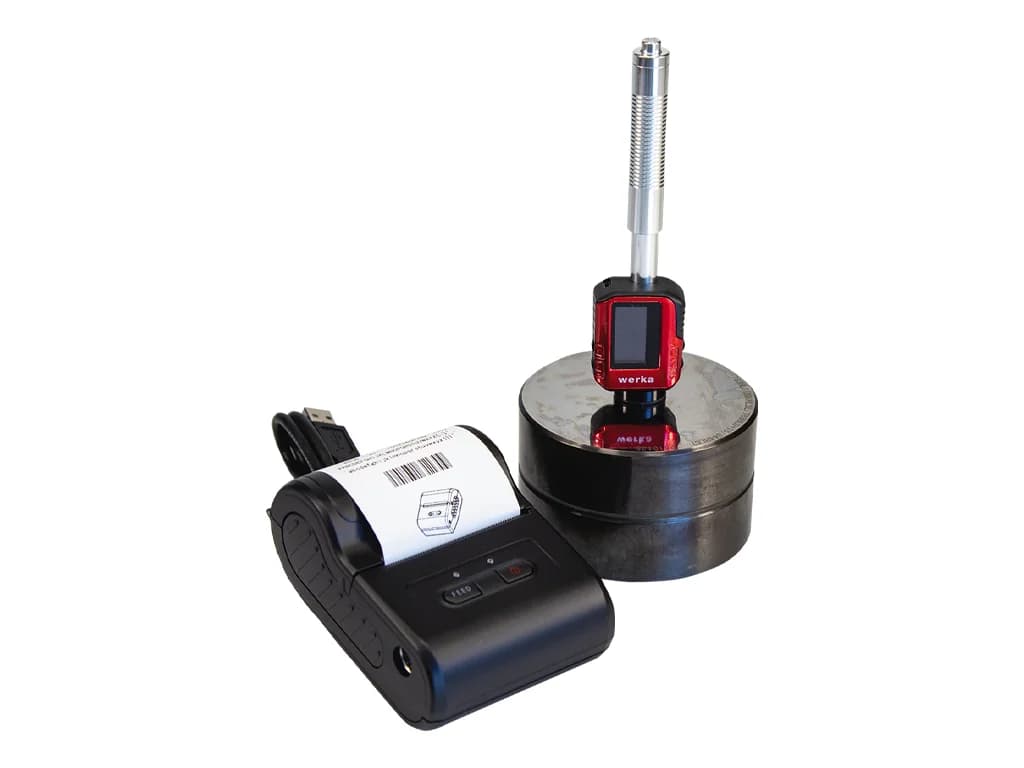
Werka Portable Hardness Tester W447-727-C
Werka · Hardness Testers
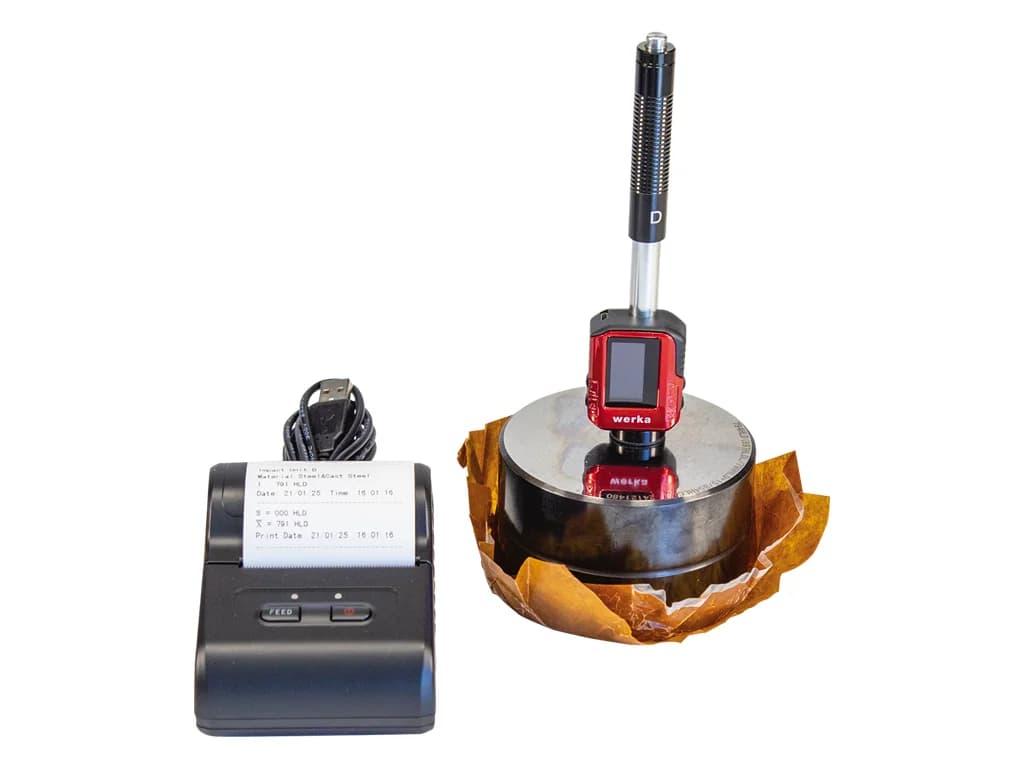
Werka Portable Hardness Tester W447-727-D
Werka · Hardness Testers
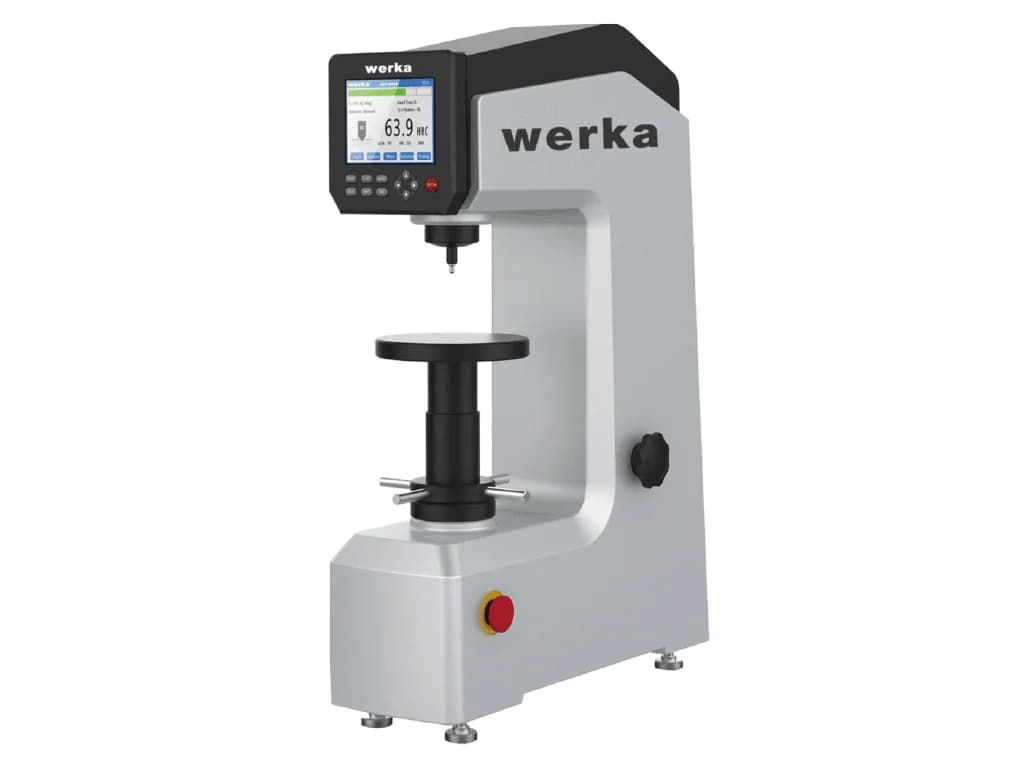
Werka Digital Rockwell Hardness Tester W447-9385
Werka · Hardness Testers
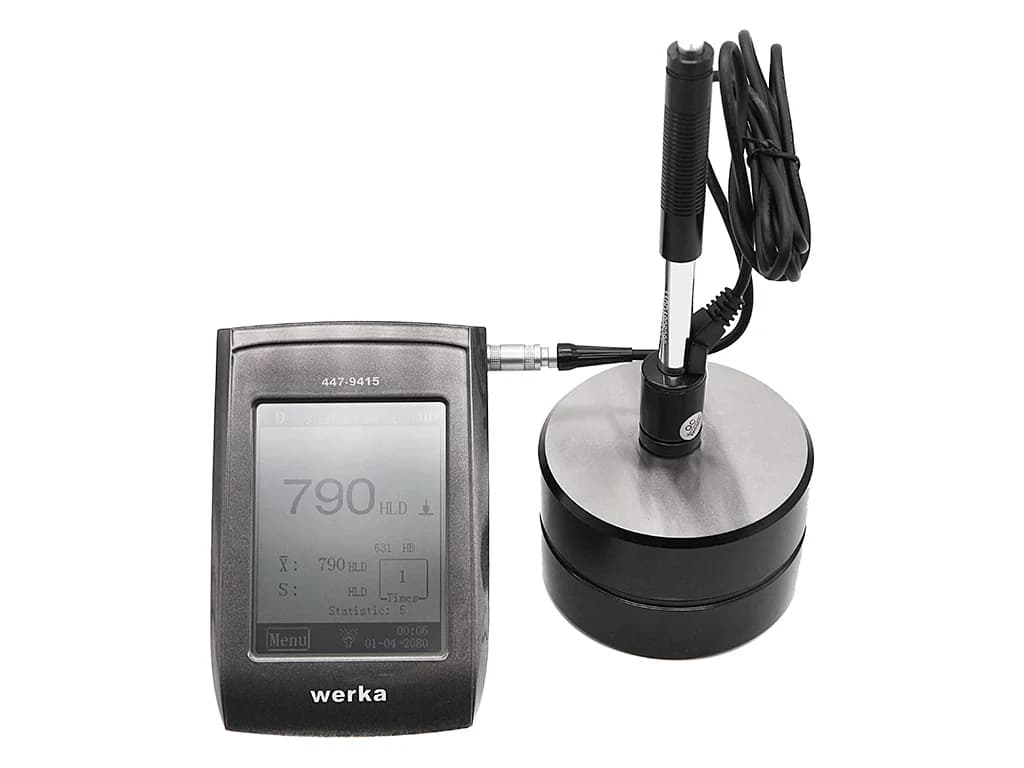
Werka Portable Hardness Tester W447-9415
Werka · Hardness Testers
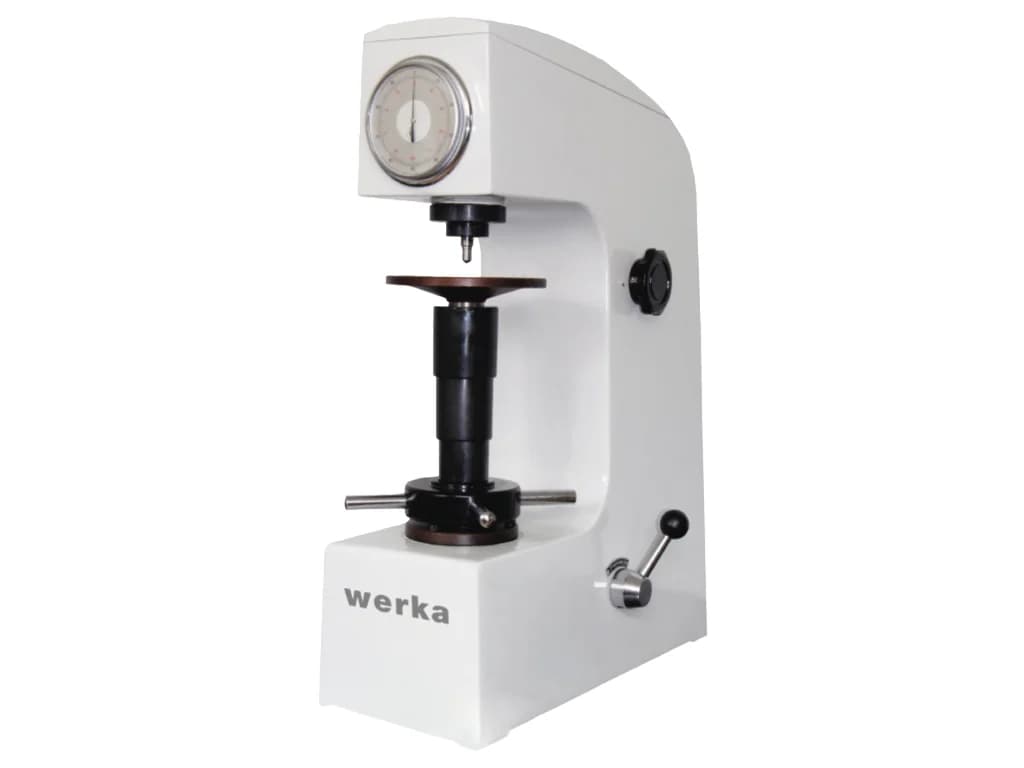
Werka Economy Hardness Tester W447-9586
Werka · Hardness Testers
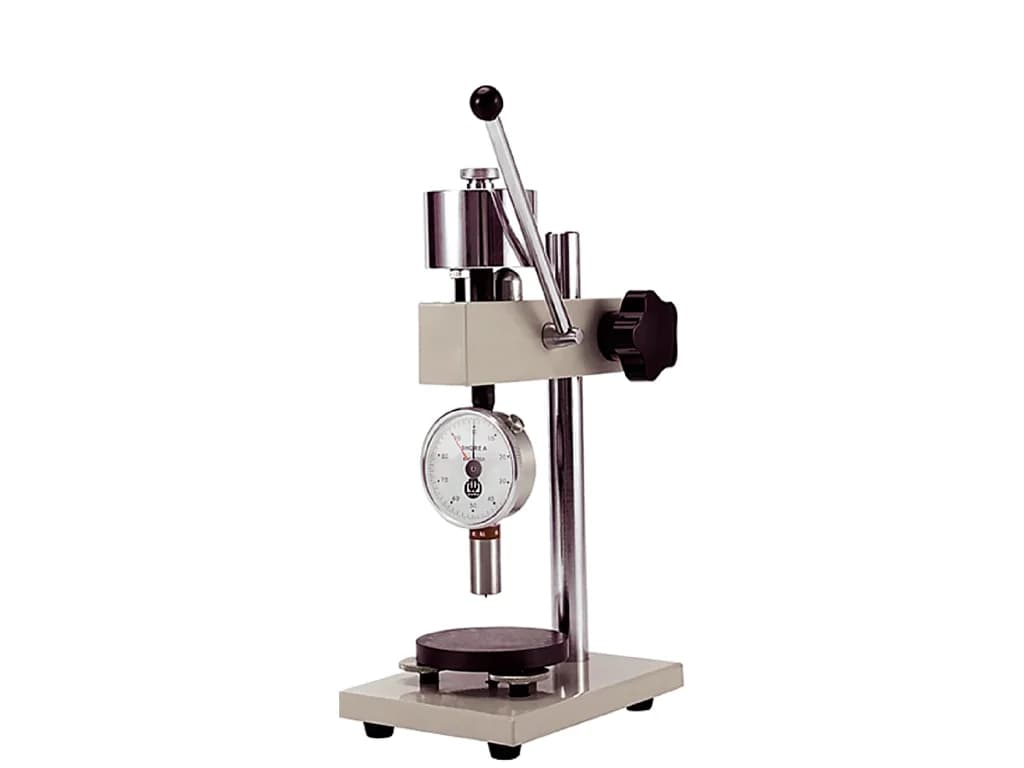
Werka Analogue Shore A Test Stand WP-446-100A-03
Werka · Hardness Testers
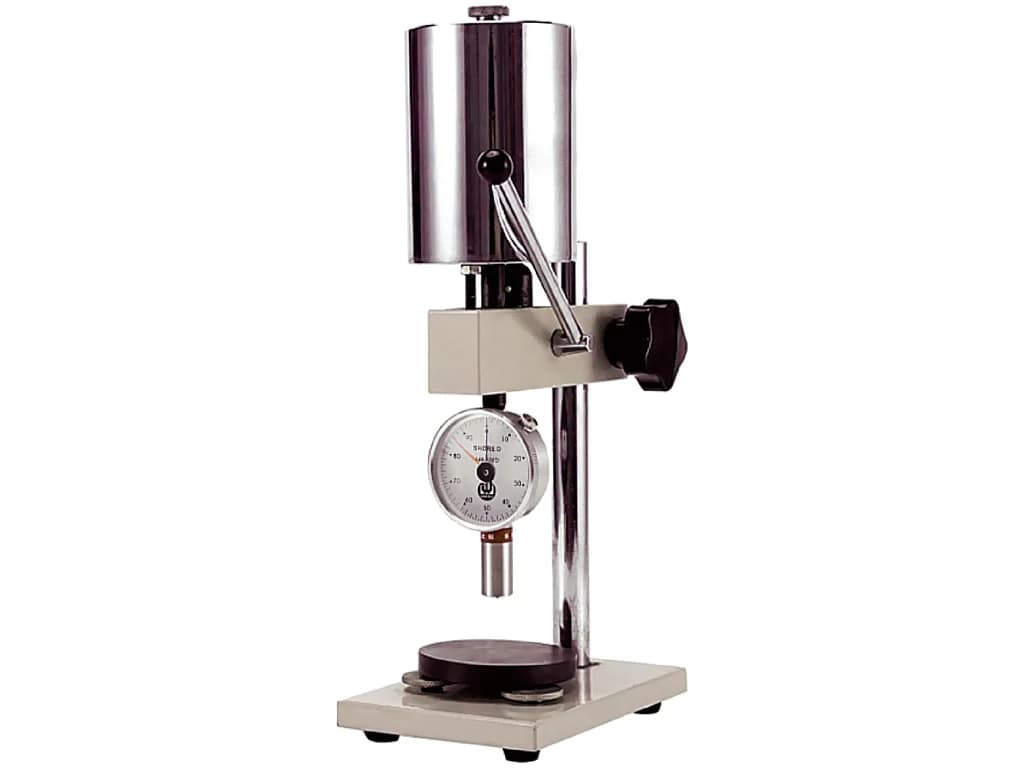
Werka Analogue Shore D Test Stand WP-446-100D-03
Werka · Hardness Testers
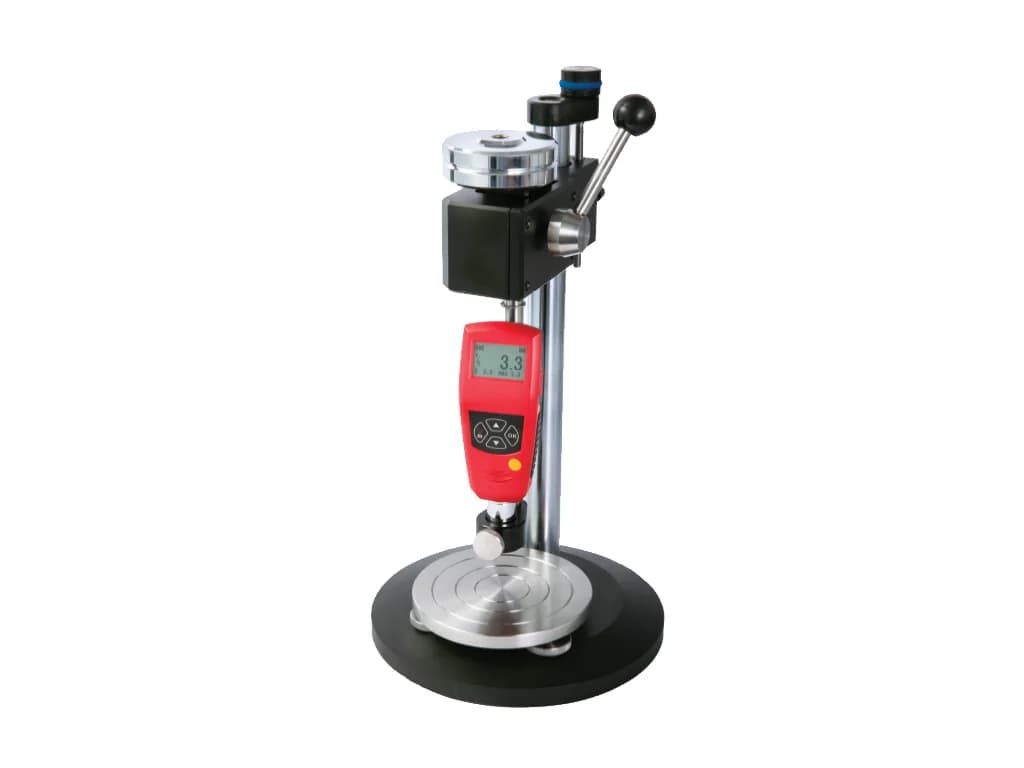
Werka Digital Shore A Test Stand WP-446-110A-01
Werka · Hardness Testers
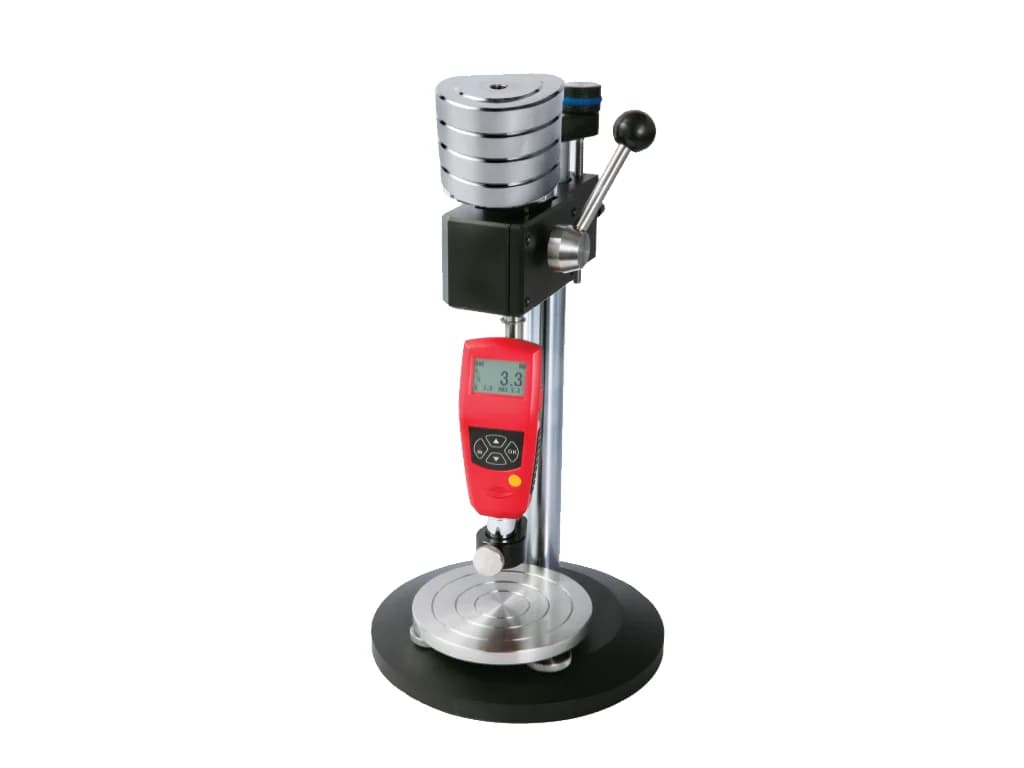
Werka Digital Shore D Test Stand WP-446-110D-01
Werka · Hardness Testers
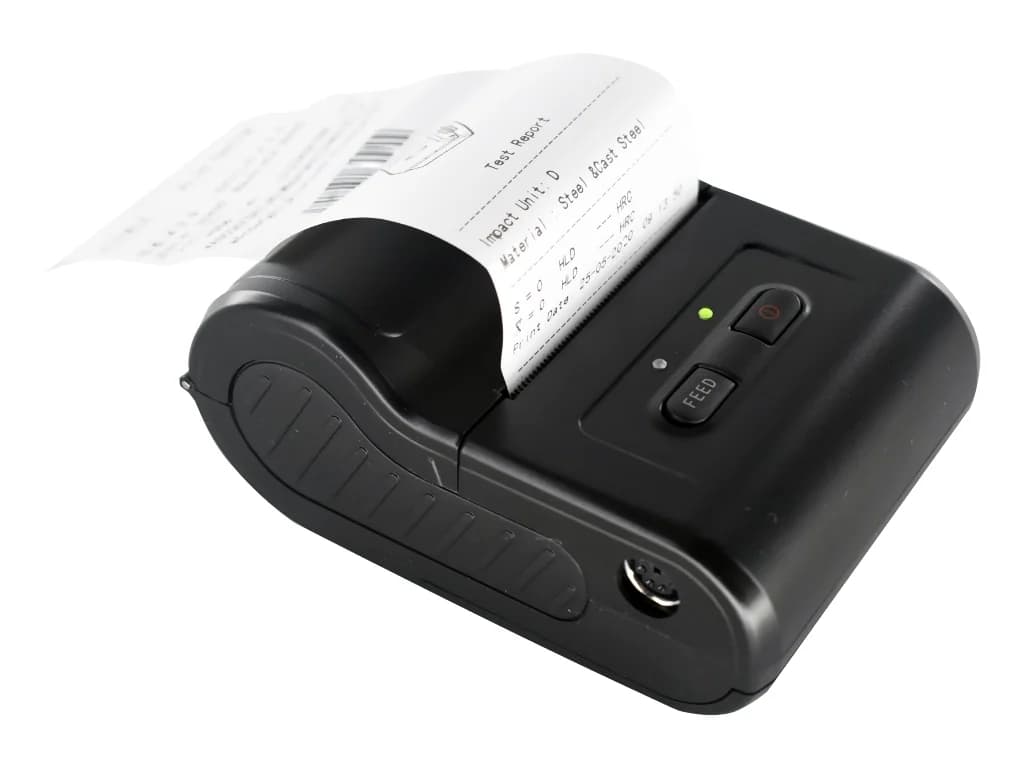
Werka Wireless Printer WP-446-110-P20
Werka · Hardness Testers
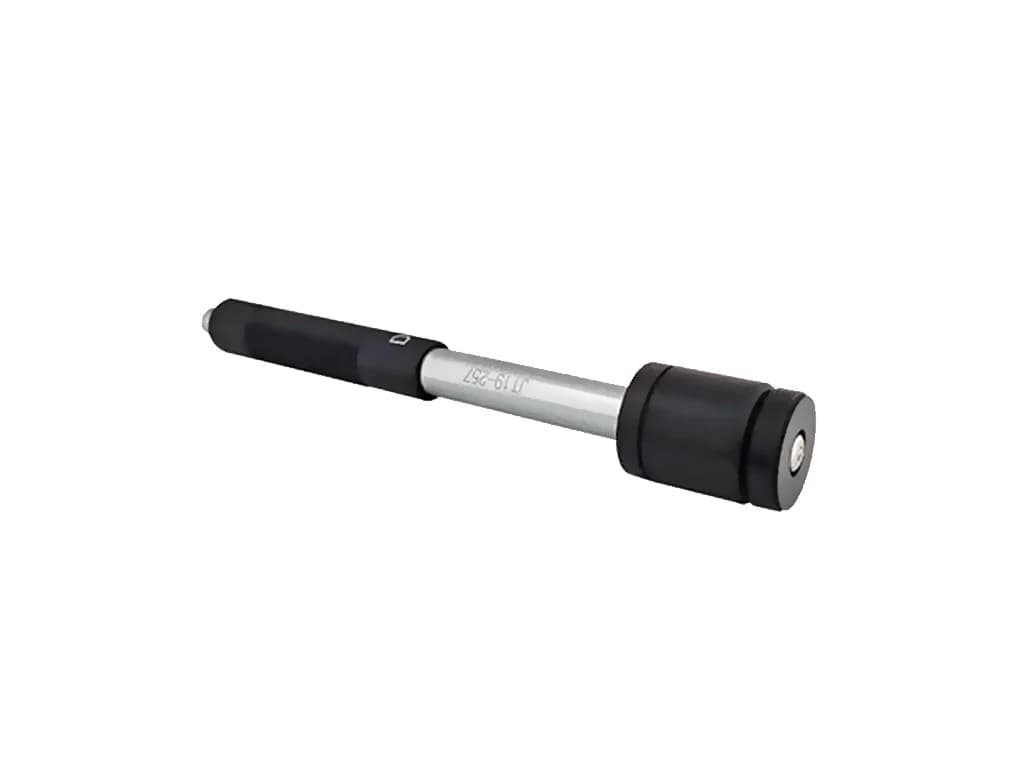
Werka D-Type Probe for 447-9422 Hardness Tester WP-447-IMD-D
Werka · Hardness Testers
Which scale?
Shore A is for seals, hoses, rubber and soft elastomers; Shore D for hard plastics, hard rubber and composites. The same material gives different numbers on the two scales; the specification says which is wanted.
On metals, Rockwell measures indentation depth under a fixed load and is the standard method in the laboratory and inspection. Portable testers calculate hardness from rebound speed and measure large parts in place.
Repeatable readings
A hand-held durometer meets the surface at a slightly different angle and force every time. A test stand brings the indenter down square and at constant force, so readings in a series can be compared. A printer records them directly.
Frequently Asked Questions
Shore A or Shore D?
Shore A for soft rubber and elastomers, Shore D for hard plastics. A material that reads above 90 on Shore A should be measured on Shore D.
Can a portable tester be used on any part?
The part needs a minimum weight and wall thickness; a thin, light part absorbs the rebound and gives a false reading.