Kategoriler
İkaz Bantlar
İkaz şeritleri çalışma alanını hızlıca çevrelemek ve geçici olarak kapatmak için kullanılır. Kırmızı-beyaz ve sarı-siyah renklerde; 180, 200, 380 ve 500 metre rulo uzunluklarında listelenir.
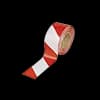
İkaz Şeridi Kırmızı Beyaz 180 m
İkaz Bantlar
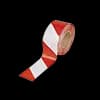
İkaz Şeridi Kırmızı Beyaz 200 m
İkaz Bantlar
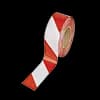
İkaz Şeridi Kırmızı Beyaz 380 m
İkaz Bantlar
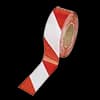
İkaz Şeridi Kırmızı Beyaz 500 m
İkaz Bantlar

İkaz Şeridi Sarı Siyah 200 m
İkaz Bantlar
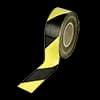
İkaz Şeridi Sarı Siyah 500 m
İkaz Bantlar
Renk ve Rulo Uzunluğu
Kırmızı-beyaz şerit genel olarak giriş yasağı ve kapatma, sarı-siyah şerit ise tehlike ve dikkat anlamı taşır. Saha genelinde tek bir renk şeması kullanmak, şeridin anlamını çalışanlar için okunaklı tutar.
Rulo uzunluğu doğrudan maliyet ve kullanım biçimini belirler: 180-200 metre ruloları günlük saha kullanımı ve küçük çevrelemeler için pratiktir; 380-500 metre ruloları büyük şantiye ve sürekli kullanan ekipler için birim maliyeti düşürür.
- Kırmızı-beyaz 180 / 200 / 380 / 500 m — kapatma ve giriş yasağı
- Sarı-siyah 200 / 500 m — tehlike ve dikkat hattı
- Kısa rulolar: günlük kullanım ve küçük alan çevreleme
- Uzun rulolar: büyük şantiye, düşük birim maliyet
- Koni, delinatör ve bariyer ile birlikte hızlı çevreleme kurgusu
Geçici Çevrelemenin Sınırları
İkaz şeridi görsel bir sınırdır; fiziksel engel değildir. Araç trafiğine açık noktalarda tek başına kullanılmamalı, koni, delinatör veya bariyer ile desteklenmelidir. Uzun süreli kapatmalarda panel veya su bariyeri daha doğru çözümdür.
Şeridin gergin ve kopmadan kalması için tutunma noktaları arasındaki mesafe kısa tutulmalı, rüzgârlı sahalarda koni veya dikme üzerine bağlanmalıdır. Gece kullanımında reflektif bant, flaşör veya ledli levha ile desteklenmesi gerekir.
Sıkça Sorulan Sorular
Kırmızı-beyaz ile sarı-siyah şerit farkı nedir?
Kırmızı-beyaz şerit genel olarak kapatma ve giriş yasağı, sarı-siyah şerit ise tehlike ve dikkat anlamı taşır. Tesis genelinde tek bir renk şemasına bağlı kalmak, uyarının çalışanlar tarafından doğru okunmasını sağlar.
Hangi uzunlukta rulo almalıyım?
Günlük küçük çevrelemeler için 180-200 metre ruloları pratiktir. Sürekli çevreleme yapan büyük şantiyelerde 380-500 metre ruloları metre başına maliyeti düşürür.
İkaz şeridi fiziksel engel yerine geçer mi?
Hayır. Şerit görsel bir sınırdır; araç trafiğine açık noktalarda koni, delinatör veya bariyer ile desteklenmelidir. Uzun süreli kapatmalarda panel bariyer veya su bariyeri tercih edilmelidir.