Categories
Mould Release & Mould Care
Choosing a mould release for plastic injection comes down to one question: will the part be painted or labelled afterwards? If it will, you need a silicone-free release; if not, the silicone-based one takes more heat. This page also covers mould protector and mould cleaner.
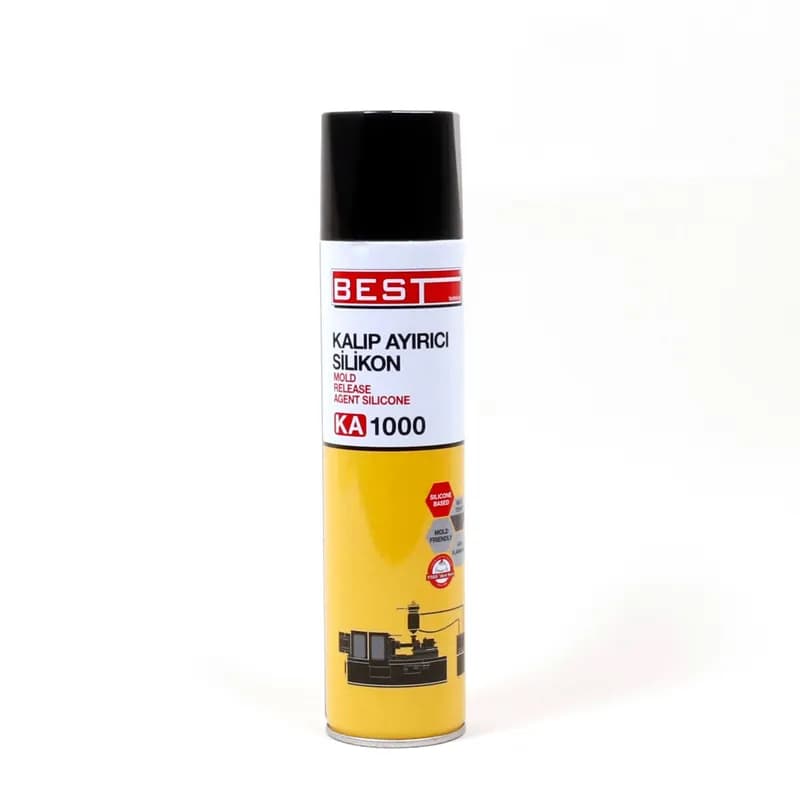
Best Mould Release Agent KA 1000 400 ml
Best · Mould Release & Mould Care
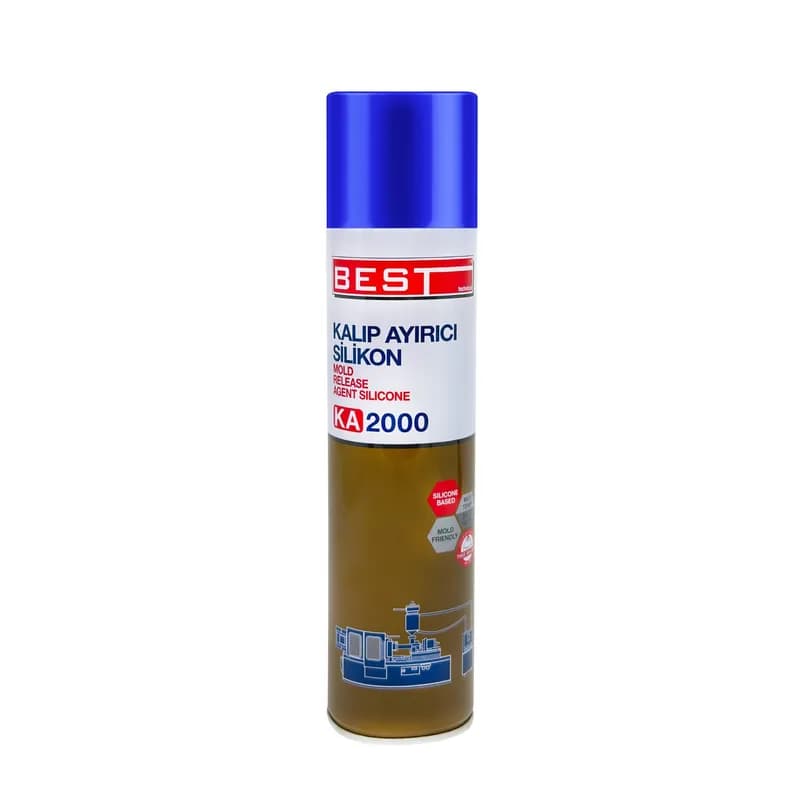
Best Mould Release Agent KA 2000 400 ml
Best · Mould Release & Mould Care
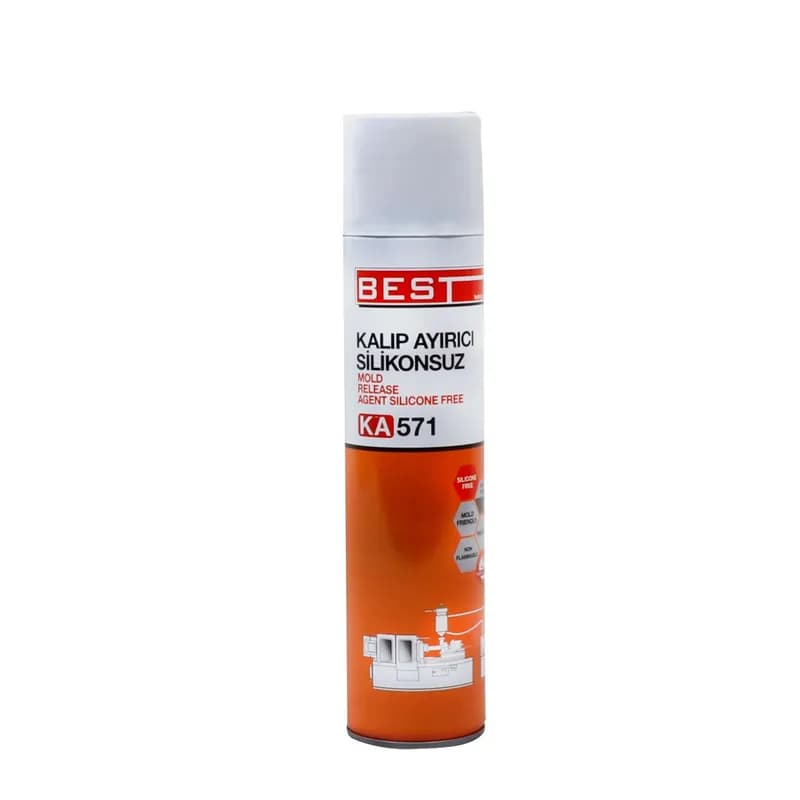
Best Silicone-Free Mould Release KA 571 400 ml
Best · Mould Release & Mould Care
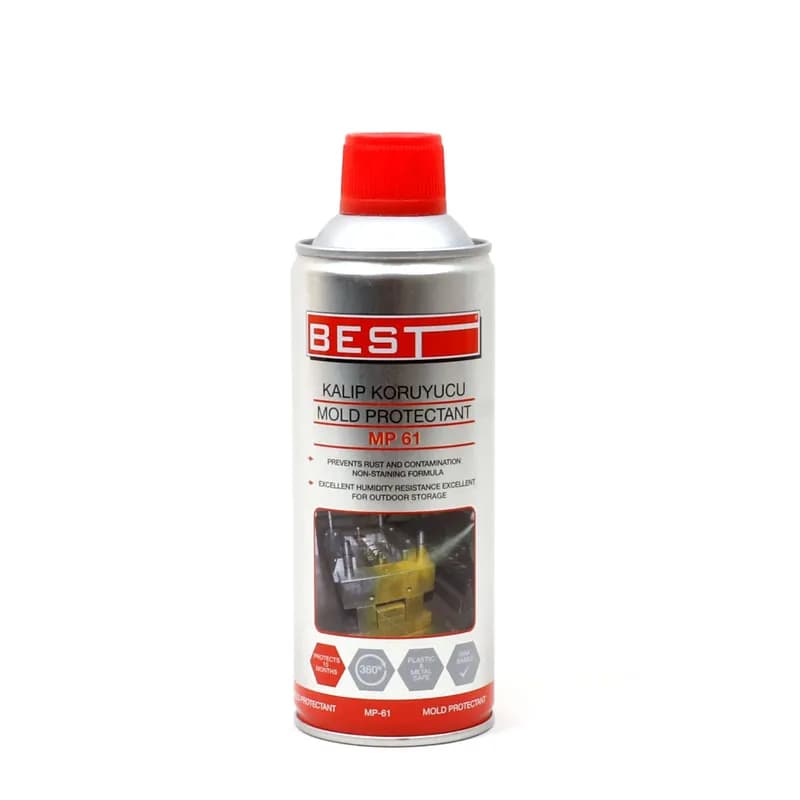
Best Mould Protector MP 61 400 ml
Best · Mould Release & Mould Care
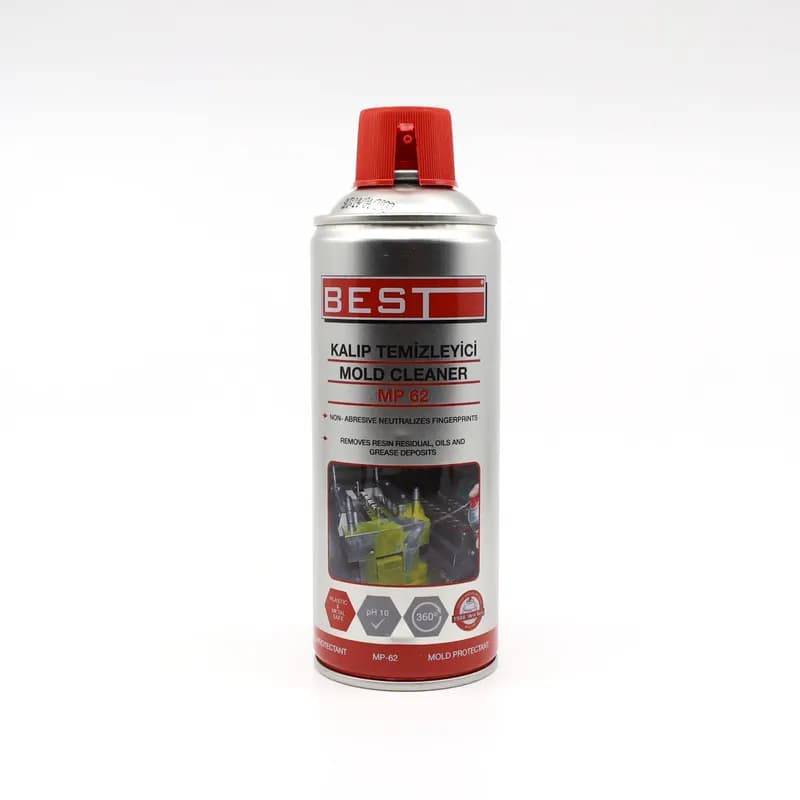
Best Mould Cleaner MP 62 400 ml
Best · Mould Release & Mould Care
The silicone decision
Silicone-based releases (KA-1000, KA-2000) slip better and take more heat: KA-1000 is rated to 250 °C and is non flammable, KA-2000 to 220-250 °C under indirect flame and is flammable.
Silicone residue, though, stops paint and labels adhering. Where the part will be painted, coated or labelled afterwards, use silicone-free KA-571: resistant to 200 °C, quick to flash off, and it causes no trouble in painting or labelling.
The two products that are not releases
Mould cleaner (MP-62) removes moisture, oil, dirt and release residue from the surface without abrasion and without taking the mould off the machine — which is what keeps downtime short. It then leaves a microscopic inhibitor film against short-term corrosion. pH 10.
Mould protector (MP-61) is for storage: a wax-based, non-tacky film gives up to 15 months of protection against corrosion and contamination. Its clear opaque colour shows where it has been applied.
Frequently Asked Questions
Which release for which job?
If the part will be painted or labelled, silicone-free KA-571. If a non-flammable product is required, KA-1000. If only release performance matters, KA-2000 will do.
Where is it used outside injection moulding?
Silicone-based releases free and quieten textile machinery, moving plastic gears, sliding rails, window channels and the parts of machines that are hard to lubricate.
Does it contain CFCs?
For KA-1000 and KA-571 the manufacturer states the product is free of CFCs and HCFCs.
How long does mould protector last?
The manufacturer gives up to 15 months. That figure is set for a mould sitting in storage; the protective film is taken off with mould cleaner before production restarts.