Kategoriler
Kauçuk Tabanlı Dikmeler
Kauçuk tabanlı dikmeler, zemine delik açmadan ağırlıkla sabitlenen uyarı ve yönlendirme elemanlarıdır. 60, 90 ve 120 mm çap seçenekleri ile 110 mm dubalı uyarı dikmesi listelenir.
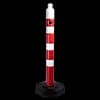
Kauçuk Tabanlı Dikme 120 mm
Kauçuk Tabanlı Dikmeler
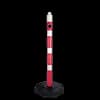
Kauçuk Tabanlı Dikme 60 mm
Kauçuk Tabanlı Dikmeler
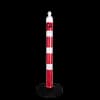
Kauçuk Tabanlı Dikme 90 mm
Kauçuk Tabanlı Dikmeler

Kauçuk Tabanlı Dikme
Kauçuk Tabanlı Dikmeler
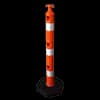
Kauçuk Tabanlı Dubalı Uyarı Dikme 110 mm
Kauçuk Tabanlı Dikmeler
Çap Seçenekleri ve Sabitleme
Kauçuk taban, kütlesiyle sabitleme sağlar; bu sayede asfaltı veya beton yüzeyi delmeden dikme kurulabilir. Kiralık alanlar, garanti kapsamındaki zeminler ve düzeni sık değişen sahalarda en pratik çözümdür.
Çap arttıkça gövdenin görünürlüğü ve dayanımı artar: 60 mm dikmeler kompakt ve ekonomik, 90 mm dikmeler dengeli, 120 mm dikmeler ise en görünür ve dirençli seçenektir. Dubalı 110 mm model, geniş tabanı ile devrilme direncini artırır.
- Kauçuk tabanlı dikme 60 mm — kompakt, iç saha uygulamaları
- Kauçuk tabanlı dikme 90 mm — dengeli görünürlük ve dayanım
- Kauçuk tabanlı dikme 120 mm — en yüksek görünürlük
- Kauçuk tabanlı dubalı uyarı dikmesi 110 mm — geniş taban, yüksek denge
- Zemine delik açmadan kurulum; taşınabilir ve yeniden konumlandırılabilir
Kullanım Alanları
Otopark içi yönlendirme, geçici şerit ayrımı, etkinlik ve fuar alanları, tesis içi güzergâh düzenlemesi ve kısa süreli çalışma alanı çevrelemesi başlıca kullanım alanlarıdır. Delinatör ve koni hattıyla birlikte kullanıldığında geçici düzenler hızla kurulur ve sökülür.
Rüzgâra maruz açık alanlarda ve trafiğe açık noktalarda tabanın da zemine sabitlenmesi önerilir; aksi halde yüksek hızda geçen araçların oluşturduğu hava akımı dikmeyi yerinden oynatabilir.
Sıkça Sorulan Sorular
Kauçuk tabanlı dikme zemine sabitlenmeli mi?
Korunaklı ve düşük hızlı alanlarda taban kendi ağırlığıyla yeterli olur. Trafiğe açık, rüzgârlı veya yüksek hızlı noktalarda tabanın dübelle sabitlenmesi önerilir; alternatif olarak daha geniş tabanlı dubalı modeller tercih edilebilir.
Hangi çapı seçmeliyim?
60 mm kompakt ve ekonomiktir, iç sahalar için uygundur. 90 mm görünürlük ve dayanım arasında dengeli bir seçimdir. 120 mm en görünür ve dirençli seçenektir; trafiğe daha yakın noktalarda tercih edilir.
Dikme ile delinatör arasındaki fark nedir?
Delinatörler çoğunlukla kalıcı şerit ve hat işaretlemesi için zemine sabitlenir. Kauçuk tabanlı dikmeler ise taşınabilir olacak şekilde tasarlanır; geçici düzenlemelerde ve zeminin delinemediği yerlerde kullanılır.