Categories
Reciprocating Saw Blades
Reciprocating blades are the consumable of strip-out work: the right blade cuts nail-embedded timber in one pass, the wrong one loses its teeth on the first nail. The catalogue holds 148 blades.
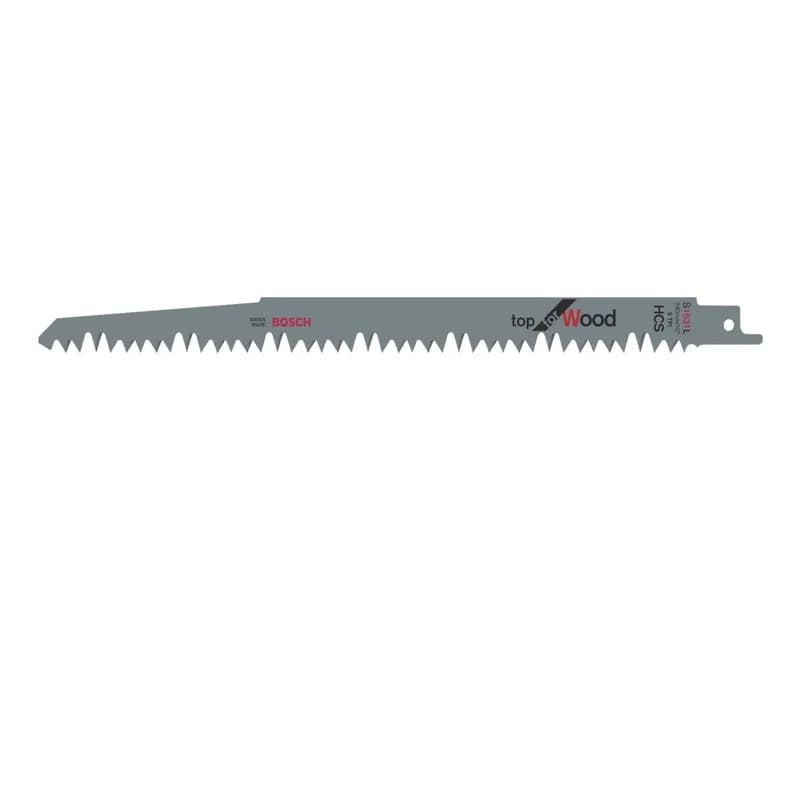
Bosch Wood Reciprocating Saw (S1531L)
Bosch · Reciprocating Saw Blades
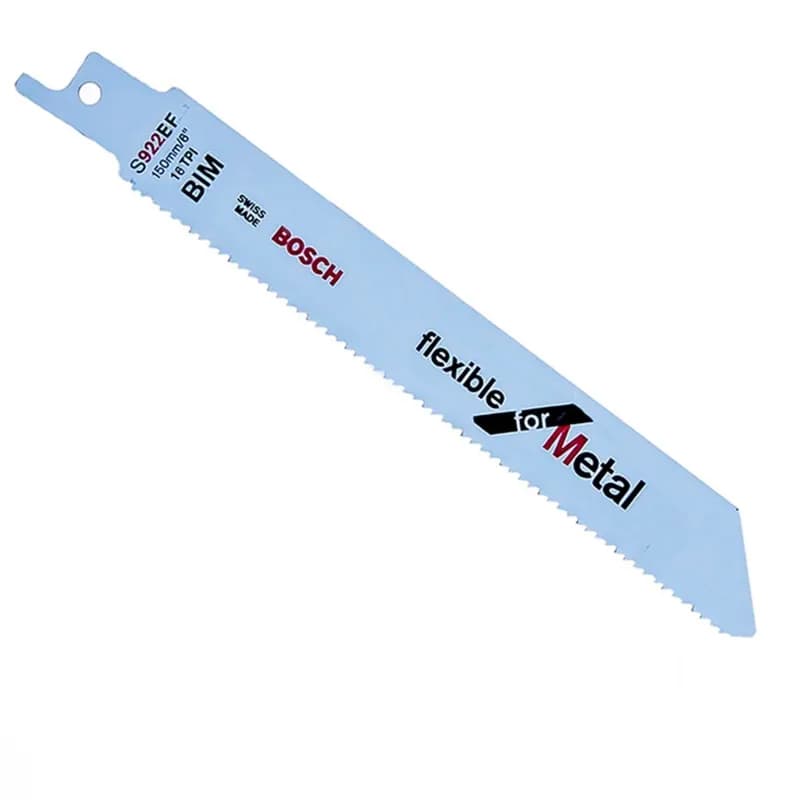
Bosch Metal Reciprocating Saw (S922EF)
Bosch · Reciprocating Saw Blades
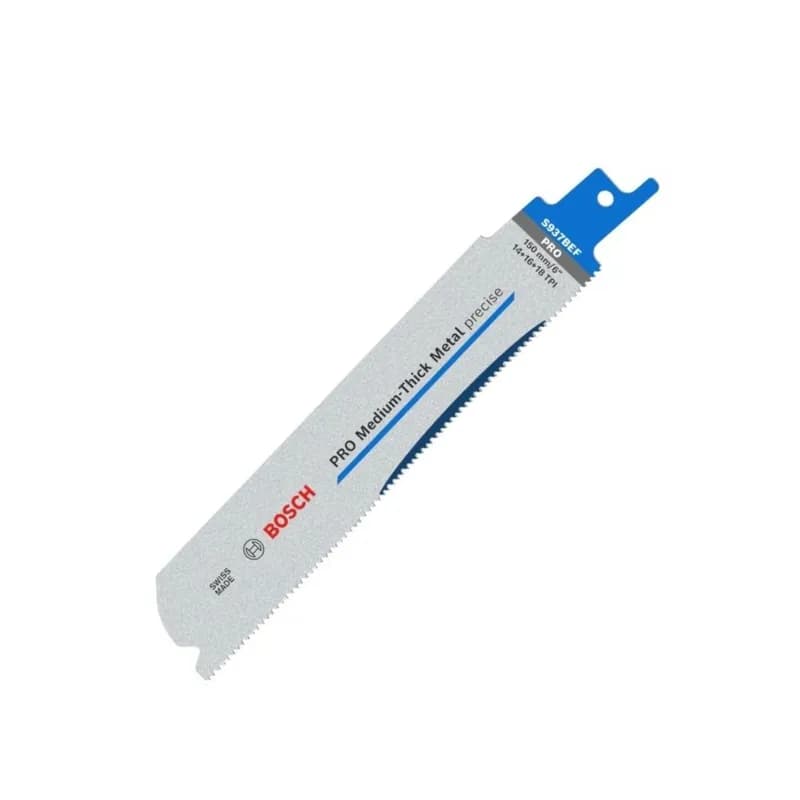
Bosch Metal Reciprocating Saw (S937BEF)
Bosch · Reciprocating Saw Blades
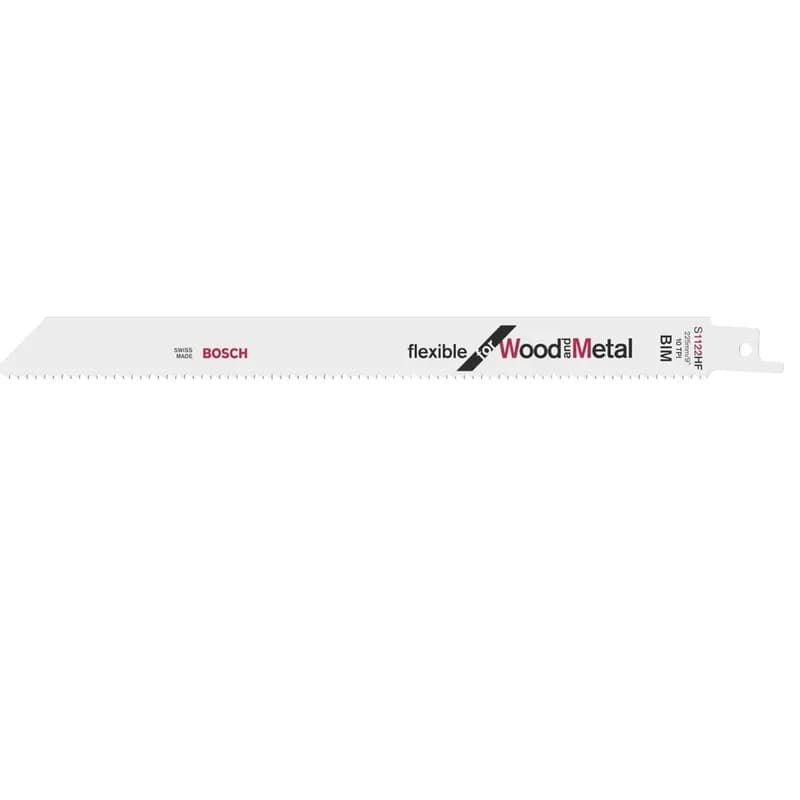
Bosch Metal and Wood Reciprocating Saw (S1122HF)
Bosch · Reciprocating Saw Blades
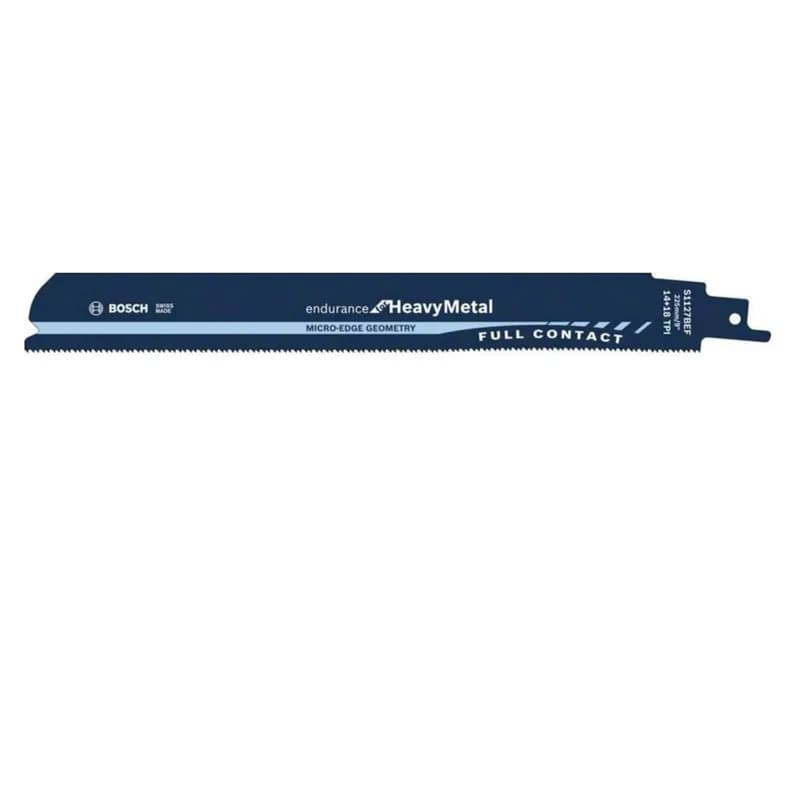
Bosch Reciprocating Saw Blade 5-piece S1127BEF (2608657524)
Bosch · Reciprocating Saw Blades
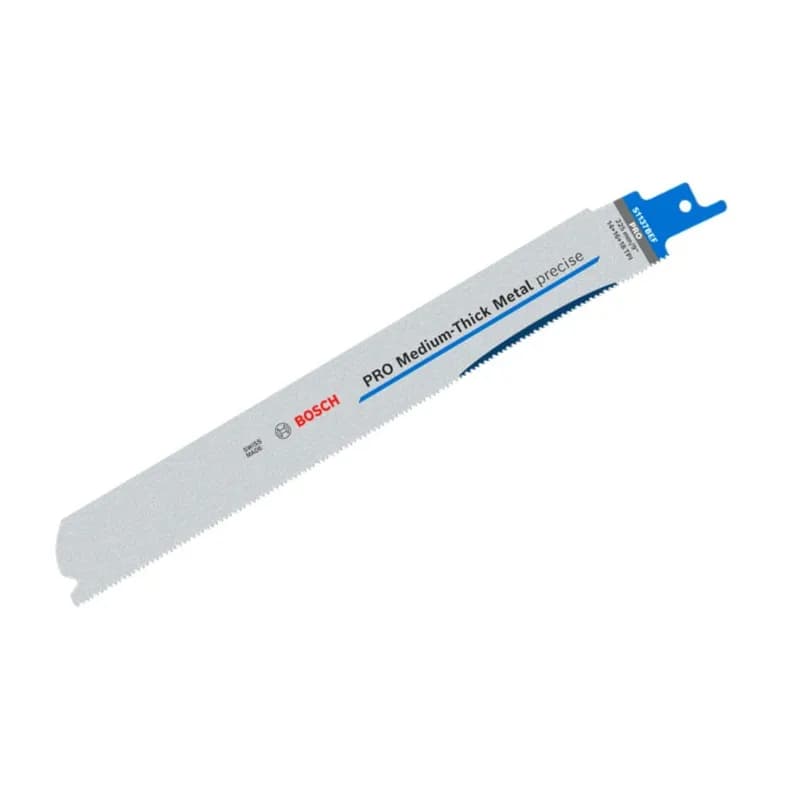
Bosch Reciprocating Saw Blade 5-piece S1137BEF (2608658994)
Bosch · Reciprocating Saw Blades
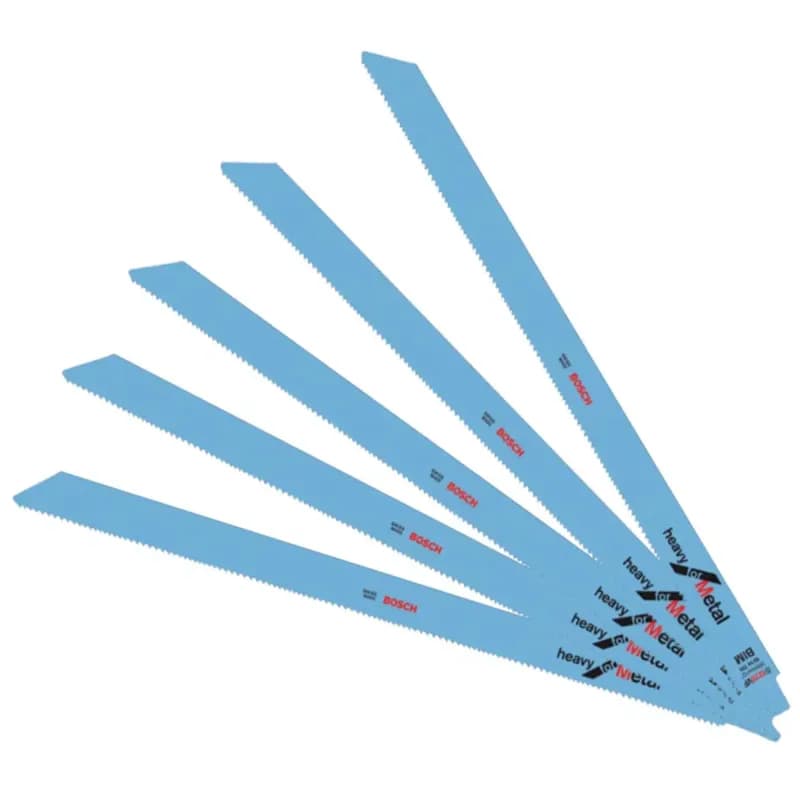
Bosch Reciprocating Saw Blade (S1225VF)
Bosch · Reciprocating Saw Blades
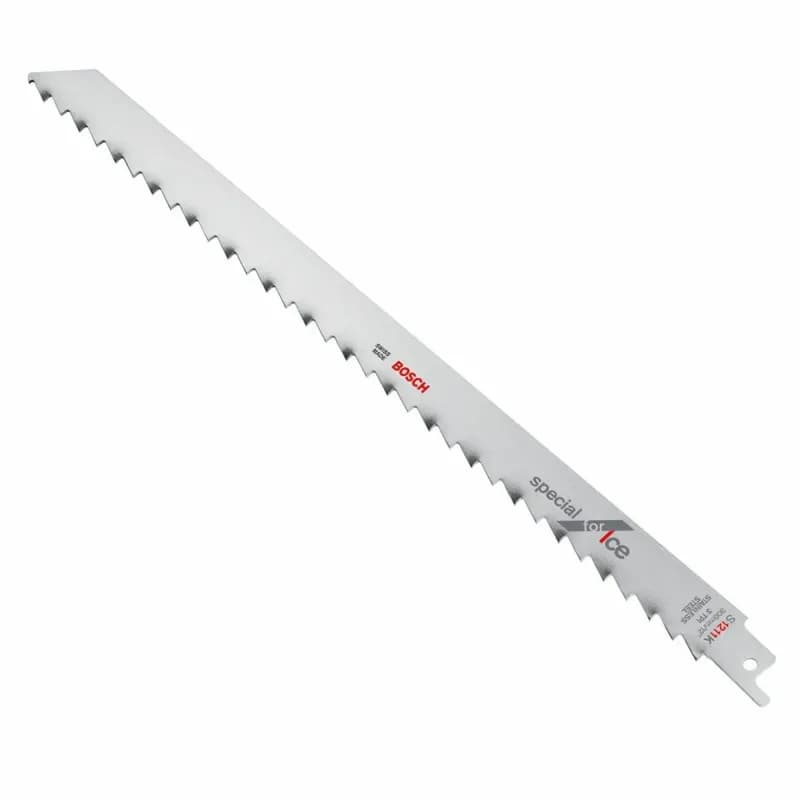
Bosch Reciprocating Saw Paslanmaz Kemik Saw(s1211k)
Bosch · Reciprocating Saw Blades
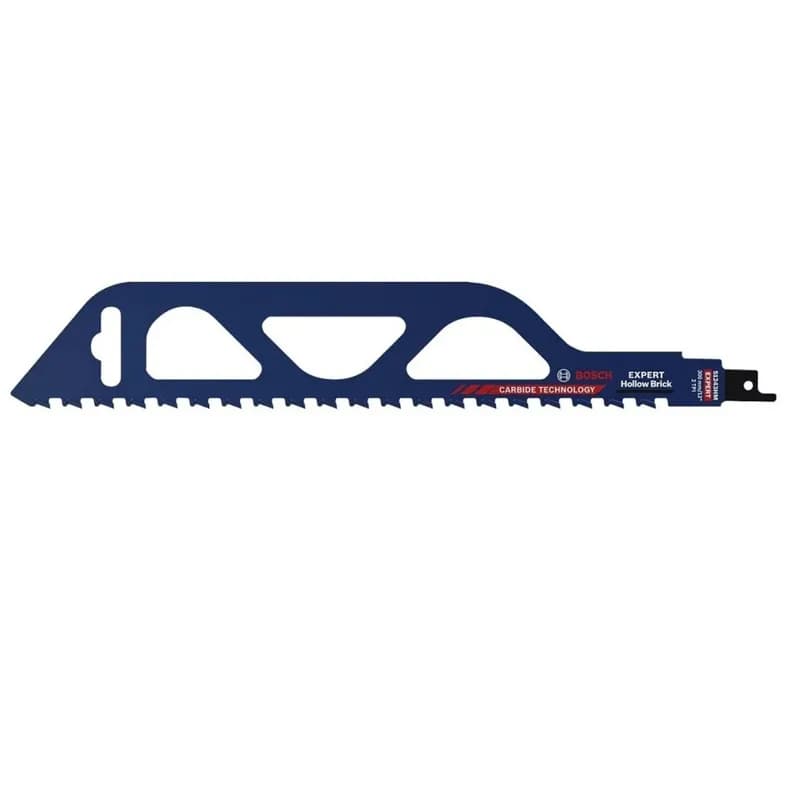
Bosch Ytong-Brick Reciprocating Saw (S1243HM)
Bosch · Reciprocating Saw Blades

Makita B-05038 Reciprocating Saw Blade 152 mm
Makita · Reciprocating Saw Blades

Makita B-05044 Reciprocating Saw Blade 152 mm
Makita · Reciprocating Saw Blades
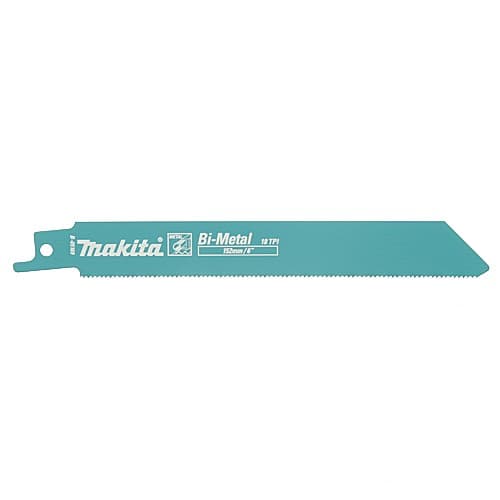
Makita B-05169 Reciprocating Saw Blade 152 mm
Makita · Reciprocating Saw Blades

Makita B-05175 Reciprocating Saw Blade 152 mm
Makita · Reciprocating Saw Blades

Makita B-07250 Reciprocating Saw Blade 152 mm
Makita · Reciprocating Saw Blades
Makita B-16835 Reciprocating Saw Blade 152 mm
Makita · Reciprocating Saw Blades
Makita B-16841 Reciprocating Saw Blade 152 mm
Makita · Reciprocating Saw Blades

Makita B-31843 Reciprocating Saw Blade 152 mm
Makita · Reciprocating Saw Blades
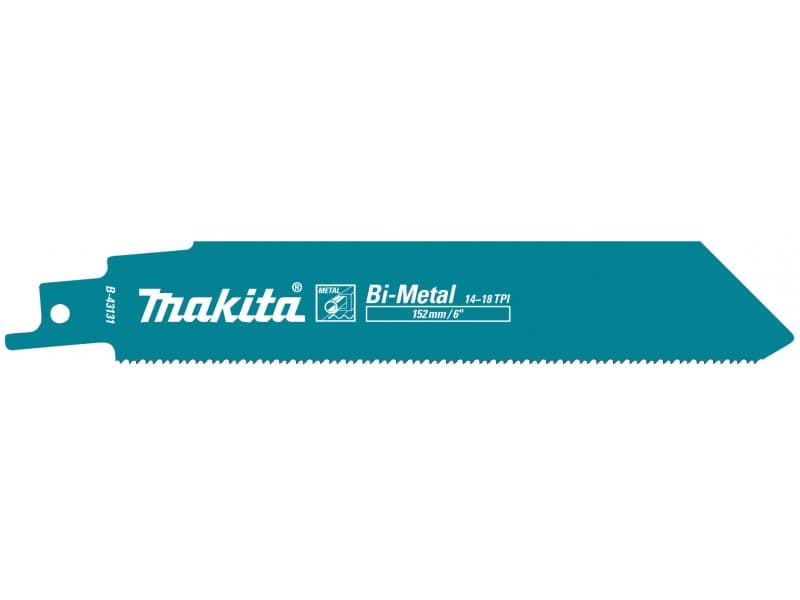
Makita B-43131 Reciprocating Saw Blade 152 mm
Makita · Reciprocating Saw Blades
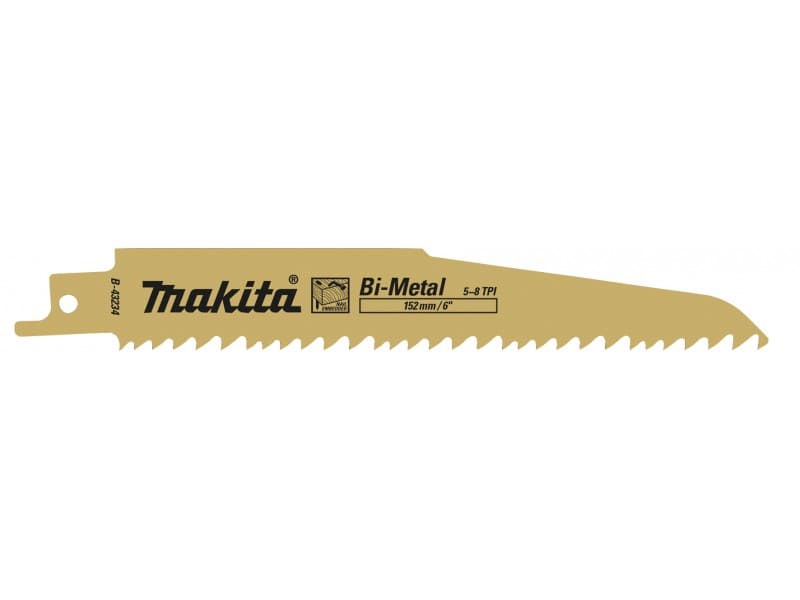
Makita B-43234 Reciprocating Saw Blade 152 mm
Makita · Reciprocating Saw Blades
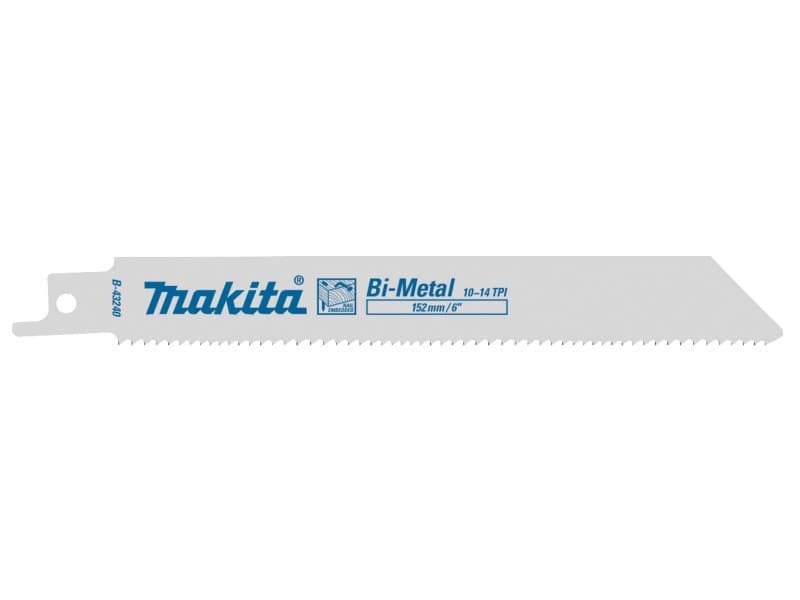
Makita B-43240 Reciprocating Saw Blade 152 mm
Makita · Reciprocating Saw Blades
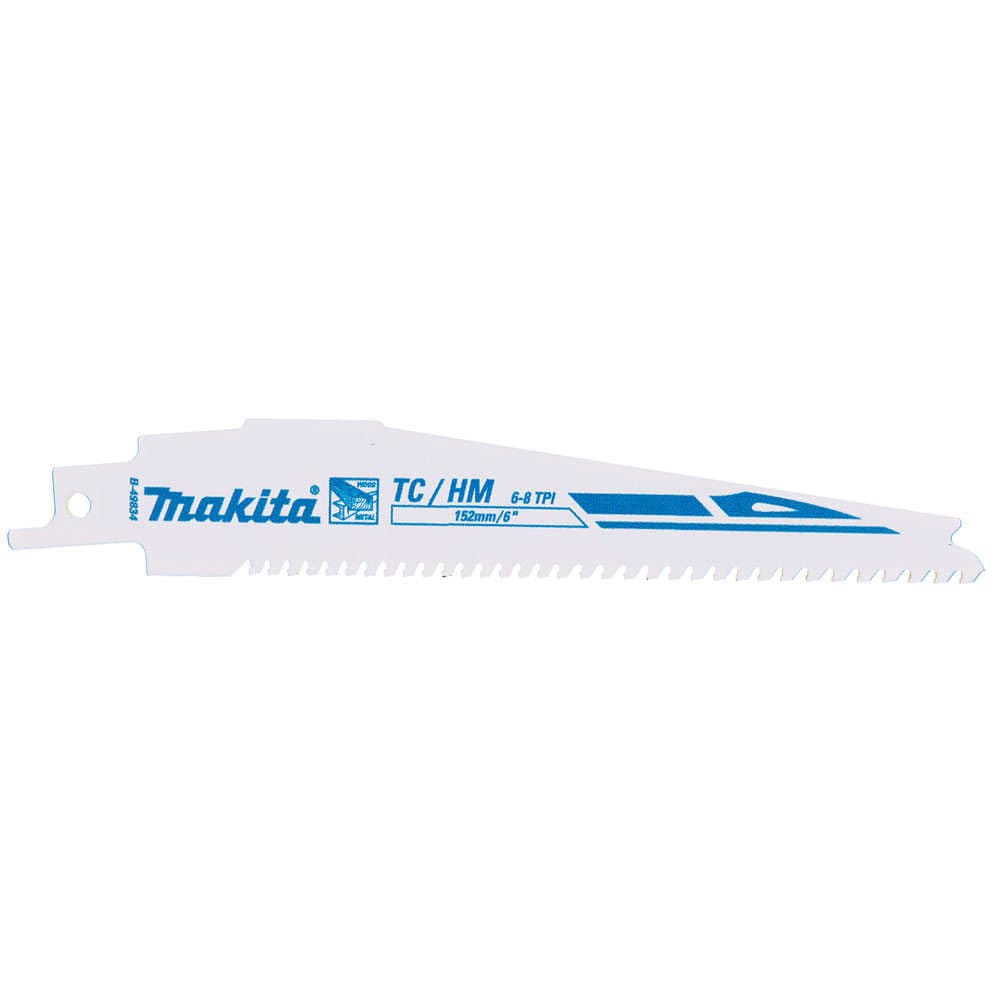
Makita B-49834 Reciprocating Saw Blade 152 mm
Makita · Reciprocating Saw Blades
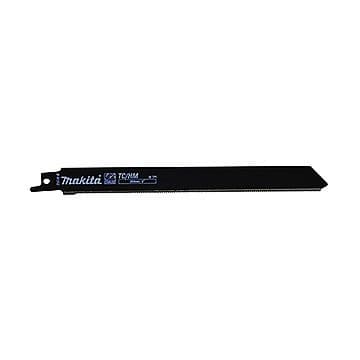
Makita B-51312 Reciprocating Saw Blade 200 mm
Makita · Reciprocating Saw Blades

Makita B-05153 Reciprocating Saw Blade 203 mm
Makita · Reciprocating Saw Blades
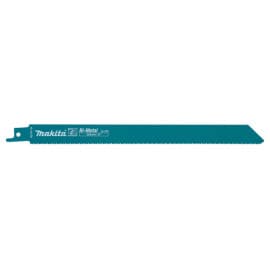
Makita B-16776 Reciprocating Saw Blade 225 mm
Makita · Reciprocating Saw Blades
1–24 of 154 · page 1 / 7
Blade and tooth pitch by material
Tooth pitch is quoted as teeth per inch (TPI): fewer teeth cut fast and rough, more teeth are needed in metal and thin sections. The rule is to keep at least three teeth in contact with the material.
| Material | Blade | TPI |
|---|---|---|
| Timber | Wood blade | 5-6 TPI |
| Nail-embedded wood | Bimetal | 8-10 TPI |
| Metal pipe / section | Fine bimetal | 14-24 TPI |
| Concrete, cast iron | Carbide tipped | Toothless / coarse |
| Pruning | Long, coarse tooth | 3-5 TPI |
Length and breakage
Choose a blade a few centimetres longer than the material is thick; a blade that cannot clear the work on each stroke cannot shed swarf and overheats. Keep the shoe pressed to the work — cutting without it raises vibration and breaks blades.
Frequently Asked Questions
Which blade cuts nail-embedded timber?
Bimetal demolition blades. A plain wood blade loses teeth on the first nail; bimetal cuts straight through nails and screws.
What does TPI mean?
Teeth per inch. Fewer teeth (5-6 TPI) cut fast in timber, more (14-24 TPI) are needed in metal. Keep at least three teeth in contact with the work.
Why do blades keep breaking?
Usually cutting without the shoe against the work, the blade binding, or a blade too short for the material.
When is a carbide tipped blade worth it?
In cast iron, concrete and stainless, where bimetal dulls quickly. It costs more but lowers the total cost in those materials.
How do I choose blade length?
A few centimetres longer than the material thickness. A short blade cannot clear the work each stroke, cannot shed swarf and overheats.