Categories
Reciprocating Saws
A reciprocating saw drives a long blade back and forth to cut in tight places and strip-out work — cutting timber nails and all, or a pipe close to the wall. That is what makes it the main demolition saw. This page explains what stroke length tells you and how to choose blades. The catalogue holds over 40 models.

Makita JR003GZ 40V Reciprocating Saw Blade
Makita · Reciprocating Saws

Makita JR002GD201 Cordless Reciprocating Saw Blade 40V
Makita · Reciprocating Saws
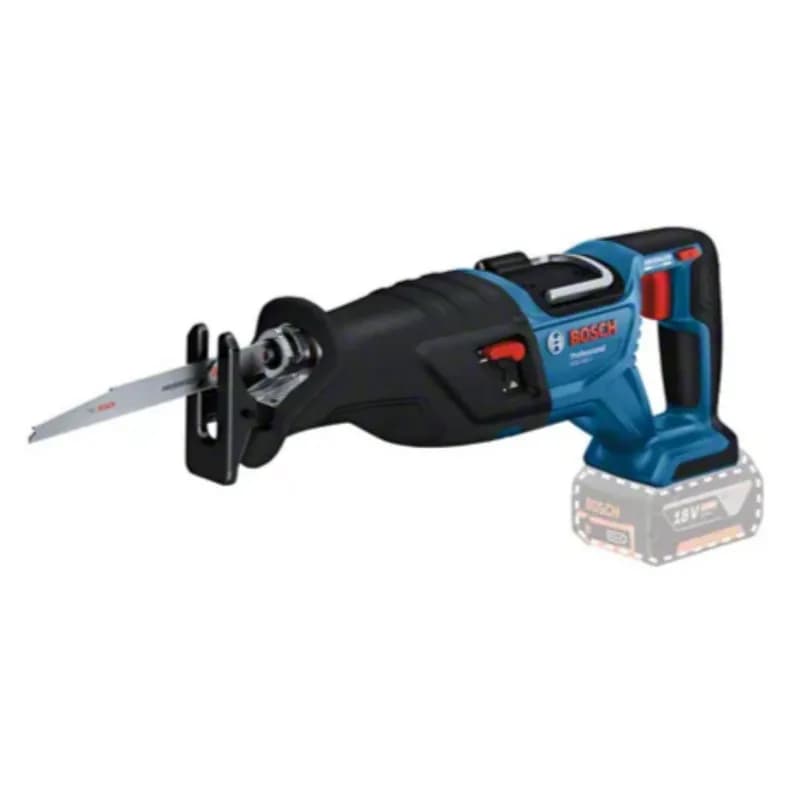
Bosch Cordless Reciprocating Saw GSA 185-LI 06016C0021
Bosch · Reciprocating Saws
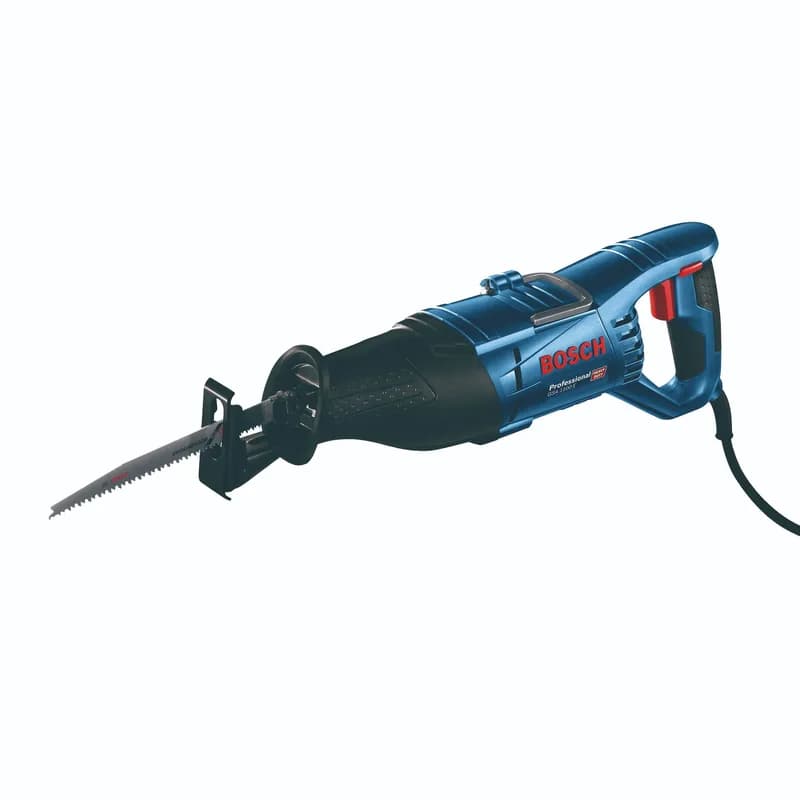
Bosch Reciprocating Saw 1100 W GSA1100E 060164C800
Bosch · Reciprocating Saws
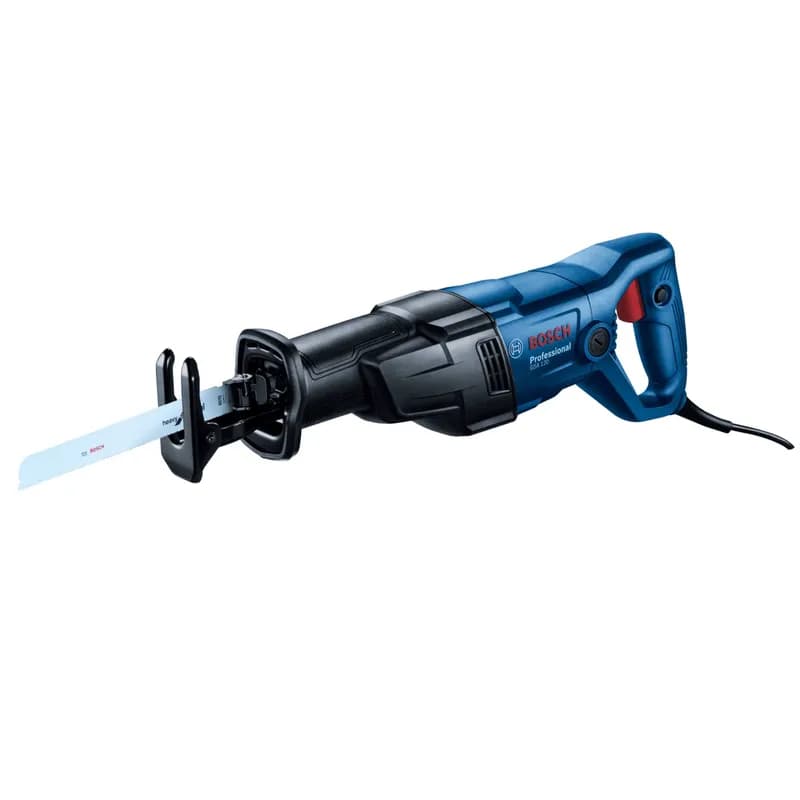
Bosch Reciprocating Saw 1200 W GSA120 06016B1020
Bosch · Reciprocating Saws
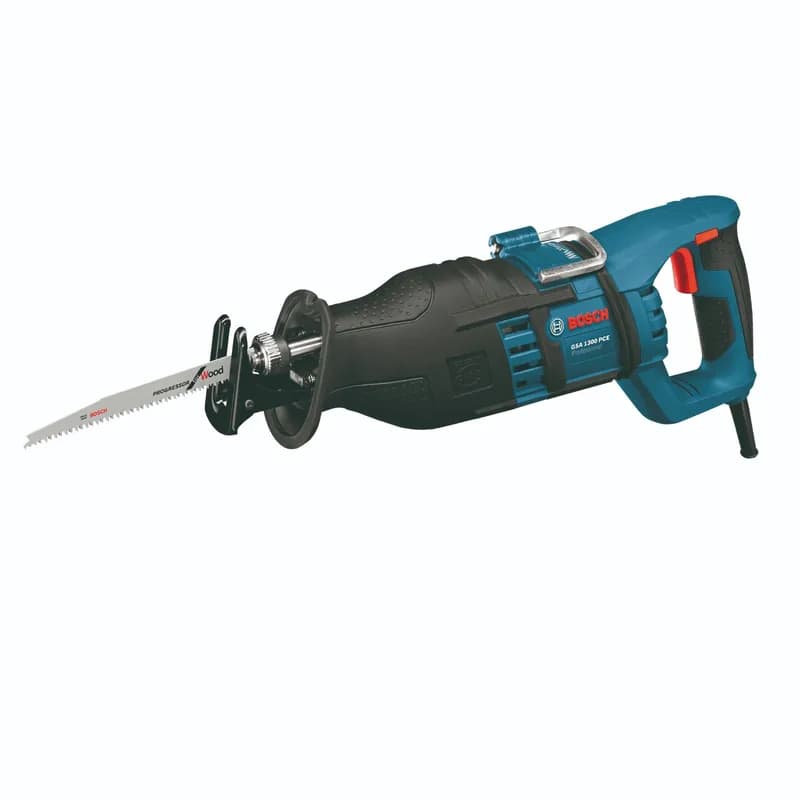
Bosch Reciprocating Saw 1300 W GSA1300PCE 060164E200
Bosch · Reciprocating Saws
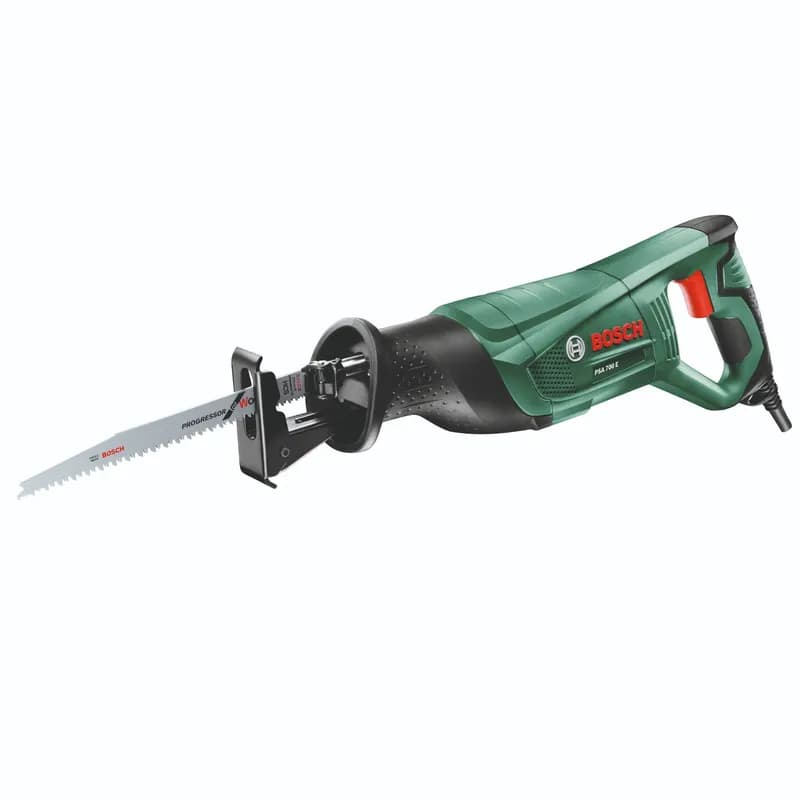
Bosch Reciprocating Saw 710W PSA700E 06033A7000
Bosch · Reciprocating Saws
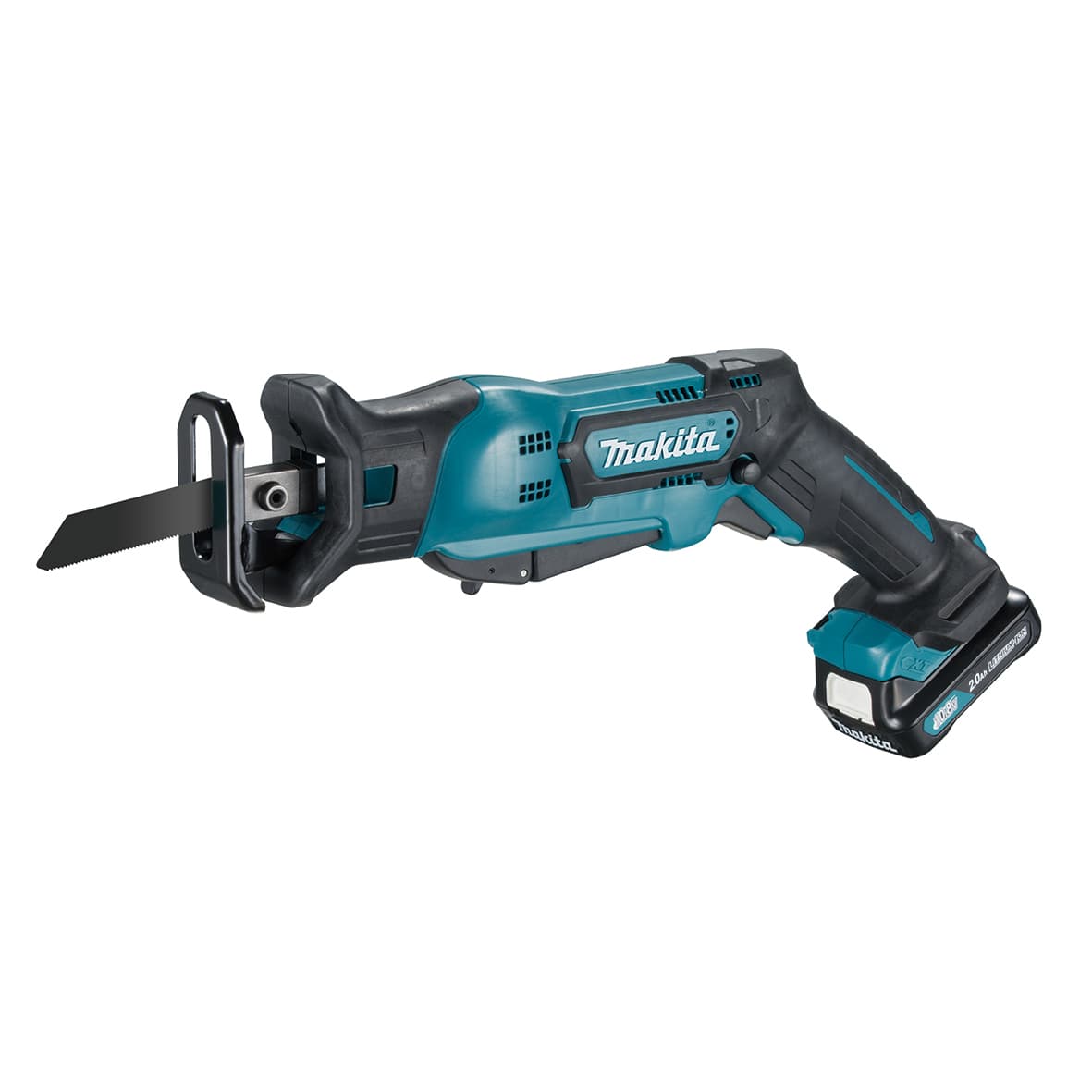
Makita JR105DWAE Reciprocating Saw Blade 12V
Makita · Reciprocating Saws
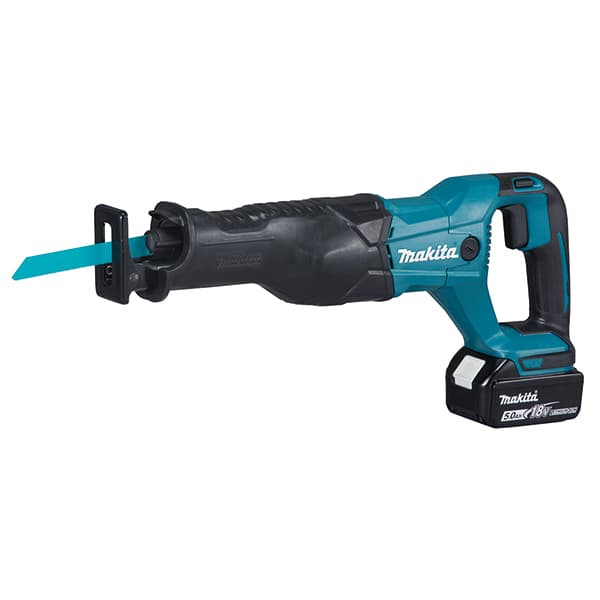
Makita DJR186RFE Reciprocating Saw Blade 18V
Makita · Reciprocating Saws
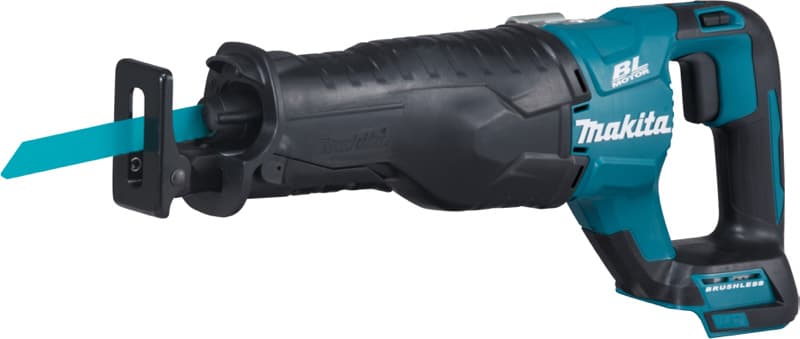
Makita DJR187Z Reciprocating Saw Blade 18V
Makita · Reciprocating Saws
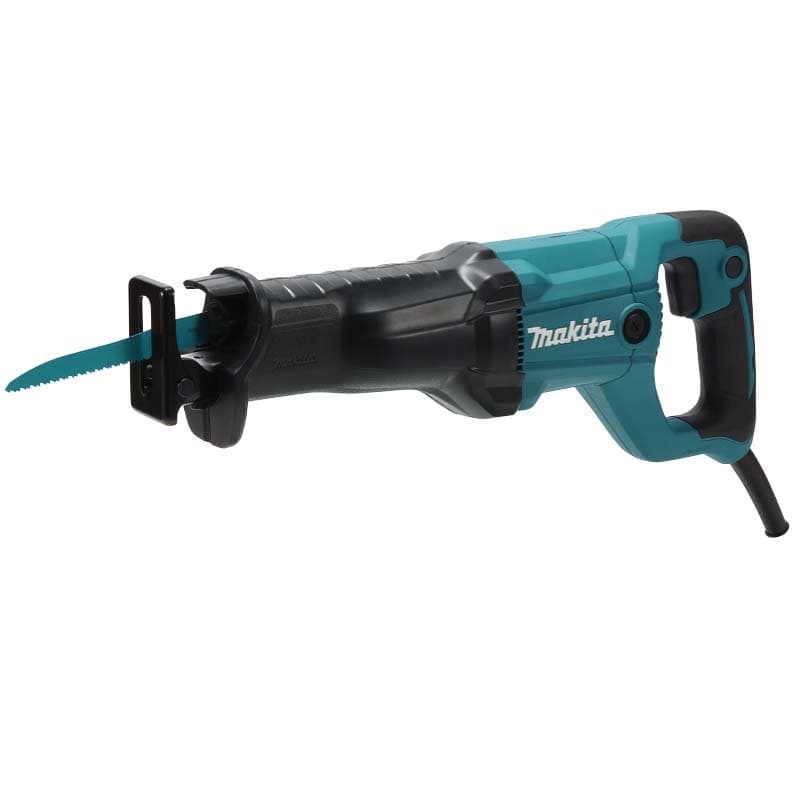
Makita JR3051TK Reciprocating Saw Blade
Makita · Reciprocating Saws
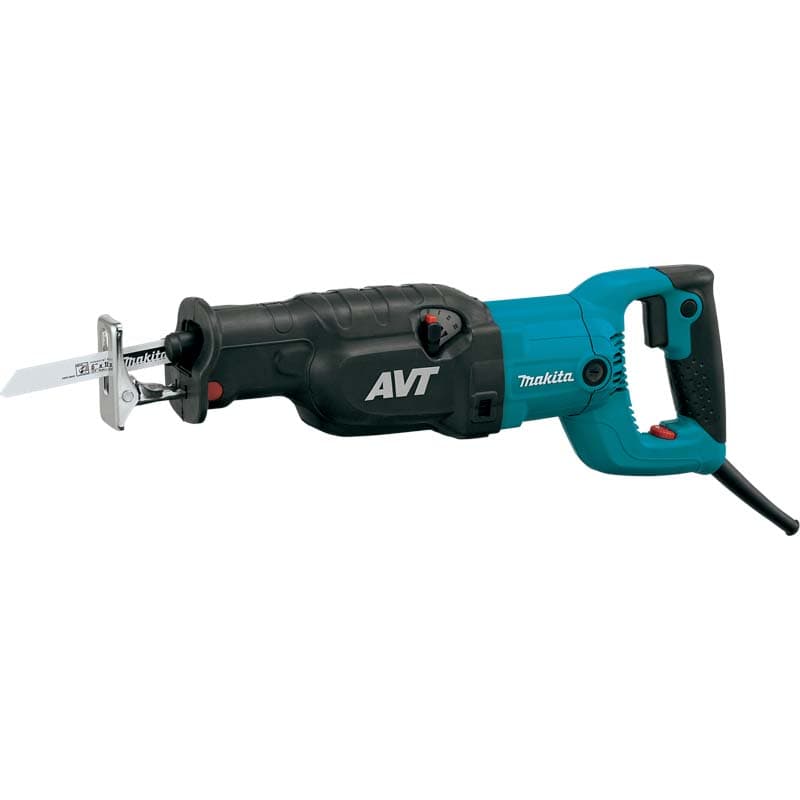
Makita JR3070CT Reciprocating Saw Blade
Makita · Reciprocating Saws
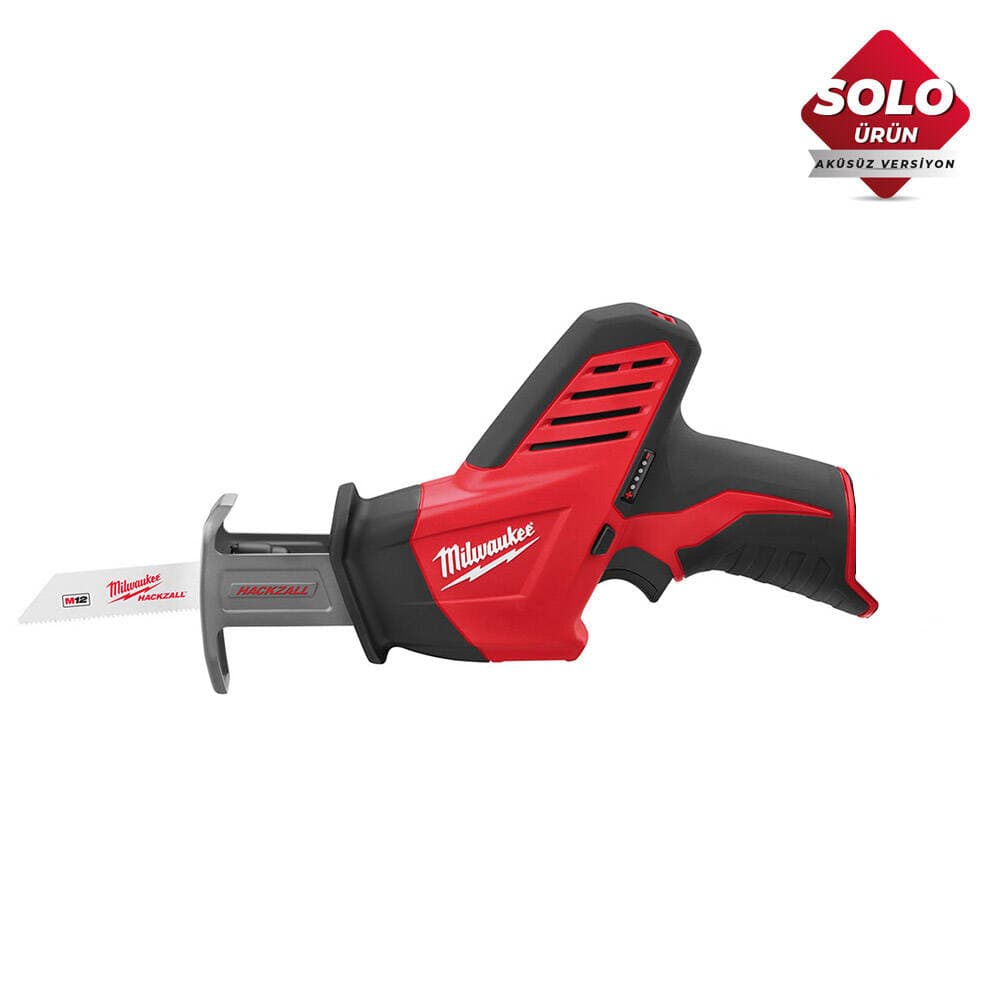
Milwaukee C12 HZ-0 Cordless El Tipi Reciprocating Saw Blade
Milwaukee · Reciprocating Saws
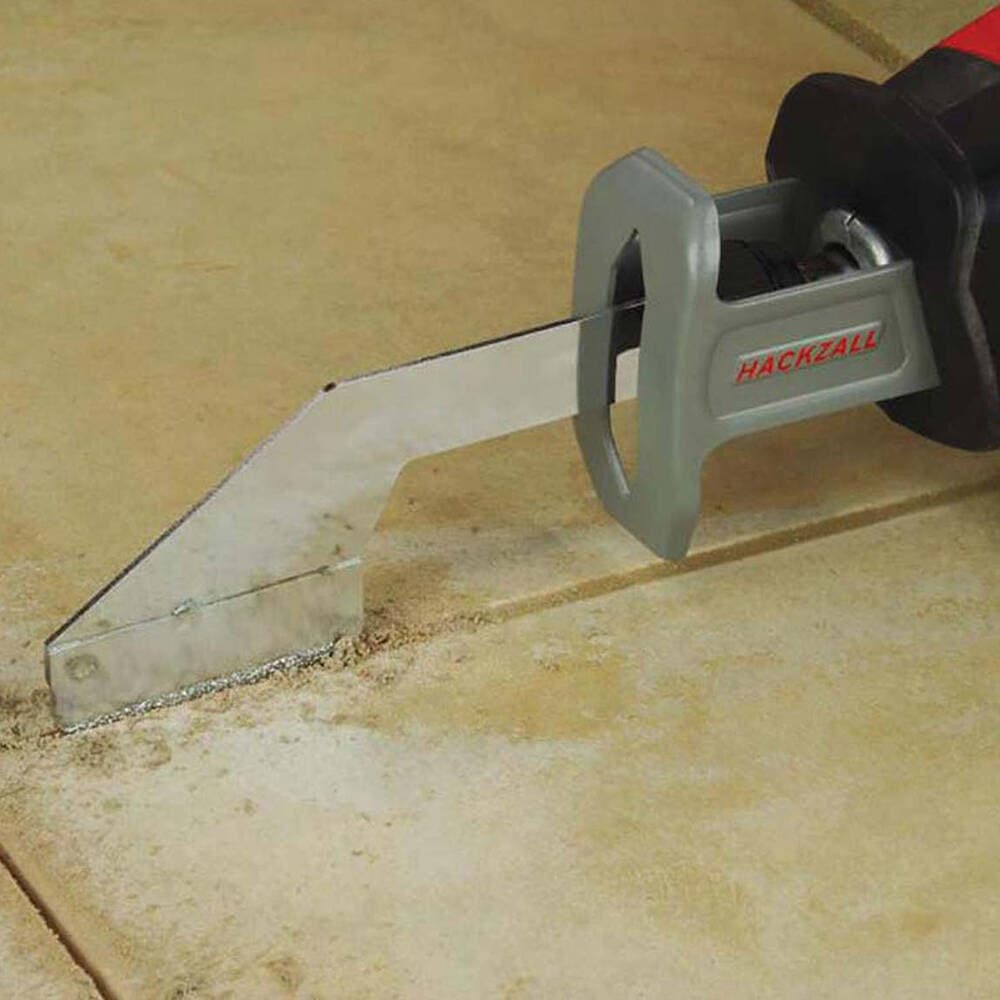
Milwaukee C12 HZ-202C Cordless El Tipi Reciprocating Saw Blade
Milwaukee · Reciprocating Saws
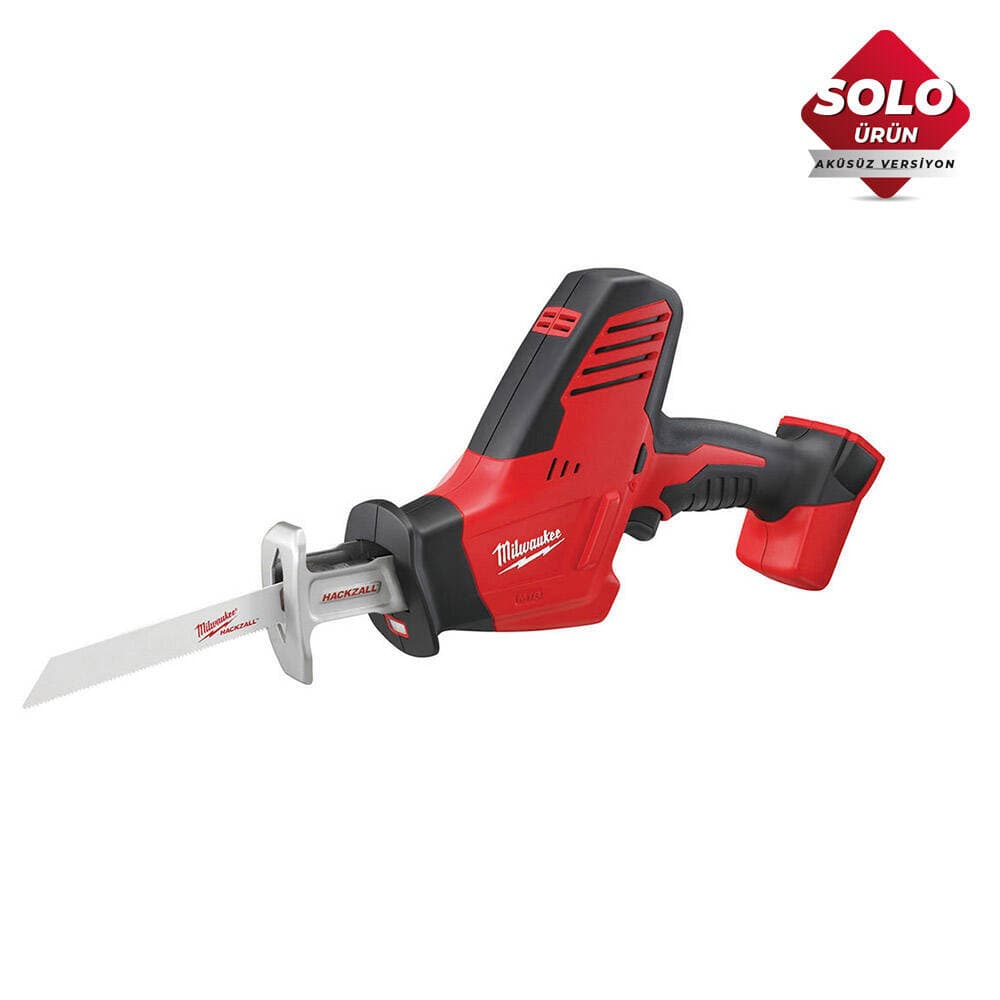
Milwaukee C18 HZ-0 Cordless Compact Reciprocating Saw Blade
Milwaukee · Reciprocating Saws
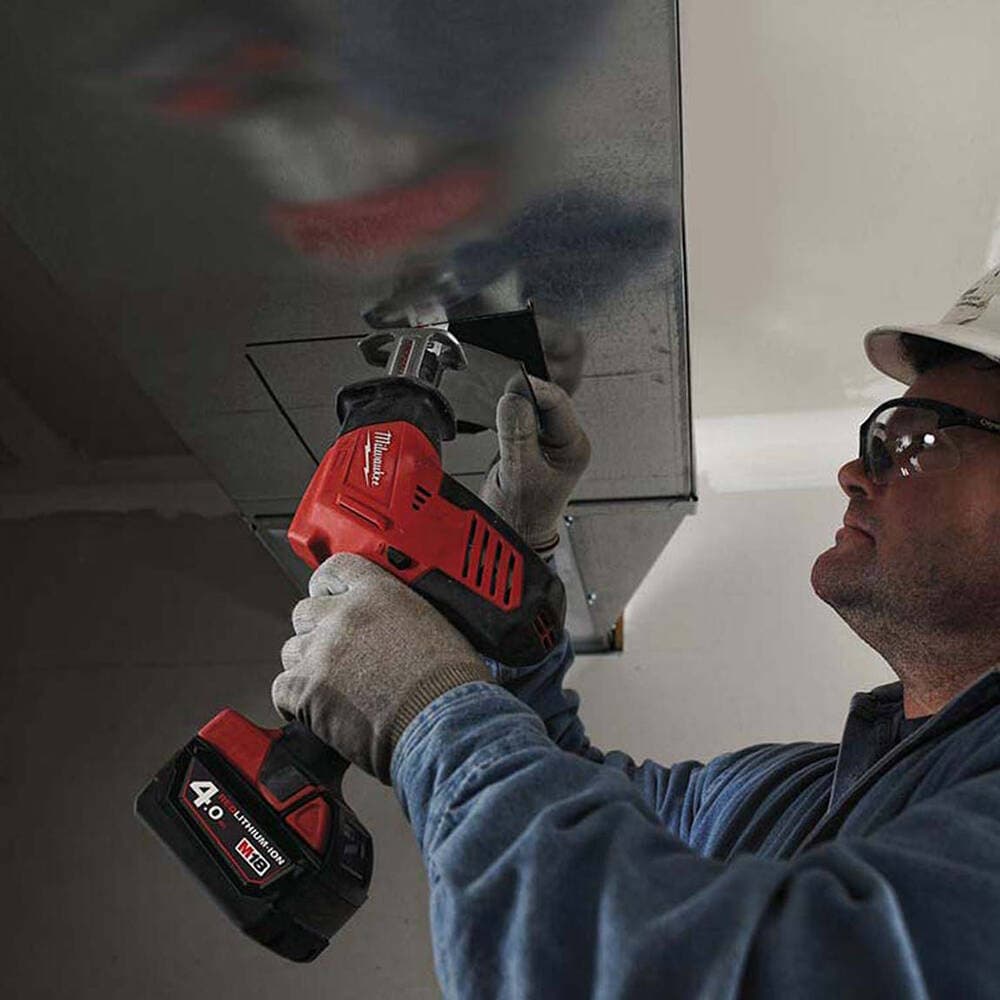
Milwaukee C18 HZ-402B Cordless Compact Reciprocating Saw Blade
Milwaukee · Reciprocating Saws
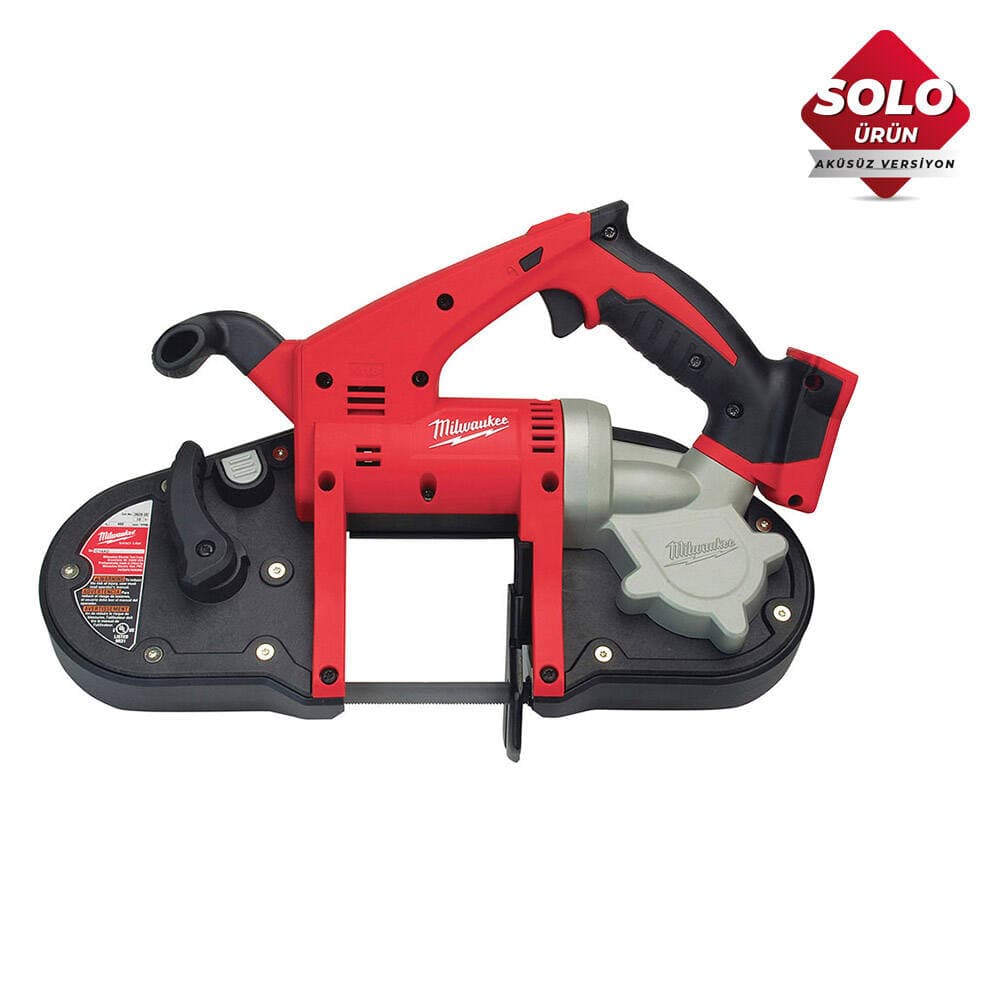
Milwaukee HD18 BS-0 Cordless Band Saw
Milwaukee · Reciprocating Saws
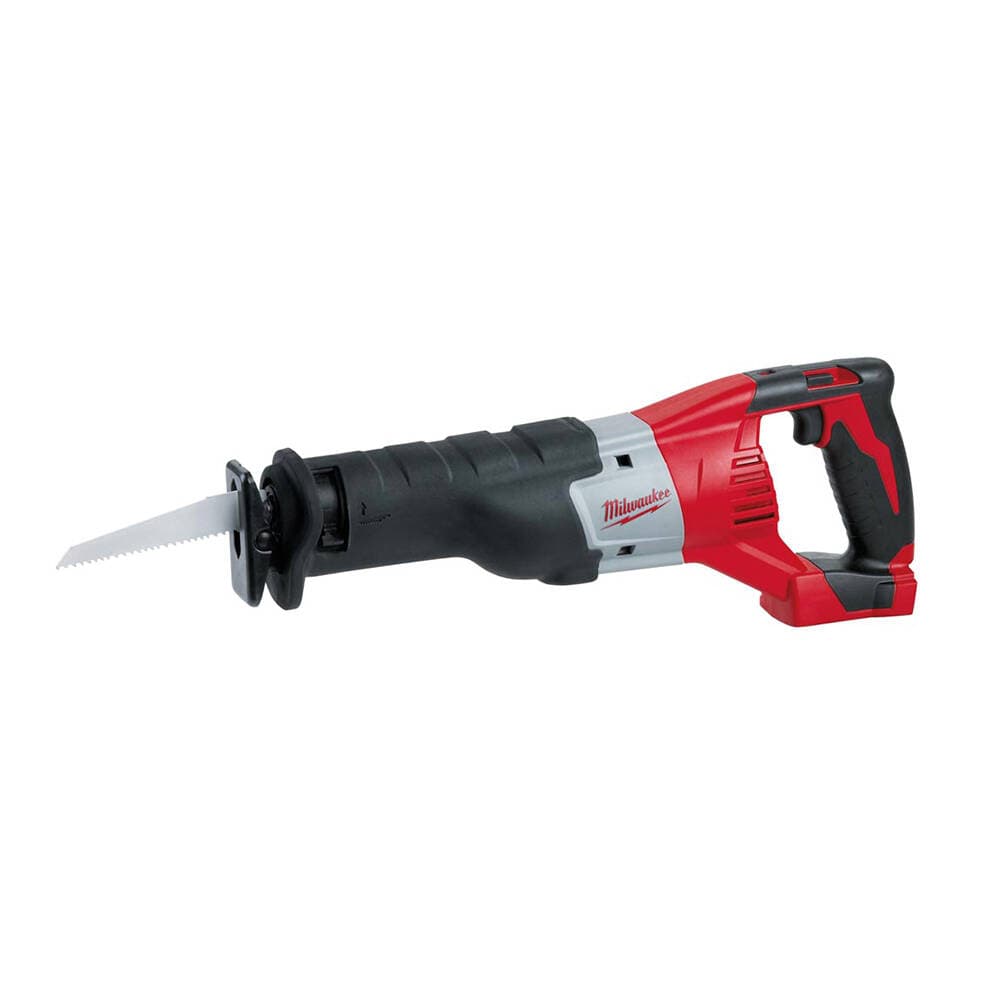
Milwaukee HD18 SX Cordless Reciprocating Saw Blade
Milwaukee · Reciprocating Saws
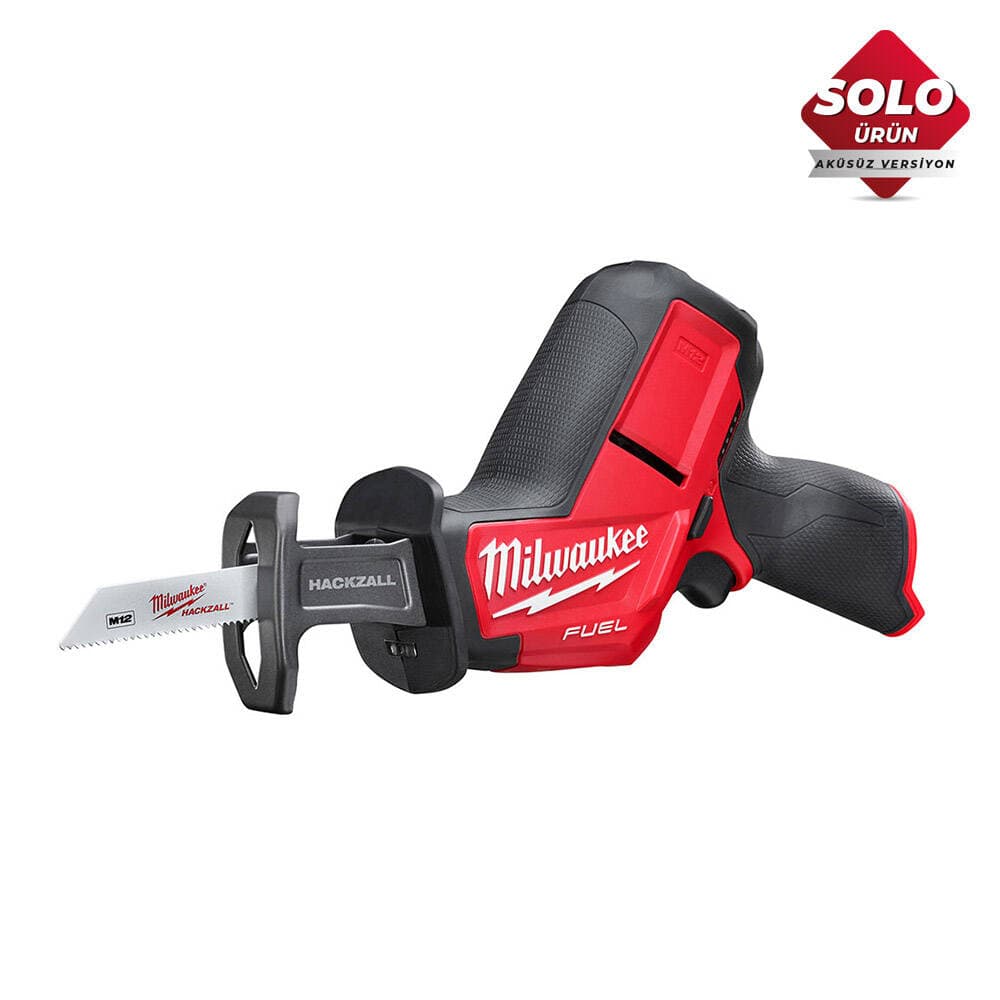
Milwaukee M12 CHZ-0 Cordless El Tipi Reciprocating Saw Blade
Milwaukee · Reciprocating Saws
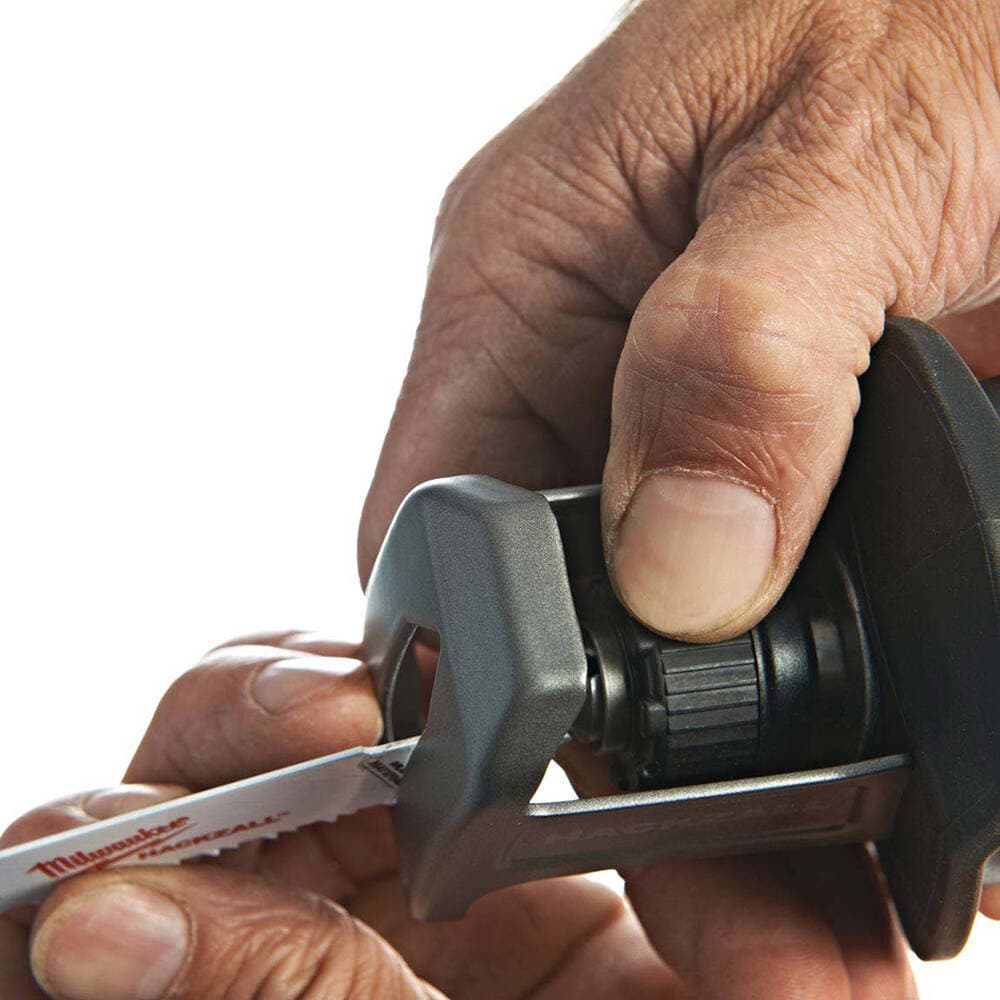
Milwaukee M12 CHZ-402C Cordless El Tipi Reciprocating Saw Blade
Milwaukee · Reciprocating Saws
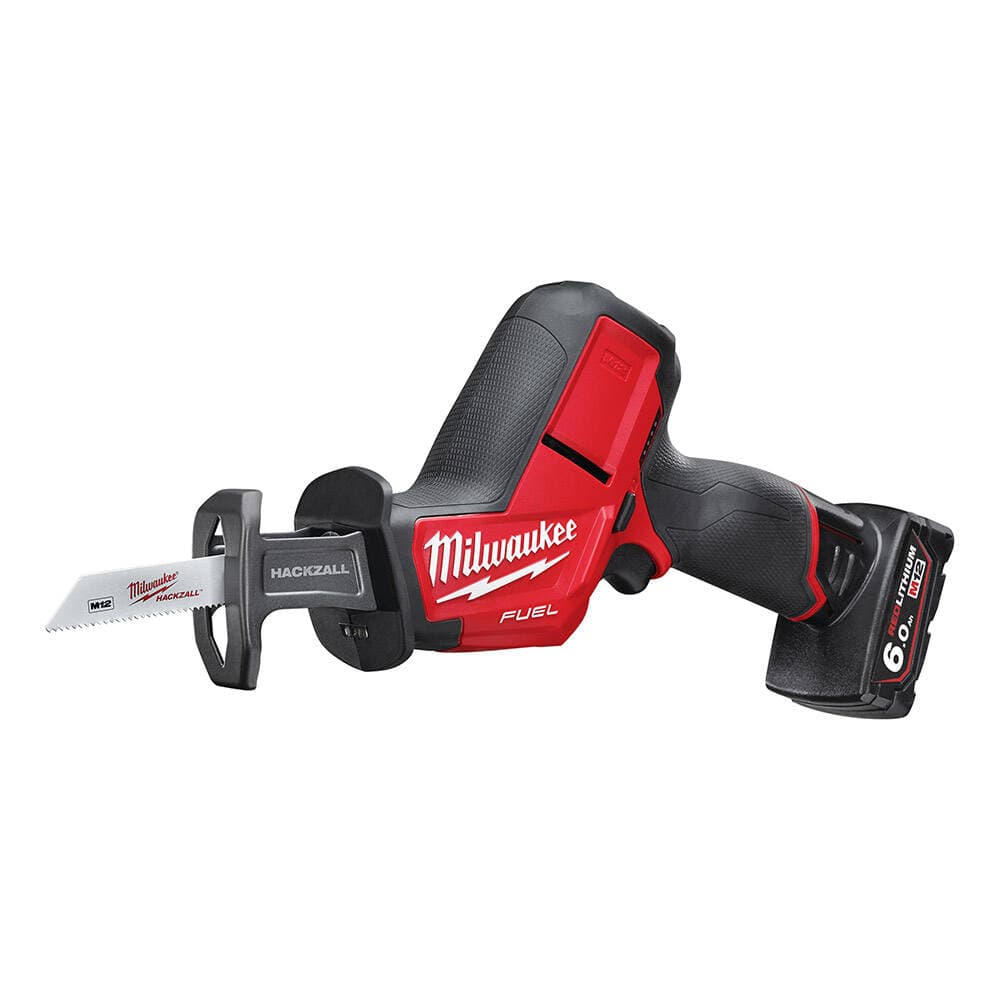
Milwaukee M12 CHZ-602X Cordless El Tipi Reciprocating Saw Blade
Milwaukee · Reciprocating Saws
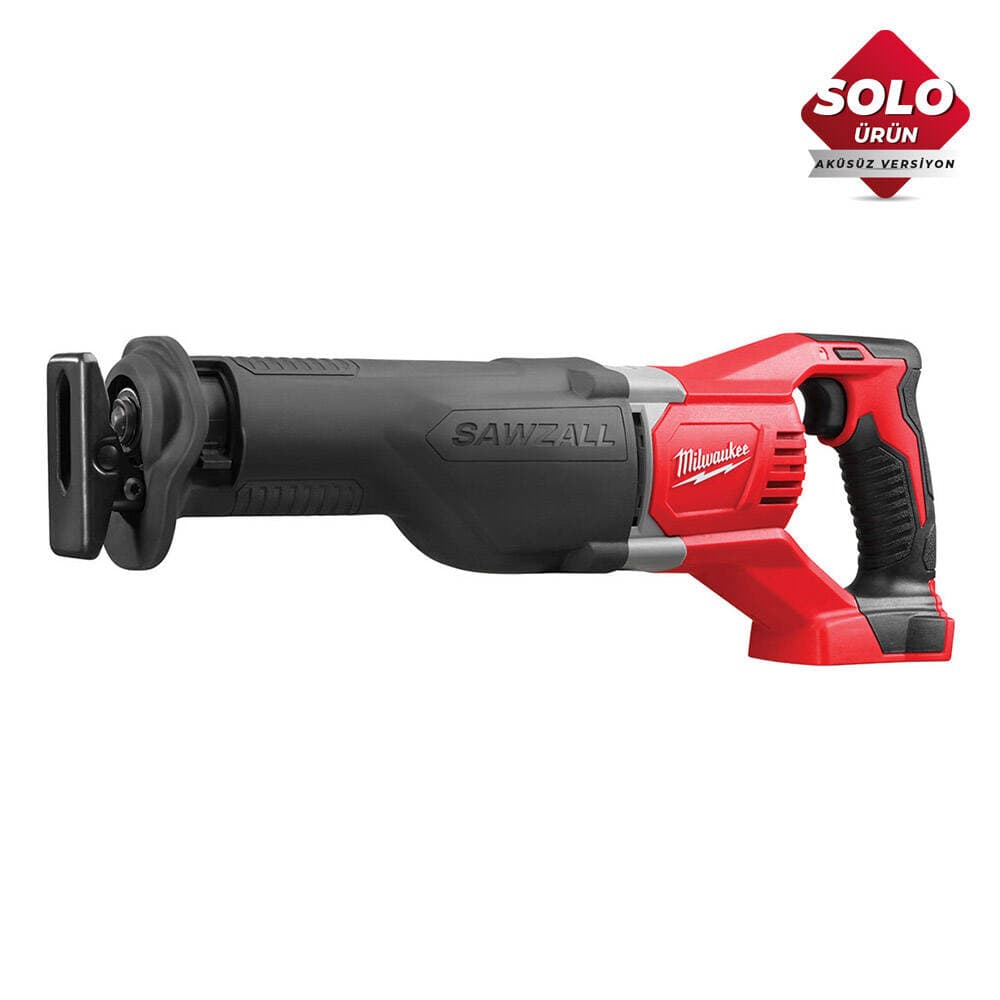
Milwaukee M18 BSX-0 Cordless Reciprocating Saw Blade
Milwaukee · Reciprocating Saws
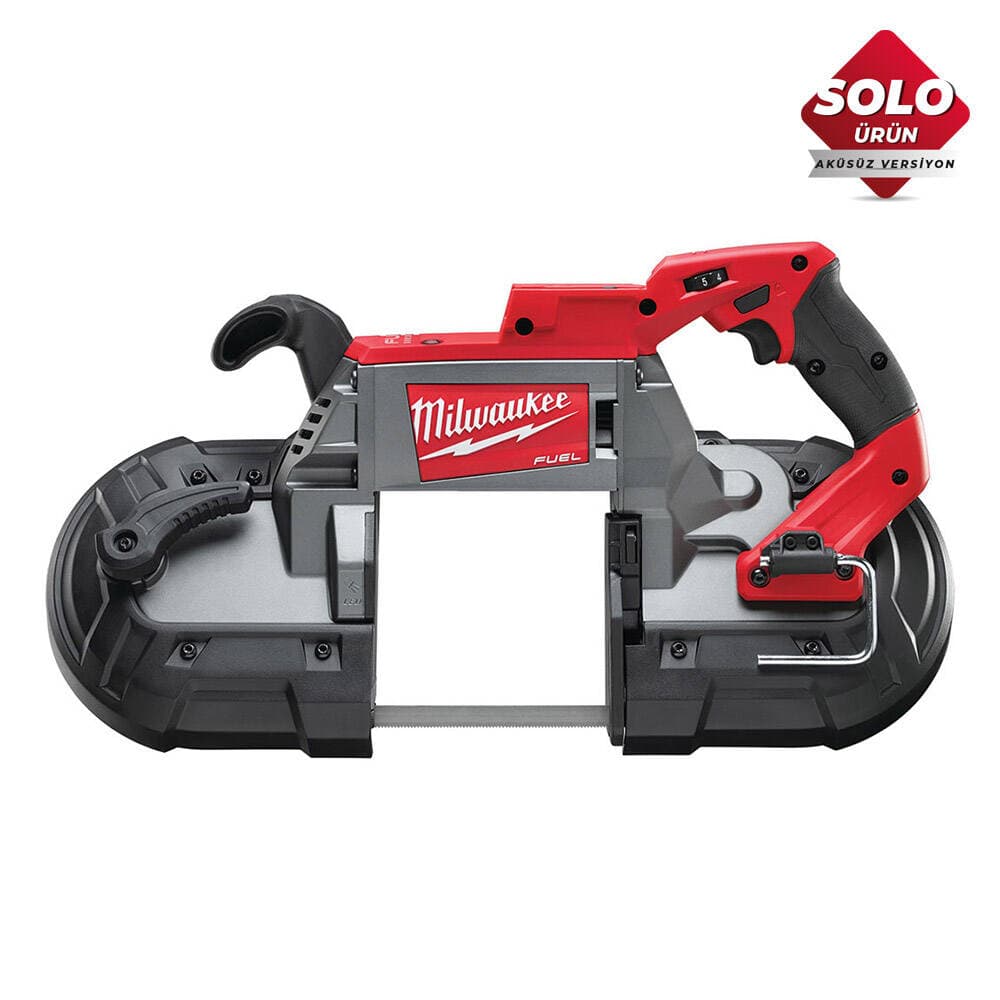
Milwaukee M18 CBS 125-0 Cordless Tape Kesme
Milwaukee · Reciprocating Saws
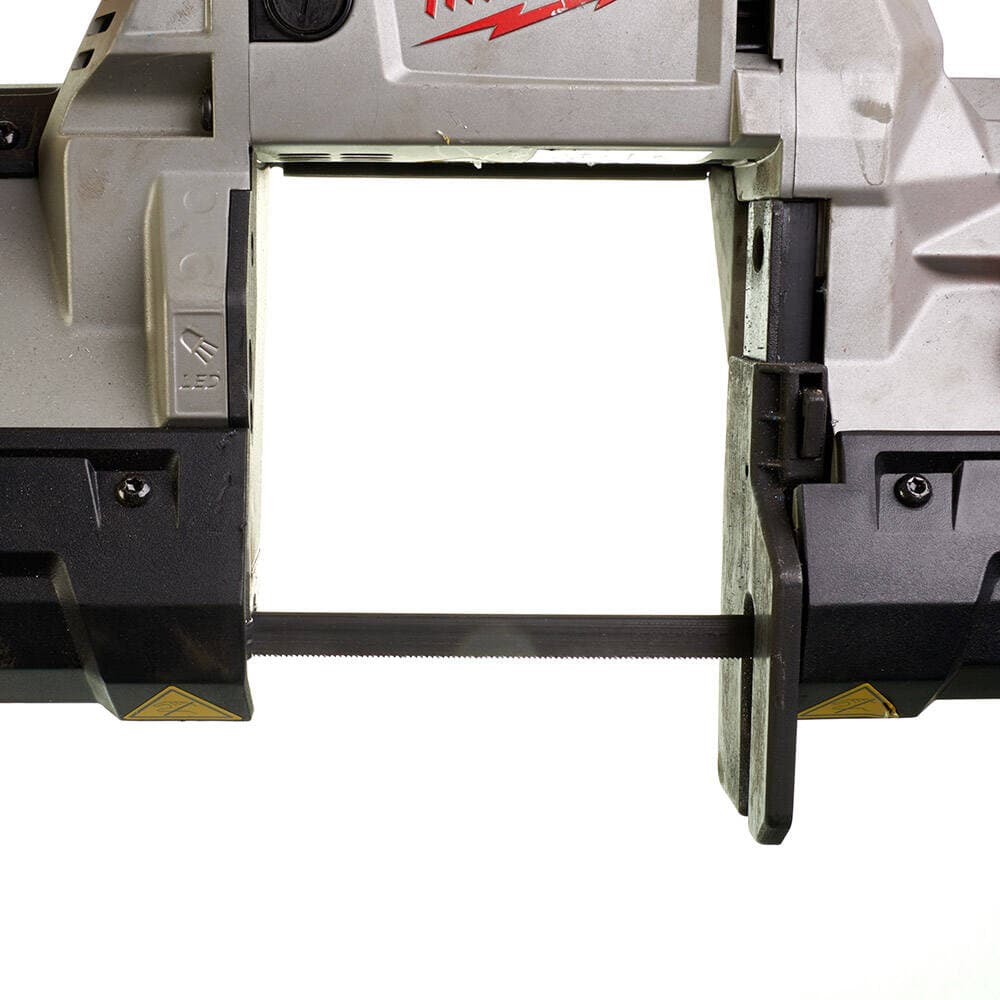
Milwaukee M18 CBS 125-502C Cordless Tape Kesme
Milwaukee · Reciprocating Saws
1–24 of 43 · page 1 / 2
Stroke length and stroke rate
Stroke length is how far the blade travels in one movement; a longer stroke puts more teeth through thick material, so it cuts faster and the blade runs cooler. Heavy demolition machines run 28-32 mm strokes.
Stroke rate (spm) is movements per minute and follows the material: high in timber, low in metal. Orbital-action models speed up noticeably in timber.
Choosing blades
Blades follow the material and the kind of work. In strip-out you will meet nails and screws, so use bimetal nail-embedded wood blades; a plain wood blade loses teeth on the first nail.
| Material | Blade | Tooth pitch |
|---|---|---|
| Timber | Wood blade | Coarse, fast cutting |
| Nail-embedded wood | Bimetal | Medium, survives nails |
| Metal pipe / section | Fine bimetal | Fine teeth, low stroke rate |
| Concrete / cast iron | Carbide tipped | Cuts by abrasion |
In use
Keep the shoe pressed against the work through the cut; cutting without it raises vibration and breaks blades. Choose a blade a few centimetres longer than the material is thick, so the blade clears the work on every stroke.
Frequently Asked Questions
What is a reciprocating saw for?
Strip-out and tight-access work: cutting timber, removing nail-embedded wood, cutting pipe and sections, pruning. For straight, accurate cuts a circular or mitre saw is the better tool.
Why does stroke length matter?
A longer stroke puts more teeth through the material per movement: faster cutting and a cooler blade. Heavy demolition machines typically run 28-32 mm.
Which blade cuts nail-embedded timber?
Bimetal demolition blades. A standard wood blade loses teeth on the first nail; a bimetal blade cuts straight through nails and screws.
Why do my blades keep breaking?
Usually cutting without the shoe against the work, or the blade binding in the cut. Choose a blade a few centimetres longer than the material thickness.
Can a cordless model replace a corded one?
For most strip-out work, yes — especially on high-output 18 V packs. For continuous industrial cutting, corded still has the advantage.