Categories
Lockable Bollards
Lockable bollards physically stop a reserved bay from being used by someone else. The catalog lists lockable folding parking bollards, folding U posts, hoop posts, self-locking models, an 8x8 base-plate lockable bollard and a 30x64x86 cm parking barrier.
kendinden-kilitli-yatar-u-direk-mfk6201
Lockable Bollards

kilitli-direk-mfk6250
Lockable Bollards
kilitli-yatar-park-diregi-mfk6246
Lockable Bollards

kilitli-yatar-park-diregi-mfk6288
Lockable Bollards

kilitli-yatar-park-diregi-mfk6289
Lockable Bollards

kilitli-yatar-simit-direk-mfk6210
Lockable Bollards
kilitli-yatar-u-direk-mfk6200
Lockable Bollards
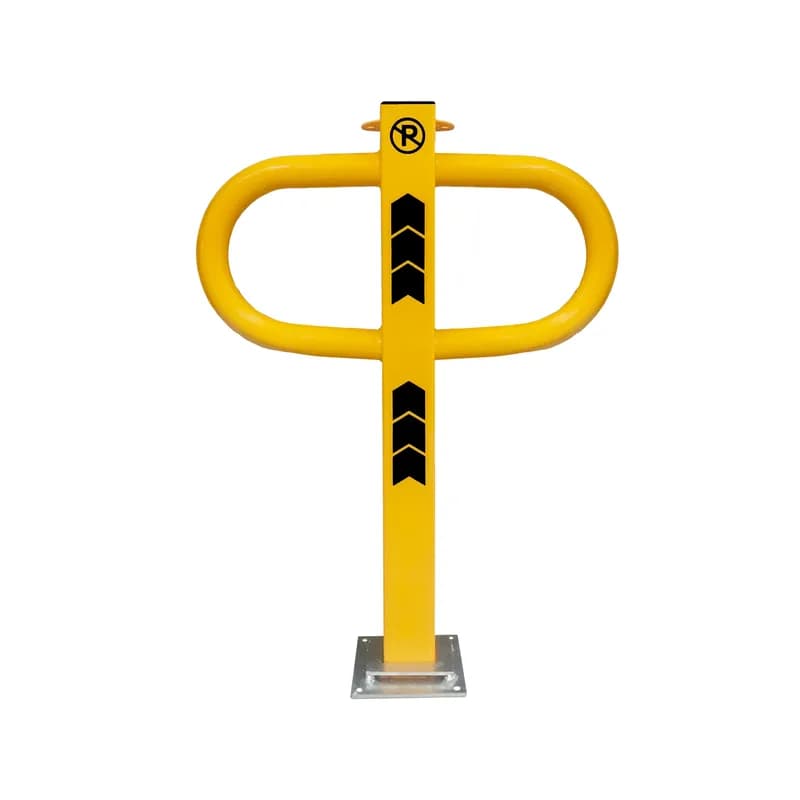
park-bariyeri-30x64x86-cm-mfk6255
Lockable Bollards
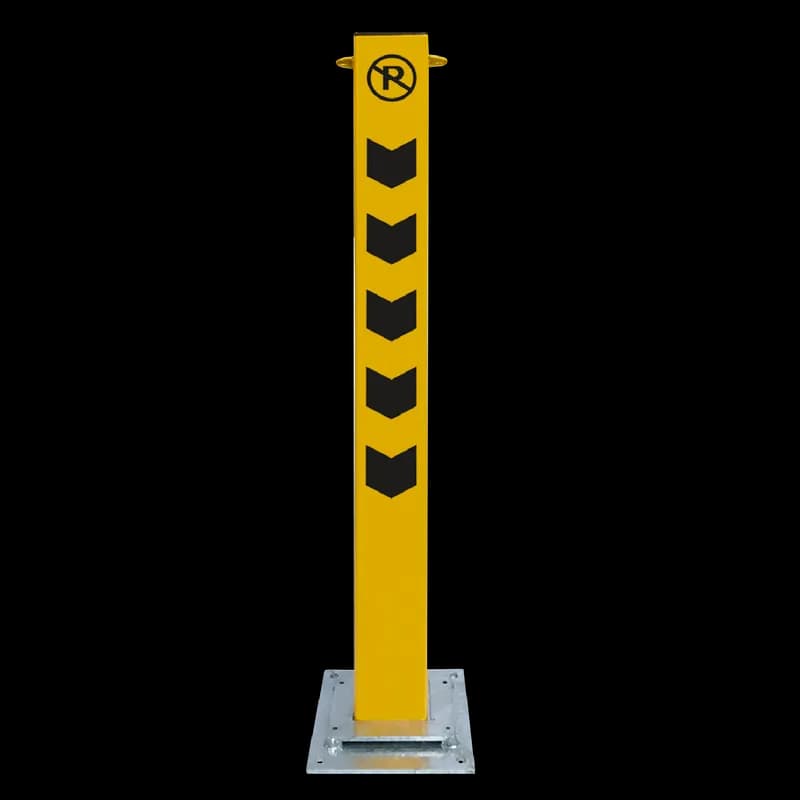
tabanli-8x8-kilitli-direk-mfk6270
Lockable Bollards
Folding, U and Hoop Posts
Folding bollards drop to the ground once unlocked, so the driver parks without lifting anything, then raises and locks the post again on leaving. U and hoop shapes block a wider section, making one unit a more effective obstacle; classic single-body posts suit narrow bays and individual spaces.
On self-locking models the lock engages automatically when the post is raised, so the key is only needed to lower it. That shortens the routine where a bay is used several times a day.
- Lockable folding parking bollard — classic, for narrow bays
- Folding U and hoop posts — wider section, stronger single-unit obstacle
- Self-locking folding U post — locks automatically when raised
- 8x8 base-plate lockable bollard — plate-mounted anchoring
- Parking barrier 30x64x86 cm — wide-bodied area closure
Installation and Applications
Bollards are anchored into the surface; on plate-mounted models the plate is fixed first and the body attached to it. Plate mounting spreads the load over a wider area, which is why it is preferred on asphalt.
They protect reserved bays in residential and office car parks, commercial areas, hospitals and public buildings. At EV charging points and accessible bays, pairing a bollard with a sign gives both the notice and the physical protection.
Frequently Asked Questions
What surface can a lockable bollard be fitted to?
Concrete and asphalt, using anchors. On plate-mounted models the plate is fixed first and the body bolted to it; plate mounting spreads the load over a wider area, which helps on asphalt.
U post or classic post?
U and hoop posts block a wider section, so a single unit is harder to drive around. Classic single-body posts cost less and are enough for narrow bays and individual spaces.
What does a self-locking model add?
The lock engages automatically when the post is raised, so the key is only needed to lower it. That saves time where a bay is used several times a day and prevents the post being left unlocked.