Categories
Rotary Hammers & Breakers
A rotary hammer strikes the back of the bit with a pneumatic piston and breaks concrete by impact energy — which is why it advances incomparably faster than a percussion drill. This page explains what impact energy in joules tells you, how SDS-plus and SDS-max differ, and how the duty classes divide. The catalogue holds over 70 models.
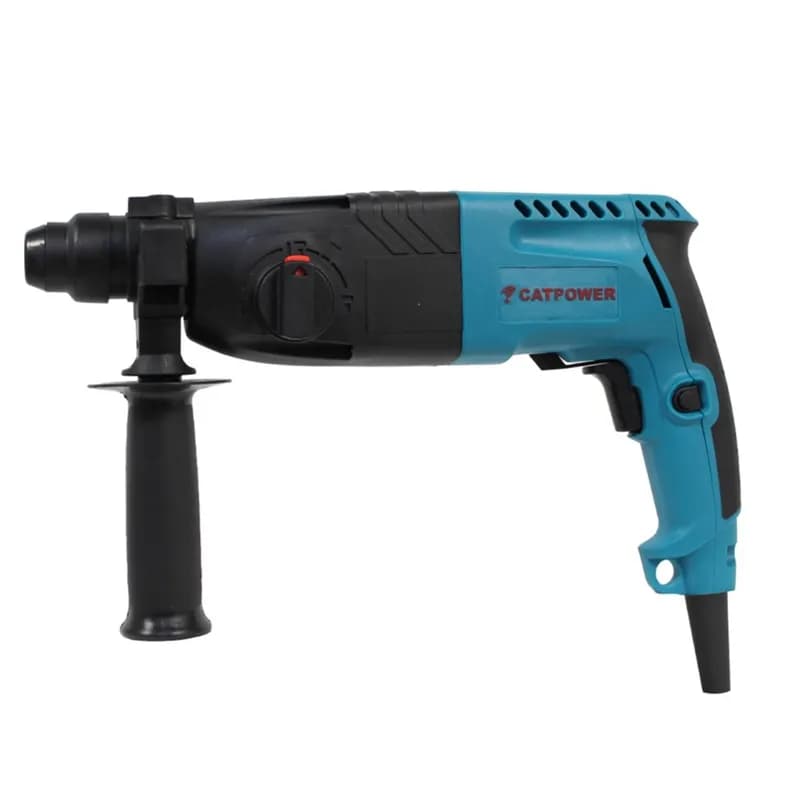
Catpower CATE5701 Rotary Hammer 800 W 2.5 kg
CATPOWER · Rotary Hammers & Breakers
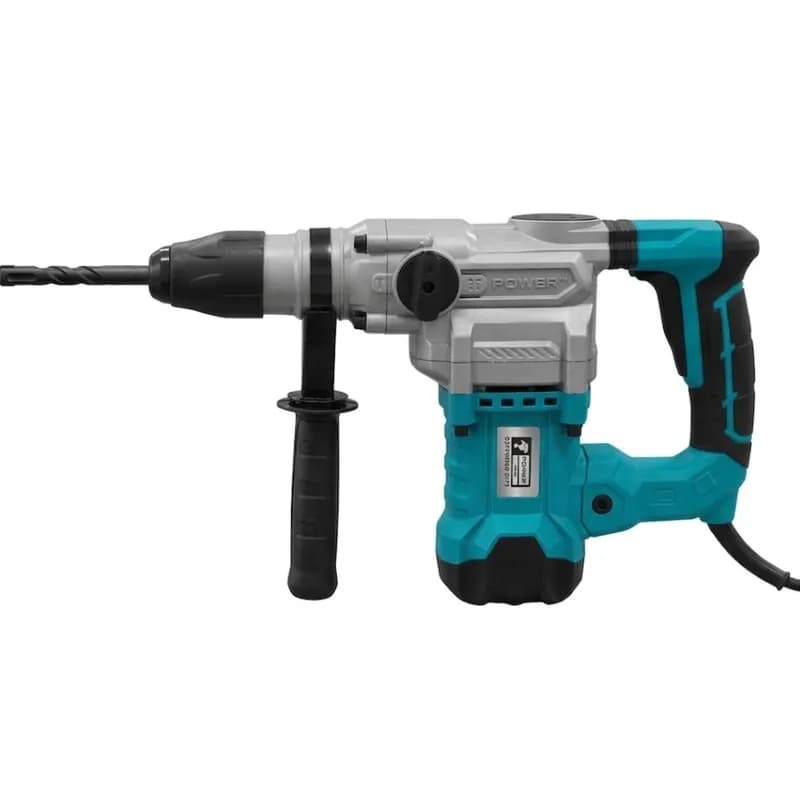
Catpower CAT5913 Rotary Hammer 1600 W 7.3 kg
CATPOWER · Rotary Hammers & Breakers
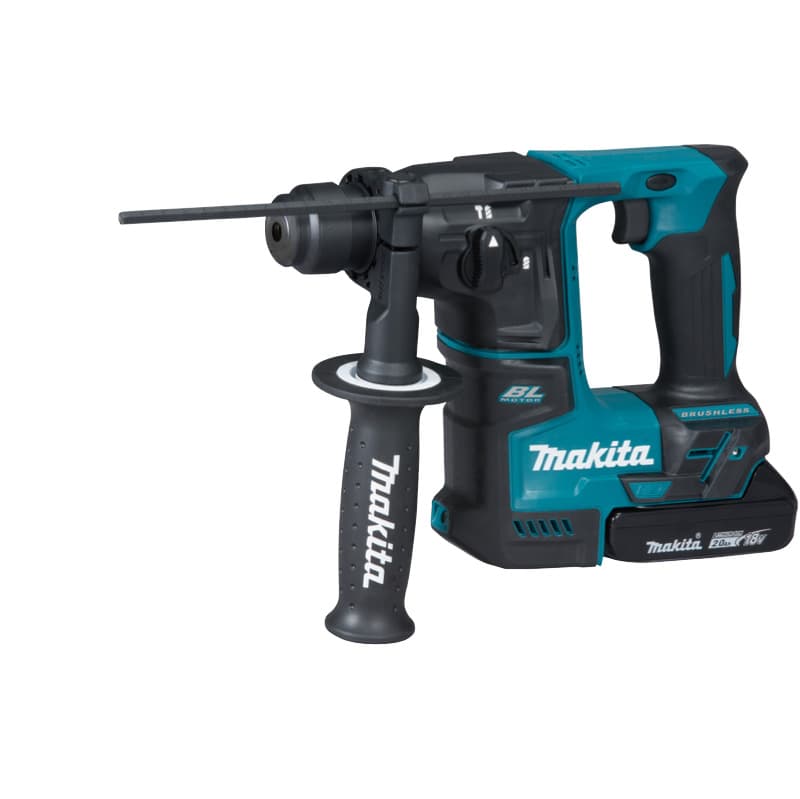
Makita DHR171RTJ Electropneumatic Hammer 18V
Makita · Rotary Hammers & Breakers
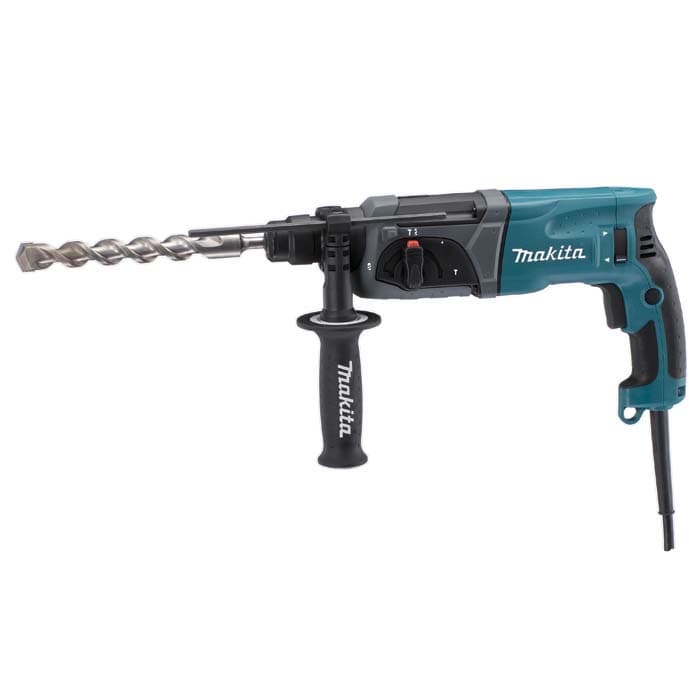
Makita HR2470 Electropneumatic Hammer Breaker
Makita · Rotary Hammers & Breakers
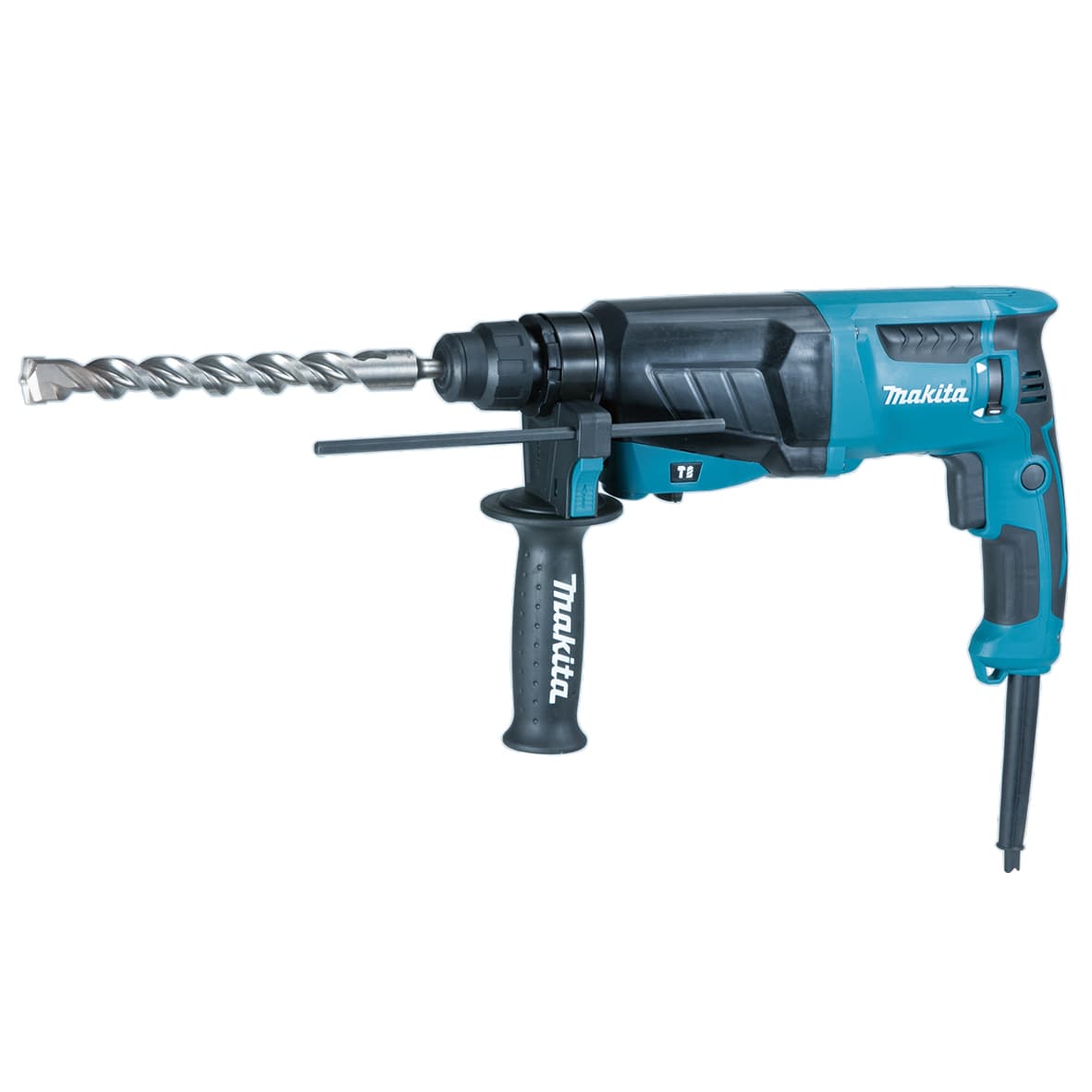
Makita HR2630 Electropneumatic Hammer Breaker
Makita · Rotary Hammers & Breakers
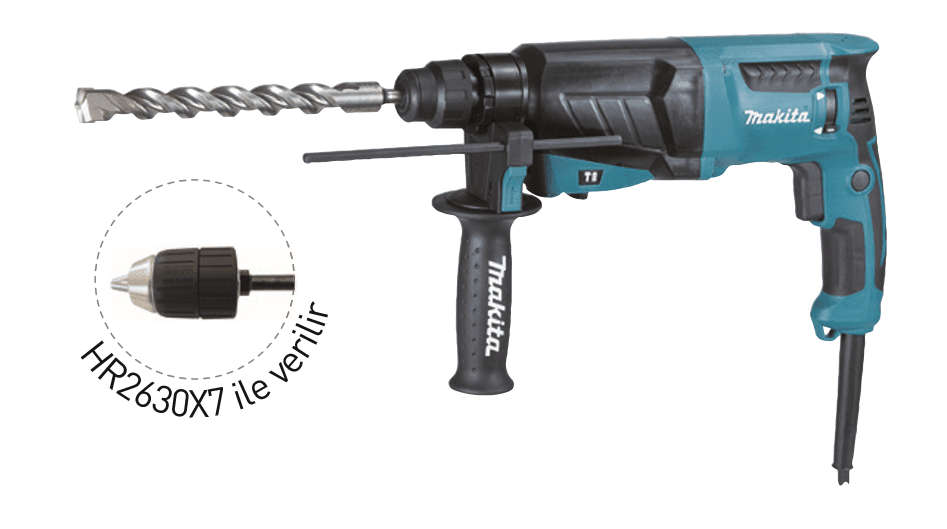
Makita Hr2630x7 Electropneumatic Hammer Breaker
Makita · Rotary Hammers & Breakers

Makita HR2670 Electropneumatic Hammer-Breaker
Makita · Rotary Hammers & Breakers

Makita HR3540C Electropneumatic Hammer Breaker
Makita · Rotary Hammers & Breakers
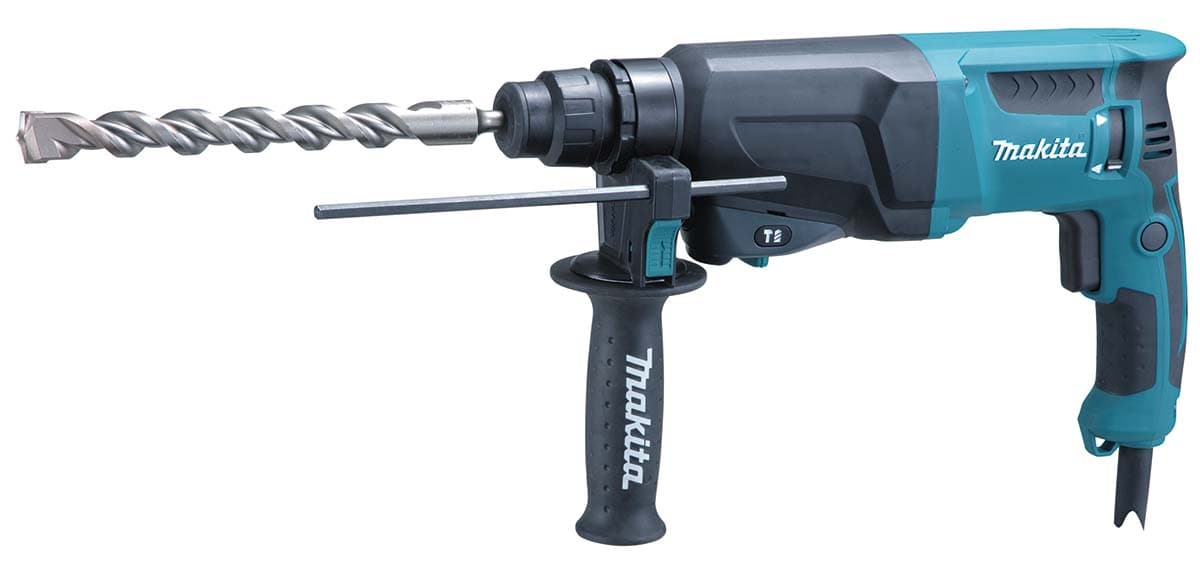
Makita HR2600 Electropneumatic Hammer
Makita · Rotary Hammers & Breakers

Makita HM001GM202 Electropneumatic Breaker 40V
Makita · Rotary Hammers & Breakers

Makita HM004GZ05 Electropneumatic Breaker
Makita · Rotary Hammers & Breakers
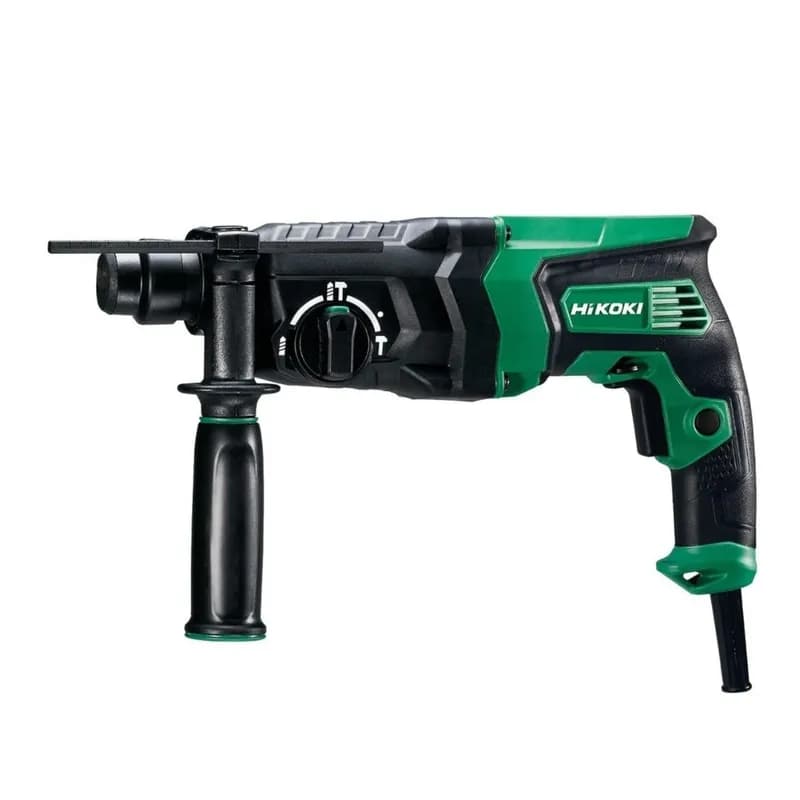
Hikoki DH26PC2 Rotary Hammer 830 W 2.8 kg
HİKOKİ · Rotary Hammers & Breakers
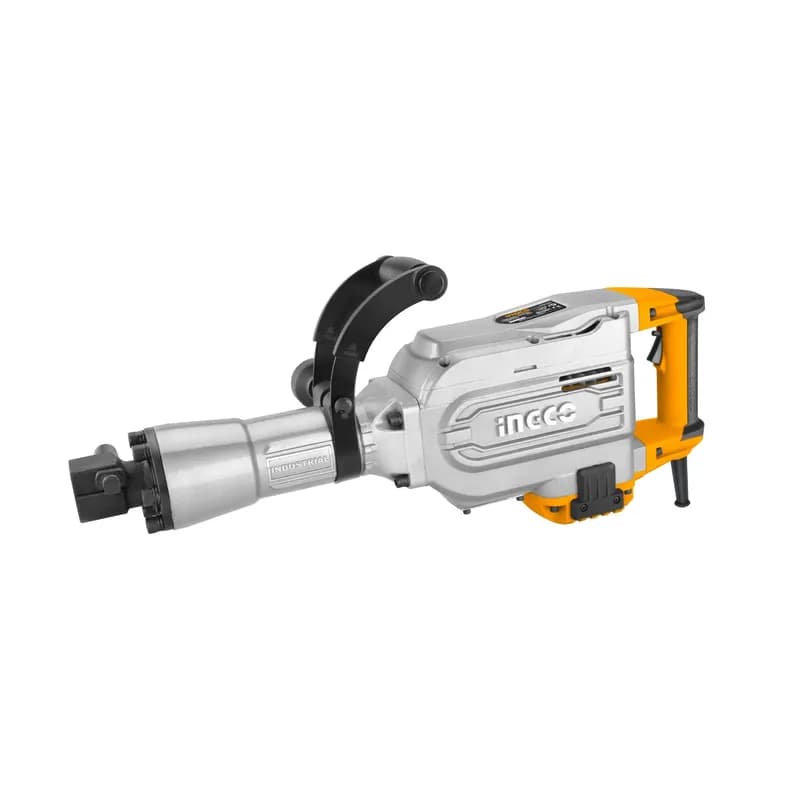
Ingco PDB17008 Demolition Breaker 1700 W 16 kg
İNGCO · Rotary Hammers & Breakers
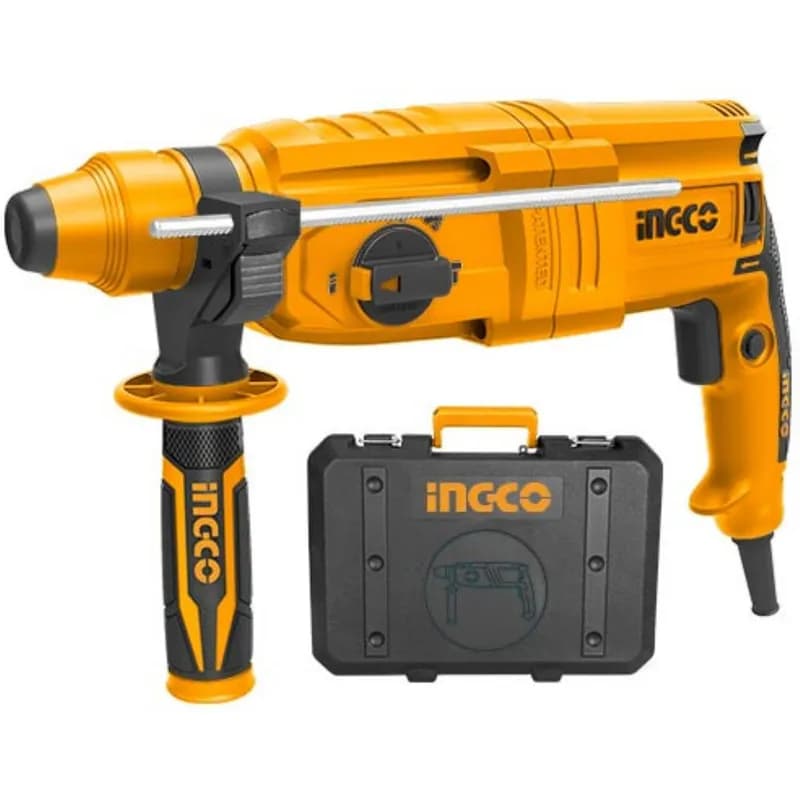
Ingco RGH9028 Rotary Hammer 800 W 3 kg
İNGCO · Rotary Hammers & Breakers
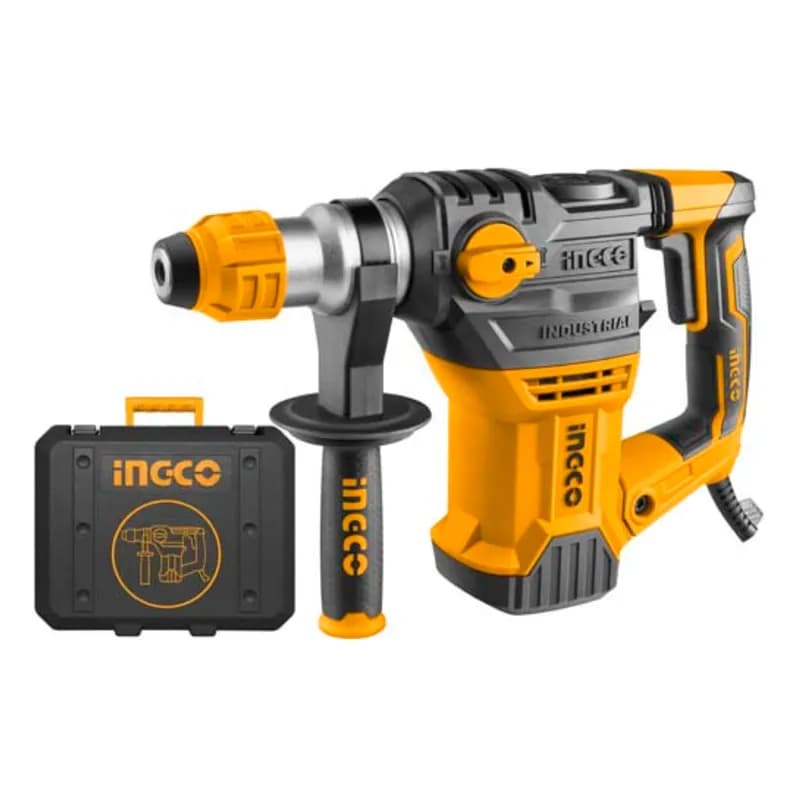
Ingco RH150028 Rotary Hammer 1500 W 5.5 kg
İNGCO · Rotary Hammers & Breakers
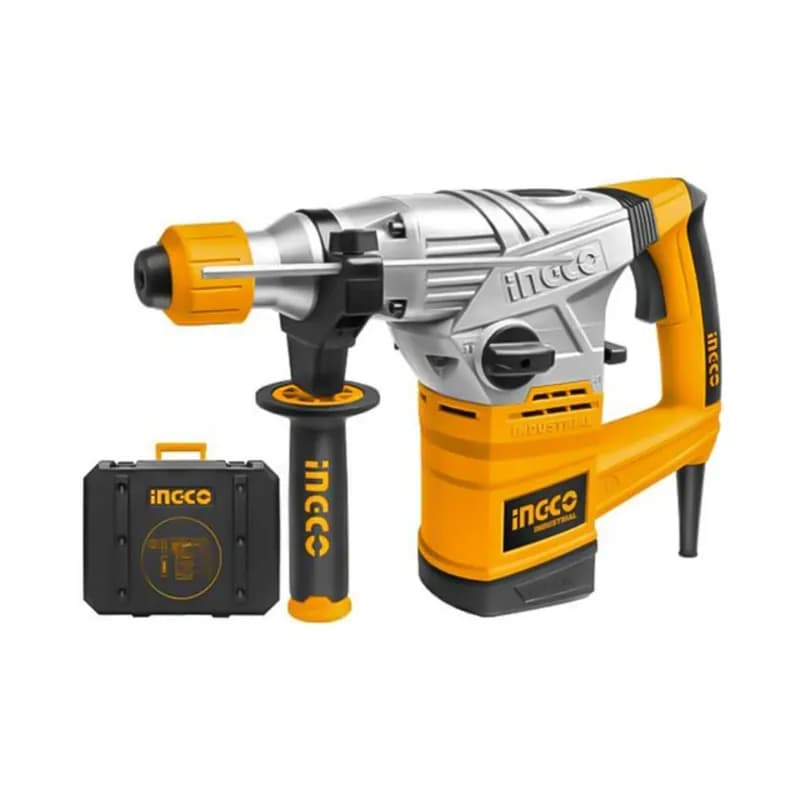
Ingco RH15008 Demolition Breaker 1500 W 6 kg
İNGCO · Rotary Hammers & Breakers
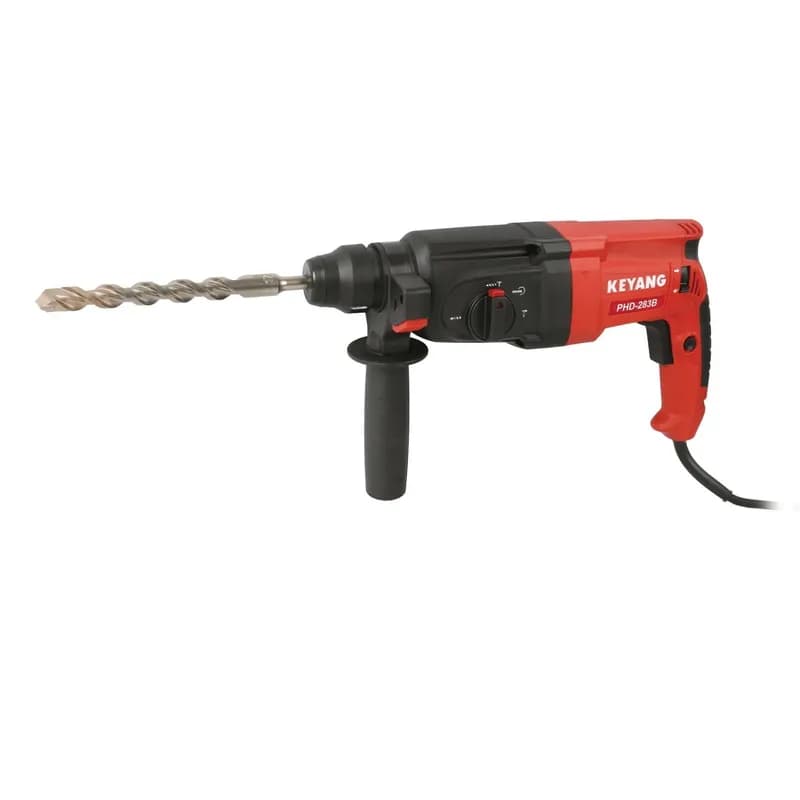
Keyang PHD-283B Rotary Hammer 800 W 2.9 kg
KEYANG · Rotary Hammers & Breakers

Makita DHR242Z Rotary Hammer 18V
Makita · Rotary Hammers & Breakers

Makita DHR282Z Rotary Hammer 2x18v
Makita · Rotary Hammers & Breakers
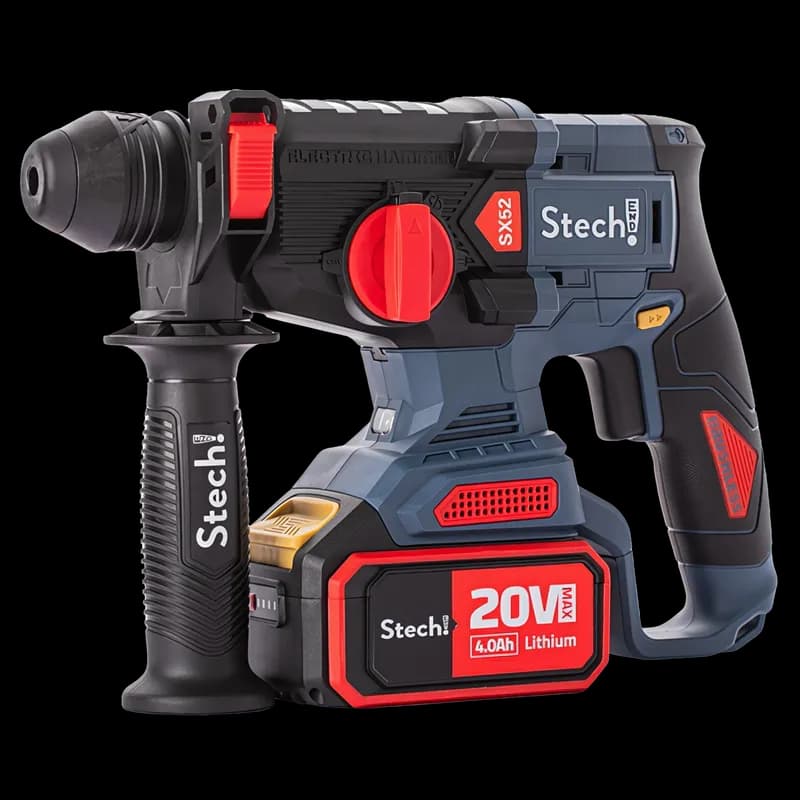
Stech-End SX52 Cordless Rotary Hammer 20V 4.0 Ah
STECH-END · Rotary Hammers & Breakers
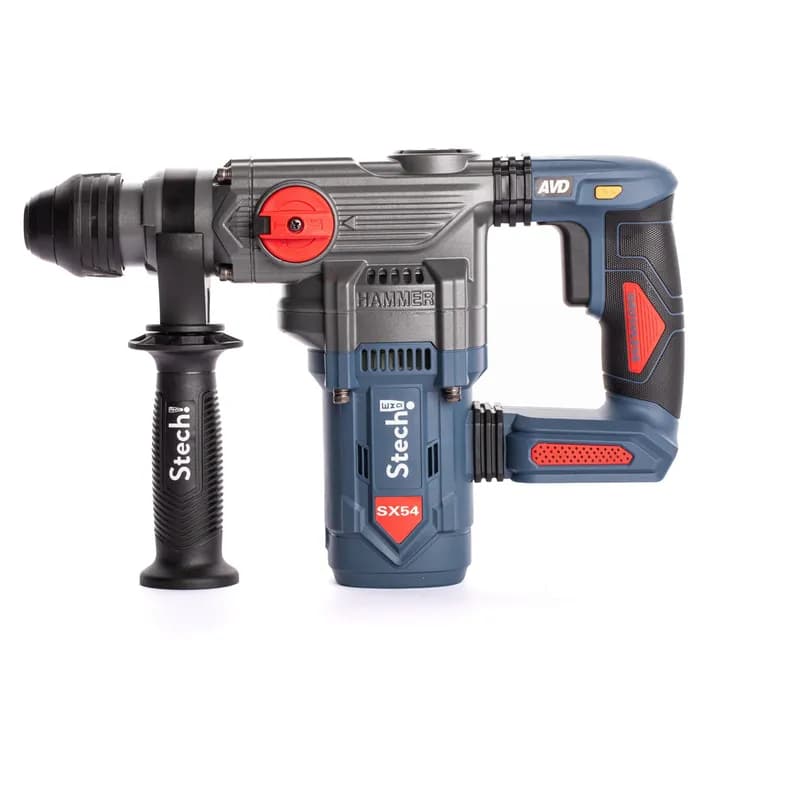
Stech-End SX54 Cordless Rotary Hammer 20V 4.0 Ah
STECH-END · Rotary Hammers & Breakers
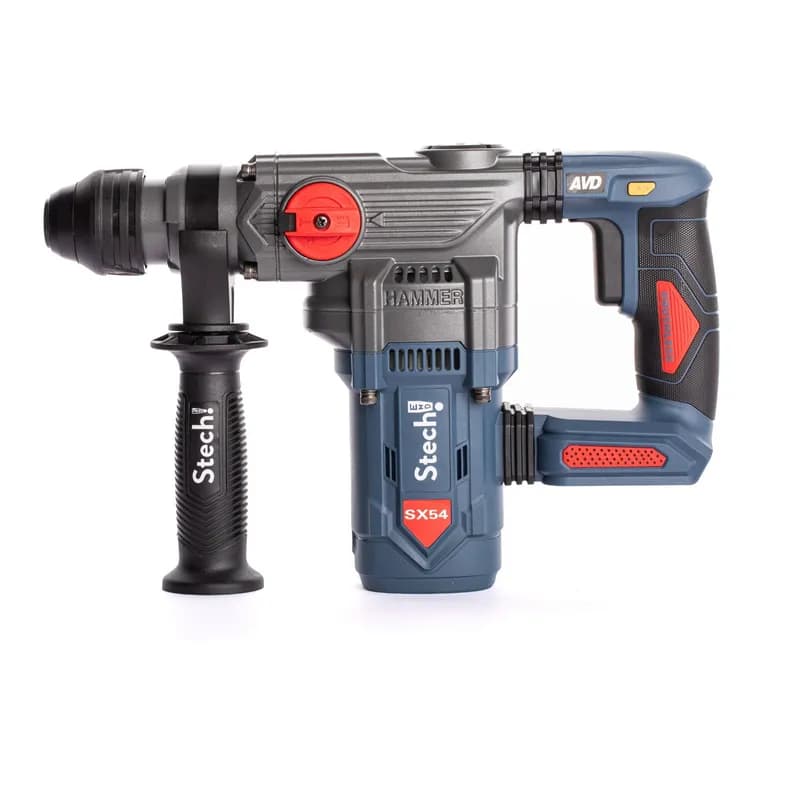
Stech-End SX54 Cordless Rotary Hammer 20V 6.0 Ah
STECH-END · Rotary Hammers & Breakers
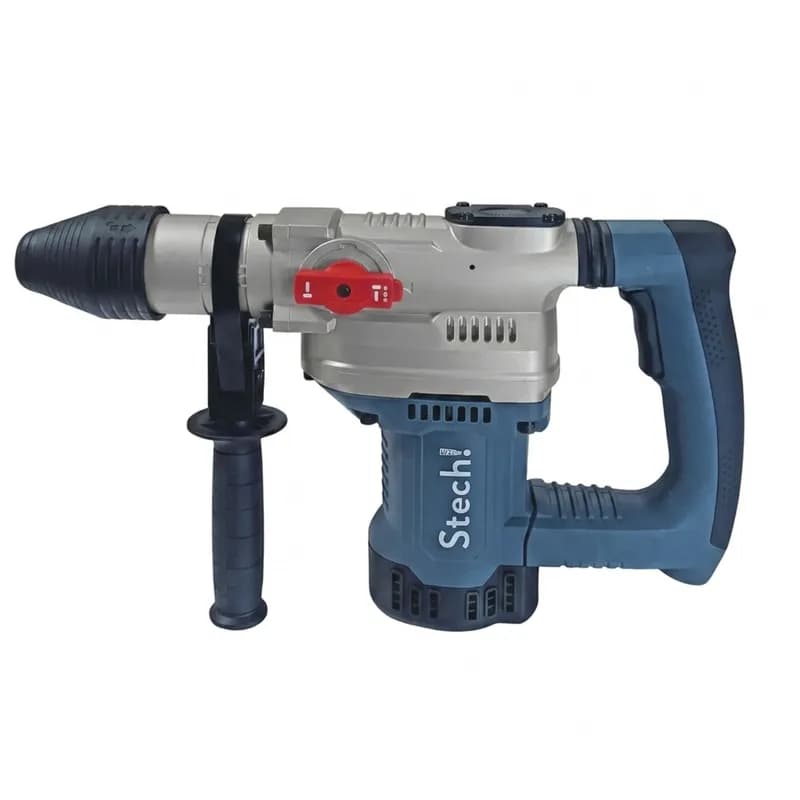
Stech-End SKD1412 Rotary Hammer 6.2 kg
STECH-END · Rotary Hammers & Breakers
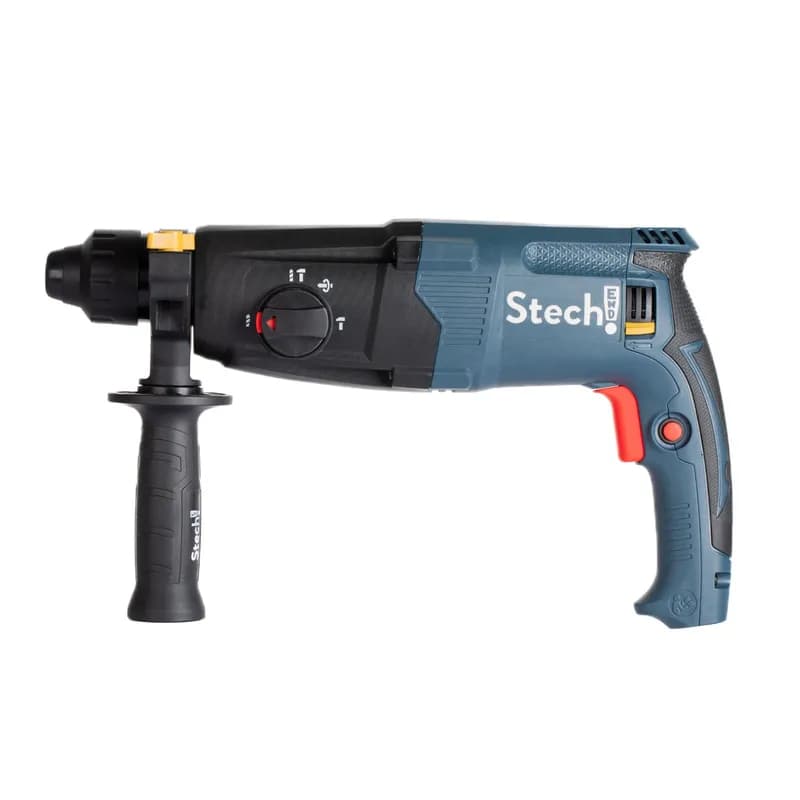
Stech-End SPM8026 Rotary Hammer 800 W 3.3 kg
STECH-END · Rotary Hammers & Breakers
1–24 of 86 · page 1 / 4
Impact energy and duty class
The figure that decides these machines is not watts but impact energy in joules: the energy delivered to the bit with each blow. Between two machines of equal wattage, the one with more joules advances faster in concrete.
| Class | Impact energy | Shank | Work |
|---|---|---|---|
| Light | 1-3 J | SDS-plus | Anchor holes, services, socket boxes |
| Medium | 3-8 J | SDS-plus / SDS-max | Pilot holes, tile removal |
| Heavy | 8-20 J | SDS-max | Breaking concrete, opening walls |
| Demolition | Above 20 J | Hex / SDS-max | Floors and slabs |
SDS-plus and SDS-max
SDS bits are not clamped: they lock into the holder and stay free by a few millimetres along their axis, so the piston delivers its blow straight to the bit. SDS-plus has a 10 mm shank covering 4-30 mm holes; SDS-max has an 18 mm shank for heavy machines. The two do not interchange.
Three-mode machines select drilling, hammer drilling and hammer-only. Hammer-only turns the tool into a small breaker.
- SDS-plus: 10 mm shank, 4-30 mm holes, services and anchors.
- SDS-max: 18 mm shank, heavy drilling and breaking.
- Three modes: drill / hammer drill / hammer only.
- Vibration damping reduces fatigue over long spells.
Use and maintenance
A thin film of grease on the bit shank noticeably reduces wear on both holder and bit. Pressing harder does not speed the job: the energy comes from the piston, and extra force only heats machine and bit.
Stop hammer drilling when you hit reinforcement — rebar blunts a hammer bit. Use a rebar-cutting bit or a core drill instead.
Frequently Asked Questions
Watts or joules when choosing a rotary hammer?
Joules. Impact energy is what reaches the bit on each blow and sets the rate of progress in concrete; watts only describe the motor's input.
Will an SDS-plus bit fit an SDS-max machine?
No. The shanks are 10 mm and 18 mm and the holders do not match. Adapters are not advisable for heavy breaking.
How many joules do I need?
2-3 J covers services, anchors and socket boxes. Breaking concrete and opening walls calls for 8-20 J, and floor breaking for more than 20 J.
Can a percussion drill replace a rotary hammer?
In brick and aerated block, yes; in concrete, no. A percussion drill's hammer action comes from ridged plates rubbing and carries very little energy.
Should the bit shank be greased?
Yes — a thin film extends the life of both holder and bit. A thin coat is enough; too much collects dust.
Does pressing harder speed up drilling?
No. The energy comes from the piston; extra force only heats the machine and the bit.