Categories
Lubricant & Rust Remover Sprays
Freeing a seized joint, keeping the exposed metal from rusting again and lubricating the moving part are one continuous job. This page holds penetrating rust removers, multi-purpose lubricants, chain spray, rubber-seal silicone and cavity wax.
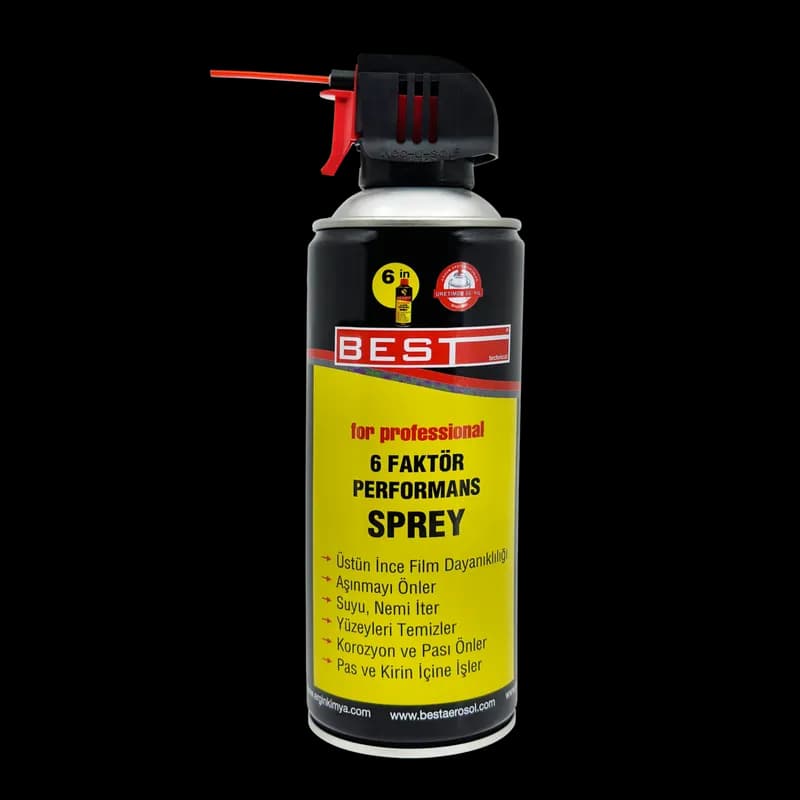
Best 6-in-1 Multi-Purpose Lubricant 200 ml
Best · Lubricant & Rust Remover Sprays
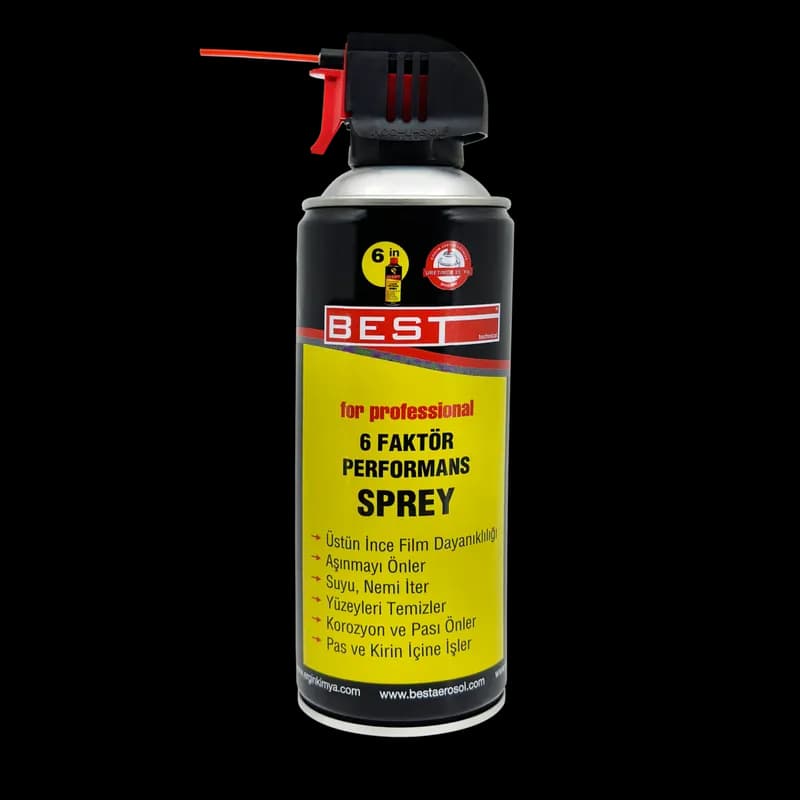
Best 6-in-1 Multi-Purpose Lubricant 400 ml
Best · Lubricant & Rust Remover Sprays
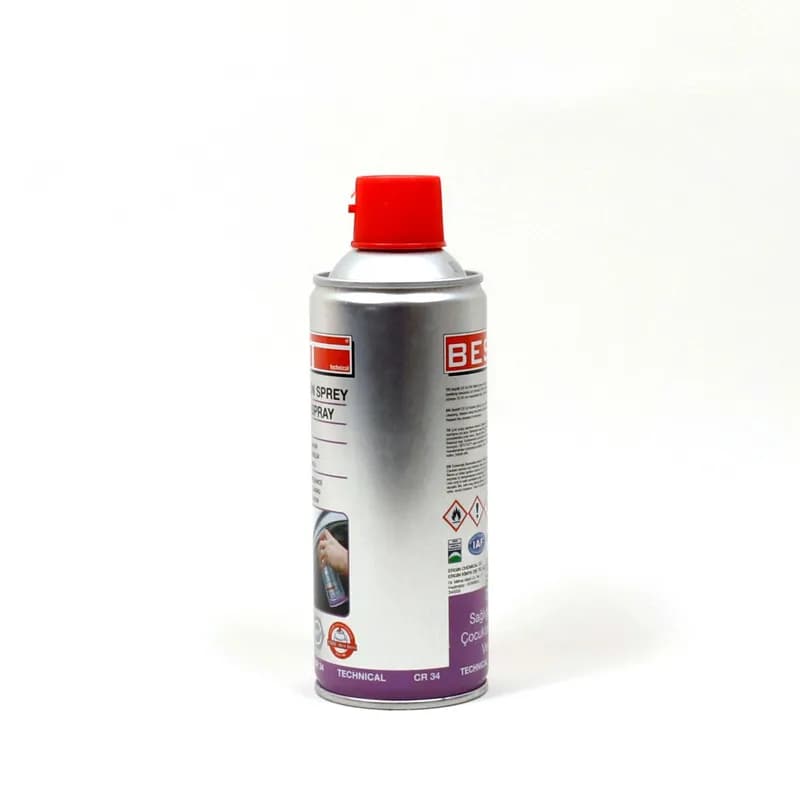
Best Rubber Seal Silicone Spray CR 34 400 ml
Best · Lubricant & Rust Remover Sprays
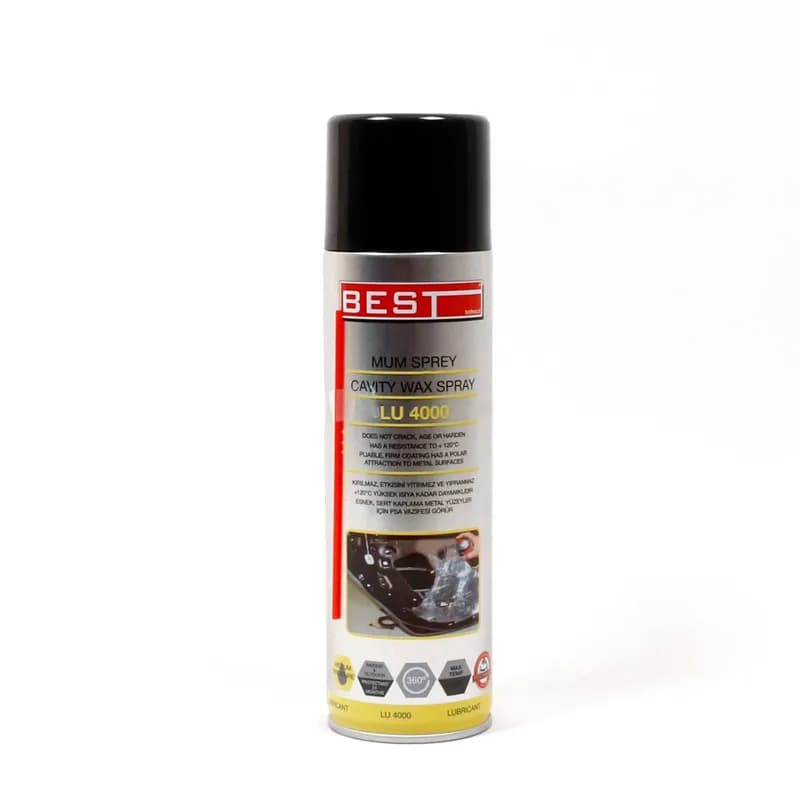
Best Cavity Wax Spray LU 4000 500 ml
Best · Lubricant & Rust Remover Sprays
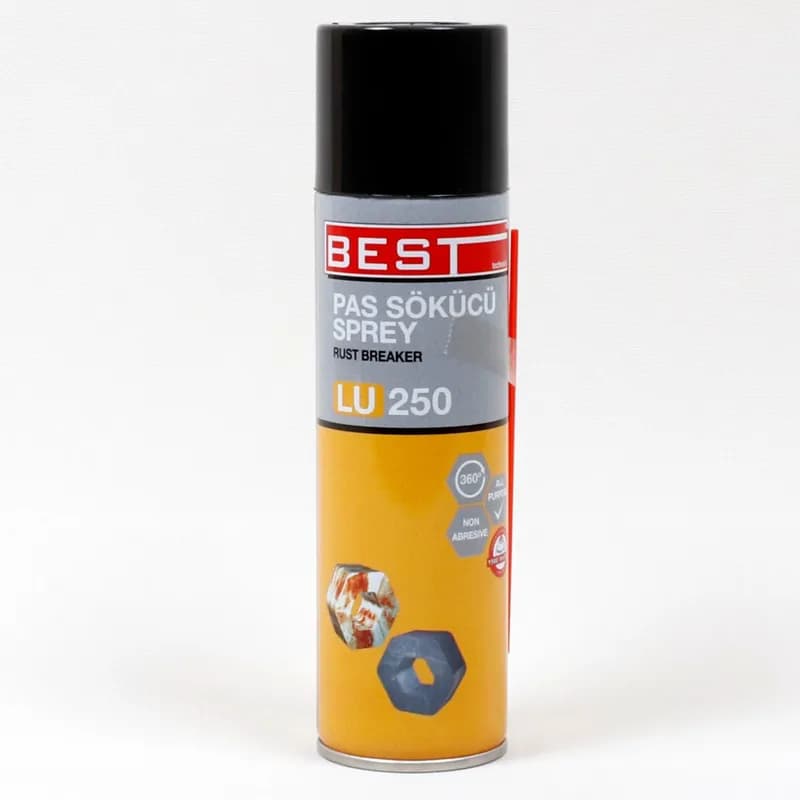
Best MoS₂ Rust Remover LU 250 250 ml
Best · Lubricant & Rust Remover Sprays
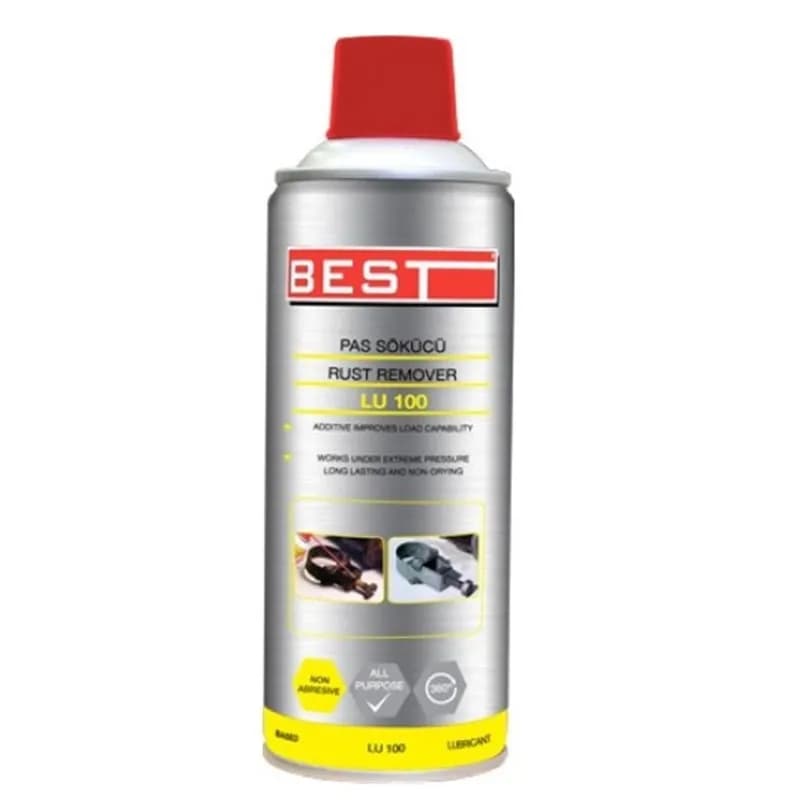
Best Rust Remover LU 100 400 ml
Best · Lubricant & Rust Remover Sprays
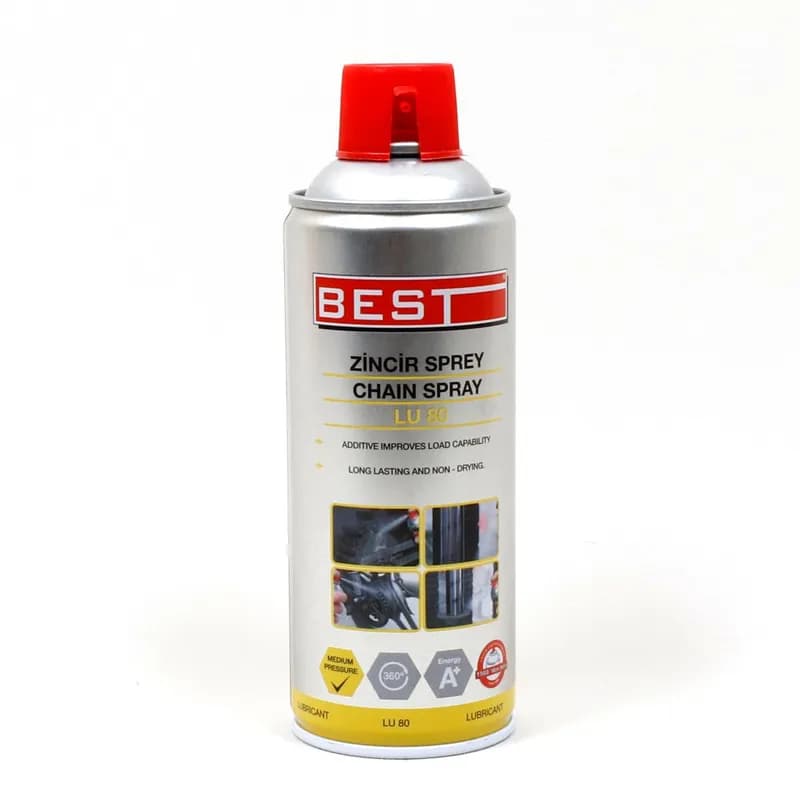
Best Chain Lubricant Spray LU 80 400 ml
Best · Lubricant & Rust Remover Sprays
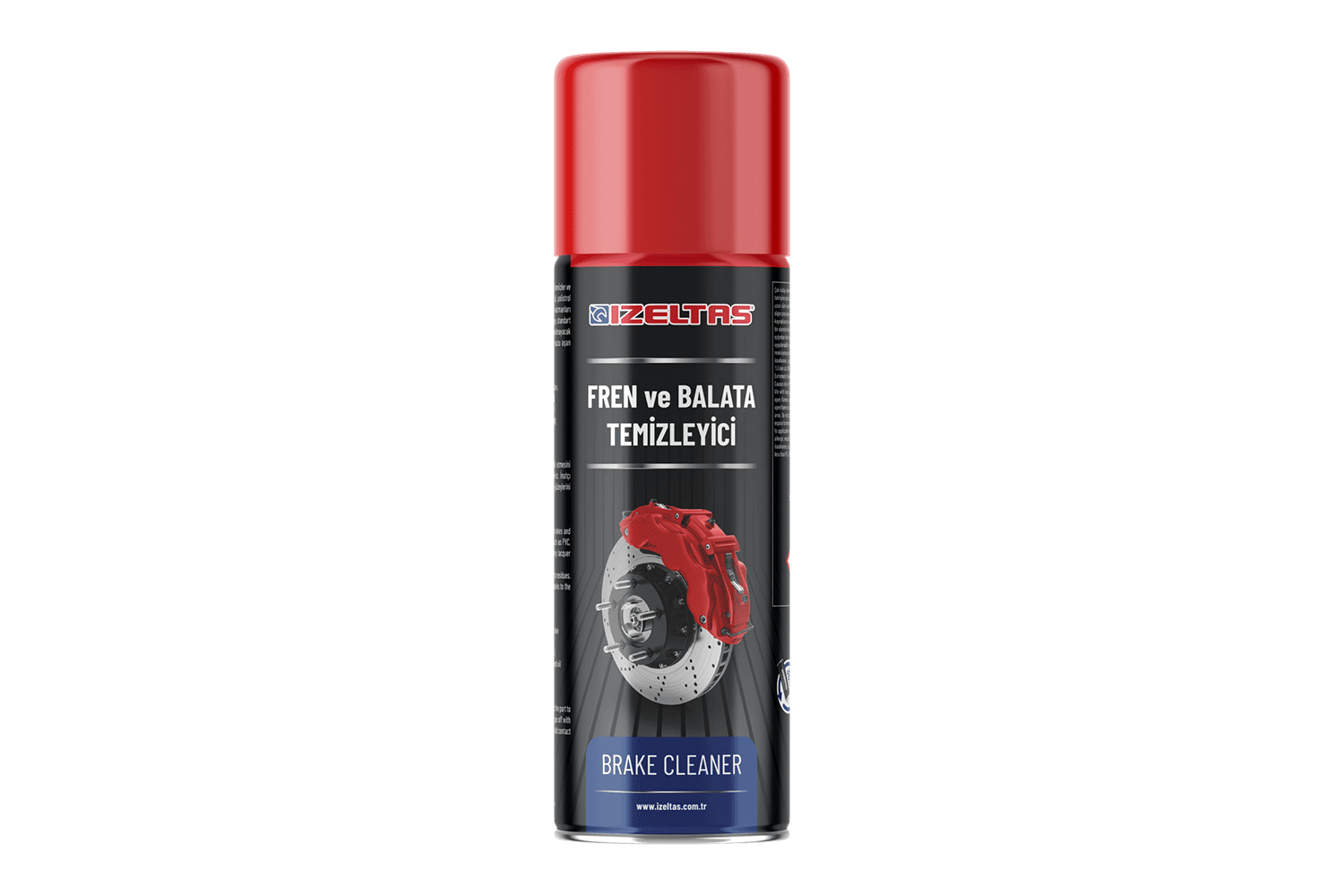
İzeltaş Brake Cleaner 500ml
İzeltaş · Lubricant & Rust Remover Sprays
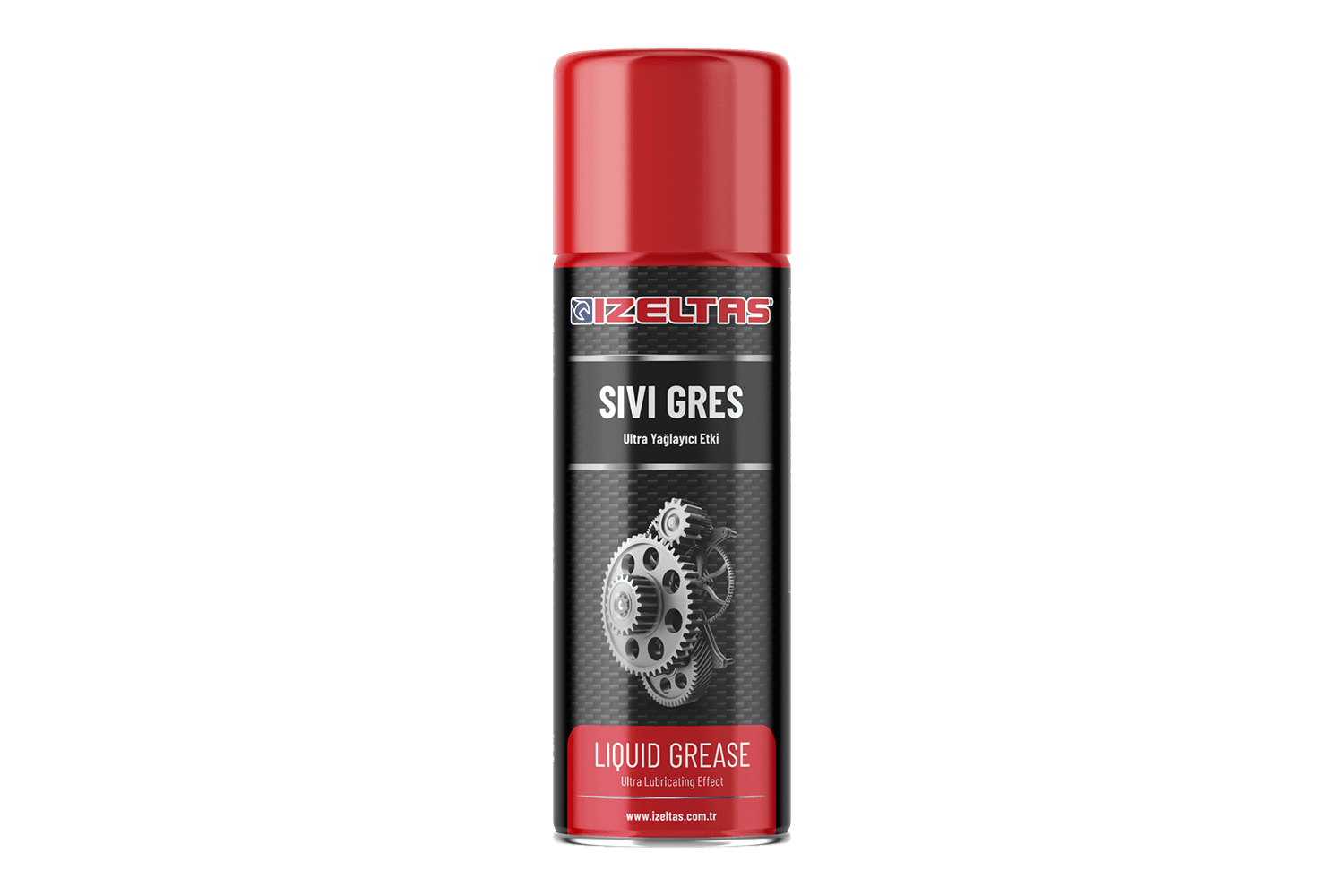
İzeltaş Liquid Grease 400ml
İzeltaş · Lubricant & Rust Remover Sprays
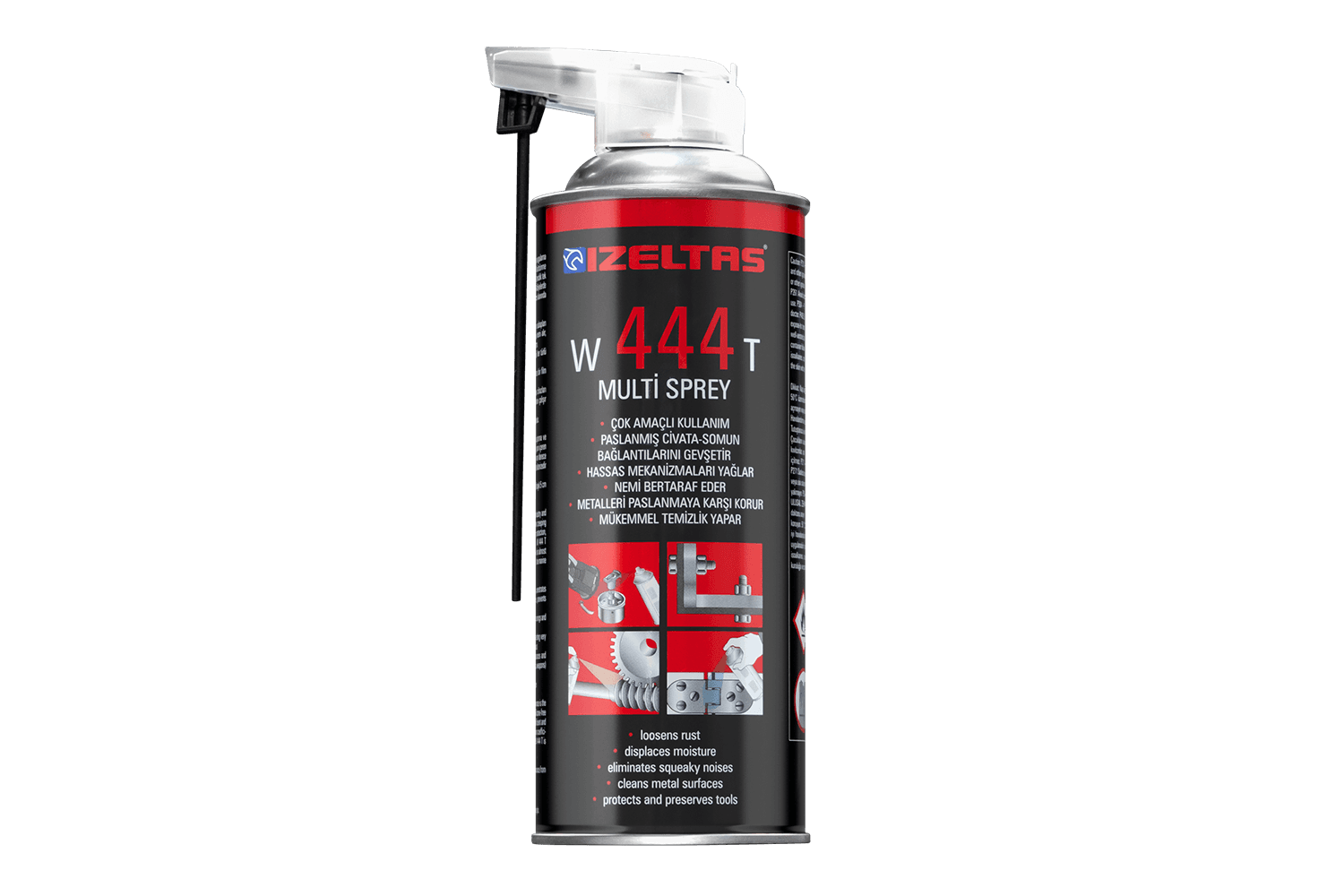
İzeltaş Multi Spray 400ml
İzeltaş · Lubricant & Rust Remover Sprays
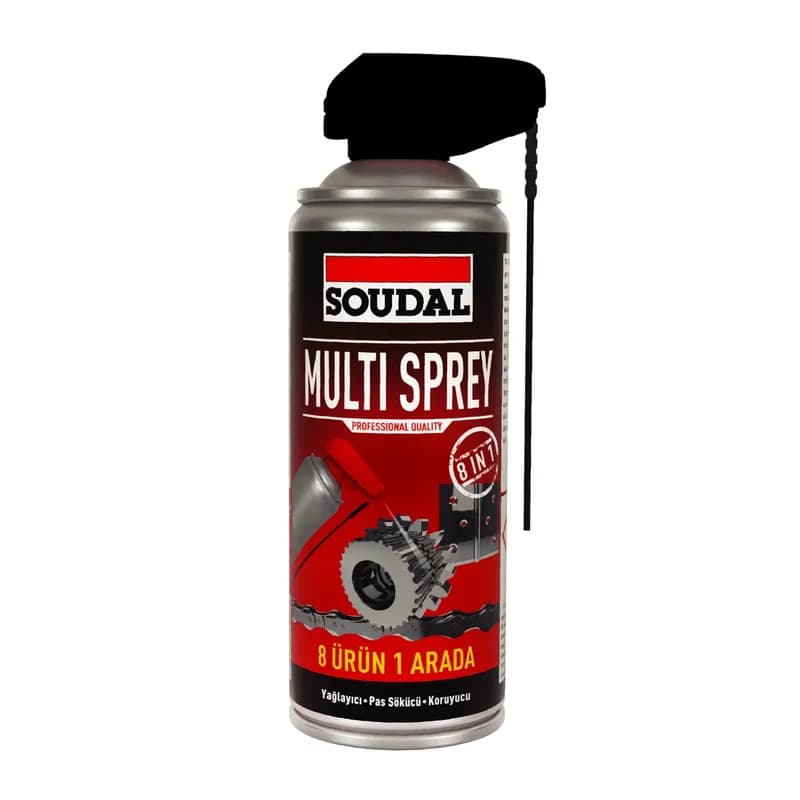
Soudal Penetrating Oil and Lubricant Spray 400 ml
Soudal · Lubricant & Rust Remover Sprays
How a rust remover works
A rust remover does not destroy rust chemically; it works into the pores of the rust and the thread clearance by capillary action and separates the surfaces. That is why waiting for it to penetrate, rather than reaching straight for the spanner, is what actually makes the difference.
The MoS₂ (molybdenum disulphide) version goes a step further: it leaves a lasting separating solid-lubricant layer between the metals, stops squeaking and makes the next disassembly of the same joint easier.
In both products the thin film left behind prevents further rusting; applied in two coats the protection is long-term.
Keeping the lubricant where it is put
On fast-turning parts such as a chain, thin oil flings off and the lubrication is over within ten minutes. That is why chain spray is high-viscosity and clinging: it penetrates bushings and pins at close tolerance, then stays there.
Cavity wax clings not to lubricate but to protect: it leaves a water-repellent film, heat resistant to 120 °C and flexible in the cold. It is used in the enclosed places where corrosion starts — channels, corners, sills and door bottoms — and is silicone free.
Frequently Asked Questions
How long should a rust remover dwell?
The older the seizure, the longer. Starting with a few minutes and reapplying if needed is always faster than forcing the bolt and rounding its head.
Is a multi-purpose spray the same as a rust remover?
No. A multi-purpose spray (6-in-1) lubricates, frees, cleans, displaces moisture, protects and stops squeaks all at once, and is better than a specialist product at none of them. Stubborn rust wants a dedicated rust remover; sustained lubrication wants chain or grease spray.
Where is silicone spray used?
In the care of rubber and plastic parts: on door seals, gaskets and rubber boots it feeds the rubber, eases assembly and stops seals freezing shut. Do not use it on surfaces that will be painted.
Is cavity wax the same as underbody coating?
No. Underbody coating is a thick, textured layer that absorbs stone chips; cavity wax is thin, water-repellent and fluid enough to creep into closed sections. They do not replace each other, they complement each other.