Categories
Magnetic Bases & Comparator Stands
A dial or test indicator does not measure on its own; it is mounted on a base or stand that holds it steady against the part. A magnetic base fixes the indicator to a machine table, a lathe carriage or the part itself; a comparator stand is for comparative measurement of parts in series on the bench.
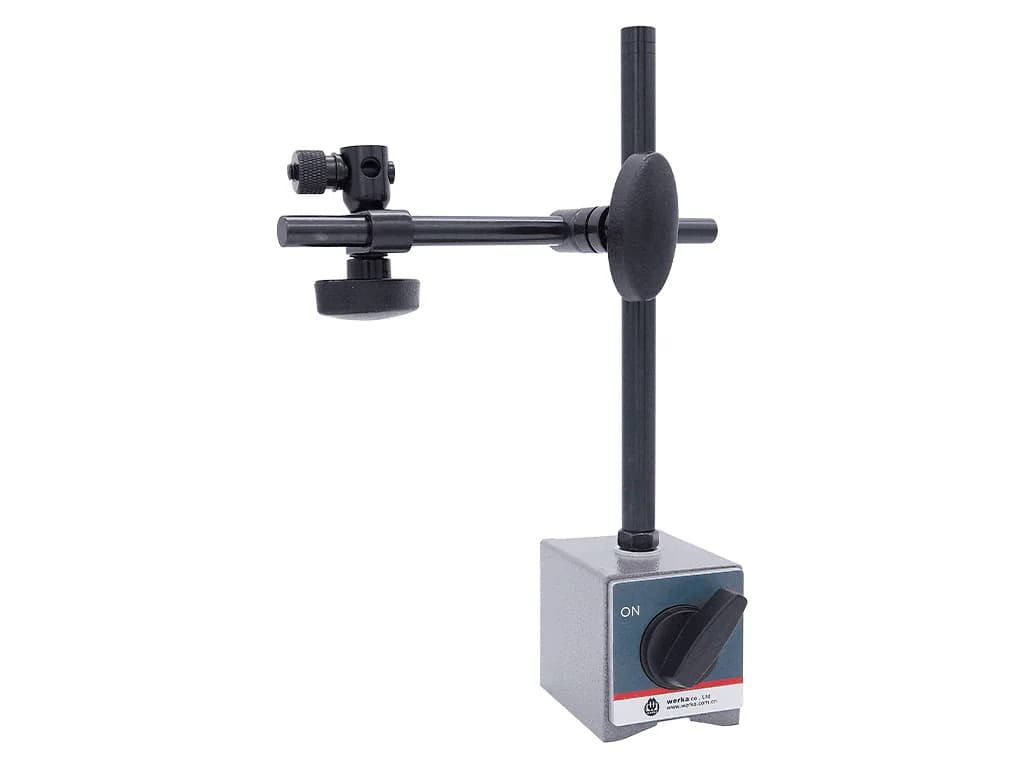
Werka Magnetic Base 60 kg W230-8159
Werka · Magnetic Bases & Comparator Stands
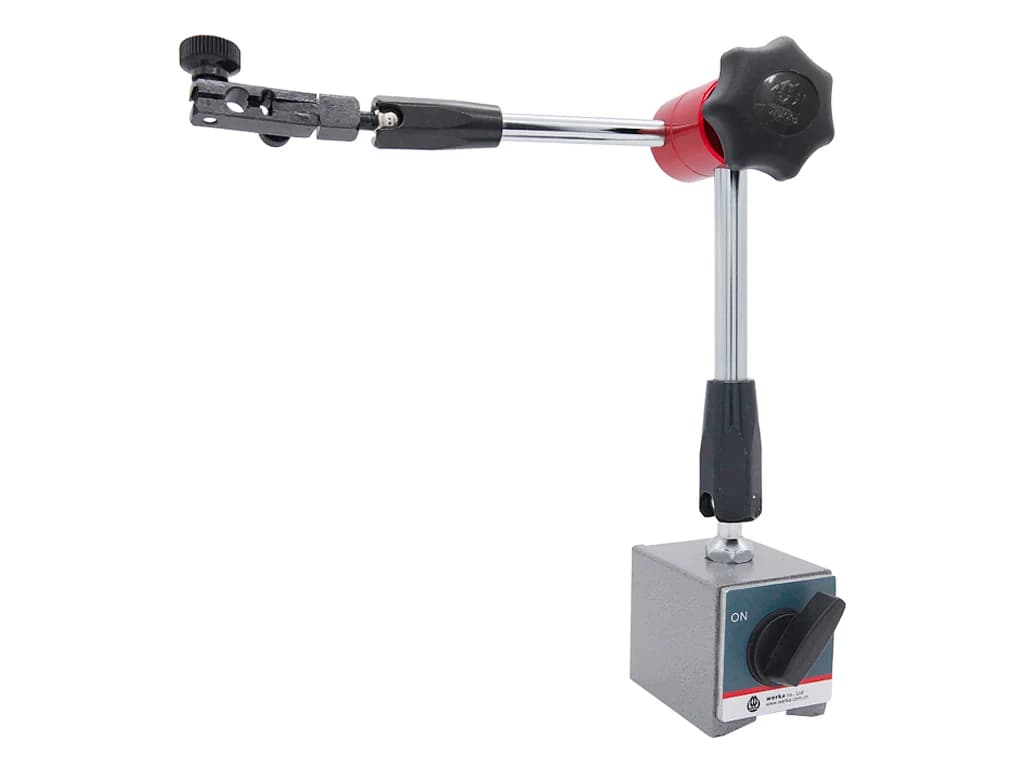
Werka Chrome Universal Magnetic Base 80 kg W230-8180
Werka · Magnetic Bases & Comparator Stands
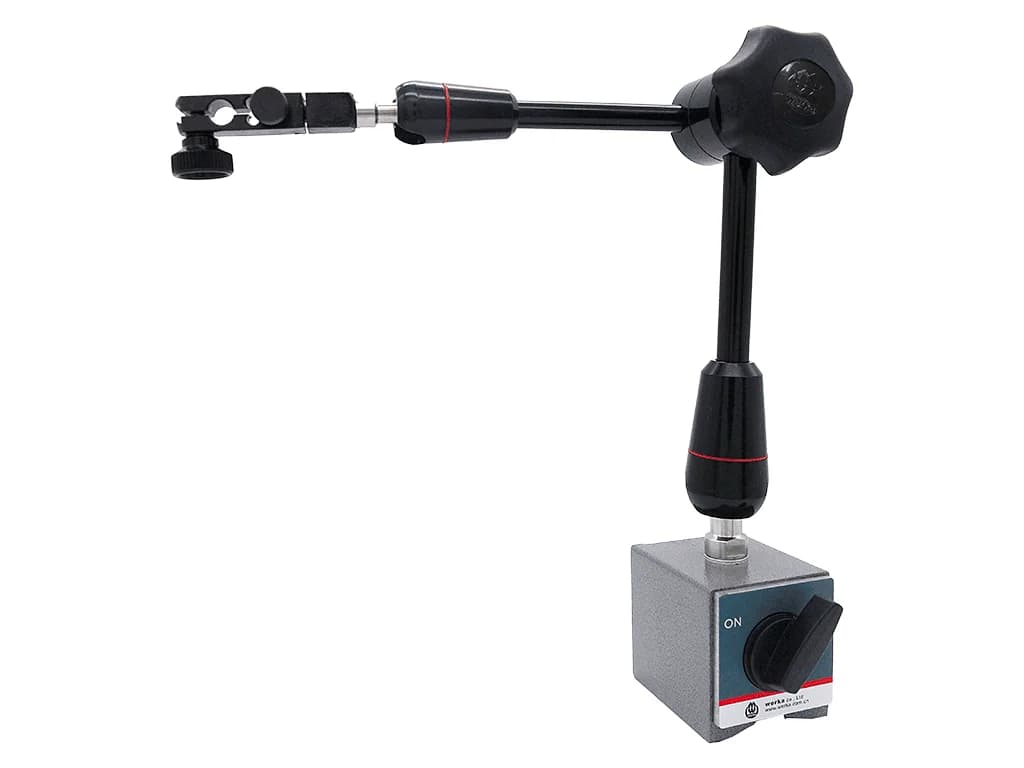
Werka Universal Magnetic Base 60 kg W230-8197
Werka · Magnetic Bases & Comparator Stands
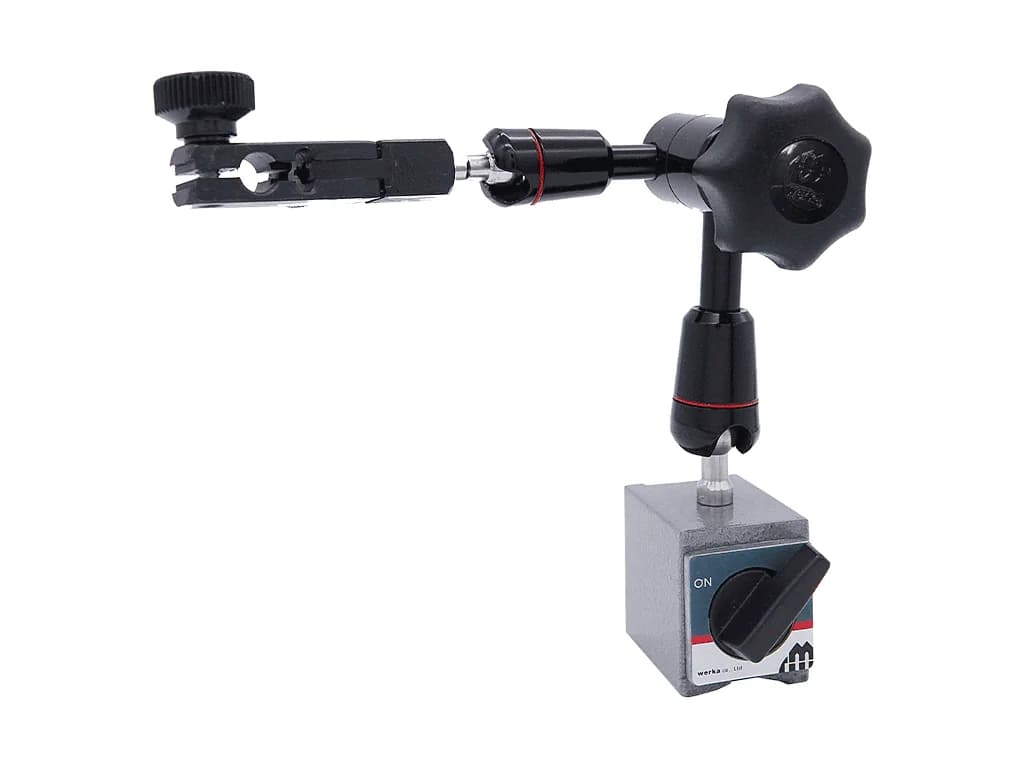
Werka Mini Universal Magnetic Base 40 kg W230-8203
Werka · Magnetic Bases & Comparator Stands
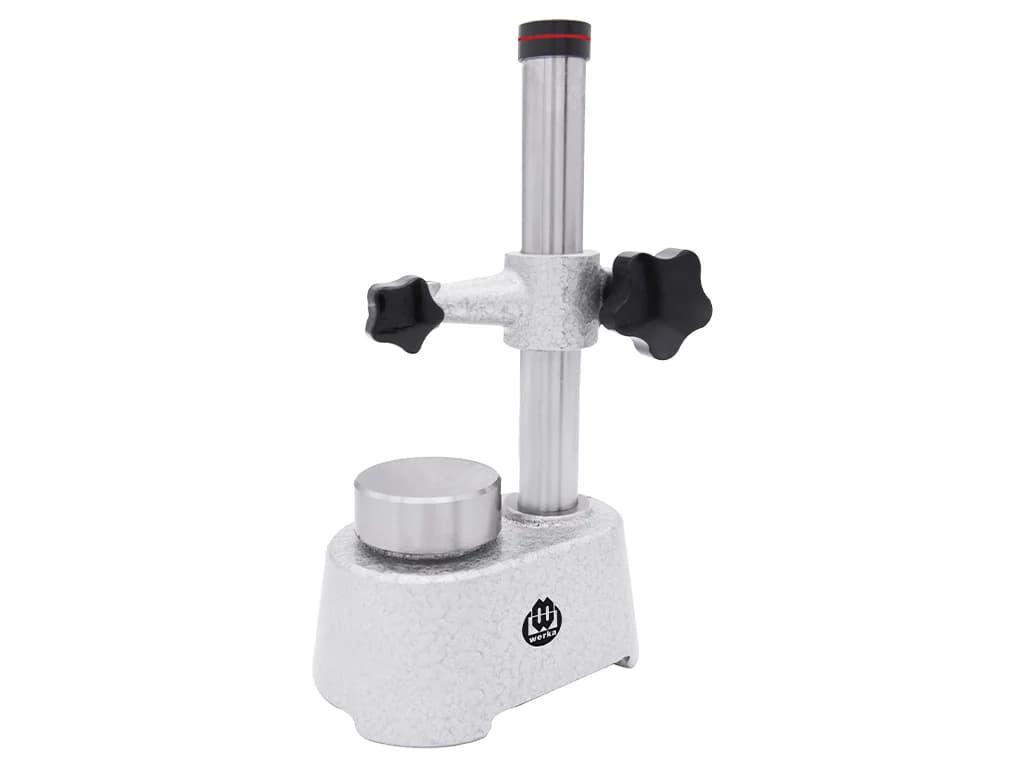
Werka Comparator Stand Ø50 mm W236-2423
Werka · Magnetic Bases & Comparator Stands
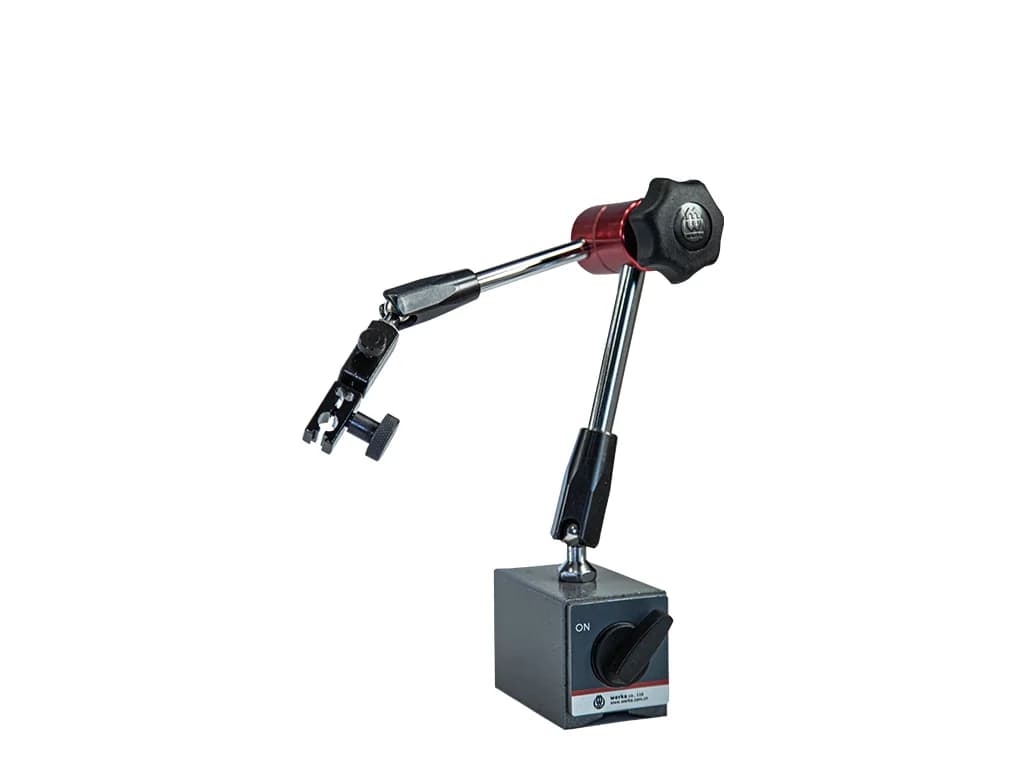
Werka Universal Magnetic Base 100 kg 75 x 50 x 55 mm W7103-100
Werka · Magnetic Bases & Comparator Stands
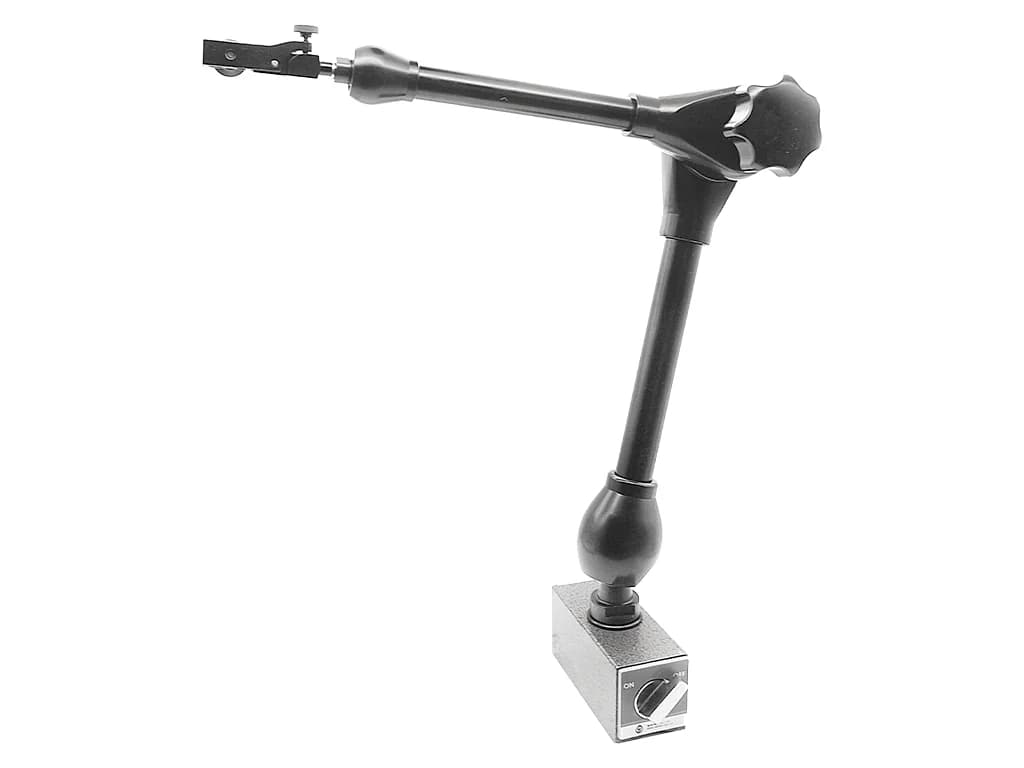
Werka Heavy-Duty Universal Magnetic Base 130 kg W7129-130
Werka · Magnetic Bases & Comparator Stands
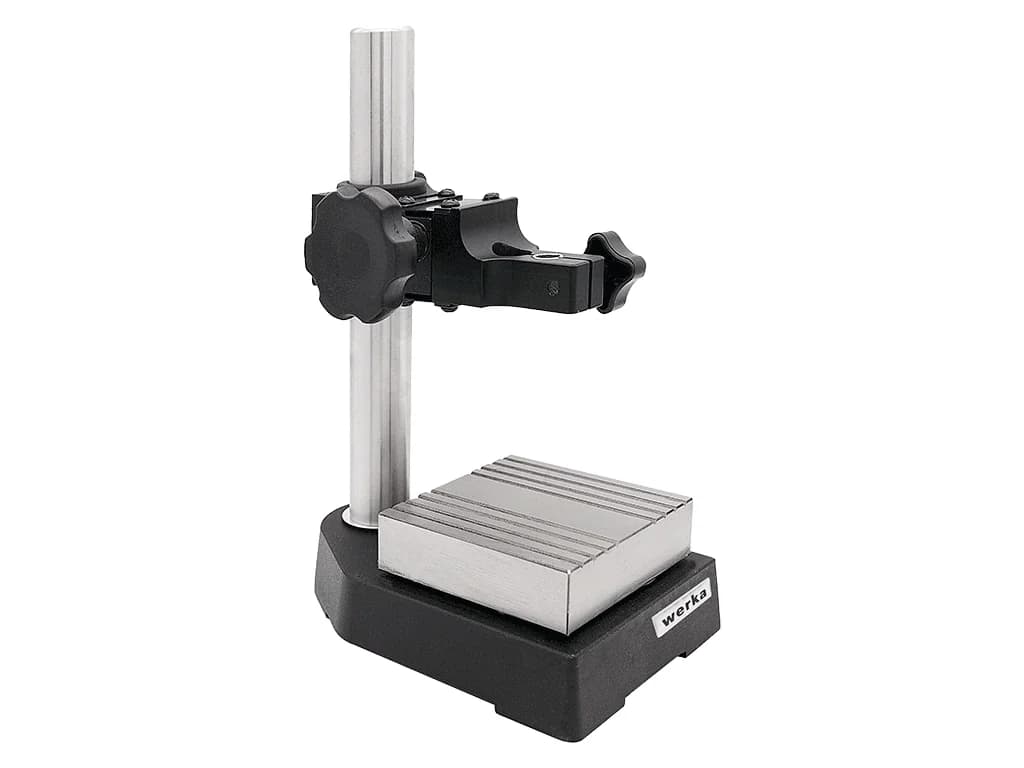
Werka Precision Comparator Stand 80 x 80 mm W7132-80
Werka · Magnetic Bases & Comparator Stands
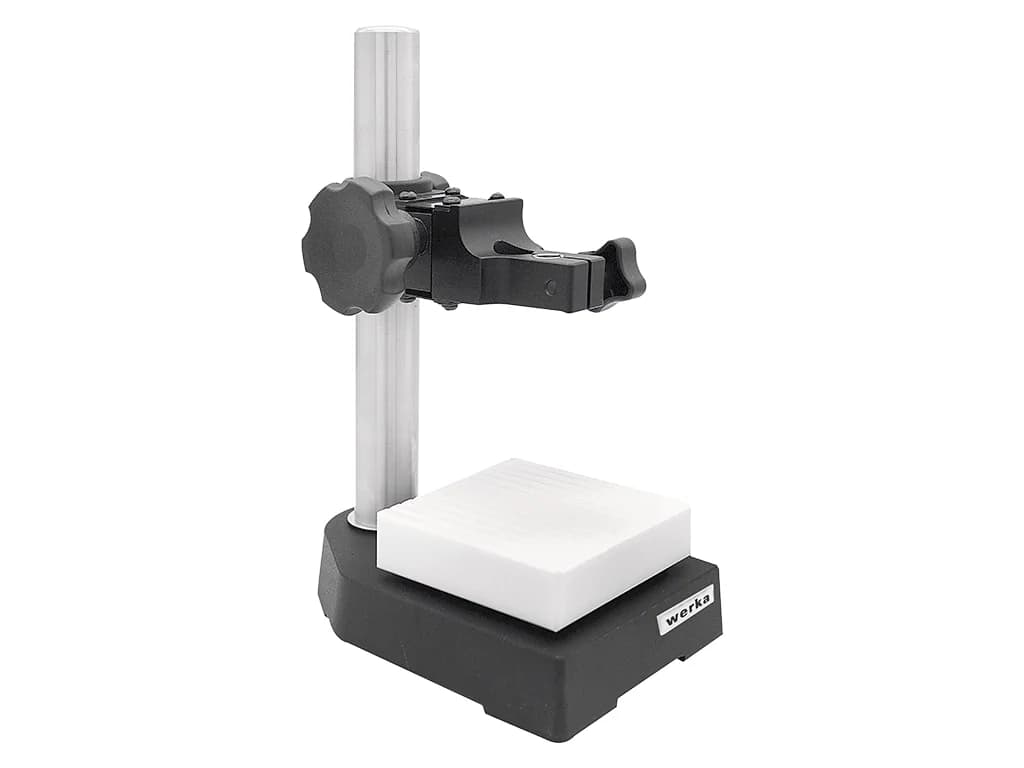
Werka Ceramic Precision Comparator Stand 80 x 80 mm W7132-C80
Werka · Magnetic Bases & Comparator Stands
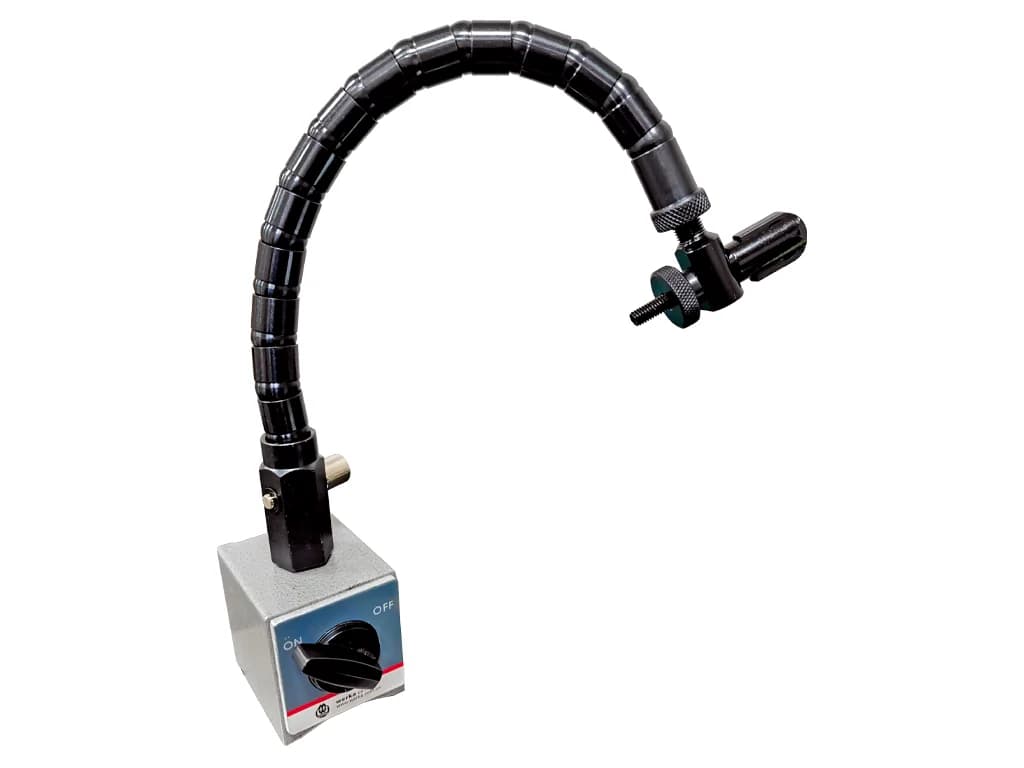
Werka Flexible Magnetic Base 60 kg W7138-60
Werka · Magnetic Bases & Comparator Stands
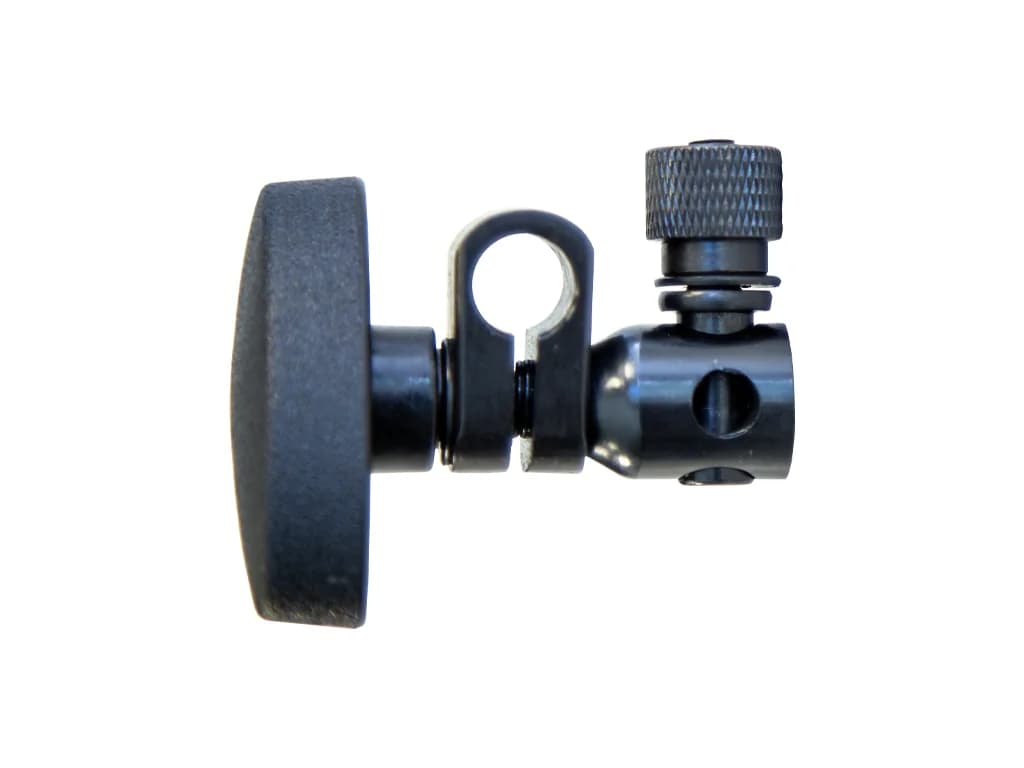
Werka Magnetic Base Holder (W230-8159, W230-8166, W230-8173) WP-8159-01
Werka · Magnetic Bases & Comparator Stands
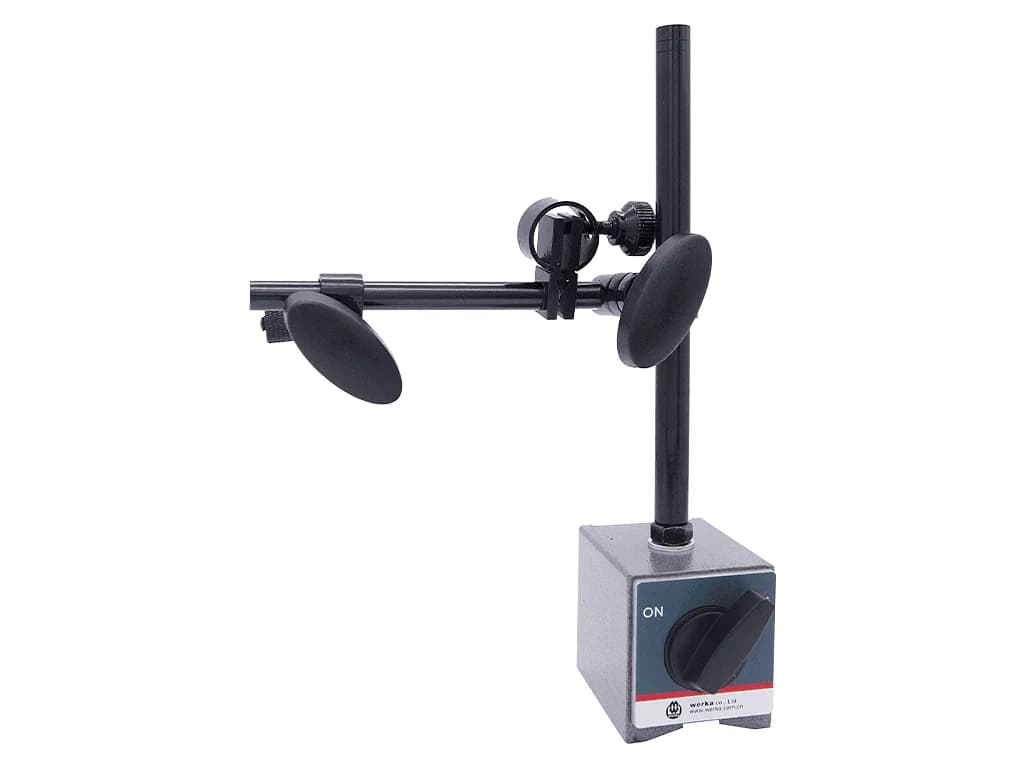
Werka Fine-Adjust Magnetic Bases
Werka · Magnetic Bases & Comparator Stands
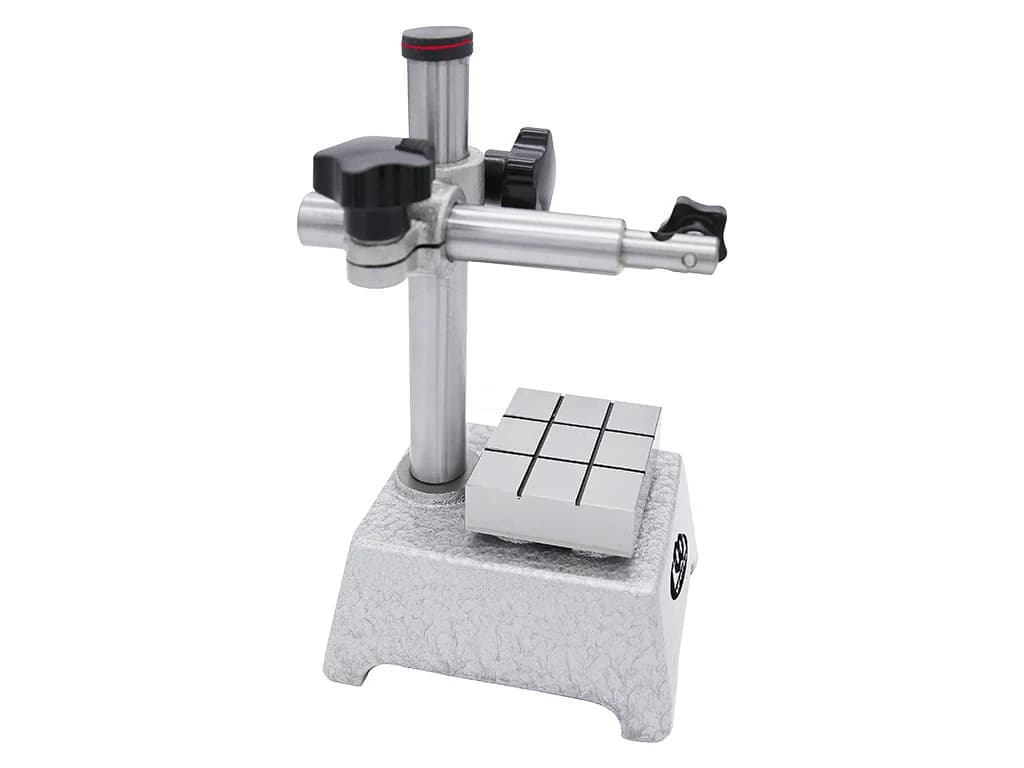
Werka Comparator Stands
Werka · Magnetic Bases & Comparator Stands
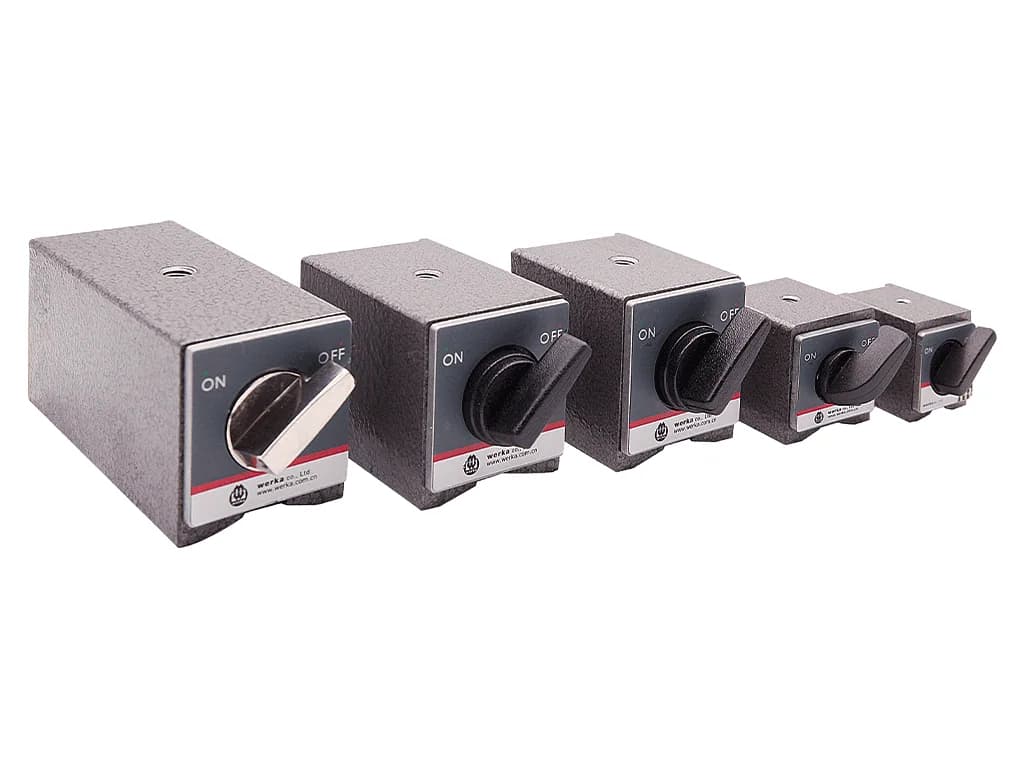
Werka Magnetic Bases
Werka · Magnetic Bases & Comparator Stands
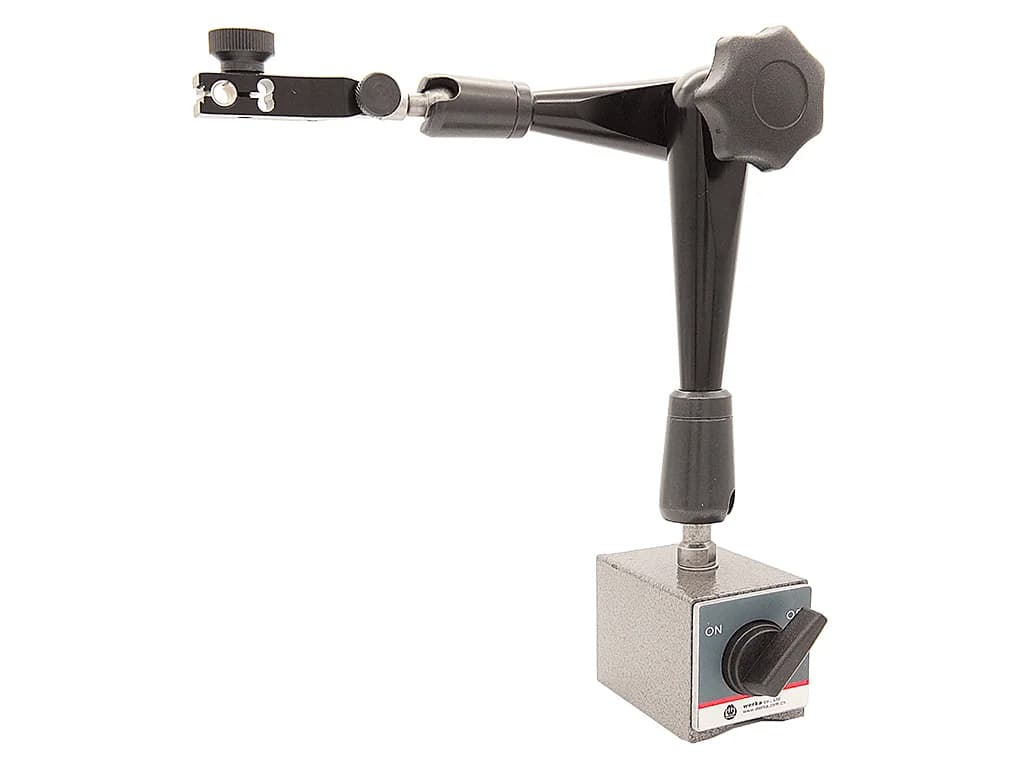
Werka Universal Magnetic Bases
Werka · Magnetic Bases & Comparator Stands
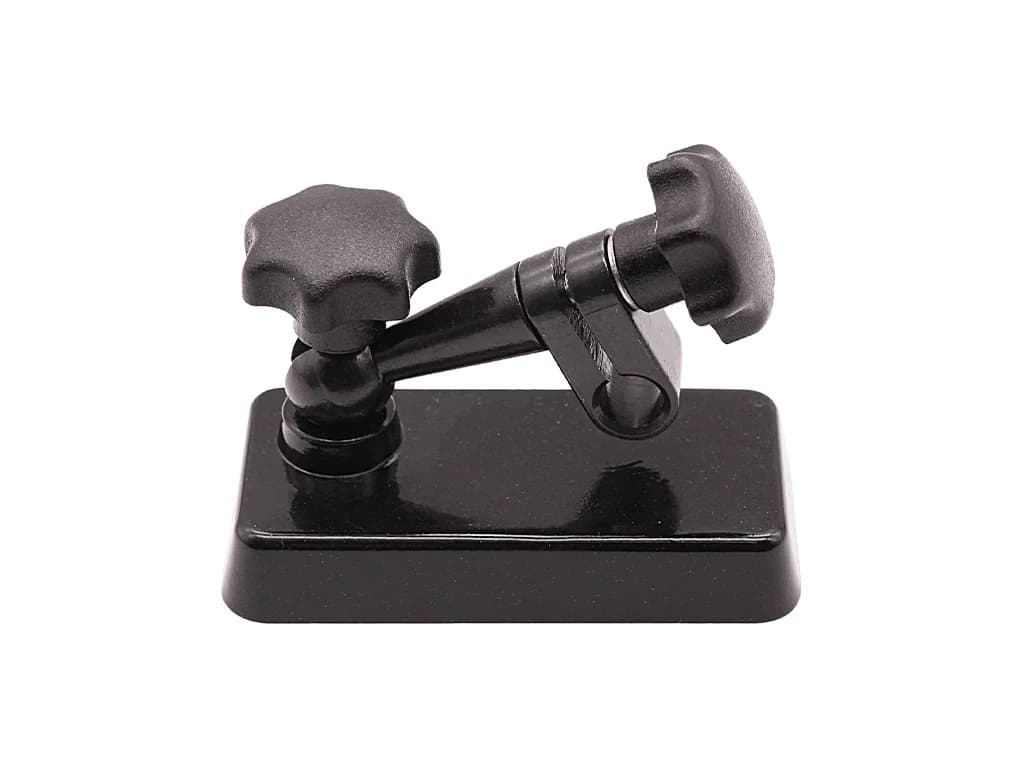
Werka Mini Magnetic Comparator Stands
Werka · Magnetic Bases & Comparator Stands
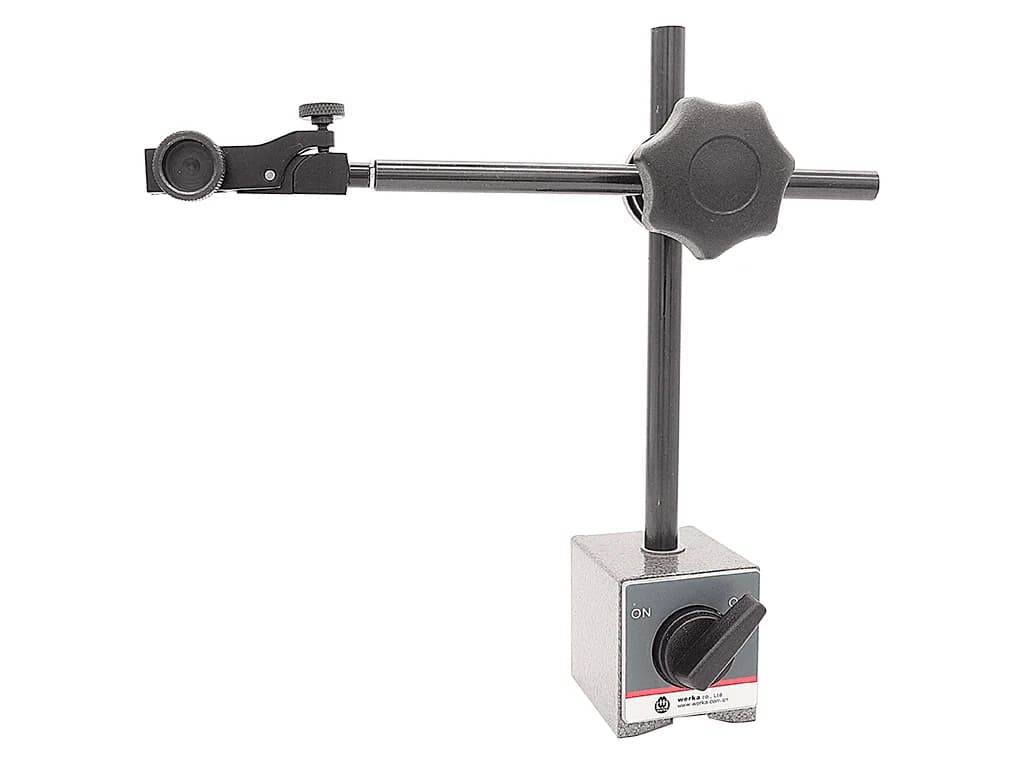
Werka Heavy-Duty Magnetic Bases
Werka · Magnetic Bases & Comparator Stands
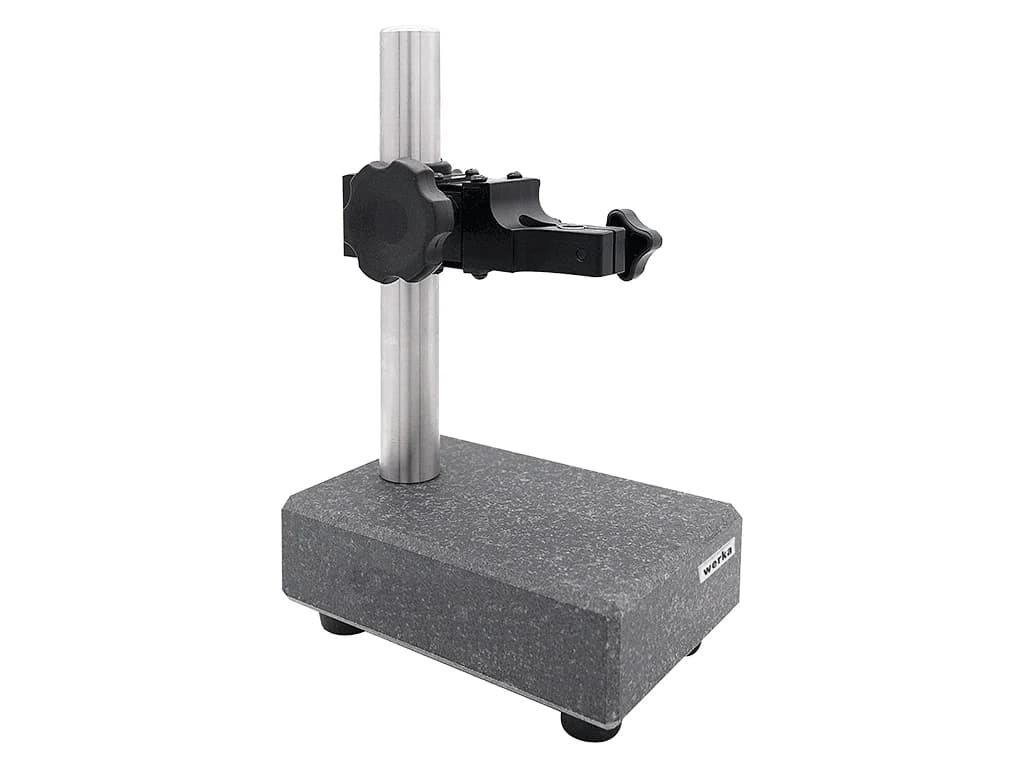
Werka Granite Precision Comparator Stands
Werka · Magnetic Bases & Comparator Stands
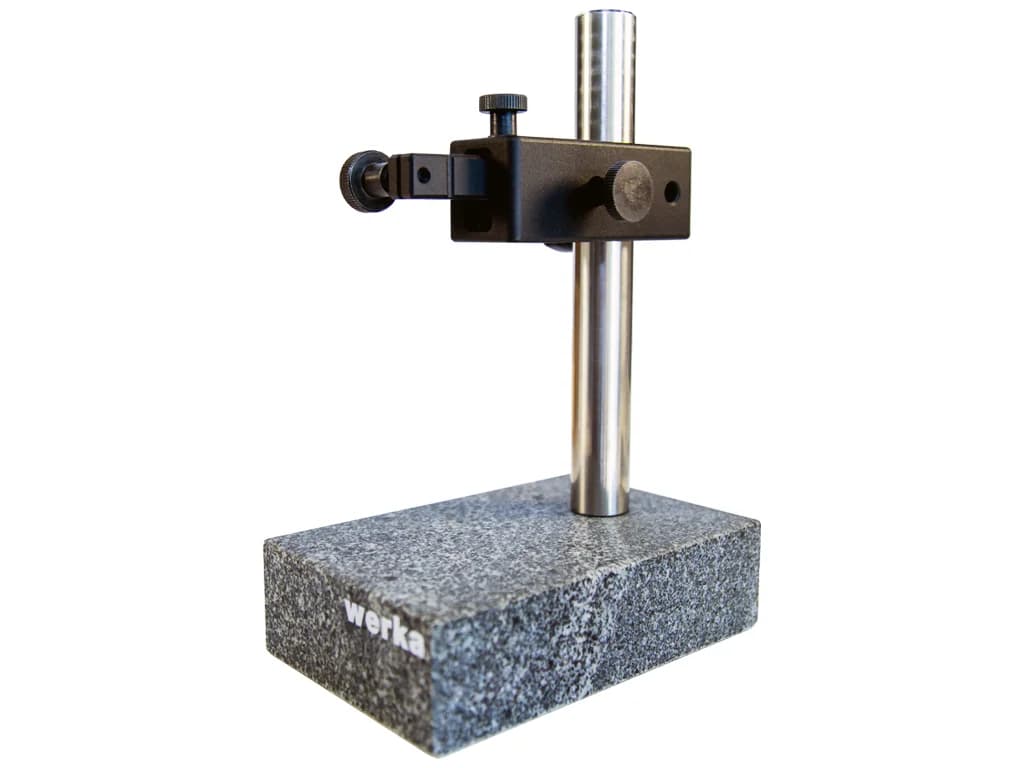
Werka Grade 00 Granite Precision Comparator Stands
Werka · Magnetic Bases & Comparator Stands
Choosing a magnetic base
Holding force (kg) decides how long and heavy an arm the base carries: long reaches and vibrating machines need a stronger base. The magnet switches on and off, so the base comes off the table easily.
The arm is the second criterion. An articulated arm locks with one knob and sets quickly; a flexible arm bends any way; fine-adjust models bring the indicator to the part over the last millimetres with a screw.
Comparator stands
The stand's table is the reference. Granite and ceramic tables move little with temperature, do not rust and keep their flatness; steel tables cost less. Table size and column height are chosen for the largest part to be measured.
Frequently Asked Questions
Does a magnetic base work on an aluminium table?
No, the magnet only holds to steel and cast iron. On aluminium and stainless use a comparator stand or a clamp-on holder.
Why choose a granite stand?
Granite expands far less than steel with temperature, does not rust and does not raise a burr when scratched, so the reference stays true.